
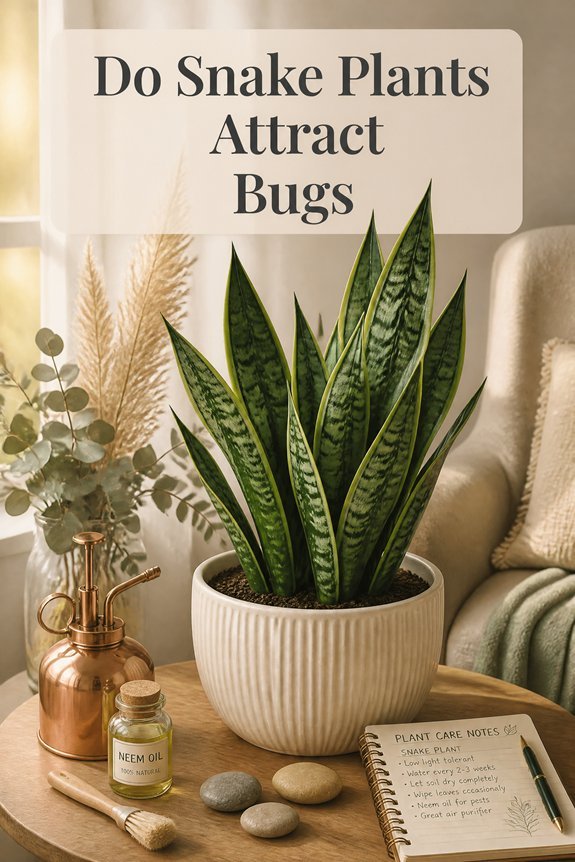
Snake plants have a reputation for being tough, but they’re not immune to pest issues. Mealybugs, spider mites, and scale insects are the usual culprits when problems do arise.
These pests tend to show up when the plant’s environment becomes stressed or unbalanced. What invites these unwanted visitors? Overwatering is a major factor, as soggy soil creates perfect conditions for many insects.
Poor air circulation and dusty leaves also give pests places to hide and multiply. A neglected snake plant sitting in a dark corner with wet soil is practically sending out invitations.
Spotting trouble early makes all the difference. Watch for sticky residue on leaves, tiny webbing, or cotton-like clusters tucked into leaf joints.
Catching these signs before the infestation spreads will save both your plant and your sanity. Regular inspections keep small problems from becoming major headaches.
Common Bugs That Attack Snake Plants
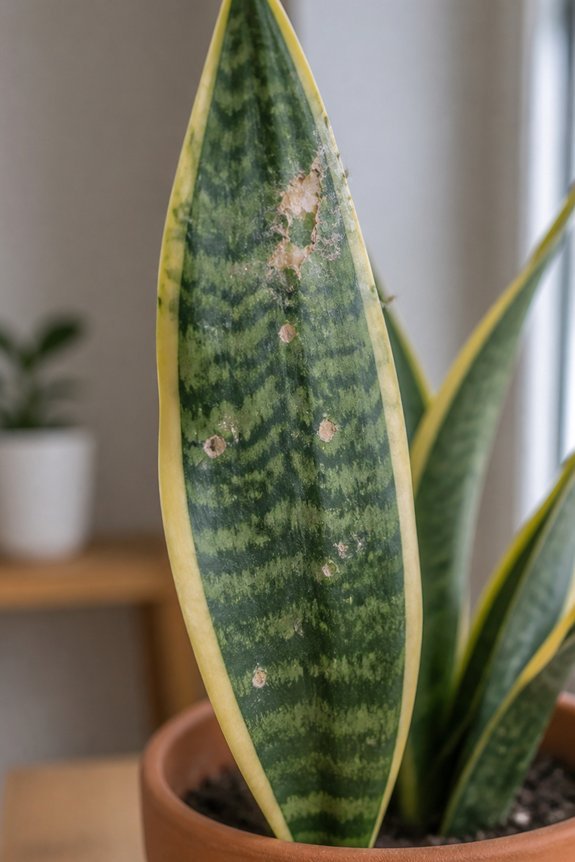
Snake plants are tough, but bugs still find them. Here are the usual suspects to watch for.
Mealybugs look like tiny cotton balls on leaves and stems. They suck sap and leave yellow spots behind. Spider mites spin fine webs while they drain your plant. You might notice speckled leaves before you see the webs. Scale insects sit still as brown bumps. They stick to leaves and stalks and quietly feed. Fungus gnats buzz around wet soil. They mean you’re watering too much. Aphids show up less often, but they love new growth when they do.
Check your plant often. Look under leaves, along stems, and at the soil line. Indoor bugs spread fast with no predators to stop them. Spot them early, and you save your plant from real damage.
Also read: Why Is My Peace Lily Not Growing
Why Snake Plants Attract Pests (Environmental Risk Factors)
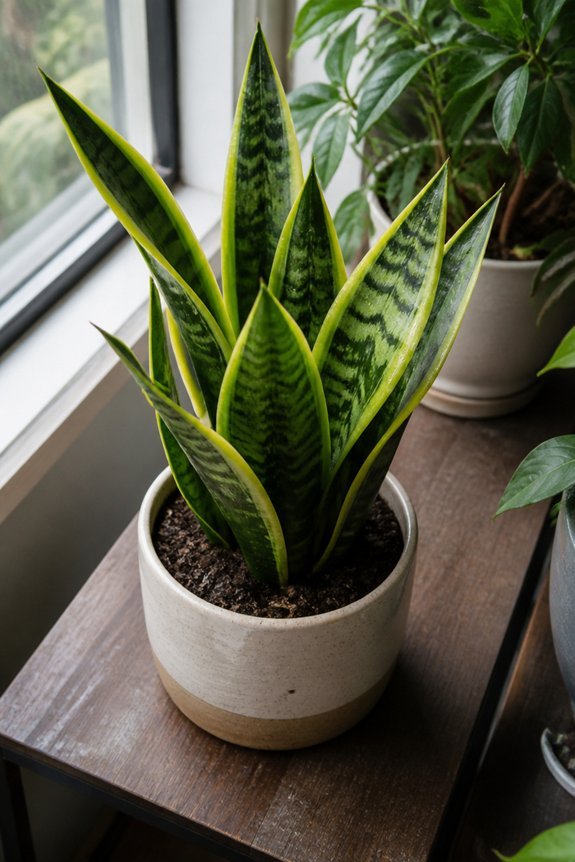
Snake plants are tough. But even hardy plants have their limits.
Overwatering is the biggest culprit. It leaves moisture where spider mites, mealybugs, and scale insects thrive. Poor air circulation doesn’t help either. Humidity gets trapped against the leaves, creating perfect conditions for pests to settle in.
Low light slowly saps the plant’s strength. Weakened defenses make infestations more likely. Dust buildup adds another problem. It gives pests places to hide and feed undisturbed.
Winter brings its own twist. Indoor heating dries the air, which stresses the plant. Paradoxically, this dryness also invites spider mites.
Crowded arrangements let pests jump from plant to plant. Temperature swings between warm and cold spots add stress. Nutrient-poor soil leaves the plant running on empty.
These factors stack up quickly. Together, they turn a resilient snake plant into a target.
Spot Bug Damage Early: Signs of Infestation
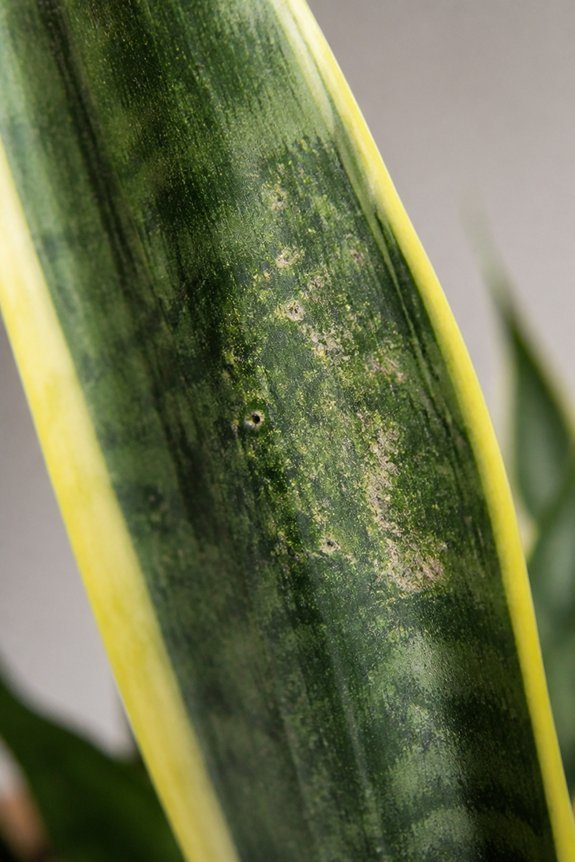
Stressed plants often fall victim to bugs before you even notice. Catch the problem early, and your snake plant will thank you.
Sticky leaves usually mean mealybugs or scale insects have moved in. Spider mites leave tiny yellow or brown spots on the foliage. Spot fine webbing between leaves? That’s classic spider mite territory. Watch for twisted or stunted new growth too. Aphids love fresh shoots.
Check your soil surface and drainage holes regularly. Bugs gather there first. Flip those leaves over and inspect underneath. Pests hide where you least expect. Wilting with proper watering? Suspect fungus gnats or other root pests.
Early action means easier fixes. It also keeps the trouble from spreading to your other plants.
Prevent Pest Problems on Snake Plants
Most pest problems never have to happen. Consistent care and quick attention stop bugs before they take hold.
Healthy snake plants fight off pests naturally. Give yours proper watering, decent light, and clean leaves. They’ll stay stronger than neglected plants.
Overwatering invites trouble. Mealybugs and root rot love wet soil. Let things dry out between waterings.
Check new plants before bringing them home. One infested pot can wreck your whole collection.
A monthly wipe with a damp cloth clears dust and catches early pests. Good air circulation keeps spider mites and fungus away too.
Spot an infestation? Isolate that plant immediately. This simple step protects everything nearby.
Skip heavy fertilizer. Soft, overgrown leaves attract insects. Regular check-ins catch issues while they’re still easy to fix.
Treating Snake Plant Bugs: Natural and Chemical Solutions
Even with good prevention, bugs sometimes find their way to your snake plant. Don’t worry. You have options ranging from gentle to more powerful treatments.
Natural methods work great for most infestations. Try spraying neem oil or insecticidal soap on affected areas. A simple mix of water and dish soap also does the trick. These solutions interrupt how insects grow and protect themselves. No harsh chemicals needed. For mealybugs or spider mites specifically, wipe the leaves directly with rubbing alcohol.
Sometimes you need something stronger. Chemical pesticides with pyrethrin or horticultural oils kill bugs on contact. How often you apply depends on the pest and how bad things have gotten. Usually that’s weekly or every two weeks.
Always isolate your plant during treatment. Move it away from your other houseplants. This stops pests from spreading to healthy greenery.
Know When to Quarantine or Repot
Catching problems early makes all the difference. Watch for visible pests like mealybugs, spider mites, or scale insects on your snake plant. Spot something? Move that plant away from your others right away.
Quarantine typically lasts two to four weeks. This gives you time to treat the infestation without risking your whole collection.
Sometimes the soil itself holds the problem. Pests lay eggs and larvae hide deep in the growing medium. Fresh, sterile potting soil solves this. Check the roots while you’re at it. Look for damage or any stragglers still hanging on.
Always pick a pot with drainage holes. Stagnant moisture only invites more unwanted visitors. And don’t forget to peek at your nearby plants each week. Early detection stops a small issue from becoming a big one.
Keep Your Snake Plant Bug-Free Long Term
Keeping your snake plant bug-free is easier than you might think. It all comes down to building small habits that add up over time.
Start with a quick weekly check. Look at the leaves, stems, and top of the soil. Spotting pests early means you can stop them before they spread. A soft, damp cloth works wonders here. Wipe the leaves gently to clear away dust and catch any spider mites or mealybugs hiding out.
Watering habits matter more than most people realize. Snake plants hate soggy roots. Let the soil dry out between drinks. This simple step keeps fungus gnats away since they love wet conditions. Make sure your pot has drainage holes and use soil that doesn’t hold water for too long.
Give your plant some breathing room. Good airflow around the leaves makes it harder for pests to settle in and stay. When you bring home a new plant, keep it separate for a week or two. This protects your snake plant from any hitchhikers.
A monthly mist of neem oil or insecticidal soap acts like insurance against future problems. Keep humidity moderate too. Your snake plant prefers it that way, and so do you when it comes to avoiding bugs.
Frequently Asked Questions
Can Snake Plants Actually Repel Insects Instead of Attracting Them?
Snake plants possess natural compounds that can deter certain insects rather than attract them. Their thick, waxy leaves and low moisture requirements make them inhospitable environments for many common household pests seeking softer vegetation.
Are Certain Snake Plant Varieties More Susceptible to Pest Infestations Than Others?
Studies show spider mites infest approximately 40% of snake plants in indoor collections. Certain varieties, particularly those with softer foliage, prove more vulnerable to pest infestations than hardy cultivars with thicker, waxy leaves.
How Quickly Can Bug Infestations Spread From Snake Plants to Nearby Houseplants?
Bug infestations can spread from snake plants to nearby houseplants within days to weeks, depending on pest type and proximity. Spider mites and mealybugs transfer quickly through contact, while others disperse via air circulation or direct plant touching.
Do Snake Plants in Outdoor Environments Attract Different Pests Than Indoor Plants?
Outdoor snake plants encounter a broader spectrum of uninvited visitors compared to their indoor counterparts. Environmental exposure attracts additional crawling companions, including grasshoppers, beetles, and soil-dwelling creatures rarely encountered indoors.
Can Propagating Snake Plants From Infested Mother Plants Transfer Bugs to New Plants?
Yes, propagating snake plants from infested mother plants can transfer pests to new plants. Spider mites, mealybugs, and scale insects may travel on cuttings or remain in soil, establishing infestations in propagated specimens.
Conclusion
Snake plant bug prevention functions like a locked door: proper maintenance keeps pests outside, while neglect opens entry points. Regular inspection, appropriate watering, good air circulation, and dust removal form a protective barrier. When infestations occur, early detection and treatment with natural or chemical solutions prevent severe damage. Consistent care practices maintain plant health and pest resistance long-term, requiring minimal intervention.