
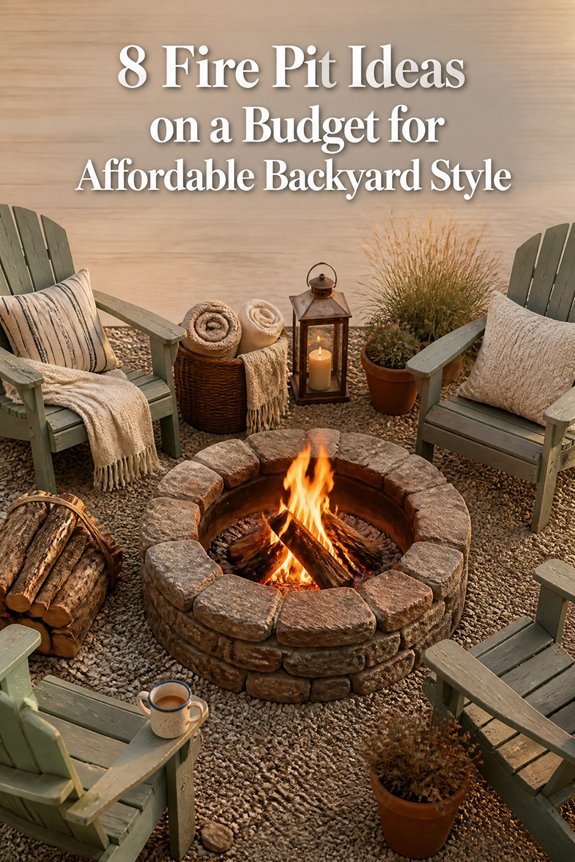
Building an outdoor fire pit doesn’t have to drain your savings. Plenty of budget-friendly materials can transform your backyard without the hefty price tag.
Metal fire rings, terracotta pots, and basic concrete blocks all make surprisingly effective fire containers. Stock tanks and galvanized troughs from farm supply stores work beautifully too. Renters might prefer portable tabletop models they can take when they move. Each material brings its own mix of affordability, longevity, and ease of installation.
The best choice depends on your specific situation. Consider how much you’re willing to spend upfront, how long you want the pit to last, and whether you need something permanent or movable.
Safety requirements and maintenance needs also vary significantly between options, so factor those into your decision before getting started.
Instant Fire Pit Ring Without Digging
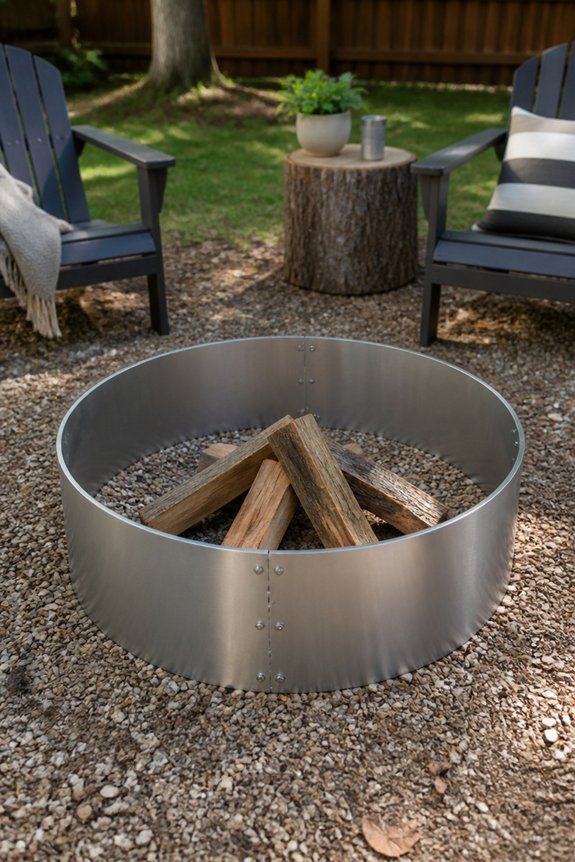
Skip the shovel entirely. A metal fire pit ring from your local hardware store sets up in minutes. Just pick a spot, drop it down, and you’re ready for flames.
These rings typically span 36 to 48 inches across. They rest right on grass or bare soil without any prep work. For extra stability, lay concrete pavers underneath to create a flat surface.
Steel fire bowls and decorative metal basins work the same way. They hold your wood and contain sparks while looking polished.
Want something different? Arrange shipping pallets in a circle and treat them with fire-resistant coating. Or stack cinder blocks into a ring for a more permanent setup.
Each option keeps costs low and effort minimal. Your backyard hangout space starts tonight.
Also read: 12 Sunken Fire Pit Ideas for a Built-In Lounge Feel
Stacked Terracotta Pots for Garden Ambiance
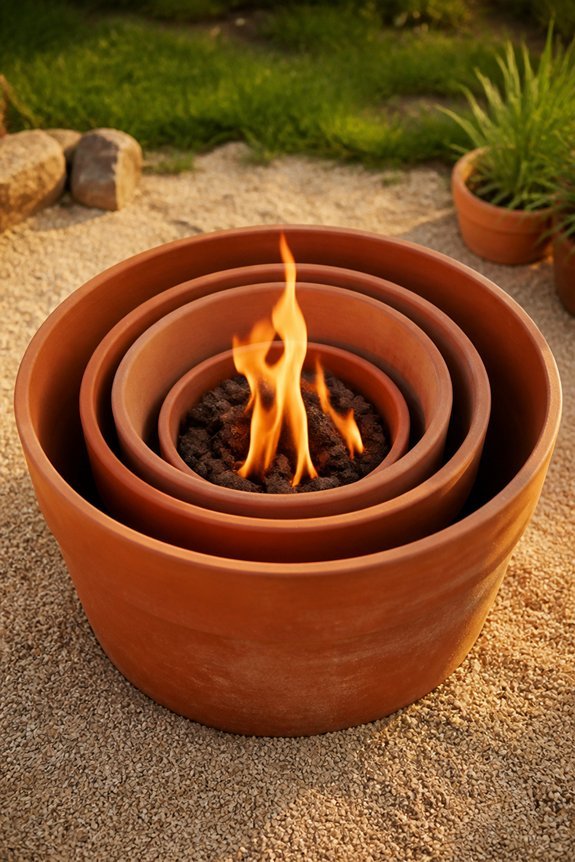
Stacked terracotta pots turn a simple garden project into a cozy fire feature. Start with your largest pot on the bottom. Stack smaller ones on top in neat circles.
Place a metal grate or fire ring at the very top. This holds your wood and kindling safely. The clay absorbs heat and gently warms anyone nearby.
This setup works great for small patios and rental spaces. No permits needed. No permanent construction required.
Individual pots run about five to twenty dollars. The whole stack comes apart when you need to move or store it.
Keep your fire pit well away from buildings, trees, and anything that could catch. Safety first, ambiance second.
Concrete Block Fire Ring (Permanent Installation)
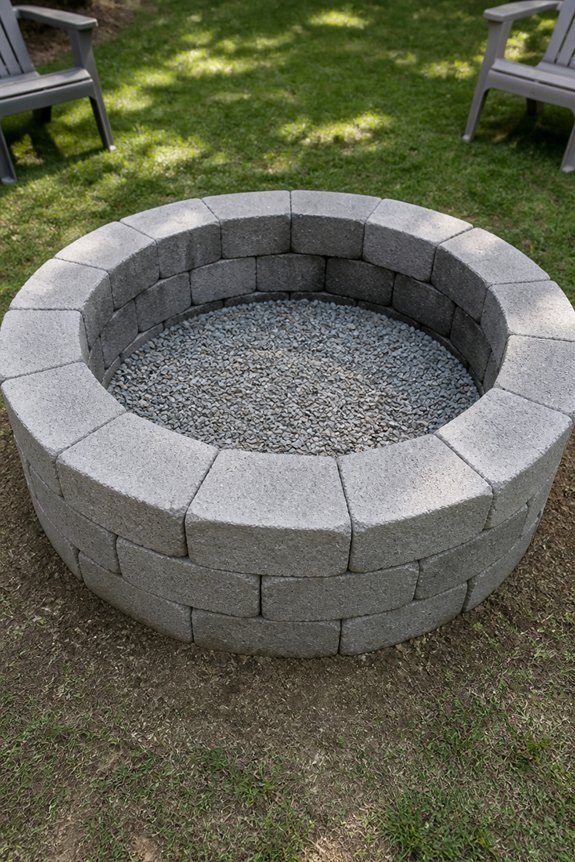
Concrete blocks give you a sturdy fire ring that lasts. You only need a handful of materials and a free afternoon.
Start by choosing your size. Eight blocks makes a cozy circle for small gatherings. Twelve gives you room for bigger fires and more friends. Stack them in a ring on level ground. That’s really all there is to the basic setup.
The blocks handle heat well. They won’t crack like some stone options after seasons of use. For extra safety, drop in a metal grate or fire ring insert. No mortar needed unless you want something extra solid.
Your total cost stays low. Expect to spend $50 to $150 depending on accessories. Upkeep is almost nothing. Just brush out ash now and then, and your fire ring keeps going for years.
DIY Brick Fire Pit (Built to Last)
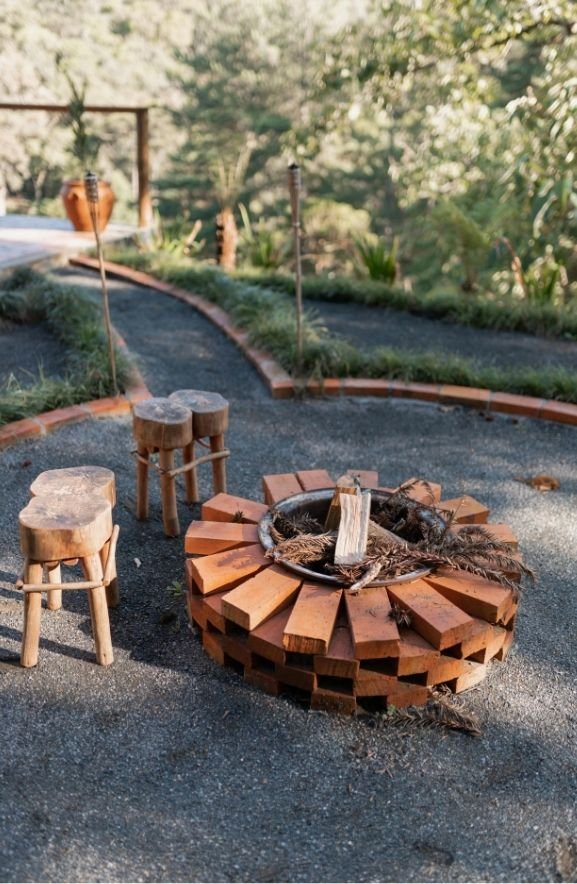
A brick fire pit elevates your backyard space with a polished look that outlasts basic concrete block setups. You get better curb appeal plus genuine staying power through years of gatherings.
Start with a circular or square layout that matches your vibe. Pick standard clay bricks for budget-friendly builds or grab specialty fire bricks where heat hits hardest. You’ll want a level base first. Then add landscape fabric to stop weeds from creeping up through your work.
Sand forms your foundation layer. Go four to six inches deep for real stability. Mortar locks everything together so your pit stays solid when temperatures swing.
Fire bricks belong on the interior ring where flames actually touch. Standard bricks handle the outer layers just fine. This combo approach saves money without cutting corners on safety.
Your finished pit beats temporary setups by a mile. It weathers multiple seasons without falling apart. Smart drainage underneath keeps water from pooling and cracking your hard work.
The result handles whatever seating you throw at it. Add a metal grate when you feel like cooking over open flame.
Upcycled Metal Stock Tank Fire Bowl
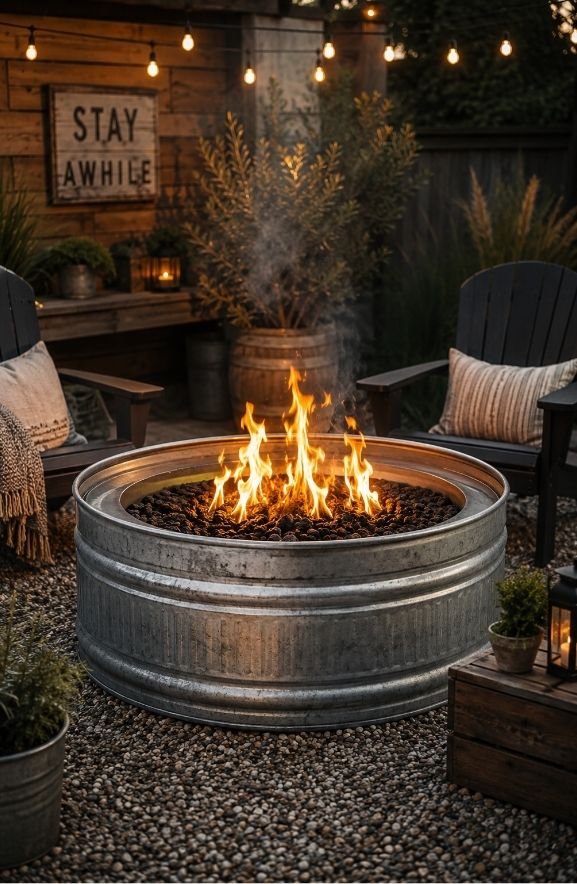
That rusty stock tank sitting in your barn? It is about to become your new favorite backyard feature.
Start by scrubbing out years of dirt and algae. You want a clean surface before anything else. Then flip it over and drill a few drainage holes in the bottom. Standing water and fire do not mix, so this step matters more than you might think.
Drop a simple metal grate inside to keep your logs elevated. This helps air flow underneath and keeps everything burning evenly. The wide opening gives you plenty of room to arrange wood, while the thick steel walls contain sparks without any fuss.
Place it on flat ground well away from your house, fences, or low-hanging tree branches. Safety first, always.
This project saves you hundreds of dollars compared to store-bought fire pits. You get durability, function, and that weathered farmhouse look without trying too hard.
Galvanized Trough With Built-In Seating
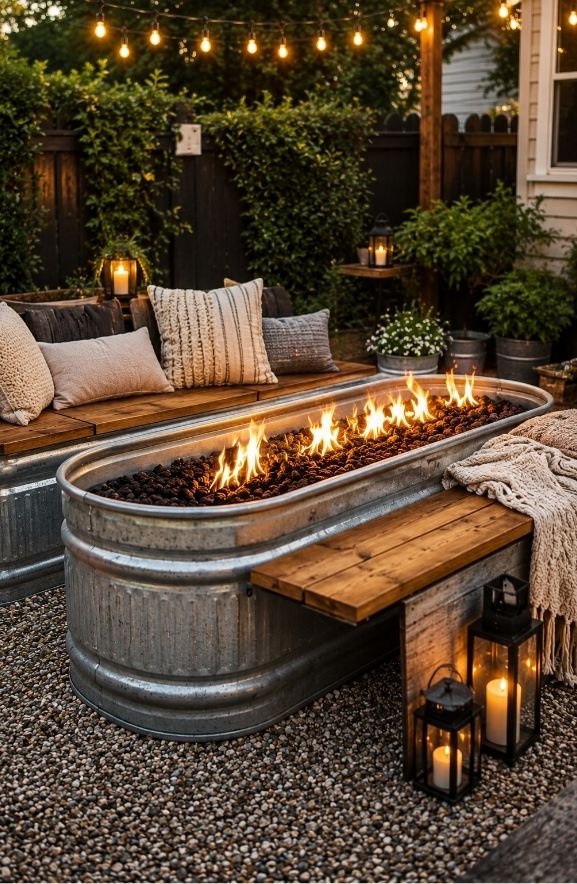
A galvanized trough pulls double duty. You get a fire container plus built-in seating for guests. These rectangular metal bins usually run 2 to 3 feet long. They squeeze maximum function into minimal backyard space.
The raised edges do the heavy lifting. Guests perch naturally, so you skip buying extra benches or chairs. The galvanized coating shrugs off rust and weather damage. Agricultural versions hit the sweet spot at $40 to $80. That beats custom fire pit prices by a mile.
Setup stays simple. Find level ground first. Pack the bottom with fire-resistant gravel. Keep it clear of buildings and low branches. The elevated walls corral flames safely. Everyone settles in at the perfect height to watch the fire dance.
Portable Tabletop Fire Pit (Perfect for Renters)
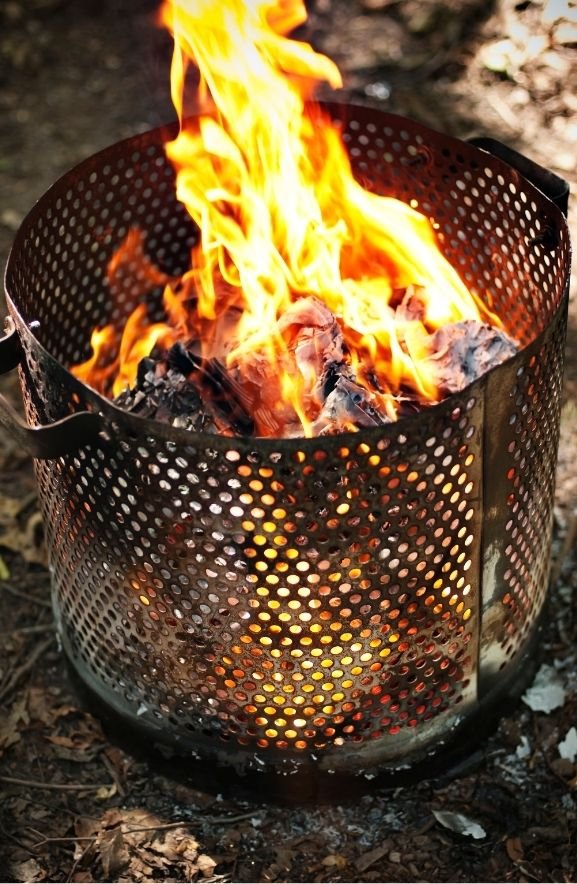
Finding a fire pit when you rent can feel tricky. You need something that won’t upset your landlord or leave marks behind.
Portable tabletop fire pits solve this perfectly. They run on ethanol or gel fuel, so there’s no smoke to worry about. Most units are about the size of a large pizza. You can set one on any sturdy outdoor table or balcony surface.
Setting up takes literally minutes. Just place it down and add fuel per the instructions. Popular options like the Tabletop Fireplace or Solo Stove Ranger give you real flames without the hassle.
Safety stays simple too. Keep it clear from curtains, cushions, or anything flammable. Make sure air can flow around it. And never walk away while it’s burning.
The best part? When you move, it moves with you. No holes in the yard. No complaints from property managers. Just tuck it in your closet or garage until next season.
Maintenance, Safety, and Setup Tips for Any Budget Fire Pit
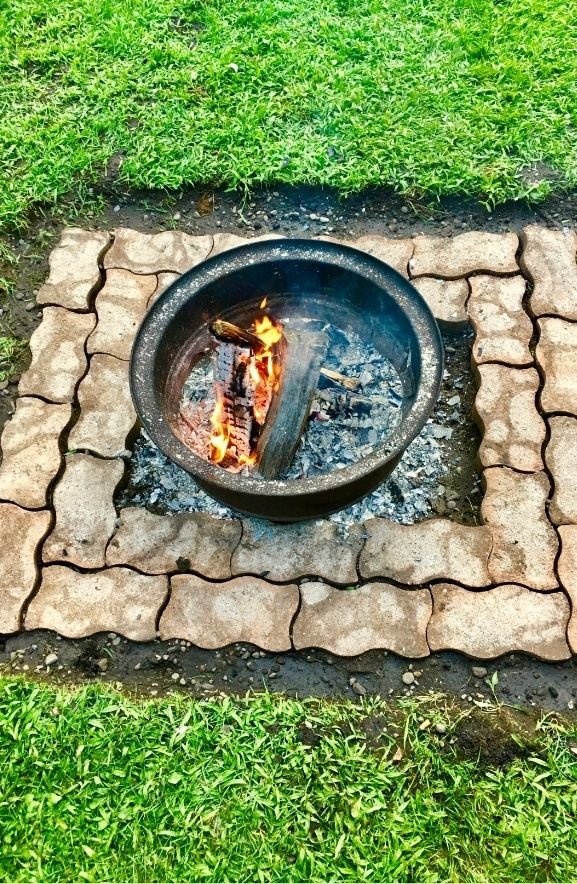
Maintenance keeps your fire pit safe and running longer. Clear out ash every week. Look for rust on metal parts. Check for cracks or damage before you light it up.
Safety starts with space. Keep ten feet clear on all sides. Move away from trees, fences, and anything that burns. Keep a fire extinguisher or hose close by. Stay with your fire until it’s out completely.
Setup matters more than people think. Level the ground so nothing tips. Watch which way the wind blows. If you’re using it inside or under cover, make sure air can move. Check your local rules first. Good placement keeps everyone out of trouble.
Frequently Asked Questions
How Much Does It Cost to Build a DIY Fire Pit Compared to Buying One?
Building a DIY fire pit typically costs $50-$300, depending on materials chosen. Purchasing a pre-made fire pit ranges from $100-$1,000. DIY options generally offer significant savings while allowing customization to suit individual preferences and budgets.
What Type of Wood Should I Burn for the Best Fire Pit Experience?
Softwood crackles and dies quickly; hardwood burns steadily for hours. One offers fleeting warmth, the other enduring comfort. Oak, maple, and hickory provide ideal heat and minimal smoke, creating the superior fire pit experience.
Can I Install a Fire Pit in a Rental Property or Apartment?
Installing a fire pit in rental properties or apartments is typically prohibited by lease agreements and building codes. Tenants should consult their landlord and review local regulations before attempting installation, as unauthorized structures may result in lease violations.
How Far Should a Fire Pit Be From My House or Trees?
Would anyone want their cherished home engulfed in flames? Fire pits should be positioned at least 15 feet from houses and 20 feet from trees to guarantee safety and prevent accidental property damage or forest fires.
What Permits or Local Regulations Do I Need Before Building a Fire Pit?
One should contact local building departments to determine fire pit regulations. Most jurisdictions require permits for permanent structures, specify setback distances, and mandate safety inspections. Zoning laws and HOA restrictions may also apply.
Conclusion
Creating a backyard fire pit need not drain finances. Metal rings, concrete blocks, brick arrangements, and upcycled containers serve as solid foundations for outdoor warmth. Each option—from portable tabletop models to permanent installations—offers distinct advantages for different situations and budgets. Proper maintenance, safety precautions, and setup planning guarantee these fire pits become reliable gathering spaces. Budget constraints and style preferences guide selection toward the most suitable choice for individual backyards.