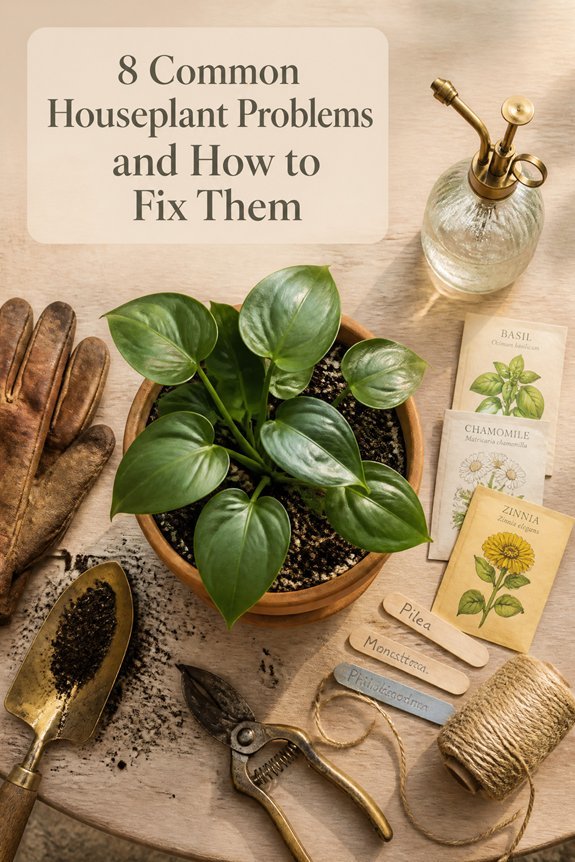
Caring for houseplants comes with its share of headaches. Yellowing leaves, wilting stems, and root rot plague even experienced growers. Brown tips, leggy growth, and sudden leaf drop add to the frustration. These eight problems appear repeatedly across homes and offices everywhere.
Most issues trace back to a handful of culprits. Overwatering sits at the top of the list, followed closely by poor drainage and low humidity. Insufficient light, nutrient deficiencies, and environmental stress round out the usual suspects.
Spotting the difference between underwatering and overwatering, for instance, can mean the difference between a thriving plant and a dying one.
Recovery depends entirely on reading the signs correctly. A plant with yellowing lower leaves needs a different fix than one with crispy brown tips. Some problems resolve quickly with adjusted care; others require repotting or pest treatment.
The key lies in matching symptoms to causes before the damage becomes irreversible.
Yellowing Leaves: Overwatering, Nutrient Deficiency, or Both?
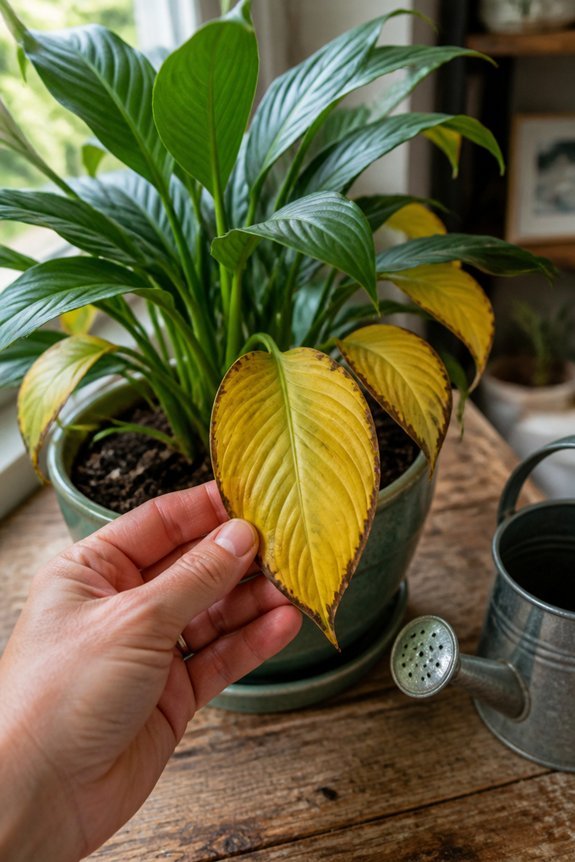
Yellow leaves happen to everyone. They are your plant’s way of saying something is wrong.
Too much water is usually the culprit. Roots need air, and soggy soil suffocates them. When roots cannot breathe, they stop absorbing nutrients. The result is yellow, droopy leaves and soft stems that feel mushy.
Nutrient gaps cause yellowing too. Older leaves turn pale first when nitrogen runs low. Magnesium shortages show up as yellow between the leaf veins. These plants look thirsty but have wet soil.
Check your plant carefully. Press a finger into the soil. Poke around for pests under the leaves. Notice the light in that corner. Drainage holes, light levels, and tiny bugs all play a role. Spider mites and mealybugs drain leaf cells and leave spots behind. Dim corners stress plants and slow their strength.
Trust what you see. Match the symptoms to the cause. Then adjust water, food, or placement accordingly.
Also read: Why Is My Indoor Plant Soil Not Drying
Wilting Plants Despite Regular Watering: Root and Moisture Problems
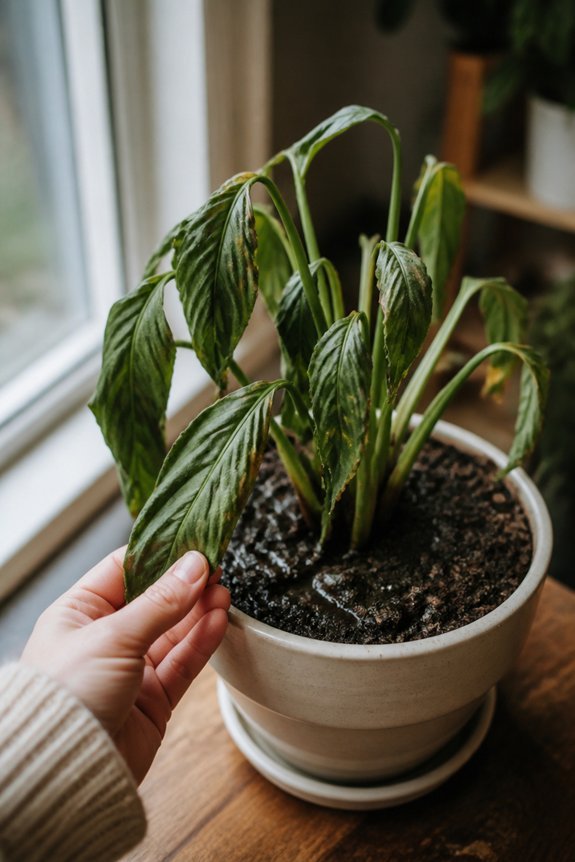
Your plant looks thirsty, but the water isn’t helping. Something’s wrong underground.
Root rot is usually the hidden troublemaker. Too much water and poor drainage suffocate the roots. They turn mushy and dark. You might notice a bad smell coming from the soil.
Compacted soil makes everything worse. Without air pockets, roots simply can’t breathe or drink properly.
Start by checking what’s happening below the surface. Gently remove the plant and inspect the roots. Healthy ones feel firm and look white or tan. Rotten ones squish in your fingers and smell off.
Fixing this takes a few simple steps. Repot with fresh, well-draining mix. Pick a container with actual drainage holes. Cut back on watering and let the soil dry a bit between drinks.
Pothos, philodendrons, and peace lilies are especially prone to this problem. They hate sitting in soggy soil.
Get into the habit of feeling the soil before you water. Let it dry slightly. Choose pots that fit the root ball without extra room. These small changes get water moving properly through your plant again.
Root Rot: How to Prevent and Save Your Plant
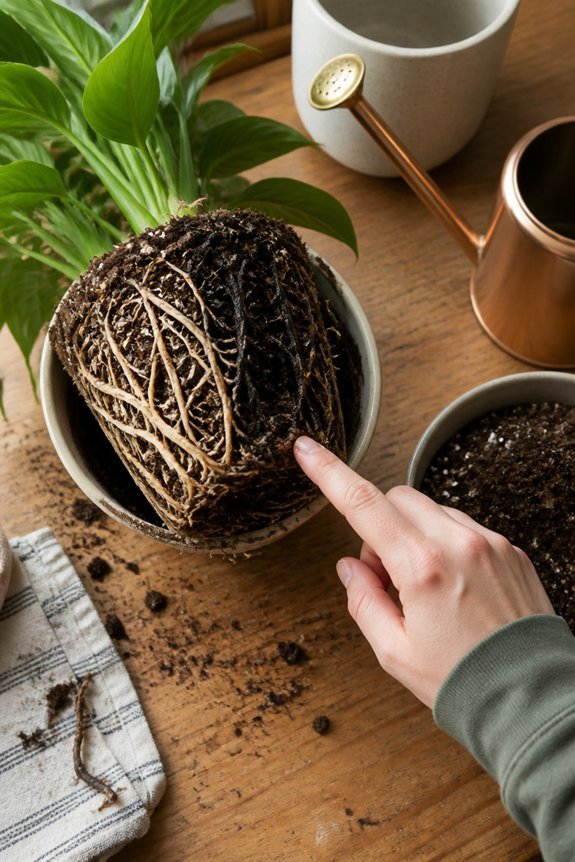
Root rot is the silent killer lurking in overwatered pots. Your plant’s roots literally drown when soil stays too wet for too long. They suffocate without oxygen, then turn soft and dark. Once that happens, they cannot feed your plant anymore.
Prevention starts with simple choices. Pick pots with drainage holes every time. Choose soil that lets water flow through, not sit around. Let the top inch dry before watering again. Succulents and cacti need even longer dry spells between drinks.
Caught it early? You might still save your plant. Gently lift it from the pot. Rinse the roots and snip away anything dark or mushy. Use clean, sharp scissors. Repot in fresh, dry mix and hold off on watering for a few days.
Sometimes the damage runs too deep. If most roots have turned to mush, it is time to say goodbye. Toss the plant before spores spread to its neighbors.
Brown Leaf Tips and Edges: Humidity and Water Quality Issues
Brown leaf tips and edges tell you something important. Your plant needs more moisture and cleaner water.
Low humidity pulls water from leaves too quickly. They dry out before the plant can catch up. The edges turn crispy and brown. Hard water makes this worse. Chlorine and fluoride build up in leaf tissue. Brown spots appear. Tips look burned.
Spider plants, peace lilies, and calatheas feel this most. They show damage first.
Group plants together to trap moisture. Run a humidifier nearby. Filter your tap water before watering. Keep distilled water handy for misting leaves. Just don’t skip regular watering in favor of misting.
Trim damaged leaves. Your plant looks better instantly. Energy flows to healthy growth instead.
Leggy Growth and Weak Stems: A Sign of Insufficient Light
Leggy growth is easy to spot. Your plant stretches toward the light, leaving awkward gaps between leaves. Stems turn thin and wobbly. Pothos, philodendrons, and snake plants often show these signs.
Fixing it starts with better light. Move your plant near a bright window. South or west windows work best. East windows give softer morning rays. No good windows? Add a grow light about 6-12 inches above the leaves. Turn the pot weekly so all sides get equal attention.
Pruning helps reshape spindly plants. Snip the top of stretched stems. New branches will sprout below your cut. Those trimmings root easily in water or soil.
Slow Growth: Fixing Soil and Nutrient Problems
Your plant has plenty of light but still crawls along? The problem likely lives underground.
Old potting soil breaks down over time. It loses its structure. It runs low on nutrients. Roots struggle to drink water and absorb fertilizer. Growth stalls out.
Watch your leaves for clues. Pale or yellow foliage often signals trouble. Uniform yellowing usually means nitrogen is running low. Yellowing between green veins points to iron deficiency. Weak stems and fewer flowers? You might need more potassium or phosphorus.
Fresh soil fixes a lot. Repot with a mix suited to your specific plant. Feed with balanced fertilizer during active growing periods. Slow-release options keep nutrients flowing for months. Check your drainage too. Soggy roots can’t breathe, and dry pockets lock nutrients away from where they’re needed.
Common Houseplant Pests: Identifying Bugs and Treating Infestations
Spider mites leave fine webbing behind. Your leaves turn yellow and look tired. Mealybugs show up as fluffy white spots. Scale insects cling to stems and slowly drain your plant’s strength. Aphids reproduce fast and leave sticky messes everywhere.
Catch problems early and you save your plants. Check leaves and stems weekly for bugs, webs, or discoloration. Spot something suspicious? Swipe it with rubbing alcohol or spray with neem oil. Move sick plants away from healthy ones right away. Keep treating every week until you stop seeing pests. Snip off badly damaged leaves to help your plant bounce back.
Leaf Drop and Plant Stress: Identifying Root Causes
Leaf drop is your plant’s way of sending an SOS. Something in its world isn’t working, and it’s time to play detective.
Start with water. Too much causes root rot, and too little leaves your plant parched. Both trigger leaf loss. Check the soil before you pour. Stick your finger in about an inch. Dry? Time to water. Soggy? Let it breathe.
Look around the room. Tropical plants hate dry air from winter heaters. Your ficus or peace lily might be suffering silently. Drafts from windows and heat vents also stress them out. Keep them away from temperature swings they didn’t sign up for.
Light matters more than we think. Dim corners force plants to drop leaves just to survive. They need energy to hold onto what they’ve got.
Pests, nutrients, and recent moves can all play a role. Scan the leaves. Notice any bugs or yellowing? Think back to changes you’ve made. A new spot or a different watering schedule could be the culprit. Watch closely, adjust gently, and your plant will tell you what it needs.
Frequently Asked Questions
How Often Should I Repot My Houseplant to Promote Healthy Growth?
Most houseplants require repotting every 12 to 18 months during their active growing season. One should repot when roots emerge from drainage holes or soil dries quickly. Spring offers the ideal timing for this task.
What’s the Best Way to Clean Houseplant Leaves Without Causing Damage?
Studies show 87% of houseplant owners neglect leaf cleaning. Gently wiping leaves with a soft, damp microfiber cloth works best. Alternatively, using distilled water with minimal soap prevents residue buildup and maintains plant health effectively.
Can I Use Tap Water for My Houseplants, or Should I Use Filtered?
Tap water generally works fine for most houseplants, though filtered or distilled water is preferable. Tap water contains chlorine and minerals that can accumulate in soil over time. Allowing tap water to sit overnight lets chlorine evaporate.
How Do I Know When My Plant Needs Fertilizer and What Type?
Plants need fertilizer when growth slows or leaves yellow. Most houseplants require balanced fertilizer during growing season. Slow-release granules, liquid fertilizer, or organic options like compost work well depending on species.
Why Is My Plant Not Flowering and How Can I Encourage Blooms?
Plants fail to flower due to insufficient light, improper temperature, or excess nitrogen fertilizer. Encourage blooms by providing adequate bright, indirect light, maintaining species-appropriate temperatures, and applying phosphorus-rich fertilizer during growing seasons.
Conclusion
Houseplant care functions like a balancing act, requiring attention to watering, light, drainage, and pest management. Yellowing leaves, wilting, root rot, brown tips, leggy growth, slow development, pest infestations, and leaf drop each signal specific problems. Monitoring moisture levels, ensuring proper drainage, inspecting regularly for pests, and adjusting light and humidity conditions address these issues effectively. Consistent observation prevents most common houseplant problems.