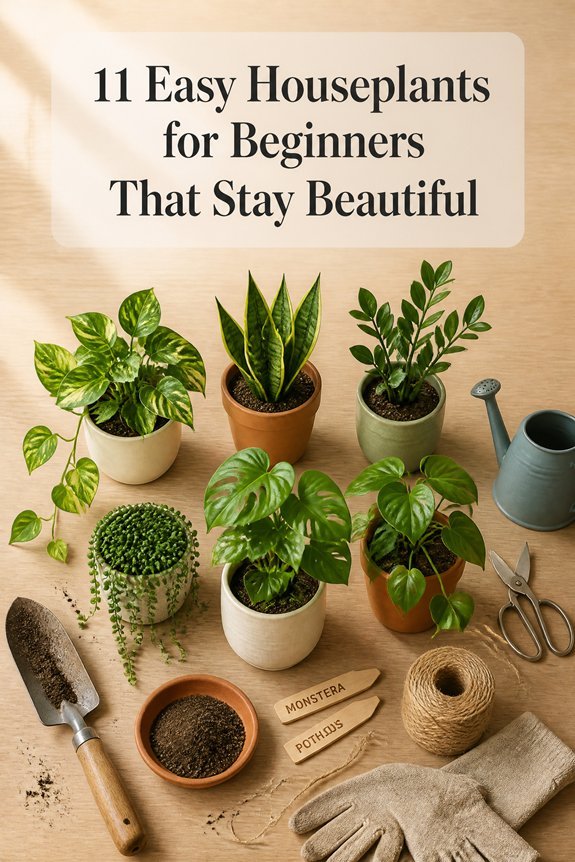
Starting a plant collection can feel overwhelming. Many beginners worry about keeping their green companions alive. The good news is that several forgiving varieties thrive despite occasional forgetfulness.
Pothos vines trail beautifully from shelves while tolerating sporadic watering. Snake Plants stand upright with architectural elegance, surviving weeks without attention. ZZ Plants store moisture in their waxy leaves, making them nearly indestructible. These three workhorses form an excellent foundation for any novice gardener.
For added visual texture, consider Spider Plants with their arching variegated leaves. Philodendrons come in climbing and trailing forms, offering versatility for different spaces. Peace Lilies surprise owners with white blooms even in dim corners. Most of these options adapt readily to imperfect conditions.
Beyond these staples, numerous other houseplants suit specific environments. Bright bathrooms may welcome ferns, while sunny kitchens could host succulents.
The key is matching plant needs to your actual living conditions rather than idealized expectations.
Pothos: The Trailing Vine That Thrives Anywhere
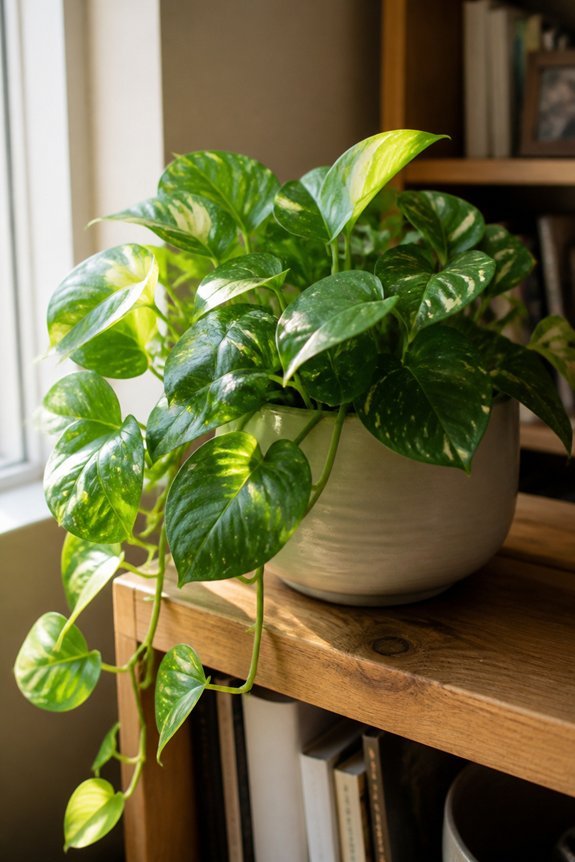
Pothos asks very little of you. Stick it in a dim corner or near a sunny window, and it adapts. Water when the soil dries out, usually every week or two. Miss a watering? It probably won’t hold it against you.
This forgiving nature makes pothos perfect for beginners still learning plant rhythms. Its vines trail beautifully from shelves, desks, or hanging baskets. Golden varieties show off yellow-green leaves. Jade types stay simple and green. Give it something to climb or let it cascade freely, either way it rewards you with growth spanning several feet. Trim occasionally to keep it tidy and encourage a fuller, bushier shape.
Also read: Why Is My Indoor Plant Soil Not Drying
Snake Plant: Nearly Unbreakable and Striking
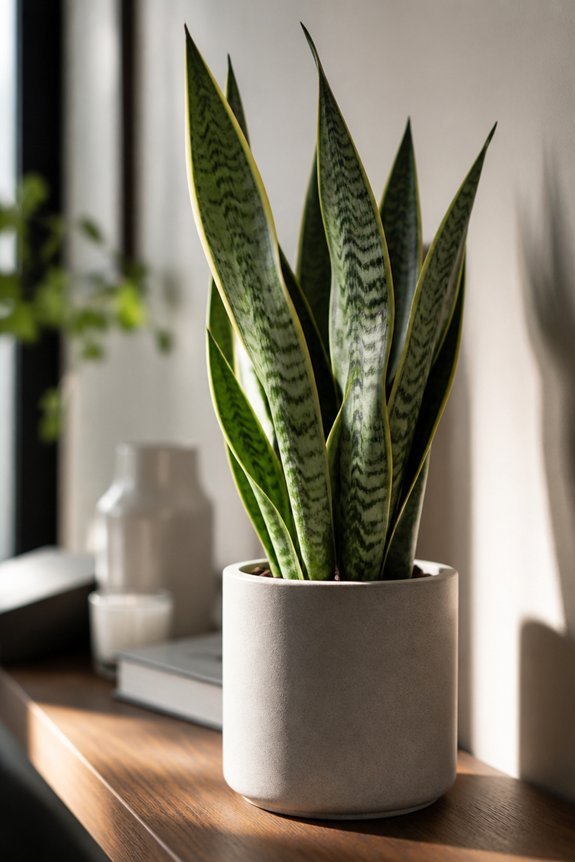
Snake plants are tough. They handle neglect better than most houseplants you’ll find.
Low light? No problem. Missed a watering? They’ll survive. These plants forgive almost everything.
Sansevieria trifasciata stands out with its upright, striped leaves. It adds structure to any room without demanding attention.
Water every two to three weeks. That’s it. Dry soil suits them perfectly. Overwatering actually hurts them more than forgetting to water.
Bright, indirect light keeps them happiest. But they’ll adjust to darker corners too.
Growth is slow but steady. Most varieties reach two to four feet tall. Their clean lines work with modern spaces just as well as traditional ones.
Here’s a bonus: they filter toxins from your air while looking good doing it.
ZZ Plant: Glossy Leaves, Zero Fuss
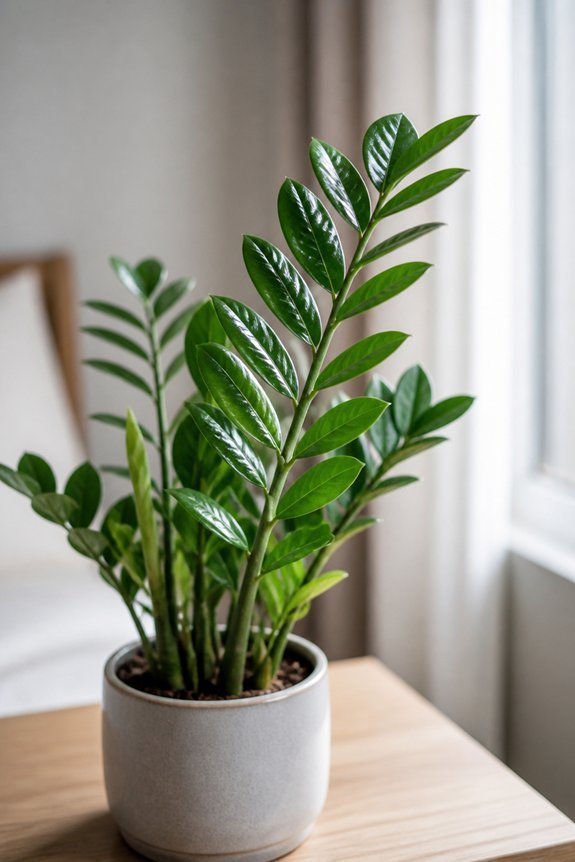
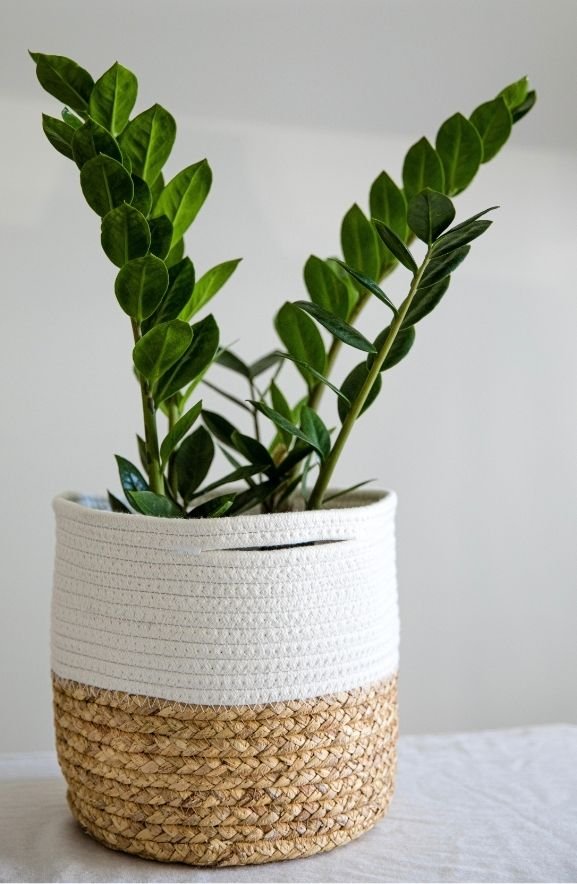
ZZ plants practically take care of themselves. That’s why they’re perfect for anyone new to plant care.
You’ll notice their thick, glossy leaflets right away. They line up along each stem like nature’s own polished decor. The look is sleek and modern without trying too hard.
Watering? Forget about schedules. These plants actually prefer to dry out completely. Give them a drink only when the soil feels dry to the touch. Root rot becomes a non-issue when you follow this simple rule.
Light conditions barely matter either. Your ZZ will handle dim corners, bright offices, or anything in between. It adapts without complaint.
Growth stays slow and steady, so pruning stays off your to-do list. Just wipe the leaves now and then to keep that shine. Pests and diseases rarely show up, which means less worry for you.
Most indoor plants top out around two to three feet. They fill a shelf or floor spot nicely without taking over your space.
Spider Plant: Graceful and Prolific
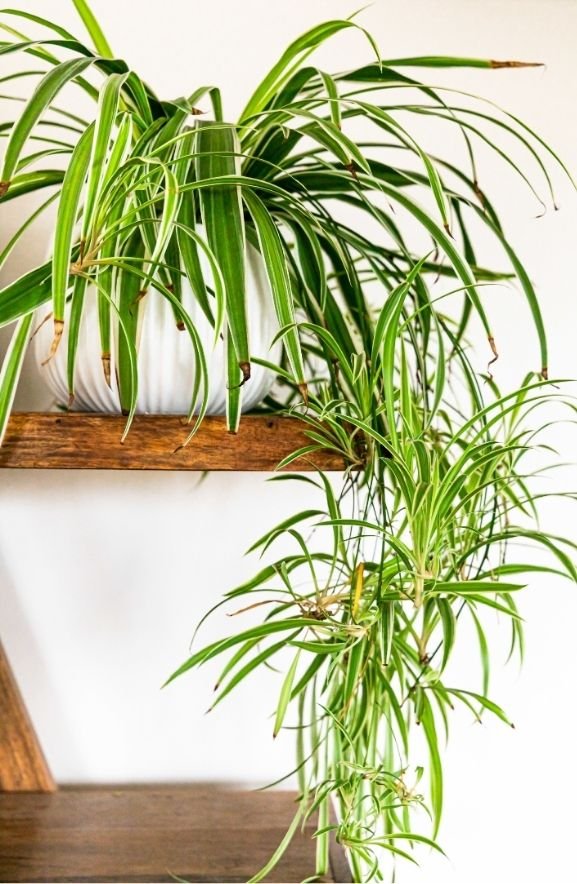
Spider plants ask even less of you than ZZ plants. They give back something special in return. Flowing, arching leaves spill over the edges of pots. Baby plantlets dangle from the mother like tiny green ornaments.
These plants tolerate low light without complaint. They handle irregular watering just fine. Neglect them a bit? They won’t hold it against you. Spider plants grow fast and produce plenty of offspring. You can snip off the babies to start new plants. Or leave them attached for extra visual drama.
Bright, indirect light makes them happiest. They adapt to less ideal spots though. Let the soil dry out between waterings. Usually that means every week or two. Chlorophytum comosum comes in solid green or white-striped varieties. Both send out long runners with miniature plantlets. The cascading effect looks stunning in hanging baskets or on high shelves. Pests and diseases rarely bother them. First-time plant owners find them wonderfully forgiving.
Philodendron: Heart-Shaped Leaves That Spread Beautifully
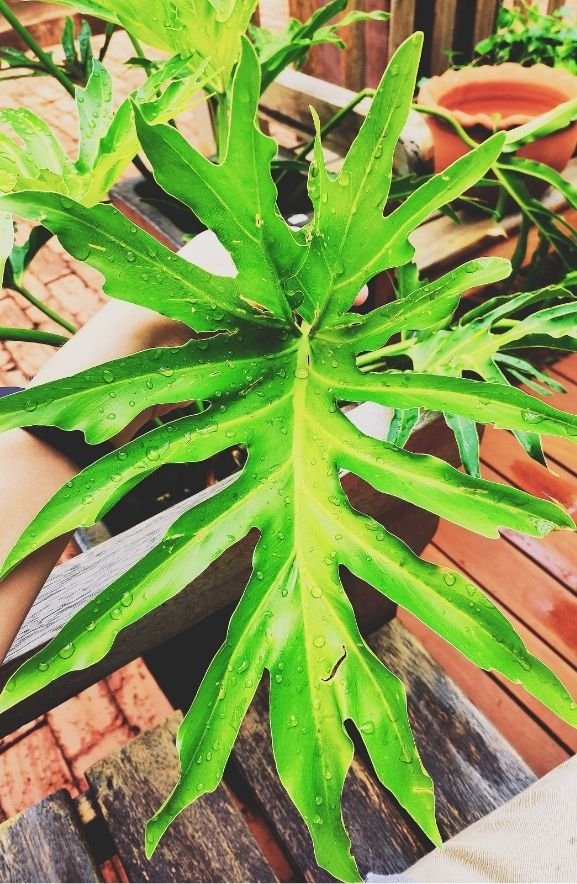
Philodendrons are perfect for beginners. They ask very little of you and give back so much.
Their leaves steal the show. Heart-shaped and lush, they come in deep greens, burgundy hues, or creamy variegation. Each variety brings its own personality to your space.
Light needs stay simple. Bright, indirect sun works best, but these plants adapt to dim corners too. Only water when the top inch of soil dries out. Soggy roots spell trouble, so patience pays off.
Try the Heartleaf Philodendron for cascading vines from high shelves. Or pick Brasil for bold yellow stripes that catch the eye.
Give them something to climb or let them trail freely. A quick trim now and then keeps them bushy and full. Pests rarely bother them, and diseases stay away. You get all the reward with hardly any risk.
Monstera: Statement Foliage Without the Complexity
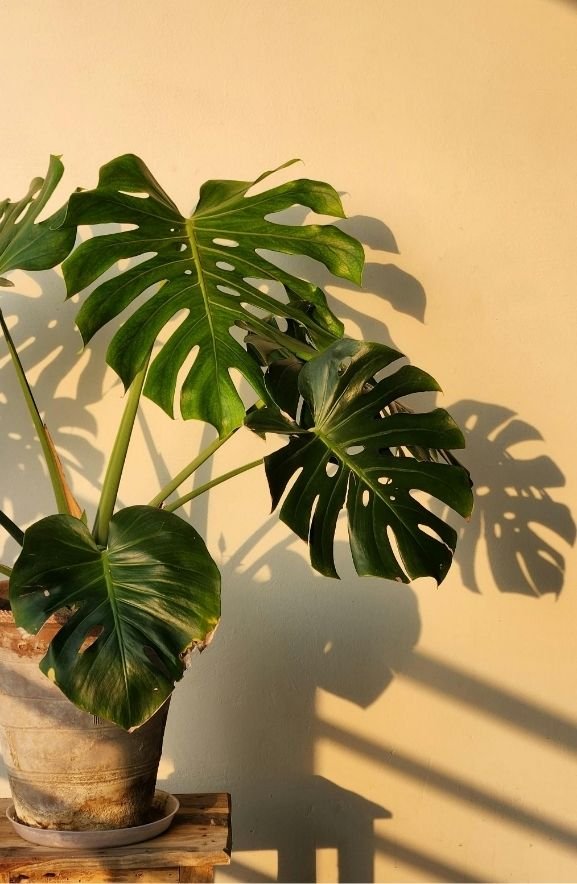
Monstera deliciosa turns heads with its big, hole-punched leaves. But don’t let the drama fool you. This plant is surprisingly easy to care for, even if you’re just starting out.
It handles different light levels without complaint. Bright, indirect light near a window makes it happiest. Just avoid harsh afternoon sun hitting those leaves directly.
Check the top inch of soil with your finger. Dry? Time to water. Usually that’s every one to two weeks, though summer heat or dry air speeds things up. These plants grow up and out, so give them room. A moss pole keeps them tidy if space is tight.
Wipe the leaves now and then with a damp cloth. Dust blocks light, and your Monstera needs every bit it can get. Watch out for root rot though. Well-draining soil and a pot with holes keeps the roots breathing easy.
Want more? Stem cuttings root quickly in water or soil. You’ll have new plants to share or keep before you know it.
Rubber Plant: Bold Leaves, Minimal Care
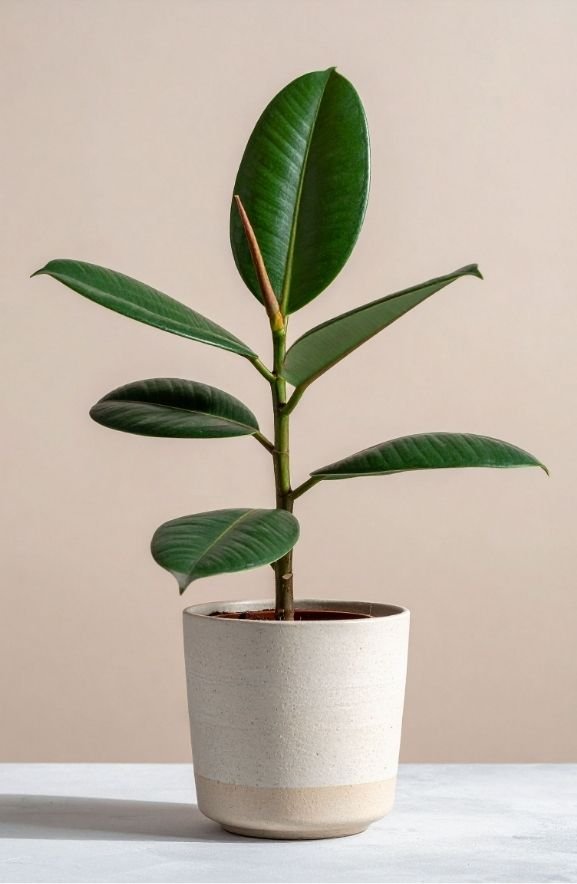
Rubber plants make a statement without asking for much in return. Those oversized, glossy leaves catch light beautifully in any space.
Place yours anywhere from low light to bright indirect spots. It will thrive best with moderate brightness, but it won’t complain if you don’t have perfect conditions.
Water when the top inch of soil dries out. This usually means every one to two weeks, though seasons and humidity change things. Skip the calendar and feel the soil instead. Root rot sets in fast with overwatering, so err on the dry side.
Wipe those bold leaves now and then. Dust builds up and dulls the shine. Takes two minutes and keeps your plant looking sharp.
Indoor growth stays slow and steady. Expect four to six feet after several years of patience. Keep temperatures between 60 and 75 degrees and skip the humidity fuss. Feed monthly during spring and summer for strong, healthy growth.
Peace Lily: Elegant Blooms in Low Light
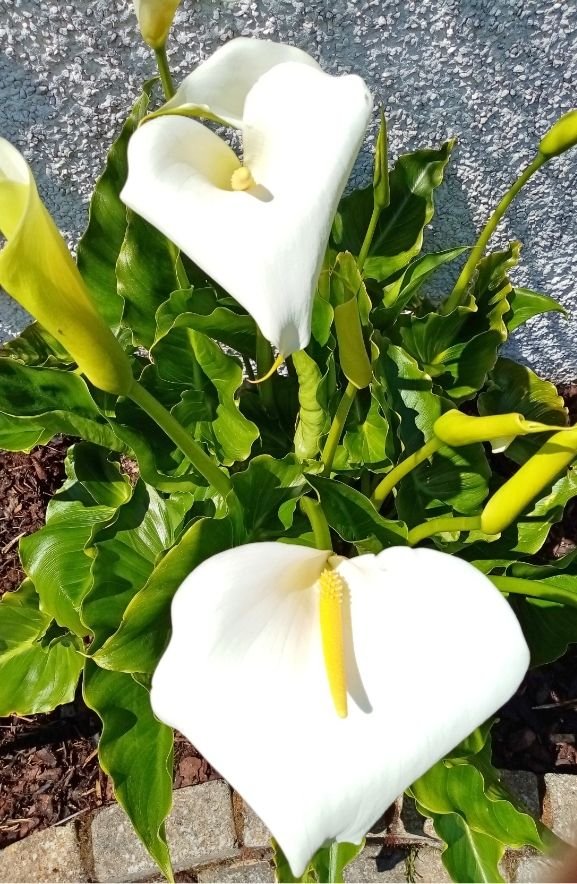
Peace lilies thrive where other plants give up. They handle dim corners and low light better than most houseplants. Offices, bathrooms, and bedrooms with little sun suit them perfectly.
You’ll spot white or cream spathes blooming year-round with basic care. Water when the soil feels dry, usually every week or two. Root rot from overwatering is the main thing that kills them.
These plants tell you what they need. Drooping leaves mean they’re thirsty. Yellow leaves signal too much water. They like humidity, so mist them now and then or set them on a pebble tray with water.
Feed them monthly during growing season. Use diluted liquid fertilizer for best results.
Dracaena: Sculptural Varieties for Every Space
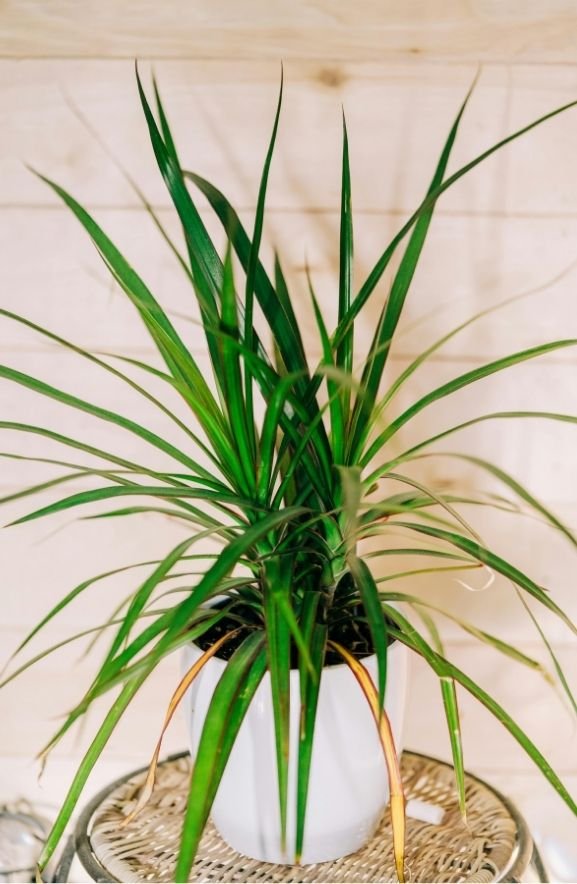
Dracaenas bring bold shapes and eye-catching leaves to any room. You will find them at home in living areas, offices, or tucked into tight corners.
Start with Dracaena marginata for dramatic flair. Its thin leaves arc gracefully and show off red edges. Prefer something fuller? Dracaena fragrans offers broad green leaves, some striped with cream or gold. The corn plant handles dim spots better than most.
Watering is simple. Let the soil dry out, then water again. These plants prefer indirect light but will settle for less. Growth stays slow and steady, so repotting stays off your calendar. Most top out between three and six feet, though compact types stay smaller.
Watch for spider mites. A quick wipe with damp water keeps leaves clean and pests away. New plants root easily from stem cuttings in water or soil.
Fiddle Leaf Fig: Drama Without High Maintenance
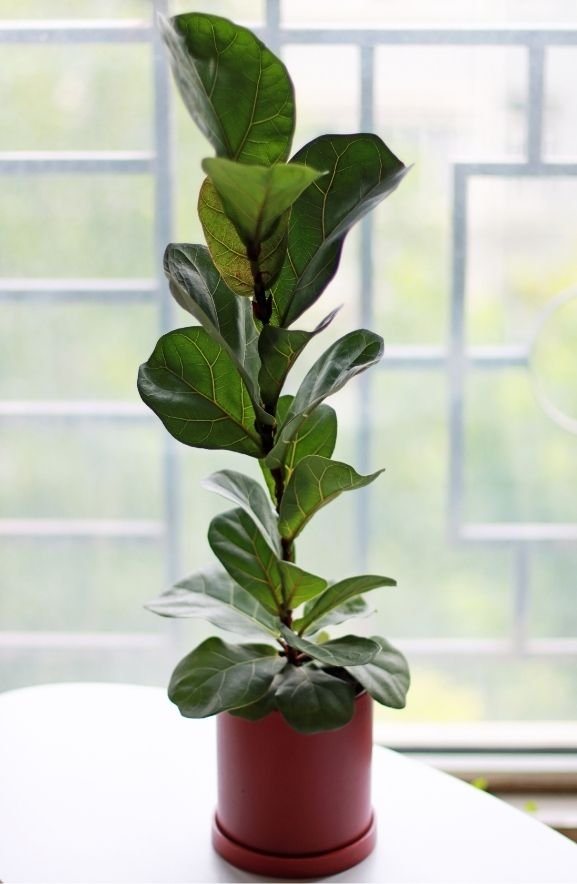
The fiddle leaf fig makes a statement. Its oversized, violin-shaped leaves and tall, upright form instantly draw the eye.
Good news: this dramatic plant isn’t as fussy as it looks. Beginners can absolutely keep one happy.
Place it near a south or west window. Bright, indirect light is key. Direct sun will scorch those big leaves.
Water when the top inch of soil dries out. Usually that’s every one to two weeks, though seasons and humidity change things. Check the soil with your finger.
Keep temperatures between 65 and 75 degrees. Most homes work fine.
Dust the leaves monthly. They stay glossier and absorb light better. A soft cloth works perfectly.
Feed it diluted liquid fertilizer from spring through summer. Skip the winter months.
Repot once yearly into a slightly larger pot with well-draining soil. That’s really all it takes to keep this sculptural beauty thriving.
Choose Your First Plant: A Quick Beginner’s Guide
Three things matter most when picking your first plant: light, water, and how much attention you can give. Get these right, and your plant has a real shot at thriving.
Start with light. Peek into different rooms at various times. South-facing windows pour in bright, direct sun. North corners stay dim and cool. Most spaces fall somewhere in between. Knowing your light situation helps narrow the field fast.
Then be honest about your watering habits. Snake plants forgive forgetful owners. They store water in thick leaves and bounce back from neglect. Pothos and peace lilies need more frequent drinks. They thrive with evenly damp soil.
Your effort level seals the deal. ZZ plants and rubber plants handle minimal care. They grow slowly but stay alive through busy weeks. Spider plants and philodendrons reward regular attention. They grow fuller, root easily, and survive beginner mishaps. Pick what fits your life.
Frequently Asked Questions
How Often Should I Repot My Houseplants as They Grow Larger?
Most houseplants require repotting every 12 to 18 months during their active growing season. One should repot when roots emerge from drainage holes or growth slows noticeably. Spring proves ideal for this task.
What Are the Best Organic Fertilizers for Beginner Houseplant Care?
Studies show 73% of beginner gardeners succeed longer with organic fertilizers. Compost, worm castings, and fish emulsion provide slow-release nutrients. Diluted banana peel water offers potassium, while coffee grounds supply nitrogen naturally.
How Can I Propagate My Plants to Create New Ones for Free?
One can propagate plants through stem cuttings placed in water or soil, leaf cuttings for succulents, or division of mature plants at the roots. Rooting hormone accelerates success, though many species propagate successfully without it.
What Pests Commonly Affect Indoor Plants and How Do I Treat Them?
Common indoor plant pests include spider mites, mealybugs, scale insects, and aphids. Treatment involves isolating affected plants, spraying with neem oil or insecticidal soap, wiping leaves with rubbing alcohol, and maintaining proper humidity and airflow to prevent infestations.
Is Tap Water Safe for Houseplants or Should I Use Filtered Water?
Tap water is generally safe for most houseplants, though some sensitive species prefer filtered or distilled water. Chlorine and fluoride in tap water may accumulate in soil over time, potentially causing leaf damage in certain plants.
Conclusion
Beginners selecting their first houseplant should consider that 68% of plant owners report improved air quality and reduced stress within weeks of bringing plants indoors. Pothos, Snake Plants, and ZZ Plants remain top choices due to their tolerance for neglect, inconsistent watering, and variable light conditions. These plants deliver measurable benefits while requiring minimal effort, making them reliable investments for novice gardeners seeking both aesthetic and environmental improvements.