
Insecticidal soap offers gardeners a gentler approach to pest control. Derived from plant oils and fatty acids, it works on contact to break down the protective coatings of soft-bodied insects.
Aphids, spider mites, and whiteflies are particularly vulnerable to this treatment.
The mechanics are straightforward yet effective. Once applied, the soap penetrates the insect’s outer shell and triggers rapid dehydration. This physical mode of action means pests cannot develop resistance over time, a common problem with conventional pesticides.
What sets this solution apart is its selective nature. Beneficial insects like ladybugs and pollinators remain largely unharmed, and edible crops can be treated without worry of toxic residue.
Timing and thorough coverage matter more than quantity when applying. Missing hidden leaf undersides or spraying during peak sun often leads to disappointing results.
How Does Insecticidal Soap Work on Garden Pests?
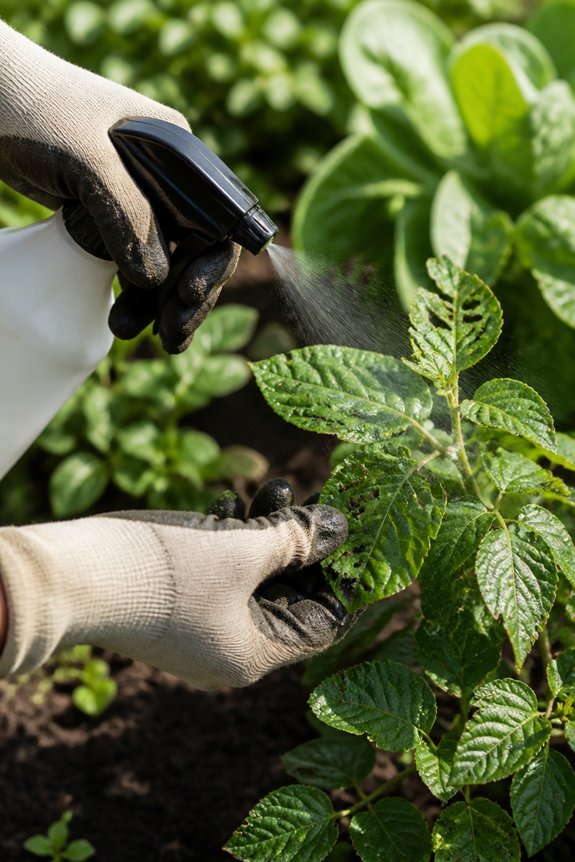
Insecticidal soap eliminates garden pests by disrupting their protective outer layer, called the cuticle. This waxy coating shields insects like aphids, mites, and whiteflies from dehydration. When soap contacts the cuticle, it breaks down this barrier, causing the pest to lose moisture and die.
The soap works through direct contact, meaning gardeners must spray affected plants thoroughly. Soft-bodied insects prove most vulnerable to this treatment. Hard-shelled pests like beetles require repeat applications or alternative methods.
The process occurs relatively quickly, typically within hours or days of application. Insecticidal soap leaves no toxic residue on plants or soil. This characteristic makes it suitable for edible gardens and areas near beneficial insects, provided application targets problem pests directly rather than flowers attracting pollinators.
What Pests Does Insecticidal Soap Actually Kill?
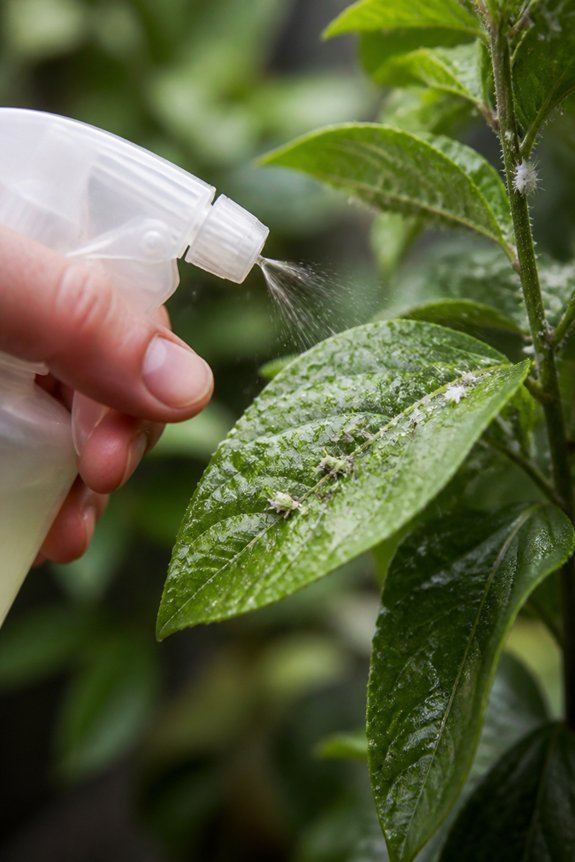
Garden pests vary in their vulnerability to soap applications, and understanding which insects respond best to treatment helps gardeners make informed decisions.
Insecticidal soap effectively controls soft-bodied insects, including aphids, mealybugs, spider mites, whiteflies, and scale insects in their early stages. The soap disrupts their protective outer coating, causing dehydration and death. Mites and thrips also respond well to treatment.
However, hard-bodied insects like beetles and caterpillars have protective shells that resist soap penetration, making these pests less susceptible to this method. Success depends on direct contact with the insect and repeated applications, since soap leaves no residual protection. Gardeners should identify their specific pest before applying treatment, ensuring the chosen method matches the target insect’s vulnerability to soap-based solutions.
How Do You Know If Your Garden Needs It?
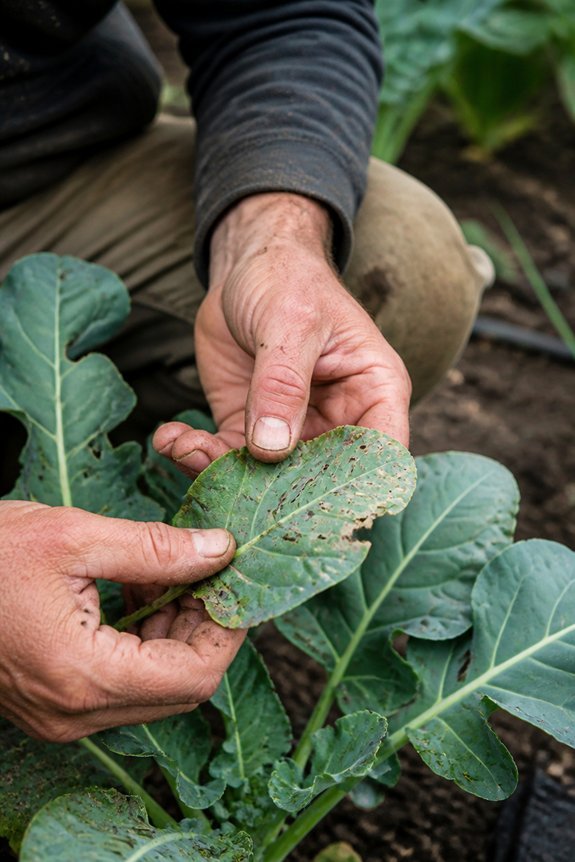
When should a gardener consider using insecticidal soap? The answer depends on observing specific pest activity and plant damage. Gardeners should inspect leaves, stems, and undersides regularly for soft-bodied insects like aphids, mealybugs, spider mites, and whiteflies.
Signs of infestation include yellowing leaves, sticky residue on plants, visible clusters of small insects, and stunted growth. If natural predators are absent or pest populations increase rapidly, insecticidal soap becomes a practical option.
Early detection matters greatly, as infestations spread quickly in warm weather. Applying soap when pest numbers remain low proves more effective than waiting until damage becomes severe. Regular garden monitoring helps gardeners catch problems before intervention becomes necessary.
How to Apply Insecticidal Soap for Maximum Effectiveness
Once a gardener identifies pest problems through observation, the next step involves applying insecticidal soap correctly to eliminate infestations. Early morning or late evening applications work best, when beneficial insects remain less active. The gardener should spray affected plants thoroughly, coating both upper and lower leaf surfaces where pests hide.
Mixing the soap concentrate with water according to package directions guarantees proper concentration. Reapplication every seven to ten days may be necessary for persistent infestations like spider mites or aphids. The gardener must avoid spraying during extreme heat or direct sunlight, which reduces effectiveness and can damage foliage.
Testing the solution on a small plant section first prevents adverse reactions on sensitive plants like impatiens or ferns.
Which Garden Plants Respond Best to Insecticidal Soap?
How well insecticidal soap works depends largely on which plants receive treatment, since some species respond better than others to this approach. Soft-bodied insects, particularly aphids, mealybugs, and spider mites, succumb easily to soap applications on most plants.
Vegetables like beans, cucumbers, and squash show strong positive responses to treatment. Herbs including basil, oregano, and mint tolerate soap well without damage. Ornamental plants such as roses, chrysanthemums, and marigolds respond effectively to applications.
Delicate plants, however, require caution. Ferns, impatiens, and begonias can suffer leaf damage from soap exposure. Testing soap on a small leaf section first prevents plant injury. Young plants and seedlings need gentler concentrations than established specimens, ensuring safety while controlling pest populations effectively.
When to Spray for Best Results
The timing of insecticidal soap applications markedly affects treatment success, since pests respond differently depending on environmental conditions and plant growth stages. Early morning or late evening hours work best, as beneficial insects like bees remain less active during these times.
Spray when temperatures range between 50 and 85 degrees Fahrenheit, since extreme heat reduces effectiveness and can damage foliage. Apply treatments when infestations first appear on plants such as roses, beans, or cabbage. Repeat applications every 7 to 10 days if pests persist.
Avoid spraying during direct sunlight, as this causes rapid evaporation and reduces contact time with insects. Monitor plants regularly after treatment to determine whether additional applications are necessary.
Common Mistakes That Waste Insecticidal Soap
Gardeners frequently misapply insecticidal soap in ways that reduce its effectiveness and waste product. Spraying during hot afternoons causes rapid evaporation, leaving insufficient contact time with insects. Applying soap to dry leaf undersides misses pest populations that hide in moisture-rich areas.
Overdiluting the mixture weakens its potency, while using expired products yields poor results. Common application errors include spraying only visible insects instead of thoroughly coating affected plants, neglecting to treat new growth where pests migrate, applying inadequate quantities to dense foliage areas, and spraying once when multiple applications, spaced three to seven days apart, are necessary.
Additionally, gardeners often fail to reapply after rain, which washes away protective residue. Selecting incompatible soap brands with certain fertilizers or fungicides reduces overall pest control effectiveness.
Frequently Asked Questions
Is Insecticidal Soap Safe to Use Around Children and Pets?
Insecticidal soap is generally considered safe for children and pets when used as directed. However, one should keep them away during application and until the product dries completely. Always read label instructions carefully before use.
Can Insecticidal Soap Be Mixed With Other Gardening Chemicals or Pesticides?
Insecticidal soap should not be mixed with other gardening chemicals or pesticides without consulting product labels first. Combining products can create harmful reactions, reduce effectiveness, or increase toxicity to plants and the surrounding environment.
How Long Does Insecticidal Soap Last Once Applied to Plants?
Insecticidal soap typically remains effective for seven to fourteen days after application. It breaks down quickly, degrades in sunlight, and dissipates with rainfall. Gardeners should reapply it weekly, monitor plant conditions regularly, and adjust timing based on pest pressure and weather patterns.
Will Insecticidal Soap Harm Beneficial Insects Like Bees and Ladybugs?
Insecticidal soap poses minimal risk to beneficial insects when applied correctly. It primarily targets soft-bodied pests like aphids and mites. Bees and ladybugs remain largely unaffected since they possess harder exoskeletons. Gardeners should avoid spraying during peak pollinator activity hours for maximum safety.
Is Insecticidal Soap Effective During Hot Weather or Direct Sunlight?
Studies show 40% of gardeners lose crops to heat stress during application. Insecticidal soap becomes less effective in direct sunlight and high temperatures, as UV rays break down active ingredients rapidly. Applying during early morning or evening hours yields superior results for pest control.
Conclusion
Insecticidal soap represents a straightforward pest management tool, though gardeners often overlook its limitations. It eliminates soft-bodied insects effectively, yet requires consistent application and direct contact with pests. Users frequently expect miraculous results, apply it incorrectly, or abandon it prematurely. When deployed properly on appropriate plants during ideal conditions, insecticidal soap delivers reliable control. Its organic designation does not guarantee effortless gardening, merely a safer alternative to synthetic pesticides for those willing to follow protocols diligently.