
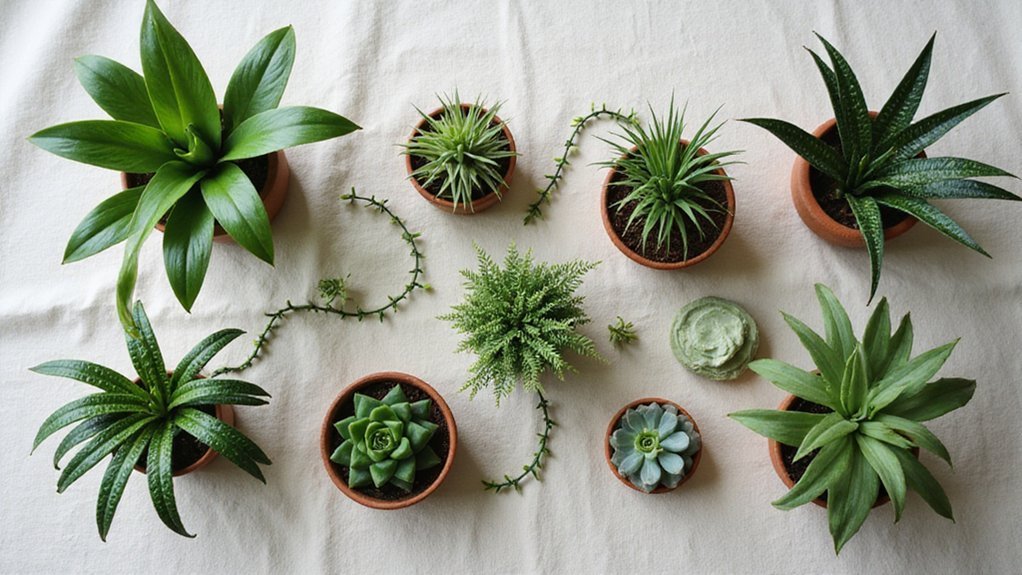
If you’ve killed every plant you’ve brought home, you’re not alone—but you don’t have to keep failing. You can successfully grow seven nearly indestructible houseplants that tolerate neglect, irregular watering, and low light conditions. These resilient plants store water efficiently and adapt to various indoor environments, making them perfect for busy schedules or beginners. Discover which plants you should choose and how they’ll transform your space.
Snake Plant: The Drought-Tolerant Survivor
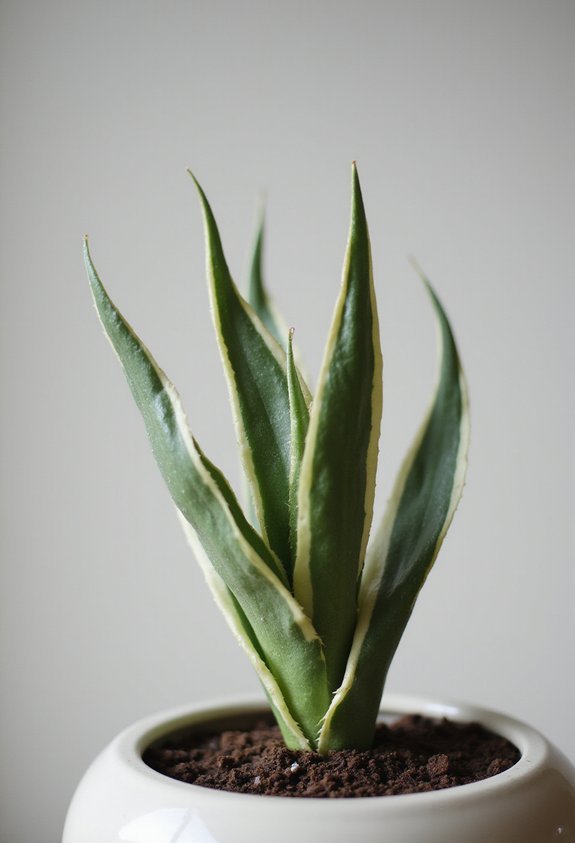
If you’re looking for a houseplant that’ll thrive even when you forget to water it for weeks, the snake plant is your answer. This plant stores water in its leaves, which means you can go extended periods without watering it, making it perfect for busy people or forgetful gardeners. Snake plants prefer well-draining soil and bright, indirect light, though they’ll tolerate low-light conditions reasonably well. You should water your snake plant only when the soil is completely dry, typically every three to four weeks depending on your home’s temperature and humidity. The plant grows slowly, so repotting isn’t necessary frequently. Snake plants also filter air effectively, removing toxins from your indoor environment while requiring minimal effort from you.
Also read: 7 Indoor Plants That Thrive In Low Light
Pothos: Thrives in Low Light and Neglect
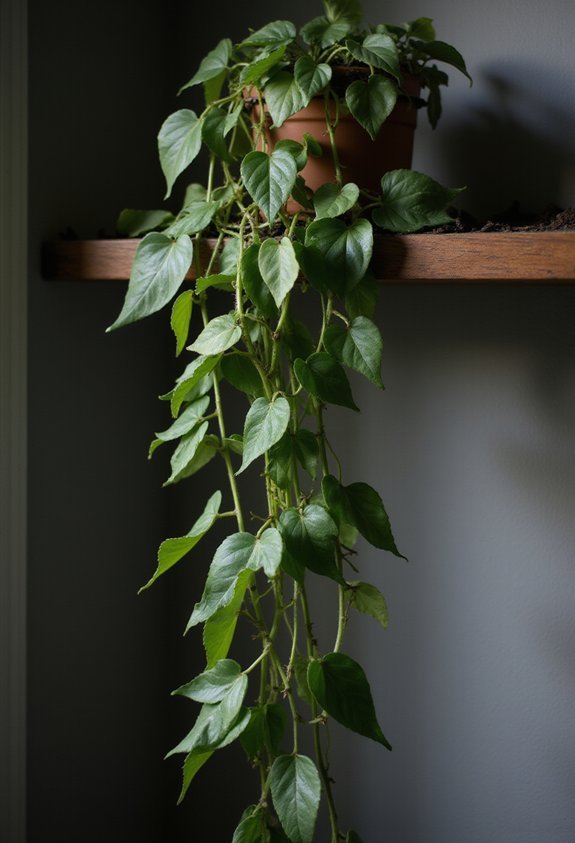
Why settle for a houseplant that demands constant attention when pothos can thrive in the corners of your home where other plants would struggle? You’ll find that pothos adapts remarkably well to low-light environments, making it ideal for offices, bathrooms, and dim bedrooms where sunlight doesn’t reach. This vine-like plant tolerates irregular watering schedules, so you won’t damage it by forgetting to water for extended periods. You can grow pothos in various conditions—trailing from shelves, climbing up moss poles, or cascading from hanging baskets. The plant’s heart-shaped leaves remain vibrant green even in shadowy spots. You’ll appreciate its air-purifying qualities, which improve your indoor air naturally. Pothos truly represents the ultimate low-maintenance houseplant for busy individuals.
Philodendron: Forgiving Growth in Any Condition
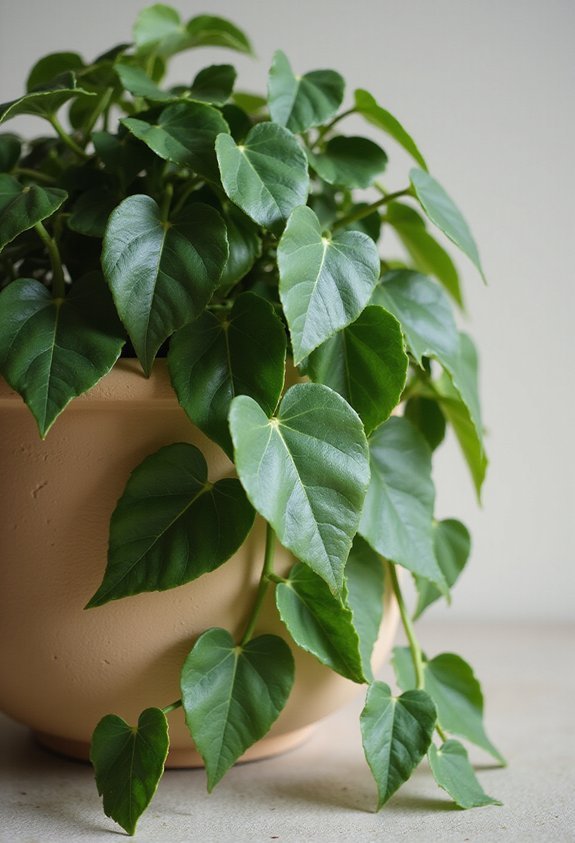
While pothos excels in low-light corners, the philodendron offers similar resilience with an even broader range of growing conditions that’ll suit almost any space in your home. You can place your philodendron in bright, indirect light or moderate shade, and it’ll adapt without complaint. The plant tolerates inconsistent watering schedules, though you should allow soil to dry slightly between waterings to prevent root rot. Philodendrons thrive in standard indoor temperatures and humidity levels, requiring no special environmental adjustments. They grow as either climbing vines or compact bushes, depending on the variety you select. Feed your philodendron monthly during growing seasons with balanced fertilizer, though it’ll survive without regular feeding. This forgiving nature makes philodendrons ideal for beginners or anyone seeking low-maintenance greenery.
ZZ Plant: Glossy Leaves That Handle Shade
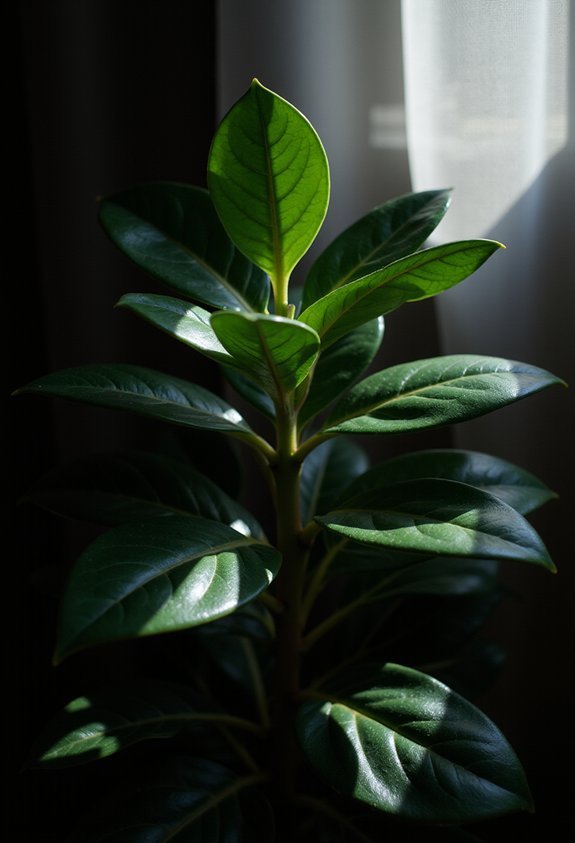
The ZZ plant stands out as one of the most resilient houseplants you can own, thriving in conditions that’d challenge many other varieties and displaying attractive glossy, deep-green leaflets that add visual interest to any room. You’ll appreciate how this plant tolerates low-light environments better than most houseplants, making it perfect for offices, bathrooms, or corners with minimal natural light. The ZZ plant requires infrequent watering because it stores moisture in underground rhizomes, allowing you to water less often than traditional plants. You should let the soil dry out completely between waterings to prevent root rot, which represents the primary threat to this otherwise hardy species. Its slow growth rate means you won’t need frequent repotting, reducing maintenance demands considerably.
Rubber Plant: Fast Growth With Minimal Pruning
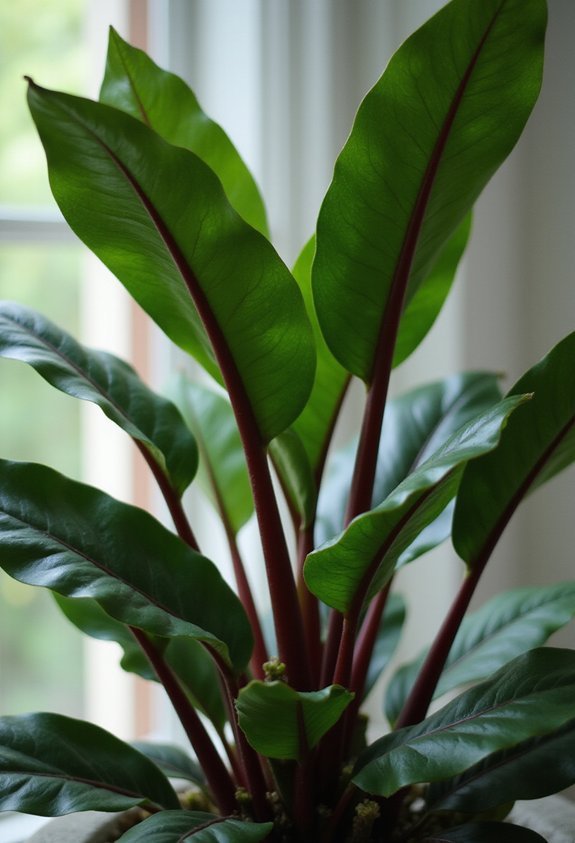
If you’re seeking a houseplant that grows noticeably faster than the ZZ plant and still demands minimal care, the rubber plant delivers both qualities in an attractive package. You’ll notice substantial growth within weeks when you provide bright, indirect light and water whenever the soil feels dry. The plant’s large, glossy leaves actually benefit from occasional wiping with a damp cloth, which removes dust and enhances their appearance. Pruning isn’t necessary for the rubber plant to thrive, though you can trim it to control size and encourage bushier growth. This plant tolerates indoor temperatures well and doesn’t require frequent fertilizing, making it ideal for beginners. With these straightforward care requirements, you’ll develop a robust, visually striking houseplant that rewards minimal effort.
Dracaena: Striking Looks Without Maintenance
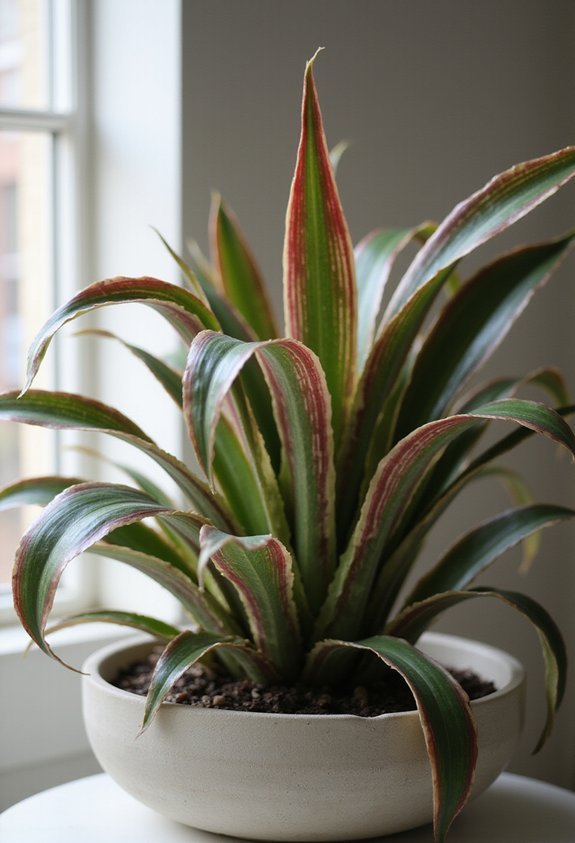
For a houseplant that’ll give your space a sophisticated appearance without demanding your constant attention, dracaena delivers exceptional visual appeal through its distinctive sword-like leaves and elegant growth patterns. You’ll find dracaena incredibly forgiving because it tolerates low light conditions, though it thrives in bright, indirect sunlight. Water your dracaena only when the soil feels dry to the touch, typically every two to three weeks, since overwatering causes root rot. The plant adapts well to average household humidity levels and temperatures between 65 and 75 degrees Fahrenheit. Dracaena grows slowly, meaning you’ll rarely need to prune or repot it. Its striking appearance comes in varieties with green, red, or variegated foliage, allowing you to choose the aesthetic that best complements your home’s décor while requiring minimal effort.
Jade Plant: The Succulent That Almost Waters Itself
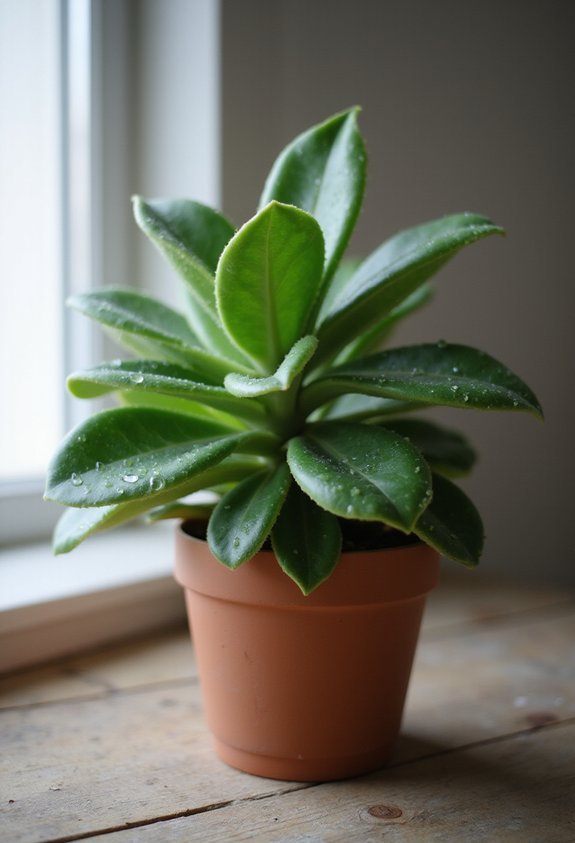
Among succulents that thrive on neglect, jade plants stand out as one of the easiest houseplants you can own, requiring minimal watering and attention while developing a woody stem that resembles a tiny tree. You’ll want to water your jade plant only when the soil’s top inch feels completely dry, which typically means watering every two to three weeks during growing seasons. The plant stores water in its thick leaves, making it extremely drought-tolerant and forgiving if you occasionally forget to water. Place your jade plant in bright, indirect light near a window where it’ll receive several hours of sunlight daily. Well-draining soil is essential to prevent root rot, so use a cactus or succulent potting mix. With these straightforward care requirements, your jade plant will flourish for years with minimal effort.
Conclusion
You’ve now discovered that you don’t need a green thumb to maintain thriving houseplants, since these seven varieties require minimal effort and care. As the saying goes, “the best things in life are simple,” and that’s exactly what these resilient plants offer you—beautiful, air-filtering foliage without demanding schedules or specialized knowledge. Whether you’re busy or inexperienced, you can confidently select any of these options and enjoy lasting greenery in your home.