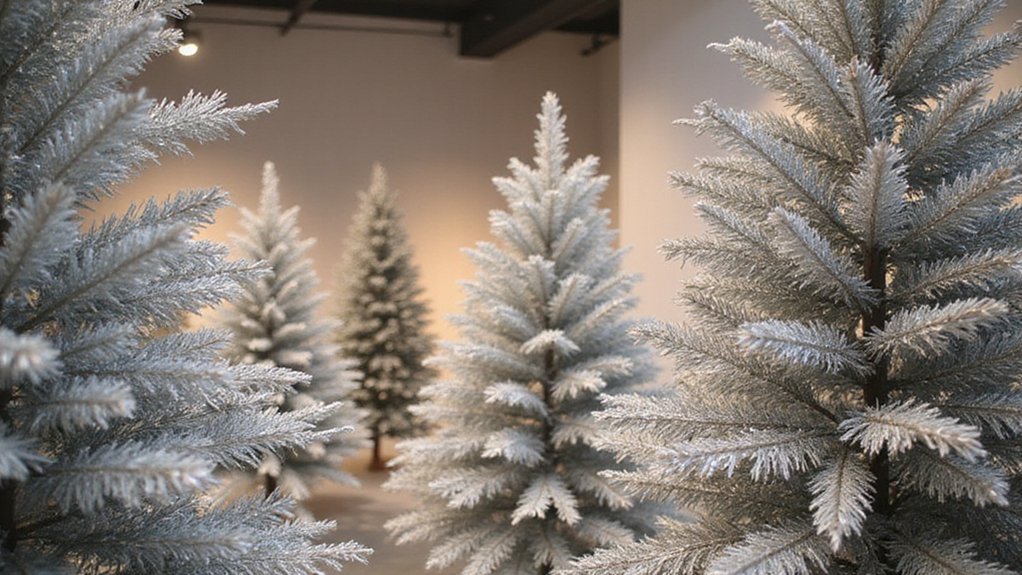
You’ve likely noticed aluminum Christmas trees gaining traction, but understanding why requires examining several interconnected factors. These trees offer practical benefits—they’re lightweight, durable, and require minimal maintenance—while simultaneously addressing environmental concerns through recyclability and reusability. Social media has amplified their visibility considerably, transforming them from nostalgic relics into modern design statements. However, the decision between aluminum and traditional options involves weighing multiple considerations that deserve closer examination.
Why Aluminum Trees Are Having a Major Moment Right Now
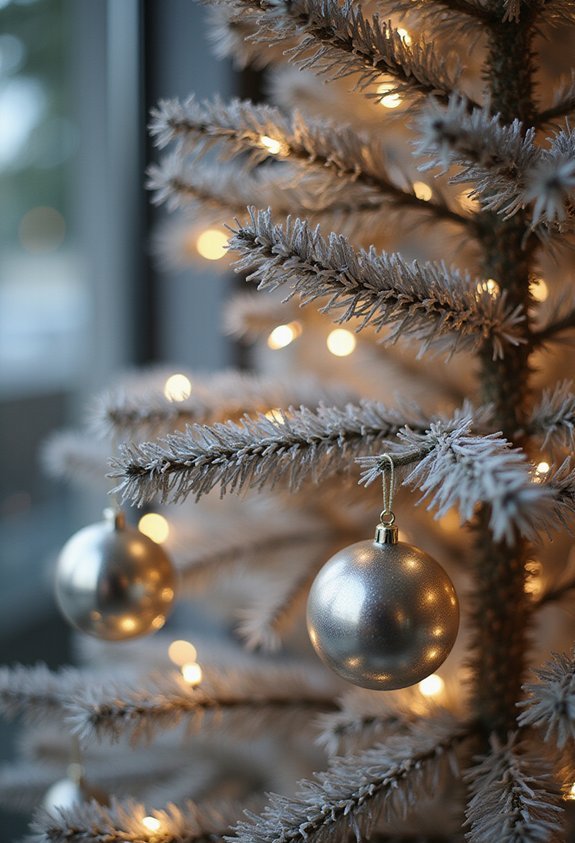
Aluminum Christmas trees have made a striking comeback in recent years, capturing the attention of both nostalgic shoppers who remember the 1950s and 1960s and younger decorators seeking something unconventional for their homes. You’ll find that these metallic trees offer several practical advantages that explain their resurgence. They’re lightweight and durable, making them easier to store and transport than traditional evergreens. Aluminum trees don’t shed needles, eliminating cleanup hassles throughout the season. Their reflective surfaces create a distinctive aesthetic that complements modern décor styles, while their neutral tone works well with various color schemes. Additionally, manufacturers now produce them in different heights and finishes, giving you more customization options than ever before.
Also read: 10 Velvet Bow Christmas Tree Ideas to Elevate Your Holiday Decor
How Aluminum Trees Beat Real Trees on Sustainability
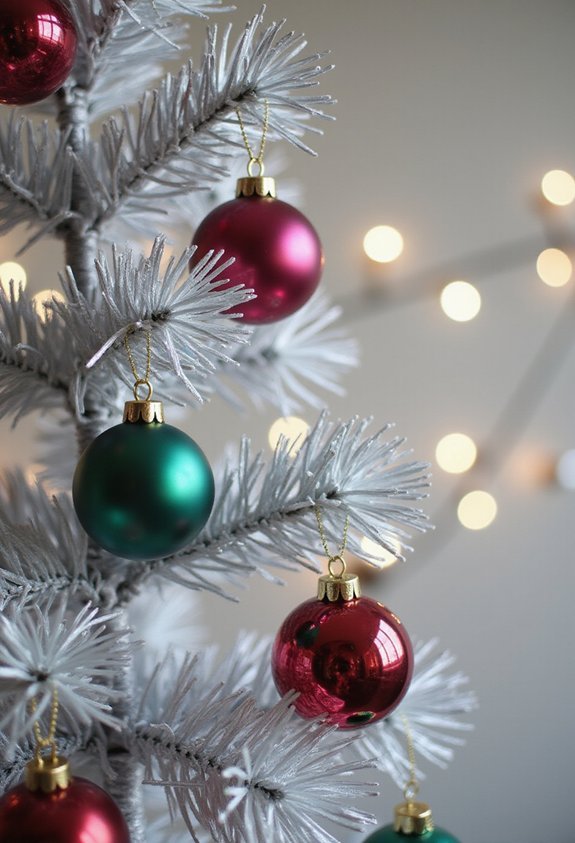
Beyond their aesthetic appeal and practical benefits, these metallic trees offer significant environmental advantages that make them a responsible choice for eco-conscious decorators. When you choose an aluminum tree, you’re investing in a product that you’ll use for decades, eliminating the need to purchase new trees annually. Real trees, by contrast, require ongoing harvesting, transportation, and eventual disposal in landfills where they decompose and release methane. Aluminum trees don’t deplete natural forests or demand pesticides and fertilizers for growth. Since you’ll reuse your aluminum tree year after year, you’ll dramatically reduce your carbon footprint compared to buying fresh trees. Additionally, aluminum is fully recyclable, meaning your tree can eventually transform into new products rather than becoming waste, making it an environmentally intelligent investment for your home.
The Social Media Effect: Why Influencers Are Driving the Trend
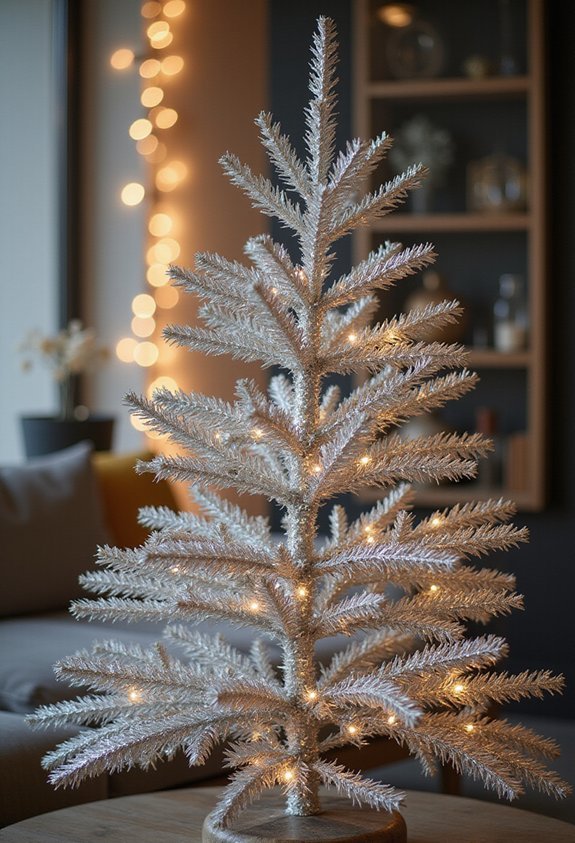
Over the past few years, social media platforms like Instagram, TikTok, and Pinterest have played a major role in reviving the popularity of aluminum Christmas trees, as content creators and influencers showcase these shiny, unconventional decorations to millions of followers who’re enthusiastic to discover fresh holiday ideas. When you follow these influencers, you’re exposed to creative styling techniques that demonstrate how aluminum trees complement modern home aesthetics, encouraging you to reconsider traditional decorating choices. Hashtags and viral posts amplify this trend, making aluminum trees appear trendy and desirable rather than outdated. As you engage with this content through likes and shares, you’re actively participating in spreading the trend further. This social media momentum has transformed aluminum Christmas trees from forgotten relics into contemporary style statements that resonate with younger audiences seeking distinctive holiday décor options.
Aluminum vs. Real Trees: Durability, Cost, and Upkeep Compared
While social media’s influence has certainly boosted aluminum trees‘ appeal, you’ll want to understand how they actually perform when compared to traditional real trees, since this practical comparison can help you make an informed decision about which option suits your household best. Aluminum trees typically last 10-15 years with minimal maintenance, requiring only occasional dusting and storage in a dry location. Real trees demand weekly watering, needle cleanup, and disposal after the season. Cost-wise, aluminum trees range from $100-$500 initially, offering long-term savings, while real trees cost $50-$100 annually. Aluminum trees won’t shed needles or attract insects, eliminating cleanup hassles. However, real trees provide authentic fragrance and natural appearance that some families prefer, despite requiring consistent upkeep throughout the holiday season.
Why Aluminum Trees Need Almost Zero Maintenance
Because aluminum doesn’t degrade like organic materials, you’ll find that maintaining an aluminum Christmas tree requires far less effort than caring for a real tree throughout the holiday season. You won’t need to water your aluminum tree daily, trim branches, or clean up fallen needles that accumulate on your floors and furniture. Instead, you simply wipe down the branches with a dry or slightly damp cloth to remove dust and debris that settles during storage. Your aluminum tree won’t develop brown needles, shed excessively, or require special fertilizers or nutrient solutions. Once you store your tree properly in a cool, dry location after the holidays, it’ll remain in excellent condition for decades, making aluminum trees a genuinely low-maintenance decorating choice.
Are Aluminum Trees Fire-Safe? (And Other Questions Answered)
Many people wonder whether aluminum Christmas trees pose fire hazards compared to traditional evergreen trees, and the answer involves understanding both the material’s properties and how you use your tree safely. Aluminum doesn’t burn, which means your tree won’t catch fire from heat exposure, making it inherently safer than flammable evergreens that dry out and ignite easily. However, you’ll still need to exercise caution with your decorations and lighting setup, since electrical fires can occur if you use damaged cords or overload outlets with too many light strings. You should inspect all wiring before decorating, keep your tree away from heat sources like fireplaces and radiators, and never leave lights on unattended. When you follow these precautions, aluminum trees offer a genuinely fire-resistant holiday option for your home.
What You’ll Actually Spend on an Aluminum Tree
If you’re considering switching from a traditional evergreen tree to an aluminum one, you’ll want to understand the financial investment involved, since the upfront cost differs markedly from what you’d pay for a fresh-cut tree each year. Most aluminum trees range from $100 to $500, depending on size and quality, though premium models can exceed $1,000. While this initial expense seems substantial compared to a $50 to $75 fresh tree, you’ll recoup your investment over five to seven years of use. You’ll also save money on replacement purchases, stand rentals, and cleanup costs associated with shedding needles. Additionally, you’ll eliminate annual expenses for tree removal services, making aluminum trees economically sensible for long-term holiday decorating.
The Best Places to Find Aluminum Trees Right Now
Now that you’ve decided an aluminum tree makes financial sense for your household, locating the right one requires knowing where retailers stock these specialty items and what options each venue offers. Major department stores like Target and Walmart carry aluminum trees during the holiday season, offering budget-friendly selections. Home improvement retailers such as Home Depot and Lowe’s stock premium models with extended warranties and superior construction. Online platforms like Amazon provide extensive variety, detailed customer reviews, and convenient delivery options. Specialty Christmas shops often feature vintage and high-end aluminum trees with expert staff guidance. Additionally, you’ll find options at warehouse clubs like Costco, which offer bulk pricing and quality guarantees. Comparing prices across these venues will help you secure the best value for your chosen tree.
Styling Your Aluminum Tree for Maximum Impact
Once you’ve purchased your aluminum tree, styling it effectively requires understanding how different decorative elements interact with the tree’s reflective surface and metallic finish. You’ll want to select ornaments with matte finishes or deep colors, which contrast beautifully against the shiny aluminum branches rather than blending in. Avoid using too many reflective ornaments, as they’ll compete with the tree’s natural shimmer and create visual confusion. Consider adding multi-colored or warm-toned lights that’ll enhance the metallic quality without washing out your decorations. Layer your ornaments strategically by spacing them evenly throughout the tree’s depth, ensuring visibility from all angles. Finally, you should incorporate ribbon garland or fabric swags in jewel tones or metallics to add dimension and guide the eye downward through your composition.
How to Choose Your First Aluminum Tree: Size, Finish, and Budget
What’re the most important factors you should consider before selecting your first aluminum tree? Size matters greatly, so measure your space carefully and account for the tree’s height, width, and the room you’ll need around it. Next, examine the finish options available, ranging from silver to champagne to colored varieties, and select one that complements your existing décor and personal aesthetic preferences. Budget represents your third critical consideration, as aluminum trees vary considerably in price based on quality, branch density, and included features like pre-lit options. Determine how much you’re willing to spend, then research trees within that range to identify the best value. Balancing these three elements—size, finish, and budget—ensures you’ll choose an aluminum tree that fits your home, style, and financial parameters effectively.
Conclusion
You’ll find that aluminum Christmas trees align perfectly with your practical needs and environmental values, offering durability, minimal maintenance, and cost-effectiveness over time. By choosing an aluminum tree, you’re simultaneously reducing waste, decreasing your carbon footprint, and making a stylish statement that reflects contemporary design trends. Whether you’re motivated by sustainability or aesthetics, you’re joining a growing movement toward smarter holiday decorating choices that benefit both your home and the planet.