
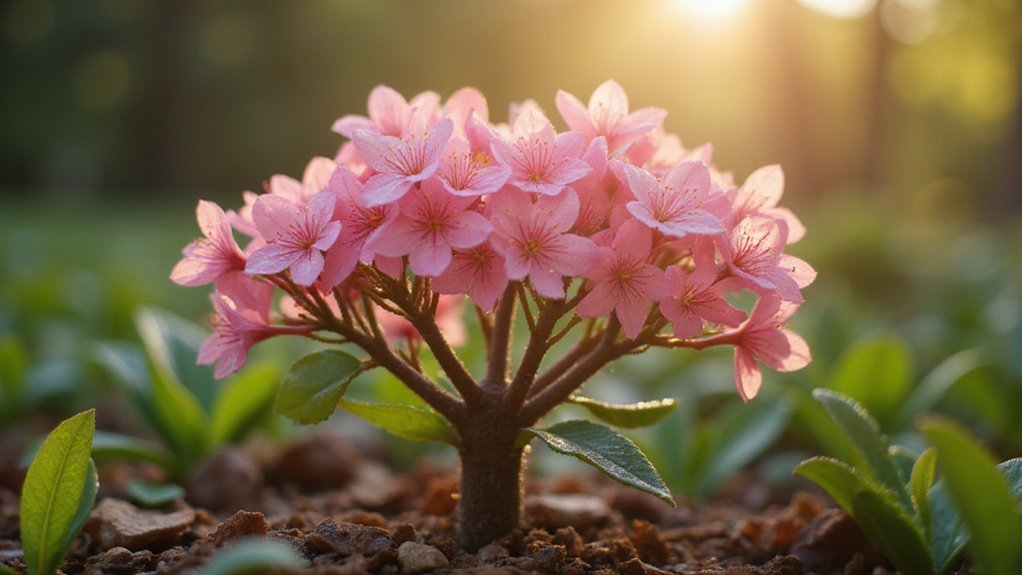
Many gardeners abandon their daphne shrubs within the first year due to improper care, yet these fragrant plants can thrive when you understand their specific needs. You’ll discover that success depends on mastering several critical factors: selecting the right variety for your climate, providing proper light and drainage, and avoiding the common mistakes that lead to root rot and plant decline. The following sections will equip you with the knowledge you need.
Why Daphne Dies and How to Save It
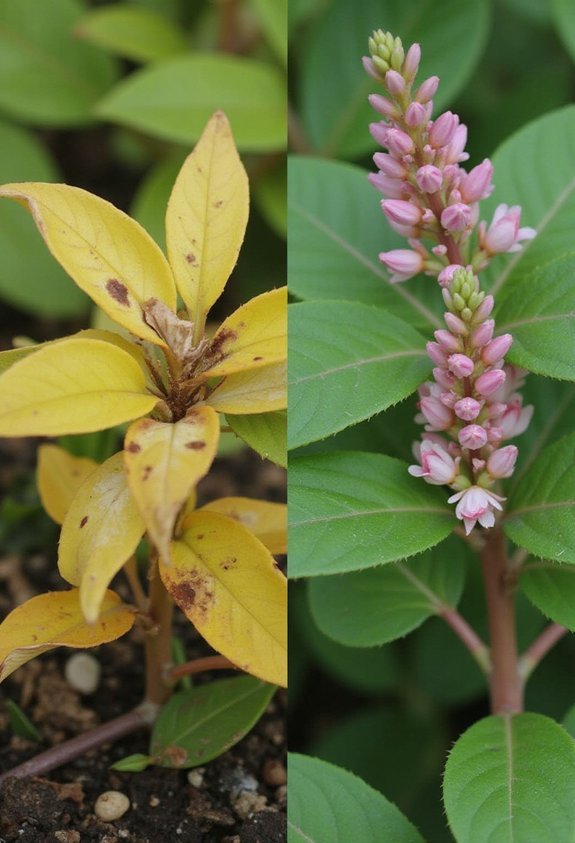
Although daphne shrubs are beautiful additions to any garden, they’re notorious for dying suddenly without warning, which happens because most people don’t understand their specific growing requirements. The primary reason daphne dies is improper watering, since these shrubs demand well-draining soil and can’t tolerate soggy conditions that encourage root rot. You’ll also encounter problems if you plant daphne in full sun without afternoon shade, as excessive heat stresses the plant. Poor air circulation around the foliage creates fungal diseases that rapidly kill your shrub. To save a struggling daphne, immediately improve drainage by amending soil with coarse sand or perlite, relocate it to a shadier spot if necessary, and prune away diseased branches. Reduce watering frequency and guarantee the soil dries slightly between waterings. These adjustments typically revive declining plants within several weeks.
Also read: How to Help Plants Recover If Snowmelt Gets Them
Pick the Right Daphne for Your Climate
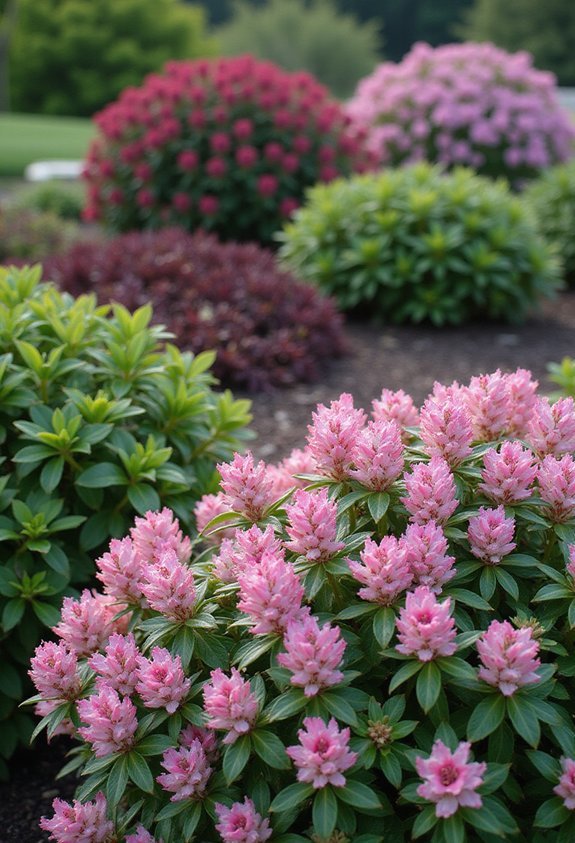
Since daphne species vary vastly in their cold and heat tolerance, you’ll need to match your selection to your specific climate zone to guarantee your plant survives and flourishes. Winter daphne thrives in zones 7-9 and tolerates cold temperatures well, making it ideal for northern gardeners. Conversely, rose daphne prefers zones 5-8 and handles harsh winters better than many relatives. If you’re in a warmer region, consider lilac daphne, which performs well in zones 8-10 and resists heat stress effectively. Before purchasing any daphne variety, check your USDA hardiness zone and research that specific species’ requirements. You’ll also want to evaluate your region’s humidity levels, since some daphnes struggle in extremely dry or wet climates. This careful selection process prevents costly mistakes and establishes your shrub’s success from the beginning.
Light, Shelter, and Drainage: The Perfect Spot
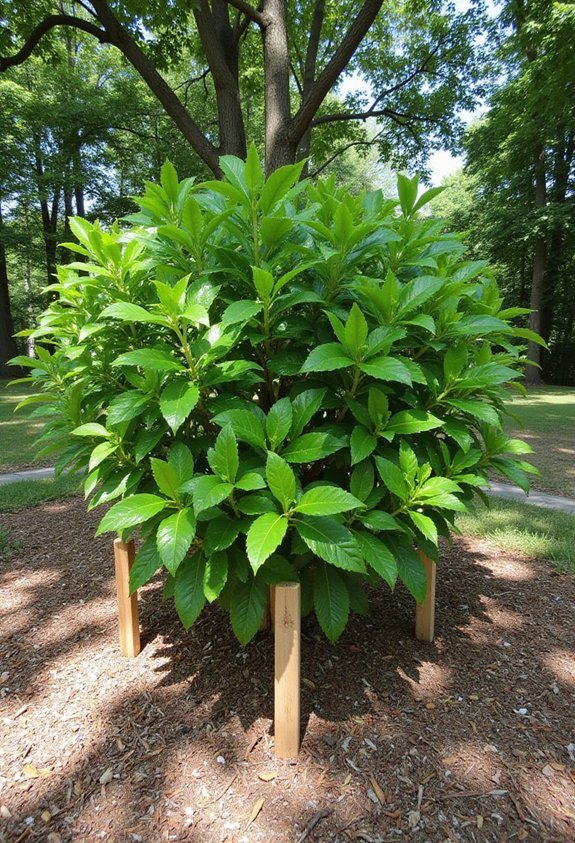
Once you’ve selected the right daphne variety for your climate zone, finding the perfect planting location becomes your next critical step toward ensuring healthy growth. Daphne shrubs thrive in partial shade, where they’ll receive dappled sunlight rather than full, intense rays that can scorch their delicate foliage. You’ll want to position your daphne in a sheltered spot that’s protected from harsh winds, which can damage tender branches and dry out the plant rapidly. Equally important is drainage, since daphne won’t tolerate waterlogged soil. Plant your shrub in an area with well-draining soil, and consider amending heavy clay with organic matter to improve water movement. These three elements—filtered light, wind protection, and excellent drainage—work together to create the ideal growing conditions your daphne requires.
Planting Daphne the Right Way
With the ideal location selected, you’re ready to prepare your planting hole and get your daphne in the ground properly. Dig a hole that’s slightly wider than your daphne’s root ball and equally deep, ensuring the top of the root ball aligns with the soil surface. Mix peat moss or compost into the excavated soil to improve drainage and add nutrients that daphne prefers. Gently place your daphne into the hole, keeping it upright and centered. Backfill the hole with your amended soil mixture, pressing firmly but not compacting it excessively, which could restrict root development. Water thoroughly after planting to settle the soil and eliminate air pockets, then apply mulch around the base, maintaining distance from the stem to prevent rot and disease issues.
Daphne Soil: pH and Drainage Essentials
The soil you’re working with plays an essential role in determining whether your daphne will thrive or struggle, because these plants are particularly sensitive to both acidity levels and water retention in their growing medium. You’ll want to aim for slightly acidic soil with a pH between 6.0 and 7.0, which creates ideal conditions for nutrient absorption. Equally important is drainage, since daphne roots can’t tolerate waterlogged conditions that encourage root rot. Incorporate organic matter like peat moss or compost into your soil to improve structure while enhancing moisture retention without creating standing water. Testing your soil’s pH before planting helps you make necessary amendments, ensuring your daphne receives the precise growing conditions it demands for healthy development and vibrant growth.
Seasonal Watering: Getting Moisture Right
Because daphne plants need consistent moisture without becoming waterlogged, you’ll want to adjust your watering schedule based on the season and your local climate conditions. During spring and summer, when daphne actively grows and temperatures rise, you should water more frequently, keeping the soil consistently moist but never soggy. In fall, gradually reduce watering as growth slows and cooler temperatures decrease evaporation rates. Winter requires minimal watering since daphne enters dormancy and needs less moisture; however, don’t let the soil dry out completely. Check soil moisture by inserting your finger two inches deep—if it feels dry, water thoroughly until it drains from the pot’s bottom. Monitor rainfall in your area and adjust supplemental watering accordingly to maintain ideal moisture levels year-round.
Strategic Pruning for Maximum Flowering
Once you’ve established a consistent watering routine that keeps your daphne healthy and hydrated, you’ll notice that proper pruning becomes equally important for encouraging abundant blooms and maintaining an attractive plant shape. You should prune your daphne immediately after flowering ends, typically in late spring, since this timing allows new growth to develop buds for next year’s flowers. Remove any dead, diseased, or crossing branches first, then lightly trim back remaining stems to shape the plant and encourage branching. Avoid cutting into old wood, as daphne doesn’t regenerate well from severe pruning. Make clean cuts just above leaf nodes using sharp, sterilized pruning shears. Regular, gentle pruning promotes fuller growth and maximizes your flowering potential.
Fertilizing Smartly: Feeding Without Damage
While your pruning efforts shape the plant’s structure and encourage blooms, fertilizing provides the nutrients your daphne needs to sustain that growth and flowering cycle, though you’ll want to approach feeding carefully since daphne shrubs are sensitive to excess nutrients and can suffer damage from over-fertilization. Use a balanced, slow-release fertilizer with equal nitrogen, phosphorus, and potassium ratios, applying it once in early spring as new growth emerges. Water thoroughly after fertilizing to distribute nutrients evenly through the soil. Avoid fertilizing during summer and fall, when your daphne naturally slows its growth. If you notice yellowing leaves or stunted growth, reduce fertilizer frequency rather than increase it, as daphne thrives in lean conditions compared to many other ornamental shrubs.
Daphne Pests and Diseases: Prevention and Control
Beyond providing the right nutrients and pruning techniques, protecting your daphne from pests and diseases requires vigilance and a preventative approach, since these shrubs can fall victim to several common problems that’ll weaken the plant or even cause its decline if you don’t catch them early. Spider mites, scale insects, and aphids frequently infest daphne plants, causing yellowing leaves and stunted growth. You can control minor infestations by spraying affected areas with insecticidal soap or neem oil every seven to ten days. Root rot and leaf spot diseases thrive in overly moist conditions, so you’ll want to guarantee proper drainage and avoid wetting foliage during watering. Inspect your shrubs regularly for signs of damage, removing affected branches promptly to prevent spread.
Expanding Your Garden: Propagation Techniques
If you’ve successfully grown healthy daphne shrubs, you’ll likely want to create more plants for other areas of your garden or to share with fellow gardeners, and propagation offers you several reliable methods to accomplish this goal. The most effective technique involves taking semi-hardwood cuttings during summer months, when stems have begun to mature but aren’t completely woody. You’ll want to select healthy, disease-free shoots about four to six inches long, then remove lower leaves and dip the cut end in rooting hormone powder. Place these cuttings in moist, well-draining potting soil within a propagation tray, maintaining consistent humidity and indirect light. Roots typically develop within six to eight weeks, after which you can transplant your new daphne plants into individual containers.
Conclusion
You’ve now planted the seeds of knowledge about daphne care, and like these delicate shrubs themselves, your garden will flourish when you nurture it consistently. By selecting the right variety for your climate, providing proper drainage, and monitoring moisture levels carefully, you’re building a foundation for success. Remember that daphne thrives through attention to detail—each pruning, fertilizing, and preventative measure you take acts as a stepping stone toward a vibrant, blooming garden that rewards your dedication.