
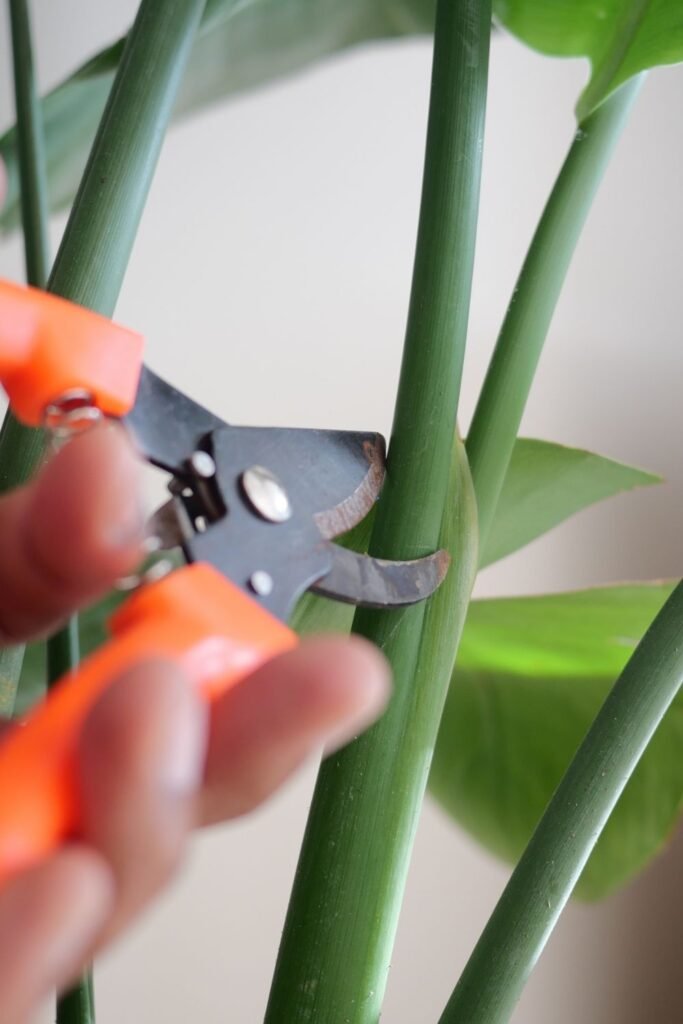
As winter approaches, you’ll need to decide which houseplants benefit from pruning and which ones require dormancy instead. Understanding this distinction is essential because pruning at the wrong time or on the wrong plants can weaken them during their most vulnerable season. Your success depends on identifying your plant types, recognizing the right timing, and applying proper techniques—all factors that greatly influence your plants’ winter survival and spring growth.
Which Houseplants to Prune Before Winter
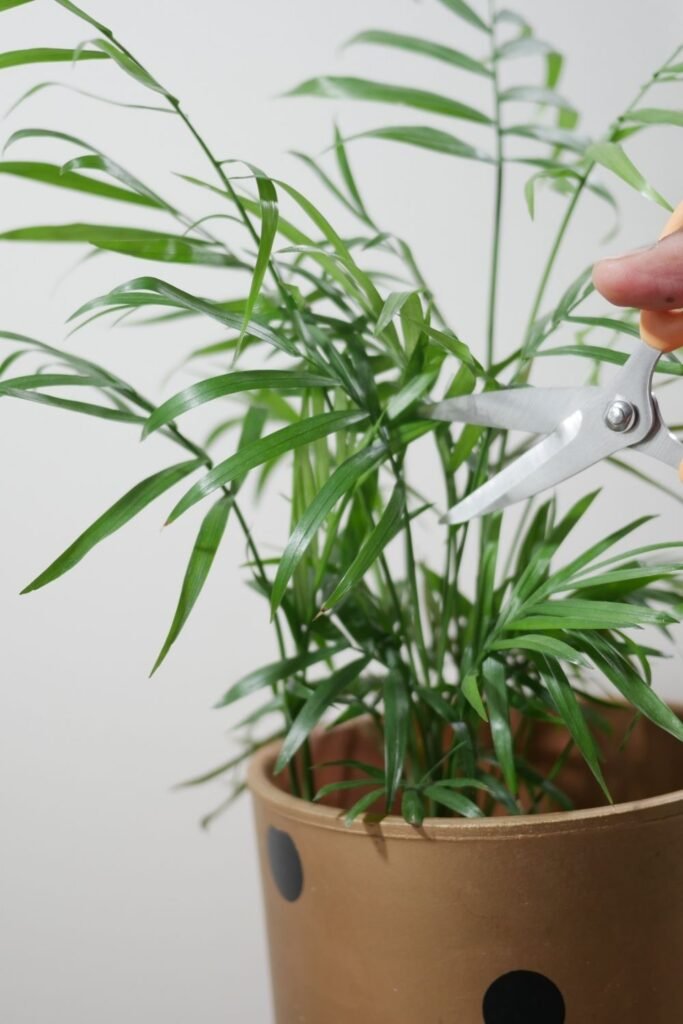
Since winter brings slower growth and reduced light to most indoor plants, you’ll want to focus your pruning efforts on houseplants that actually benefit from pre-winter cutting rather than those that should rest untouched. Fast-growing plants like pothos, philodendrons, and Swedish ivy respond well to pruning before winter dormancy, as cutting encourages bushier growth when they resume active growth in spring. Ficus trees, rubber plants, and dracaenas also tolerate pre-winter pruning effectively. However, you shouldn’t prune flowering plants like poinsettias or Christmas cacti before winter, since they need their energy reserves for blooming. Similarly, avoid cutting back succulents and dormant plants that’ll be resting through the cold months. Always identify your plant species before pruning to guarantee you’re making the right decision.
Also read: 10 Pro Tips for Keeping Your Christmas Trees Fresh All Season Long
Which Plants Need Rest Instead of Pruning
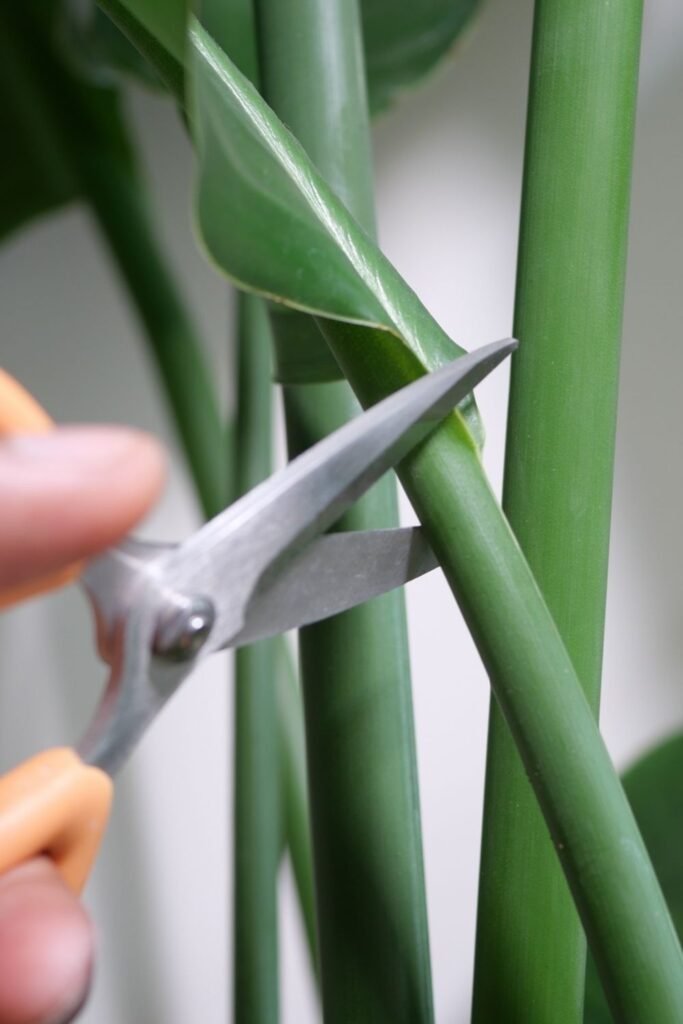
Not all houseplants’ll benefit from pre-winter pruning, and some actually require a period of dormancy to thrive through the colder months. Bulbs like amaryllis, paperwhites, and hippeastrums need a cold rest period to develop flowers for spring blooming, so you shouldn’t cut them back. Similarly, many tropical plants, including certain orchids and bromeliads, enter a natural dormant phase where growth slows considerably. Pruning these plants during dormancy can damage them and reduce spring vigor. Instead of cutting, you should reduce watering and lower temperatures slightly to support their resting state. Succulents also prefer minimal disturbance during winter months. Before you prune any houseplant, research its specific growth cycle to determine whether it needs rest or maintenance pruning for ideal winter care.
When Winter Timing Matters for Pruning
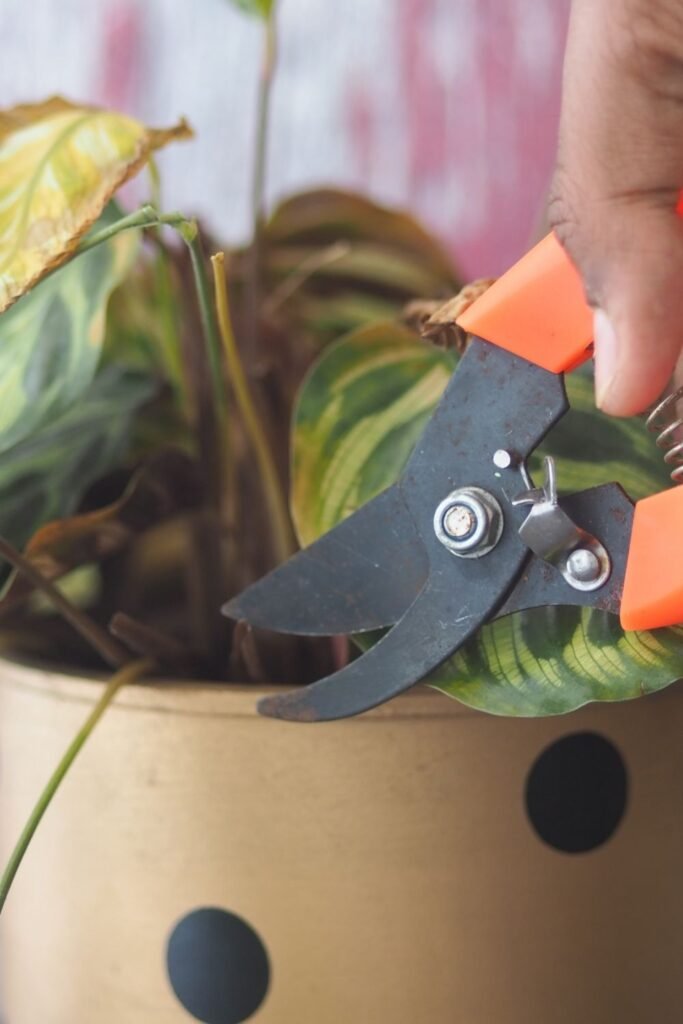
Timing your houseplant pruning during winter requires careful consideration of your plant’s species, your local climate, and the specific growth patterns you’re trying to encourage. You’ll want to prune early winter, before your plants enter their dormant phase, allowing them time to heal before growth slows extensively. Most houseplants benefit from pruning in late fall or early winter, typically between November and early December in most regions. However, you shouldn’t prune tropical plants during their rest period, as they won’t recover quickly from cuts. Conversely, flowering plants that bloom in spring need pruning before January to develop flower buds properly. You must monitor your plant’s response carefully, adjusting your timing based on observable growth changes and seasonal light variations in your home.
Signs Your Plant Is Ready for the Pruning Shears?
Three key indicators will tell you when your houseplant’s ready for pruning: overgrown stems that’ve become leggy or sparse, visible dead or diseased foliage that’s yellowing or browning, and branches that’re crossing over one another or growing in awkward directions. Leggy growth typically means your plant isn’t receiving adequate light, and pruning encourages bushier development. Dead or diseased leaves drain your plant’s energy, so removing them redirects nutrients to healthy growth. Crossing branches create crowded conditions that reduce airflow and invite pest problems. Before you start cutting, inspect your plant thoroughly from all angles, checking both the top and undersides of leaves. This systematic inspection helps you identify all areas needing attention, ensuring you don’t miss problem spots that could compromise your plant’s health during winter dormancy.
How to Prune Safely Without Damaging Winter Plants
When you’re ready to take pruning shears to your houseplants before winter, you’ll want to follow specific techniques that minimize stress and prevent damage during their dormant season. Start by sterilizing your tools with rubbing alcohol to eliminate disease-causing bacteria that could harm vulnerable plants. Make clean cuts just above leaf nodes at forty-five-degree angles, which promotes proper healing and future growth. Remove dead or diseased branches first, then trim leggy stems to encourage bushier development. Avoid removing more than one-third of the plant’s foliage, as excessive pruning weakens plants when they’re preparing for slower metabolic activity. Work slowly and deliberately, stepping back frequently to assess your progress and guarantee balanced shape throughout the plant’s structure.
Winter Pruning Mistakes That Stress Plants
Even though you’ve learned the proper techniques for safely pruning your houseplants, many common mistakes can still undermine your efforts and cause unnecessary stress during the dormant season. One frequent error you’ll make is over-pruning, which removes too many leaves your plant needs for energy storage. You should also avoid pruning too close to the main stem, as this creates wounds that won’t heal properly in cold months. Additionally, you’re likely using dull tools, which tear tissue instead of making clean cuts. Another mistake involves pruning weak or diseased branches without sterilizing your equipment between cuts, spreading pathogens throughout your plant. Finally, you might prune too late in fall, leaving fresh wounds exposed when your plant enters dormancy and can’t heal effectively.
After You Prune: Winter Recovery and Care
Once you’ve finished pruning your houseplants, your work isn’t truly done—in fact, the care you provide in the days and weeks after cutting is just as important as the pruning itself, because your plants will be healing from wounds while simultaneously preparing for dormancy. You should reduce watering frequency since your plants need less moisture during winter months, and overwatering can lead to root rot when growth has slowed. Provide bright, indirect light to support healing without stressing recovering tissues. Avoid fertilizing for at least six weeks after pruning, as new growth requires minimal nutrients during dormancy. Monitor humidity levels by misting occasionally, and keep your plants away from heating vents that cause drying. These consistent post-pruning practices guarantee your houseplants emerge healthy when spring arrives.
Conclusion
You’ve now discovered that indiscriminately hacking away at every houseplant won’t magically transform your home into a winter botanical paradise—shocking, I know. By selectively pruning fast-growing varieties like pothos while protecting dormant bulbs and succulents, you’re actually respecting your plants’ natural cycles. Following these guidelines guarantees your indoor garden survives winter intact, thrives come spring, and doesn’t become a cautionary tale of overzealous pruning disasters you’ll regret come January.