
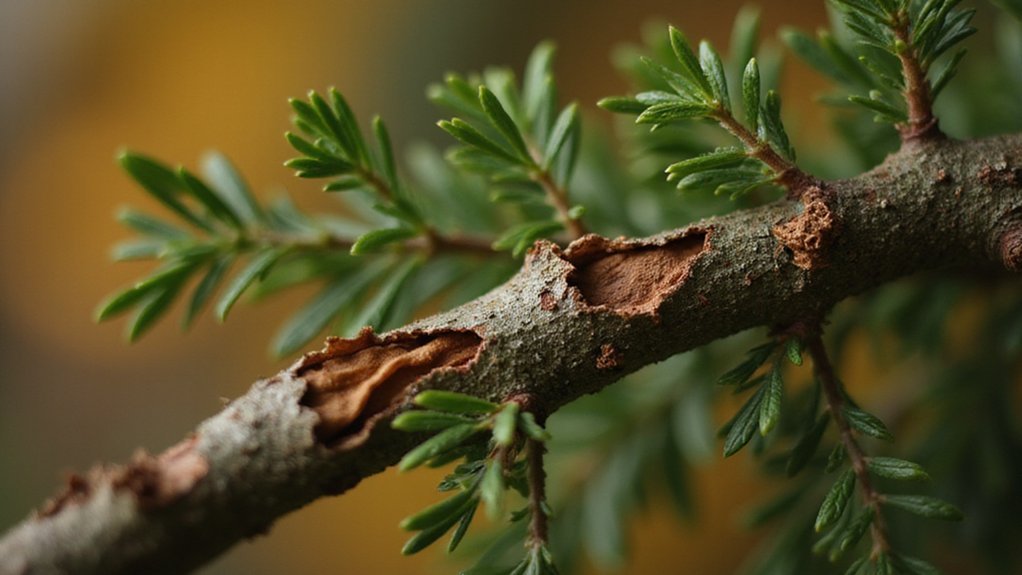
When your live Christmas tree begins to fade, you’ll want to recognize the warning signs before it’s too late. Needles dropping in clumps, branches snapping rather than bending, a disappearing pine scent, bark separating from the trunk, and stunted growth all indicate your tree isn’t thriving indoors. Understanding these five critical indicators will help you determine whether your tree can still be saved—or if decline has already become irreversible.
Your Needles Are Dropping in Clumps (Not Just a Few)
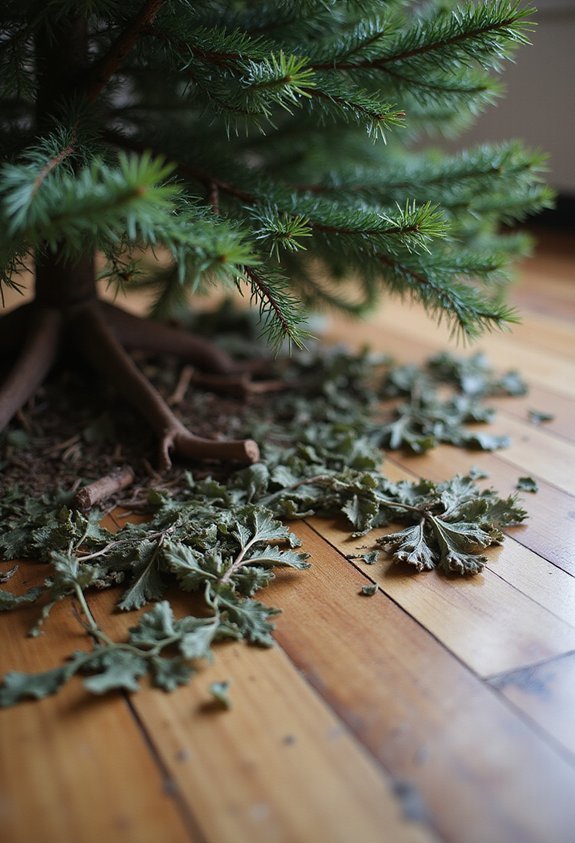
When you notice that your Christmas tree’s needles are falling off in large bunches rather than just one or two at a time, you’re looking at a sign that something’s gone wrong with your tree’s health. This clumping needle drop indicates that your tree isn’t getting the water it needs to survive indoors. You should check the tree stand’s water level immediately, ensuring it stays filled to prevent the trunk from drying out. If the water level’s been low for several days, the tree’s vascular system may’ve already sustained damage. Additionally, examine whether the tree’s positioned near heat sources like radiators or vents, which accelerate moisture loss. Moving your tree away from these warm areas and maintaining consistent watering can sometimes slow further needle loss, though extensive clumping typically means the tree’s decline is already underway.
Also read: 3 Pro Tips for Protecting Plants From Frost
The Branches Snap Instead of Bend
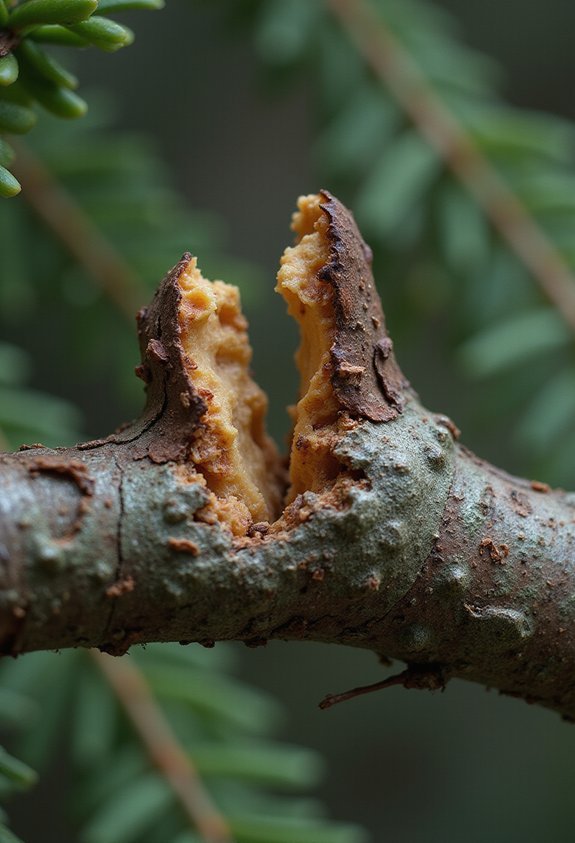
Beyond the visual problem of dropping needles, a dying Christmas tree’ll also show brittleness in its branches, which is another reliable indicator of severe dehydration. When you gently bend a healthy branch, it’ll flex and return to its original position without breaking. However, a dehydrated tree’s branches become extremely fragile because the moisture that normally keeps them pliable has evaporated completely. You can test this by carefully flexing a lower branch with your hand; if it snaps immediately or cracks loudly, your tree’s internal water content has depleted substantially. This brittleness typically develops after the needle loss begins, representing an advanced stage of decline. Once branches reach this condition, the tree won’t recover, regardless of how much water you provide now.
Your Tree Stopped Smelling Like Fresh Pine
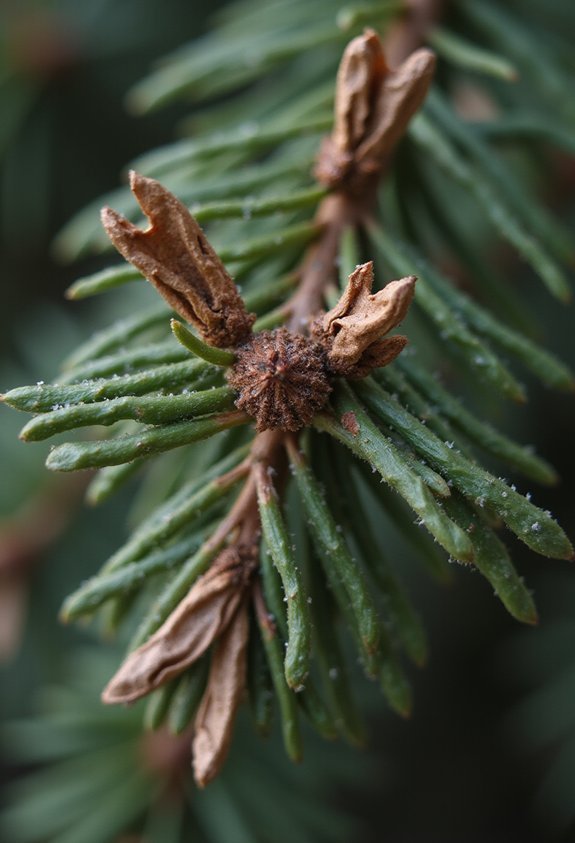
Have you noticed that your Christmas tree no longer releases that distinctive fresh pine aroma you smelled when you first brought it home? This change signals that your tree’s health is declining. Fresh pine scent comes from natural oils and resins that living trees actively produce, and when those oils dry out, the smell fades noticeably. As a tree dies, it stops producing these aromatic compounds because its vascular system—the network carrying water and nutrients—becomes compromised. The needles and branches lose moisture, causing the tree to deteriorate from the inside out. Once your tree stops smelling fresh, it’s typically too late to revive it. You’ll want to remove and replace it soon to prevent further needle drop and maintain your home’s festive atmosphere.
The Bark Is Pulling Away From the Trunk
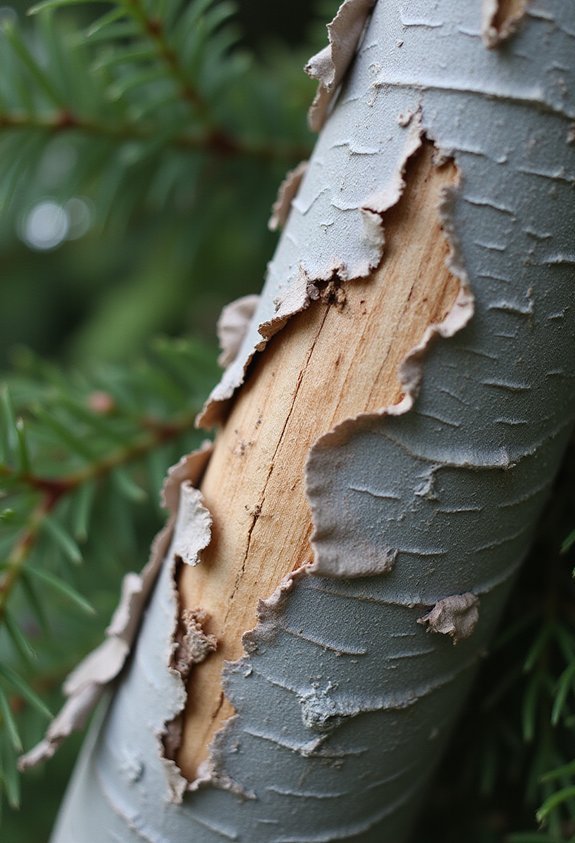
Another physical sign that your Christmas tree’s condition is worsening shows up on the trunk itself, where you’ll notice the bark beginning to separate and pull away from the wood underneath. This separation occurs because the tree isn’t receiving adequate water, which causes the trunk to shrink and contract. As the wood dries out, it pulls inward, creating gaps between the bark and the inner wood. You can check for this problem by running your hand along the trunk and feeling for loose or peeling sections. If you’re finding significant bark separation, your tree’s vascular system isn’t functioning properly, meaning it can’t transport water and nutrients throughout its branches effectively. At this stage, your tree’s decline is likely irreversible.
No New Growth Is Appearing on Branch Tips
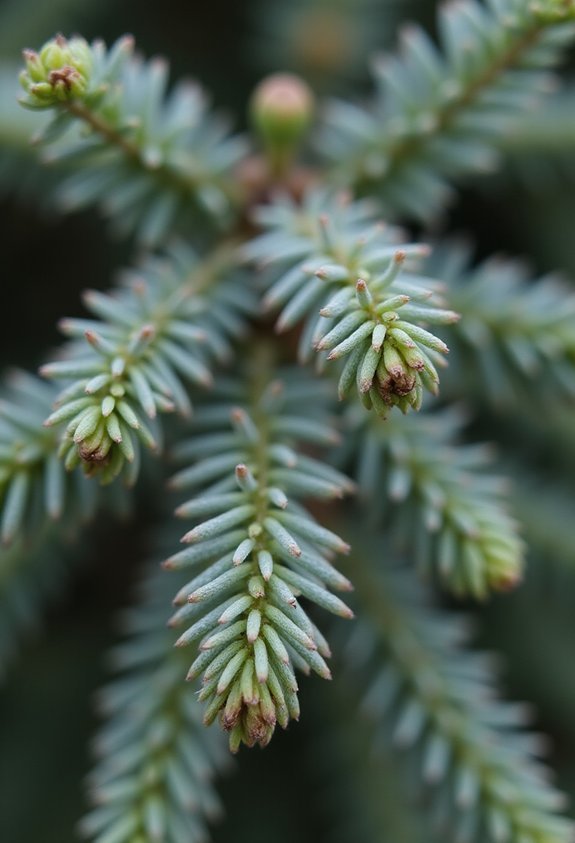
When you’re inspecting your Christmas tree’s branches closely, you’ll want to pay attention to the very tips where new growth should be emerging, because the absence of fresh shoots is a reliable indicator that your tree’s health is compromised. Healthy evergreens naturally produce new needles and branch extensions throughout their lives, even during the winter season. If you’re noticing that the branch tips appear flat or bare without any tender new growth, your tree isn’t directing energy toward development. This stagnation suggests that the tree’s root system isn’t functioning properly or that it’s experiencing severe stress. You should examine whether the tree’s needles feel brittle or dry, as this combination signals declining significance that’ll worsen without intervention.
Conclusion
If you’re noticing needles dropping like confetti, branches snapping like twigs, and your tree smelling more like a dusty attic than a forest, you’ve got a problem. Your Christmas tree isn’t just tired—it’s staging a dramatic exit. You can’t ignore bark peeling away or the complete absence of new growth, because these signs mean your tree’s fighting a losing battle indoors. Act now with consistent watering and heat management, or accept defeat gracefully.