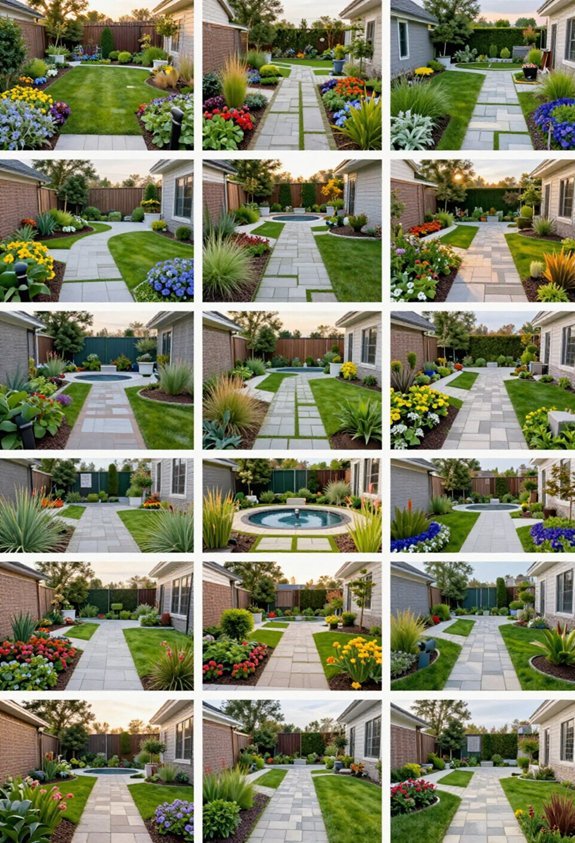
Front yard design requires thoughtful planning to balance aesthetics, functionality, and sustainability. Whether choosing a statement tree as a focal point, establishing layered cottage garden beds, or implementing modern minimalist landscapes, each approach offers distinct advantages for different climates and lifestyles. Understanding plant selection, ground cover strategies, and privacy solutions transforms outdoor spaces. The specific techniques that make these 25 ideas exceptionally effective remain to be explored.
Pick One Statement Tree as Your Show-Stopper
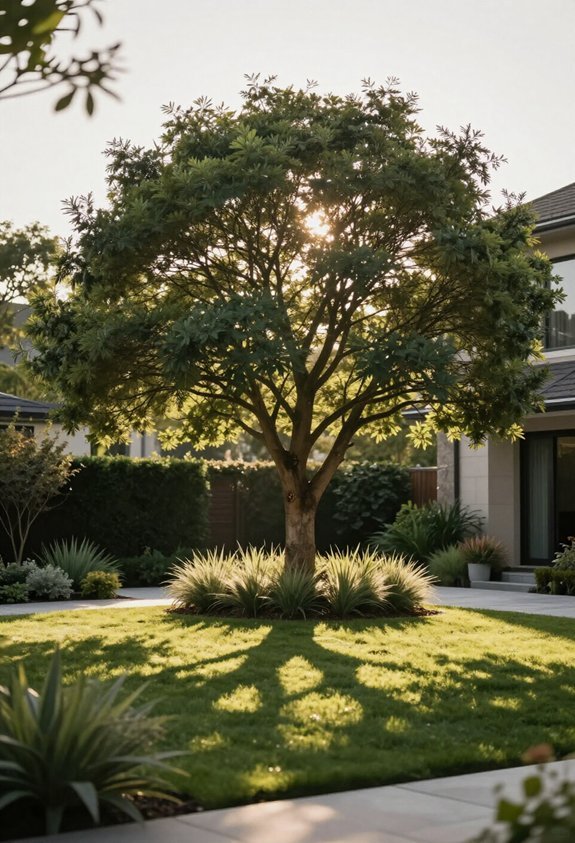
One of the most effective ways to create visual interest in a front yard garden is to select a single statement tree that serves as the focal point of the entire landscape design. A statement tree should possess distinctive characteristics, such as unusual bark texture, striking foliage color, or an interesting branching structure that distinguishes it from surrounding plants. When choosing this focal point, homeowners should consider the tree’s mature size, growth rate, and climate compatibility with their region. Placement is equally important; positioning the statement tree slightly off-center rather than directly in the yard’s middle creates a more dynamic and visually appealing composition. This strategic approach allows the selected tree to command attention while establishing a strong organizational framework for the remaining landscape elements and plantings throughout the front yard.
Also read: 20 HOUSE FRONT YARD Ideas That Look Put Together!
Classic Cottage Front Yards With Flowering Borders

A timeless approach to front yard gardening involves creating a classic cottage garden style featuring abundant flowering borders that line walkways, foundation edges, and garden beds throughout the landscape. This design incorporates layered plantings with varied heights, colors, and bloom times to guarantee continuous visual interest throughout seasons. Gardeners should select a mix of perennials and annuals, positioning taller plants toward the back and shorter varieties in front. Popular choices include roses, delphiniums, lavender, and foxgloves that create romantic, full appearances. Flowering borders require regular maintenance including deadheading spent blooms, strategic pruning, and consistent watering schedules. This gardening approach prioritizes density and fullness, encouraging plants to intermingle naturally while maintaining organized walkway access and clear sight lines to front entrances.
Modern Minimalist Front Yards With Native Plants
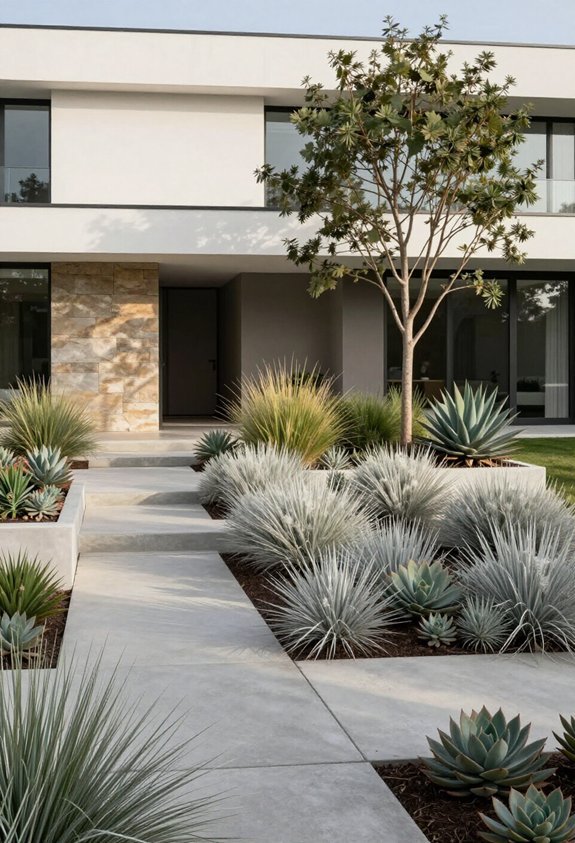
In contrast to the densely planted cottage garden approach with its emphasis on ornamental blooms and layered borders, modern minimalist front yards take a deliberately restrained path by incorporating native plants selected specifically for their ability to thrive in local climates while requiring minimal maintenance and intervention. These landscapes prioritize clean lines, open spaces, and purposeful plant placement, creating visually calm environments that reduce upkeep demands. Native plants adapted to regional soil, water, and sunlight conditions naturally resist pests and diseases, eliminating the need for chemical treatments. This design philosophy combines aesthetic simplicity with ecological responsibility, supporting local wildlife while conserving resources. The result is a sustainable, low-maintenance front yard that appears intentionally designed rather than randomly assembled.
Best Flower Combinations for Year-Round Color

Achieving continuous color throughout all seasons requires careful selection of flowers that bloom during different months and understanding how to layer them strategically across the front yard landscape. Spring brings tulips and daffodils, which establish foundational color before summer bloomers like zinnias and marigolds take over. Fall plantings of mums and asters extend visual interest as temperatures drop, while ornamental grasses provide structure year-round. Winter-blooming pansies and hellebores guarantee color persists during dormant months. Gardeners should combine early, mid, and late-season varieties within each color family to create harmonious shifts. Grouping plants by bloom time and height creates depth, preventing bare patches while maximizing the landscape’s visual impact throughout every season.
Xeriscaping for Dry Climates (Low Water, High Impact)
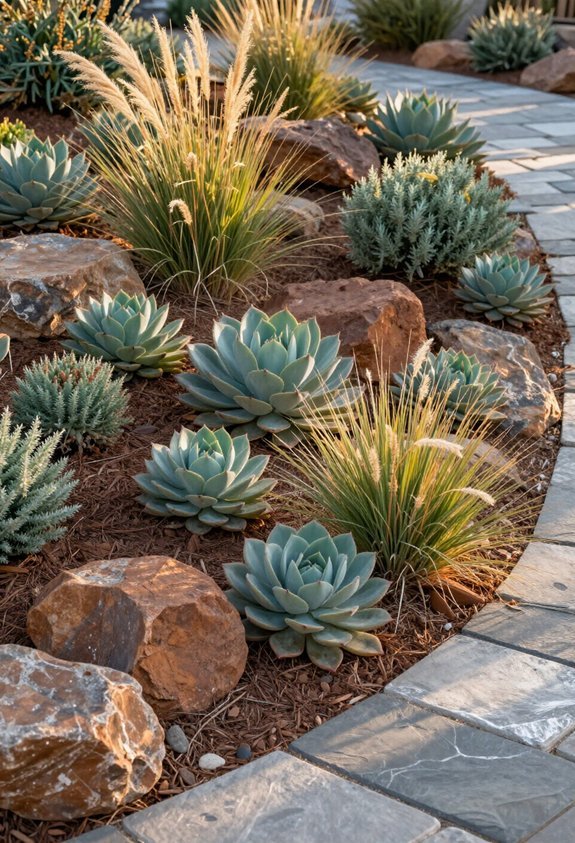
Xeriscaping transforms front yards in arid regions by using drought-resistant plants, efficient irrigation methods, and thoughtful landscape design to reduce water consumption while maintaining visual appeal and curb-side beauty. Homeowners can select native plants like sedums, ornamental grasses, and desert shrubs that thrive in low-water conditions. Mulching with rock or wood chips helps retain soil moisture and reduces evaporation. Drip irrigation systems deliver water directly to plant roots, minimizing waste compared to traditional sprinklers. Grouping plants by water needs, called hydrozoning, guarantees efficient watering schedules. Hardscaping elements such as gravel pathways, stone borders, and decorative rocks add texture and visual interest while requiring no maintenance. These strategic choices create attractive, sustainable front yards suited to dry climates.
Pathways That Invite Visitors Into Your Yard
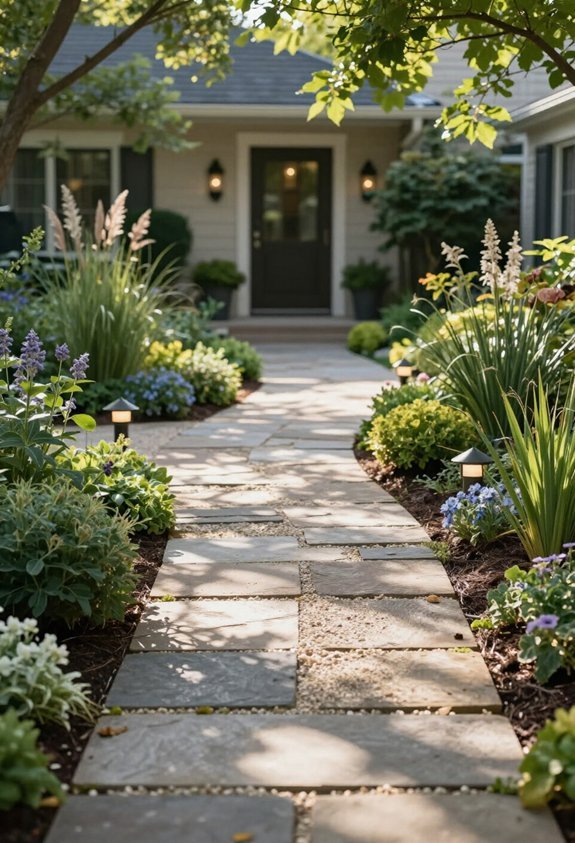
While a well-designed front yard draws attention from the street, thoughtfully planned pathways serve as the essential connectors that guide visitors from the sidewalk or driveway directly to the front entrance, creating a clear route that enhances both function and aesthetics. Material selection greatly impacts pathway effectiveness, with options including gravel, pavers, stone, or mulch, each offering distinct visual appeal and durability characteristics. Width matters considerably; pathways should measure at least two to three feet wide to accommodate comfortable foot traffic. Curved designs create visual interest and encourage exploration, while straight paths convey purposeful direction. Proper edging prevents soil encroachment and maintains clean borders. Adequate lighting along pathways guarantees safety during evening hours and highlights architectural features, ultimately transforming the front yard into an inviting, organized outdoor space.
Raised Garden Beds for Growing Vegetables and Herbs
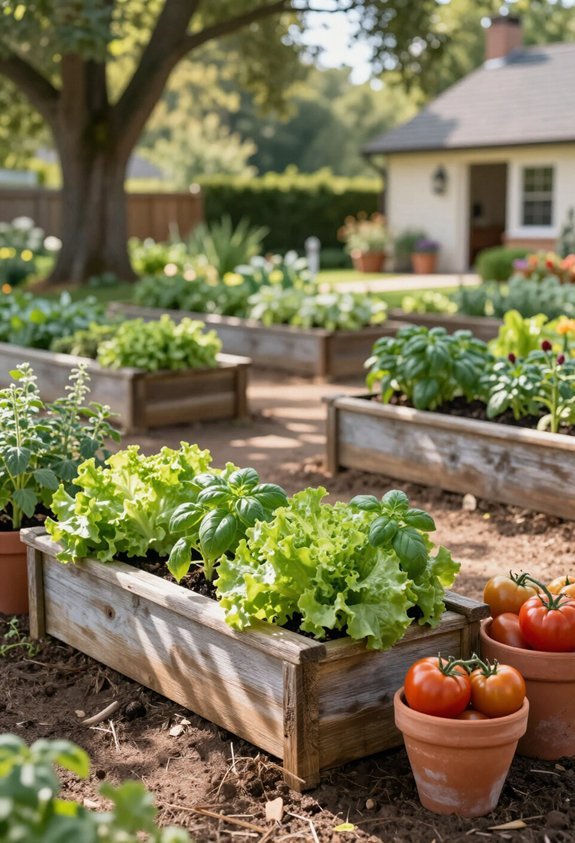
Raised garden beds offer homeowners a practical method for cultivating vegetables and herbs directly within the front yard landscape, building upon the foundation of organized outdoor spaces that pathways have established. These elevated structures, typically constructed from wood, composite materials, or metal, provide several functional advantages for gardeners. They improve soil drainage, reduce pest problems, and allow for better control over soil quality and composition. Raised beds also require less bending during planting and maintenance, making gardening more accessible for people of varying physical abilities. The defined boundaries create visual interest while organizing the front yard into distinct growing zones, where different vegetables and herbs can thrive in appropriate conditions based on their specific sunlight and moisture requirements.
What to Grow in Raised Beds (Vegetables, Herbs, Flowers)
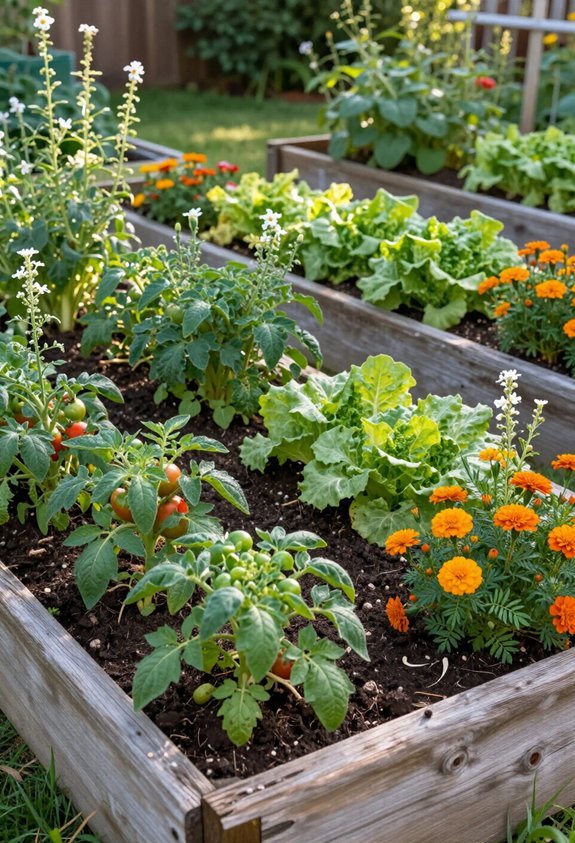
The variety of plants suitable for raised beds extends far beyond vegetables, offering homeowners numerous options to customize their front yard gardens according to their preferences and environmental conditions. Popular vegetables include tomatoes, lettuce, peppers, and carrots, which thrive in the controlled soil environment that raised beds provide. Herbs such as basil, rosemary, thyme, and parsley flourish in these structures, remaining accessible for cooking purposes. Flowers like marigolds, zinnias, and sunflowers add aesthetic appeal while attracting pollinators to the garden. When selecting plants, gardeners should consider their region’s climate, sunlight availability, and soil composition. The depth of the raised bed influences plant selection, as root vegetables require deeper soil than shallow-rooted herbs or flowers, ensuring successful cultivation year-round.
Evergreen Shrubs: The Backbone of Winter Appeal
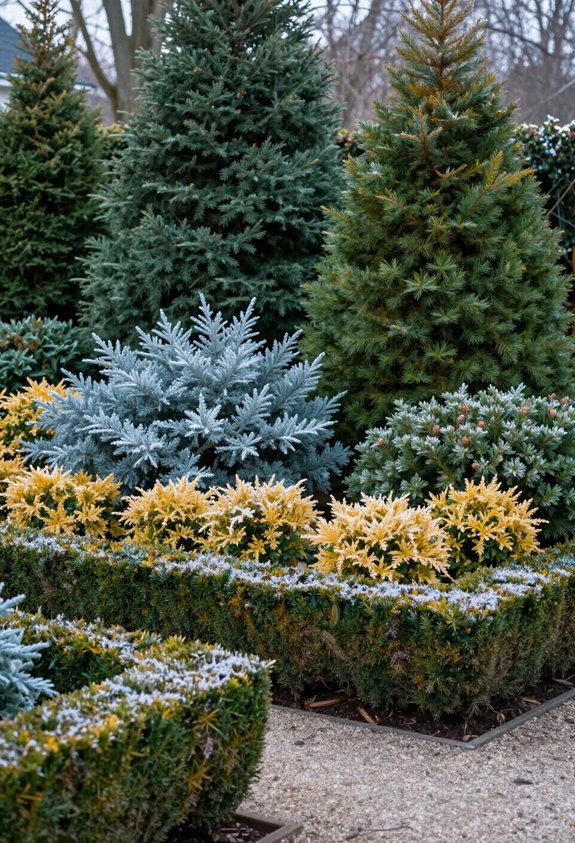
Evergreen shrubs serve as an essential foundation for maintaining visual interest and structure in front yard gardens during the winter months, when deciduous plants lose their leaves and most flowering plants enter dormancy. Popular choices include boxwoods, which offer dense foliage and formal appearance, and junipers, which provide varied textures and colors ranging from blue-green to golden tones. Holly shrubs deliver seasonal berries alongside their glossy leaves, while dwarf conifers contribute architectural interest through their compact, sculptural forms. These plants require minimal maintenance once established and thrive in various soil conditions and light levels. Strategic placement of evergreen shrubs creates year-round visual appeal, establishes garden boundaries, and provides shelter for wildlife during harsh weather conditions.
Native Plants That Attract Butterflies and Bees
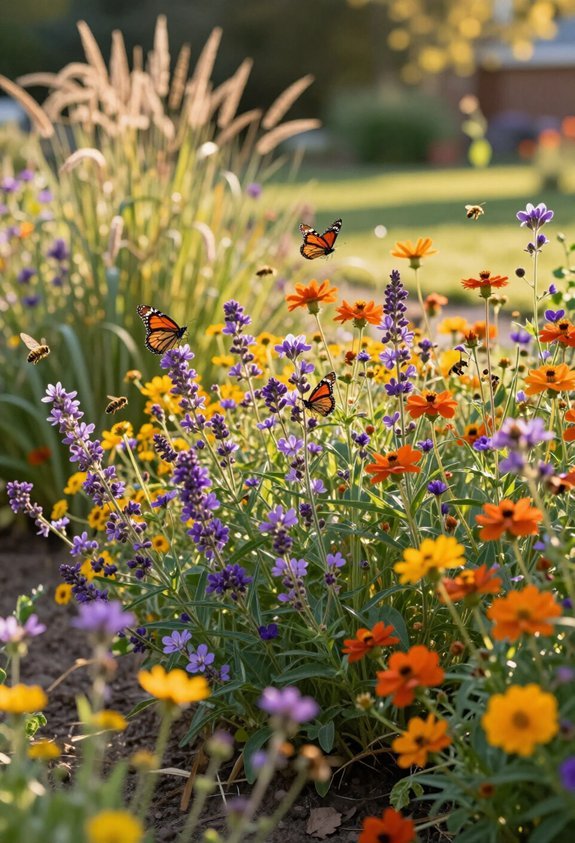
While evergreen shrubs provide the structural foundation of a front yard garden, incorporating native plants that attract butterflies and bees adds dynamic color, movement, and ecological value to outdoor spaces. Native plants have evolved alongside local pollinators, creating mutually beneficial relationships that support regional ecosystems. Popular choices include coneflowers, black-eyed Susans, milkweed, and zinnias, which produce nectar and pollen that sustain butterfly and bee populations throughout growing seasons. These plants require minimal maintenance once established, as they are naturally adapted to local climate and soil conditions. Planting native species in clusters of three to five creates visual impact while providing abundant food sources. Strategic placement near garden edges guarantees pollinators access plants easily, ultimately enhancing the garden’s ecological function and aesthetic appeal simultaneously.
Gravel vs. Mulch (When to Use Each)
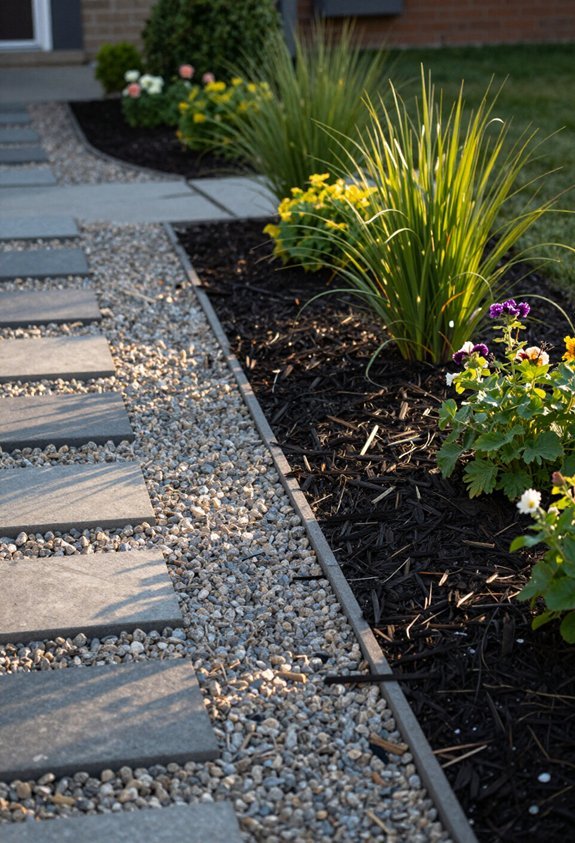
Once native plants are established in a front yard garden, gardeners must consider what ground covering material will best support plant health while maintaining the garden’s appearance, and this choice typically comes down to selecting between gravel and mulch. Mulch, made from decomposed wood or bark, retains moisture, regulates soil temperature, and gradually enriches soil with organic matter as it breaks down, making it ideal for plants requiring consistent moisture and nutrient support. Gravel, conversely, allows water drainage and suits drought-tolerant plants and xeriscaping designs, while requiring minimal maintenance and replacement. Gardeners should select mulch for moisture-loving native plants and gravel for dry-climate species, considering local climate conditions, plant requirements, and aesthetic preferences when making this fundamental landscaping decision.
Front Yard Lighting: Solar and Electric Options
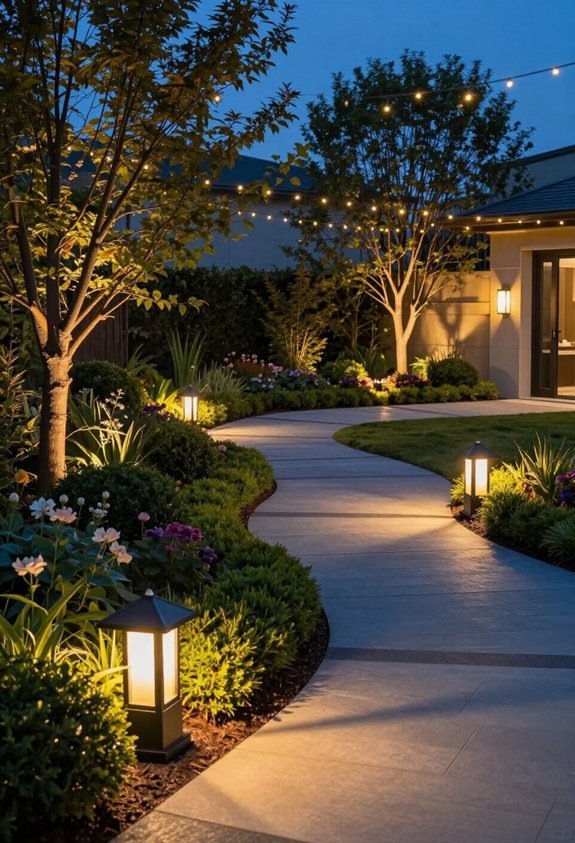
After establishing ground cover materials that support plant health and aesthetic appeal, gardeners should consider how strategic lighting will enhance their front yard garden’s functionality and visual impact during evening hours. Solar lighting options provide cost-effective, maintenance-free solutions that harness renewable energy without requiring electrical wiring or ongoing power expenses. These fixtures charge during daylight and automatically illuminate pathways, flower beds, and architectural features after sunset. Electric lighting systems, conversely, offer brighter, more reliable illumination suitable for larger spaces and areas requiring consistent brightness. Electric options include LED spotlights, string lights, and uplighting that accentuate plants and hardscaping elements. Gardeners should evaluate their specific needs, budget constraints, and property layout before selecting appropriate lighting solutions that balance aesthetics with practical functionality.
Stone, Pavers, and Edging for Design Balance
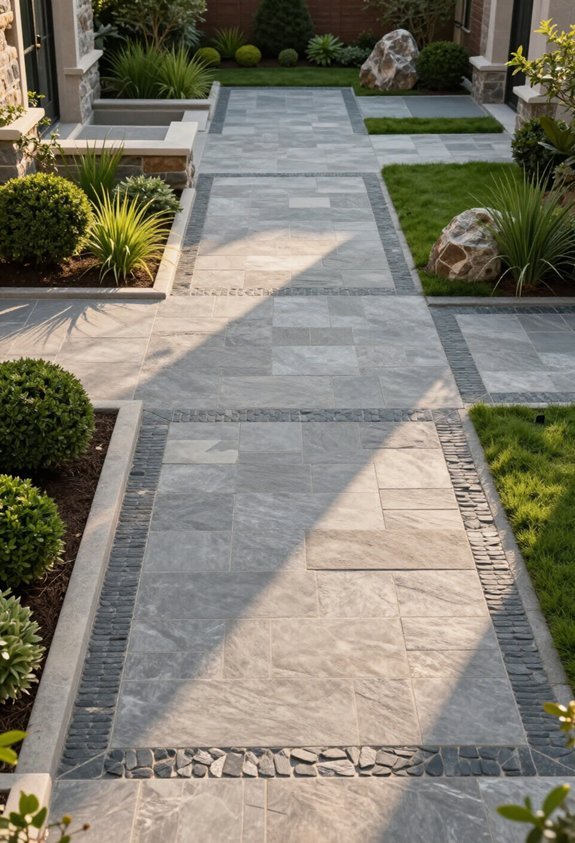
Strategic placement of stone, pavers, and edging materials creates the structural framework that defines a front yard garden’s overall design while simultaneously organizing plant beds, establishing clear pathways, and preventing soil erosion. Natural stone borders provide durable boundaries that guide visitors through garden spaces while containing mulch and soil within designated areas. Paver materials, available in various colors and textures, can establish visual continuity between different garden zones and create functional walkways. Edging options range from metal strips to composite materials, each offering distinct aesthetic qualities and varying degrees of permanence. When selecting these materials, homeowners should consider their regional climate, the existing architectural style of their home, and the overall maintenance requirements to guarantee long-term design cohesion and landscape stability.
Container Gardens for Maximum Flexibility
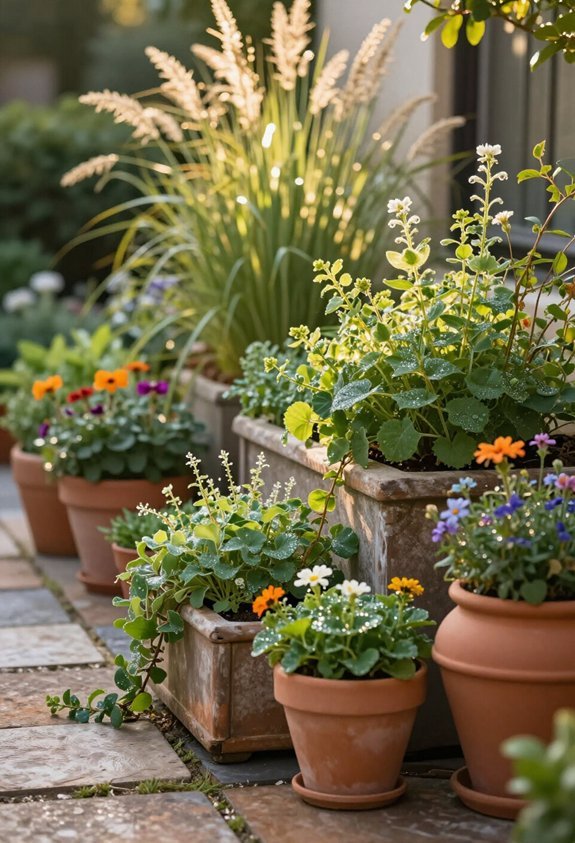
While stone and paver structures provide permanent organization to front yard gardens, container gardens offer homeowners a different approach by allowing plants to be positioned, repositioned, and adjusted throughout the growing season without requiring permanent installation or soil preparation. Containers come in various sizes, materials, and styles, including ceramic pots, wooden boxes, and metal planters, which accommodate diverse plant types from flowers to vegetables. This flexibility enables gardeners to experiment with different layouts, respond to changing sunlight patterns, and protect sensitive plants during harsh weather by relocating them to sheltered areas. Container gardens also simplify maintenance tasks, reduce soil-borne pest problems, and work effectively in small spaces where traditional in-ground gardening proves impractical, making them an accessible option for both experienced and beginning gardeners.
Japanese Front Yards: Zen Gardens for Calm Appeal
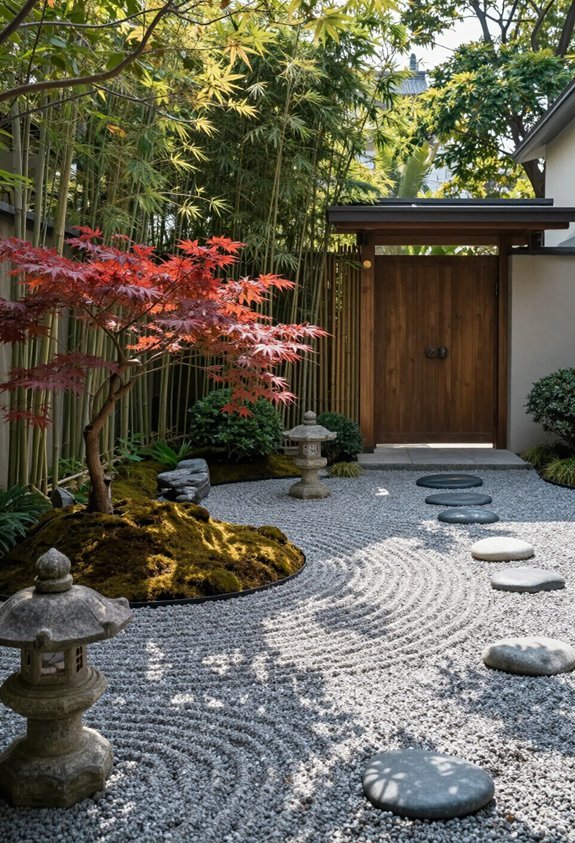
Japanese front yards, inspired by traditional Zen garden principles, create peaceful outdoor spaces that emphasize simplicity, balance, and natural beauty through carefully selected elements such as rocks, gravel, water features, and strategically placed plants. These gardens utilize specific design techniques to achieve their calming effect, including asymmetrical layouts that feel more natural than symmetrical arrangements. Gravel or sand is raked into patterns that represent water, while larger stones serve as focal points and stepping stones. Minimalist plant selections, such as bamboo or moss, contribute to the serene atmosphere without overwhelming the space. Water features like small fountains or basins add gentle sounds and movement. Homeowners can incorporate these principles into their front yards by selecting a limited plant palette, installing hardscape elements thoughtfully, and maintaining clean lines throughout the design.
Mediterranean-Style Front Yards: Plants and Colors
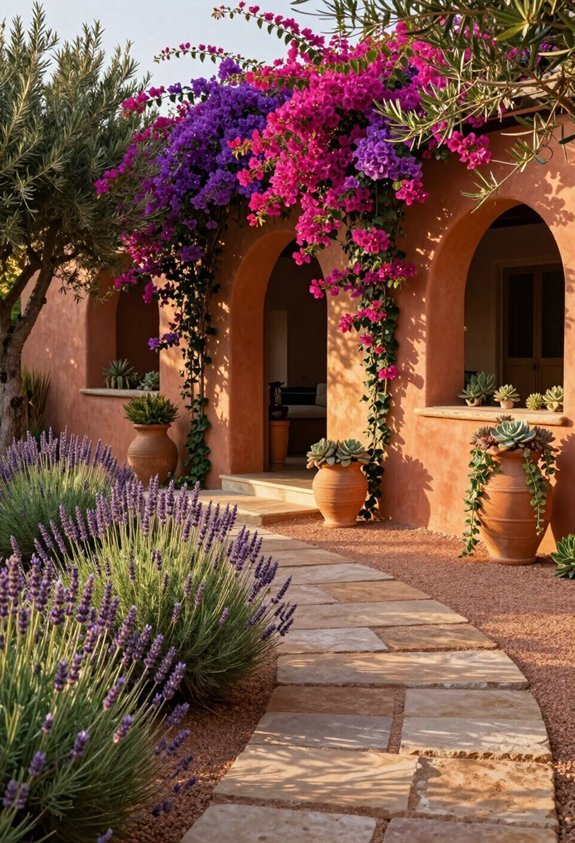
In contrast to the minimalist aesthetics of Zen gardens, Mediterranean-style front yards celebrate vibrant colors, lush vegetation, and the warm, sun-drenched landscapes characteristic of regions bordering the Mediterranean Sea, such as Greece, Italy, Spain, and Southern France. These gardens incorporate drought-tolerant plants including lavender, rosemary, olive trees, and cypress, which thrive in hot, dry climates while requiring minimal water. Warm color palettes featuring terracotta, cream, soft yellows, and deep blues create visual harmony and evoke coastal charm. Hardscaping elements such as stone pathways, gravel beds, and clay pots enhance authenticity. Strategically placed flowering vines, jasmine, and bougainvillea add texture and fragrance. This design approach combines functionality with aesthetic appeal, producing inviting outdoor spaces that reflect Mediterranean heritage and environmental sustainability.
Seasonal Planting Rotations (Month-by-Month Schedule)
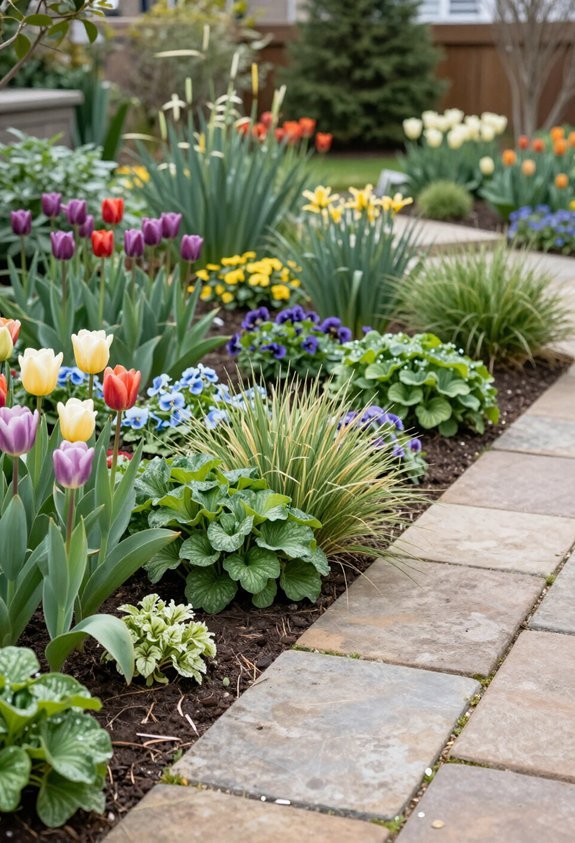
Successful front yard gardens require careful planning throughout the year, with strategic planting and maintenance adjustments that align with seasonal temperature changes, rainfall patterns, and daylight hours. Spring demands soil preparation and planting of cool-season vegetables and flowering annuals, while summer requires heat-tolerant plants and consistent watering schedules. Fall presents opportunities for planting perennials and cool-season crops that thrive in declining temperatures. Winter involves protective mulching, pruning dormant plants, and planning next year’s garden layout. Gardeners should monitor local frost dates, track weather patterns, and adjust planting timelines accordingly. This systematic approach guarantees continuous blooms, consistent harvests, and peak plant health throughout the entire calendar year.
Pet-Safe Front Yards: Non-Toxic Plants and Layouts
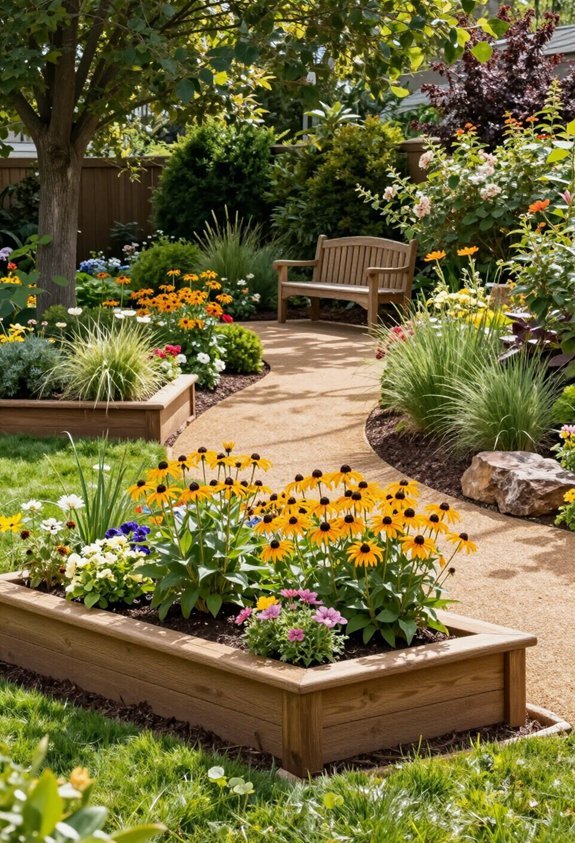
How can gardeners create inviting front yards while keeping their pets safe from toxic plants and hazardous layouts? Selecting non-toxic plants like roses, sunflowers, and spider plants provides visual appeal without danger to dogs and cats. Gardeners should avoid toxic species including lilies, sago palms, and oleander, which cause serious health problems in pets. Creating raised garden beds and fenced sections prevents animals from accessing harmful plants and fertilizers. Arranging pathways with secure edging reduces trip hazards and keeps pets contained in designated safe zones. Installing pet-friendly ground covers like clover or pet-safe mulch alternatives protects paws from sharp materials. Adding a water feature or shaded rest area encourages pets to relax away from planting zones. These intentional design choices allow gardeners to maintain beautiful landscapes while prioritizing animal welfare and safety.
Budget Front Yard Upgrades Under $500
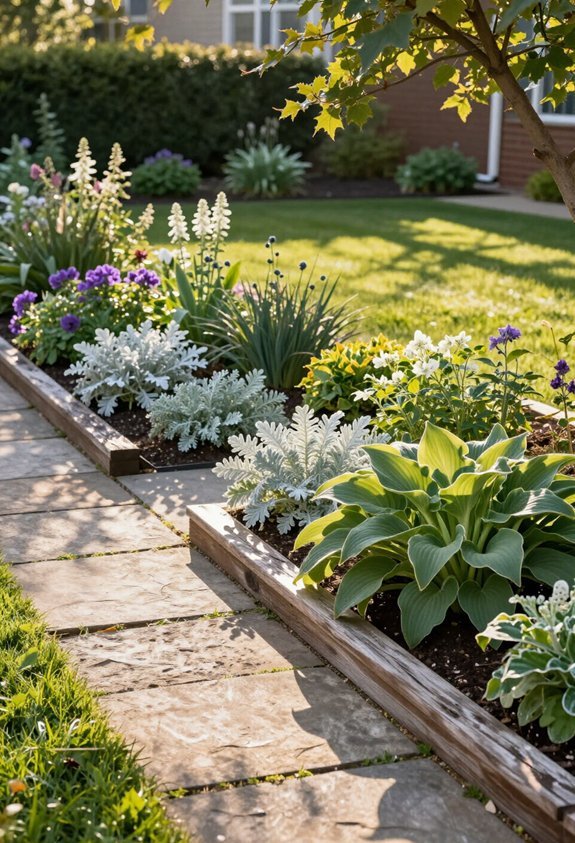
Transforming a front yard into an attractive outdoor space doesn’t require spending thousands of dollars, as gardeners can accomplish significant improvements with a budget of five hundred dollars or less by prioritizing strategic upgrades that deliver maximum visual impact. Adding mulch to garden beds costs minimal amounts while enhancing appearance and soil health, whereas painting the front door or mailbox provides immediate curb appeal improvements. Planting native shrubs and perennials offers long-term value and requires lower maintenance than ornamental varieties. Installing pathway edging, rejuvenating house numbers, or adding modest outdoor lighting creates defined spaces and welcoming features. Focusing on high-visibility areas near entrances guarantees that limited funds produce noticeable transformations, enabling homeowners to gradually expand their landscaping projects as budgets allow for future enhancements.
Water Features and Fountains: Types and Maintenance
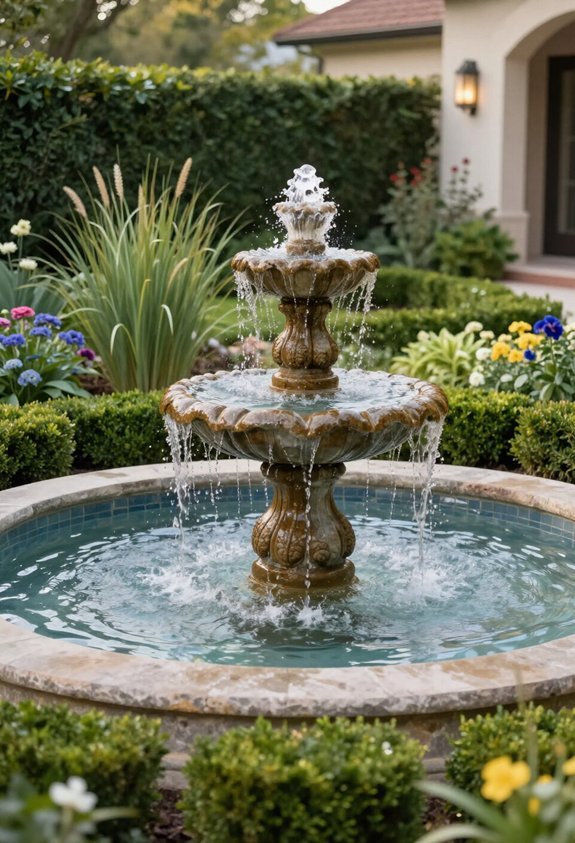
Once budget-conscious homeowners establish their foundational landscape with strategic plantings and pathway improvements, incorporating water features and fountains offers the next opportunity to elevate the front yard’s visual appeal and create a focal point that draws attention while providing soothing ambient sound. Common types include tiered fountains, birdbaths, and recirculating pond systems, each requiring specific maintenance routines. Tiered fountains need regular water level checks and algae prevention through proper filtration systems. Birdbaths require weekly cleaning to prevent bacterial growth and mosquito breeding. Recirculating ponds demand pump maintenance, water quality monitoring, and seasonal debris removal. Homeowners should position water features where electrical access exists, guarantee proper drainage to prevent flooding, and select materials that withstand local weather conditions for longevity and sustained aesthetic value.
Native Plants by Region for Pollinators and Wildlife
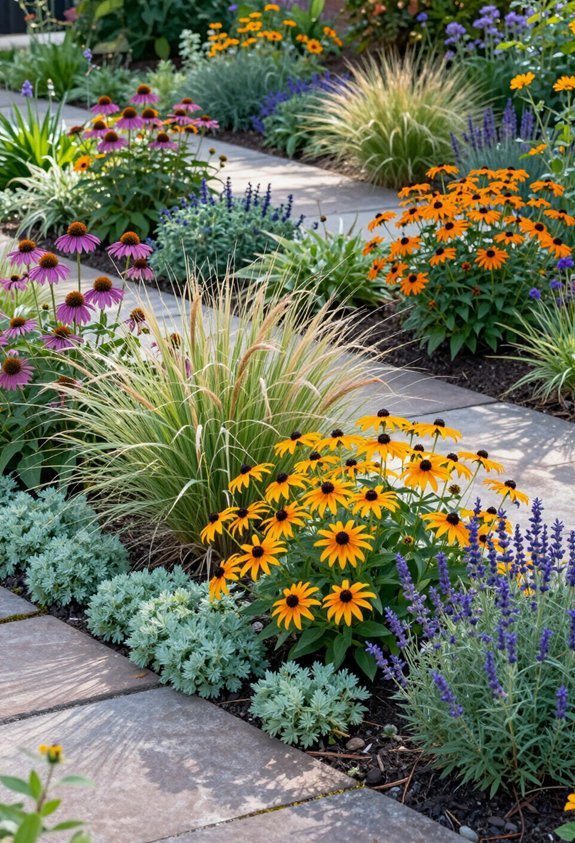
Native plants represent the foundation of a thriving front yard ecosystem that supports pollinators like bees, butterflies, and hummingbirds while providing food and shelter for local wildlife, making them essential selections for homeowners seeking to create sustainable and visually engaging landscapes. Different regions require specific native species adapted to local climate conditions, soil types, and rainfall patterns. Northeastern homeowners benefit from planting black-eyed Susans, coneflowers, and milkweed, which attract monarchs and other pollinators. In the Southwest, desert marigold, penstemon, and desert willow thrive in arid conditions. The Southeast flourishes with native azaleas, bee balm, and ironweed. Pacific Northwest gardeners should select Oregon grape, native currants, and lupines. Selecting region-appropriate natives guarantees ideal plant health, reduced maintenance requirements, and maximum wildlife support.
Hedges and Living Walls for Privacy Screening
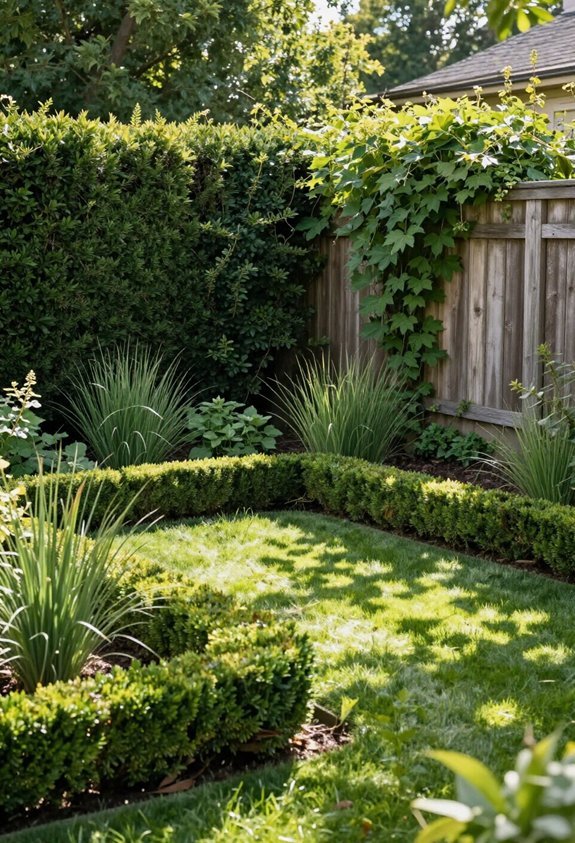
Privacy screening through hedges and living walls offers homeowners a practical and attractive alternative to traditional fences, creating natural barriers that define property boundaries while adding texture, color, and seasonal interest to front yard landscapes. Popular hedging plants include boxwood, privet, and holly, which grow densely and maintain their shape with regular trimming. Living walls, constructed from climbing ivy or trained espalier trees, provide vertical greenery that maximizes limited space. These natural screens require consistent maintenance through pruning and watering to achieve desired heights and densities. Hedges and living walls also improve air quality, reduce noise pollution, and provide wildlife habitat, making them environmentally beneficial choices that enhance curb appeal while serving protective functions.
Tropical Plants That Thrive in Cold Climates
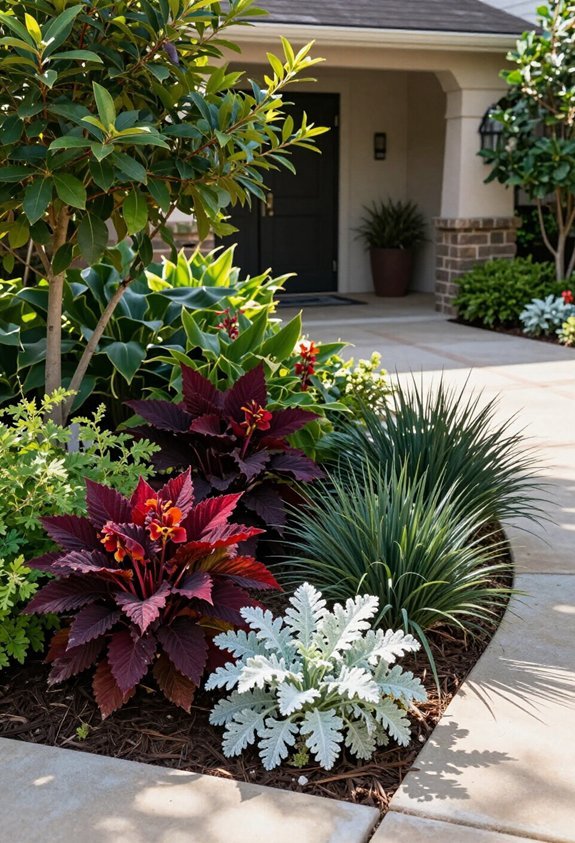
Although many tropical plants are associated with warm, humid climates, several varieties can adapt and flourish in colder regions when provided with appropriate growing conditions and protection from extreme freezing temperatures. Hardy hibiscus, Japanese fatsia, and certain palm species demonstrate remarkable resilience in temperate zones, particularly when planted in sheltered locations and mulched heavily during winter months. Success requires understanding each plant’s specific cold tolerance threshold, typically measured in USDA hardiness zones. Container gardening offers flexibility, allowing gardeners to move sensitive specimens indoors during harsh weather. Providing windbreaks, well-draining soil, and consistent moisture management greatly improves survival rates. With strategic planning and proper care techniques, homeowners can successfully integrate tropical aesthetic elements into their front yard gardens, regardless of geographic location or seasonal temperature fluctuations.
Edible Front Yards: Growing Food and Beauty Together
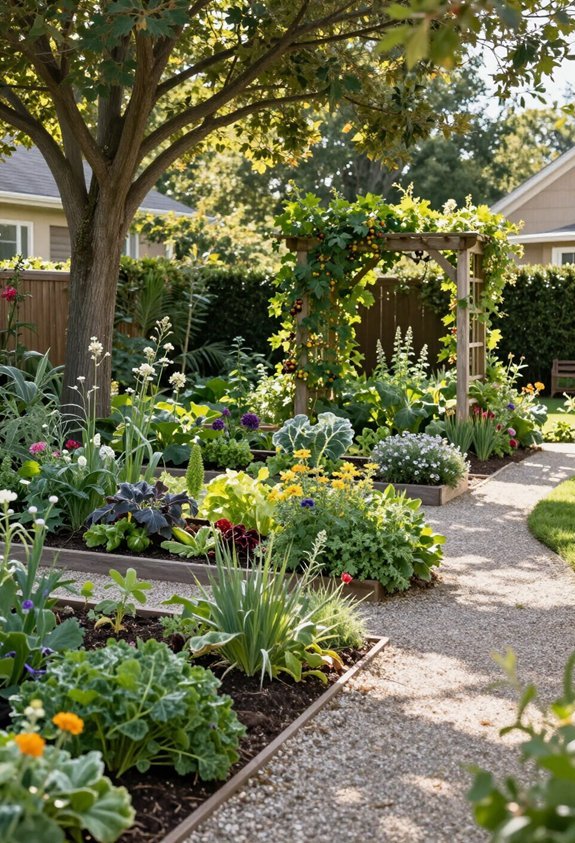
Many homeowners traditionally reserve their front yards for ornamental plants and decorative landscaping, but an increasingly popular approach combines food production with visual appeal by integrating edible plants into the front garden design. Fruit trees, berry bushes, and vegetable plants can serve dual purposes, offering both nutritional harvests and aesthetic beauty when thoughtfully arranged. Herbs like rosemary and basil provide culinary value while displaying attractive foliage and flowers. Raised beds filled with lettuce, tomatoes, and peppers create organized, visually interesting garden sections. This approach maximizes limited yard space, reduces grocery expenses, and encourages sustainable living practices. Successfully implementing edible landscaping requires considering sunlight exposure, soil quality, and plant spacing to guarantee ideal growth and an attractive appearance.
Ground Covers That Eliminate Bare Dirt
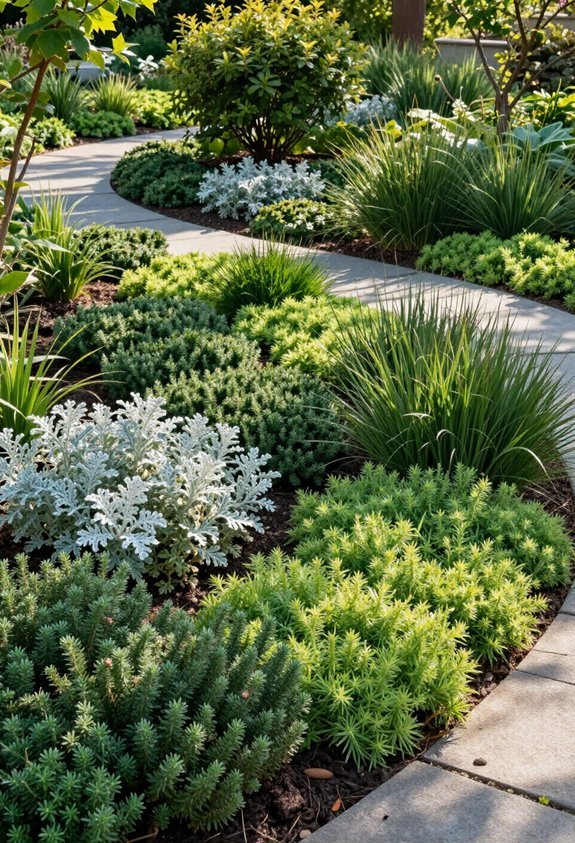
Ground covers serve as practical alternatives to bare soil by providing dense, low-growing plants that blanket the earth and prevent weeds, erosion, and dust from becoming maintenance problems in the front yard. These plants include creeping thyme, sedum, and ornamental grasses, each offering specific advantages for different soil conditions and sunlight levels. Ground covers reduce the need for frequent mowing and watering compared to traditional lawns, making them economical and environmentally sustainable. They also improve soil health by preventing compaction and retaining moisture. When selecting ground covers, homeowners should consider their climate zone, available sunlight, and drainage requirements to guarantee successful establishment and long-term growth performance.
Frequently Asked Questions
How Do I Prevent Weeds From Growing in My Front Yard Landscaping?
Homeowners prevent weeds through multiple methods: applying landscape fabric beneath mulch, using pre-emergent herbicides seasonally, maintaining dense plantings to outcompete weeds, and regularly hand-pulling or hoeing emerging growth to suppress proliferation effectively.
What’s the Best Time of Year to Plant Trees and Shrubs?
Spring and fall offer ideal planting conditions for trees and shrubs. These seasons provide moderate temperatures and adequate moisture, allowing roots to establish before summer heat or winter frost arrives.
How Much Does a Professional Front Yard Landscape Design Typically Cost?
Professional front yard landscape design typically costs between $500 and $5,000, depending on property size, complexity, and the designer’s experience level. Local market rates and project scope greatly influence final pricing.
Can I Install a Front Yard Garden if I Rent My Home?
Renters can install front yard gardens using portable containers, raised beds, or temporary solutions. Permission from the landlord is essential. Plant selections should be non-permanent, allowing easy removal upon lease termination without property damage.
How Do I Keep My Front Yard Looking Good With Minimal Maintenance?
One maintains a low-maintenance front yard by selecting drought-resistant plants, installing mulch or gravel, automating irrigation systems, and choosing hardscaping elements like pavers or rock features that require minimal upkeep.
Conclusion
Transforming a front yard requires thoughtful planning that balances aesthetic appeal with practical maintenance and environmental responsibility. By selecting appropriate trees, plants, and design elements suited to local climate conditions, homeowners can create visually striking outdoor spaces that require minimal water and upkeep. Incorporating native plants, ground covers, and strategic landscaping features establishes an ecological and budget-conscious approach to yard design. These methods guarantee long-term sustainability while producing beautiful, functional outdoor environments.