
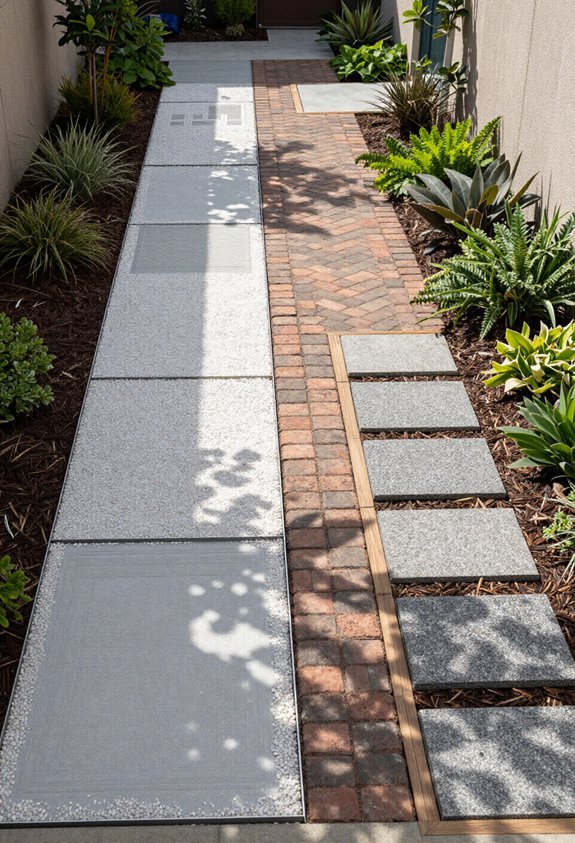
A side yard pathway transforms an overlooked space into a functional, attractive feature that connects different areas of a home while preventing wear on surrounding vegetation. With numerous material options ranging from budget-friendly gravel to sophisticated permeable pavers, homeowners can customize their pathways to match both their financial constraints and aesthetic preferences. The choice of materials, however, considerably impacts durability, maintenance requirements, and overall effectiveness—making careful consideration essential before installation begins.
Gravel Pathways: Cheap, Classic, and Quick to Install
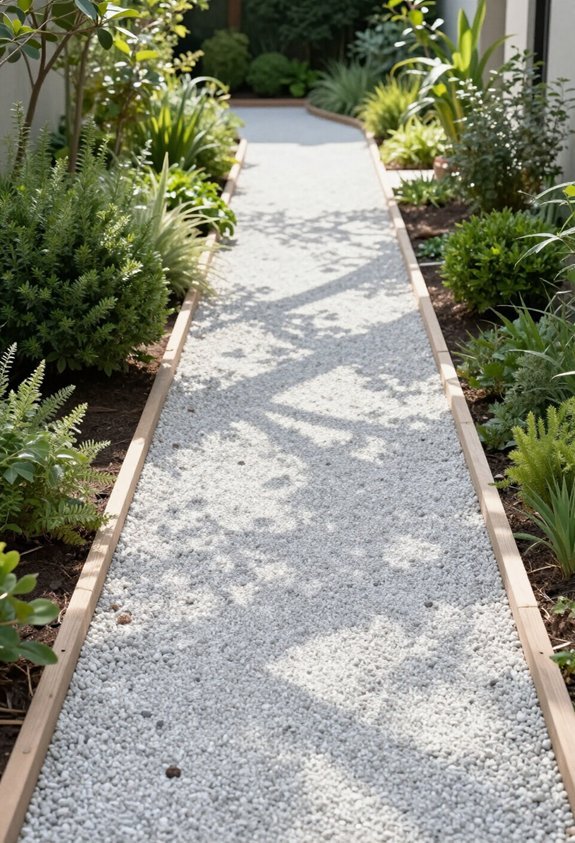
Simplicity stands as one of the primary advantages of choosing gravel for side yard pathways, as this material offers homeowners an affordable and straightforward solution that can be installed in a single day or weekend project. Gravel pathways require minimal preparation, needing only basic edging materials and leveled ground to function effectively. The installation process involves defining the pathway boundaries, laying landscape fabric to prevent weed growth, and spreading gravel evenly across the designated area. Homeowners can select from various gravel types, including crushed stone, pea gravel, or decorative river rock, each offering different aesthetic qualities and durability levels. Maintenance remains simple, requiring occasional raking and periodic gravel replenishment to maintain appearance and functionality throughout seasons.
Also read: 24 SIDE YARD IDEAS That Make The Space Useful!
Stepping Stones Through Grass or Mulch
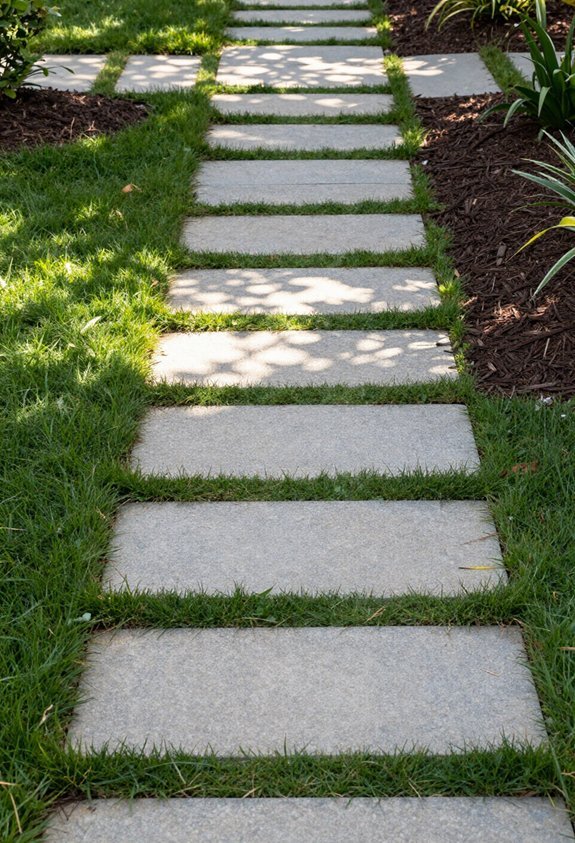
While gravel pathways offer an economical and quick installation method, homeowners seeking a more natural appearance with less maintenance may consider stepping stones placed through grass or mulch as an alternative that provides both functionality and aesthetic appeal. Stepping stones create defined walkways without requiring extensive preparation or materials, making them an accessible option for most properties. Installers should select flat, durable stones such as slate, flagstone, or concrete pavers and space them approximately twelve to eighteen inches apart for comfortable walking strides. Placing stones directly into grass requires minimal digging, while positioning them in mulch beds allows for easier adjustment and replacement. This method accommodates various yard sizes and layouts, offering flexibility in design while maintaining a natural landscape appearance that blends seamlessly with surrounding vegetation.
Permeable Pavers: No More Puddles
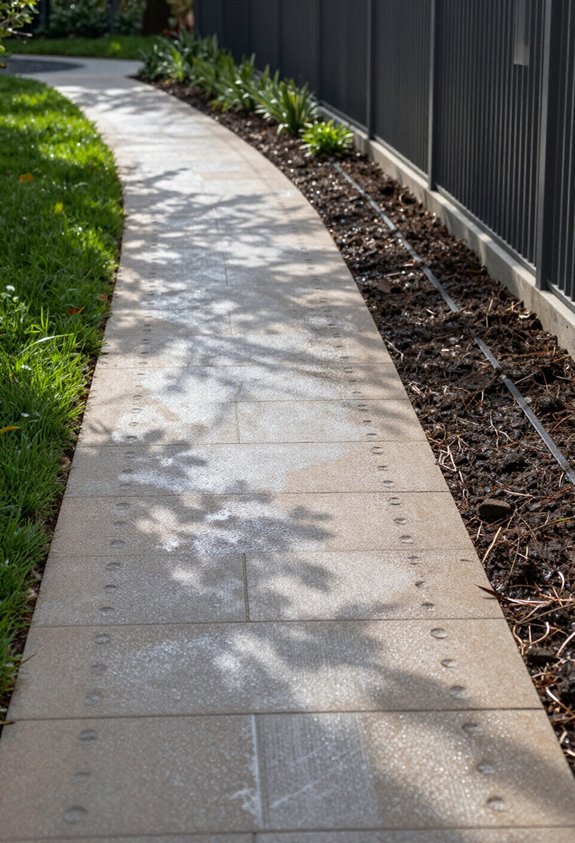
Permeable pavers offer homeowners a practical solution to water drainage problems in side yard pathways by allowing rainwater to filter through the surface rather than pooling on top, which not only eliminates puddles that create safety hazards and unsightly standing water but also reduces runoff that can damage landscaping and contribute to erosion. These specialized pavers come in various materials, including permeable concrete, recycled plastic, and porous stone, each designed with tiny spaces that let water pass through to the soil beneath. Installation involves placing the pavers over a gravel or sand base layer that further facilitates drainage. The result is a functional pathway that manages moisture effectively while maintaining a finished appearance, making permeable pavers an excellent choice for homeowners seeking both aesthetics and environmental responsibility in their landscaping projects.
Mulch Trails for a Natural, Soft Look
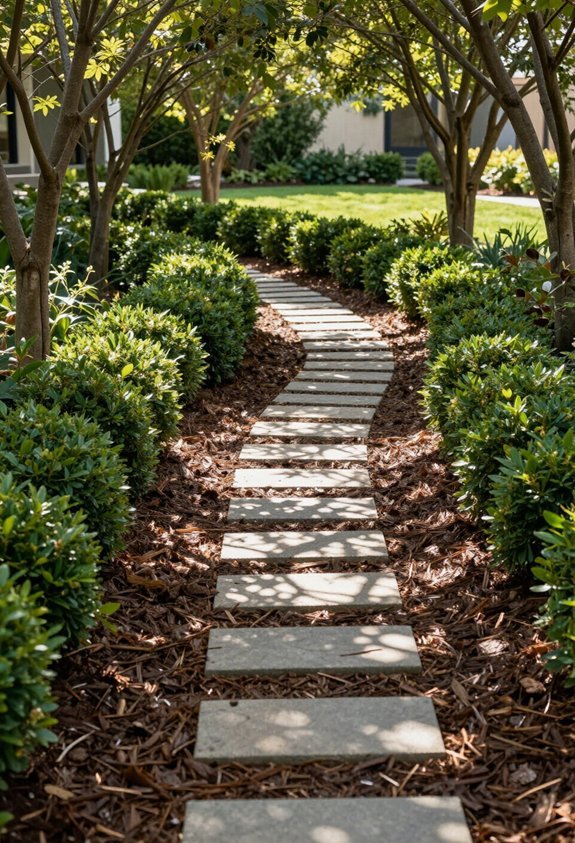
Transform a side yard into an inviting natural space by installing mulch trails, which create a soft, organic pathway that contrasts beautifully with hard landscaping materials while providing comfort underfoot for those who walk along them. Mulch pathways require edging to maintain defined borders and prevent spreading into adjacent garden beds. Homeowners should select mulch types based on climate and aesthetic preferences, with options including bark chips, wood fiber, and shredded hardwood. Regular maintenance involves replenishing mulch annually as it decomposes, ensuring consistent depth of two to three inches for ideal cushioning and weed suppression. Proper drainage consideration prevents water accumulation, which can lead to decomposition and settling issues over time.
Concrete Pavers in Simple Linear Patterns
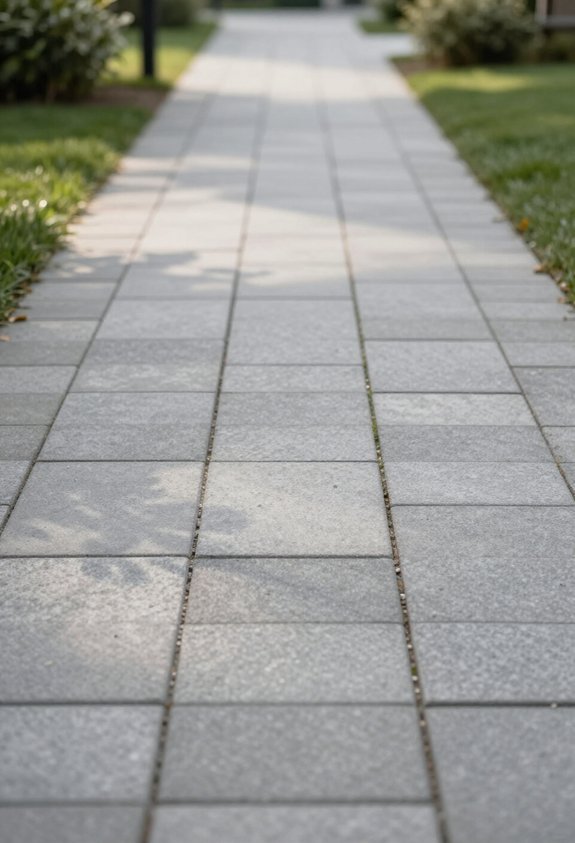
Because concrete pavers offer durability and clean aesthetics, they serve as an excellent alternative to mulch trails for homeowners seeking a more permanent and structured side yard pathway. Simple linear patterns, such as straight rows or running bond arrangements, create visual organization while remaining straightforward to install and maintain. These patterns involve laying rectangular pavers in parallel lines or offset rows, which guides foot traffic efficiently along the pathway. Concrete pavers resist weathering, require minimal upkeep beyond occasional sweeping, and withstand heavy use without deteriorating. Homeowners can select from various colors and finishes to complement their landscaping design. Linear patterns also facilitate future adjustments, as individual pavers can be replaced if damaged without affecting the entire pathway structure.
Decomposed Granite for Low-Maintenance Elegance
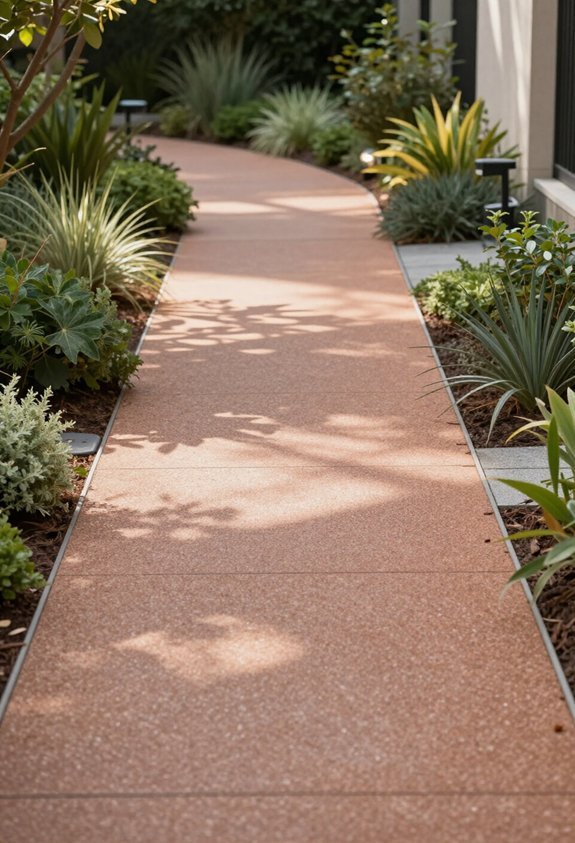
While concrete pavers provide structured durability, decomposed granite offers homeowners an alternative pathway material that combines natural aesthetics with minimal maintenance requirements. This material consists of small granite fragments that compact naturally over time, creating a stable walking surface without requiring mortar or adhesive installation. Decomposed granite drains efficiently, preventing water pooling and reducing erosion concerns common in side yards. The installation process involves spreading the material across a prepared base layer and allowing it to settle naturally through foot traffic and weather exposure. Homeowners appreciate its rustic appearance, which complements various landscape designs seamlessly. Maintenance involves occasional raking to refresh the surface and periodic top-up applications as materials compress. This economical solution provides an attractive, functional pathway option for those seeking natural beauty with reduced upkeep demands.
Brick Pathways With Timeless Character
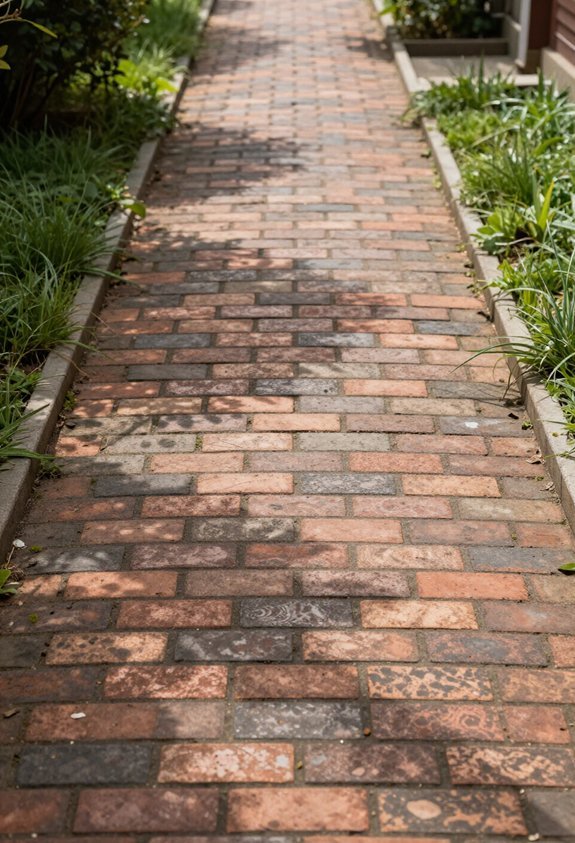
Brick pathways offer homeowners a classic aesthetic that enhances side yards with enduring elegance and structural reliability. These pathways consist of individual clay or concrete bricks arranged in various patterns, such as running bond, herringbone, or basket weave, each offering distinct visual appeal. Brick’s durability guarantees longevity when properly installed on a compacted base with sand or mortar. The material withstands foot traffic, freeze-thaw cycles, and weathering effectively. Installation requires careful planning and leveling to prevent uneven surfaces and water pooling. Maintenance involves occasional weeding between bricks and pressure washing to remove dirt and algae. While initial installation costs exceed some alternatives, brick pathways require minimal upkeep over decades, making them economically sound long-term investments for homeowners seeking timeless design solutions.
Flagstone for That Upscale Look
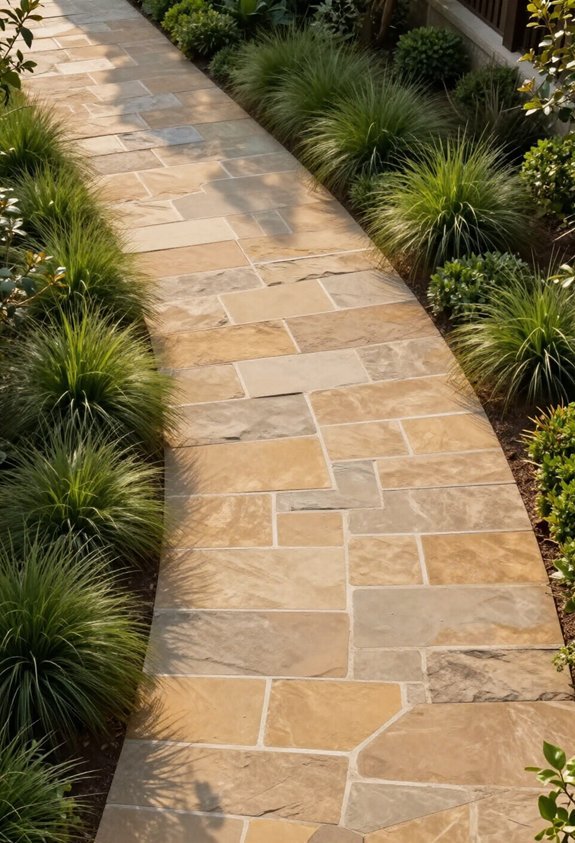
Flagstone presents homeowners with an elevated alternative to brick that delivers a refined, sophisticated appearance suitable for side yards requiring a more upscale aesthetic. This natural stone material features irregular shapes and varied earth tones, including gray, tan, and rust hues, which create visual interest while maintaining elegance. Flagstone’s thickness and durability make it exceptionally resistant to weathering and foot traffic, ensuring long-lasting performance in outdoor settings. Installation requires careful leveling on a sand or gravel base, with joints typically filled using polymeric sand to prevent weed growth and maintain structural integrity. The material’s non-slip surface provides safety during wet conditions, while its natural texture adds authentic character to any landscape design, making flagstone an ideal choice for homeowners prioritizing quality and aesthetic sophistication.
Wood Chip Trails Perfect for Narrow Spaces
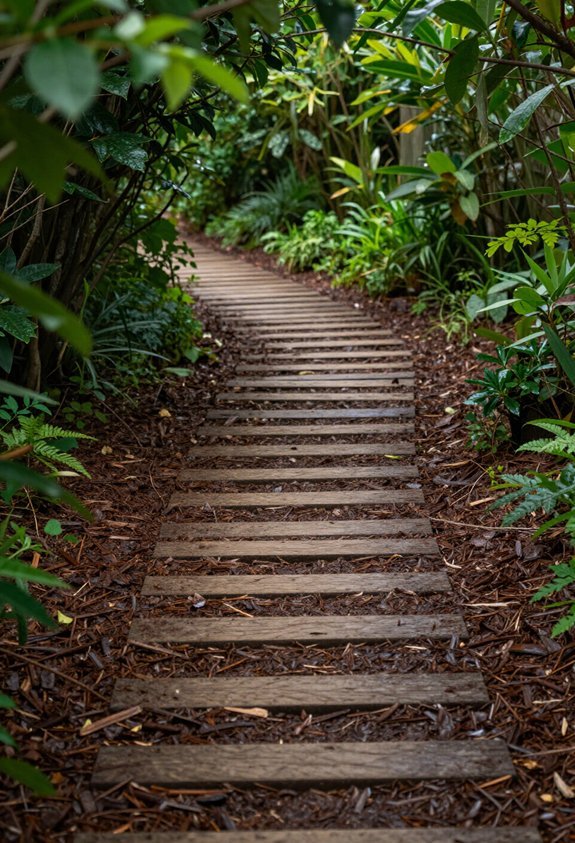
For homeowners with narrow side yards where traditional hardscaping materials prove impractical, wood chip trails offer an accessible and economical solution that maximizes usable space while maintaining visual appeal. Wood chips create a natural, permeable surface that allows water drainage, reducing puddle formation and erosion issues common in confined areas. Installation requires minimal equipment—simply laying landscape fabric as a base prevents weed growth, then spreading wood chips evenly across the pathway surface. The material compacts naturally over time, creating a firm walking surface that requires periodic replenishment as chips decompose. Wood chip trails integrate seamlessly with surrounding plantings, creating a cohesive garden aesthetic while remaining budget-friendly compared to stone or concrete alternatives.
Composite Decking Strips for Modern Homes
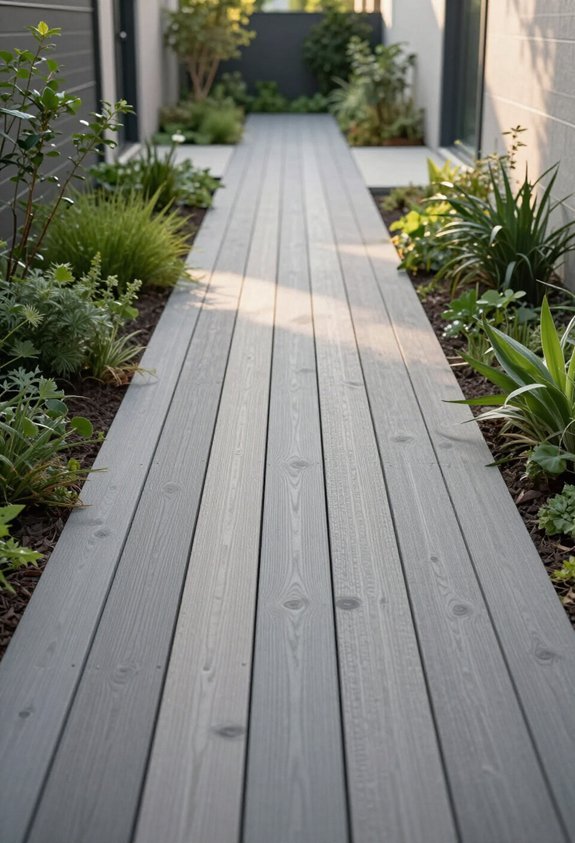
While wood chip trails provide a natural and budget-conscious option for narrow side yards, homeowners seeking a more durable and low-maintenance pathway solution may prefer composite decking strips, which combine the aesthetic appeal of traditional wood with modern engineering and performance benefits. Composite materials consist of wood fibers and plastic polymers, creating a surface that resists rot, insect damage, and weathering far better than natural wood. These strips require minimal upkeep, needing only occasional cleaning with water and mild soap, eliminating the need for staining or sealing. Composite decking strips offer excellent traction even when wet, reducing slip hazards, and their neutral color tones complement contemporary home designs effectively. Installation involves securing strips directly to a level base, making them practical for modern homeowners prioritizing durability and simplicity.
Recycled Asphalt: Budget-Friendly and Durable
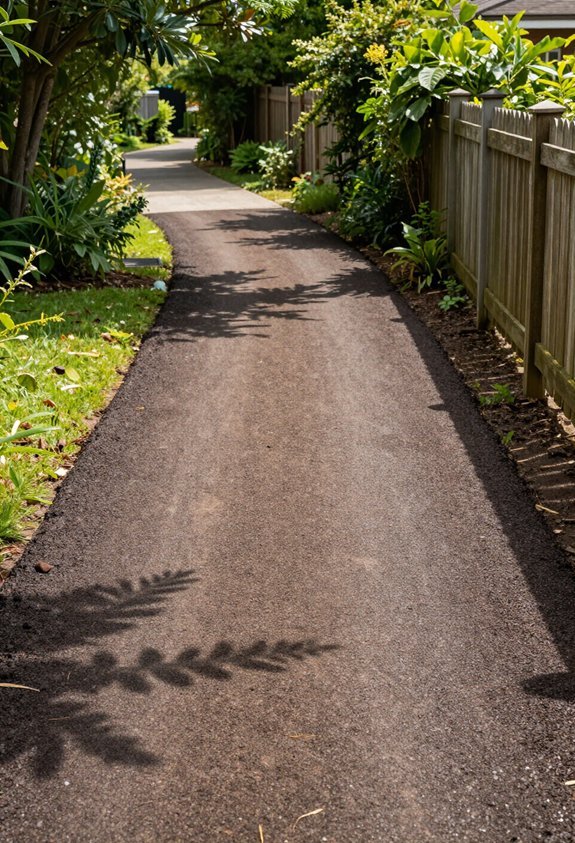
Recycled asphalt represents an exceptionally economical and practical pathway material that homeowners can install in side yards without requiring specialized equipment or professional expertise. This crushed stone material, derived from old asphalt pavements, compacts firmly when moistened, creating a stable walking surface that resists shifting over time. The installation process involves spreading the recycled asphalt across a prepared base, then watering and rolling it to achieve proper compaction. Maintenance remains minimal, requiring occasional raking to redistribute settled material and periodic re-watering during dry seasons. The material’s durability extends several years before needing replacement, making it cost-effective compared to alternative pathway options. Additionally, recycled asphalt accommodates drainage effectively, preventing water pooling and ensuring pathway longevity throughout various weather conditions.
River Rock and Stone Borders for Definition
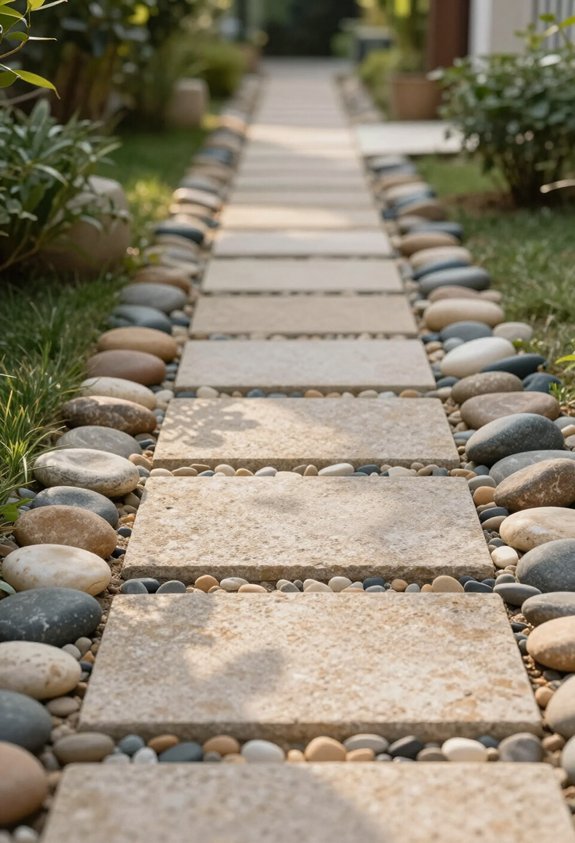
River rock and stone borders serve as effective visual and functional elements that define pathway edges while adding aesthetic appeal to side yard designs. These materials create clear boundaries between the pathway and surrounding landscaping, preventing soil erosion and keeping plants contained. River rocks, available in various sizes and natural colors ranging from gray to brown, offer a polished appearance that complements many outdoor styles. Stone borders, including granite or limestone, provide more structured, formal definitions. Installation involves digging a shallow trench along the pathway edge and carefully placing stones or rocks in a deliberate pattern. Homeowners can arrange materials tightly for a unified look or space them slightly for visual interest. Proper edging reduces maintenance requirements and enhances the overall cleanliness of yard aesthetics.
Poured Concrete Paths That Last Decades
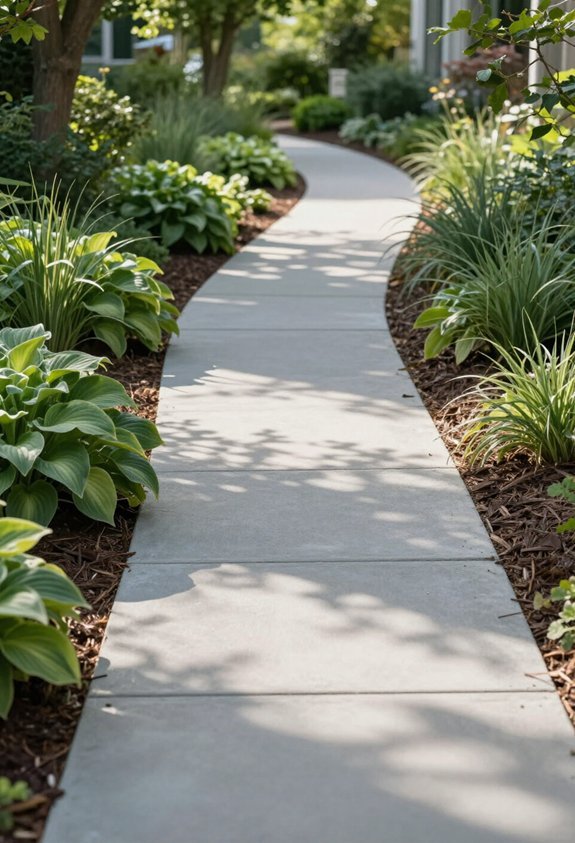
Because concrete offers exceptional durability and longevity compared to many other pathway materials, poured concrete paths represent a practical investment for homeowners seeking a side yard solution that can withstand decades of use. Professional installation involves preparing a stable base, setting proper drainage to prevent water pooling, and pouring concrete mixture into wooden forms that establish the pathway edges. The concrete cures over several days, hardening into a solid, weather-resistant surface capable of enduring foot traffic, temperature fluctuations, and moisture exposure. Finishing options include broom texturing for traction or smooth troweling for a refined appearance. Minimal maintenance requirements—occasional sweeping and periodic sealing—keep concrete pathways looking maintained. When installed correctly, these paths provide reliable, long-lasting functionality for residential side yard applications.
Interlocking Pavers for Easy DIY Installation
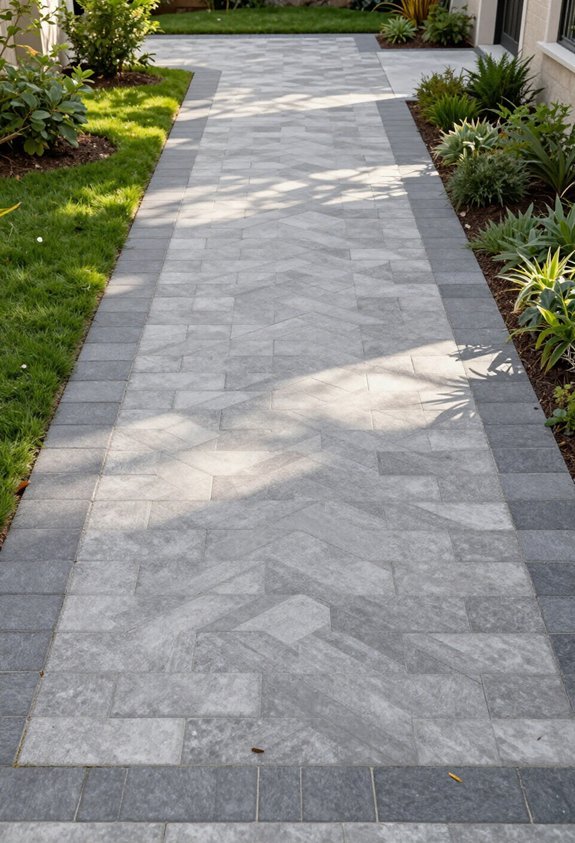
While poured concrete provides durability and longevity for side yard pathways, interlocking pavers offer homeowners a more accessible alternative that requires no specialized equipment or professional expertise to install. These modular units, typically made from concrete or stone, connect together like puzzle pieces, creating stable surfaces without mortar or adhesives. Installation begins with preparing the ground by leveling soil and adding a sand base, which allows for proper drainage and flexibility. Homeowners then arrange pavers in their chosen pattern, tapping each piece firmly into place. If damage occurs later, individual pavers can be easily replaced without affecting the entire pathway. This flexibility, combined with their aesthetic variety and straightforward installation process, makes interlocking pavers an excellent choice for DIY side yard projects.
Crushed Limestone for Rustic, Clean Lines
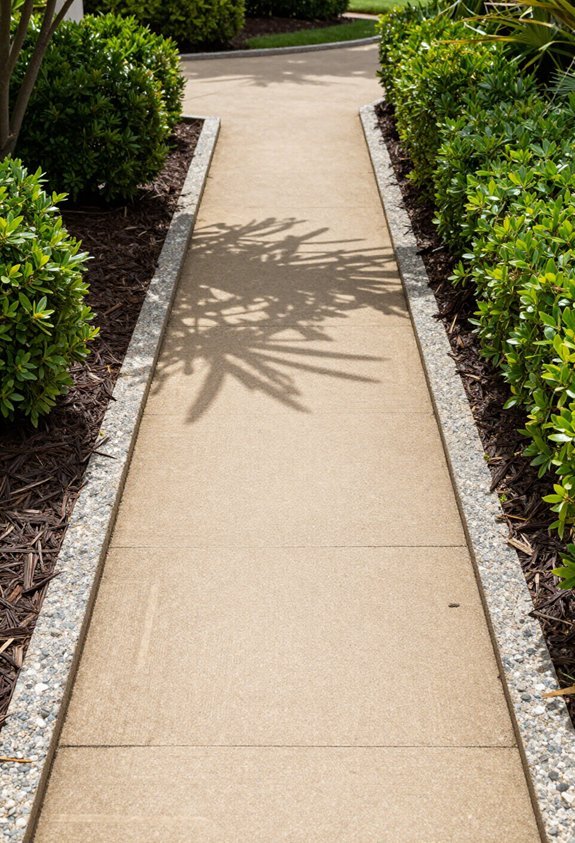
Crushed limestone offers homeowners a practical and visually appealing alternative to more rigid pathway materials, providing a rustic aesthetic while maintaining clean, defined edges that enhance a side yard’s overall appearance. This material consists of small, irregular stone fragments that compact together, creating a stable walking surface requiring minimal maintenance over time. Installation involves laying landscape fabric as a base layer to prevent weed growth, then spreading crushed limestone evenly across the prepared area and compacting it firmly. The resulting pathway develops a naturally weathered appearance that complements various architectural styles and garden designs. Unlike solid surfaces, crushed limestone allows water drainage, reducing pooling concerns, while its neutral coloring harmonizes with surrounding vegetation and structures seamlessly.
Artificial Turf Pathways for Zero Maintenance
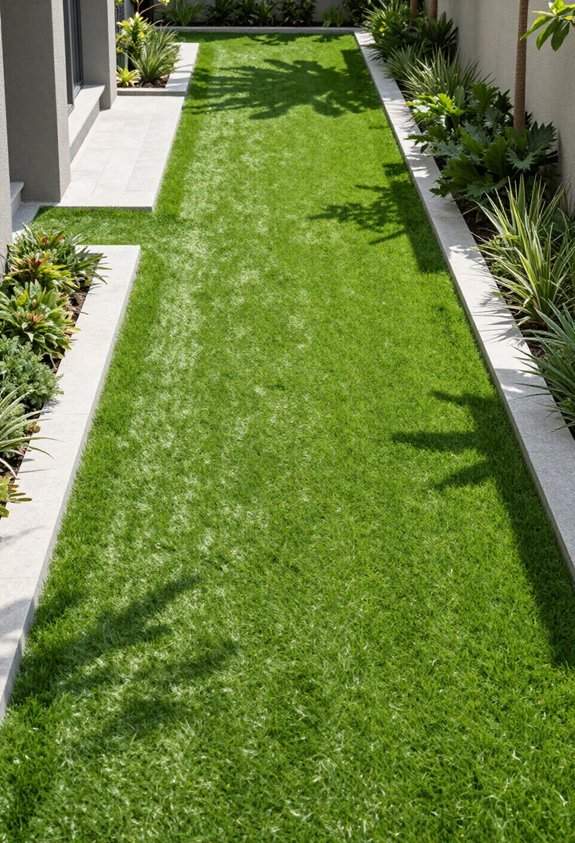
Artificial turf pathways present homeowners with a modern alternative that eliminates many of the upkeep demands associated with natural grass or loose stone materials, offering a consistently neat appearance throughout all seasons without the need for regular raking, weeding, or compacting. These synthetic surfaces require only occasional brushing to maintain their appearance and prevent matting, making them exceptionally practical for busy homeowners. The turf remains green year-round and resists fading, staining, and wear from foot traffic better than natural grass. Installation involves leveling the ground, adding a base layer for drainage, and securing the turf firmly to prevent shifting. While initial costs exceed some alternatives, the elimination of ongoing maintenance expenses and replacement needs makes artificial turf a cost-effective long-term investment for side yard pathways.
Rubber Mulch: Safe, Squishy, Built to Last
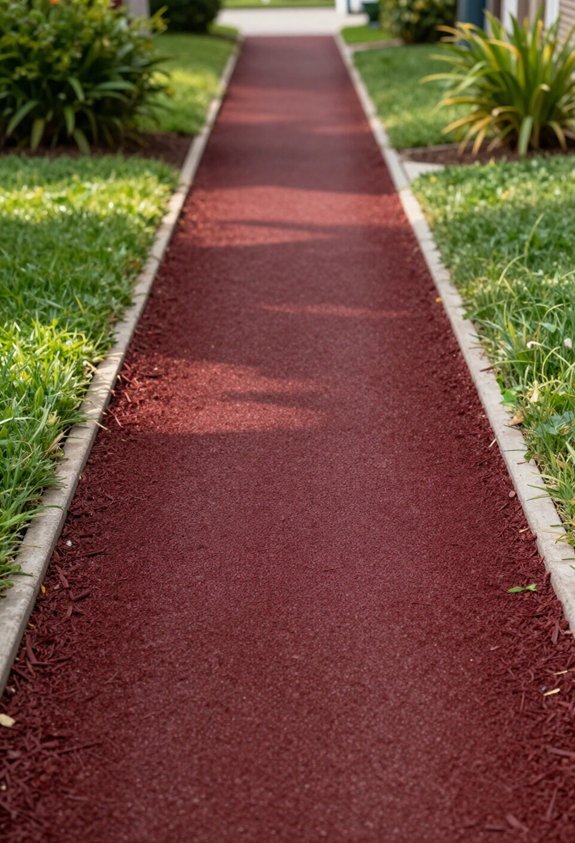
Rubber mulch, a material derived from recycled tires that have been shredded and processed into small, uniform pieces, offers homeowners a distinctive pathway option that combines safety, comfort, and durability in a single ground cover solution. This eco-friendly material provides excellent shock absorption, making it particularly suitable for areas where children play or exercise regularly. The squishy texture reduces impact on joints during walking or running, while the dark coloring helps retain warmth during cooler months. Rubber mulch resists decomposition, eliminating the need for frequent replacement unlike organic mulches. Installation involves spreading the material evenly over a prepared base layer, creating a low-maintenance pathway that requires minimal upkeep beyond occasional raking to maintain an even surface.
Permeable Asphalt for Eco-Conscious Homeowners
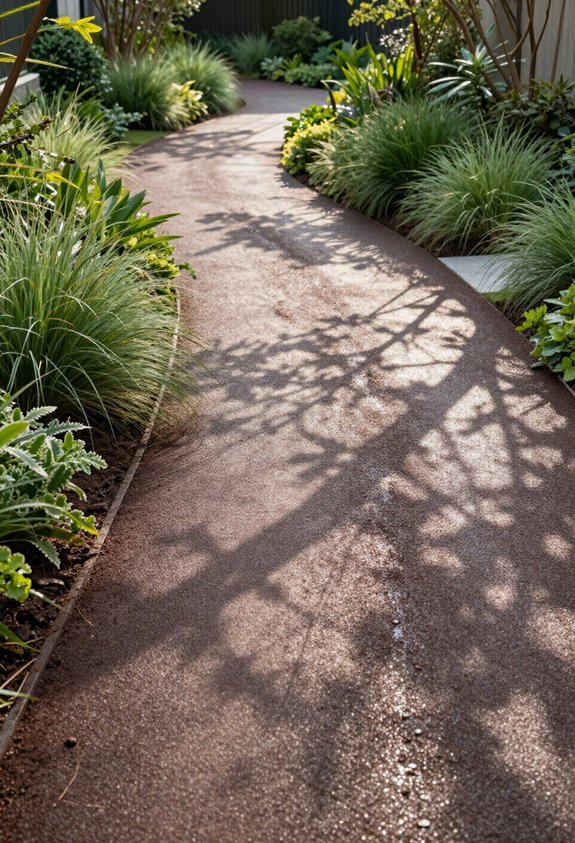
While traditional asphalt creates impermeable surfaces that trap water and contribute to drainage problems, permeable asphalt offers homeowners an environmentally responsible alternative that allows water to filter through the material into the ground below. This specialized asphalt contains open spaces designed to let rainwater drain naturally, reducing runoff and replenishing groundwater supplies. The installation process resembles conventional asphalt paving, making it accessible for most side yard projects. Permeable asphalt maintains durability comparable to standard asphalt, withstanding regular foot traffic and moderate vehicle use effectively. Over time, the material may require occasional maintenance to prevent debris from clogging its porous structure. For eco-conscious homeowners seeking sustainable pathway solutions, permeable asphalt combines environmental responsibility with practical functionality and long-lasting performance characteristics.
Combining Materials: When and Why It Works
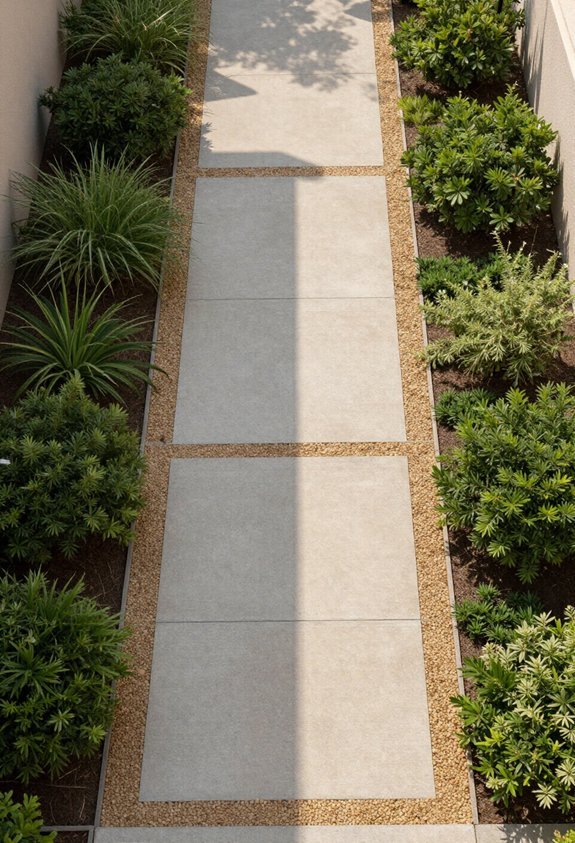
Because different materials each possess distinct advantages and limitations, combining two or more pathway materials in a single side yard project often produces superior results compared to using a single material throughout. Homeowners should consider pairing materials strategically to maximize functionality and aesthetics. For example, combining permeable pavers with gravel creates excellent drainage while defining the pathway edges clearly. Stone borders paired with mulch provide both visual structure and practical ground coverage. Mixing materials also allows homeowners to navigate between different yard zones effectively, such as moving from a formal patio to a natural garden area. The key is selecting complementary materials that serve specific purposes, ensuring durability where foot traffic is heaviest while maintaining design cohesion throughout the entire pathway system.
Lighting and Edging That Finish Any Pathway
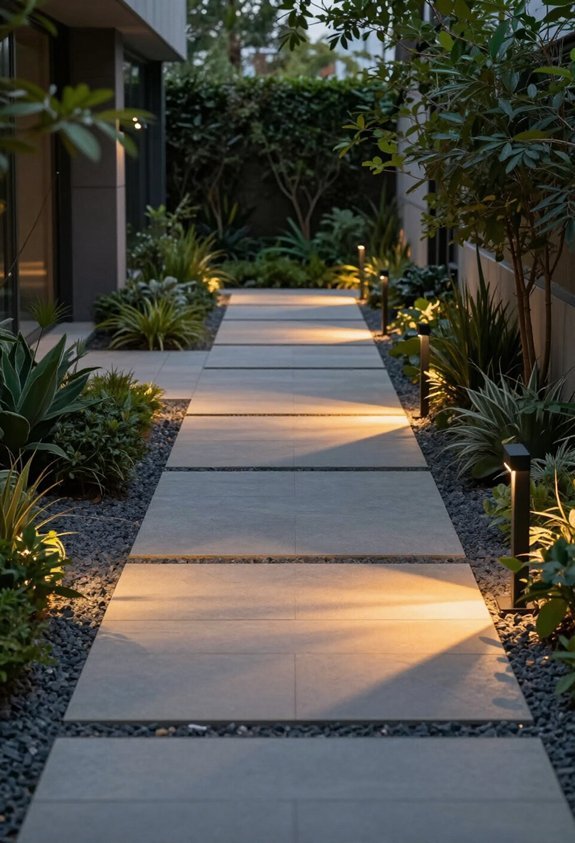
The final touches that transform a functional pathway into a polished outdoor feature involve thoughtful consideration of lighting and edging elements, both of which serve practical and aesthetic purposes in side yard design. Pathway lighting, whether solar-powered stakes or low-voltage fixtures, illuminates the route while creating visual interest during evening hours. Edging materials like metal borders, stone, or plastic define the pathway’s perimeter, preventing lawn encroachment and establishing clean lines. Strategic placement of lighting along curves and connections enhances safety and guides foot traffic effectively. Edging choices should complement the pathway material and surrounding landscape features, creating a cohesive appearance. Together, these finishing elements elevate the pathway from a simple utilitarian feature to a thoughtfully designed landscape component that functions beautifully year-round.
Frequently Asked Questions
How Much Does It Cost to Install a Side Yard Pathway on Average?
Side yard pathway installation typically costs between $1,500 and $5,000, depending on pathway length, material selection, labor rates, and regional pricing. Gravel costs less than pavers or stamped concrete, which command premium prices.
What’s the Best Pathway Material for Heavy Foot Traffic Areas?
Concrete and permeable pavers rank among the most durable options for high-traffic pathways. Both withstand heavy use, require minimal maintenance, and offer excellent longevity. Stamped concrete provides aesthetic appeal while maintaining superior durability and cost-effectiveness for demanding applications.
How Long Does Each Pathway Material Typically Last Before Replacement?
Concrete pathways last 25-30 years with proper maintenance. Pavers typically endure 20-25 years. Gravel requires replacement every 2-3 years. Mulch pathways need renewal annually. Asphalt lasts 15-20 years before deterioration occurs considerably.
Can I Install a Pathway Myself or Should I Hire Professionals?
DIY installation works for simple materials like mulch or gravel, requiring basic tools and effort. More complex options such as pavers or concrete demand precision, proper drainage knowledge, and specialized equipment, making professional installation advisable for ideal results.
Which Pathway Materials Are Most Pet-Friendly and Safe for Dogs?
Gravel, mulch, and permeable pavers rank among the safest pet-friendly pathway materials. They provide natural traction, reduce joint strain, and won’t burn paws during hot weather like concrete or asphalt surfaces do.
Conclusion
Homeowners can transform their side yards by selecting from diverse pathway materials, each offering distinct advantages in cost, durability, and maintenance requirements. Gravel provides affordability and quick installation, while permeable options like pavers and asphalt guarantee proper drainage and longevity. Combining materials strategically enhances visual appeal, and adding lighting with defined edges creates safer, more polished outdoor spaces that complement any home’s landscape design effectively.