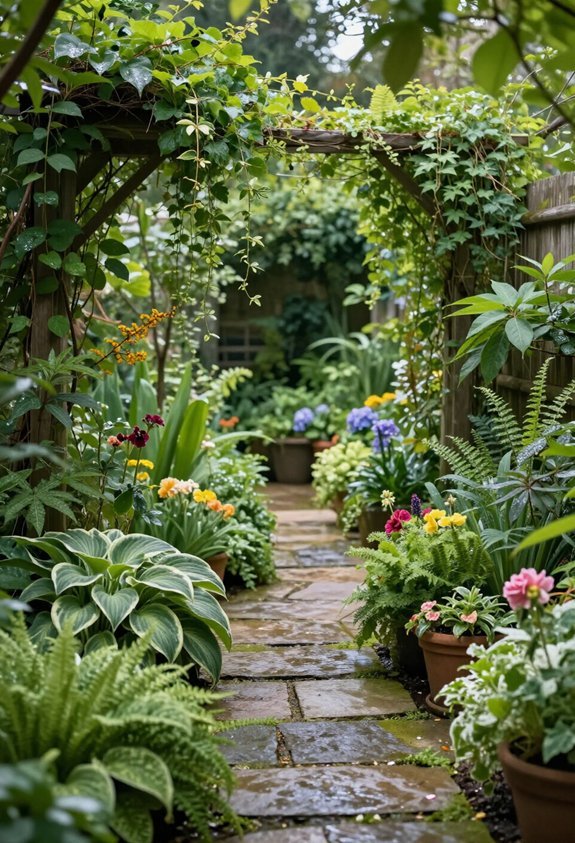
Side yards often present unique gardening challenges due to limited space, variable sunlight, and drainage issues. Transforming these overlooked areas requires understanding soil conditions, selecting appropriate plants for specific light levels, and implementing structural improvements like raised beds. By addressing foundational problems before planting and strategically layering shade-tolerant and sun-loving species, homeowners can create vibrant, multiseasonal garden spaces that maximize every square foot.
Fix Drainage Before You Dig
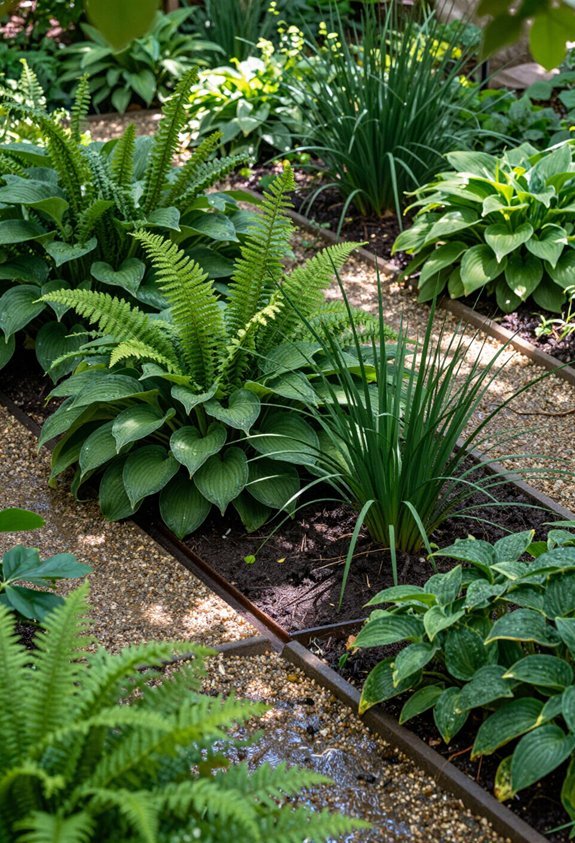
Before planting anything in a side yard, gardeners must first examine and correct the drainage system, as poor water flow can lead to root rot, soil erosion, and plant failure. To assess drainage, gardeners should observe how water moves through the area during rainfall or watering, noting any pooling or soggy spots that indicate problems. If drainage issues exist, several solutions can be implemented, including adding raised beds to elevate plants above waterlogged soil, installing French drains to redirect excess water away from the garden, or amending the soil with organic matter to improve its water-retention and drainage balance. Testing soil composition helps determine the best approach, ensuring that water moves through the side yard efficiently while maintaining adequate moisture for plant growth and health.
Also read: 24 SIDE YARD IDEAS That Make The Space Useful!
Shade-Tolerant Plants for Side Yards
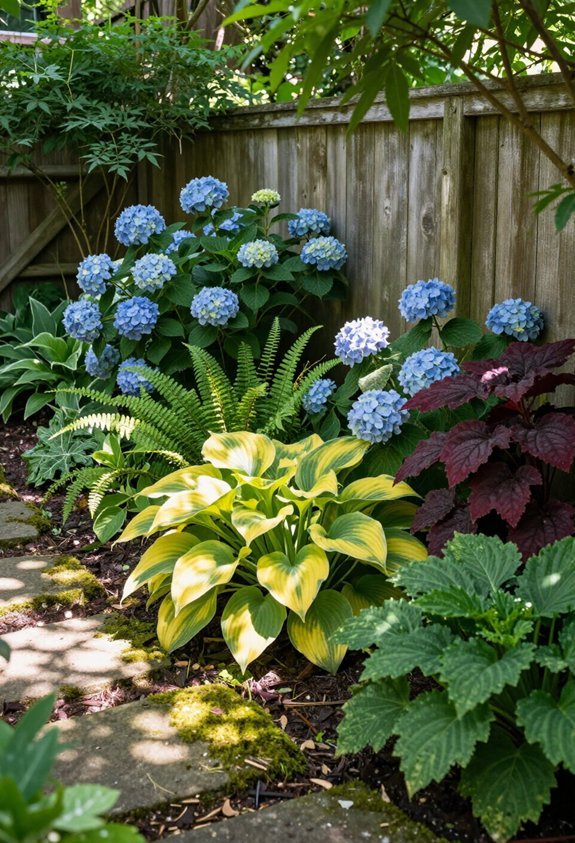
Since most side yards receive limited direct sunlight due to proximity to buildings, fences, or mature trees, selecting shade-tolerant plants becomes crucial for creating a thriving garden in these challenging spaces. Hostas, featuring broad leaves in various colors, thrive in partial to full shade and require minimal maintenance. Ferns prefer moist, shaded environments and add delicate texture to garden designs. Coral bells offer colorful foliage ranging from deep purple to chartreuse, tolerating shade while providing visual interest. Astilbe produces feathery plumes in pink, red, or white, flourishing in shaded areas with consistent moisture. Japanese forest grass creates movement with its cascading habit, adapting well to shade conditions. When selecting plants, gardeners should evaluate soil moisture levels and specific light conditions to guarantee ideal plant performance and long-term garden success.
Hostas and Ferns for Shade
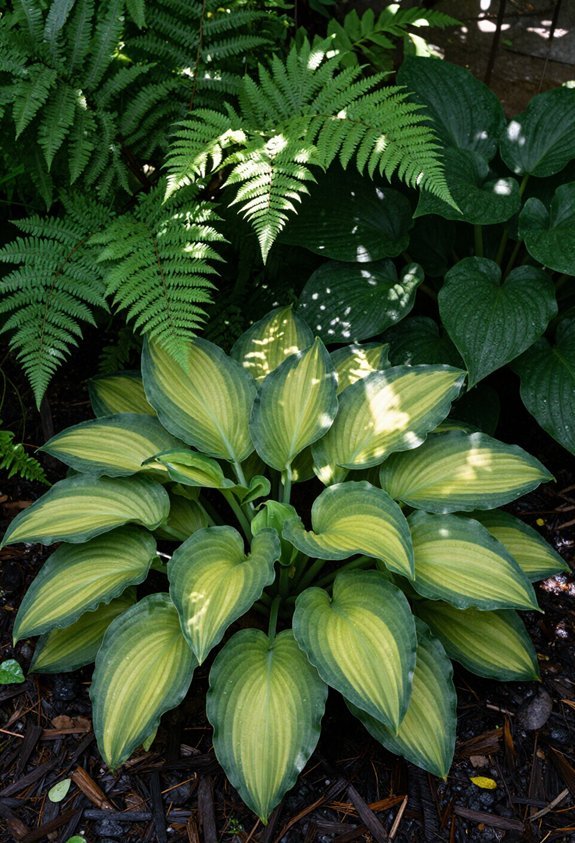
The foundation of a successful shade garden often rests on two reliable plant choices: hostas and ferns, which together provide both structural stability and aesthetic appeal in low-light environments. Hostas offer broad leaves in various colors, ranging from deep green to variegated patterns, and require minimal maintenance once established. Ferns complement hostas by introducing delicate, feathery foliage that creates visual contrast and adds textural depth to planting schemes. Both plant types thrive in moist, well-draining soil enriched with organic matter, and they prefer consistent humidity levels found in shaded side yards. These shade-tolerant companions adapt well to northeastern exposures and areas beneath tree canopies, making them ideal selections for challenging garden spaces where sunlight remains limited throughout the day.
What Grows in Full Sun Conditions
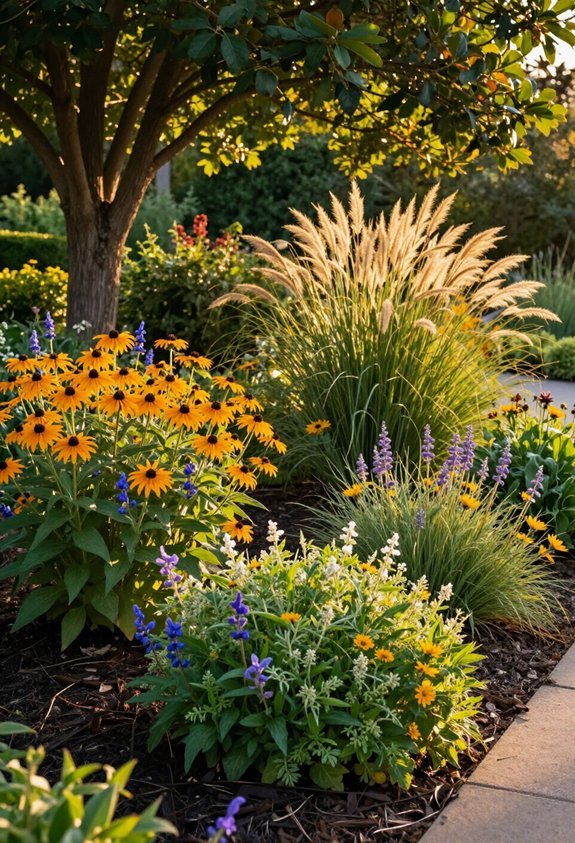
Shifting from shade-dependent plants like hostas and ferns opens up entirely different planting possibilities for side yards that receive six or more hours of direct sunlight daily. Ornamental grasses thrive in sunny locations, offering texture and movement while requiring minimal maintenance. Coneflowers and black-eyed Susans provide reliable blooms throughout summer months, attracting pollinators while tolerating heat stress. Lavender grows exceptionally well in full sun, delivering fragrant flowers and drought resistance. Sedums and other succulents store water efficiently, making them ideal for bright, exposed areas. Butterfly weed and yarrow establish quickly in sunny conditions, supporting local ecosystems. These sun-loving plants generally require less frequent watering than shade species, making them practical choices for gardeners seeking lower-maintenance landscaping solutions with substantial visual impact.
Raise Your Beds for Better Drainage
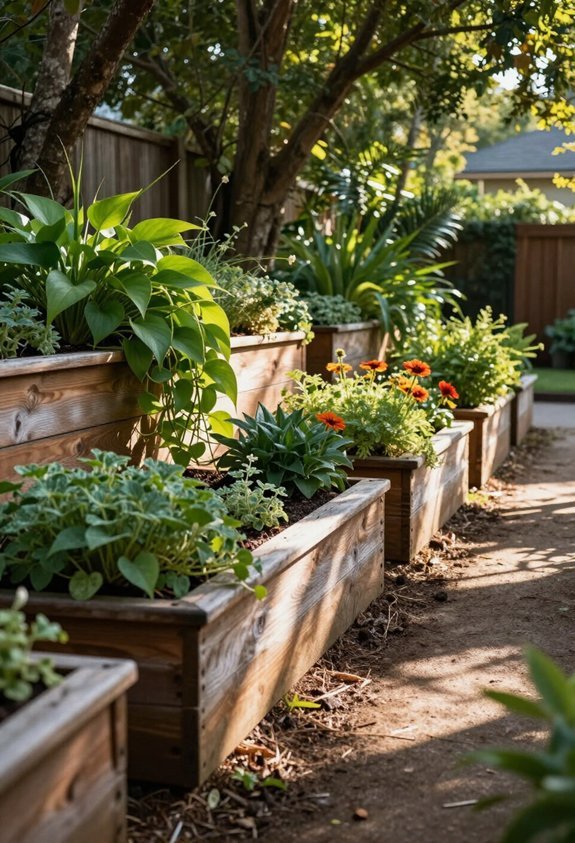
Why do raised garden beds perform so much better than ground-level planting areas? Raised beds naturally improve drainage by elevating soil above the surrounding ground, allowing excess water to flow away more efficiently. This elevation prevents water from pooling around plant roots, which causes root rot and fungal diseases. The improved drainage also helps soil warm up faster in spring, extending the growing season. Additionally, raised beds allow gardeners to control soil composition more precisely, filling them with quality soil mixtures tailored to specific plants’ needs. The structural design of raised beds, whether constructed from wood, metal, or composite materials, creates a contained environment that maximizes water management while maintaining ideal moisture levels for plant growth and health.
Add Hardscaping to Define Space
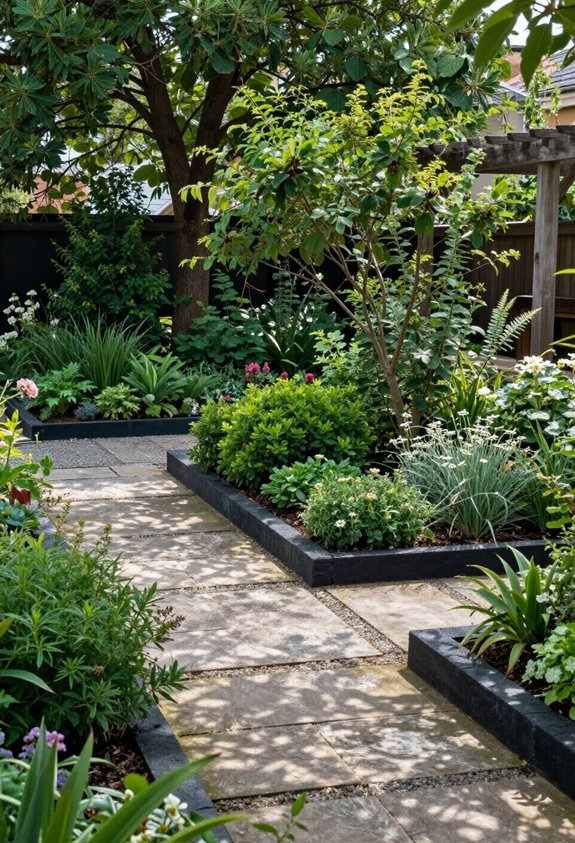
Once gardeners have established raised beds and improved their soil drainage, incorporating hardscaping elements into side yards becomes the next logical step for creating organized and visually distinct planting zones. Hardscaping refers to non-plant features such as pathways, borders, and edging materials that structure garden layouts. Installing gravel or mulch pathways between planting areas improves accessibility while preventing soil compaction in high-traffic zones. Stone or metal edging creates clear boundaries around garden beds, preventing grass encroachment and defining separate spaces. Pavers or stepping stones offer durable walkways that withstand regular foot traffic and seasonal weather changes. These hardscaping elements not only enhance aesthetic organization but also improve functionality, making side yard gardens more navigable and intentionally designed for both practical use and visual appeal.
Climbing Vines to Cover Walls
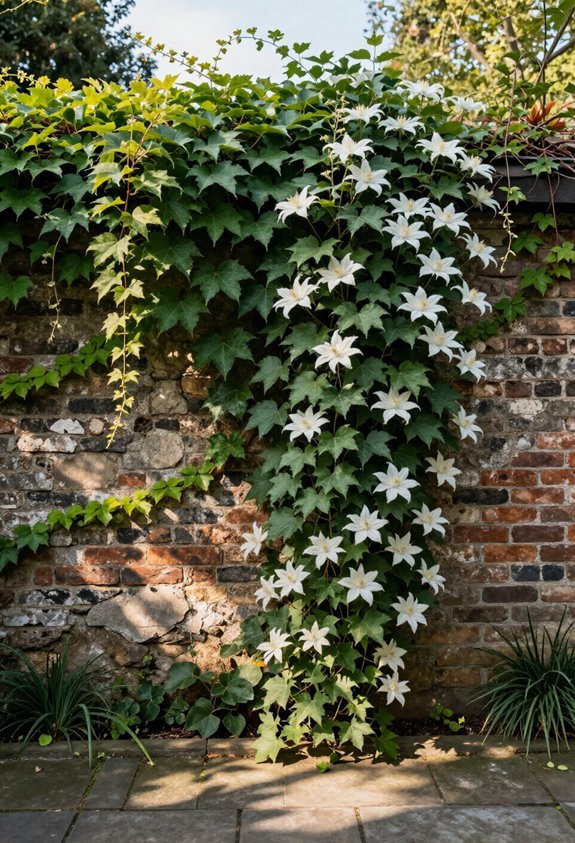
While hardscaping elements establish the structural foundation and organization of a side yard garden, vertical growing spaces present an equally valuable opportunity for expanding planting areas and enhancing visual interest. Climbing vines transform bare walls into living displays by utilizing vertical surfaces that would otherwise remain empty. Common varieties include clematis, which produces colorful flowers, and ivy, which provides consistent green coverage year-round. When selecting vines, gardeners should consider the wall’s sun exposure, as some varieties thrive in full sunlight while others prefer partial shade. Installing trellises or wire supports provides necessary structure for vines to climb, directing their growth patterns strategically. Regular pruning maintains the vines’ appearance and prevents overgrowth that could damage wall surfaces or structures underneath.
Groundcover Plants Instead of Grass
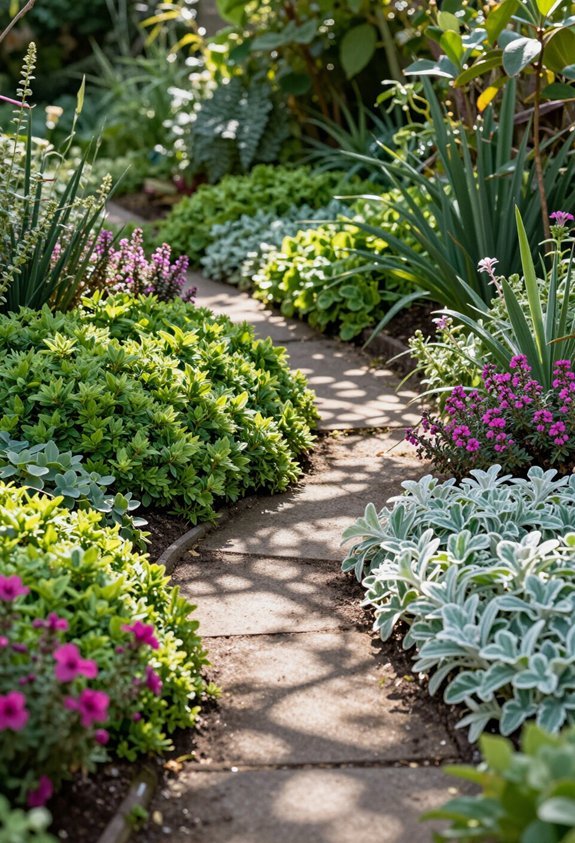
Rather than maintaining traditional lawn grass in side yard spaces, gardeners can select from a diverse range of groundcover plants that offer practical advantages while creating visually appealing landscapes. Groundcovers like creeping thyme, sedum, and pachysandra require considerably less water, fertilizer, and mowing compared to conventional grass, making them environmentally efficient and low-maintenance choices. These plants spread horizontally across soil, suppressing weeds naturally and reducing garden maintenance tasks throughout the growing season. Groundcovers also prevent soil erosion on sloped areas, which is particularly beneficial in side yards prone to water runoff. When selecting appropriate groundcover species, gardeners should consider their local climate, sunlight conditions, and soil composition to guarantee successful establishment and long-term growth in their specific landscape environments.
Moss Gardens for Deep Shade
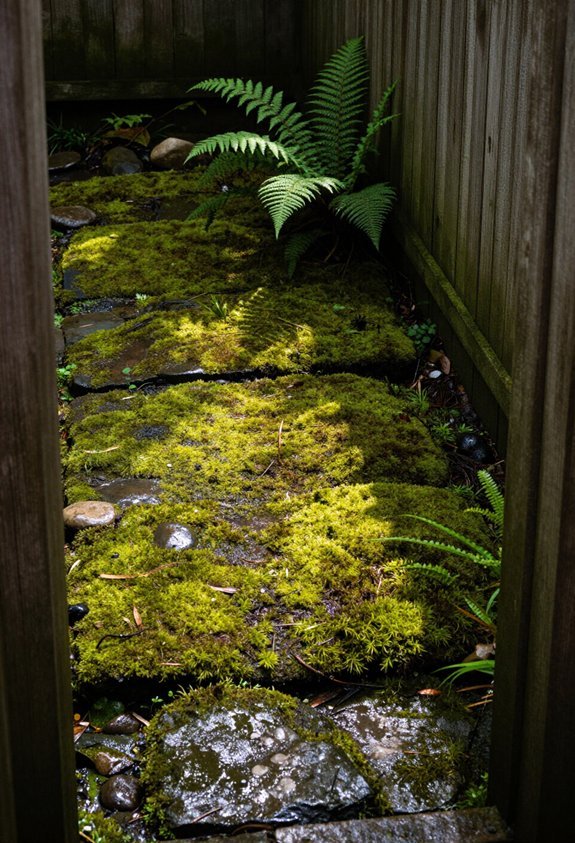
Because many side yards receive limited sunlight due to neighboring structures or dense tree coverage, moss gardens present an excellent alternative to traditional groundcovers that require more light for photosynthesis and growth. Moss thrives in shaded, moist environments, making it ideal for challenging areas where grass struggles to establish. These low-maintenance plants require minimal fertilization and no mowing, reducing yard work considerably. To create a moss garden, prepare the soil by removing existing vegetation and improving drainage with organic matter. Keep the area consistently moist during establishment, then maintain moderate moisture levels throughout growing seasons. Moss gardens develop slowly but eventually create soft, verdant carpets that enhance the aesthetic appeal of neglected side yard spaces while supporting local ecosystems.
Native Plants for Your Growing Zone
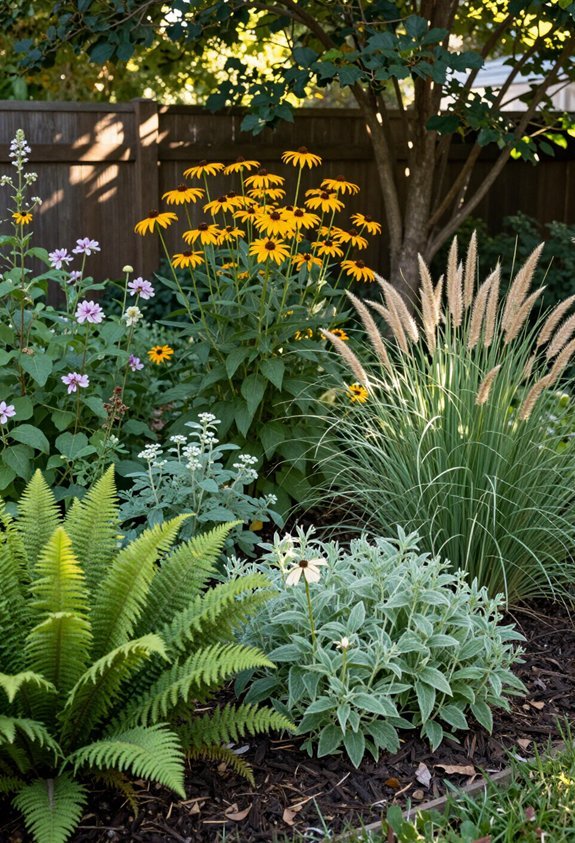
Beyond selecting plants based on their shade tolerance and moisture preferences, choosing species that naturally thrive in the specific climate and growing conditions of one’s region offers significant advantages for side yard gardening. Native plants require less maintenance, water, and fertilizer because they have adapted to local weather patterns over centuries. They attract native pollinators and wildlife, creating a balanced ecosystem within the garden space. Research the USDA hardiness zone for your location, then consult local nurseries or extension services to identify appropriate native species. Native trees, shrubs, and perennials establish stronger root systems and demonstrate greater resilience against regional pests and diseases. This approach produces healthier, more sustainable side yard gardens while reducing environmental impact and long-term gardening costs.
Container Gardens for Flexible Planting
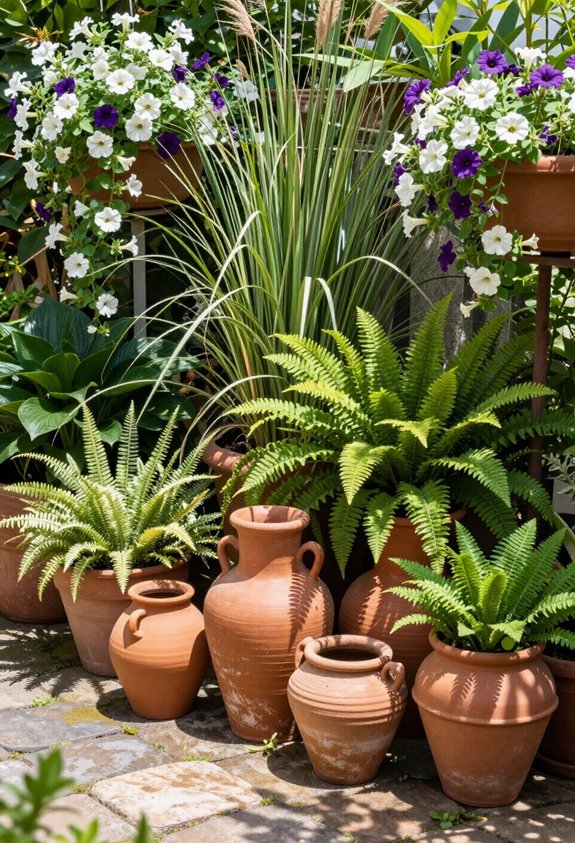
Container gardens offer side yard gardeners flexibility and control that traditional in-ground planting cannot match, allowing gardeners to move plants to optimize light exposure, protect them from harsh weather, and experiment with different design arrangements throughout the growing season. Containers come in various sizes and materials, including ceramic, plastic, and terracotta, each offering distinct drainage and insulation properties that affect plant health. Gardeners should select containers with drainage holes to prevent waterlogging and root rot, then fill them with high-quality potting soil rather than garden soil. This approach enables cultivation of plants that might not naturally thrive in local soil conditions, while permitting easy repositioning to maximize sunlight or shade as seasons change and shadows shift across the yard.
Design Pathways to Guide Foot Traffic
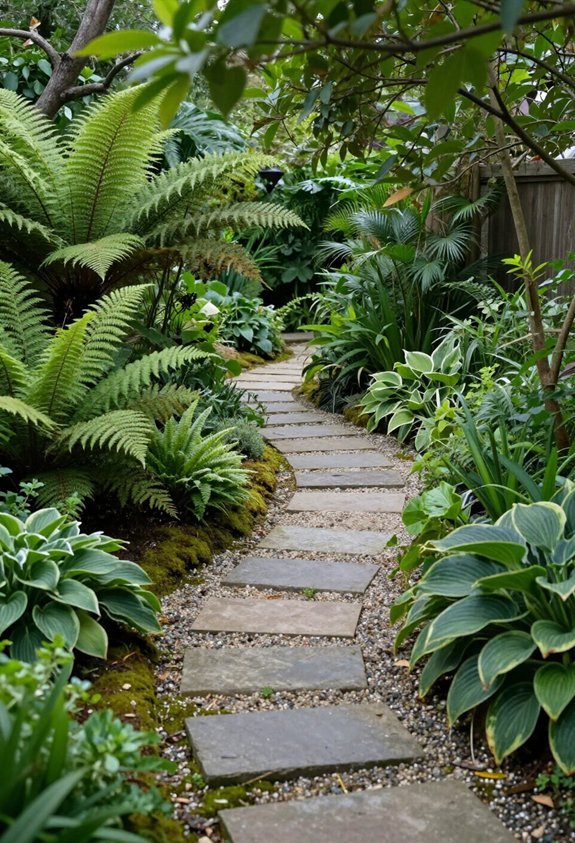
Well-designed pathways transform side yards by organizing foot traffic, protecting plants from trampling, and creating visual structure that guides visitors through the garden space while enhancing the overall aesthetic appeal of the area. Pathways can be constructed from various materials, including gravel, mulch, stepping stones, or pavers, each offering different benefits and visual effects. Materials should be selected based on climate, drainage needs, and desired appearance. Pathways require adequate width, typically two to three feet, to accommodate comfortable walking. Curved designs create visual interest and make spaces feel larger, while strategic placement prevents shortcuts across planted beds. Installing borders along pathways helps contain materials and clearly defines walkable areas. Proper drainage prevents water accumulation and erosion, extending pathway longevity. Well-maintained pathways reduce soil compaction and plant damage while facilitating garden maintenance and enjoyment.
Create Reading Nooks in Your Side Yard
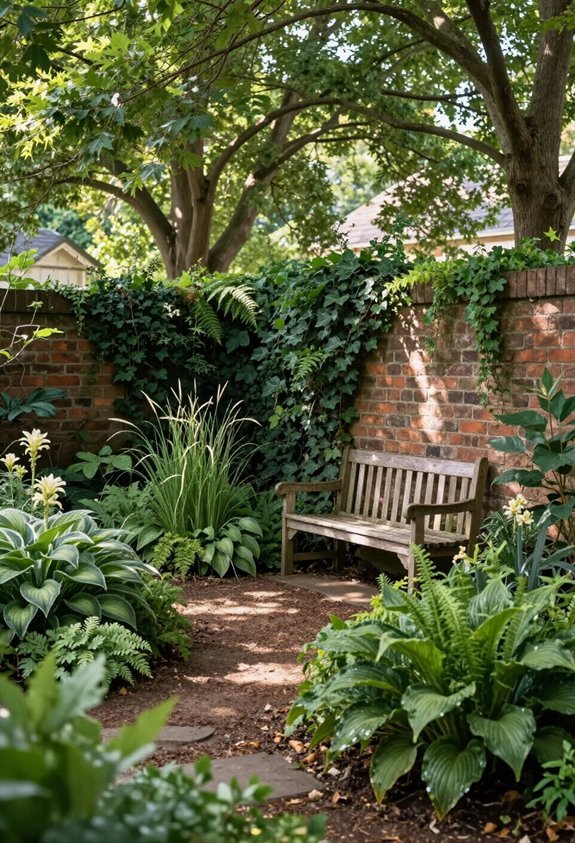
Once pathways establish the basic structure and flow of a side yard garden, homeowners can build upon this foundation by introducing comfortable seating areas that encourage relaxation and enjoyment of the outdoor space. Creating reading nooks involves selecting a sheltered location that receives dappled sunlight, which protects readers from harsh UV rays while maintaining adequate visibility. Placing a sturdy bench or chair against a fence or near climbing vines provides both comfort and privacy. Adding a small side table accommodates books, beverages, and personal items. Incorporating shade-producing elements, such as pergolas or trellises with climbing plants, enhances the nook’s appeal and functionality. Landscaping the surrounding area with low-maintenance plants reduces distractions and creates an intimate atmosphere conducive to focused reading and quiet contemplation.
Add Water Features for Tranquility
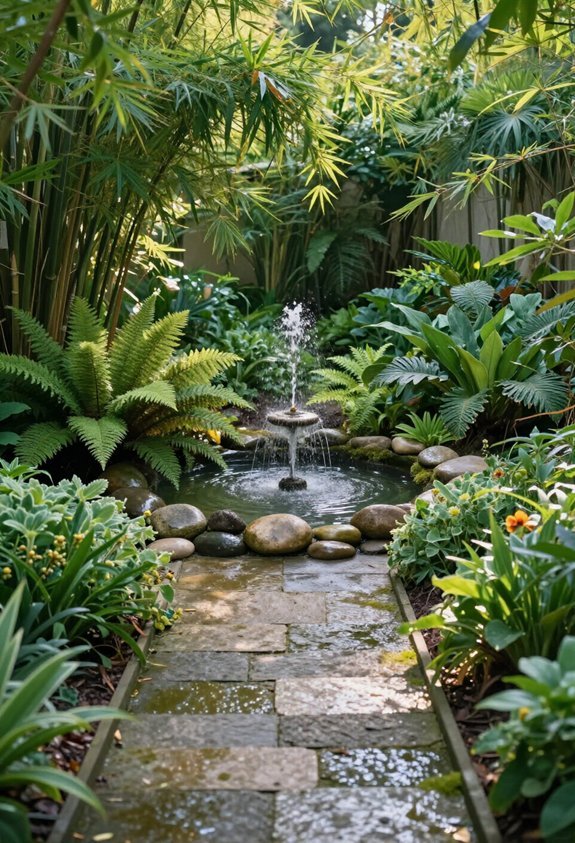
The gentle sound of flowing water transforms a side yard garden into a peaceful retreat by engaging the senses and masking unwanted neighborhood noise, which makes water features an excellent addition to any outdoor reading space or relaxation area. Small fountains, birdbaths, or pond features create focal points while providing calming auditory experiences. When selecting a water feature, consider the available space, sunlight exposure, and maintenance requirements. Fountains require electricity and regular cleaning, while birdbaths need frequent water changes. Ponds demand more substantial planning but support local wildlife. Installing a water feature near seating areas maximizes its tranquilizing benefits, allowing visitors to fully appreciate the soothing effects of water movement and sound during moments of leisure and contemplation.
Use Mirrors to Brighten Dark Corners
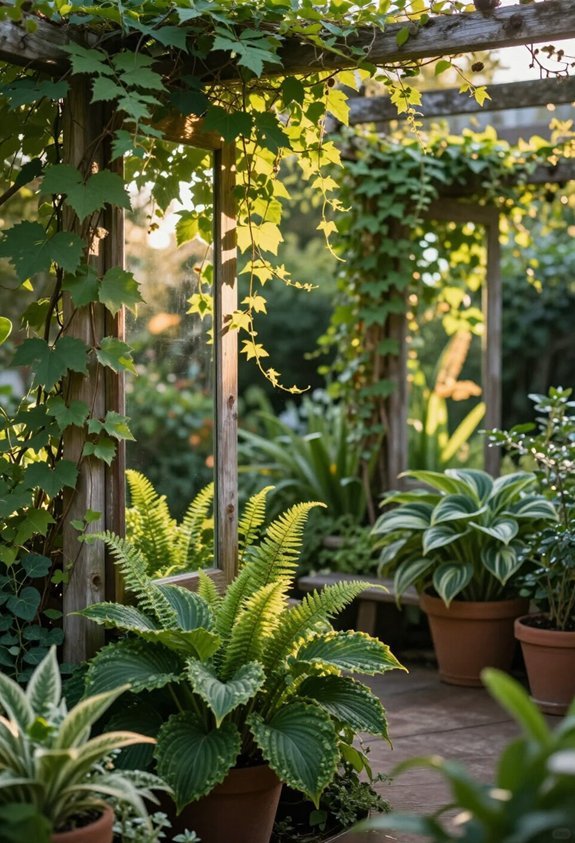
Since side yards typically receive limited sunlight due to house placement and surrounding structures, mirrors offer a practical solution for reflecting available light into shadowy areas and creating the illusion of expanded space. Strategically positioning mirrors on walls or fence sections bounces natural light throughout the garden, brightening dark corners where plants struggle to thrive. Weather-resistant mirrors designed for outdoor use resist rust and deterioration from moisture and temperature changes. When placing mirrors, consider angles carefully to maximize light reflection without creating glare. Mirrored surfaces also visually double the garden’s perceived depth, making narrow side yards feel more open and inviting. This technique combines functionality with visual enhancement, transforming previously unusable shaded zones into brighter, more appealing garden areas that support healthy plant growth.
Bamboo Privacy Screens for Side Yards
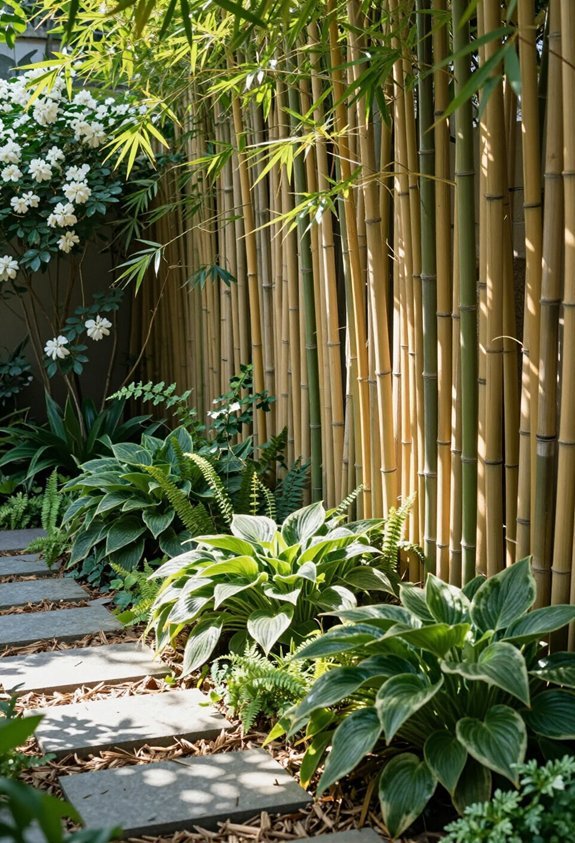
Bamboo privacy screens serve as an excellent solution for creating enclosed, secluded spaces along narrow side yards while offering practical benefits beyond visual appeal. These screens effectively block unwanted views from neighbors and passersby, establishing a sense of personal refuge. Bamboo functions as a natural sound barrier, reducing noise pollution from adjacent properties or streets. The material requires minimal maintenance compared to traditional fencing, needing only occasional cleaning and occasional sealing to preserve its appearance. Bamboo grows rapidly and sustainably, making it an environmentally responsible choice for homeowners. Installation involves securing screen panels to sturdy frames using posts, which can be accomplished with basic tools and hardware. The screens’ natural aesthetic complements various garden styles, from contemporary designs to traditional landscapes, while maximizing the usable space within compact side yards.
Install Low-Voltage Lighting
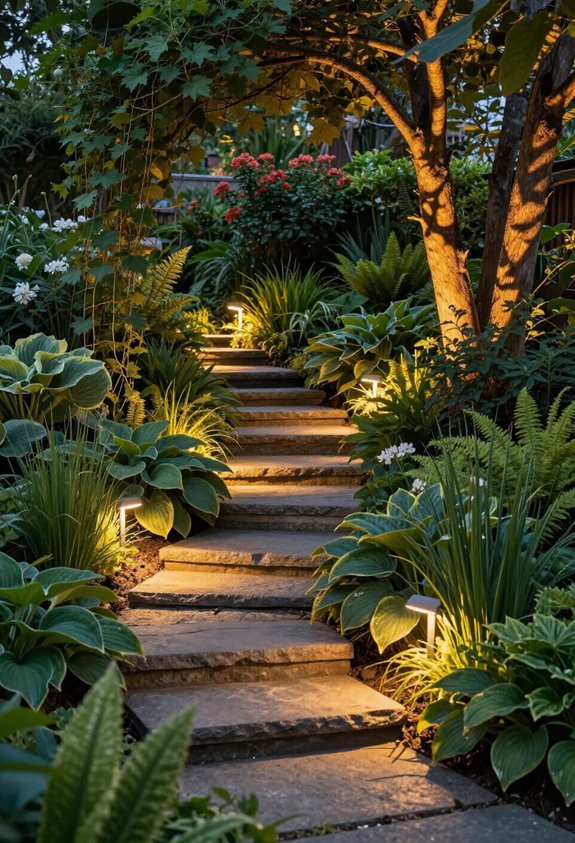
Low-voltage lighting systems offer numerous advantages for illuminating side yards in ways that enhance both functionality and ambiance without consuming excessive electricity or requiring expensive professional installation. These systems typically operate at twelve volts, making them safe for homeowners to install independently along pathways, garden beds, and architectural features. Solar-powered options eliminate the need for electrical wiring altogether, while transformer-based systems provide consistent brightness regardless of weather conditions. Strategically placing lights near bamboo screens creates visual depth and highlights landscaping details during evening hours. Installation involves positioning fixtures at ground level or along structures, then connecting them via weatherproof cables. Low-voltage lighting also reduces energy costs substantially compared to standard outdoor lighting, making it an economical choice for enhancing side yard aesthetics while maintaining safety and visibility throughout darker seasons.
Choose Evergreens That Look Good All Year
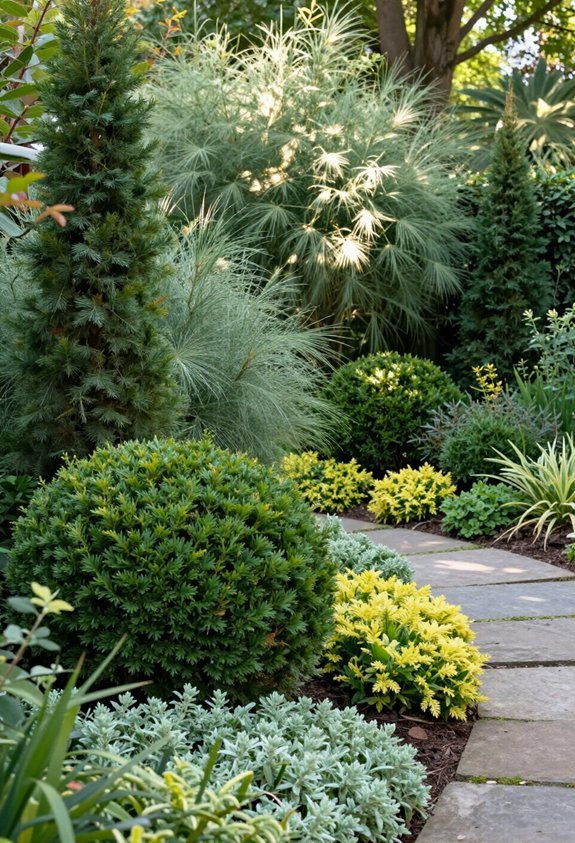
Evergreen plants provide year-round visual interest to side yards by maintaining their foliage and color throughout all seasons, including winter months when many deciduous plants lose their leaves and become dormant. Popular evergreen choices include boxwoods, which offer dense, compact growth and tolerate pruning well; hollies, which display vibrant berries alongside glossy leaves; and junipers, which come in various heights and colors from blue-green to golden tones. When selecting evergreens, gardeners should consider their mature size, growth rate, and specific light requirements, as some varieties thrive in full sun while others prefer partial shade. Spacing plants appropriately prevents overcrowding and allows for healthy air circulation. Incorporating diverse evergreen species creates visual depth and texture, transforming side yards into attractive, sustainable landscapes that remain appealing throughout every season.
Rotate Plants Seasonally for Continuous Color
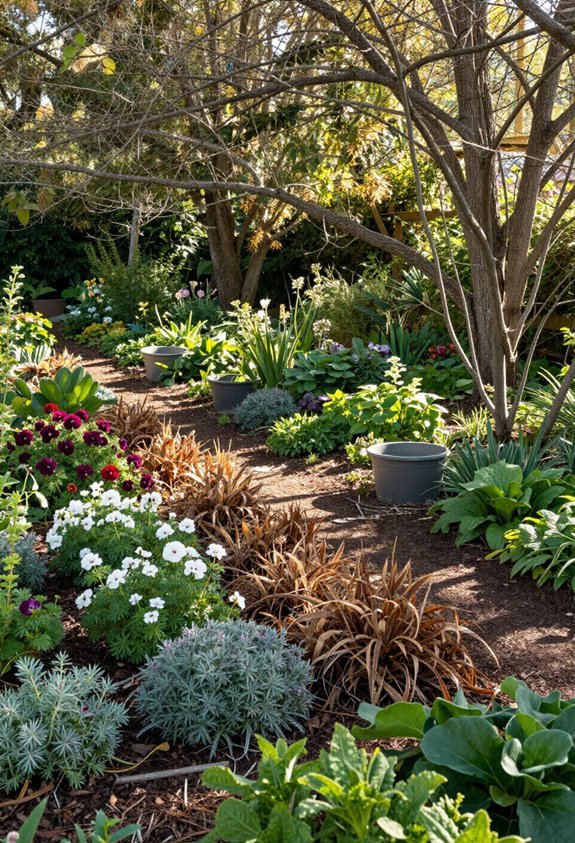
While evergreens provide consistent structure and color throughout the year, gardeners can enhance their side yards by introducing seasonal plants that offer vibrant blooms and foliage during different times of the year, creating a dynamic landscape that changes with the seasons. Spring bulbs like tulips and daffodils bring early color, while summer perennials such as coneflowers and black-eyed Susans provide mid-season interest. Fall mums and ornamental grasses create warmth as temperatures drop, and winter pansies maintain visual appeal during colder months. By strategically planning which plants to display during each season, gardeners can guarantee their side yards remain visually engaging year-round, preventing monotonous appearances while maximizing the space’s aesthetic potential through thoughtful plant rotation and succession planting techniques.
Why Foliage Works Better Than Flowers
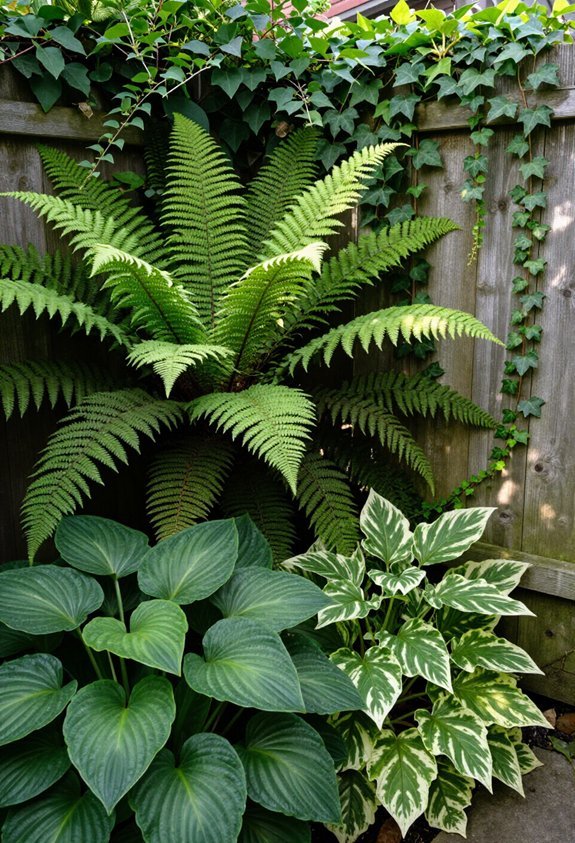
Although flowers provide temporary bursts of color that capture attention, foliage offers gardeners more reliable and long-lasting visual benefits for side yard landscapes. Leaves remain present throughout entire growing seasons, whereas flowers bloom for only short periods before fading away. Foliage plants provide consistent texture, depth, and color variation without requiring deadheading or constant maintenance. Different leaf shapes, sizes, and hues create visual interest that sustains interest month after month. Shade-tolerant foliage plants thrive in side yards where direct sunlight is limited, making them ideal for challenging garden spaces. Hostas, ferns, and ornamental grasses deliver structure and elegance that flowers cannot maintain. Additionally, colorful foliage plants like Japanese maples and coleus offer dramatic visual impact while requiring minimal care compared to flowering plants.
Build a Woodland Atmosphere in Tight Spaces
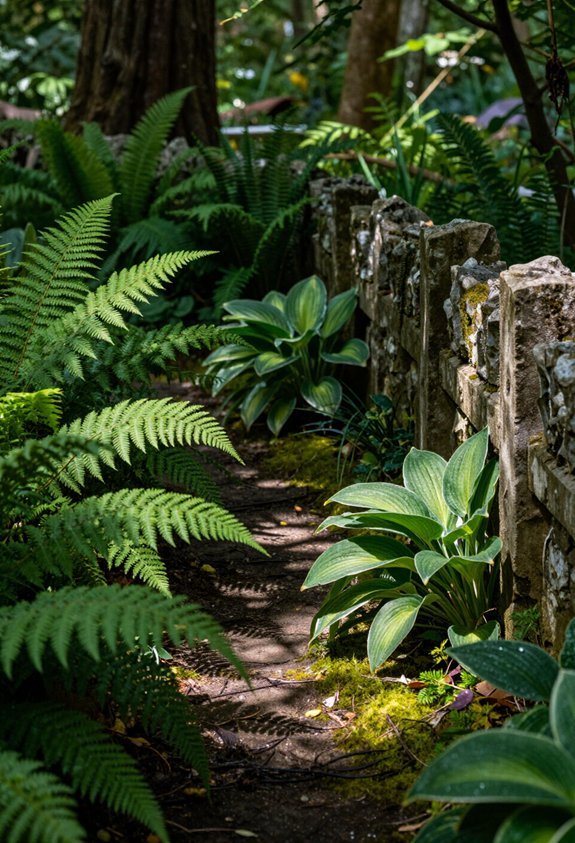
Since side yards often lack the expansive space of traditional gardens, creating a woodland atmosphere requires strategic plant selection and thoughtful design that maximizes vertical space and layering. Gardeners should incorporate shade-tolerant plants like hostas, ferns, and heuchera at ground level, which thrive in the limited sunlight typical of narrow spaces between houses. Adding understory shrubs such as serviceberry or viburnum creates the middle layer, while small trees like Japanese maple or dogwood establish the canopy above. Mulch pathways with wood chips to enhance the forest floor effect, and position shade-loving perennials strategically to create depth and visual interest. This tiered approach transforms confined side yards into immersive woodland environments that feel surprisingly expansive and naturally sophisticated despite their physical constraints.
Frequently Asked Questions
How Do I Prevent Mosquitoes and Pests in My Side Yard Garden?
Gardeners prevent mosquitoes and pests by installing proper drainage to eliminate standing water, using companion planting with marigolds and lavender, applying neem oil spray regularly, introducing natural predators like dragonflies, and maintaining consistent garden cleanliness.
What’s the Best Budget-Friendly Way to Start a Side Yard Garden?
One can start a side yard garden affordably by using seeds instead of seedlings, composting kitchen scraps for soil enrichment, repurposing containers as planters, and utilizing existing yard space efficiently without expensive landscaping materials.
How Often Should I Water Side Yard Plants During Summer Months?
During summer months, side yard plants typically require watering every two to three days, depending on soil type, sunlight exposure, and rainfall. Gardeners should check soil moisture daily and adjust frequency accordingly to prevent drought stress.
Can I Grow Vegetables in a Narrow Side Yard Space?
Yes, vegetables can thrive in narrow side yards. Container gardening works well for limited spaces, allowing growers to cultivate tomatoes, herbs, lettuce, and peppers. Vertical trellises maximize sunlight exposure and growth potential in confined areas.
What Maintenance Schedule Keeps Side Yard Gardens Looking Their Best?
Side yard gardens thrive with weekly watering, biweekly weeding, monthly fertilizing, and seasonal pruning. Regular deadheading encourages blooms. Mulching reduces maintenance. Inspecting for pests weekly prevents infestations. Consistent attention maintains lush, vibrant growth.
Conclusion
Transforming a side yard into a flourishing garden requires careful planning and strategic plant selection. By addressing drainage issues first, choosing appropriate plants for available light conditions, and incorporating structural elements like raised beds and pathways, homeowners create functional outdoor spaces. Layering shade-tolerant and sun-loving plants, utilizing evergreens for year-round appeal, and rotating seasonal selections guarantees continuous visual interest. This methodical approach results in a personalized retreat that maximizes limited space while promoting plant health and accessibility.