
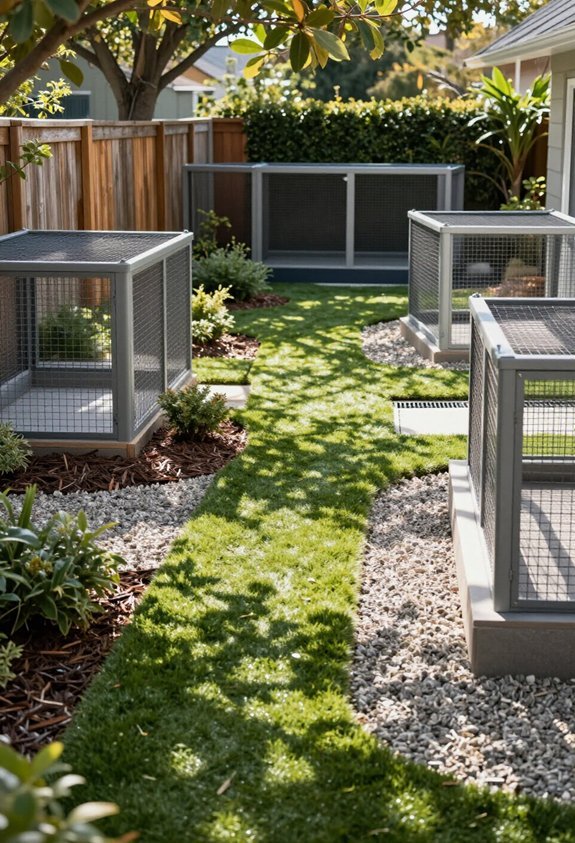
A tidy dog run requires thoughtful planning across ground surfaces, structural elements, and maintenance systems. Homeowners must select appropriate materials, such as pea gravel or artificial turf, while considering drainage, durability, and ease of cleaning. Strategic placement and plant selection further contribute to both functionality and appearance. Understanding which combination of these nineteen approaches works best for a specific yard depends on several key factors.
Gravel or Pea Pebbles: Low-Mess Ground Cover for Active Dogs
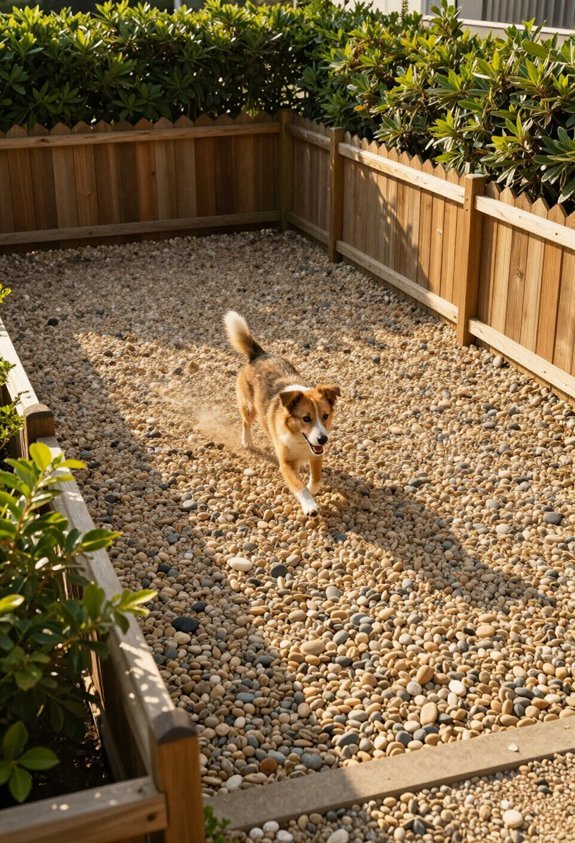
Durability and low maintenance make gravel and pea pebbles excellent choices for dog run side yards, particularly for owners seeking alternatives to traditional grass or dirt surfaces that become muddy and worn down by constant activity. These materials drain water efficiently, preventing puddles and muddy paws, while remaining comfortable for dogs to walk on regularly. Pea pebbles, which are smooth and rounded, offer gentler cushioning compared to angular gravel varieties. Both options require periodic raking to maintain even distribution and remove waste, but they resist compaction better than soil. Installation involves laying landscape fabric beneath the surface to prevent weeds and gravel migration into surrounding areas. These ground covers suit active dogs well, lasting several seasons with minimal replacement needs and providing a clean, functional surface for outdoor play areas.
Also read: 24 SIDE YARD IDEAS That Make The Space Useful!
Artificial Turf: Realistic Grass Without the Mud
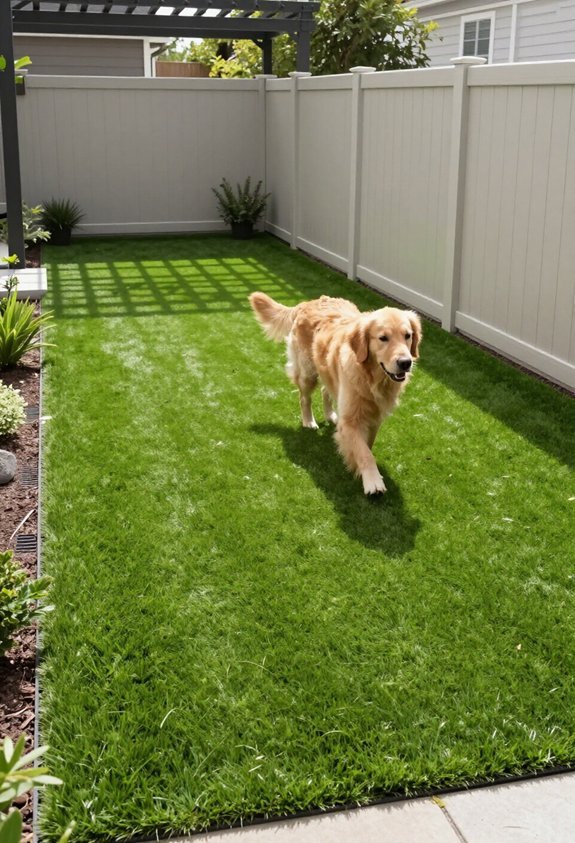
For homeowners seeking a grass-like appearance without the maintenance challenges of natural lawn, artificial turf presents a practical solution that combines aesthetic appeal with functional benefits for dog run areas. Modern artificial turf technology has advanced remarkably, creating realistic-looking surfaces that withstand heavy foot traffic and sharp claws without deteriorating. The material drains efficiently, preventing water accumulation and muddy conditions that typically plague natural grass areas. Installation requires proper base preparation, including adequate drainage systems and leveling, ensuring longevity and stability. Artificial turf eliminates the need for fertilizers, pesticides, and mowing, reducing maintenance demands considerably. Regular rinsing removes debris and odors, keeping the surface clean and hygienic. While initial installation costs exceed traditional grass, the long-term savings on maintenance and replacement make artificial turf a cost-effective investment for active dog environments.
Raised Bed Runs With Drainage: Keep Paws Dry
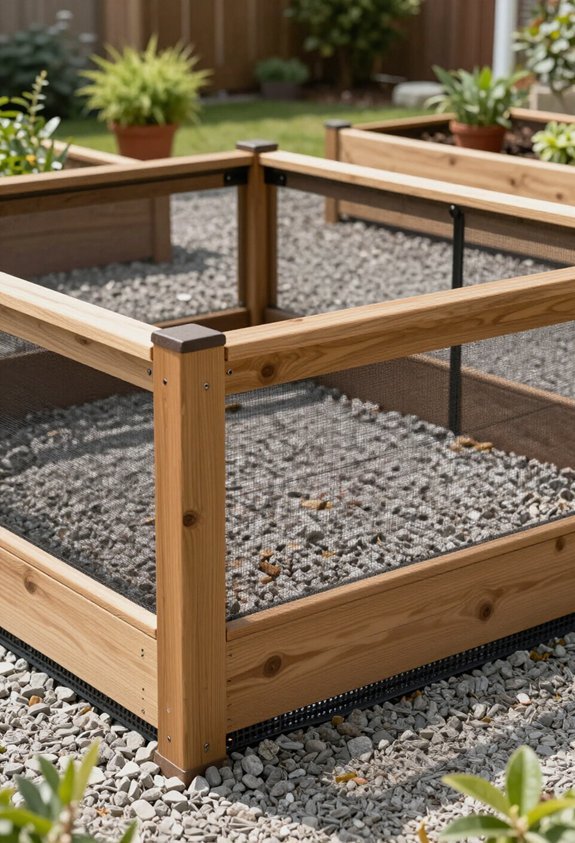
Elevated dog run structures built with raised beds offer a superior solution for maintaining dry, comfortable spaces where dogs can exercise without encountering soggy ground or standing water. These systems incorporate strategically designed drainage layers, including gravel bases and perforated pipes, that redirect moisture away from the running surface. Constructing raised beds typically involves wooden or composite frames positioned six to twelve inches above ground level, allowing air circulation beneath the structure. Adding a permeable liner prevents soil erosion while facilitating water flow downward. Owners can fill these beds with pea gravel, sand, or specialized dog-run materials that promote drainage while remaining comfortable for paws. Regular maintenance, such as raking and occasional material replacement, guarantees peak drainage performance and extends the longevity of the installation.
Concrete Pads: Durable, Easy-Clean Base for Heavy Use
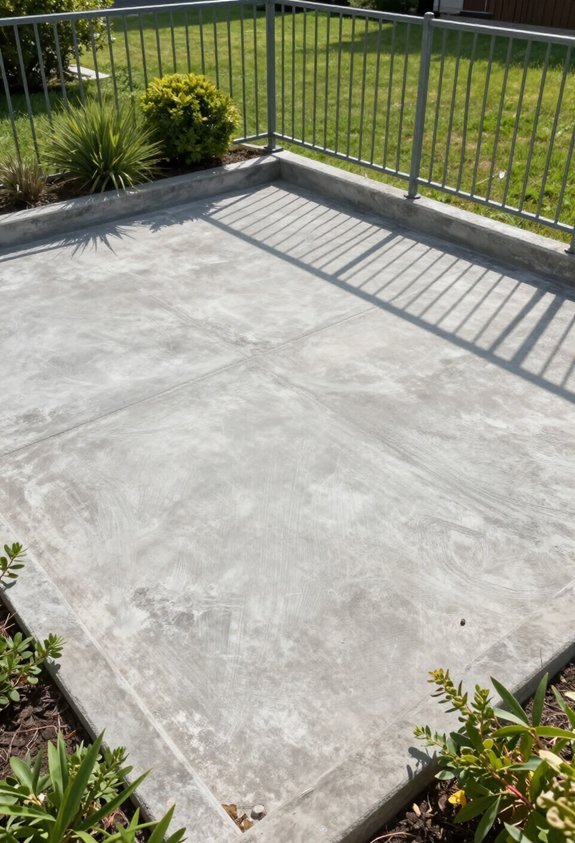
When dogs spend significant time running and playing in a confined space, the ground surface must withstand constant wear, moisture, and impact without deteriorating or becoming difficult to maintain. Concrete pads offer an excellent solution for dog run areas because they provide a sturdy, long-lasting foundation that resists damage from claws, urine, and repeated foot traffic. Installing concrete involves pouring a level base that slopes slightly for water drainage, preventing puddles and mud accumulation. The nonporous surface makes cleaning straightforward, requiring only a hose and mild detergent to remove waste and odors effectively. Concrete remains cool during hot weather, providing comfort for dogs resting on the surface. While initial installation costs more than alternatives, the durability and minimal maintenance requirements make concrete economically practical for heavy-use dog runs over many years.
Mulch or Bark Chips: Natural Look, Simple Maintenance
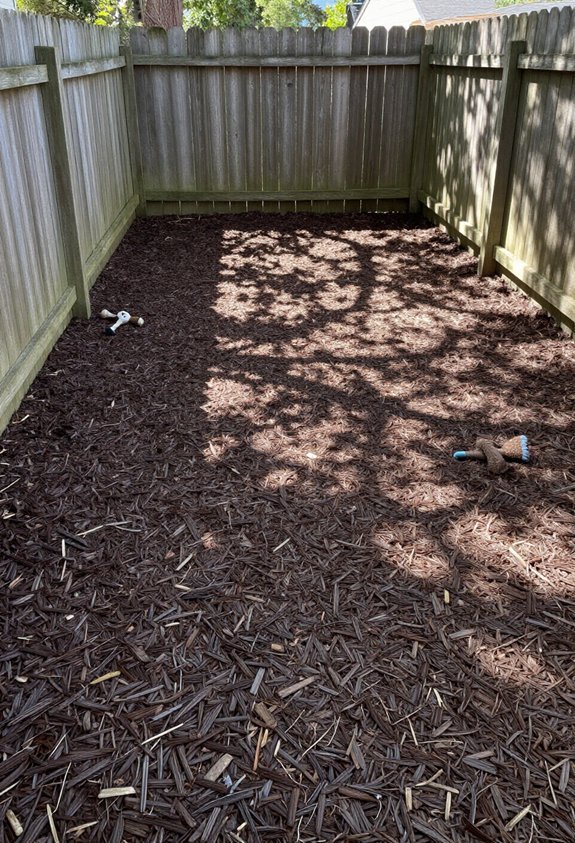
Mulch and bark chips present an appealing alternative to concrete because they create a natural appearance that blends seamlessly with landscaping while remaining practical for active dog areas. These materials offer excellent drainage, preventing water accumulation and muddy conditions that frequently occur in dog runs. Installation requires minimal effort, as workers simply spread the chips across the designated space to create a comfortable, cushioned surface for dogs’ paws and joints.
Maintenance involves periodic raking to redistribute settled material and removal of soiled sections, which typically takes minimal time. Homeowners should replenish chips annually, as dogs and weather gradually break down the material. Wood-based options prove cost-effective compared to concrete installation, making them financially attractive for budget-conscious pet owners seeking functional, attractive dog run solutions that require straightforward upkeep.
Wire Fencing on Posts: Rot-Proof, Secure Boundaries
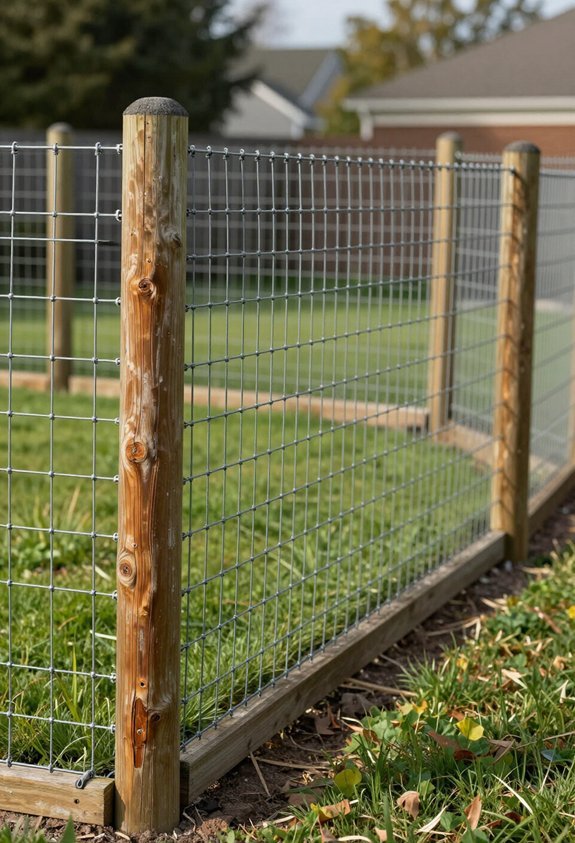
Wire fencing installed on sturdy posts creates a secure perimeter that protects dogs while eliminating many maintenance concerns associated with organic materials like mulch and bark chips. This fencing system offers significant durability advantages, as metal components resist rotting, warping, and deterioration from moisture and weather exposure. The posts, typically made from treated wood or metal, remain structurally sound for years without requiring replacement or repair. Wire fencing allows visibility into and out of the dog run, enabling owners to monitor their pets and maintain sight lines with neighbors. Installation requires proper post spacing, usually every four to six feet, ensuring the fence remains taut and secure against pushing or jumping. This practical solution provides long-term containment with minimal ongoing maintenance.
Vinyl-Coated Chain Link: Rust-Proof Fencing That Lasts
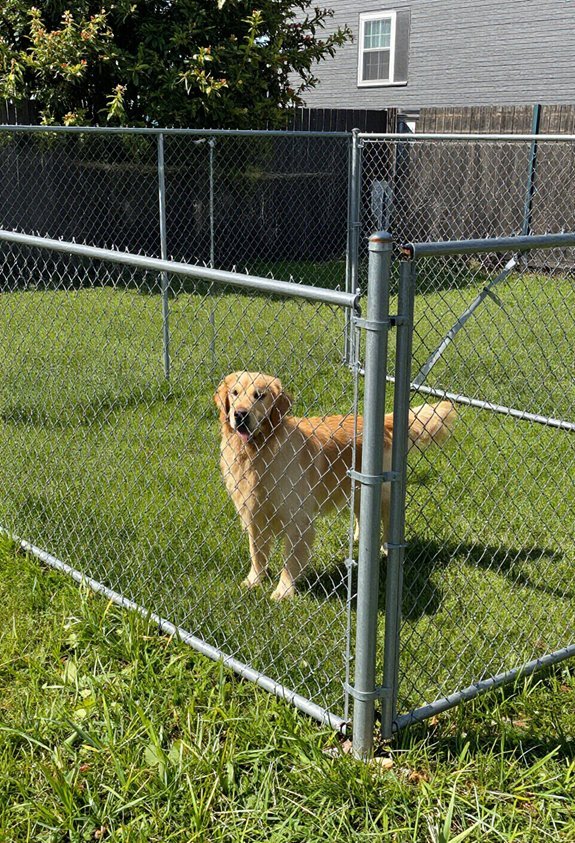
Because traditional chain link fencing can succumb to rust and corrosion over time, vinyl-coated chain link offers a superior alternative that maintains its structural integrity and appearance for decades. The vinyl coating acts as a protective barrier, preventing moisture and oxygen from reaching the underlying metal, which eliminates the primary causes of rust formation. This fencing option comes in various colors, allowing homeowners to select options that complement their landscape design while providing functional containment for dogs. Installation requires standard post-setting techniques, similar to traditional chain link, making the process straightforward for most property owners. The durability of vinyl-coated chain link means fewer maintenance requirements, no repainting, and remarkably extended lifespan compared to uncoated alternatives, making it a cost-effective investment for long-term dog run enclosures.
Solid Wood Panels: Privacy and Wind Protection
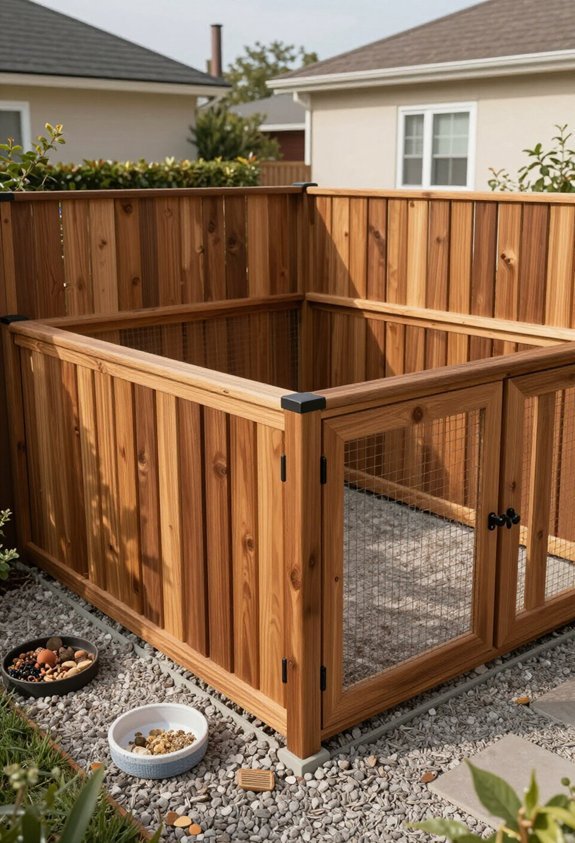
While vinyl-coated chain link provides excellent durability and containment, solid wood panels offer distinct advantages that many homeowners find equally valuable for their dog run enclosures, particularly in areas where privacy and protection from wind are important considerations. Wood panels create a complete visual barrier, preventing dogs from becoming distracted by outside activity and reducing anxiety from external stimuli. The solid construction also shields the enclosed area from harsh winds, creating a more comfortable environment during inclement weather. Cedar and pressure-treated lumber resist rot and weathering, ensuring long-term durability. However, wood panels require regular maintenance, including staining or sealing every two to three years, and periodic inspection for damage. Despite these upkeep demands, many homeowners prefer wood’s aesthetic appeal and functional benefits for establishing secure, private dog run spaces.
Shade Cloth or Retractable Awnings: Sun Protection Without Roofing
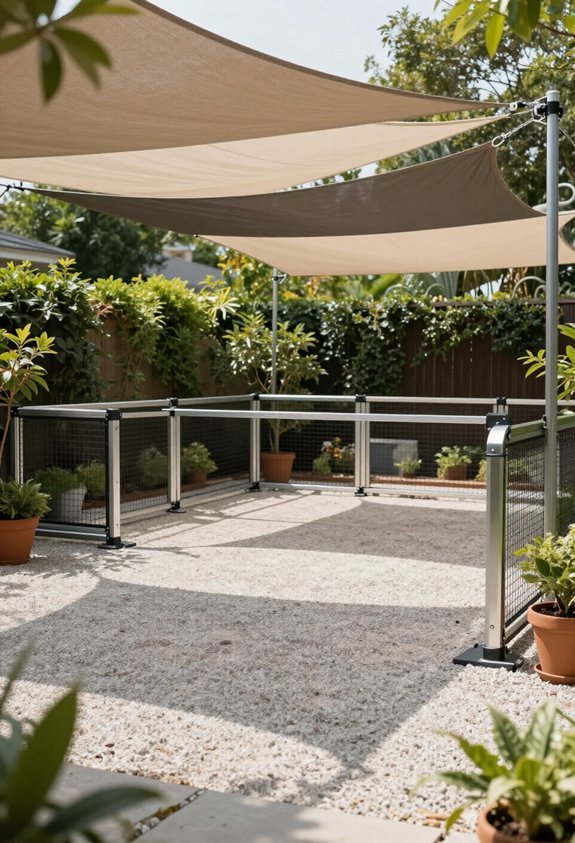
Beyond the structural considerations of enclosure materials like wood panels, homeowners must also address the comfort and health of their dogs by managing sun exposure in the side yard space. Shade cloth and retractable awnings offer practical solutions that provide UV protection without permanent roofing installations. Shade cloth, typically made from breathable synthetic materials, blocks 30 to 90 percent of sunlight while allowing air circulation, preventing excessive heat buildup. Retractable awnings provide adjustable coverage, extending during peak sun hours and retracting during cooler periods or when additional light is desired. Both options remain relatively affordable and require minimal structural modification to existing side yards, making them ideal for renters or those seeking temporary installations that effectively reduce ground temperature and create comfortable resting areas for dogs.
Pallet Dog Runs: Budget-Friendly DIY Build
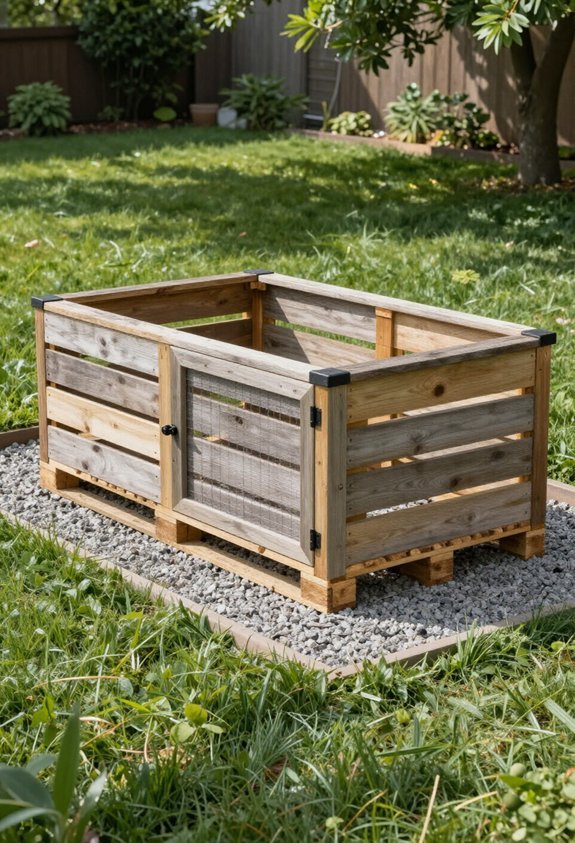
For homeowners seeking an economical approach to creating a dog run enclosure, wooden pallets present an accessible solution that requires minimal investment and basic carpentry skills. Pallets, often available for free or at minimal cost from local businesses, can be dismantled and reconstructed into sturdy walls and frames. The process involves removing nails, sanding rough edges, and securing pallets together using bolts, screws, or brackets, ensuring structural stability and safety for dogs. Homeowners should treat the wood with pet-safe sealant to protect against weather damage and extend the enclosure’s lifespan. This DIY approach allows for customizable dimensions to fit specific side yard spaces, while maintaining affordability. Adding secure gates and ensuring proper spacing between pallets prevents escape attempts, making this solution both practical and economical.
Modular Metal Panels: Resize Your Run Anytime
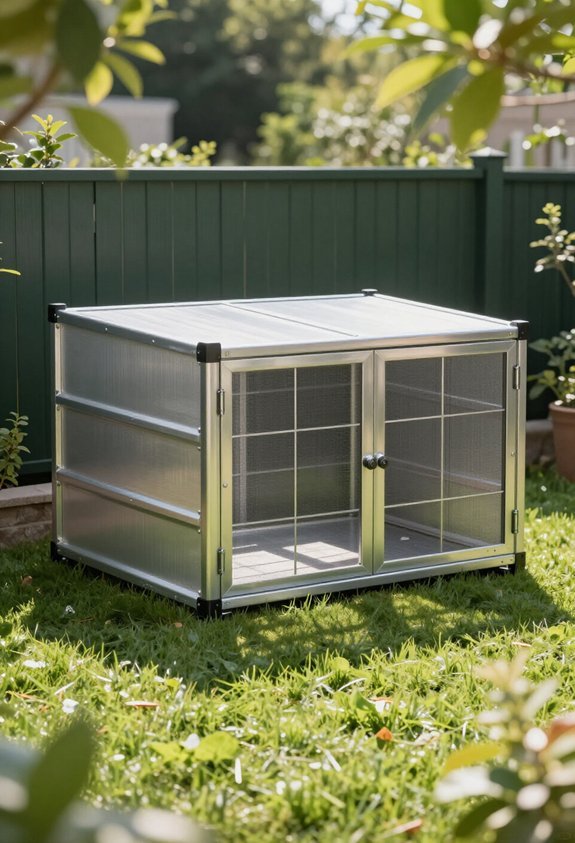
Modular metal panels offer homeowners a flexible and durable alternative to permanent dog run structures, allowing them to adjust the enclosure size whenever their needs change. These panels, typically constructed from galvanized steel or aluminum, connect together using simple interlocking mechanisms or bolts, requiring minimal tools for assembly and reconfiguration. Homeowners can expand the run by adding extra panels when adopting additional dogs or reduce the space if needed, making this solution adaptable to changing circumstances. The metal construction resists rust and weathering, ensuring longevity in outdoor environments. Installation involves positioning panels on level ground and securing connections, a process that takes only hours rather than days. This modular approach eliminates the need for professional contractors, reducing overall costs while maintaining a neat, organized appearance in the side yard.
Mixed-Surface Floors: Pairing Materials for Durability and Drainage
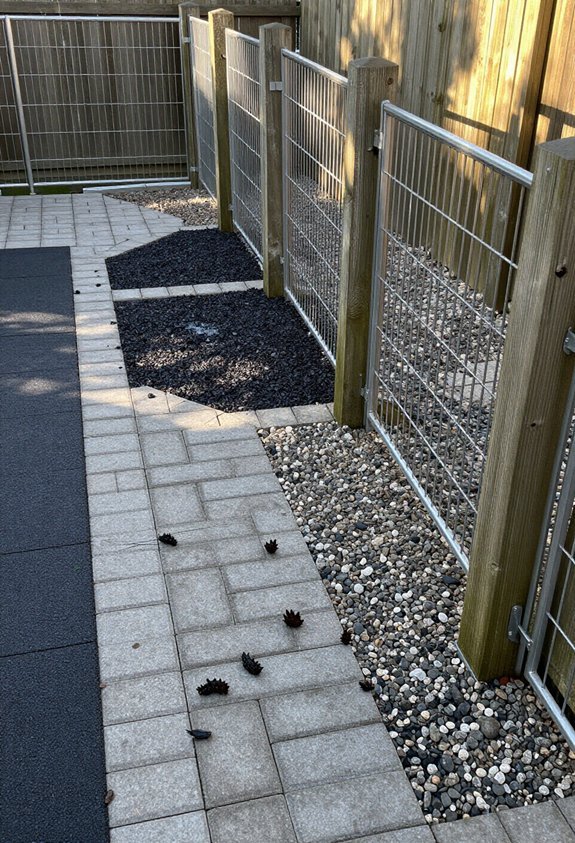
The foundation of a functional dog run depends on selecting appropriate flooring materials that work together to manage both the wear and tear from active dogs and the drainage of water, urine, and other liquids that accumulate in outdoor enclosures. Combining gravel with permeable pavers creates an effective mixed-surface solution, where gravel provides cushioning and drainage while pavers offer defined pathways that prevent mud formation. Alternatively, layering sand beneath artificial turf allows water to permeate downward while offering comfortable footing for dogs. Adding a top layer of rubber mulch increases shock absorption and reduces compaction over time. These combinations work synergistically to maintain a clean, hygienic environment that minimizes odors and bacterial growth while extending the lifespan of the dog run’s structural components.
Automatic Waste Stations: Contain Mess in One Spot
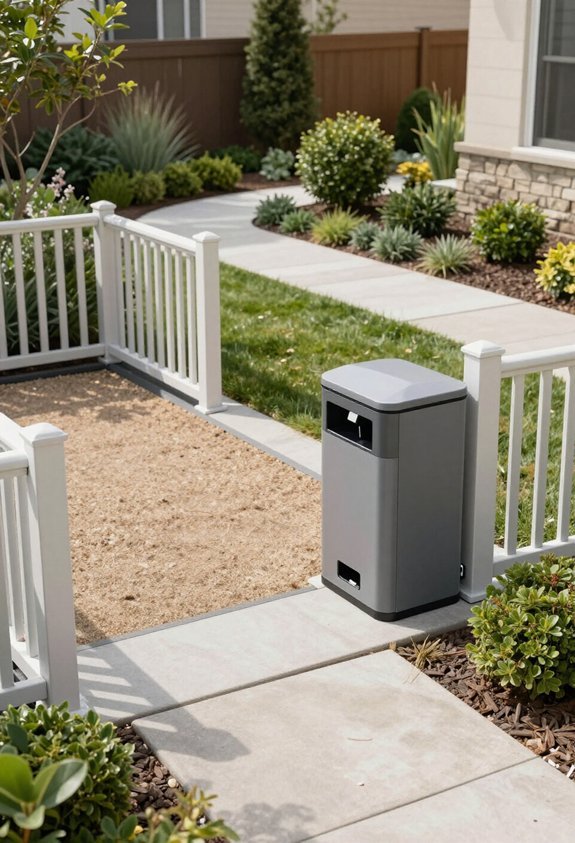
Most dog owners struggle with managing waste in outdoor enclosures, as dogs naturally eliminate in various spots throughout the yard, creating multiple cleanup areas and increasing the likelihood of odor and sanitation problems. Automatic waste stations solve this challenge by concentrating elimination in a designated location, which notably reduces scattered waste throughout the dog run. These systems typically feature artificial turf or grated surfaces positioned over drainage channels that direct liquid waste away from the area, while solid waste collects in removable trays beneath the grates. Installing an automatic waste station in a corner or designated zone encourages dogs to use that specific spot consistently through positive reinforcement and repeated exposure. This centralized approach streamlines daily maintenance, minimizes odor spread, and maintains superior hygiene standards throughout the entire side yard space.
Odor Control for Dog Runs: Keep Neighbors Happy
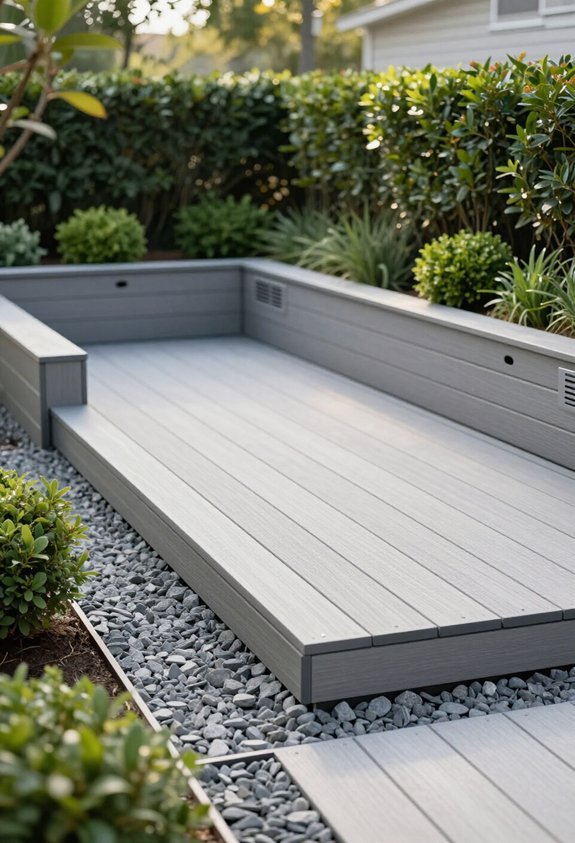
Unpleasant odors emanating from dog runs can quickly create tension between neighbors and diminish the enjoyment of outdoor spaces for everyone nearby, making odor control an essential consideration for any side yard dog enclosure. Proper drainage systems prevent urine and waste from accumulating in low spots where bacteria thrive and produce foul smells. Installing permeable paving materials, such as gravel or porous concrete, allows liquids to drain efficiently while reducing moisture buildup. Regular removal of solid waste, ideally daily, considerably decreases odor development before decomposition begins. Adding enzyme-based cleaners designed for pet waste breaks down organic matter at a molecular level, neutralizing smells naturally. Strategic placement of vegetation, particularly aromatic plants like lavender or rosemary, can mask residual odors while enhancing the yard’s aesthetic appeal.
Water Features: Shallow Bowls and Splash Zones
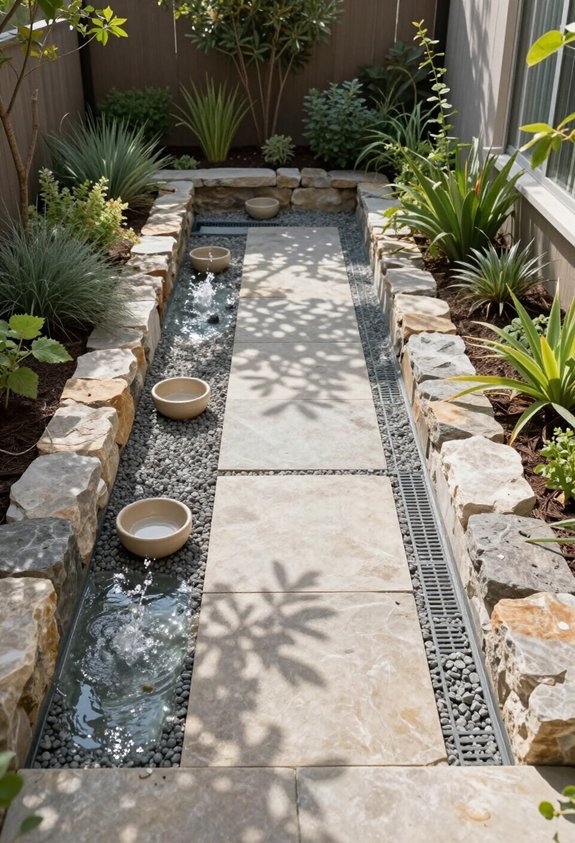
Hydration and recreation combine effectively when water features are incorporated into side yard dog runs, providing dogs with essential drinking access while offering relief during warm weather. Shallow bowls positioned throughout the space allow dogs to drink conveniently without requiring constant supervision or trips inside the house. Splash zones, created with small pools or fountains, encourage natural cooling behaviors while stimulating physical activity and mental engagement. These features should be maintained regularly to prevent stagnation and bacterial growth, ensuring water remains fresh and safe for consumption. Drainage systems beneath water features prevent muddy conditions and reduce odor problems in the surrounding area. Durable, non-toxic materials suitable for outdoor use guarantee longevity and safety, making water features a practical investment in canine comfort and yard functionality.
Dog-Proof Perimeter Plants: Landscaping That Survives Constant Use
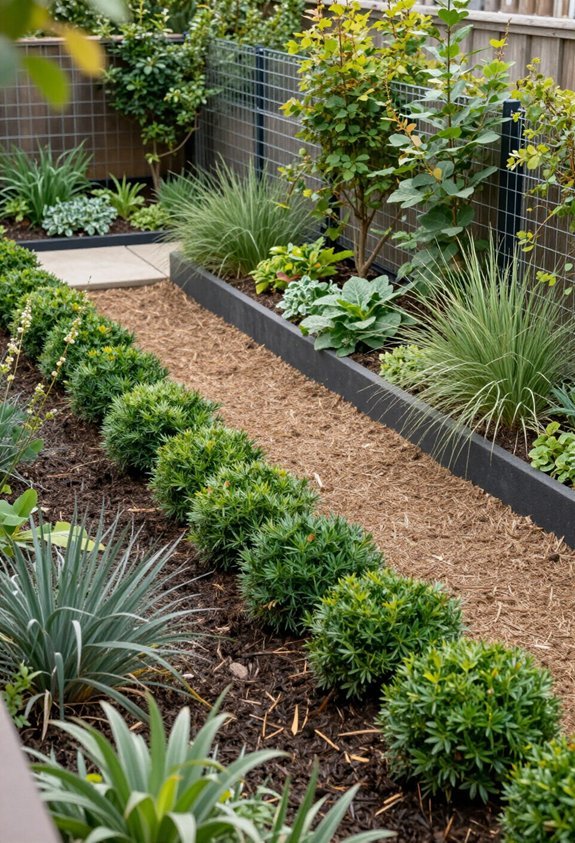
Beyond water features and recreational areas, the landscaping choices surrounding a dog run greatly impact both the yard’s appearance and its long-term functionality, since dogs frequently dig, run, and mark territory along perimeter edges where plants are typically located. Selecting hardy, dog-resistant plants requires understanding which species tolerate foot traffic, urine damage, and soil disturbance. Ornamental grasses, shrubs like boxwood and privet, and ground covers such as clover withstand heavy use while maintaining visual appeal. Avoiding toxic plants, including sago palm and foxglove, guarantees pet safety. Installing raised beds or bordered plant sections creates defined boundaries that protect vegetation while allowing dogs designated running areas. Sturdy root systems and quick-regenerating foliage prove essential for long-term landscape survival in active dog environments.
Strategic Placement: Corner and Fence-Line Positioning
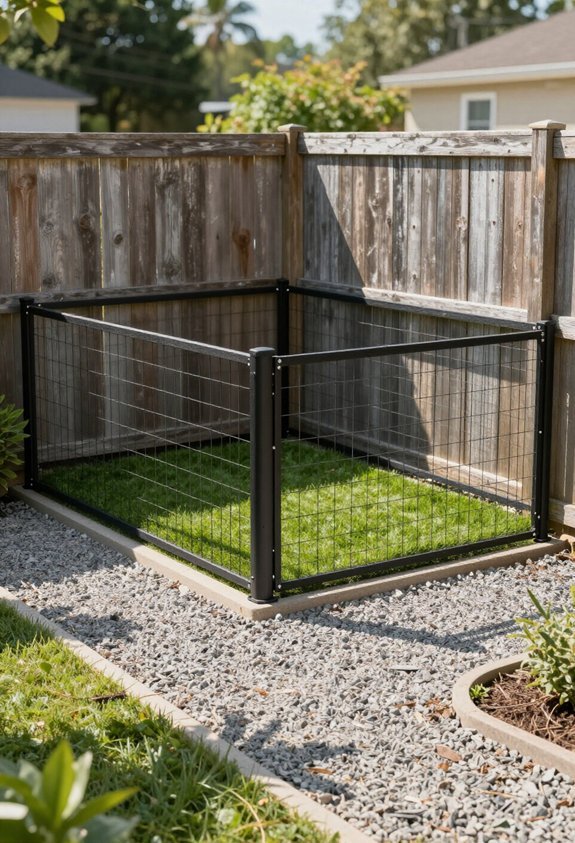
While the overall layout of a dog run matters considerably, the specific positioning of features along corners and fence lines determines how effectively the space functions for both dogs and owners. Corner areas serve as natural gathering spots where dogs frequently congregate, making them ideal locations for water bowls and shaded rest areas. Fence lines benefit from strategic placement of waste stations positioned at regular intervals, allowing owners convenient access without crossing the entire run. Installing climbing structures and play equipment along fence perimeters maximizes usable space while preventing dogs from focusing excessively on boundary barriers. Benches positioned at corners provide owners with sightlines spanning the entire yard, enabling effective supervision. Thoughtful placement of these elements creates functional zones that accommodate both active play and passive observation areas throughout the dog run.
Low-Maintenance Upkeep: Monthly Cleaning and Seasonal Tasks
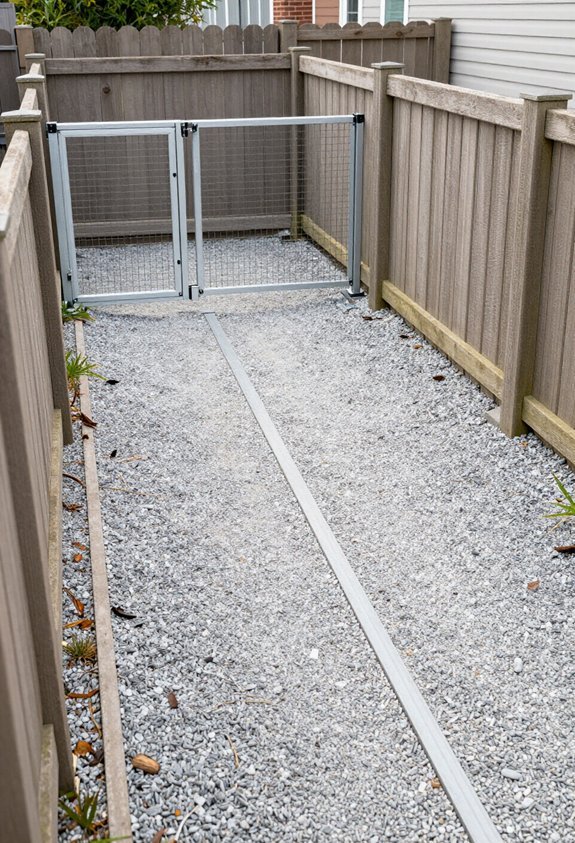
Establishing a consistent maintenance schedule guarantees that dog runs remain clean, safe, and functional throughout the year without requiring excessive effort or expense. Monthly cleaning tasks include removing accumulated waste, raking debris, and inspecting fencing for damage or wear. During spring, homeowners should repair any winter damage, refresh ground coverings, and treat wood surfaces against weathering. Summer maintenance involves managing overgrown vegetation and ensuring proper drainage during heavy rainfall. Fall requires clearing fallen leaves and preparing structures for winter conditions. Winter tasks focus on monitoring drainage and removing snow accumulation that could damage fencing. By following this structured approach, dog run owners prevent costly repairs, reduce pest problems, and provide their dogs with a consistently hygienic outdoor space year-round.
Modular Design: Building a Run You Can Adapt or Remove Later
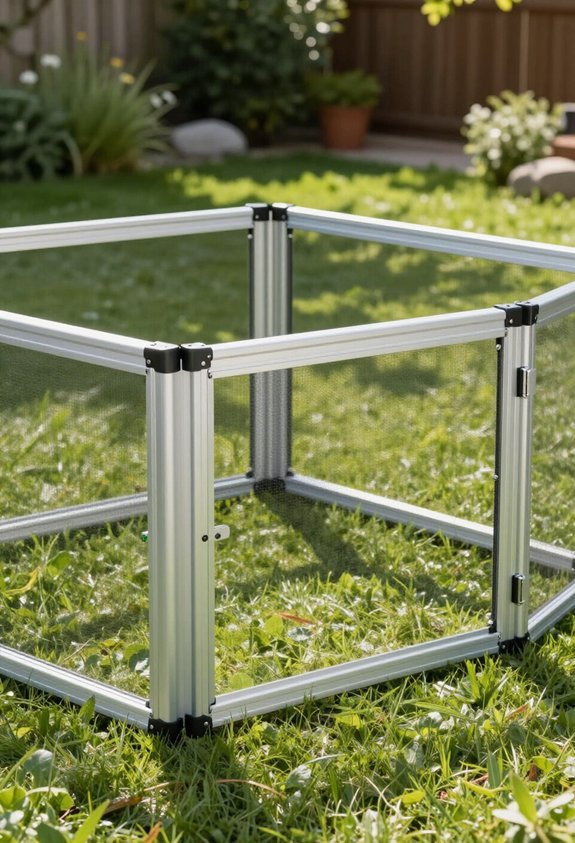
A modular dog run functions like a set of building blocks that homeowners can rearrange, expand, or dismantle without permanent damage to their yard or property. This flexible approach uses removable panels, lightweight fencing, and non-permanent fastening systems instead of concrete foundations or deep ground anchors. Homeowners can adjust the run’s size as their dog grows or as their landscaping needs change, making it an adaptable investment for evolving situations. When relocating or removing the structure entirely, the side yard returns to its original state with minimal restoration required. Modular designs typically feature interlocking components or bolt-together sections that allow for quick reconfiguration. This practical method combines convenience with budget-consciousness, eliminating costly renovation expenses if future yard modifications become necessary.
Frequently Asked Questions
What Size Dog Run Do I Need for My Dog’s Breed and Energy Level?
A dog’s required run size depends on breed dimensions and exercise needs. Small breeds need 50-100 square feet, medium breeds 100-200 square feet, and large breeds 200+ square feet. High-energy dogs benefit from larger spaces.
How Often Should I Replace Ground Cover Materials in a Dog Run?
Ground cover materials in dog runs typically require replacement every 6-12 months, depending on usage intensity, weather conditions, and material type. High-traffic areas may need more frequent updates to maintain hygiene and safety standards.
Can I Use a Dog Run on Rental Property Without Permanent Installation?
Yes, portable dog runs work well on rental properties. Temporary installations like ground-level pens, movable fencing, and removable ground covers require no permanent modifications, making them ideal solutions for tenants seeking landlord-approved pet containment options.
What’s the Best Way to Prevent Dogs From Escaping or Digging Under Fencing?
Dogs can be contained by burying fencing eighteen inches deep to prevent digging. Adding angled extensions outward deters tunneling further. Regularly inspecting perimeter integrity and removing escape temptations maintains security effectively.
How Do I Winterize My Dog Run for Cold and Snowy Climates?
One should install heated water bowls to prevent freezing, add insulated dog shelters, lay straw or wood chips for ground insulation, and guarantee proper drainage to avoid ice accumulation in the run.
Conclusion
Creating a tidy dog run requires selecting appropriate ground cover, installing proper drainage systems, and choosing durable materials that withstand constant use. Combining gravel, artificial turf, or concrete with strategic fencing and dog-proof plants establishes a functional space that remains clean and manageable. Regular maintenance routines and modular design elements allow owners to adapt their setup as needed, ensuring a practical, long-lasting environment for their dogs.