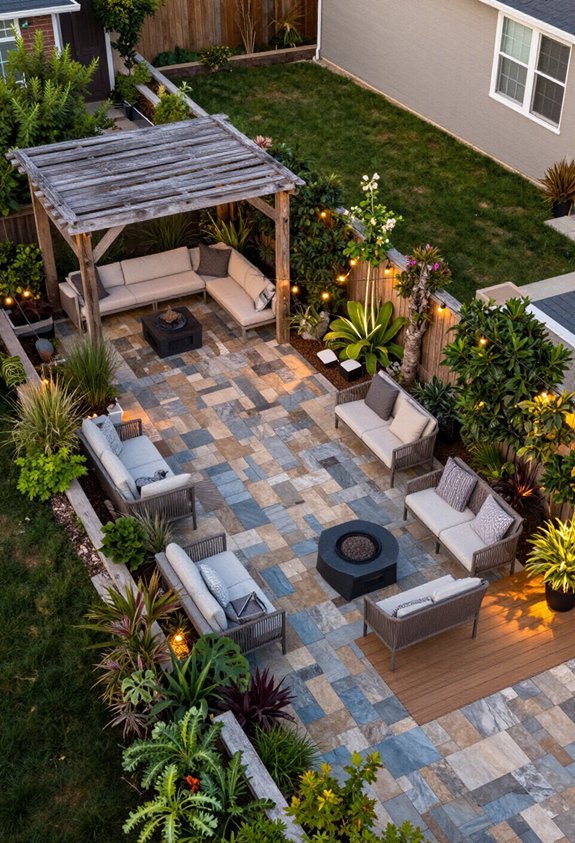
Patios aren’t simply hardscaped surfaces. They’re architectural statements that define how you interact with your outdoor environment and how your home transitions to the landscape beyond. The material you select, the shape you choose, the way you position it on your property, and the elements you pair it with all contribute to whether a patio feels like an afterthought or an integral part of your home’s design. Understanding these foundational decisions allows you to create a patio that works at every scale, from modest compact yards to expansive properties. These twenty-eight concepts showcase successful patio approaches across different styles, budgets, and property types.
Assess Your Space: Patios for Every Size and Budget
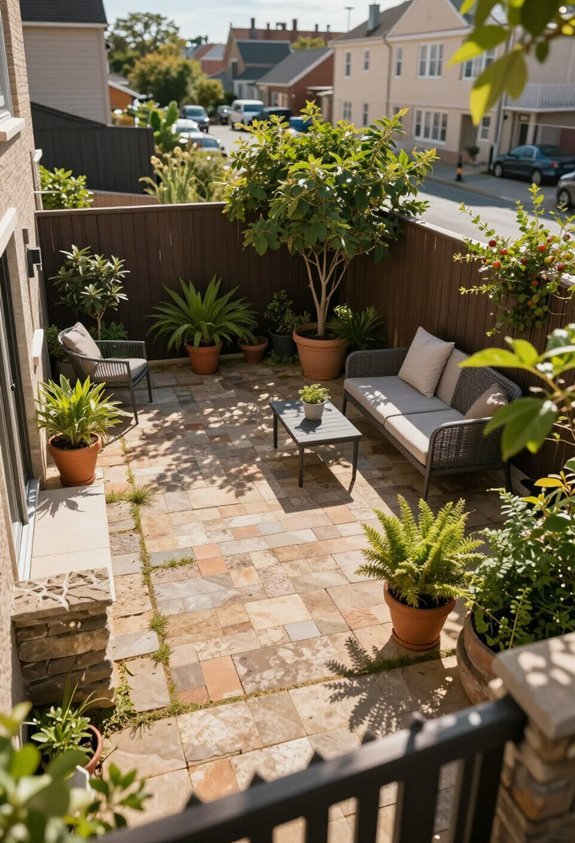
Before designing a backyard patio, homeowners should carefully scrutinize the available space and determine a realistic budget, as these two factors will shape every decision that follows in the planning process. Small yards benefit from compact patio designs using materials like pavers or gravel, while larger spaces accommodate expansive layouts with multiple seating areas and features. Budget considerations influence material selection, with concrete offering affordability and stone providing durability at higher costs. Homeowners working with limited funds can prioritize essential elements first, such as a basic seating area, then add enhancements gradually over time. Conversely, those with substantial budgets can incorporate elaborate designs featuring built-in seating, fire pits, or water features. Accurately evaluating both space and finances prevents costly mistakes and guarantees the final patio meets functional and aesthetic needs effectively.
Also read: 23+ BACKYARD WEDDING Ideas That Feel Magical!
Choose Your Foundation: Pavers, Gravel, and Decking
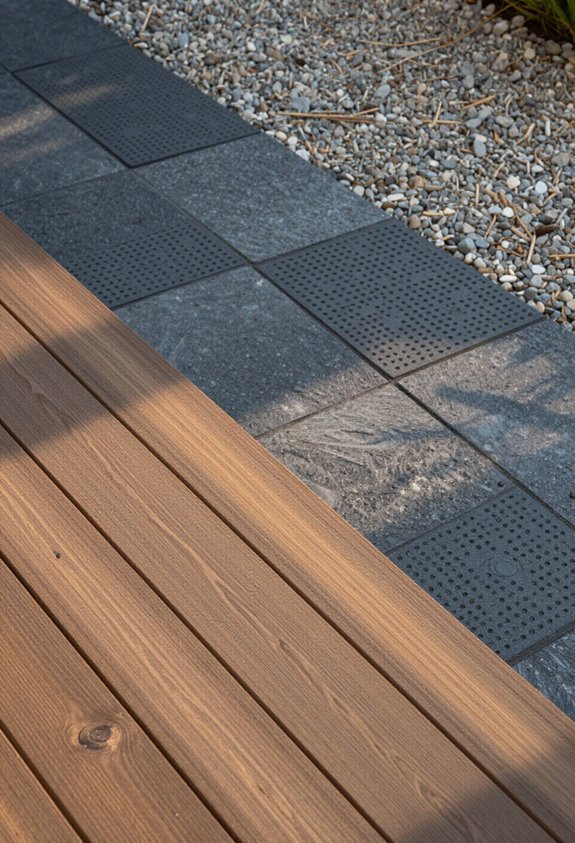
The foundation of any patio serves as both its structural base and visual anchor, making the material selection one of the most important decisions homeowners will make during the design process. Pavers offer durability and customizable patterns, available in concrete, brick, or stone, allowing homeowners to create distinctive designs while ensuring long-lasting performance. Gravel provides an affordable, low-maintenance option that drains quickly, though it requires periodic raking and replacement. Composite decking combines wood aesthetics with modern durability, resisting rot and insect damage while offering comfortable underfoot experiences. Each foundation type presents distinct advantages regarding installation complexity, maintenance requirements, budget constraints, and aesthetic appeal, requiring careful consideration of individual priorities and site conditions before final selection.
Modern Minimalist Patios: Clean Lines and Simple Elegance
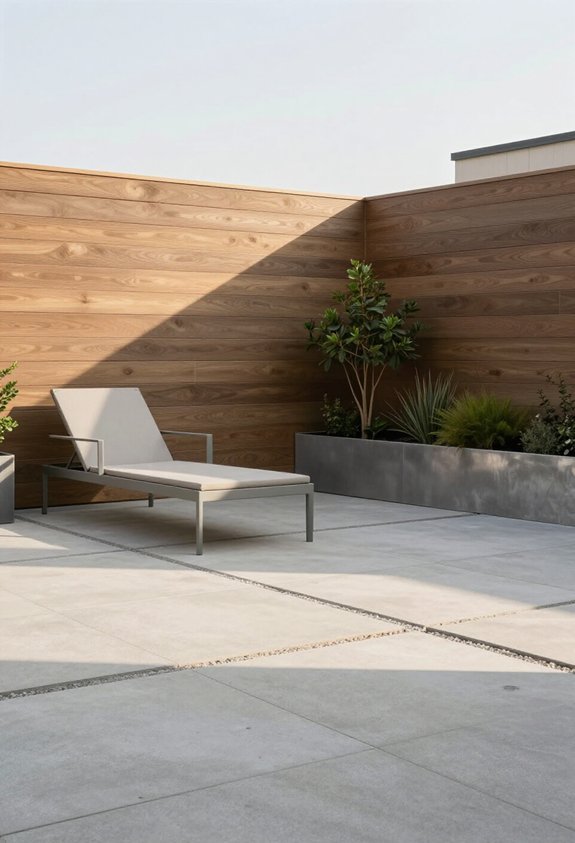
Once homeowners have selected their foundation material, they can begin shaping the overall aesthetic of their outdoor space through design choices that reflect their personal style and preferences. Modern minimalist patios emphasize clean lines, simple geometry, and uncluttered layouts that create a sense of calm and order. This design philosophy involves selecting neutral color palettes, such as grays, blacks, and whites, paired with natural materials like concrete, steel, and stone. Furniture should be functional and streamlined, avoiding ornate details or excessive decoration. Landscaping elements remain sparse and intentional, often featuring architectural plants or thoughtfully placed greenery rather than dense plantings. Lighting plays a significant role, with minimalist designs incorporating subtle fixtures that provide both ambiance and functionality. This approach creates sophisticated outdoor spaces that feel contemporary, peaceful, and visually balanced.
Cottage Garden Patio Vibes: Cozy Intimate Spaces
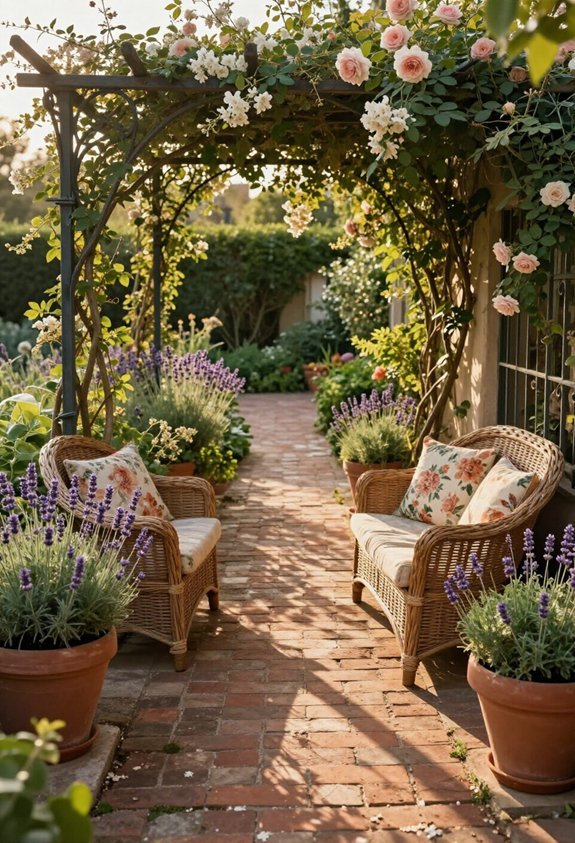
Cottage garden patios represent a design philosophy that contrasts sharply with minimalist approaches by embracing abundance, warmth, and nostalgic charm through layered plantings, vintage furnishings, and romantic aesthetics. These intimate spaces prioritize comfort and character over stark simplicity, featuring weathered wooden benches, wrought-iron seating, and reclaimed architectural elements that tell stories of the past. Dense flower beds bursting with roses, lavender, and clematis create natural privacy screens while perfuming the air. Soft lighting from vintage lanterns and string lights establishes a welcoming ambiance for evening relaxation. Stone or brick pathways wind organically through the space, encouraging exploration and discovery. This design approach transforms patios into personal retreats where occupants experience sensory richness, emotional connection, and peaceful seclusion from the outside world.
Mediterranean Patio Designs: Warm Colors and Rustic Materials
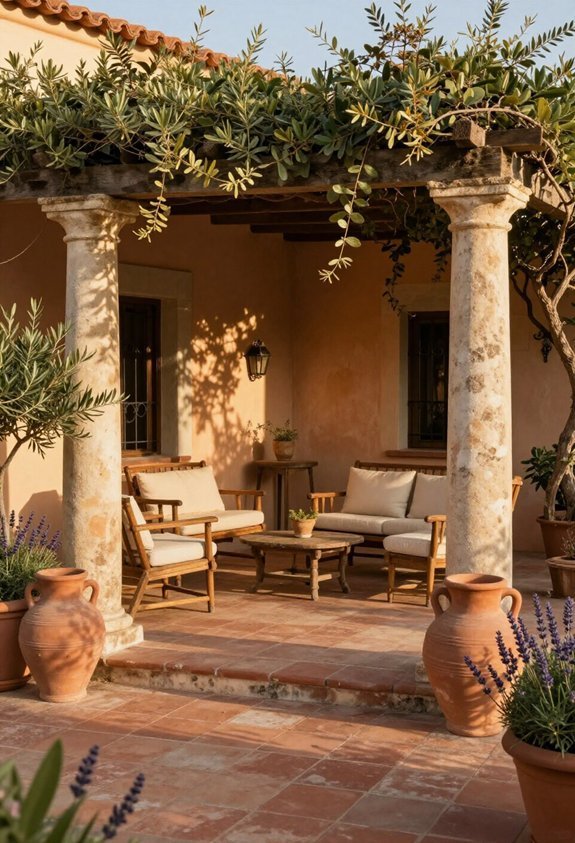
Warmth and rustic authenticity define Mediterranean patio designs, which draw inspiration from the sun-drenched regions surrounding the Mediterranean Sea and translate that coastal European aesthetic into outdoor living spaces through deliberate color choices and material selections. Terracotta tiles, natural stone, and weathered wood form the foundational materials that create durability and visual warmth. Warm color palettes featuring terracotta, ochre, cream, and deep blues establish the characteristic Mediterranean atmosphere. Wrought iron furniture and clay planters enhance the authentic regional feel. Incorporating elements like stone archways, rustic pergolas, or fountain features strengthens the design’s connection to traditional Mediterranean architecture. These design choices collectively produce outdoor spaces that evoke relaxation and timeless elegance while remaining practical for everyday use and entertaining guests throughout seasons.
Japanese Zen Patios: Tranquil Retreat Aesthetics
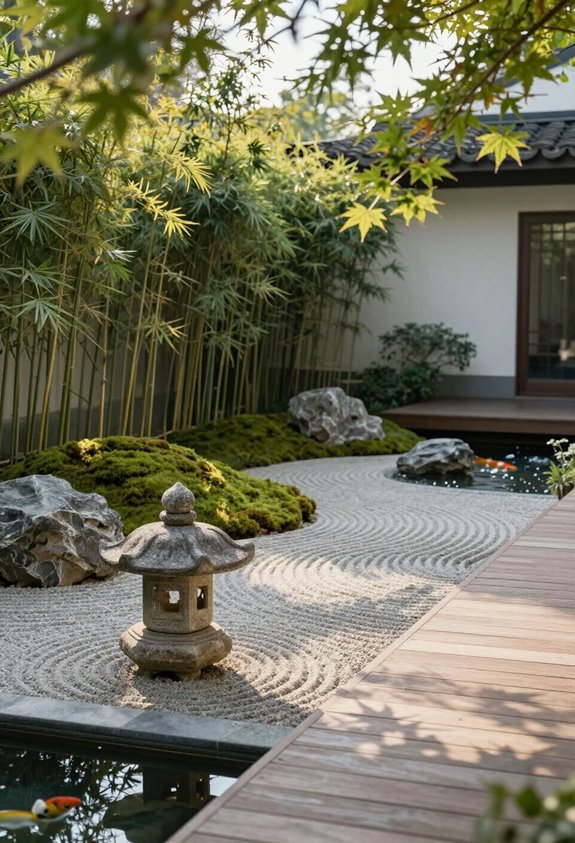
Japanese Zen patios represent a fundamentally different approach to outdoor design, one that prioritizes simplicity, balance, and the creation of peaceful environments through carefully considered spatial arrangements and natural elements. These spaces feature clean lines, minimalist plantings, and strategic use of gravel, stone, and water features that work together to promote relaxation and contemplation. Key design elements include rock gardens, where stones symbolize mountains and islands, along with carefully pruned plants and trees that maintain refined silhouettes. Water elements such as fountains or small ponds introduce movement and sound, enhancing the meditative quality of the space. Pathways made from stepping stones guide visitors through the patio, encouraging slow, intentional movement and deeper engagement with the environment.
Tropical Patio Paradise: Lush Greenery and Exotic Plants
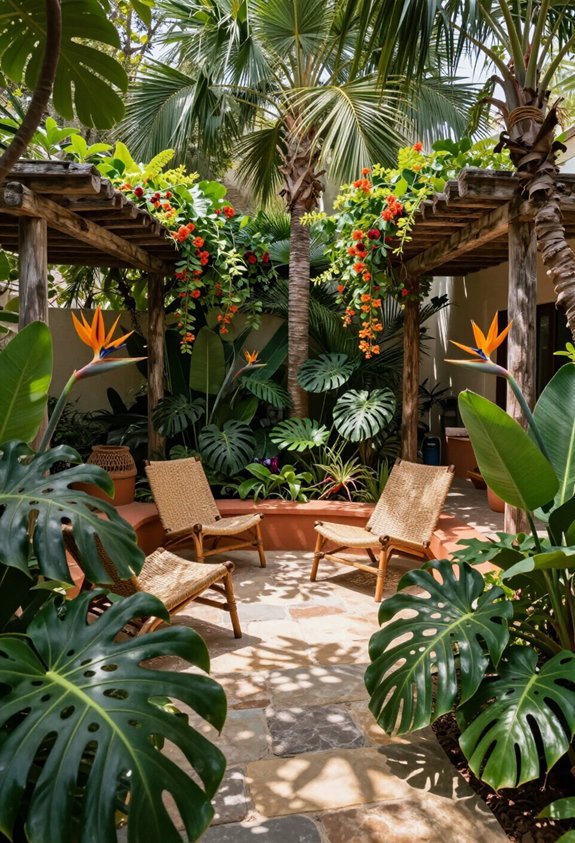
Where Japanese Zen patios embrace restraint and minimalism, tropical patios take an entirely opposite approach by celebrating abundance, vibrant colors, and the exuberant diversity of plant life found in warm climates around the world. Creating a tropical patio paradise requires selecting lush plants such as hibiscus, bird of paradise, and elephant ears, which thrive in humid environments and provide visual interest through their striking foliage and blooms. Layering vegetation at different heights creates depth and dimension, while incorporating water features like fountains or small ponds enhances the authentic tropical atmosphere. Strategic placement of shade structures allows visitors to enjoy the space comfortably during hot seasons, and incorporating natural materials such as stone pathways and wooden accents complements the organic aesthetic, transforming any backyard into an immersive tropical escape.
Industrial Chic Patios: Metal and Concrete Elements
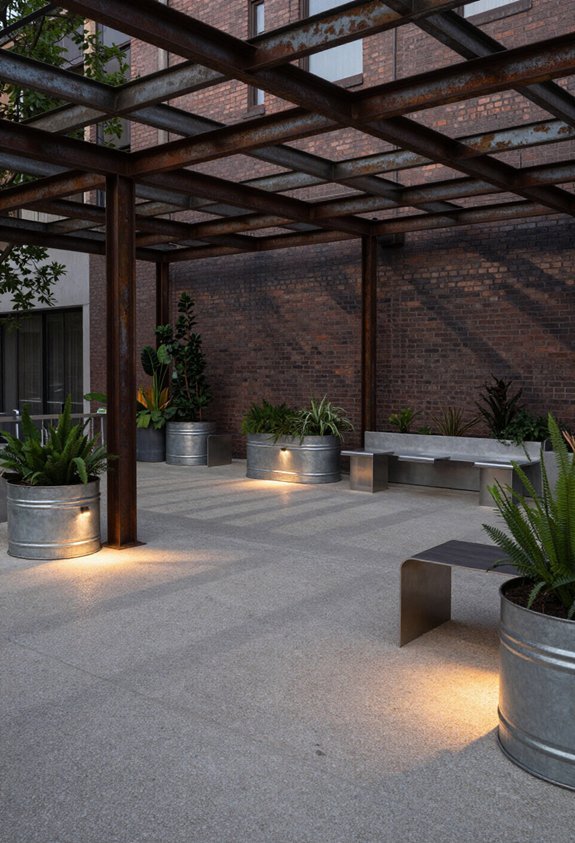
Industrial chic patios represent a stark departure from the ornate and nature-focused designs of tropical spaces, instead drawing inspiration from urban warehouses and factories by emphasizing raw materials, geometric forms, and a deliberate aesthetic of function over decoration. Metal fixtures, including steel railings, iron planters, and aluminum furniture, form the foundational elements of this design approach. Concrete surfaces, either polished or textured, create durable flooring that withstands weather while providing a neutral backdrop for other design components. Exposed brick, weathered wood beams, and utilitarian lighting fixtures enhance the industrial atmosphere. This style prioritizes practicality and durability over ornamental details, making it an excellent choice for homeowners seeking low-maintenance outdoor spaces. The combination of these elements produces patios that feel contemporary, sophisticated, and distinctly urban-inspired.
Bohemian Patio Living: Eclectic Patterns and Relaxed Vibes
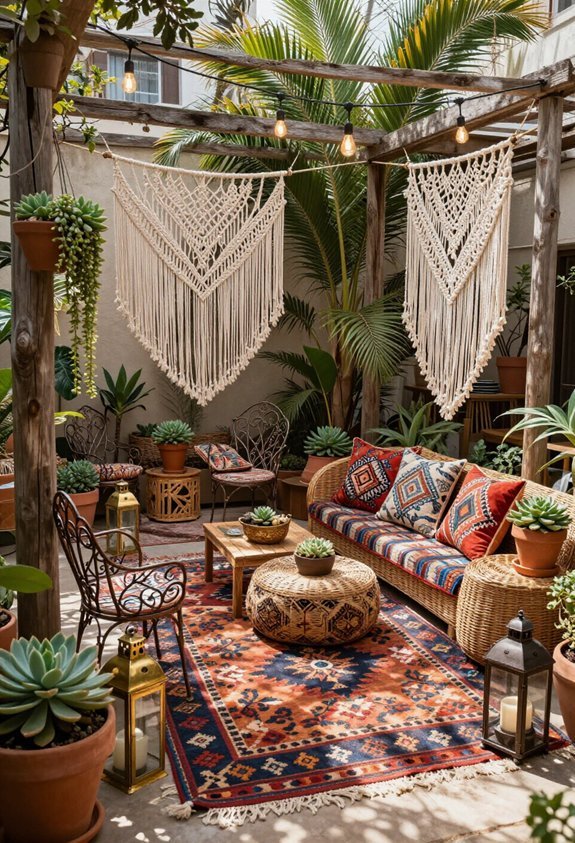
Bohemian patio living embodies a free-spirited approach to outdoor design that celebrates individuality, cultural diversity, and artistic expression through the deliberate layering of eclectic patterns, textures, and colors. This design style prioritizes comfort and personal authenticity over rigid aesthetic rules, encouraging homeowners to combine vintage furniture, handwoven rugs, and mismatched cushions in warm, earthy tones. Plants in macramé hangers and potted flowers create organic movement throughout the space, while string lights and lanterns provide ambient evening lighting. Low seating arrangements, such as floor cushions and poufs, foster intimate gathering spaces that invite relaxation and conversation. Incorporating global textiles, decorative tapestries, and artisanal accessories further enhances the bohemian atmosphere, transforming patios into personalized retreats that reflect individual taste and cultural appreciation.
Add Seating and Storage: Maximize Function and Style
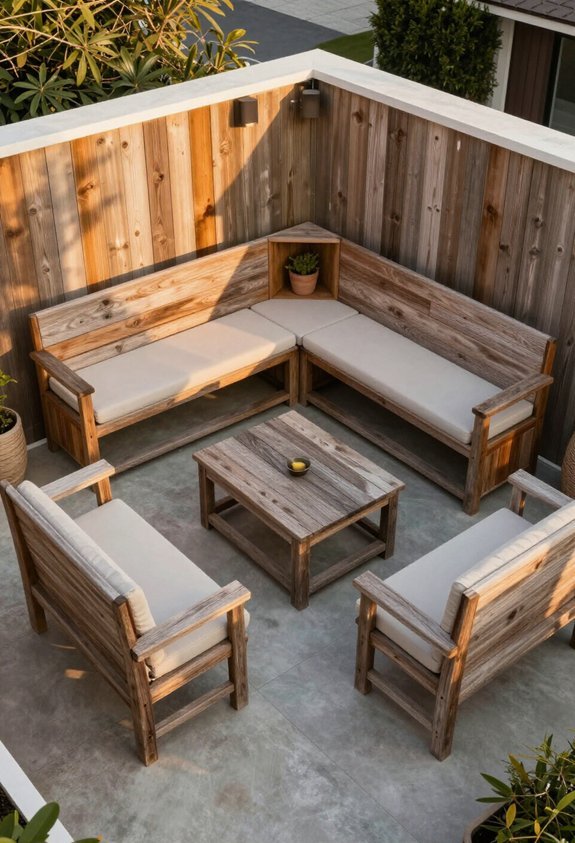
Strategic placement of seating and storage solutions transforms a patio from a simple outdoor space into a functional living area that serves multiple purposes while maintaining visual appeal. Homeowners should consider multi-functional furniture pieces, such as benches with built-in storage compartments or ottomans that conceal cushions and garden tools, which maximize limited square footage. Selecting weather-resistant materials guarantees durability and reduces maintenance requirements across seasons. Arranging seating in conversational groupings encourages social interaction while organizing storage strategically near entryways and activity zones improves accessibility. Vertical storage solutions, including wall-mounted shelves and hanging planters, preserve ground space for movement and relaxation. Coordinating colors and materials between seating and storage creates visual cohesion, transforming functional elements into intentional design features that enhance both utility and aesthetic appeal.
Fire Pits as Focal Points: Gathering Spaces for Cool Evenings
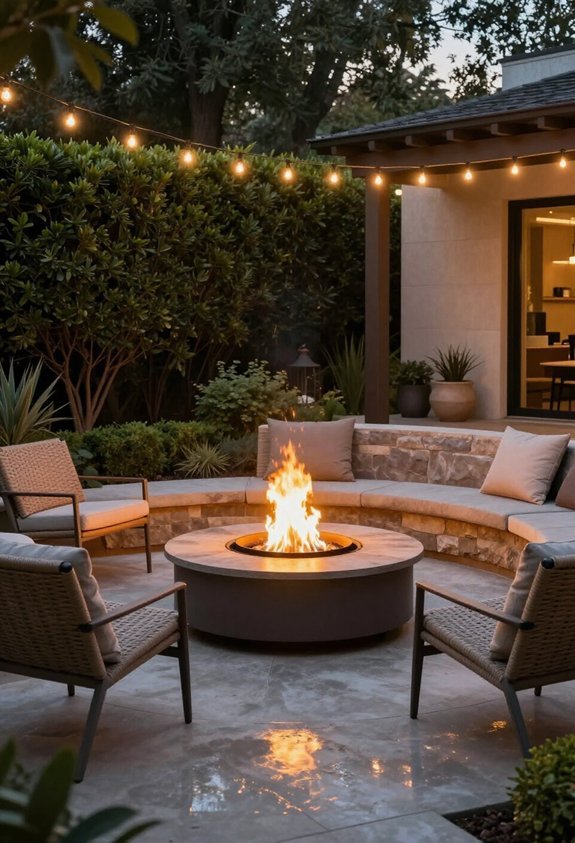
How can a single outdoor feature transform a patio into an inviting gathering space that extends usability throughout the cooler months? Fire pits serve as functional focal points that draw people together while providing warmth and ambiance during evening hours. When strategically positioned in a patio layout, fire pits create natural gathering zones where families and friends can congregate comfortably. Built-in fire pits constructed from stone or metal offer permanent solutions, while portable options provide flexibility for smaller spaces. Surrounding seating arrangements, such as benches or chairs, maximize the social functionality of the fire pit area. Safety considerations include maintaining proper clearance from structures and vegetation, ensuring adequate ventilation, and establishing clear boundaries for younger visitors. Properly designed fire pit areas extend outdoor entertainment seasons considerably.
Patio Kitchens: Cooking and Entertaining in Style
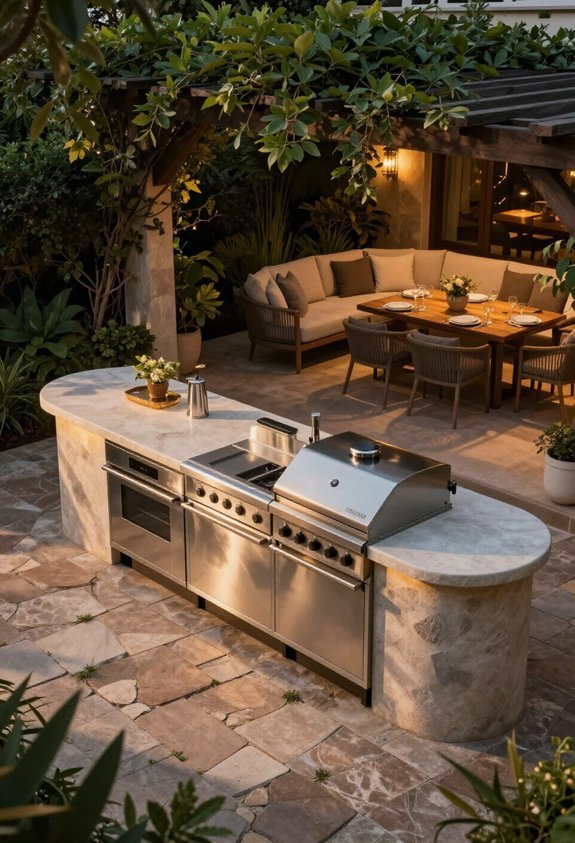
While fire pits create warmth and gathering spaces during cooler months, patio kitchens elevate outdoor entertainment by combining cooking functionality with sophisticated design, allowing homeowners to prepare and serve meals without leaving their outdoor living areas. These outdoor kitchens typically feature built-in grills, countertops, storage cabinets, and sometimes refrigeration units, creating a complete cooking station. Homeowners can choose from various materials, including stainless steel, stone, and weather-resistant wood, ensuring durability against outdoor elements. Strategic placement near the main patio area facilitates easy guest interaction and meal service. Proper lighting and ventilation enhance both safety and comfort during evening entertaining. Incorporating a patio kitchen transforms outdoor spaces into functional entertainment hubs, enabling hosts to cook, serve, and socialize simultaneously.
Dining Areas That Inspire: Tables and Seating for Every Occasion
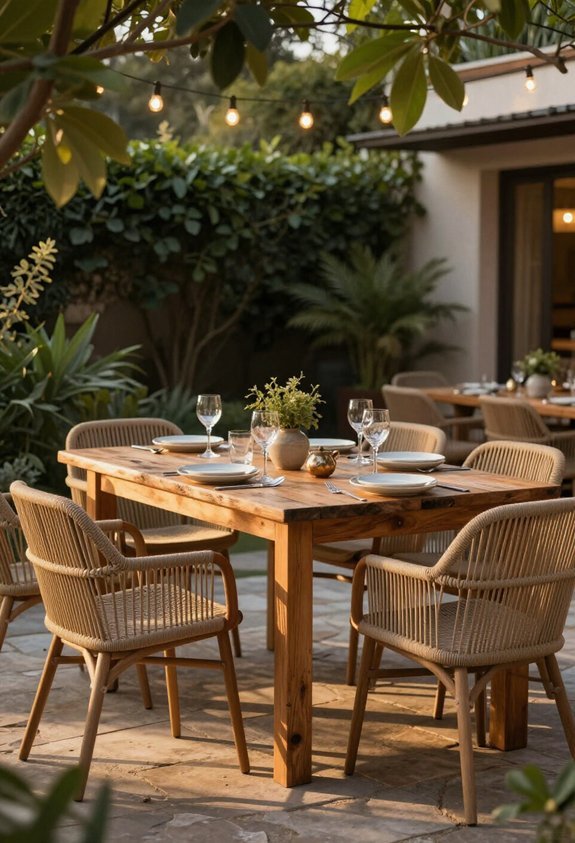
Once the patio kitchen provides the means to prepare meals outdoors, thoughtful dining arrangements become the next consideration for creating a complete outdoor entertainment space. Selecting appropriate tables and seating requires evaluating both the available space and the frequency of gatherings, since different occasions demand different configurations. Expandable tables accommodate varying guest counts, while fixed tables provide stability and permanence. Seating options range from traditional chairs to built-in benches, each offering distinct advantages regarding comfort and space efficiency. Weather-resistant materials guarantee durability, protecting investments from rain, sun, and temperature fluctuations. Proper table height, typically 28 to 30 inches, allows comfortable dining, while adequate spacing between seats, approximately 24 inches, promotes easy movement. Arranging dining areas near the kitchen minimizes travel distances, streamlining meal service and enhancing the overall entertainment experience.
Create Shade: Pergolas, Umbrellas, and Awnings
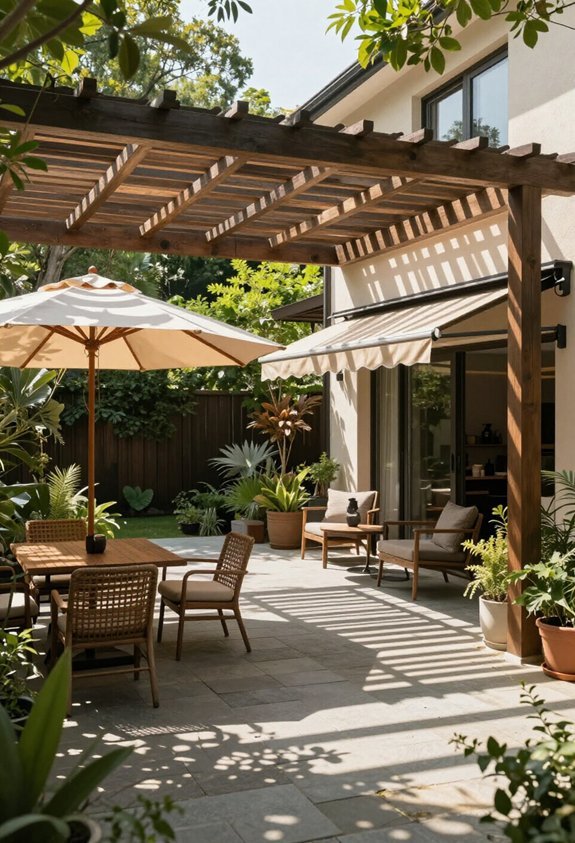
After establishing dining and kitchen areas, creating adequate shade becomes essential for extending outdoor patio use throughout the day and protecting occupants from harmful ultraviolet rays and excessive heat. Pergolas offer a semi-permanent solution, providing partial shade while allowing airflow and creating an attractive architectural feature that defines outdoor spaces. Umbrellas deliver portable, adjustable shade options suitable for various patio sizes and layouts, requiring minimal installation effort. Awnings, whether retractable or fixed, mount directly to structures and provide reliable, long-lasting coverage for designated areas. Each option presents distinct advantages regarding durability, aesthetic appeal, and functional benefits. Homeowners should evaluate their specific climate conditions, available space, and budget constraints when selecting shade solutions that best complement their patio design and enhance overall usability.
Light Your Patio After Dark: String Lights, Lanterns, and Fixtures
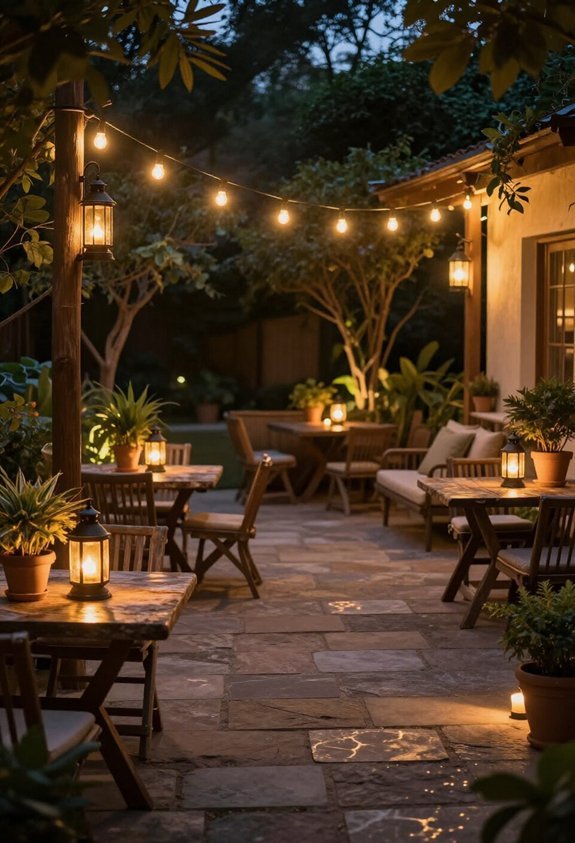
Proper lighting transforms a patio from an unusable space after sunset into an inviting outdoor area that can be enjoyed throughout the evening hours, and homeowners can choose from several effective options to achieve this goal. String lights, which drape overhead between posts or trees, create ambient illumination and establish a warm atmosphere for gatherings. Lanterns, whether hanging or table-mounted, provide focused light while adding decorative appeal. Fixed fixtures, including recessed lights, wall-mounted sconces, and spotlights, offer reliable, permanent solutions for consistent brightness. When selecting lighting, homeowners should consider the patio’s size, intended use, and desired mood, balancing functionality with aesthetics to guarantee the space remains accessible and welcoming after dark throughout the year.
Water Features for Ambiance: Fountains and Ponds
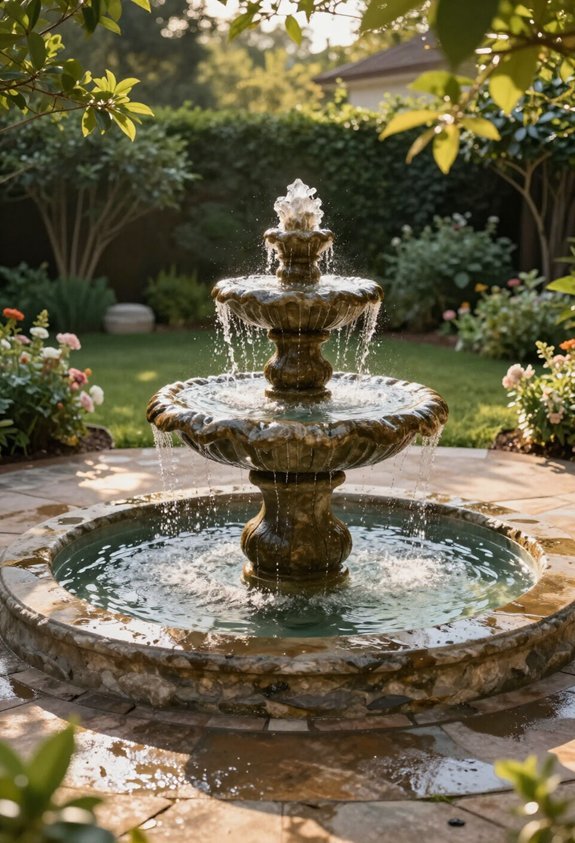
Water features such as fountains and ponds introduce both visual interest and soothing sensory experiences to outdoor patios, transforming them into peaceful retreats that appeal to multiple senses simultaneously. Fountains create focal points while producing calming water sounds that mask unwanted neighborhood noise, making patios more relaxing environments. Ponds support aquatic plants and fish, adding dynamic movement and natural beauty to outdoor spaces. When selecting water features, homeowners should consider their patio size, maintenance requirements, and available budget. Small tabletop fountains work well for compact areas, while larger installed ponds suit expansive yards. Proper placement near seating areas maximizes the sensory benefits, allowing visitors to fully appreciate both the visual aesthetics and peaceful soundscapes that water features provide to backyard patios.
Vertical Gardens: Grow Greenery on Walls and Trellises
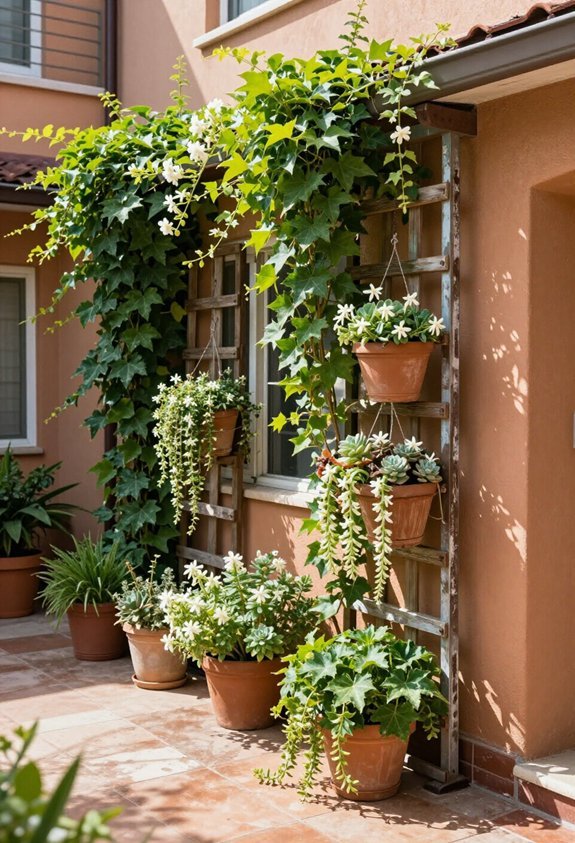
Maximizing limited patio space becomes possible through vertical gardening, a technique that transforms bare walls and structures into thriving plant displays by growing vegetation upward rather than outward. This method involves installing trellises, wall-mounted planters, or hanging baskets that support climbing plants and cascading flowers, creating layers of greenery at various heights. Homeowners can attach containers directly to walls using sturdy brackets or mount lattice frameworks that guide climbing vines upward. Vertical gardens improve air circulation around plants, reduce pest problems, and make maintenance easier by bringing foliage to eye level. Additionally, this approach maximizes sunlight exposure for different plant varieties while adding visual interest and depth to patios. The result transforms compact outdoor spaces into lush, multi-dimensional gardens.
Container Gardens: Portable Plant Displays and Arrangements
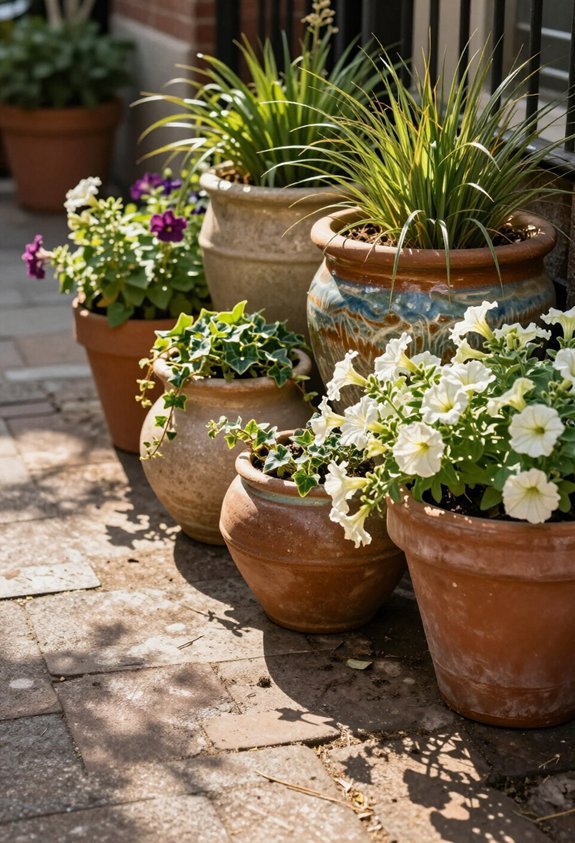
Container gardens offer flexible solutions for patio design, allowing homeowners to arrange plants in movable pots, raised beds, and decorative vessels that can be repositioned based on seasonal changes, sunlight patterns, or design preferences. This adaptability makes container gardening ideal for patios with limited space or varying light conditions throughout the day. Gardeners can select containers in various sizes, materials, and colors to complement their patio aesthetic while accommodating different plant types, from flowering annuals to herbs and vegetables. Proper drainage holes prevent water accumulation, which protects plant roots from rot. Grouping containers of varying heights creates visual interest and depth, while clustering complementary plants together fosters a cohesive garden display. Container gardens require regular watering and seasonal soil refreshment, but offer unmatched flexibility for transforming any patio environment.
Budget Patio Makeovers: DIY Ideas Under $500
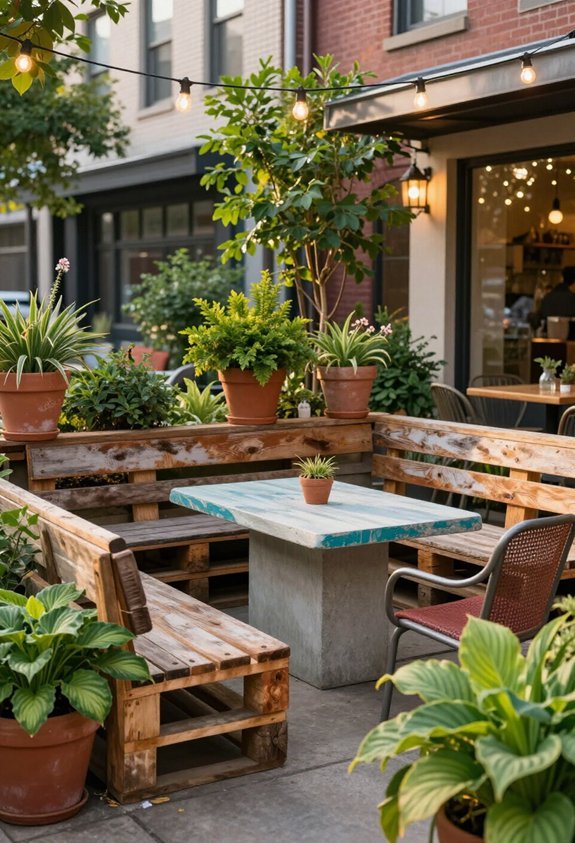
While container gardens provide flexibility and visual appeal through movable plant displays, homeowners seeking to refresh their outdoor spaces may find that even modest budgets can yield dramatic patio improvements when strategic planning and do-it-yourself approaches guide the project. Budget-conscious homeowners can transform patios by repurposing materials, such as painting existing concrete with specialized deck paint, building raised garden beds from untreated wood, or creating seating areas with reclaimed pallets. Adding string lights, installing a basic pergola frame using standard lumber, or laying gravel pathways provides substantial aesthetic upgrades without expensive professional installation. Grouping inexpensive plants strategically, applying fresh mulch, and incorporating handmade decorative elements further enhance the space. These methodical improvements, completed incrementally within a five-hundred-dollar budget, demonstrate that significant outdoor transformations require resourcefulness rather than substantial financial investment.
Family-Friendly Patio Designs: Spaces for Kids and Adults
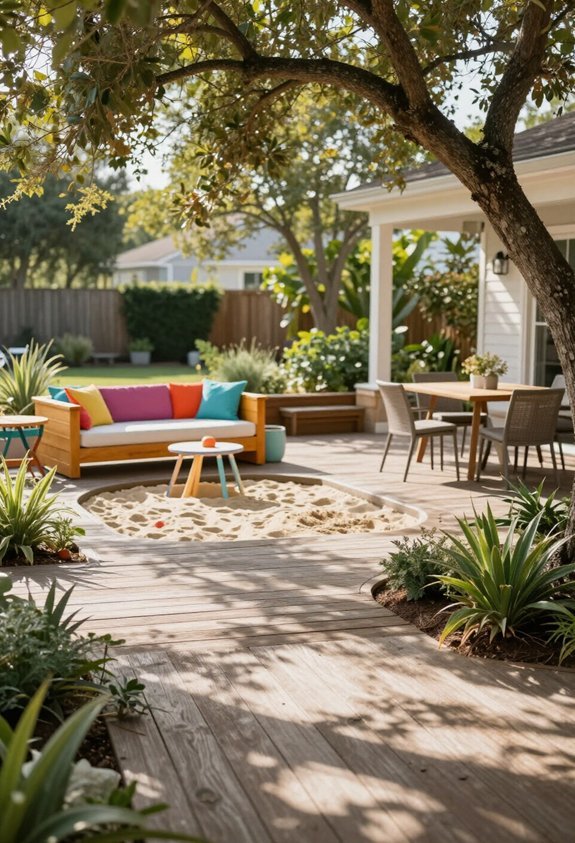
Creating a patio that accommodates both children and adults requires thoughtful zoning and purposeful furniture selection that separates active play areas from relaxation zones. Designers should designate a safe, open section for running and playing, positioned away from seating areas where adults supervise and relax. Durable, low-maintenance materials like concrete or composite decking withstand heavy foot traffic and accidental spills common in family spaces. Installing sturdy railings and removing hazardous objects guarantees child safety. Adding shade structures protects sensitive skin during extended outdoor time. Strategic placement of picnic tables encourages family gatherings, while nearby storage units keep toys and equipment organized. Including water features like shallow fountains or splash pads provides entertainment for younger children, and weather-resistant cushions on adult seating maximize comfort for all ages.
Pet-Proof Patios: Safe Zones for Your Furry Friends
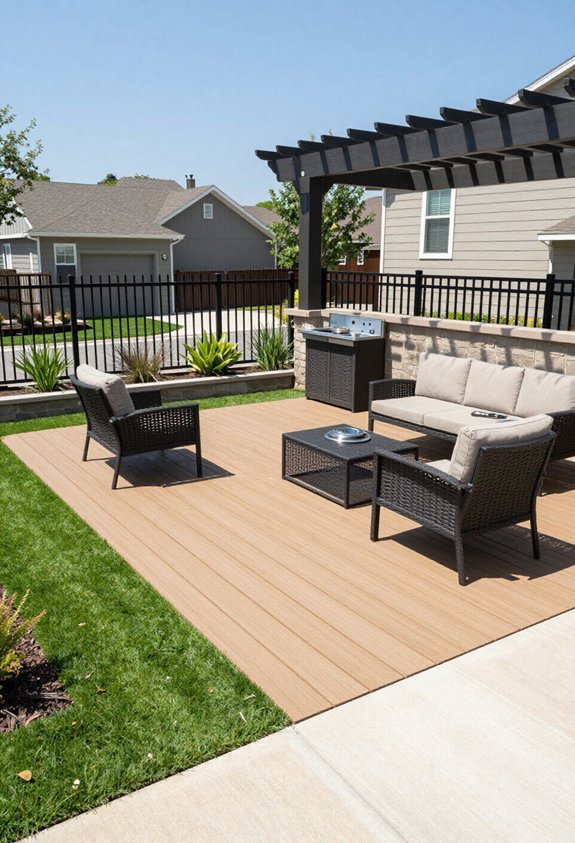
Just as family-friendly patios require careful planning to balance different needs, pet-proof patios demand deliberate design choices that prioritize animal safety while maintaining an attractive outdoor space. Selecting appropriate flooring materials, such as non-slip surfaces or pet-safe pavers, prevents injuries and provides comfortable movement for animals of various sizes. Installing secure fencing with proper height and buried barriers guarantees pets remain contained and protected from external hazards. Choosing non-toxic plants and removing toxic substances like pesticides and certain fertilizers creates a safe environment for exploration. Providing shaded areas with adequate water sources helps regulate pet body temperature during warm months. Incorporating designated potty zones with appropriate surfaces encourages proper bathroom habits, while strategically placing furniture and obstacles creates engaging spaces for physical activity and mental stimulation.
Year-Round Patios: Entertaining in Every Season
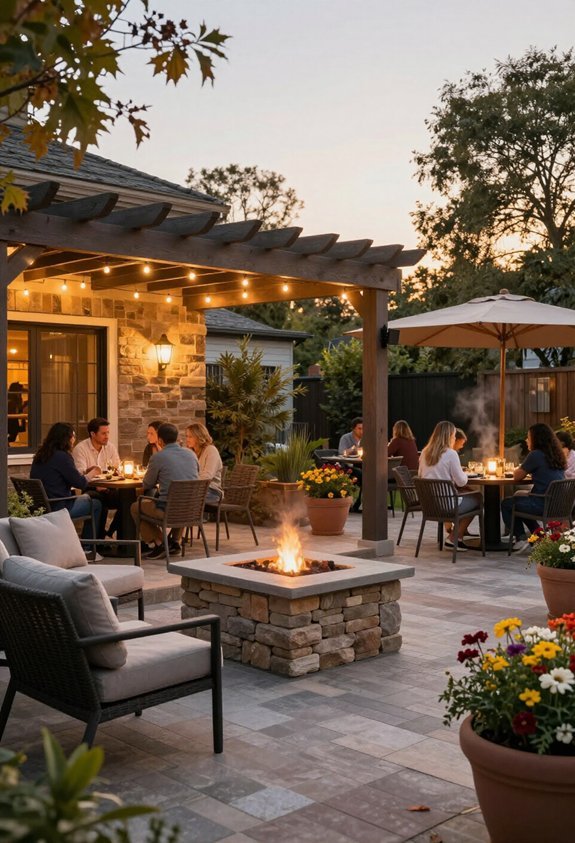
How can homeowners extend their patio enjoyment throughout the entire year rather than limiting outdoor entertaining to just the warmer months? Installing weather-resistant structures like pergolas with retractable covers, shade sails, and fire pits creates comfortable outdoor spaces during cooler seasons. Heating elements such as outdoor heaters, heated seating, and thermal rugs maintain warmth when temperatures drop. During winter months, waterproof furniture and drainage systems protect patios from snow and ice accumulation. Spring and fall entertaining benefits from strategic landscaping with evergreen plants that provide year-round visual interest. Summer requires shade solutions including umbrellas and awnings to keep guests cool. Adding string lights, weatherproof rugs, and appropriate furniture for each season transforms patios into functional spaces regardless of weather conditions, maximizing outdoor living opportunities throughout all twelve months.
Durable Patio Furniture: Weatherproof Pieces That Last
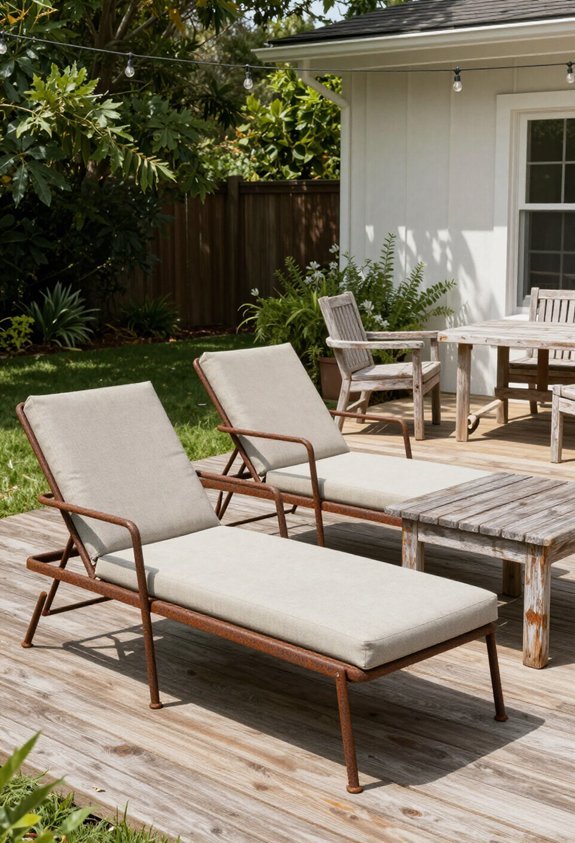
While establishing a year-round patio requires strategic planning with structures and heating elements, the foundation of any successful outdoor space rests on selecting furniture that can withstand the demands of constant exposure to weather and use. Materials like teak, cedar, and aluminum resist rot and rust better than standard wood, making them ideal for outdoor environments. Cushions crafted from solution-dyed acrylic fabrics repel moisture and prevent mildew growth, extending their lifespan considerably. Powder-coated metal frames provide durability while resisting corrosion from rain and humidity. Quality furniture typically features reinforced joints and UV-resistant finishes that prevent fading and structural degradation. Investing in premium outdoor pieces eliminates frequent replacements, ultimately reducing long-term costs while ensuring reliable comfort throughout all seasons.
Privacy Screens and Fencing: Create Your Secluded Retreat
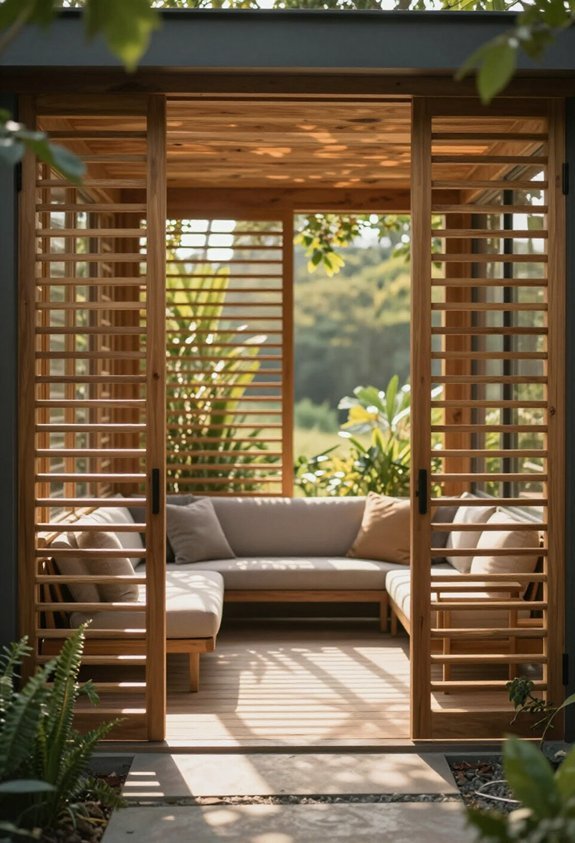
Privacy barriers transform outdoor patios from exposed spaces into intimate retreats by blocking unwanted views and reducing noise from surrounding areas, making them essential components of comfortable backyard living. Homeowners can choose from various materials, including wood fencing, vinyl panels, metal screens, and living hedges, each offering distinct advantages in durability and aesthetics. Wooden fences provide classic appeal but require regular maintenance to prevent rot and weathering. Vinyl options demand minimal upkeep while maintaining appearance over decades. Metal screens offer modern style and excellent visibility control. Living hedges create natural privacy while supporting local wildlife and improving air quality. The selection depends on budget, maintenance preferences, and desired visual impact, allowing property owners to customize their outdoor spaces according to specific needs and preferences.
Minimize Noise: Sound Management for Peaceful Patios
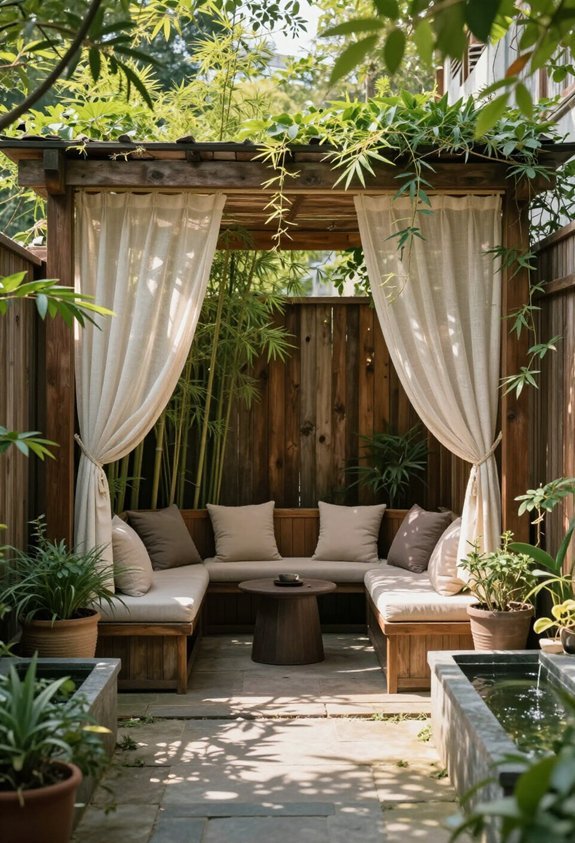
When does a patio cease to be a peaceful retreat and become an uncomfortable space filled with unwanted sounds from traffic, neighbors, and surrounding activity? Strategic sound management transforms noisy outdoor areas into tranquil spaces. Installing sound-absorbing materials like dense shrubs, hedges, and evergreen plants creates natural barriers that reduce noise transmission. Water features, including fountains and small ponds, mask unwanted sounds with their gentle acoustic properties. Hard surfaces such as concrete and wood reflect noise, so combining them with soft materials like mulch and grass minimizes sound bounce. Acoustic panels designed for outdoor use offer additional protection. Layering multiple sound-reduction methods, combined with thoughtful placement of trees and structures, effectively dampens neighborhood noise and traffic sounds, allowing residents to enjoy their patios undisturbed.
Decorate Seasonally: Transform Your Patio for Holidays
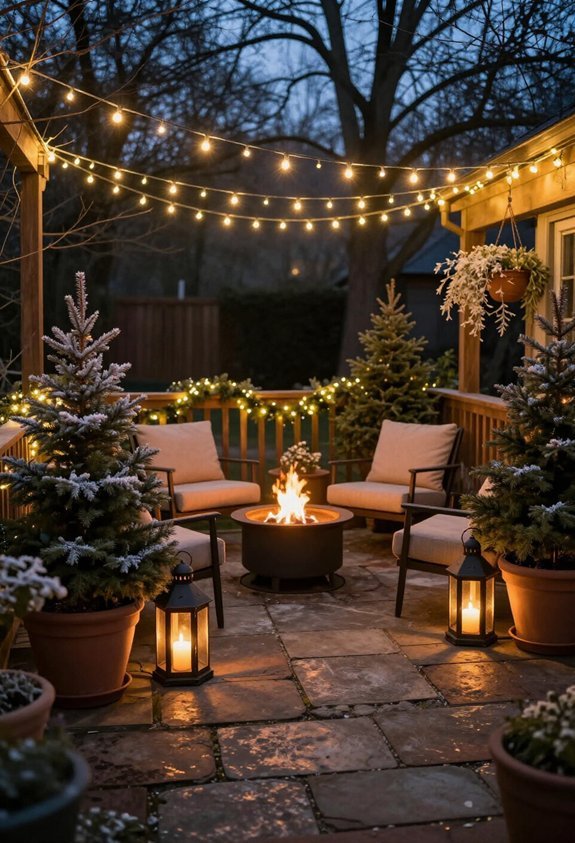
Every season offers a unique opportunity to refresh a patio’s appearance and atmosphere through thoughtful decorative choices that align with holidays and changing weather patterns. Spring decorations might include flowering plants, pastel-colored cushions, and hanging baskets that celebrate renewal and growth. Summer calls for bright umbrellas, string lights, and vibrant table settings that encourage outdoor entertaining. Fall decorations feature warm-toned lighting, pumpkins, and harvest-themed arrangements that create cozy gathering spaces. Winter transformations include tasteful holiday lights, evergreen garlands, and weather-resistant decorations that uphold festive appeal despite cold temperatures. By rotating seasonal décor, homeowners refresh their outdoor spaces cost-effectively while establishing distinct moods throughout the year. This methodical approach to decoration guarantees patios remain visually engaging and functionally suited to each season’s unique character and entertaining opportunities.
Maintain Your Patio: Keep Your Space Guest-Ready Year-Round
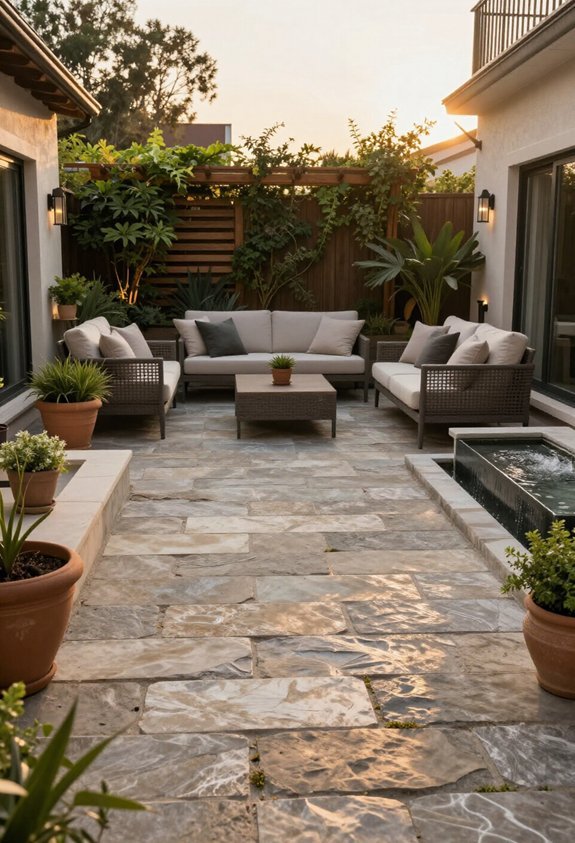
Preserving a patio’s appearance and functionality requires consistent maintenance routines that address both routine cleaning tasks and seasonal upkeep demands, guaranteeing the outdoor space remains welcoming and safe for guests throughout the year. Regular sweeping removes debris and prevents dirt accumulation, while periodic pressure washing eliminates stubborn stains and algae growth on surfaces. Inspecting furniture, railings, and structural elements monthly helps identify damage early, allowing for timely repairs before problems worsen. Sealing pavers and wood surfaces annually protects them from weather damage and extends their lifespan. Additionally, maintaining proper drainage prevents water pooling and erosion, while treating outdoor materials with appropriate protective coatings safeguards against UV damage and moisture infiltration. These systematic maintenance practices preserve the patio’s aesthetic appeal and guarantee durability.
Get Started Today: Your Patio Design Checklist
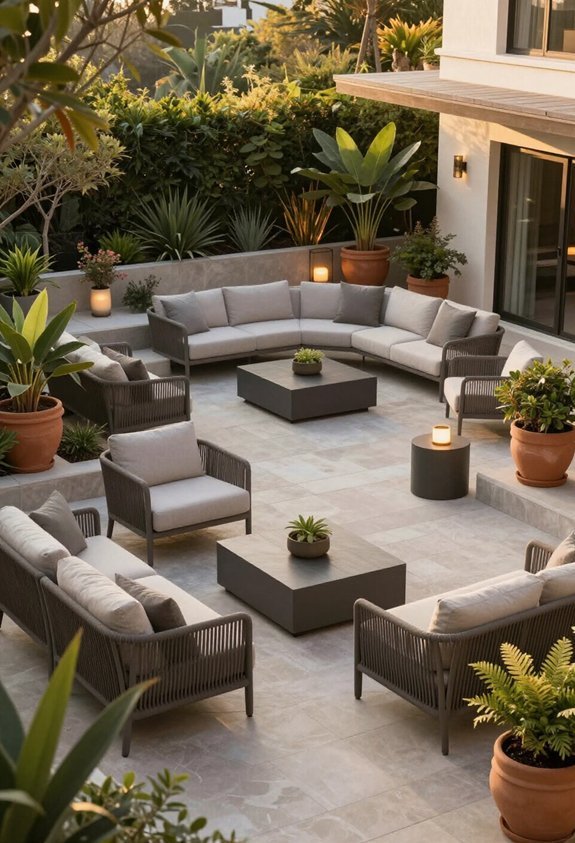
Now that homeowners understand how to keep their patios looking fresh and functional through regular upkeep, they can focus on the initial planning stages that make maintenance easier and enjoyment greater. A thorough checklist guarantees nothing gets overlooked during the design process. First, measure the available space accurately and note sun exposure patterns throughout the day. Next, identify the patio’s primary purpose, whether entertaining, dining, or relaxing. Consider budget constraints and material preferences, weighing durability against aesthetic appeal. Evaluate drainage requirements to prevent water accumulation and damage. Determine furniture layout and traffic flow patterns. Finally, assess utility access, including electrical outlets or water sources needed for features like fountains or outdoor kitchens. This methodical approach creates a solid foundation for successful patio development.
Frequently Asked Questions
How Long Does It Typically Take to Build a Backyard Patio From Start to Finish?
A backyard patio typically requires two to four weeks for completion. The timeline depends on size, design complexity, ground preparation, material selection, and weather conditions. Simple designs may finish in days, while elaborate projects with drainage systems demand extended timeframes.
What Permits or Regulations Do I Need to Check Before Installing a Patio?
Before installing a patio, one must check local building codes, zoning regulations, and setback requirements. Homeowners should verify if permits are needed, obtain them if required, and guarantee compliance with HOA restrictions and utility line locations.
How Much Does an Average Backyard Patio Cost to Build Professionally?
Professional backyard patio installation typically costs between $3,000 and $15,000, depending on size, materials, and complexity. Basic concrete patios average $2,000–$5,000, while stone or pavers range from $5,000–$20,000 or higher.
Can I Install a Patio Myself, or Should I Hire a Contractor?
One can install a patio independently if experienced with construction and landscaping. However, contractors guarantee proper grading, drainage, and structural integrity. Hiring professionals typically yields superior long-term results despite higher upfront costs.
What’s the Best Time of Year to Build or Renovate a Patio?
Spring and early fall offer ideal conditions for patio installation. Moderate temperatures facilitate material curing and concrete drying. These seasons provide dry weather and comfortable working conditions for contractors and DIY enthusiasts alike.
Conclusion
Creating a successful backyard patio requires careful planning, thoughtful material selection, and consistent maintenance. By evaluating available space, choosing appropriate foundations, and selecting a design style that matches personal preferences, homeowners can build functional outdoor areas. Regular upkeep, seasonal decorations, and strategic additions like seating and fire features transform patios into welcoming spaces for relaxation and entertainment, regardless of budget constraints.