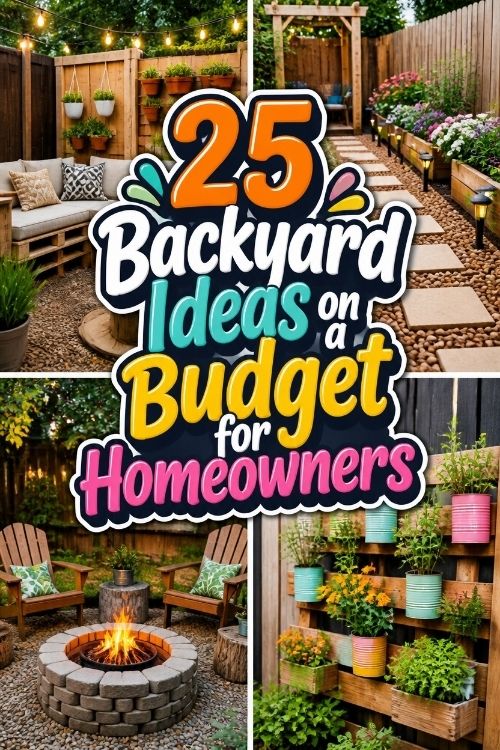
Transforming a backyard into an inviting retreat doesn’t demand deep pockets or professional contractors. With some creativity and elbow grease, ordinary outdoor spaces become charming destinations.
Salvaged materials and secondhand finds often carry more character than store-bought alternatives. Consider the possibilities hiding in plain sight. Old bricks stacked into a fire pit create instant gathering spots for cool evenings.
Mismatched chairs find new purpose around a pallet coffee table, while weathered ladders become vertical gardens. These small interventions accumulate into spaces that feel intentional and personal.
Pergolas draped with string lights extend usable hours into twilight. A hammock strung between trees offers affordable luxury.
Even mundane updates, like staining a worn fence or painting planters in bold colors, shift the entire atmosphere. The following twenty-five ideas demonstrate how modest investments yield significant transformations.
How These Ideas Are Organized
The list moves in the same order most backyard projects should happen, starting with structures and seating like fire pits, pallet nooks, and pergolas. From there it covers ground surfaces such as decks, paver patios, and gravel paths, then moves into planting, lighting, and the finishing touches that pull everything together. Work through them in sequence or pick the ones that match your yard’s biggest gap.
Build a DIY Fire Pit for Cheap
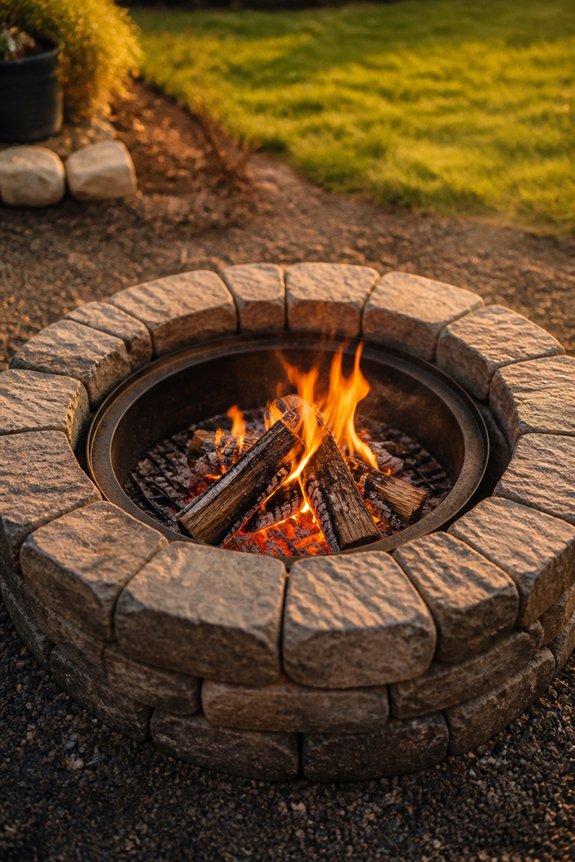
Since a fire pit adds warmth and gathering space to any backyard, building one does not require a large budget or professional help. Homeowners can use inexpensive materials, such as concrete pavers, reclaimed bricks, or metal rings, to create a simple structure without hiring a contractor.
Choosing a level, open area away from structures and trees guarantees safety and proper airflow. A circular design, roughly three to four feet in diameter, works well for most backyards and accommodates seating around the perimeter. Adding a layer of gravel or sand at the base helps with drainage and heat resistance.
Local hardware stores often sell fire pit kits, which include pre-cut stones and clear assembly instructions, making the process manageable for beginners with basic tools.
Also read: 19 Small Garden Ideas on a Budget
Repurpose Old Furniture for Outdoor Seating
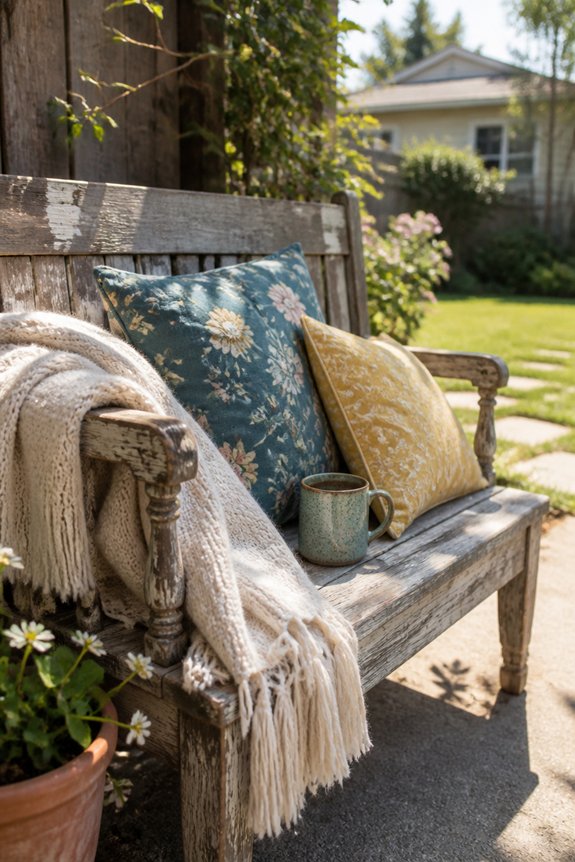
Transforming old furniture into outdoor seating gives worn pieces a new purpose while saving money on new patio sets. Indoor chairs, benches, and small tables can be refinished with weatherproof paint or sealant to withstand sun and rain exposure.
Wooden dressers or crates can be converted into storage benches, adding both seating and functional space. Old dining chairs can be paired with outdoor cushions for a mismatched, casual look that suits patios or garden areas. Metal chairs benefit from rust-resistant spray paint, extending their lifespan outdoors.
Thrift stores, garage sales, and curbside finds often provide affordable pieces suited for this kind of upcycling project. Choosing durable materials, such as teak, metal, or treated wood, helps guarantee the furniture holds up under changing weather conditions over time.
Create a Cozy Pallet Seating Nook
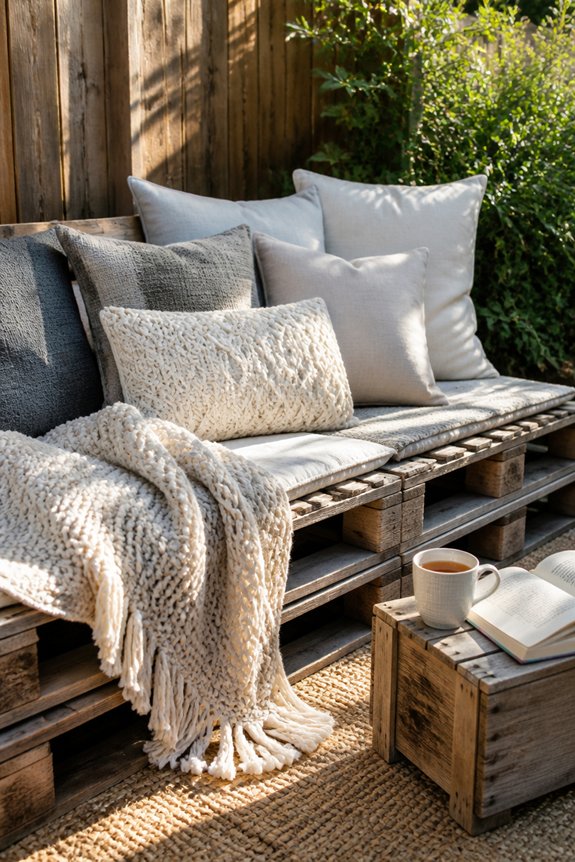
Wooden pallets offer another budget-friendly option for building comfortable outdoor seating areas, extending the same upcycling approach used with old furniture. Homeowners can stack, sand, and secure pallets together to form low benches, sectional sofas, or an L-shaped nook that fits against a fence or wall.
Adding outdoor cushions, weatherproof pillows, and a small side table made from a single pallet completes the seating area without significant expense. Painting or staining the wood helps protect it from moisture and gives the nook a finished appearance. String lights, potted plants, or a woven rug placed nearby can define the space further.
Pallets are often available for free or at low cost from local businesses, warehouses, or online marketplaces, making this project accessible for most budgets.
Add a Pergola Without the High Price Tag
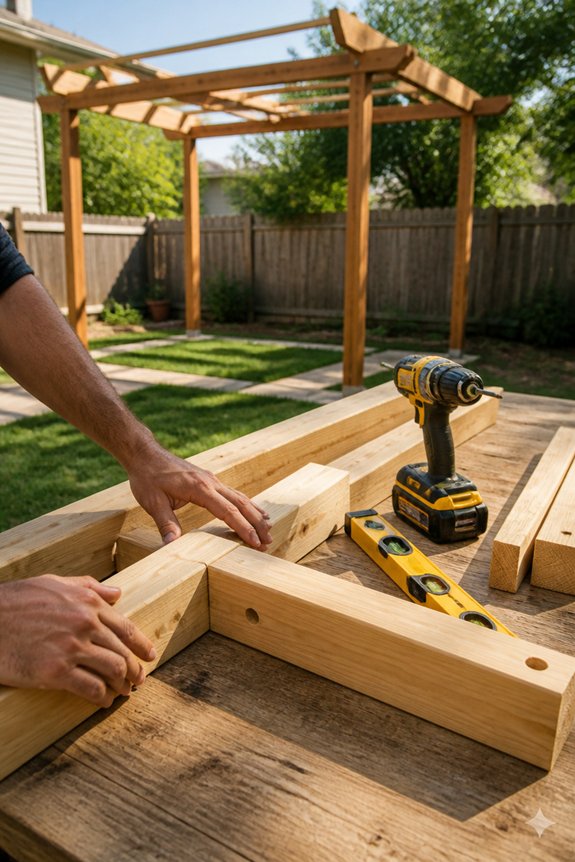
A pergola can add shade and structure to a backyard without requiring a large financial investment, especially when built using simple materials like basic lumber, metal conduit pipes, or reclaimed wood beams. Homeowners can attach a pergola to an existing fence or wall to reduce the number of posts needed, cutting material costs considerably.
Painted or stained pine boards offer a budget-friendly alternative to cedar or redwood while still providing a finished appearance. Climbing plants, such as wisteria or ivy, can be trained along the frame to create natural shade without the added expense of a solid roof panel.
Reclaimed wood from pallets or old fencing can also be repurposed for beams, giving the structure a rustic look while keeping overall project costs low.
Build a Simple Backyard Pergola Swing
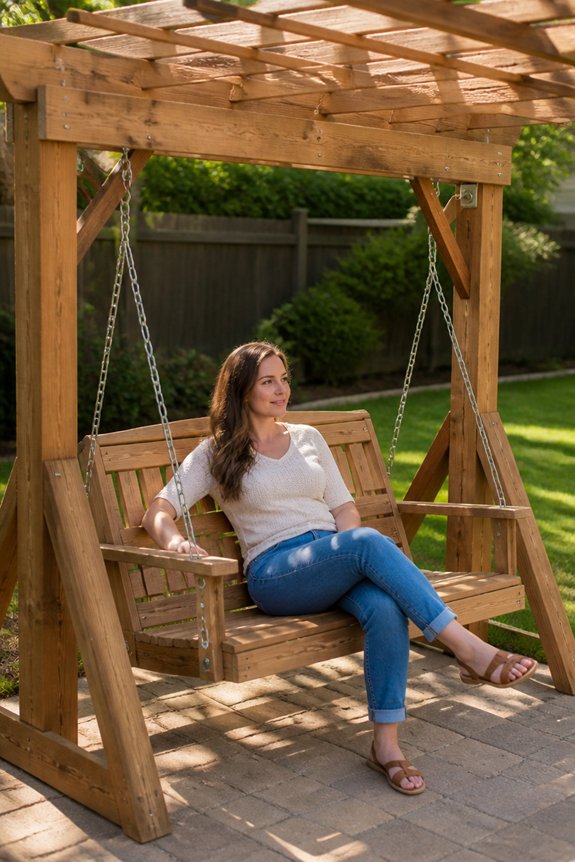
Once a pergola frame is in place, adding a swing offers another low-cost way to expand its function without major construction work. A basic wooden swing bench, hung from sturdy ceiling beams using heavy-duty chains or rope, can transform the space into a comfortable seating area. Homeowners should confirm that the pergola’s beams can support the added weight, reinforcing them with extra bracing if needed for safety.
Pre-made swing benches, available at hardware stores or online retailers, often cost less than custom-built options and require minimal assembly. Adding weather-resistant cushions or outdoor pillows increases comfort without a large expense. Positioning the swing to face a garden view or shaded corner can make the addition feel intentional. This upgrade requires few tools, moderate time, and delivers noticeable value for the cost involved.
Build a Simple Wooden Deck Yourself
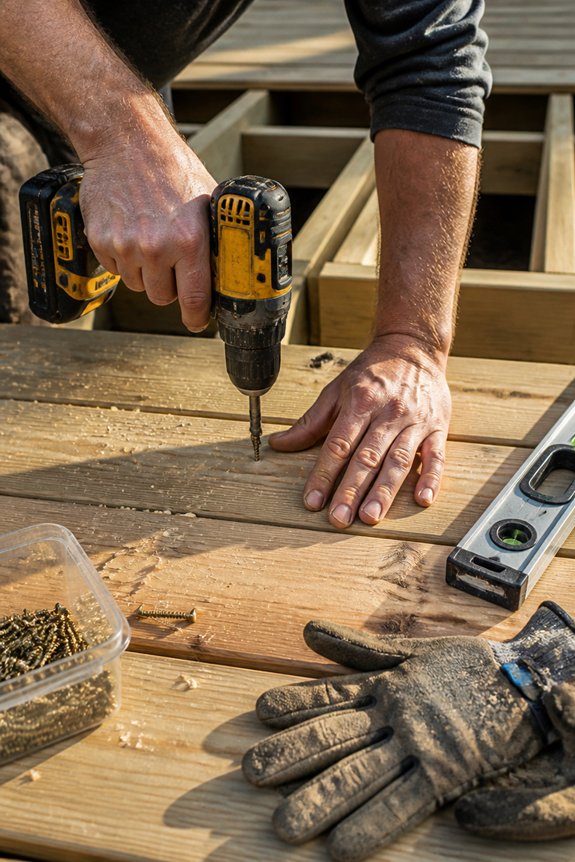
Many homeowners find that a small, ground-level deck offers a practical way to expand outdoor living space without a large financial investment. Basic materials, including pressure-treated lumber, concrete deck blocks, and galvanized screws, can be purchased at most hardware stores for a modest cost.
A simple design, such as a 10-by-10-foot square platform, requires minimal cutting and avoids the complexity of railings or stairs, since the deck sits close to the ground. Homeowners typically level the site, arrange deck blocks in a grid pattern, and attach floor joists before installing decking boards.
Composite decking, though pricier, resists rot and reduces long-term maintenance. Careful measuring and spacing between boards helps prevent water pooling, ensuring the structure remains stable and functional for years of outdoor use.
Create a Budget-Friendly Paver Patio
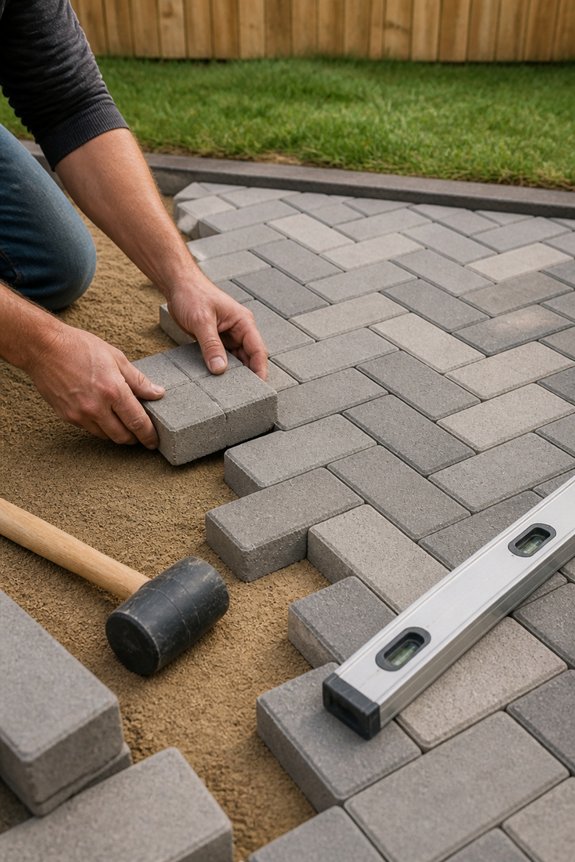
Concrete pavers offer a durable, budget-friendly alternative to poured concrete or natural stone, often costing a fraction of professional installation fees when installed independently. Homeowners typically spend between $3 and $10 per square foot, depending on paver style, color, and thickness selected from suppliers like home improvement stores or landscaping supply yards.
The process requires marking the patio area, excavating soil to a consistent depth, and adding a base layer of crushed gravel for drainage and stability. A layer of sand follows, providing a smooth surface for setting pavers in the chosen pattern, whether herringbone, running bond, or basket weave.
Edging materials, such as plastic or metal restraints, keep pavers in place over time. Polymeric sand, swept into joints, deters weed growth and insect infestation, extending the patio’s lifespan without added maintenance costs.
Use Gravel for an Inexpensive Pathway
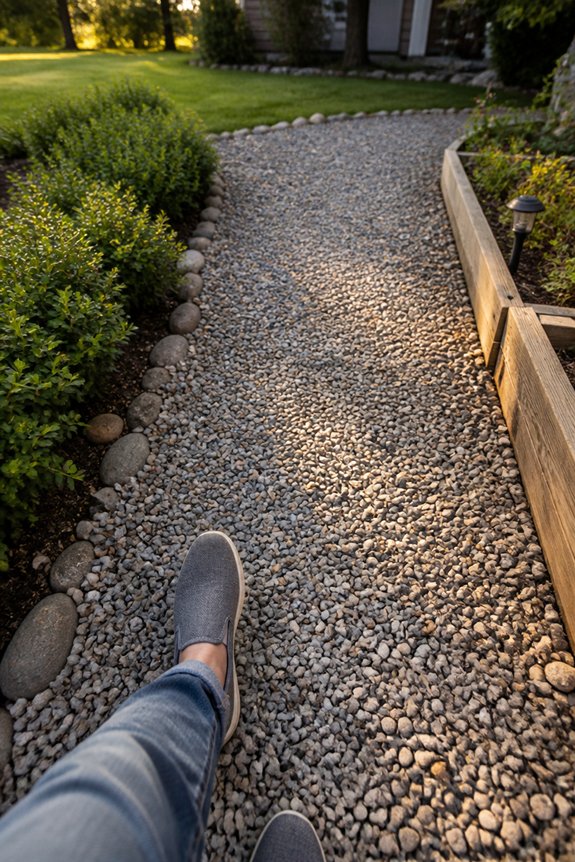
When a homeowner needs a low-cost walkway solution, gravel provides one of the most economical options available, often costing between $1 and $3 per square foot depending on the type selected. Pea gravel, crushed granite, and decomposed granite are common choices, each offering a different texture and color for the yard.
Installation typically involves clearing the path area, laying a weed barrier fabric, and adding a border with edging materials, such as bricks or metal strips, to keep gravel contained. Homeowners can complete this project without hiring a contractor, reducing labor costs considerably.
Gravel pathways also allow water to drain naturally, which helps prevent pooling after rainfall. Periodic raking and occasional refilling are needed to maintain an even surface over time.
Add a Simple Gravel Fire Pit Area
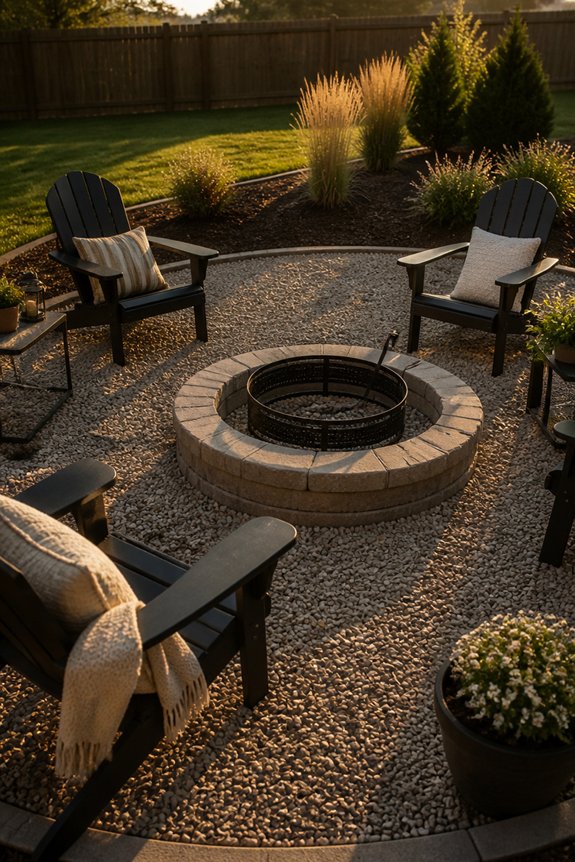
Extending the same gravel material from a pathway into a fire pit area creates a cohesive look across the backyard while keeping costs low. A circle of gravel, roughly ten to twelve feet across, provides a stable, low-maintenance surface for seating and a fire pit ring.
Homeowners can outline the area with landscaping pavers, bricks, or metal edging to keep gravel contained and separate from surrounding grass or soil. A metal fire ring or a simple ring of stacked stones can serve as the fire pit itself, avoiding the expense of a built-in structure.
Adding a few inexpensive folding chairs or repurposed outdoor furniture completes the space. This approach requires minimal digging, no concrete work, and few specialized tools, making it accessible for most budgets and skill levels.
Add Recycled Materials for a Unique Patio Look
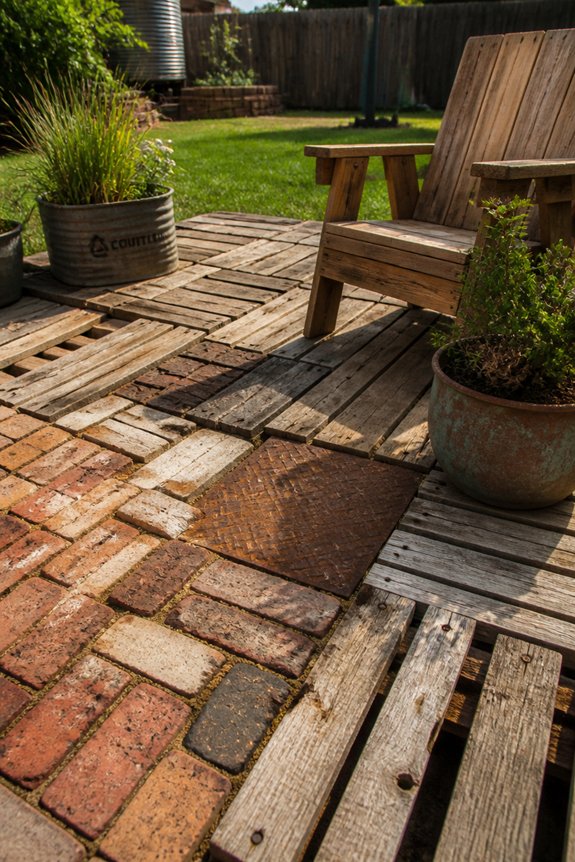
A number of salvaged materials can be arranged into a functional patio surface without the cost of new pavers or poured concrete. Broken concrete slabs, sometimes called urbanite, can be laid in an irregular pattern similar to flagstone, filling gaps with gravel or sand. Reclaimed brick, collected from demolition sites or old walkways, provides a uniform texture and can be set directly on a leveled base.
Wood pallets, once disassembled or used whole, create a raised deck-like surface suited for smaller spaces. Salvaged tile, mismatched but structurally sound, adds variation in color and shape. Combining these materials reduces landfill waste while cutting expenses on new supplies. Local demolition companies, salvage yards, and online marketplaces often offer these materials at low or no cost.
Plant a Low-Cost Container Garden
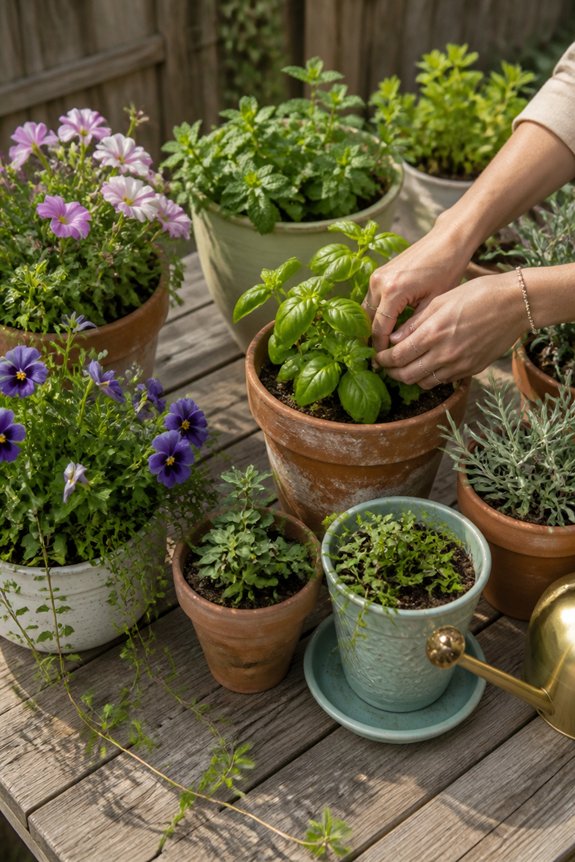
Once a patio surface has been established, whether from urbanite, reclaimed brick, or wood pallets, filling the space with greenery becomes the next practical step. Containers do not require expensive materials, as buckets, wooden crates, tin cans, and old tires can all serve as planters once drainage holes are added. Thrift stores and yard sales often provide inexpensive pots, while damaged or discounted containers from garden centers can also work with minor repairs.
Choosing low-maintenance plants, such as succulents, herbs, or marigolds, reduces long-term costs on water and care. Grouping containers of different heights creates visual interest without added expense. Seeds are generally cheaper than mature plants, and starting from cuttings or divisions from a neighbor’s garden can eliminate costs entirely.
Build Your Own Raised Garden Beds
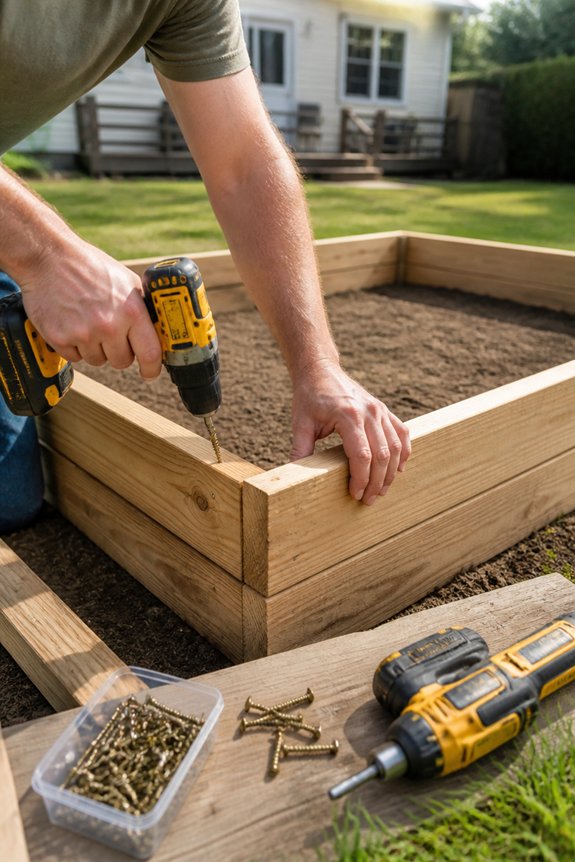
Several backyards benefit from raised garden beds, which improve soil quality, drainage, and accessibility while keeping construction costs low. Homeowners can build simple frames using untreated lumber, cinder blocks, or reclaimed bricks, avoiding the higher price of pre-made kits.
Standard dimensions, such as four feet wide by eight feet long, allow easy reach into the bed without stepping on the soil. Filling the bed with a mix of topsoil, compost, and aged manure supports healthy plant growth while reducing the need for fertilizers. Lining the bottom with cardboard or newspaper helps suppress weeds before adding soil.
Positioning beds in areas with full sun exposure, typically six to eight hours daily, supports vegetables like tomatoes, peppers, and leafy greens. This approach offers long-term value with minimal upkeep.
Upcycle Tires Into Fun Garden Planters
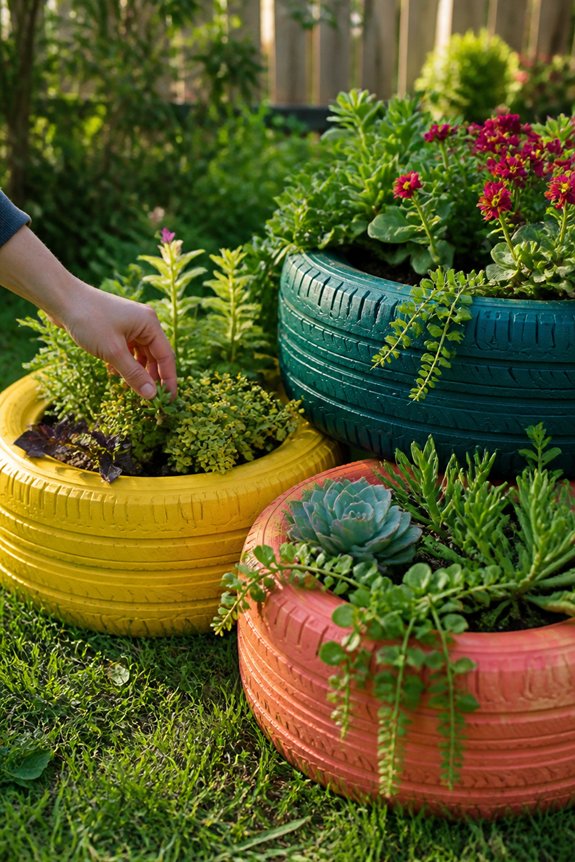
Old tires, often discarded or left in storage, can transform into durable, weatherproof planters with minimal effort and cost. Homeowners can stack two or three tires to create raised, cylindrical beds suited for flowers, herbs, or vegetables, including tomatoes, peppers, and lettuce.
Painting the exterior in bright colors, or wrapping tires with rope, gives a more finished, decorative appearance while covering worn rubber surfaces. Tires can also be cut and folded outward to resemble flower shapes, adding visual interest to walkways or patios.
Drainage holes should be added to the base to prevent water from pooling. Placement near fences, porches, or garden borders allows these planters to serve as functional dividers while keeping costs low and materials repurposed rather than wasted.
Create a Budget Vertical Garden Wall
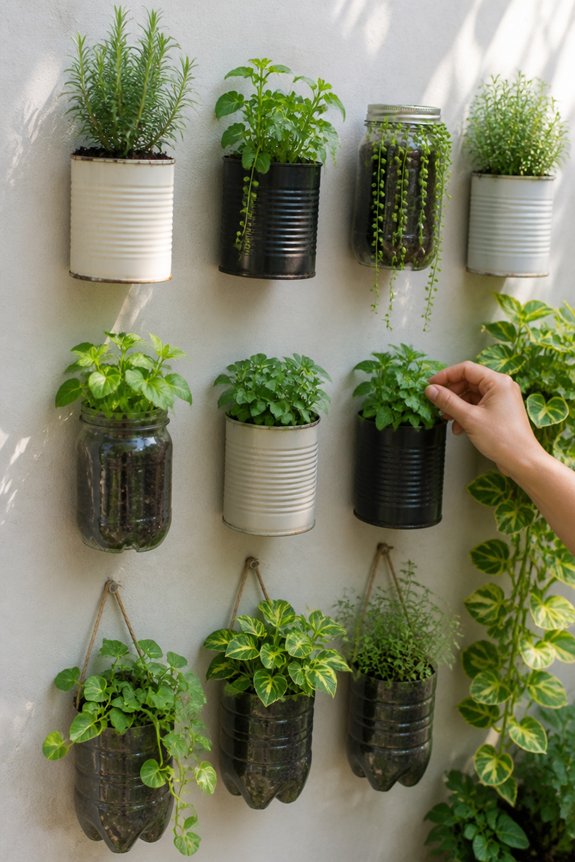
Just as tires can be repurposed for ground-level planting, wooden pallets, shoe organizers, and wall-mounted pockets offer a similar low-cost approach for vertical gardening. Pallets can be stood upright, lined with landscape fabric, and filled with soil to hold herbs, succulents, or small flowers. Over-the-door shoe organizers, made from canvas or plastic, provide individual pockets suited for shallow-rooted plants like lettuce or strawberries.
Wall-mounted pocket planters, often made from felt or recycled fabric, attach directly to fences or exterior walls, saving floor space in smaller yards. Hanging mason jars or tin cans from a wooden board also creates an inexpensive display option. These vertical setups work well for homeowners with limited ground space, allowing gardens to grow upward instead of outward, using mostly recycled or inexpensive materials.
Create a Budget Herb Garden Corner
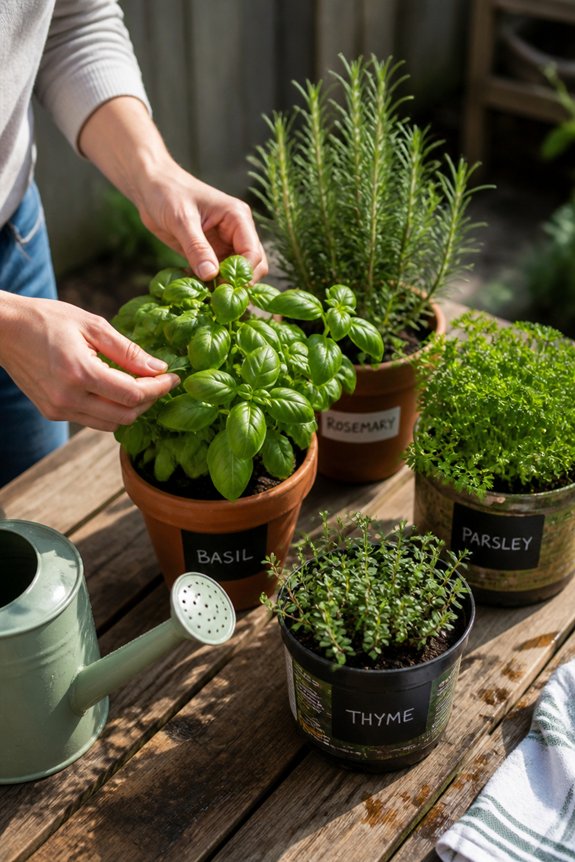
A small corner of any yard, patio, or balcony can serve as a functional herb garden, requiring minimal space and investment. Repurposed containers, such as tin cans, wooden crates, or plastic buckets, reduce costs while adding character. Common herbs like basil, mint, rosemary, and thyme grow well in small spaces and require little maintenance once established.
Grouping pots together on a shelf, pallet, or tiered stand maximizes limited space and creates an organized display. Using leftover soil, compost, or free mulch from local sources can further cut expenses. Placement near a kitchen door or window offers convenient access for cooking.
Herb gardens also attract pollinators, adding practical value beyond culinary use, while remaining an affordable, low-maintenance backyard project.
Use Mulch to Refresh Your Backyard Landscaping
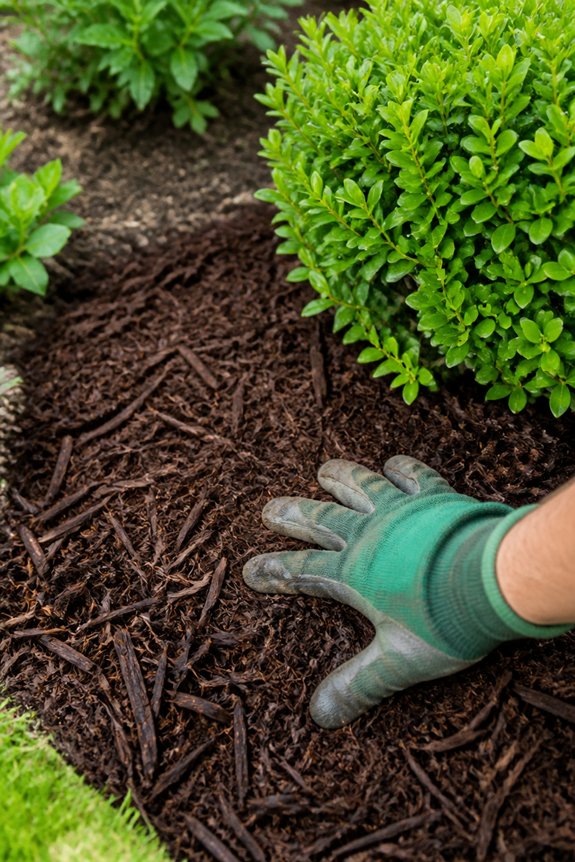
Several bags of mulch can transform tired flower beds and bare patches into a neat, cohesive landscape without major expense. Homeowners can choose from options such as shredded bark, wood chips, straw, or pine needles, depending on the look and function desired.
Mulch helps retain soil moisture, suppress weeds, and regulate temperature around plant roots, reducing the need for frequent watering or weeding. A fresh layer around trees, shrubs, and garden borders also creates visual consistency, tying different areas of the yard together.
Bulk mulch purchased from a landscaping supplier often costs less than bagged versions, making larger projects more affordable. Applying a two to three-inch layer is generally sufficient, avoiding direct contact with plant stems or tree trunks to prevent rot.
String Up Affordable Outdoor Lighting
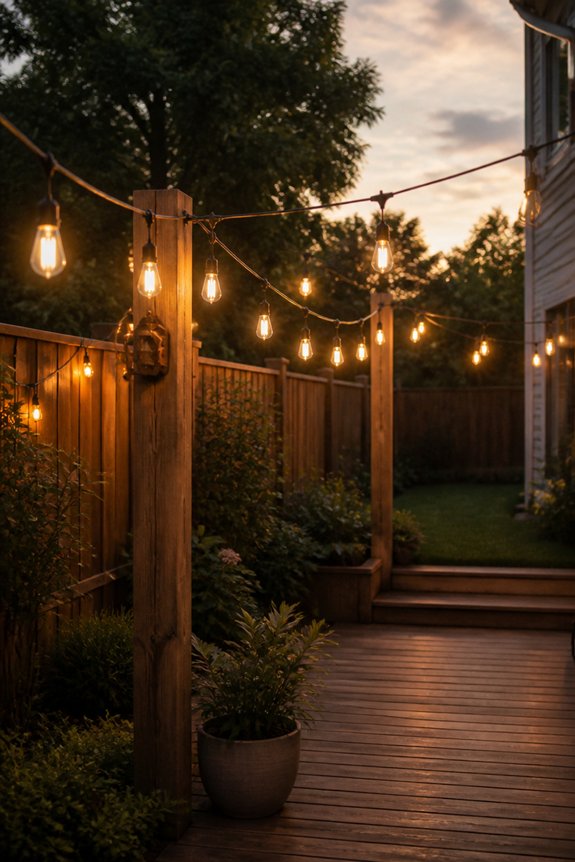
Outdoor string lights offer an inexpensive way to add warmth and visibility to a backyard once the sun goes down. Homeowners can hang them along fences, across patios, or between trees to create ambient lighting without the cost of installing permanent fixtures.
Solar-powered options eliminate the need for outlets, reducing electricity costs and simplifying installation. LED bulbs last longer than incandescent versions and use less energy, making them a practical choice for long-term use.
Retailers often sell string lights in bulk lengths, allowing homeowners to cover larger areas at a lower per-foot price. Clear, warm-white bulbs tend to suit most backyard styles, while multicolored options work well for casual gatherings. Attaching lights to hooks or existing structures, such as pergolas or railings, avoids the need for additional hardware, keeping the overall project affordable and straightforward.
Add Solar Lights for Free Nighttime Ambiance
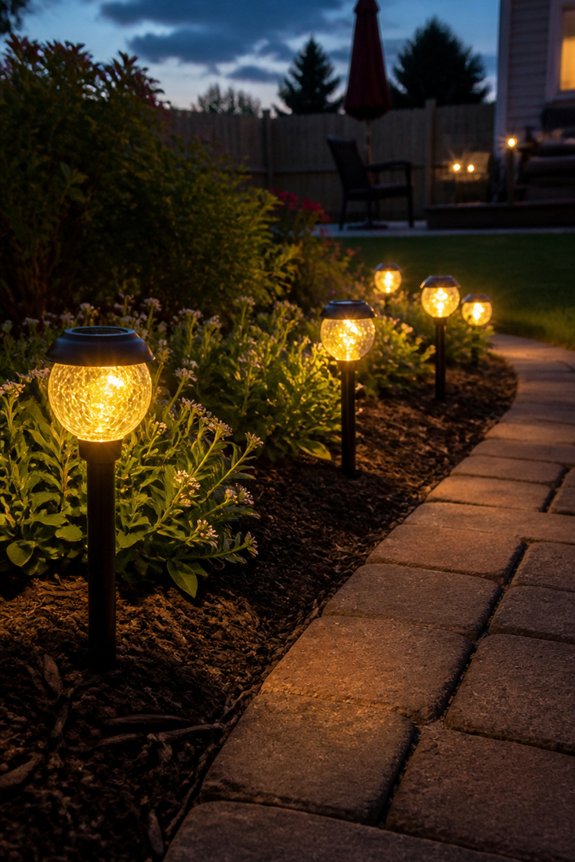
Solar lights offer a no-cost way to illuminate a backyard once installed, since they rely entirely on sunlight for power rather than electricity from an outlet. Homeowners can place solar stake lights along walkways, garden beds, or fence lines to mark boundaries and improve visibility after dark. Solar lanterns, hung from tree branches or porch hooks, add a soft glow without requiring wiring or outlets.
Motion-sensor solar lights near entryways provide security benefits while conserving battery use during idle hours. Stick-on solar lights can also be attached to deck railings or steps, offering practical lighting for outdoor gatherings.
Because these lights charge during daylight, placement in sunny, unobstructed areas guarantees consistent performance and reduces the need for battery replacements or ongoing maintenance costs.
Build a DIY Outdoor Movie Screen
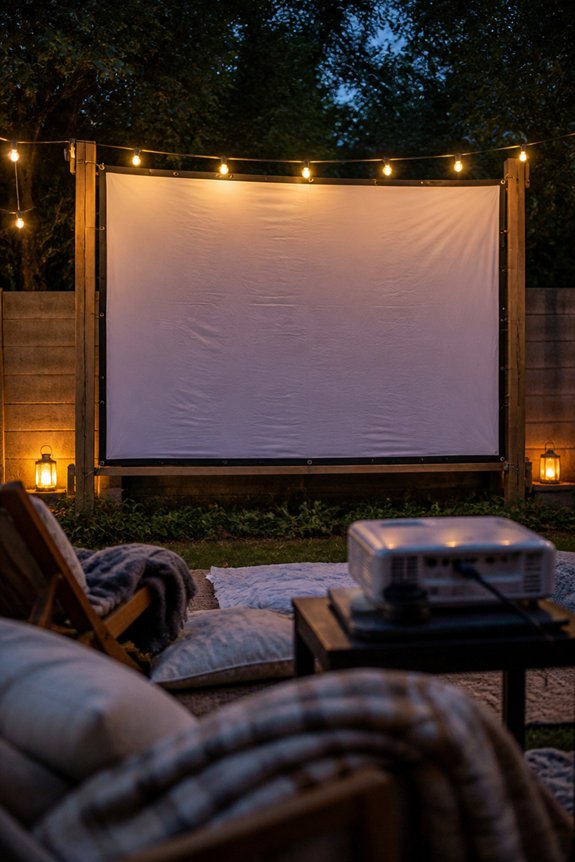
Once the lighting is in place, attention can shift toward creating a designated space for entertainment, such as a homemade movie screen. A large white bedsheet, painted plywood board, or blackout fabric can serve as an affordable screen surface, stretched across a wooden frame or hung between two posts. PVC pipes offer a lightweight and inexpensive frame option, while grommets or clips help secure fabric tightly to avoid wrinkles.
Placement should consider distance from a projector, along with nearby power access for equipment. Seating arrangements, such as blankets, lawn chairs, or bean bags, can complete the setup without added expense. This project allows homeowners to host movie nights at a fraction of the cost of a permanent outdoor theater system.
Hang a DIY Privacy Screen for Less
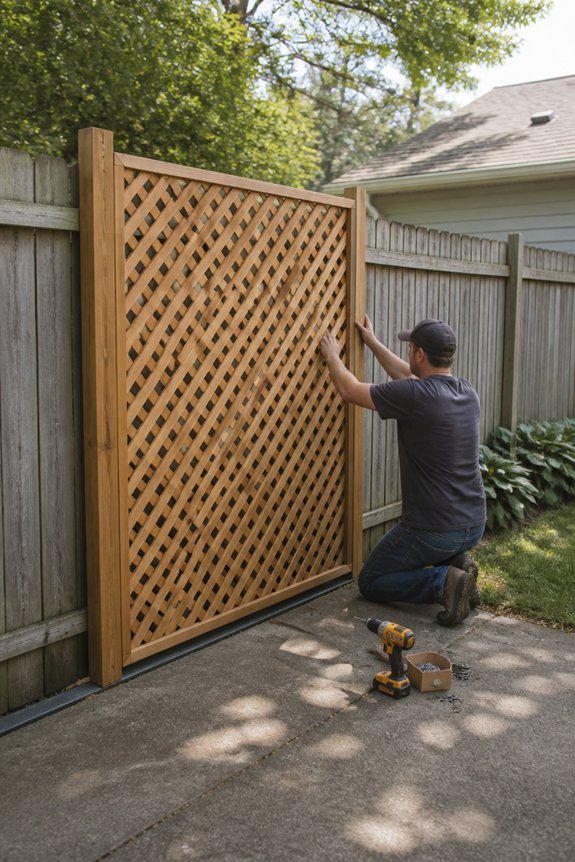
When neighbors or street traffic make a backyard feel too exposed, a simple privacy screen can restore a sense of seclusion without the cost of a fence or professional installation. Homeowners can build one using inexpensive materials, such as wood pallets, bamboo panels, or lattice, attached to a basic frame made from 2×4 lumber.
These frames can be anchored with concrete-filled buckets or mounted to existing posts, allowing them to stand freely or move as needed. Fabric curtains, reed fencing, or reclaimed doors also work well for a more decorative look. Adding potted plants or vines along the base can soften the appearance and increase coverage over time.
This approach offers flexibility, letting homeowners adjust screen placement based on sun exposure, sightlines, or seasonal needs, all while keeping costs low.
Add Inexpensive Outdoor Rugs for Comfort
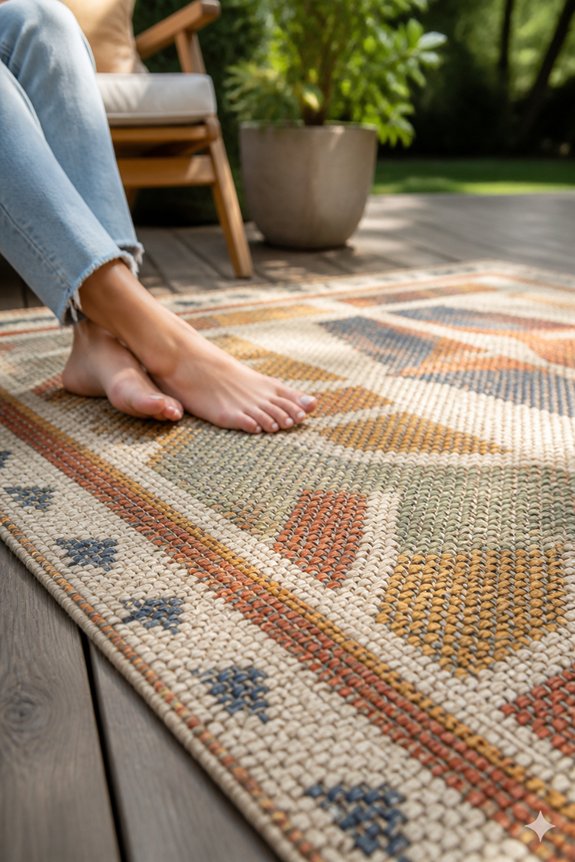
Because bare patios and decks can feel cold or unfinished, an outdoor rug offers a quick way to add comfort and style without a large investment. Polypropylene rugs, which resist moisture and fading, are widely available at affordable prices from retailers such as Home Depot, Target, and Walmart.
Homeowners can choose neutral colors for a versatile base, or select bold patterns to define a specific seating or dining area. Layering a smaller rug over a larger one can add texture without significant cost. Rugs also help protect wood or composite decking from scratches caused by furniture legs.
Choosing a size slightly larger than the furniture arrangement creates a cohesive look, tying the space together while keeping the overall project firmly within a modest budget.
Add Hammocks for Affordable Relaxation Spots
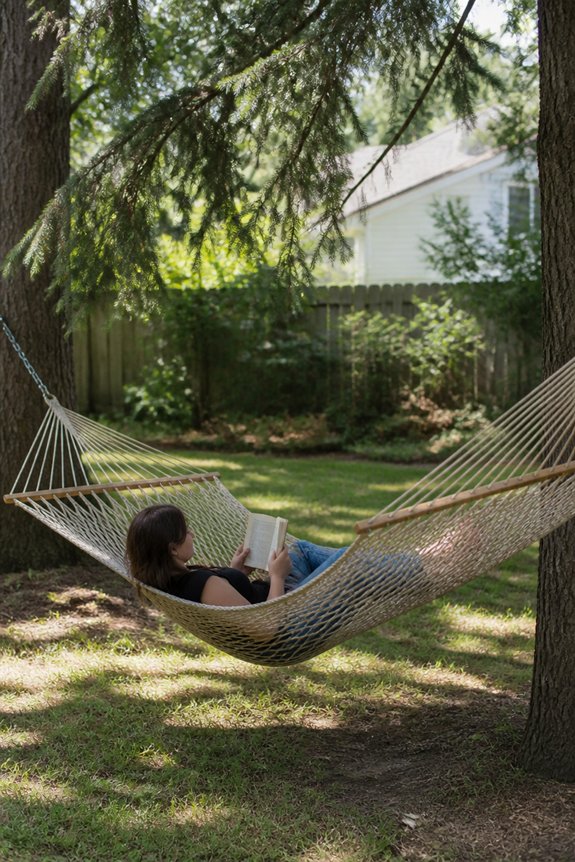
A sense of leisure can be created in any backyard through the simple addition of a hammock, which requires minimal investment compared to other seating options. Hammocks made of cotton rope or woven fabric can be purchased at low cost from hardware stores or online retailers, offering an affordable alternative to patio furniture sets.
Homeowners can hang a hammock between two sturdy trees, eliminating the need for additional structures or stands. For yards without suitable trees, freestanding hammock stands provide a portable option that can be moved as needed.
Placement near shaded areas increases comfort during warmer months, while durable, weather-resistant materials extend the lifespan of the hammock. This addition creates a designated relaxation space without requiring significant construction or expense, making it a practical choice for budget-conscious homeowners.
Set Up a Budget Outdoor Bar Area

Beyond relaxation spots like hammocks, backyards can also include a functional gathering area, such as a budget outdoor bar. Homeowners can repurpose an old cabinet, pallet wood, or a small table to create a simple serving station, avoiding the cost of prebuilt bar units.
Adding a few shelves allows for organized storage of glasses, bottles, and mixers, while a small cooler or mini fridge keeps drinks cold without major electrical work. String lights or lanterns can be added for visibility during evening use, and a waterproof cover protects the setup from weather damage.
Placing the bar near seating areas encourages social interaction, making it a practical addition for gatherings, without requiring a large investment of time, materials, or money.
Repaint Your Fence for an Instant Refresh
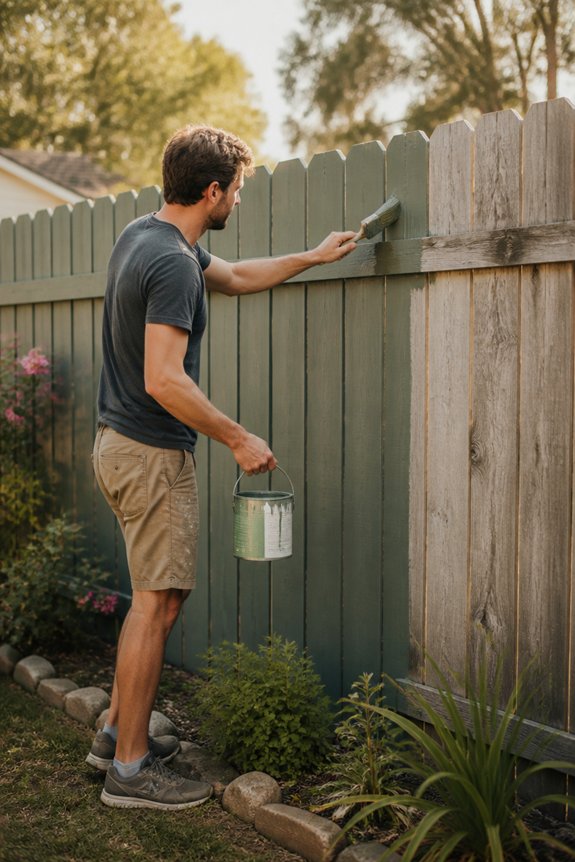
While many backyard upgrades require new materials, repainting an existing fence offers one of the most affordable ways to transform the overall look of a yard. A fresh coat of paint can hide years of wear, weather damage, and fading, giving the space a cleaner, more finished appearance.
Homeowners can choose colors that complement their home’s exterior, such as soft gray, white, or muted green, to create a cohesive design. Before painting, cleaning the surface and repairing small cracks or loose boards helps the finish last longer. Exterior paints designed for wood or vinyl provide better durability against sun and moisture.
This simple update requires minimal tools, mainly brushes, rollers, and drop cloths, making it an accessible project for most homeowners on a limited budget.
Create a Budget-Friendly Water Feature
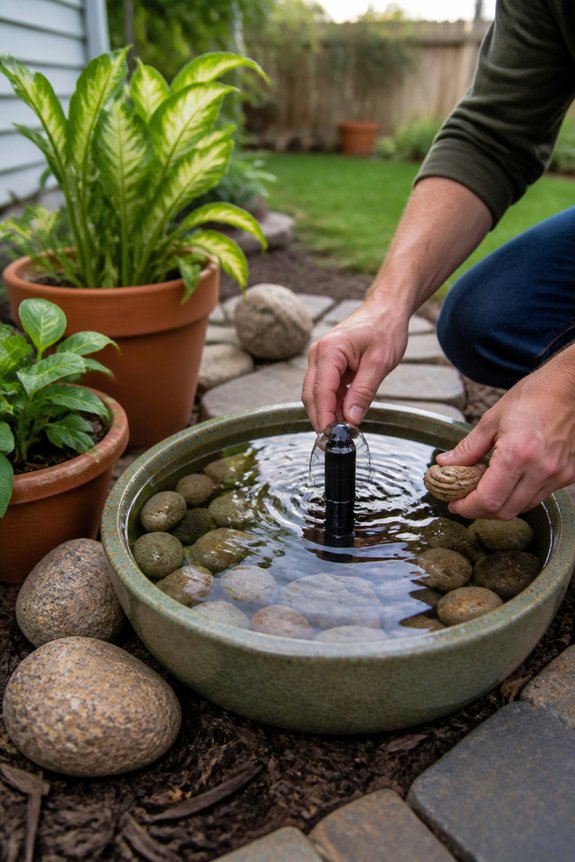
How can a small yard gain the calming sound of running water without a large budget? A simple DIY fountain, built from a large ceramic pot, a small pump, and basic tubing, can achieve this effect for under $100.
Homeowners can also repurpose old wash basins, wine barrels, or metal buckets as basins for a self-contained fountain. Placing smooth river rocks or gravel around the base hides equipment and adds a finished look. Solar-powered pumps reduce electricity costs and simplify installation, since no wiring is needed.
For added interest, small aquatic plants or floating candles can be included. This type of feature works well on patios, decks, or garden corners, offering ambiance without extensive construction or ongoing maintenance costs.
Frequently Asked Questions
How Much Money Should I Budget for a Full Backyard Makeover?
Budgets typically range from $1,500 for basic DIY updates to $15,000 or more for extensive landscaping, hardscaping, and features like patios or fire pits. Costs depend on yard size, materials chosen, and whether professional labor is required.
What Permits Are Needed for Backyard Projects Like Decks or Pergolas?
Permits typically depend on structure height, size, and proximity to property lines. Decks over 30 inches high or attached to a house often require permits, while pergolas may need approval if exceeding local zoning height restrictions.
How Do I Maintain These Budget Backyard Features Seasonally?
Seasonal upkeep involves resealing wood in spring, clearing debris before fall, and inspecting hardware annually. Homeowners should trim plants, drain irrigation lines before winter, and store furniture properly to prevent weather damage and extend the lifespan of budget-friendly backyard features.
Which Projects Are Best for Beginners With No DIY Experience?
Beginner-friendly projects include container gardens, painted pallet furniture, string light installations, and gravel pathways. These require minimal tools, forgive small mistakes, and offer quick, satisfying results—building confidence before tackling more complex structures like raised beds or pergolas.
How Long Do These Budget Backyard Upgrades Typically Last?
Like sturdy roots anchoring a tree, these upgrades typically endure three to five years before needing attention. Mulch fades fastest, while gravel paths and painted fences weather seasons gracefully, rewarding minimal upkeep with lasting curb appeal.
Conclusion
Curiously, many of these budget backyard ideas share a common thread, using materials already on hand, like pallets, old furniture, or leftover paint. This coincidence is not accidental, since resourcefulness naturally leads homeowners toward similar solutions. Fire pits, pergolas, hammocks, and water features can all be built affordably by reusing what already exists. With minimal investment, these projects transform ordinary backyards into functional, welcoming spaces, proving that a limited budget does not limit creativity or results.