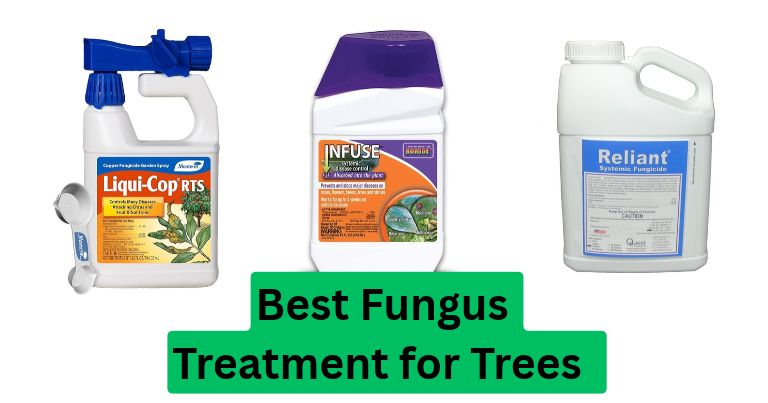
Brown spots on apple leaves in June, curled red peach leaves in spring, white dust on a maple in August: tree fungus shows up in many forms. The best fungus treatment for trees depends on which disease you face and how early you catch it.
This guide compares 10 tree fungicides across four types: copper sprays, systemic fungicides that move inside the tree, phosphite products for root rot, and multi-purpose fruit tree sprays with neem or insect control. You will see form, size, how each one works and the diseases each label names.
It helps home gardeners with fruit, nut, citrus and shade trees choose the right product and use it safely.
Gardenbine earns a commission from qualifying Amazon purchases made through links on this page, at no extra cost to you. Product details come from the manufacturers’ listings.
Our Top Picks

A copper spray for dormant and growing seasons with a hose-end sprayer that reaches the canopy.
View on Amazon
A waterproof systemic concentrate that controls over 30 listed diseases for up to 4 weeks.
View on Amazon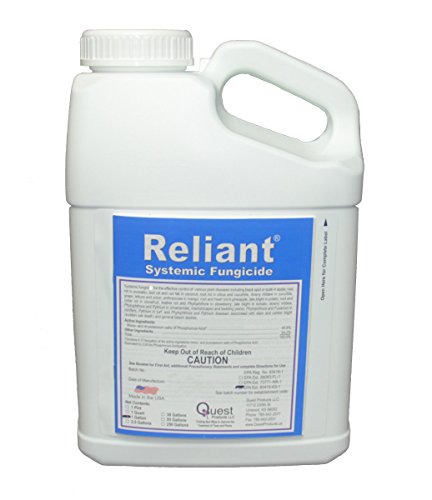
A systemic spray or drench that controls Phytophthora, root rots and cankers with curative action.
View on Amazon- Best Curative for Mildew and Scab Atticus Gravex 20EW Check on Amazon
- Best Ready-to-Use Organic Spray Captain Jack's Copper RTU Check on Amazon
- Best All-in-One Orchard Spray Bonide Fruit Tree Guard Check on Amazon
On this page
- Compare Tree Fungicides by Type, Form, Size and Mode of Action
- Detailed Reviews: Best Fungus Treatment for Trees
- Spray Trees Before Fungus Shows Up, Not After
- Match the Tree Fungicide to the Disease on the Label
- How to Choose a Fungus Treatment for Trees
- Which Fungus Treatment for Trees Should You Choose?
- Frequently Asked Questions
- Final Verdict
Compare Tree Fungicides by Type, Form, Size and Mode of Action
| # | Product | Type | Form | Size | Mode | Buy |
|---|---|---|---|---|---|---|
| 1 |  Monterey Liqui-Cop Best Overall for Fruit Trees |
Copper | Hose-end | 32 oz | Preventive | View on Amazon |
| 2 |  Bonide Infuse Systemic Best Systemic for Shade Trees |
Systemic | Concentrate | 16 oz | Systemic | View on Amazon |
| 3 |  Reliant Systemic 1 Gal Best for Root Rot and Cankers |
Systemic | Concentrate | 1 gal | Curative | View on Amazon |
| 4 |  Atticus Gravex 20EW Best Curative for Mildew and Scab |
Systemic | Concentrate | 16 oz | Curative | View on Amazon |
| 5 | 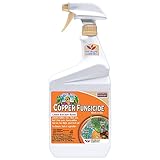 Captain Jack's Copper RTU Best Ready-to-Use Organic Spray |
Copper | Ready to use | 32 oz | Preventive | View on Amazon |
| 6 |  Neudorff Copper Soap Best Low-Copper Option |
Copper soap | Ready to use | 32 oz | Preventive | View on Amazon |
| 7 |  Fertilome Systemic II Best Propiconazole Concentrate |
Systemic | Concentrate | 32 oz | Systemic | View on Amazon |
| 8 |  Bonide Fruit Tree Guard Best All-in-One Orchard Spray |
Multi-purpose | Concentrate | 32 oz | Not listed | View on Amazon |
| 9 |  BioAdvanced 3-in-1 Tree Spray Best for Citrus and Nut Trees |
Multi-purpose | Ready to spray | 32 oz | Not listed | View on Amazon |
| 10 |  Captain Jack's Neem Max Best Organic Neem Oil |
Neem oil | Concentrate | 16 oz | Not listed | View on Amazon |
Products are ranked by how well their listed uses fit trees, how they work and how easy they are to apply.
Detailed Reviews: Best Fungus Treatment for Trees
1. Monterey Liqui-Cop Fungicidal Spray, 32 oz with Measuring Spoon (Best Overall for Fruit Trees)
Monterey Liqui-Cop Fungicidal Spray, 32 oz with Measuring Spoon
A copper spray for dormant and growing seasons with a hose-end sprayer that reaches the canopy.
View on Amazon- 32 ozSize
- CopperActive type
- Hose-endSprayer
- Dormant and growingSeasons
Best for: Home orchard owners who want one copper spray for peach, apple, cherry and nut trees across the whole year.
Why it ranks #1: It names fruit trees and nut crops directly and covers both dormant and growing seasons, which puts it ahead of the systemic Bonide Infuse Systemic for most fruit growers.
Monterey Liqui-Cop is a copper fungicide that lists anthracnose, brown rot, blight, downy mildew, botrytis blight and leaf spot among the diseases it prevents. The label names fruit trees, nut crops, vegetables and ornamentals. The 32 oz bottle comes with a measuring spoon.
The bottle attaches to a hose-end sprayer, so you connect a garden hose and spray. That helps on tall trees where a trigger bottle cannot reach. Monterey says copper is preventive, not curative, and you must cover every plant surface. You can spray in the dormant season and again in the growing season.
Pros
- Labeled for fruit trees and nut crops
- Hose-end sprayer reaches higher branches
- Use in dormant and growing seasons
- Lists brown rot and anthracnose
Cons
- Preventive only, so it will not cure an existing infection
- Copper is toxic to fish, so keep spray away from ponds and drains
Skip it if your tree already shows heavy powdery mildew or rust; the Atticus Gravex 20EW has curative action.
2. Bonide Infuse Systemic Disease Control, 16 oz Concentrate (Best Systemic for Shade Trees)
Bonide Infuse Systemic Disease Control, 16 oz Concentrate
A waterproof systemic concentrate that controls over 30 listed diseases for up to 4 weeks.
View on Amazon- 16 ozSize
- 30+Listed diseases
- Up to 4 weeksControl
- 3,200 sq ftPer quart
Best for: Homeowners treating rust, scab or powdery mildew on ornamental trees and shrubs.
Why it ranks #2: Its systemic action and 4 week control beat copper on rainy summers, but it leans toward lawns and ornamentals, so it sits behind the Monterey Liqui-Cop for fruit.
Bonide Infuse is a systemic fungicide, so the tree absorbs it and carries it inside the plant. The label lists rust, blight, powdery mildew, scab and leaf spot among more than 30 diseases. Bonide names roses, flowers, lawns, trees and shrubs, and calls the product waterproof once applied.
You mix the concentrate with water and spray. Bonide says one quart treats up to 3,200 square feet and can last up to 4 weeks. This bottle holds 16 oz, which is half a quart. The listing mostly talks about lawns, so check the label for the tree types and rates before you spray fruit.
Pros
- Systemic and waterproof once dry
- Over 30 listed diseases
- Up to 4 weeks of control
- Works on trees, shrubs and lawns
Cons
- Listing focuses on lawns, so confirm fruit tree use on the label
- 16 oz is a small bottle for several large trees
Skip it if you grow organic fruit; the Captain Jack's Copper RTU is approved for organic gardening.
3. Reliant Systemic Fungicide 1 Gallon, Agri-Fos and Garden Phos Formula (Best for Root Rot and Cankers)
Reliant Systemic Fungicide 1 Gallon, Agri-Fos and Garden Phos Formula
A systemic spray or drench that controls Phytophthora, root rots and cankers with curative action.
View on Amazon- 1 galSize
- Spray or drenchApplication
- Leaves and rootsUptake
- Curative and protectiveAction
Best for: Gardeners with a tree showing root rot, crown rot or bleeding cankers from Phytophthora.
Why it ranks #3: It is the only pick that names Phytophthora and root rots and works as a drench, so it ranks third, ahead of leaf-focused sprays.
Quest says Reliant has the same formulation and strength as Agri-Fos and Garden Phos. The tree absorbs it through leaves and roots and moves it through the whole plant. The listing says it activates the tree’s own defense system against disease.
The label covers Phytophthora, Pythium, downy mildew, apple scab, root rots, blights, cankers and some bacterial diseases such as Xanthomonas and Erwinia. You mix the concentrate with water and use it as a foliar spray or a soil drench. Quest lists both curative and protective action, and the 1 gallon jug treats many trees.
Pros
- Names Phytophthora and root rots
- Spray or drench application
- Curative and protective action
- Large 1 gallon size
Cons
- More product than you need for one small tree
- Active ingredient is not stated on the listing
Skip it if your problem is leaf spot on one young tree; the Captain Jack's Copper RTU is ready to spray.
4. Atticus Gravex 20EW Fungicide, 16 oz Myclobutanil Concentrate (Best Curative for Mildew and Scab)

Atticus Gravex 20EW Fungicide, 16 oz Myclobutanil Concentrate
19.7% myclobutanil with curative and preventive action for up to 28 days.
View on Amazon- 19.7%Myclobutanil
- 38+Listed fungi
- Up to 28 daysProtection
- 16 ozSize
Best for: Fruit tree growers fighting powdery mildew, scab or rust that keeps coming back each year.
Why it ranks #4: It names residential fruit trees and has curative action the Monterey Liqui-Cop lacks, but sale limits in some states keep it fourth.
Gravex 20EW contains 19.7% myclobutanil, the same active ingredient as Eagle 20EW. Atticus says it both cures and prevents fungus, and lists control of more than 38 plant fungi, including powdery mildew, scab and rusts. The title names residential fruit trees, turfgrass and ornamentals.
The product moves upward inside the plant, so it protects new leaves as they grow. Atticus lists protection for up to 28 days. It is not sold in Alaska, the District of Columbia, New York, Puerto Rico or Vermont, and not every product is registered in every state. Read and follow the label for rates and harvest intervals.
Pros
- Curative and preventive action
- Names residential fruit trees
- Protects new growth for up to 28 days
- Over 38 listed fungi
Cons
- Not sold in five listed states and territories
- Not for organic gardening
Skip it if you live in New York or Vermont; the Fertilome Systemic II is another systemic concentrate.
5. Bonide Captain Jack's Copper Fungicide, 32 oz Ready-to-Use Spray (Best Ready-to-Use Organic Spray)
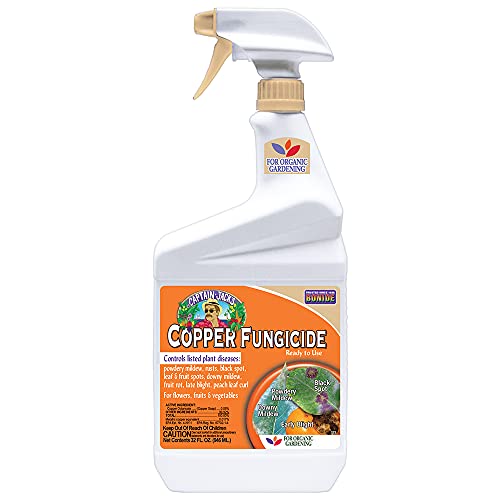
Bonide Captain Jack's Copper Fungicide, 32 oz Ready-to-Use Spray
An organic copper spray in a trigger bottle that you can use up to the day of harvest.
View on Amazon- 32 ozSize
- CopperActive type
- Trigger sprayForm
- Day of harvestUse limit
Best for: Gardeners with one or two small fruit trees who want an organic spray with no mixing.
Why it ranks #5: It is easier to use than the Monterey Liqui-Cop, but a trigger bottle cannot cover a large canopy, so it ranks fifth.
Captain Jack’s Copper Fungicide comes ready to use in a 32 oz trigger bottle. You shake it and spray the leaves. Bonide says it is approved for organic gardening and can be used up until the day of harvest, which helps when fruit is close to ripe.
The listing names blight, black spot, powdery mildew and peach leaf curl among the diseases it controls and helps prevent. It is labeled for fruits, vegetables and ornamentals. A trigger bottle works best on dwarf trees, young trees and lower branches you can reach from the ground.
Pros
- No mixing needed
- Approved for organic gardening
- Use up to the day of harvest
- Names peach leaf curl
Cons
- Trigger spray is slow on a tall tree
- Copper can harm fish, so avoid runoff into water
Skip it if you have mature trees over 10 feet tall; the Monterey Liqui-Cop uses a hose-end sprayer.
6. Neudorff Copper Soap Fungicide, 32 oz Ready-to-Use Spray (Best Low-Copper Option)

Neudorff Copper Soap Fungicide, 32 oz Ready-to-Use Spray
A copper soap spray that uses a low copper level and breaks down into soluble copper and fatty acid.
View on Amazon- 32 ozSize
- Copper soapActive type
- 7 to 10 daysRepeat interval
- Day of harvestUse limit
Best for: Organic growers who want copper control on fruit trees with less copper in the soil over time.
Why it ranks #6: It gives clearer timing directions than the Captain Jack's Copper RTU, but it is aimed at vegetables and roses as much as trees, so it ranks sixth.
Neudorff makes this copper soap spray for organic gardening. It lists powdery mildew, rusts, black spot, leaf and fruit spot, downy mildew, fruit rot, late blight and peach leaf curl. The label names fruit trees and allows use up to the day of harvest.
Neudorff says it uses a low concentration of copper and breaks down into soluble copper and fatty acid. Start spraying 2 weeks before disease usually appears, or at the first sign, and repeat every 7 to 10 days. Spray again after rain. You can use it in both dormant and growing seasons.
Pros
- Low copper concentration
- Clear 7 to 10 day repeat schedule
- Use up to the day of harvest
- Dormant and growing season use
Cons
- Needs a new coat after every rain
- Trigger bottle is slow on large trees
Skip it if you want one spray to last a month; the Bonide Infuse Systemic lists up to 4 weeks of control.
7. Fertilome Liquid Systemic Fungicide II Concentrate, 32 oz (Best Propiconazole Concentrate)
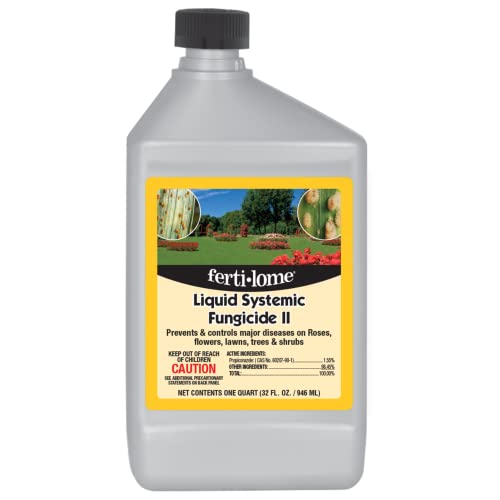
Fertilome Liquid Systemic Fungicide II Concentrate, 32 oz
A 32 oz propiconazole concentrate for leaf spot on trees, shrubs and lawns.
View on Amazon- 32 ozSize
- PropiconazoleActive ingredient
- Mix with waterForm
- Early seasonBest timing
Best for: Homeowners who treat trees and lawn with one systemic product each spring.
Why it ranks #7: It offers more product than the Atticus Gravex 20EW, but its listed diseases are mostly lawn problems, so it ranks seventh for trees.
Fertilome Liquid Systemic Fungicide II uses propiconazole, a systemic active ingredient. The listing says it prevents and controls major fungal diseases on roses, flowers, lawns and trees. Named diseases include take all patch, brown patch, dollar spot and leaf spot, with more on the label.
The 32 oz concentrate mixes readily with water at the rate on the label. Fertilome says it works best when you apply it early in the growing season, before disease takes hold. Because most named diseases are lawn problems, read the label for the tree diseases it covers before you buy.
Pros
- Systemic propiconazole
- Large 32 oz concentrate
- Covers trees, shrubs and lawns
- Mixes easily with water
Cons
- Listed diseases lean toward lawns
- Not for organic gardening
Skip it if you need a curative for powdery mildew on fruit; the Atticus Gravex 20EW names fruit trees.
8. Bonide Fruit Tree and Plant Guard, 32 oz Concentrate (Best All-in-One Orchard Spray)

Bonide Fruit Tree and Plant Guard, 32 oz Concentrate
A fungicide, insecticide, miticide and scalicide in one concentrate for home orchards.
View on Amazon- 32 ozSize
- 5 in 1Action
- Mix with waterForm
- Scab, leaf curlListed diseases
Best for: Home orchard owners fighting both fungus and insects such as aphids and Japanese beetles.
Why it ranks #8: It handles insects the Monterey Liqui-Cop cannot, but broad insect control means more care around bees, so it sits eighth.
Bonide Fruit Tree and Plant Guard works as an insecticide, fungicide, miticide, aphicide and scalicide in one concentrate. The listing names powdery mildew, scab and leaf curl among diseases, and aphids and Japanese beetles among insects. It is labeled for fruits, nuts, vegetables, trees, shrubs and flowers.
You shake the 32 oz bottle, mix it with water as directed, and spray. Because it kills insects, it can harm bees and other pollinators. Never spray open blossoms, spray in the evening when bees are not active, and follow the label for harvest intervals.
Pros
- Fungus and insect control in one spray
- Names scab and leaf curl
- Controls aphids and Japanese beetles
- Labeled for fruit and nut trees
Cons
- Insecticide can harm bees, so timing matters
- Active ingredients are not stated on the listing
Skip it if you only have fungus and no insect problem; the Monterey Liqui-Cop avoids the insecticide.
9. BioAdvanced 3-in-1 Fruit, Citrus and Nut Tree Spray, 32 oz Ready-to-Spray (Best for Citrus and Nut Trees)

BioAdvanced 3-in-1 Fruit, Citrus and Nut Tree Spray, 32 oz Ready-to-Spray
A ready-to-spray insect, disease and mite control made for fruit, citrus and nut trees.
View on Amazon- 32 ozSize
- 3 in 1Action
- Ready to sprayForm
- Day before harvestUse limit
Best for: Backyard citrus and nut growers who want insect and disease control with no mixing.
Why it ranks #9: It names citrus and nut trees on the bottle, which the Bonide Fruit Tree Guard does not, but it lists fewer diseases, so it ranks ninth.
BioAdvanced 3-in-1 kills listed insects, controls listed diseases and controls mites in one application. The title names fruit, citrus and nut trees. Diseases on the listing include black spot, powdery mildew and rust, and insects include caterpillars and aphids.
The 32 oz bottle is ready to spray, and BioAdvanced says you can use it on fruit and nut trees up to the day before harvest when used as directed. As with any spray that kills insects, keep it off open flowers and away from bees. Read the label for active ingredients and rates.
Pros
- Made for fruit, citrus and nut trees
- Ready to spray with no mixing
- Use up to the day before harvest
- Controls insects, disease and mites
Cons
- Fewer named diseases than the systemic picks
- Insect control can harm pollinators
Skip it if you grow organic citrus; the Captain Jack's Neem Max is listed for organic gardening.
10. Bonide Captain Jack's Neem Max, 16 oz Concentrated Cold Pressed Neem Oil (Best Organic Neem Oil)

Bonide Captain Jack's Neem Max, 16 oz Concentrated Cold Pressed Neem Oil
A cold pressed neem concentrate that works as a spray or a drench, with spreader sticker built in.
View on Amazon- 16 ozSize
- 4 in 1Action
- Spray or drenchApplication
- OrganicUse
Best for: Organic gardeners treating mildew and mites on small trees who also want a soil drench option.
Why it ranks #10: It offers organic insect and fungus control like the BioAdvanced 3-in-1 Tree Spray, but neem is lighter fungus control than copper or systemics, so it ranks last.
Neem Max is a cold pressed neem oil concentrate that Bonide calls a four-in-one insecticide, fungicide, miticide and nematicide. The listing names mildew, mites and flies, and says it kills eggs, larvae and adult insects. It is labeled for organic gardening on trees, shrubs, flowers, vegetables and houseplants.
The concentrate already contains added ingredients, so you do not need a spreader sticker such as dish soap. You can spray it or use it as a drench, and Bonide says drench use controls nematodes and Pythium. Neem can harm bees on contact, so spray in the evening and avoid open blossoms.
Pros
- Listed for organic gardening
- Spray or drench use
- Spreader sticker already included
- Controls insects and mildew
Cons
- Lighter fungus control than copper or systemic picks
- Can harm bees on contact
Skip it if you face brown rot or blight on fruit trees; the Monterey Liqui-Cop names both diseases.
Spray Trees Before Fungus Shows Up, Not After
Most tree fungicides work better as prevention than as a cure. Copper sprays like the Monterey Liqui-Cop and the Captain Jack's Copper RTU only protect the leaf surface they cover, and Monterey says copper is preventive, not curative.
A simple rule is to spray about 2 weeks before a disease usually appears, then repeat every 7 to 10 days while the weather stays wet. Neudorff gives exactly that schedule for the Neudorff Copper Soap. Spray again after rain, since rain washes contact sprays off.
Peach leaf curl is the classic example. Once the leaves have curled, the season’s infection is done. A dormant copper spray in late fall or late winter, before buds swell, stops it the next spring.
If a tree is already infected, a product with curative action, such as the Atticus Gravex 20EW or the Reliant Systemic 1 Gal, has a better chance of stopping the spread.
Match the Tree Fungicide to the Disease on the Label
No single fungicide covers every tree disease. Before you buy, name the problem, then check that it appears on the product label.
Copper sprays such as the Monterey Liqui-Cop and the Neudorff Copper Soap list peach leaf curl, blight, brown rot and leaf spot. Systemic products such as the Atticus Gravex 20EW and the Bonide Infuse Systemic list powdery mildew, scab and rust. Root rot, crown rot and bleeding cankers from Phytophthora need a product that names them, such as the Reliant Systemic 1 Gal, which you can apply as a drench.
If insects and fungus show up together, a multi-purpose spray like the Bonide Fruit Tree Guard or the BioAdvanced 3-in-1 Tree Spray saves a second trip. Using a product on a disease it does not list wastes money and lets the fungus keep spreading.
When you cannot tell what the disease is, take a leaf sample to your local extension office before you spray.
How to Choose a Fungus Treatment for Trees
Contact or Systemic?
Contact sprays like the Monterey Liqui-Cop coat the outside of the leaf and wash off in rain. Systemic fungicides like the Bonide Infuse Systemic soak into the tree and move inside it, and some last up to 4 weeks. Pick systemic for wet climates or diseases already present.
Organic or Synthetic?
Copper, copper soap and neem products such as the Captain Jack's Copper RTU, the Neudorff Copper Soap and the Captain Jack's Neem Max are listed for organic gardening. Myclobutanil and propiconazole products such as the Atticus Gravex 20EW and the Fertilome Systemic II are not, but they offer curative action.
Form and Tree Size
Trigger bottles hold 32 oz and suit dwarf or young trees. For trees taller than about 10 feet, a hose-end sprayer like the one on the Monterey Liqui-Cop or a concentrate in a pump sprayer covers more canopy. Concentrates range from 16 oz to the 1 gallon Reliant Systemic 1 Gal.
Safety for People, Bees and Water
Always read and follow the product label and the maker’s directions. Wear gloves and eye protection, keep children and pets away until the spray dries, and never spray in wind. Copper is toxic to fish, so keep it out of ponds and drains. Neem and insect sprays can harm bees, so spray in the evening and skip open blossoms. For fungus on garden plants beyond trees, see our guide to the best fungus killer for plants.
Which Fungus Treatment for Trees Should You Choose?
- If you grow fruit trees and want one spray all year, choose the Monterey Liqui-Cop, because it covers dormant and growing seasons with a hose-end sprayer.
- If you treat ornamental or shade trees, choose the Bonide Infuse Systemic, because it is systemic and lasts up to 4 weeks.
- If a tree has root rot or cankers, choose the Reliant Systemic 1 Gal, because it names Phytophthora and works as a drench.
- If mildew or scab returns every year, choose the Atticus Gravex 20EW, because 19.7% myclobutanil cures and prevents.
- If you want organic and no mixing, choose the Captain Jack's Copper RTU, because it is ready to use up to the day of harvest.
- If you want less copper in your soil, choose the Neudorff Copper Soap, because it uses a low copper concentration.
- If you treat trees and lawn together, choose the Fertilome Systemic II, because its propiconazole concentrate covers both.
- If insects and fungus attack your orchard, choose the Bonide Fruit Tree Guard, because it adds insect, mite and scale control.
- If you grow citrus or nut trees, choose the BioAdvanced 3-in-1 Tree Spray, because the bottle names them directly.
- If you prefer neem oil, choose the Captain Jack's Neem Max, because it works as a spray or a drench.
Frequently Asked Questions
What is the best fungicide for fruit trees?
For most home orchards, a copper spray used in the dormant season and again in spring prevents leaf curl, blight and brown rot. The Monterey Liqui-Cop is labeled for fruit trees and nut crops. For mildew or scab that is already present, a curative such as the Atticus Gravex 20EW works better.
Copper fungicide vs systemic fungicide for trees: which is better?
Copper is a preventive contact spray that is allowed in organic gardening, but rain washes it off. Systemic fungicides soak into the tree, resist rain and can cure some existing infections. Use copper like the Captain Jack's Copper RTU for prevention, and a systemic like the Bonide Infuse Systemic when disease has started.
How to treat fungus on tree bark?
First identify the cause, since bark cankers and bleeding spots often come from Phytophthora or other root and crown rots. A systemic product that names cankers and can be used as a drench, like the Reliant Systemic 1 Gal, fits this job. Prune dead wood in dry weather and clean tools between cuts.
When should you spray trees for fungus?
Spray before symptoms appear. Use a dormant copper spray in late fall or late winter before buds swell, then spray again at bud break and every 7 to 10 days in wet weather. Always reapply contact sprays after rain, and follow the product label for timing.
Is copper fungicide safe for bees and pets?
Copper is toxic to fish and can build up in soil, so avoid runoff into water. Keep pets and children off treated areas until the spray dries. Follow the label for protective gear. Neem and insect sprays such as the Captain Jack's Neem Max and the Bonide Fruit Tree Guard can harm bees, so never spray open flowers.
Can you eat fruit after spraying a fungicide?
It depends on the product. The Captain Jack's Copper RTU and the Neudorff Copper Soap allow use up to the day of harvest, and the BioAdvanced 3-in-1 Tree Spray up to the day before harvest. Synthetic systemics can have longer waits. Check the pre-harvest interval on the label and wash fruit before eating.
Final Verdict
The Monterey Liqui-Cop is the best fungus treatment for trees for most home fruit growers. It is labeled for fruit trees and nut crops, works in both dormant and growing seasons, and its hose-end sprayer reaches higher branches.
If your tree already shows powdery mildew or scab, the Atticus Gravex 20EW adds curative action with 19.7% myclobutanil. Before you buy any fungicide, check that your tree’s disease is named on the label.
Monterey Liqui-Cop Fungicidal Spray, 32 oz with Measuring Spoon
Copper protection for fruit and nut trees in dormant and growing seasons, with a hose-end sprayer.
View on AmazonSee the Monterey Liqui-Cop on Amazon
Treating roses, vegetables or shrubs too? Compare more options in our guide to the best fungus killer for plants.