When snowmelt damages your plants, you’ll need to act strategically to prevent further decline. First, you’ll spot the telltale signs—yellowed leaves and soggy soil—that indicate your plants are struggling. But here’s what you must know: the initial damage you’re seeing isn’t always the worst part. What happens next determines whether your plants survive or succumb to secondary problems that develop during recovery.
Spot Snowmelt Damage Before It Spreads
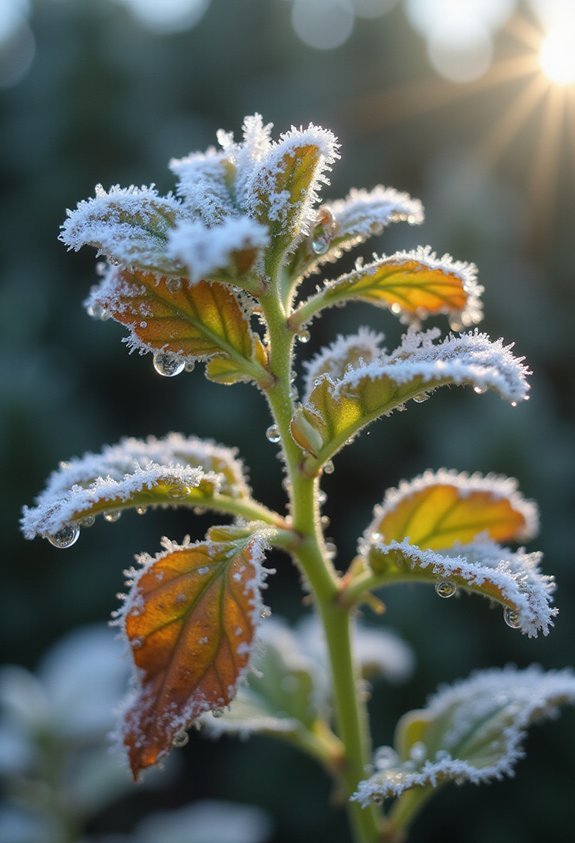
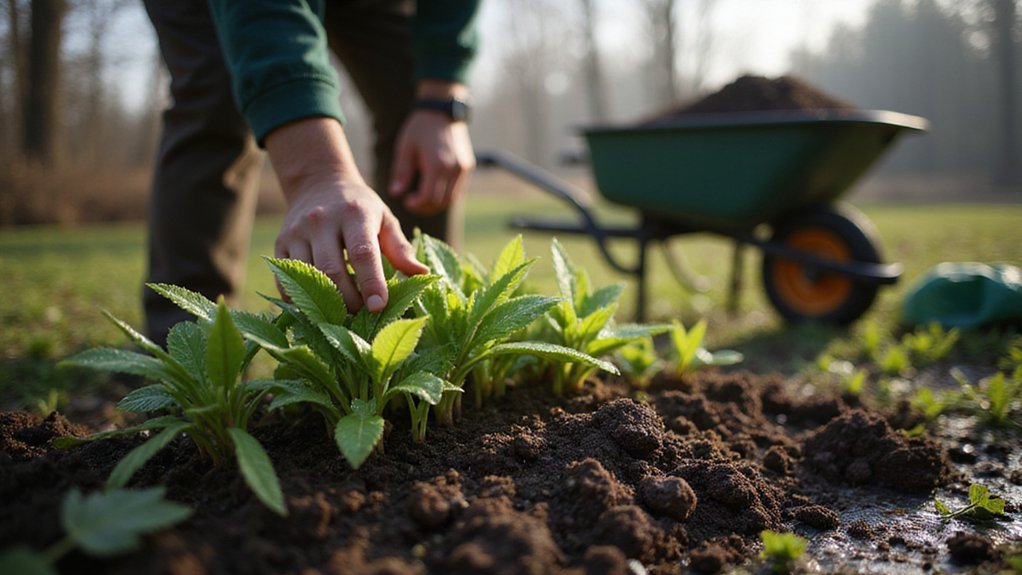
When snow melts rapidly or sits on plants for extended periods, it can cause serious damage that spreads quickly if you don’t catch it early. You’ll want to inspect your plants regularly during spring thaw, looking for signs like yellowing leaves, wilting stems, or soft, mushy branches that indicate water damage or rot. Check the soil around your plants too, since waterlogged conditions from melting snow can suffocate roots and promote fungal growth. Pay attention to plants near gutters or downspouts where water concentrates, as they’re especially vulnerable to flooding and ice damage. Early detection allows you, to remove damaged portions promptly, preventing disease from spreading to healthy growth and giving your plants the best chance for recovery.
Also read: 7 Indoor Plants That Thrive In Low Light
Dry Out Waterlogged Soil Fast
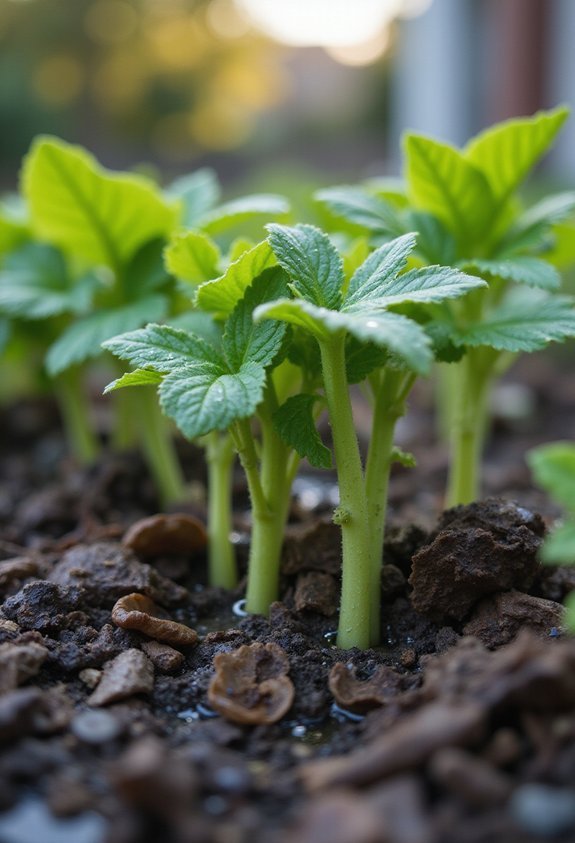
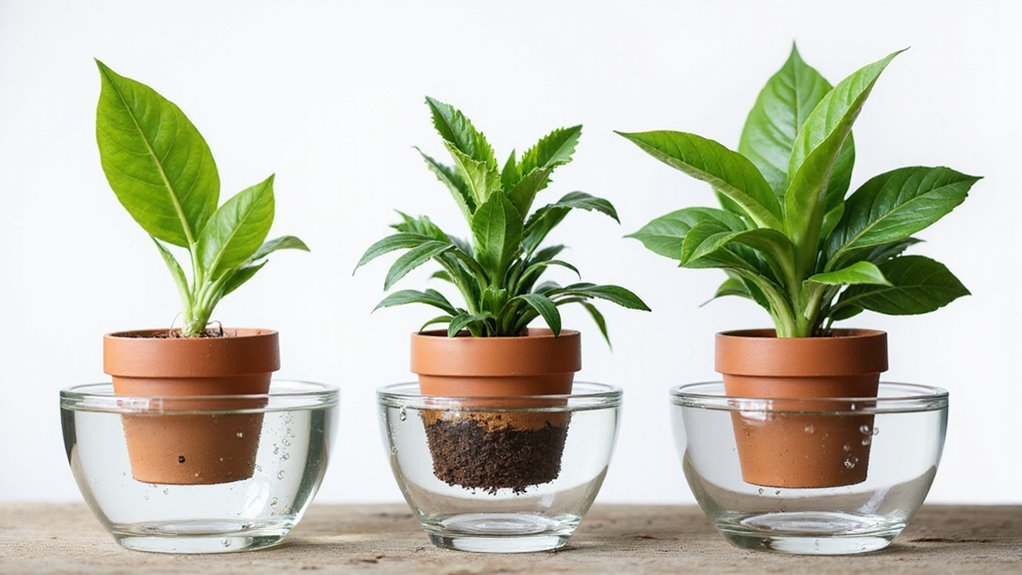
Once you’ve identified waterlogged soil around your plants, you’ll need to act quickly to remove excess moisture before it causes root rot and fungal infections that can kill your plants entirely. Start by improving drainage around the affected area, using a garden fork to gently aerate the soil without damaging nearby roots. Create shallow trenches or channels to direct water away from plant bases toward lower ground. If possible, add organic materials like peat moss or compost to improve soil structure and increase water absorption rates. For potted plants, repot them into fresh, dry soil immediately. You can also place fans nearby to increase air circulation, which speeds evaporation considerably. Monitor soil moisture daily until it reaches ideal dryness.
Remove Dead Growth Immediately

As your plants begin to dry out from the waterlogged conditions, you’ll notice that some stems, leaves, and branches have turned brown or black and won’t recover, so it’s essential that you remove this dead growth right away. Use clean, sharp pruning shears to cut away all damaged portions, making cuts just above healthy tissue where new growth can emerge. This removal process prevents diseases from spreading through the plant and redirects the plant’s energy toward surviving parts. Work systematically through each plant, removing entire dead branches rather than leaving stubs that won’t produce new shoots. Dispose of all dead material properly to eliminate potential disease sources in your garden.
Head Off Fungal Infections
Because waterlogged soil creates the damp conditions that fungi thrive in, you’ll want to take preventive steps right away to safeguard your recovering plants from infection. First, improve drainage by aerating the soil around your plants, which allows excess moisture to escape and prevents fungal spores from establishing themselves in saturated conditions. Second, apply a fungicidal spray designed for your specific plant type, following the product instructions carefully regarding application frequency and coverage. Third, space your plants appropriately to guarantee adequate air circulation between leaves and stems, as stagnant air promotes fungal growth. Finally, remove any fallen leaves or plant debris from the soil surface, since decomposing material harbors fungal spores. These preventive measures work together to create an environment where fungi cannot easily develop.
Feed Your Plants Back to Strength
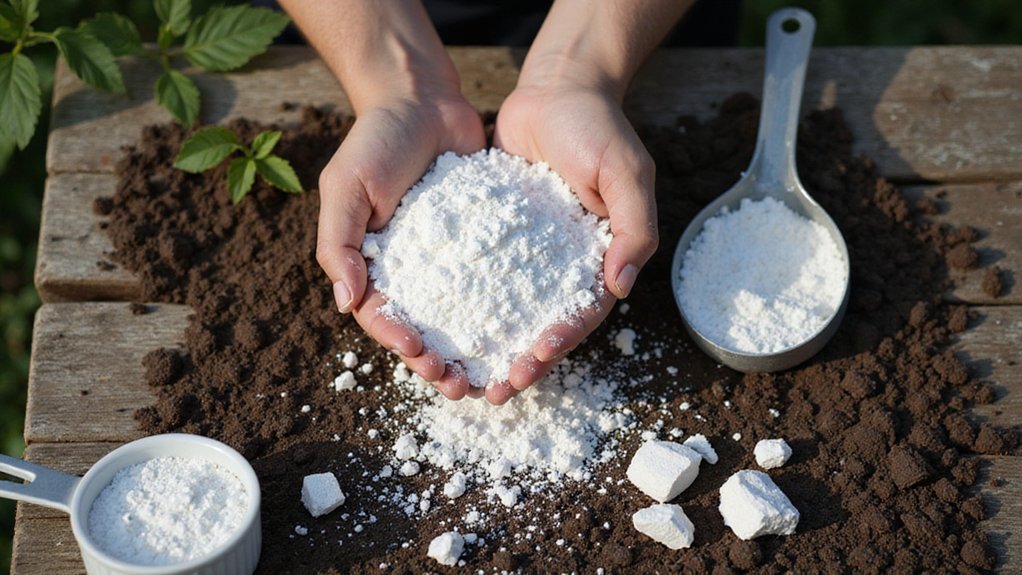
How can you restore vigor to plants that’ve been weakened by snowmelt damage? Start by applying a balanced, slow-release fertilizer once soil temperatures reach 50 degrees Fahrenheit, which encourages gradual nutrient absorption without shocking stressed plants. Choose fertilizers with nitrogen, phosphorus, and potassium in equal ratios to support overall recovery. Apply the fertilizer according to package directions, typically spreading it around the plant’s base and watering thoroughly to activate nutrients in the soil. For severely damaged plants, consider using liquid fertilizers every two weeks, which provide faster nutrient delivery through leaves and roots. Water deeply but infrequently to help plants access nutrients while preventing root rot in still-saturated soil. Monitor your plants closely during this recovery period.
Conclusion
You’ve now learned that rescuing snow-damaged plants isn’t rocket science—it’s just careful drainage work, pruning dead bits, fighting fungus, and feeding them properly. By following these straightforward steps methodically, you’re fundamentally telling your plants, “Hey, you survived winter; now let’s get you looking decent again.” Your attention to detail during recovery determines whether your garden bounces back gloriously or becomes a cautionary tale you’ll regret.