
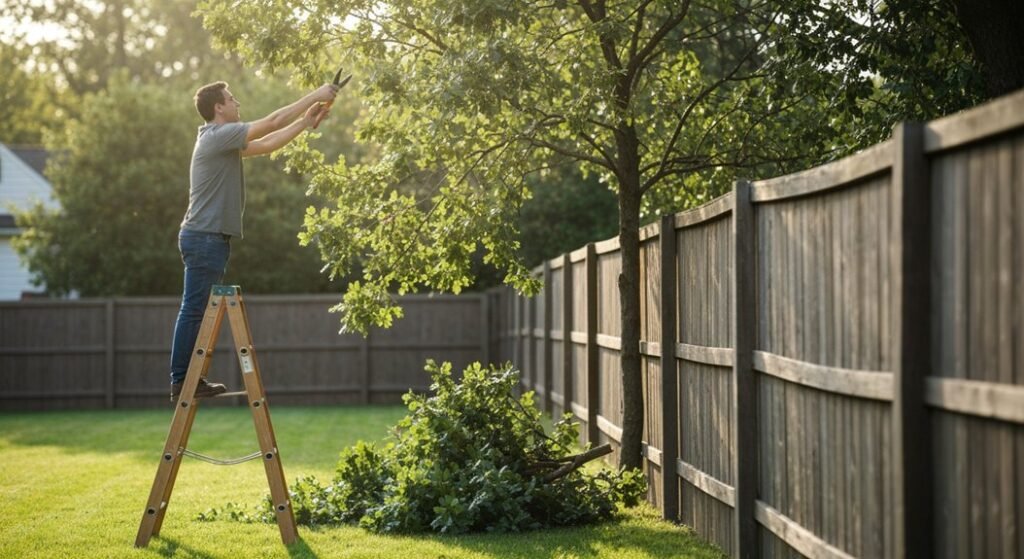
You’ve got branches hanging over your fence, and you’re wondering what you can actually do about it. Here’s the thing: you do have rights, but they’re limited. Before you grab your saw, you need to know exactly where your property line sits and what the law allows you to trim. Get this wrong, and you could face serious liability issues. So let’s start with the basics.
Start by Verifying Your Property Lines
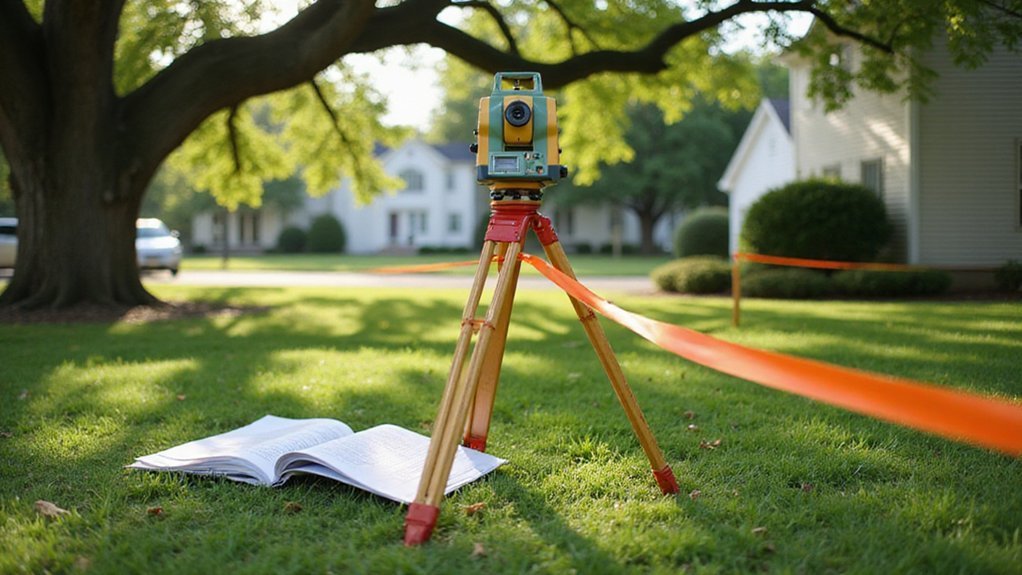
Before you trim a single branch, you’ve got to know exactly where your property ends and your neighbor’s begins. Start by checking your property deed, which contains the legal description of your lot boundaries. You can find this document at your County Clerk’s Office or request copies for a small fee. Next, obtain a plat map from previous surveys, which shows your exact property dimensions. For a visual reference, try free online GIS mapping tools offered by your county or municipality. These interactive maps display property lines and zoning information without any cost. If you need absolute certainty, hire a licensed land surveyor who’ll precisely measure your boundaries using specialized equipment and provide legally binding documentation.
Also read: Best Dwarf Fruit Trees for Small Spaces
Know Your Legal Right to Trim Overhanging Branches
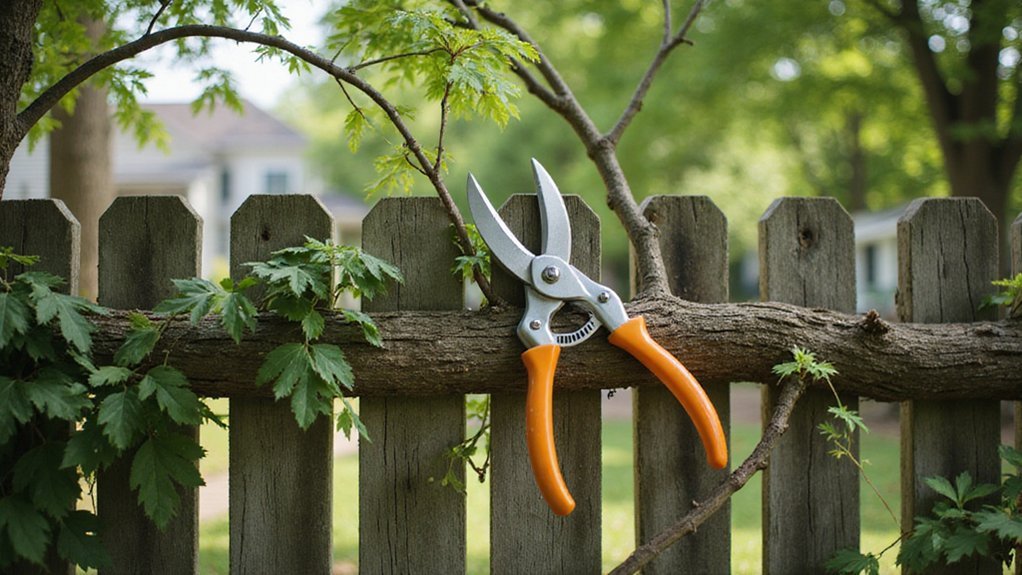
Once you’ve confirmed your property lines, you’re ready to understand what the law actually allows you to trim. You have a common-law right to cut branches and roots that cross into your property, but you can’t trim beyond your property line or fence. You’re prohibited from entering your neighbor’s property without permission, and you can’t injure the tree or cut it down entirely. Dead, decaying, or infested branches are fair game if they pose safety risks. However, you can’t ruin the tree’s aesthetics through excessive cutting or create a lopsided structure likely to topple. Check local ordinances too, since some areas protect specific tree species. Understanding these limits keeps you legally protected.
Assess Ownership: Trees on the Property Line
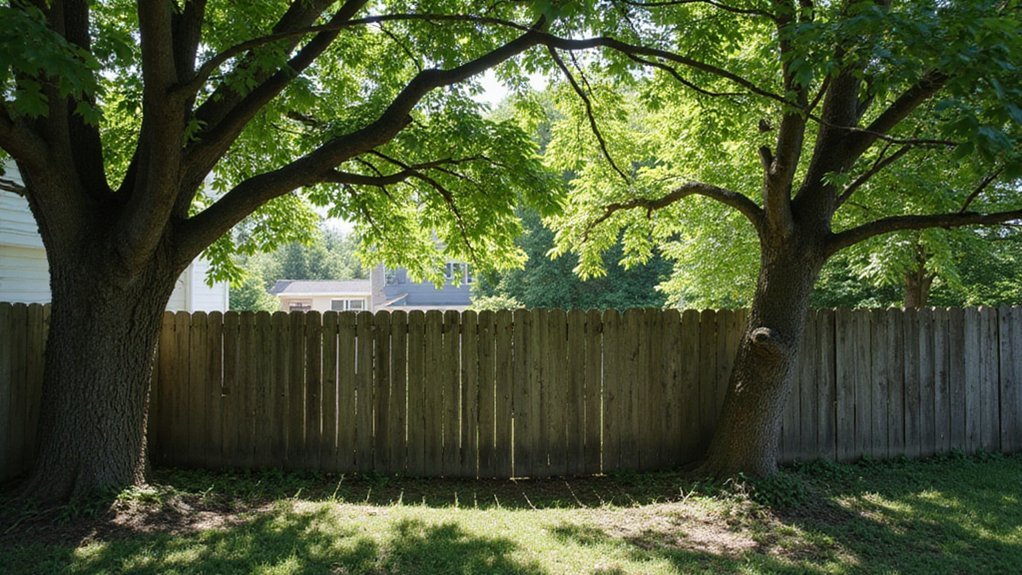
What happens when a tree’s trunk straddles the invisible line between your property and your neighbor’s? You’re dealing with a boundary tree, which means you and your neighbor jointly own it. Both of you share the rights and responsibilities for that tree’s care.
To determine ownership accurately, you’ll need to locate exactly where the trunk sits. Use a property survey or map to pinpoint the trunk’s position. If it’s directly on the line, it’s shared property. If it’s entirely on one side, that owner bears full responsibility.
Before trimming, consult your local authorities about state and county variations. Different areas have different rules governing boundary trees. Understanding ownership prevents costly disputes and legal complications with your neighbor.
Notify Your Neighbor: and Get It in Writing
Since you’ve identified the overhanging branches that concern you, your next step is notifying your neighbor directly and getting everything in writing. Start with a polite conversation explaining your concerns about potential property damage and safety hazards. If your neighbor agrees to trim the branches, document that agreement in writing before any work begins. Send a certified letter outlining your request and referencing local tree maintenance ordinances. Include specific details about which branches pose problems and your expected timeline. A written agreement should clarify that trimming stays within the property line and won’t damage the tree. Keep copies of all correspondence. This documentation protects you legally if disputes arise later and establishes your good-faith efforts to resolve the issue cooperatively.
Stay on Your Side: Where You Can and Can’t Cut
Now that you’ve got your neighbor’s agreement in writing, it’s time to understand the legal boundaries of trimming. You can only cut branches that cross your property line, stopping exactly at the boundary. Never reach over the fence or property line to trim portions still on your neighbor’s side. Don’t step onto their land for any trimming work whatsoever. You’re responsible for the cost of removing encroaching branches, so budget accordingly. Cutting beyond your property line risks serious legal consequences, including triple damages for wrongful acts. Stay strictly within your limits to avoid costly disputes. When in doubt about where your property line sits, consult a surveyor before making any cuts.
Root Trimming: When to Call a Professional
While trimming branches on your side of the property line keeps your yard safe, root problems demand a different approach entirely. You’ll want to call a professional arborist if you notice dieback, cracking limbs, or excessive fungi growth on your neighbor’s tree. Similarly, roots growing into your pipes, foundations, or sidewalks require expert intervention to prevent costly damage. Unstable trees showing root problems need immediate professional assessment and removal. Don’t attempt DIY root work near structures or power lines—specialized safety protocols and equipment are necessary. Certified arborists diagnose root diseases and structural issues accurately, then implement customized solutions. Professional trimming strengthens roots, eliminates disease, and reduces storm damage risk. Your property and safety depend on getting qualified experts involved with complex root situations.
Common Trimming Mistakes That Create Liability
Even with good intentions, you can create serious legal and safety problems when you trim tree branches incorrectly. Using dull tools crushes tissue and leaves decaying stubs that invite disease and future liability. You’ll need permits for most trimming work, especially in regulated areas or right-of-way zones. Skipping this step brings fines and potential police involvement. Poor planning causes limbs to swing wider than expected, damaging gutters or parked cars. Ignoring the tree’s natural lean and growth patterns creates unpredictable falls. Neglecting the tree’s health needs leads to decay and property damage claims. Always verify your contractor carries adequate liability insurance and workers’ compensation coverage before work begins.
Keep Records: Photos, Dates, and Communications
Because disputes over overhanging tree branches can escalate quickly, you’ll want to document everything from the very first conversation with your neighbor. Keep detailed records of all communications, including dates, times, and specific concerns you’ve discussed. Save emails, text messages, and written responses that show whether your neighbor agreed to help or refused cooperation.
Take photos and videos from multiple angles before and after any trimming occurs. Include visible property line markers or fences in your images to establish the boundary clearly. Document any damage caused by branches, such as roof harm or foundation cracks.
Preserve receipts for repairs and professional arborist consultations. File reports with local utilities or municipalities about hazardous conditions. This documentation creates a clear timeline and proves your good faith efforts to resolve the issue responsibly.
When to Escalate to Small Claims or a Lawyer
If your documented efforts to resolve the situation haven’t worked, it’s time to ponder legal action. Small claims court handles straightforward damage cases like fallen branches or debris. However, you can’t get a judge to order your neighbor to trim or remove trees there. That’s where superior court comes in. You’ll need an attorney for superior court filings seeking injunctions, which legally require your neighbor to address the nuisance tree. Consult a real estate or timber trespass lawyer promptly, especially if your incident occurred recently. Remember, property damage claims typically have a one-year statute of limitations. Your documented records strengthen whichever legal path you choose, so act decisively before time runs out.
Conclusion
You’ve now got the roadmap to handle overhanging branches without legal trouble. One homeowner’s failure to notify neighbors before trimming cost her $8,000 in damages when the tree became diseased. Your written agreement acts like an insurance policy—it prevents misunderstandings and protects both parties. Take these steps seriously, document everything, and you’ll maintain both your property and your neighborhood relationship intact.