

Snake plants are famously slow growers indoors. Most varieties add just 4 to 6 inches of height each year. With patience and proper care, mature specimens eventually reach 2 to 4 feet tall.
Several factors determine whether your plant thrives or merely survives. Light exposure plays the biggest role, though these adaptable plants tolerate low light better than most. Temperature consistency and well-draining soil also encourage steady development.
Growth often stalls completely during winter dormancy. This natural rest period means little to no new leaves from late fall through early spring. Understanding this cycle helps set realistic expectations for year-round progress.
Some snake plants seem to explode with new shoots while others sit unchanged for months. The difference usually comes down to those controllable variables.
Small adjustments to placement, watering, or potting mix can transform a stagnant plant into a steadily growing one.
Typical Snake Plant Growth Rate: What to Expect
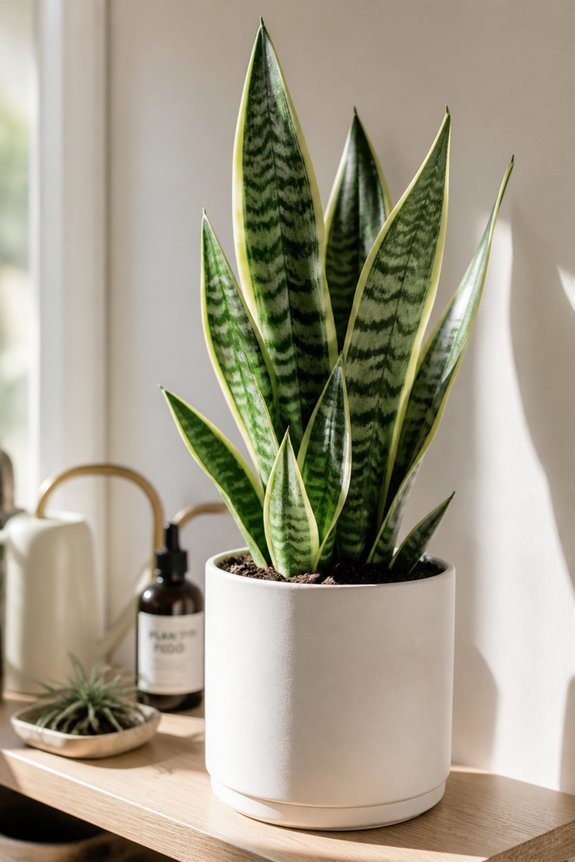
Snake plants take their time. Most add just four to six inches each year indoors.
This holds true across varieties, including the popular Sansevieria trifasciata. Light, temperature, and soil all shape how fast yours grows.
Bright, indirect light gives the best results. Low light works too, but expect even slower progress. Keep temperatures steady between 60 and 75 degrees for ideal conditions.
Watch your watering. Too much water stunts growth and invites root rot.
New leaves start at the base and push upward. Winter brings dormancy, so growth pauses or nearly stops. With patience and decent care, mature plants top out at two to four feet.
Also read: Why Is My Peace Lily Not Growing
Light Conditions That Speed Up Growth
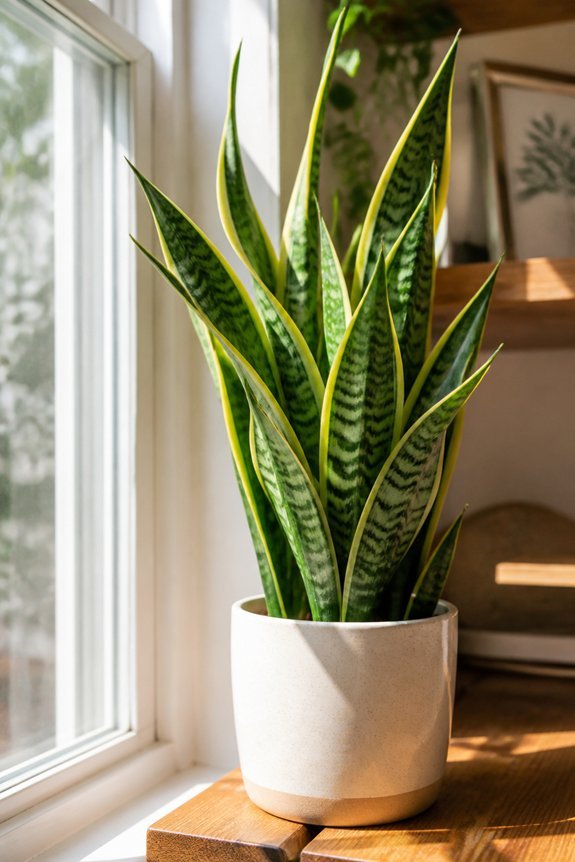
Light is the main driver behind how fast your snake plant grows.
Bright, indirect light gives you the best results. Think east or west windows. Plants near these spots noticeably outpace those stuck in dark corners.
Direct sun is risky business. It burns the leaves and sets your plant back. Low light works in a pinch, but growth crawls. Sometimes it stops completely.
Three to five feet from a window hits the sweet spot. No ideal window? Grow lights fill the gap nicely.
Give your plant a quarter turn now and then. This keeps growth even and prevents that lopsided lean toward the light.
Temperature and Humidity: Ideal Ranges for Faster Growth
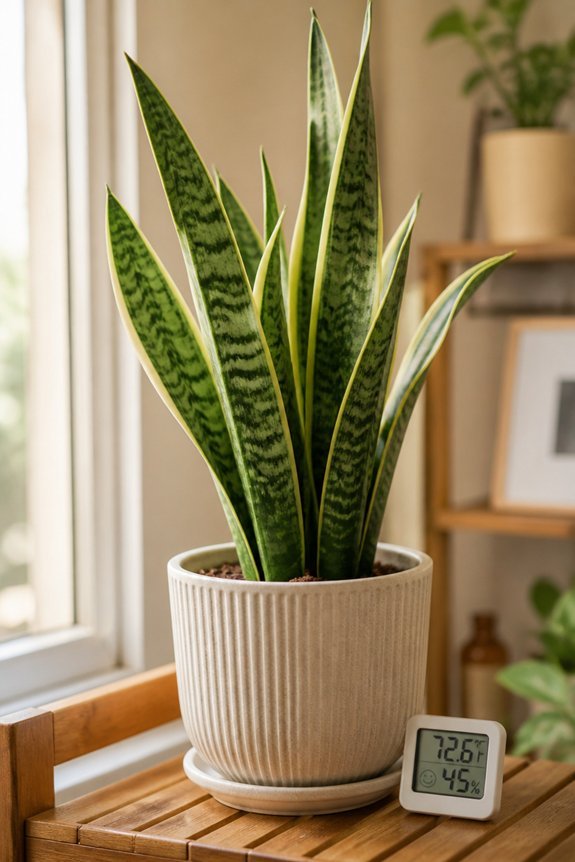
Light gets the attention, but temperature and humidity do the real work. Snake plants grow fastest between 65 and 80 degrees Fahrenheit. Drop below 60, and you’ll notice the slowdown.
Humidity around 40 to 50 percent keeps things ideal. These plants handle dry air better than most, so don’t stress too much. What really matters is consistency. Fluctuating temperatures stress the plant and put the brakes on growth.
Winter naturally brings slower cycles. Keep your snake plant away from heating vents, air conditioners, and drafty windows. Group plants together or run a humidifier when indoor air gets dry. You’ll see steadier new growth as a result.
Best Soil Mix and Watering Schedule for Optimal Growth
Your soil mix makes or breaks your snake plant’s health. Start with a cactus or succulent blend. Add perlite or coarse sand for extra drainage. This keeps water moving so roots stay happy and rot-free.
Watering changes with the seasons. Check the soil during growing months. If it’s dry all the way through, it’s time to water. That usually means every two to three weeks. Winter slows everything down. Once a month often does the trick. Too much water is the fastest way to stall your plant’s growth.
Pick a pot with drainage holes. Clay beats plastic here. It lets soil dry out faster between drinks. Get these basics right, and your snake plant will reward you with steady, healthy growth.
Why Your Snake Plant Stops Growing: Common Problems and Fixes
Your snake plant has stopped growing. That’s frustrating, but the fix is usually simple.
Light is often the culprit. These plants love bright, indirect light. Too dim? Leaf production slows way down. Move it closer to a window and watch what happens.
Overwatering kills more snake plants than anything else. Wet, soggy soil suffocates the roots. Let the soil dry out completely between waterings. Your plant will thank you.
Temperature matters more than you’d think. Below 50°F, growth stalls hard. Keep things cozy between 70-80°F instead.
Old, tired soil lacks nutrients. A little fertilizer during spring and summer gives your plant the boost it needs.
And check that pot. Roots packed tight can’t expand. But a giant pot holds too much water. Repot every couple of years into something just slightly bigger.
Propagate Faster: How to Skip Years of Waiting
Propagation turns years of waiting into just a few months. You can skip buying mature plants entirely. Just work with what you already have.
Dividing your existing snake plant gives you instant results. The separated sections come with roots already intact. They’ll settle into new pots right away.
Leaf cuttings take a bit longer, but they’re simple to do. Snip off a healthy leaf and let the cut end dry for a day or two. Then stick it in soil or water. You’ll spot new growth at the base within weeks.
Water propagation lets you watch the magic happen. Clear containers show roots forming in real time. It’s satisfying to see progress.
These methods skip the slow dormancy that seeds require. Pick the technique that fits your setup. Your collection grows faster either way.
Timeline to Maturity: From Seedling to Full Height
Snake plants take their time growing up. Most reach full maturity between five and ten years. Your growing conditions and how you started the plant both play a big role.
Leaf cuttings start especially slow. You might see almost nothing happening for the first two years. That changes around year three. Once the roots establish themselves, vertical growth picks up speed. By year seven or eight, most plants hit their mature height of two to four feet.
Light matters more than you might expect. Bright, indirect light speeds things along. Low light slows everything down. Keep temperatures steady between sixty-five and eighty-five degrees. Water consistently and give the roots enough room to spread. Small changes in care add up over years of growth.
Frequently Asked Questions
Can I Use Fertilizer to Make My Snake Plant Grow Faster Than Normal?
Fertilizer can enhance snake plant growth, but results remain modest. These slow-growing plants naturally thrive with minimal nutrients. Light, soil quality, and watering practices matter more than fertilization for noticeable growth acceleration.
Does the Size of the Pot Affect How Quickly a Snake Plant Grows?
Pot size does influence snake plant growth rates. A larger container provides more soil and nutrients, potentially accelerating growth. However, snake plants prefer slightly cramped conditions, so oversized pots may actually slow development and increase root rot risk.
Are Certain Snake Plant Varieties Faster Growing Than Others?
Yes, certain snake plant varieties grow faster than others. Sansevieria trifasciata and laurentii cultivars typically grow more rapidly than slower varieties like golden hahnii or moonshine, which develop at significantly reduced rates.
What’s the Best Time of Year to Repot a Growing Snake Plant?
Would one not expect spring to be ideal for repotting? Snake plants thrive best when repotted during spring or early summer, when active growth begins. This timing allows the plant to establish itself quickly in fresh soil before dormancy arrives.
Can Snake Plants Grow Faster Indoors or Outdoors in Suitable Climates?
Snake plants typically grow faster outdoors in suitable climates due to increased light exposure and natural temperature fluctuations. However, indoor growth remains steady when provided adequate indirect light and proper care conditions.
Conclusion
Snake plants grow steadily at four to six inches yearly, much like a savings account accumulating interest through consistent deposits rather than sudden windfalls. Proper light, temperature between 65 and 80°F, and well-draining soil compound growth over time. Patience and regular care prove more effective than attempting shortcuts. Most specimens reach mature heights of two to four feet within several years of ideal conditions.