Picture a plant that shrivels into a brittle, seemingly lifeless husk, only to unfurl and bloom green again with a single watering—this is the resurrection plant’s remarkable reality. You’re about to discover how to cultivate these extraordinary survivors that can lose nearly all their water and still bounce back. Understanding their unique needs will transform you from a curious observer into a confident grower who can keep these resilient plants thriving.
What Makes Resurrection Plants Unkillable
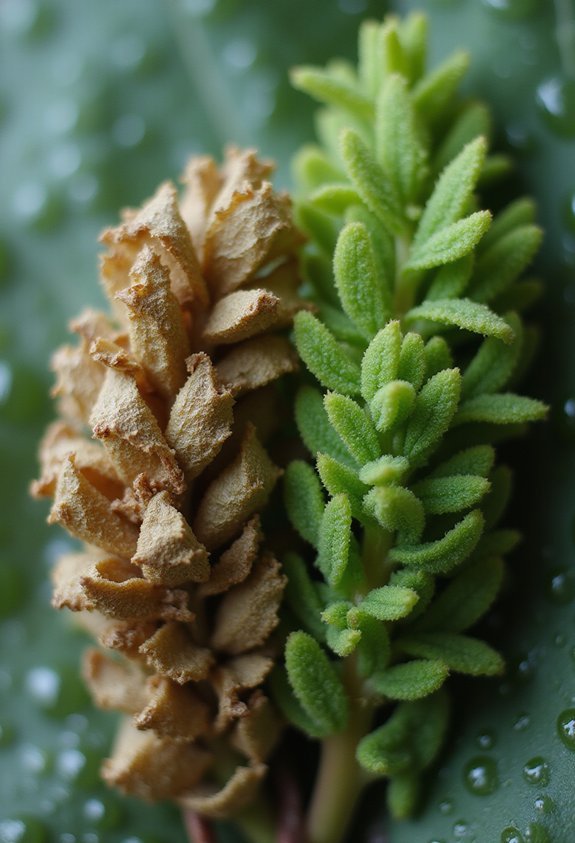
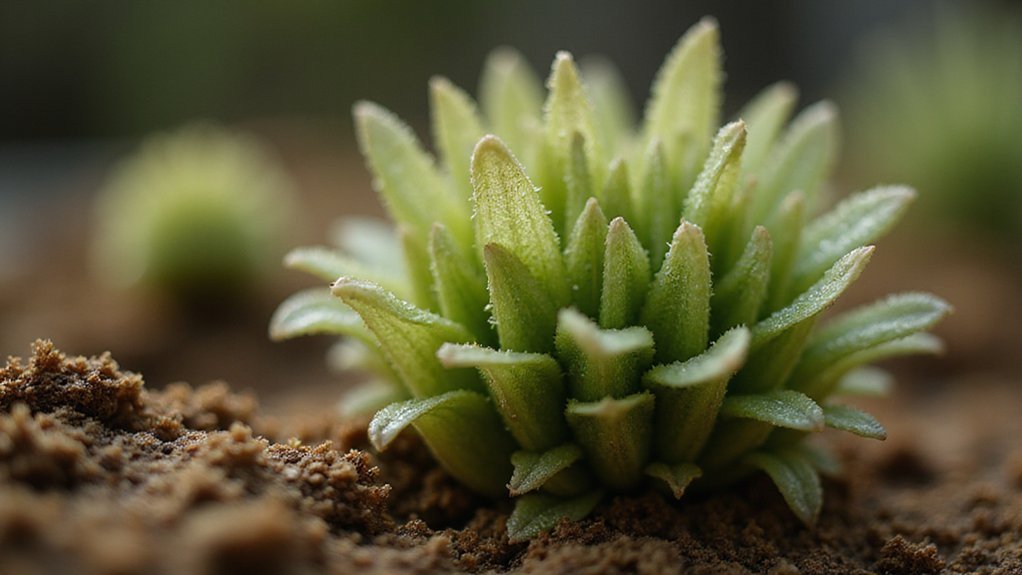
Resurrection plants possess an extraordinary ability to survive extreme dehydration that would kill most other plants, and they’ve developed special biological mechanisms that allow them to enter a dormant state when water becomes scarce. When you expose these plants to drought conditions, they’ll curl up and appear completely dead, but they’re actually conserving energy and protecting their cells from damage. Their leaves contain special compounds that shield cellular structures from harm during this dormant period. You’ll notice that resurrection plants can lose up to 95% of their water content without experiencing permanent damage. Once you rehydrate them by watering or misting, they’ll gradually unfurl and resume normal growth within hours or days. This remarkable adaptation makes them incredibly forgiving houseplants that tolerate neglect exceptionally well.
Also read: 5 Signs Your Live Christmas Tree Is Dying
Set Up Your Soil and Container
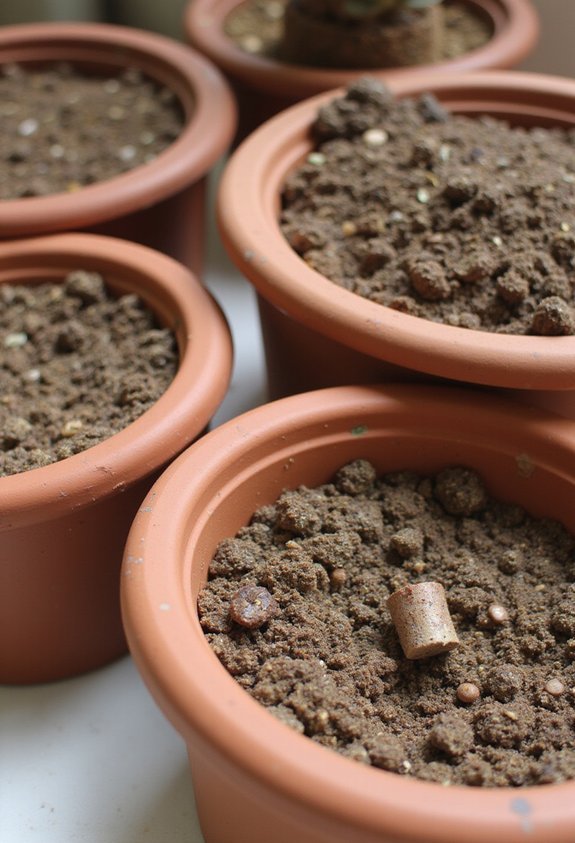
Since resurrection plants need well-draining soil to thrive, you’ll want to choose a container and soil mix that prevents water from pooling around their roots, which can lead to rot even though these plants are remarkably resilient. Select a pot with drainage holes at the bottom to guarantee excess water escapes quickly. Use a soil mixture combining equal parts perlite, orchid bark, and potting soil, which creates the airy structure these plants prefer. The container size should be only slightly larger than the plant’s root ball, as oversized pots retain too much moisture. Terracotta pots work particularly well because they’re porous and allow soil to dry between waterings. This setup mimics the well-drained, rocky environments where resurrection plants naturally grow.
Humidity and Temperature: Building Your Plant’s Ideal Environment
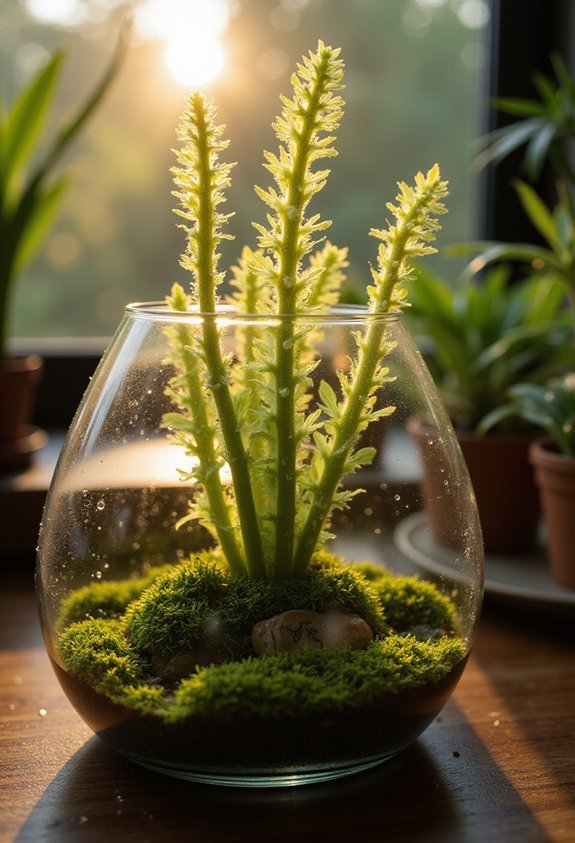
Although these hardy plants can survive extreme drying, they’ll actually thrive when you provide them with warm, humid conditions that mirror their native tropical and subtropical habitats. Maintain temperatures between 65°F and 75°F, avoiding cold drafts and sudden fluctuations that stress your plants. You’ll want to increase humidity levels to 50 percent or higher, which you can achieve by misting the foliage regularly, grouping plants together, or placing your container on a pebble-filled tray with water. This method allows moisture to evaporate around the plant without waterlogging the soil. If you’re growing resurrection plants indoors during winter months when heating systems reduce moisture in the air, consider using a humidifier to maintain ideal conditions consistently.
Master the Watering Cycle
How do you know when your resurrection plant actually needs water? You’ll observe the leaves becoming papery and curled when moisture levels drop too low, which signals that watering time has arrived. Rather than following a fixed schedule, you should check the soil’s moisture content by inserting your finger about an inch deep into the potting medium. If the soil feels dry at this depth, water thoroughly until liquid drains from the bottom holes, ensuring complete soil saturation. After watering, allow excess moisture to drain completely, since resurrection plants can’t tolerate waterlogged conditions that promote root rot. Between waterings, let the soil dry out considerably, mimicking the plant’s natural drought-resistant habitat and encouraging its remarkable resurrection ability.
The Dormancy Cycle: Letting Your Plant Rest
Just as resurrection plants‘ve evolved to survive extreme droughts in their native habitats, you’ll want to give your plant periodic rest cycles to maintain its health and vigor over time. During dormancy, you’ll reduce watering considerably and keep your plant in a cooler location, ideally between 50-60°F, which mimics its natural seasonal conditions. You’ll notice your plant’s growth slowing or pausing entirely, which is completely normal and necessary for the plant’s survival mechanism. This resting phase typically lasts several weeks to months, depending on your specific species. You shouldn’t fertilize during dormancy since your plant isn’t actively growing and doesn’t require additional nutrients. By respecting this natural cycle, you’re allowing your resurrection plant to regenerate its energy reserves, ultimately supporting stronger growth when active growth resumes.
How Much Light Do Resurrection Plants Need?
Light plays a critical role in your resurrection plant‘s ability to photosynthesize and maintain healthy foliage, so you’ll want to provide the right amount without exposing it to conditions that’ll cause damage or stress. Your resurrection plant thrives in bright, indirect light, which means you should place it near a window where sunlight filters through without hitting the leaves directly. Avoid positioning your plant in low-light areas, as insufficient light’ll weaken growth and reduce its ability to recover from dormancy cycles. Direct sunlight, particularly during intense afternoon hours, can scorch the delicate foliage and cause brown patches. If your home lacks adequate natural light, consider using a grow light positioned 6 to 12 inches above your plant, providing 12 to 14 hours of illumination daily.
Why Your Resurrection Plant Has Brown Leaves (and How to Fix It)
Brown leaves on your resurrection plant typically indicate that one or more environmental conditions aren’t meeting your plant’s needs, and identifying the specific cause’ll help you take corrective action. The most common culprit is inconsistent watering; these plants require regular moisture but not waterlogged soil, so establish a consistent watering schedule that keeps the soil lightly moist. Low humidity also causes brown leaf edges, since resurrection plants thrive in humid environments—mist your plant regularly or place it on a pebble tray filled with water. Additionally, brown leaves can result from exposure to cold drafts, direct heat sources, or low light conditions. Finally, check for pest infestations or nutrient deficiencies, which may require targeted treatment. Remove affected leaves promptly to redirect your plant’s energy toward healthy growth.
Propagating and Scaling Your Resurrection Plant Collection
Once you’ve mastered the care requirements for a single resurrection plant, you can expand your collection by propagating new plants from your existing ones, which is a cost-effective method that allows you to grow multiple plants without purchasing them from a nursery. You can propagate resurrection plants through division, separating the plant into smaller sections, each containing roots and leaves. During the growing season, carefully remove your plant from its pot and gently separate the rhizomes, ensuring each division has adequate root systems. Plant each section in fresh, well-draining soil and water thoroughly. Maintain consistent moisture and humidity levels while the new plants establish themselves. This straightforward propagation technique enables you to create numerous plants from a single parent plant efficiently.
Conclusion
You’ve now mastered the essential techniques for cultivating resurrection plants successfully, and like a well-orchestrated machine with each part working in harmony, your plant thrives when you balance soil drainage, humidity, light, and watering cycles. By respecting their dormancy periods and propagating through division, you’ll establish a sustainable collection that demonstrates nature’s remarkable resilience. Your commitment to understanding these plants’ unique needs guarantees long-term flourishing growth.