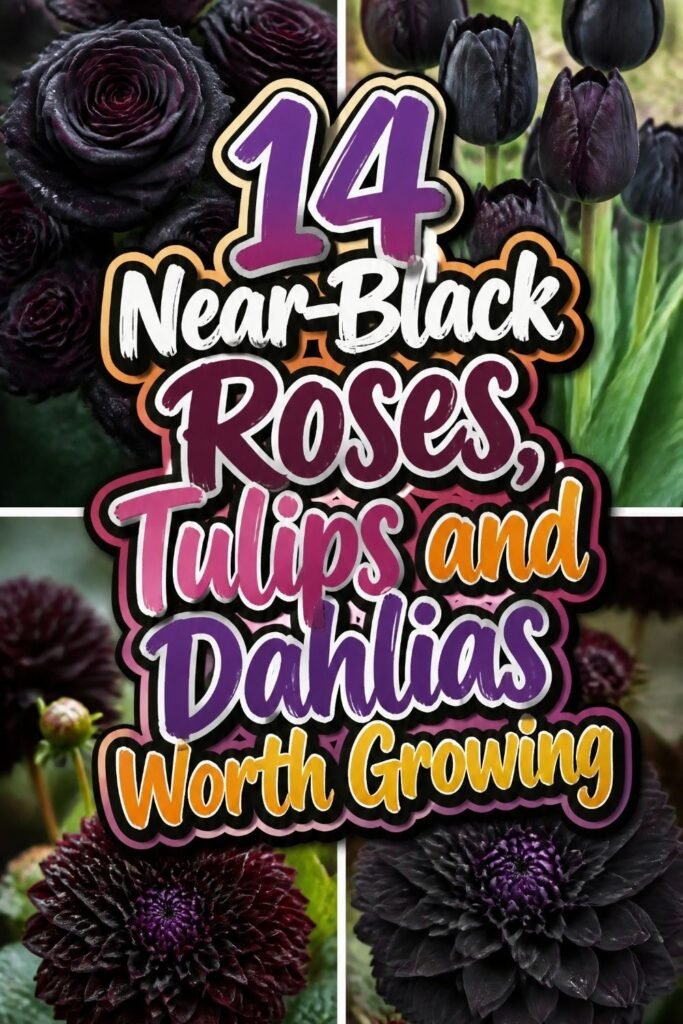
Near-black flowers carry a quiet drama that few other garden elements can match. Their velvety depths absorb light while somehow radiating elegance, creating natural focal points that draw the eye without shouting for attention.
Against softer pastels and pale greens, these dark blooms act almost like visual anchors, making surrounding colors appear to glow with renewed intensity.
Cultivating these varieties demands more than casual interest. Black Baccara roses, Queen of Night tulips, and the deepest dahlias each arrive with their own particular temperaments regarding sunlight exposure, soil composition, and ongoing care.
Success depends on respecting these individual requirements rather than imposing uniform treatment across different species.
The following sections explore fourteen near-black varieties that reward thoughtful attention. From classic favorites to lesser-known cultivars, each selection offers something distinct for gardeners willing to meet their specific needs.
Why Near-Black Flowers Create Garden Drama and Sophistication
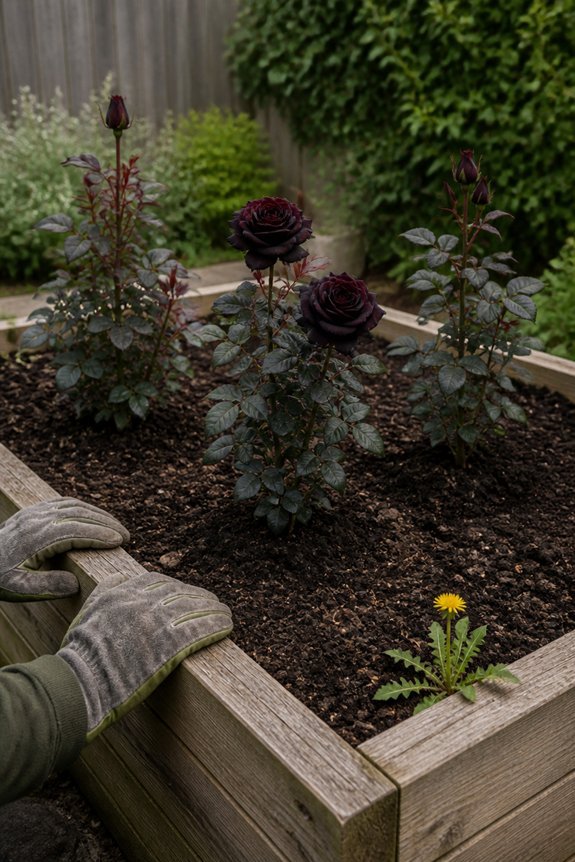
Darkness in flowers functions as a visual anchor, drawing the eye and establishing contrast against lighter plants and garden elements. Near-black dahlias, roses, and tulips create defined focal points in garden beds.
Their deep pigmentation provides sophistication through visual weight, making surrounding pastels appear brighter. This color strategy adds depth and structure to landscape designs without requiring additional hardscape elements or construction modifications.
Black Baccara Rose: Velvety Deep Red
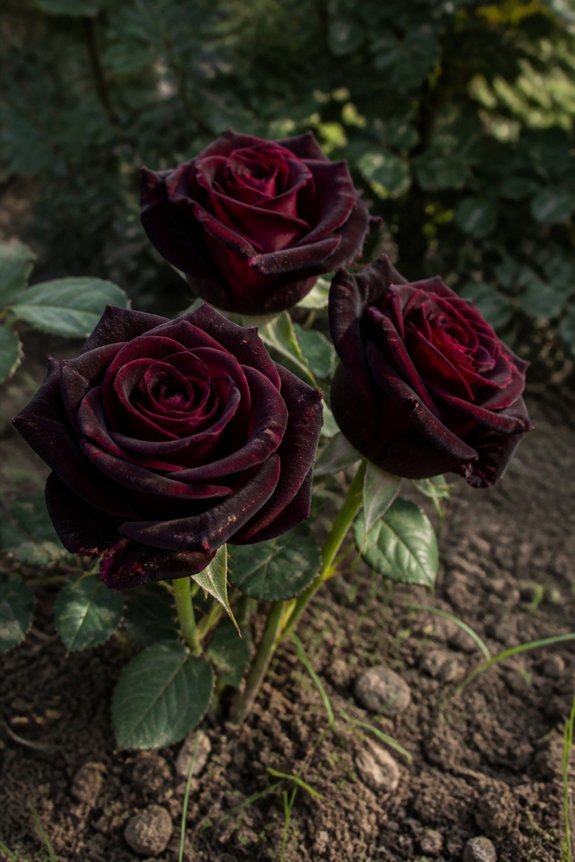
Among the darkest roses available to gardeners, the Black Baccara delivers deep crimson petals that appear nearly black in certain light conditions. This hybrid tea rose reaches three to four feet tall, producing long-stemmed blooms suitable for cutting.
Black Baccara requires full sun, well-draining soil, and regular pruning to maintain vigor and flower production throughout growing seasons.
Black Magic Rose: The Classic Dark Standard
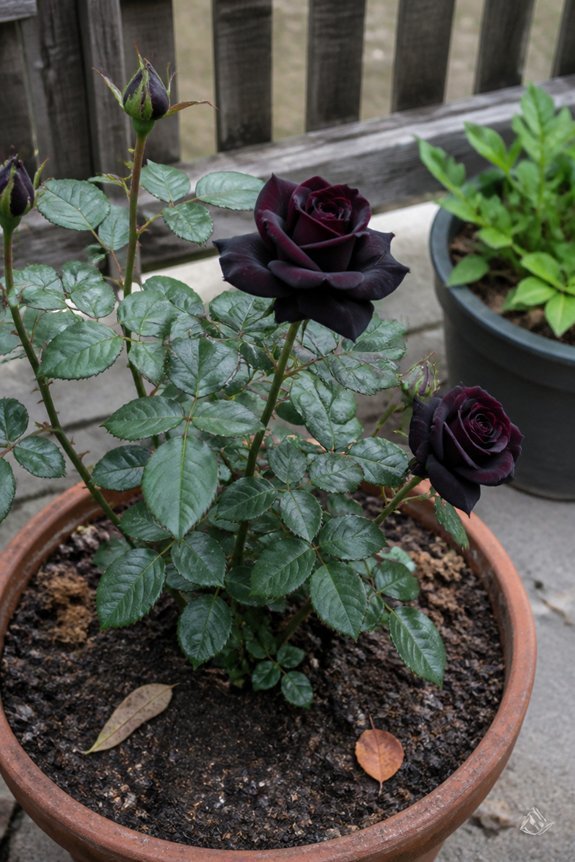
The Black Magic rose stands as a reliable choice for gardeners seeking deeply colored blooms, featuring dark red petals that often appear nearly black under low light. This variety grows four to five feet tall, produces fragrant flowers suitable for cut arrangements, and performs well in zones five through ten.
Black Magic roses require standard rose care, including regular watering and pruning.
Before the Night Rose: Nearly Ebony Blooms
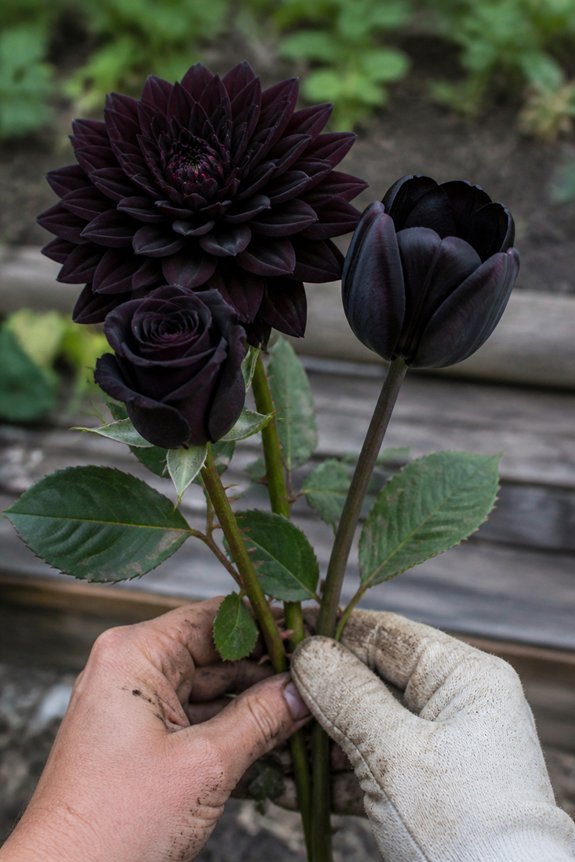
Before the Night Rose offers gardeners an alternative to Black Magic, producing blooms that approach true black coloration more closely than most other varieties. This hybrid tea rose displays deep burgundy petals, appearing nearly ebony in low light conditions.
The flowers reach four inches across, bloom repeatedly throughout the season, and perform well in temperate climates with adequate sunlight and drainage.
Black Parrot Tulip: Drama in a Spring Bulb
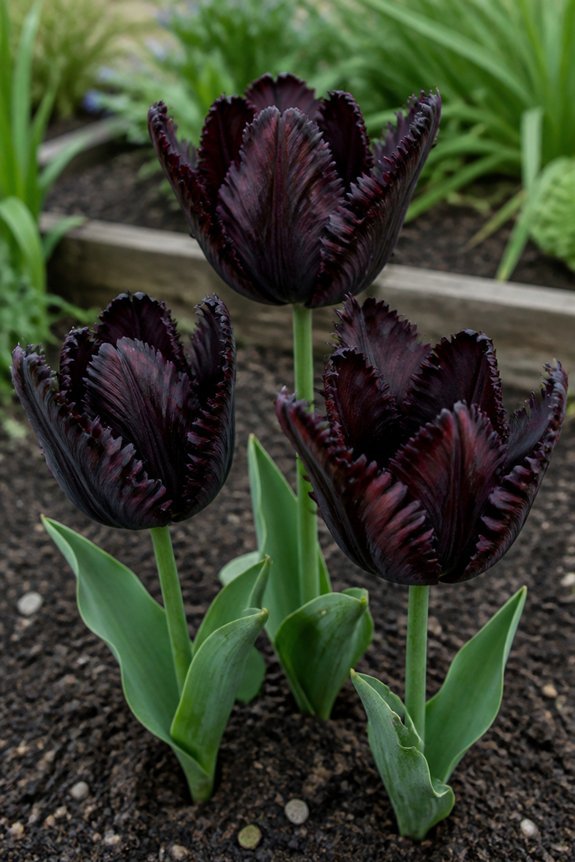
While roses dominate gardens through warmer months, spring bulbs provide early-season color options for gardeners seeking darker blooms. The Black Parrot Tulip produces deep burgundy, nearly black petals with ruffled edges and striking green markings.
These tulips reach twelve to sixteen inches tall, flourish in full sun, and require well-draining soil. Plant bulbs in fall for spring flowering.
Queen of Night Tulip: The Darkest Variety
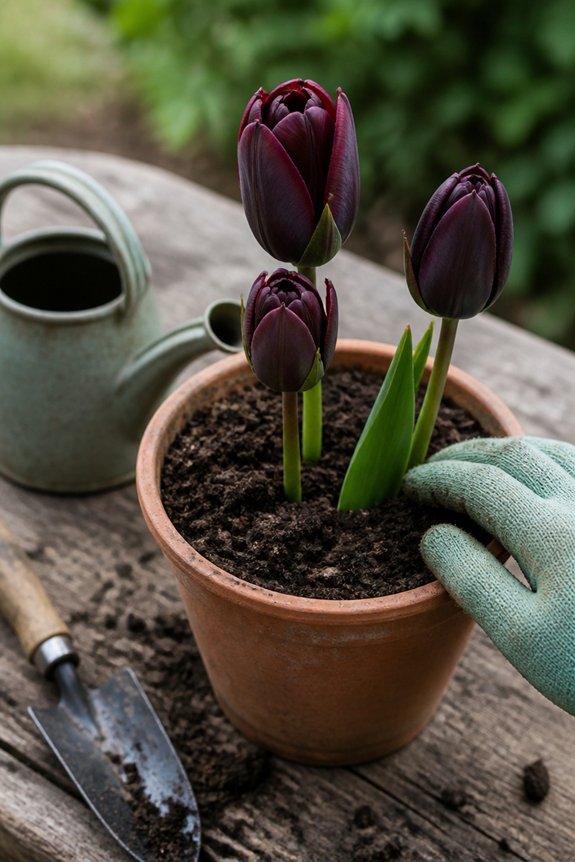
Queen of Night Tulips represent the darkest tulip variety available to home gardeners, producing petals so deep burgundy they appear nearly black under most lighting conditions. These tulips bloom in mid-spring, reaching twelve to fourteen inches tall.
They require full sun exposure, well-draining soil, and six to eight weeks of cold temperatures before planting. Single bulbs cost approximately two dollars each.
Black Hero Tulip: Single Petals, Maximum Impact
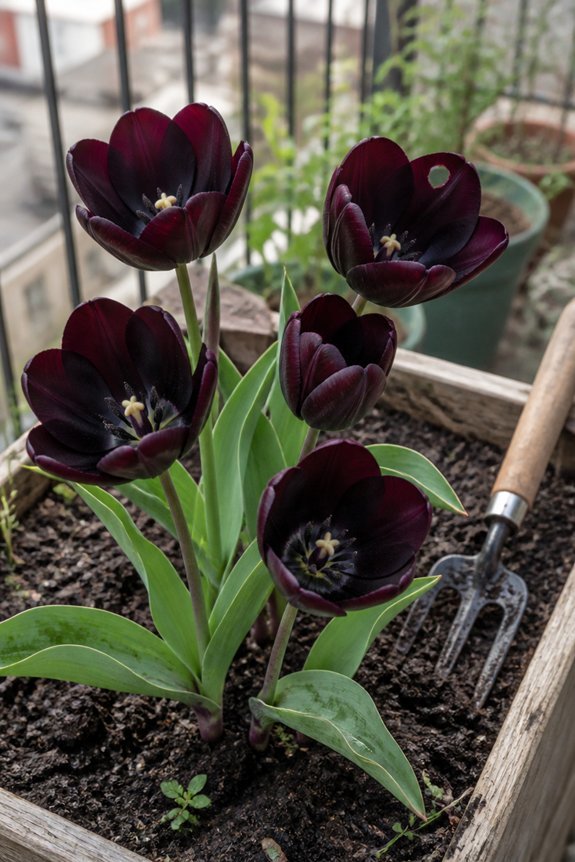
Another nearly black tulip option for gardeners is the Black Hero variety, which produces deep purple-black petals on single-layer blooms rather than double petals. This tulip reaches approximately 20 inches tall, making it suitable for garden beds and containers.
The single-petal design allows unobstructed viewing of the flower’s dark coloring. Black Hero tulips bloom in mid-spring and require standard tulip growing conditions: well-draining soil, full sun exposure, and proper autumn planting.
Café Au Lait Dahlia: Rich Chocolate and Burgundy
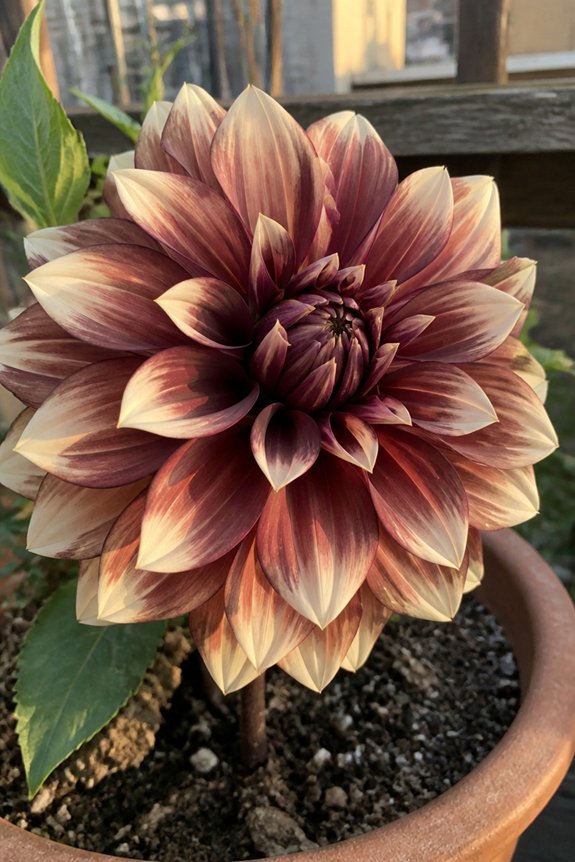
The Café Au Lait dahlia produces large, layered blooms in shades of chocolate brown and burgundy, reaching heights between 3 and 4 feet tall. These dahlias require full sun, well-draining soil, and consistent watering.
Gardeners should stake plants for support and deadhead spent flowers to encourage continued blooming throughout summer and fall seasons.
Black Dahlias: Shadowy Petals and Striking Forms
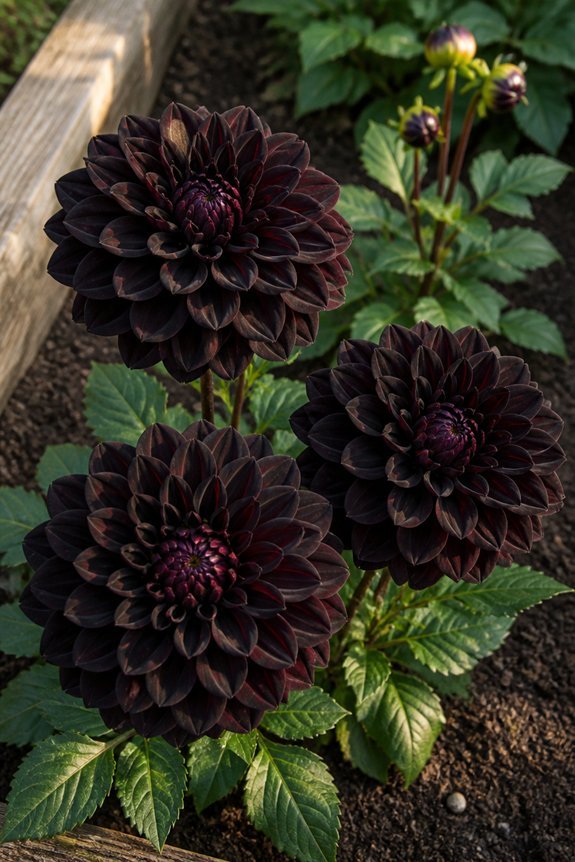
Black dahlias, despite their name, produce deep burgundy or dark purple petals that appear nearly black in certain lighting conditions. Varieties like Karma Choc and Black Baccara display striking forms, ranging from decorative to cactus types. These dahlias reach heights of two to four feet, requiring full sun, well-draining soil, and regular deadheading for continuous blooms throughout summer and fall seasons.
Where and How to Plant Near-Black Flowers for Impact
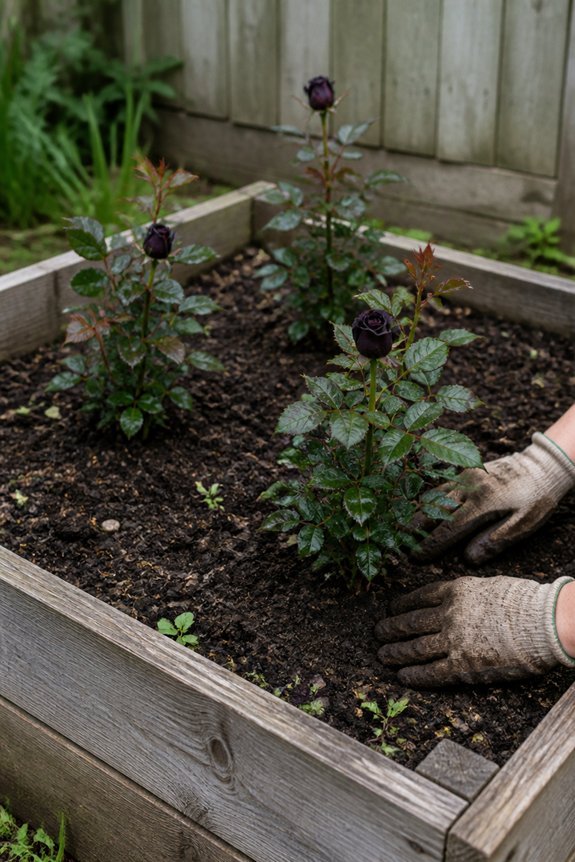
Positioning near-black flowers in a garden requires consideration of light, contrast, and surrounding plantings to maximize their visual effect. Plant dark dahlias and tulips against pale backgrounds, such as silver-foliaged plants or light-colored mulch. These flowers thrive in full sun to partial shade.
Grouping near-black varieties together creates bold focal points. Avoid planting them near competing dark elements that diminish their impact. Built-in seating with storage solutions nearby can help organize gardening tools while maintaining an uncluttered view of these dramatic blooms.
Sunlight and Soil for Near-Black Flowers
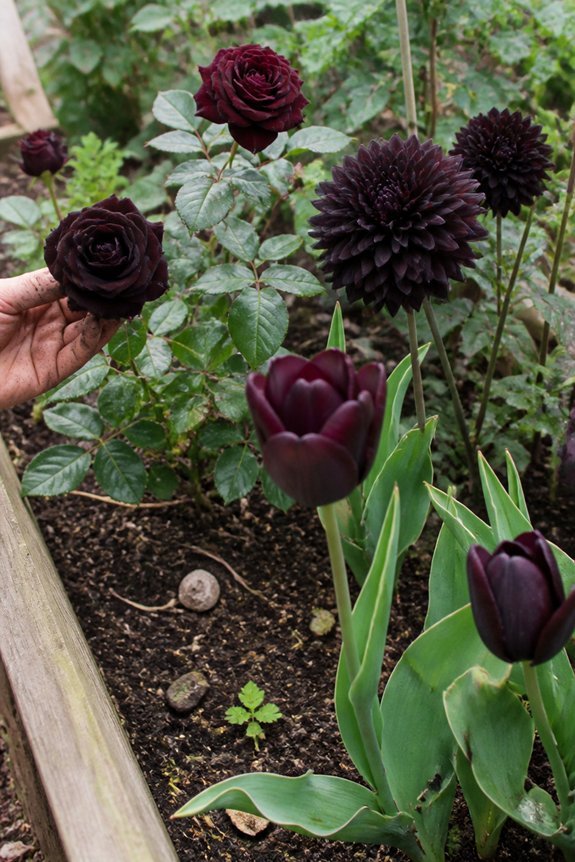
Most near-black flowers perform best with six to eight hours of direct sunlight daily, though some varieties tolerate partial shade in hot climates. Well-draining soil is essential, as dahlias, roses, and tulips are prone to root rot in wet conditions. Amend soil with compost or peat moss to improve drainage and nutrient content before planting.
Watering, Feeding, and Seasonal Care
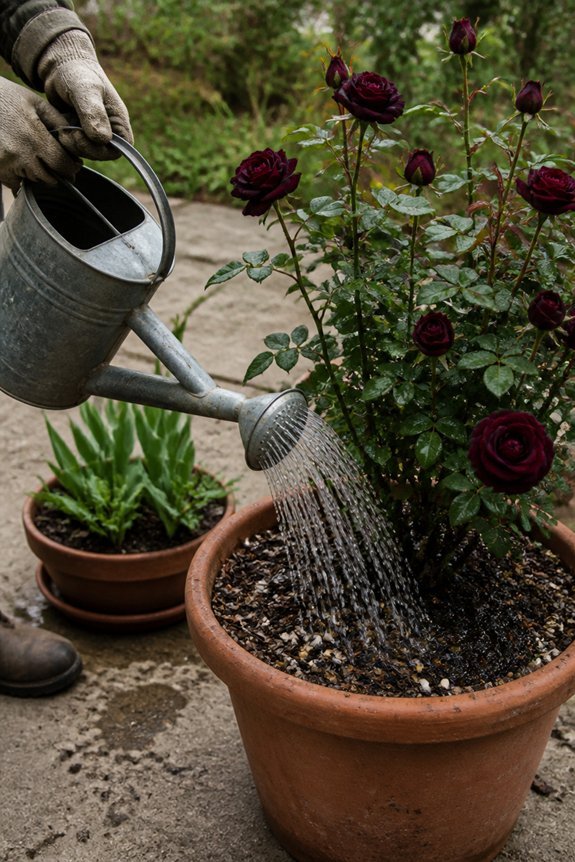
Proper drainage prevents root rot, yet consistent moisture remains necessary for healthy growth and blooming. Near-black flowers require weekly watering during growing season, reducing frequency in winter. Balanced fertilizer applied monthly supports flower development.
Dahlias need staking for support, while tulips benefit from cool dormancy periods. Deadheading spent blooms encourages continued flowering throughout the season.
Protecting Near-Black Flowers From Pests and Diseases
Because near-black flowers attract the same pests and diseases as other ornamental plants, gardeners must monitor them regularly for problems. Common threats include aphids, spider mites, and powdery mildew.
Inspect foliage weekly for discoloration, spotting, or visible insects. Remove affected leaves promptly. Apply neem oil or fungicides when necessary, following label directions carefully to protect plant health. Consistent care helps maintain healthy plants that naturally resist pests.
Growing Near-Black Flowers in Every Season
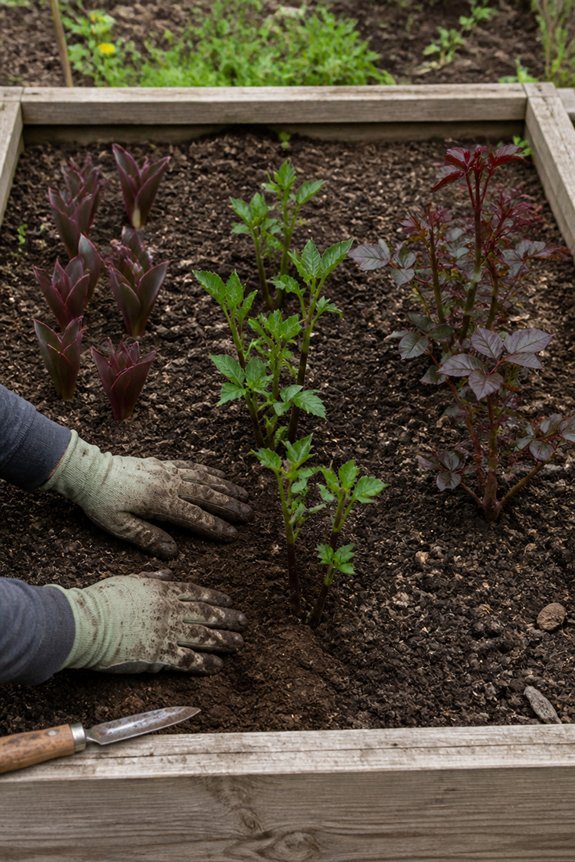
Near-black flowers can bloom throughout the year when gardeners select appropriate varieties and adjust care methods for each season.
Spring offers tulips and hellebores, summer brings dahlias and petunias, fall features chrysanthemums, and winter includes ornamental cabbages. Each season requires different watering schedules, fertilizer applications, and temperature management to maintain healthy blooms and color intensity.
Frequently Asked Questions
How Long Do Near-Black Flowers Typically Bloom During Their Growing Season?
Near-black flowers typically bloom for varying durations depending on the species. Roses generally flower for several weeks, tulips bloom for one to two weeks, while dahlias produce flowers from mid-summer until the first frost, extending their blooming period considerably longer than other varieties.
Can Near-Black Flowers Be Grown Successfully in Containers or Pots?
Near-black flowers can be successfully cultivated in containers. Roses, tulips, and dahlias thrive in pots when provided with adequate drainage, appropriate soil composition, and sufficient sunlight. Container gardening offers flexibility and enables gardeners to control growing conditions effectively.
Do Near-Black Flowers Attract Different Pollinators Than Other Flower Colors?
Near-black flowers attract pollinators similarly to other dark-colored blooms. Bees and butterflies respond primarily to ultraviolet patterns and scent rather than human-perceived color darkness. These flowers function effectively in pollinator gardens alongside conventionally colored specimens.
What Is the Best Way to Preserve or Dry Near-Black Flowers?
One preserves near-black flowers by air-drying them in bundles hung upside-down in dark, well-ventilated spaces for two to three weeks. Alternatively, pressing them between heavy books or using silica gel maintains their deep coloration effectively.
Are Near-Black Flower Varieties More Expensive Than Traditionally Colored Varieties?
Studies show near-black flower varieties typically cost 15-30% more than traditional colors. Their rarity, specialized breeding requirements, and limited availability drive higher prices. Gardeners seeking unique specimens should expect premium pricing for these distinctive botanical treasures.
Conclusion
Near-black flowers, including Black Baccara roses, Queen of Night tulips, and deep dahlias, offer gardeners dramatic visual contrast and sophistication. These varieties require standard care: adequate sunlight, well-draining soil, consistent watering, and pest management. Studies show that dark flowers increase perceived brightness in surrounding plants by up to thirty percent, making them valuable design elements. With manageable cultivation needs, these fourteen varieties deserve consideration for any garden seeking depth and elegance.