You might wonder how plants survive when their roots sit constantly submerged in water and mud. Unlike most plants you’re familiar with, wetland species have developed remarkable adaptations that allow them to thrive where oxygen is scarce and nutrients are limited. From specialized root systems to unique leaf structures, these organisms represent nature’s clever solutions to one of Earth’s most challenging environments—but what exactly are these adaptations, and how do they work?
Why Wetland Plants Don’t Drown: Surviving Waterlogged Soil
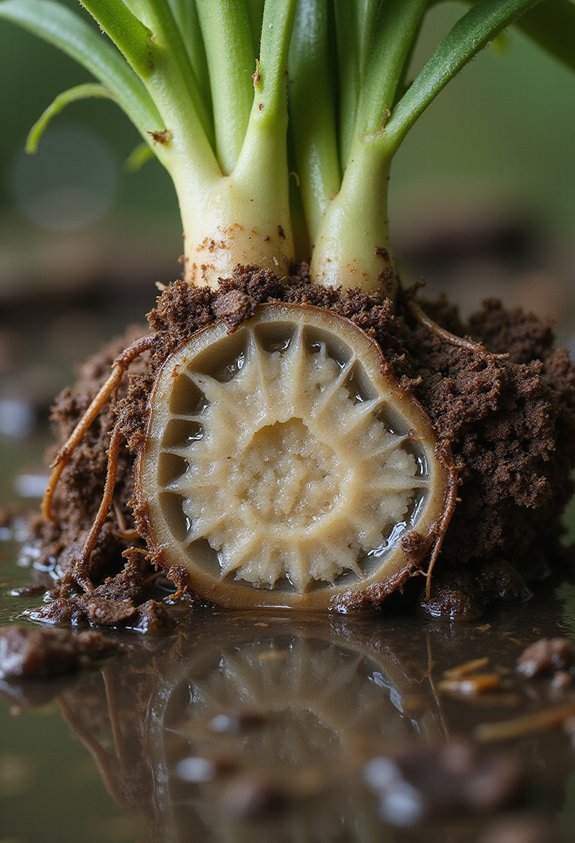
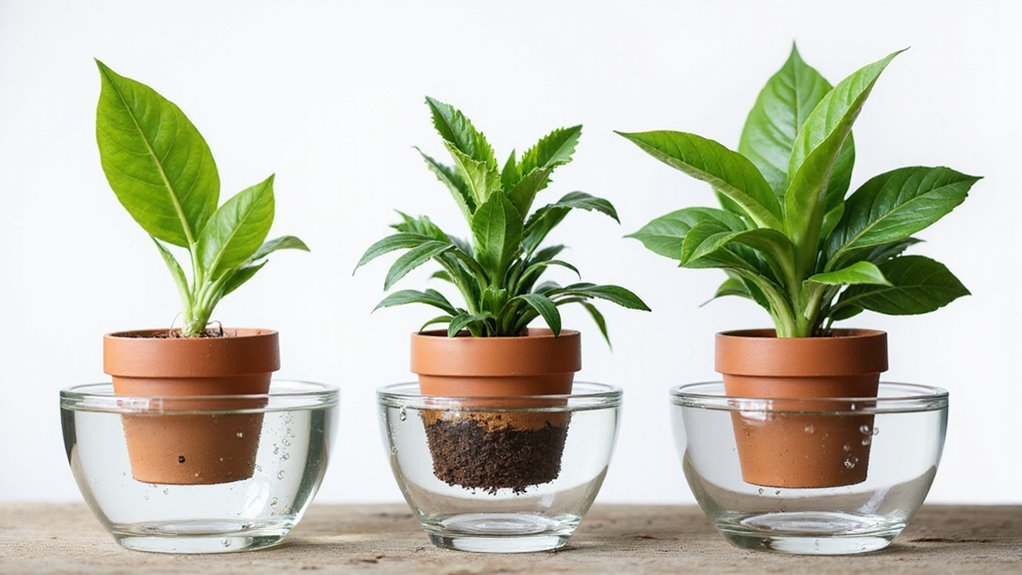
Since most plants can’t survive in soggy, waterlogged soil, you might wonder how wetland plants manage to thrive in environments where their roots are constantly submerged in water. These specialized plants’ve adapted remarkable features that allow them to breathe and absorb nutrients despite waterlogged conditions. Many wetland plants develop aerenchyma, which are air-filled spaces within their roots and stems that transport oxygen downward to submerged root tissues. Additionally, you’ll find that wetland plants often have shallow, spreading root systems rather than deep ones, positioning them in less oxygen-depleted soil layers. Some species’ve also evolved specialized root structures called pneumatophores, which protrude above water surfaces and facilitate gas exchange. These biological adaptations enable wetland plants to extract necessary oxygen and nutrients from their challenging aquatic environments successfully.
Adaptations That Keep Wetland Plants Alive
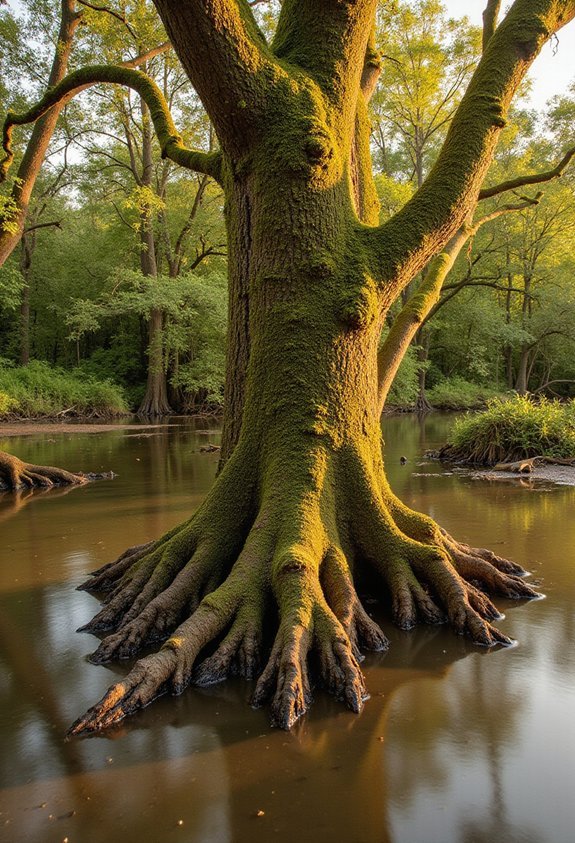
Wetland plants’ve developed a remarkable collection of physical and biological adaptations that work together to keep them alive in waterlogged environments, and understanding how these features function reveals the incredible ways nature solves survival problems. You’ll find that many wetland plants possess specialized root systems, including air-conducting roots called aerenchyma tissue, which transport oxygen from leaves down to submerged roots. Additionally, you can observe that some species develop shallow, spreading roots that absorb nutrients from nutrient-rich water rather than soil. Moreover, wetland plants often produce waxy leaf coatings that shed excess water, preventing rot and fungal infections. You should recognize that these combined adaptations enable wetland plants to thrive where other species would simply perish.
Cypress Trees: The Iconic Giants of Swamps
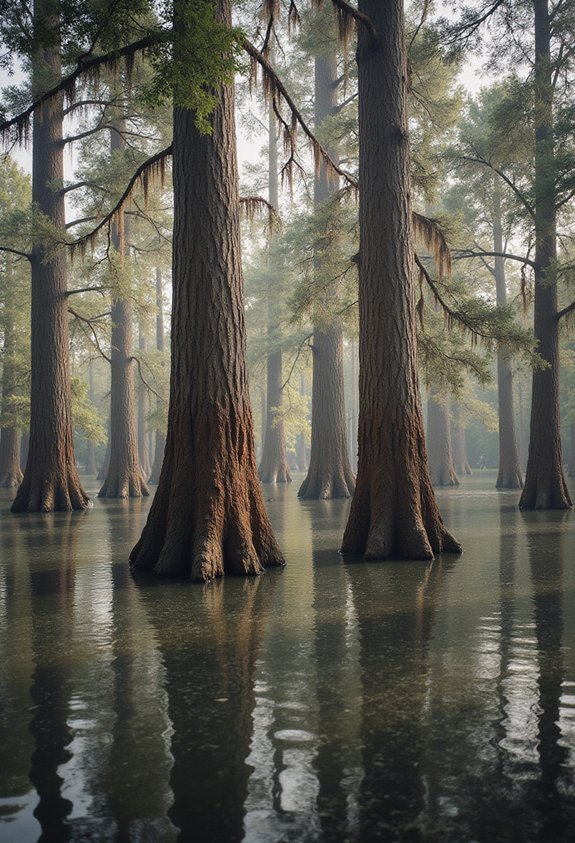
Among the most recognizable inhabitants of swamps and wetlands, cypress trees’ve evolved into towering symbols of these waterlogged ecosystems, and their unique structural features make them perfectly suited for survival in environments where standing water and saturated soil would challenge most other plant species. You’ll notice that cypress trees develop specialized root systems called “knees,” which are woody projections that extend above the waterline, allowing the roots to absorb oxygen from the air rather than relying solely on waterlogged soil. Their wood resists decay exceptionally well due to natural oils, enabling them to withstand constant moisture exposure for centuries. Additionally, you can observe their narrow, feathery foliage that reduces water loss through evaporation, ensuring these giants thrive where other trees would perish.
How Carnivorous Wetland Plants Trap Nutrients
While most plants absorb nutrients from soil through their roots, carnivorous wetland plants‘ve developed an entirely different survival strategy by trapping and digesting insects and small animals to obtain the nitrogen and phosphorus they can’t easily access from the nutrient-poor wetland environment. You’ll find that pitcher plants create tube-shaped leaves filled with digestive fluid, where insects slide down slippery walls and become trapped. Venus flytraps snap shut when you trigger sensitive hairs on their leaves, capturing prey instantly. Sundews produce sticky droplets that you can see glistening on their tentacle-like structures, ensnaring small insects. Once trapped, these plants secrete enzymes that break down their prey, allowing them to absorb essential nutrients directly through their leaf tissues, compensating for what wetland soil cannot provide.
Wetland Plant Zones: Emergent, Submerged, and Floating
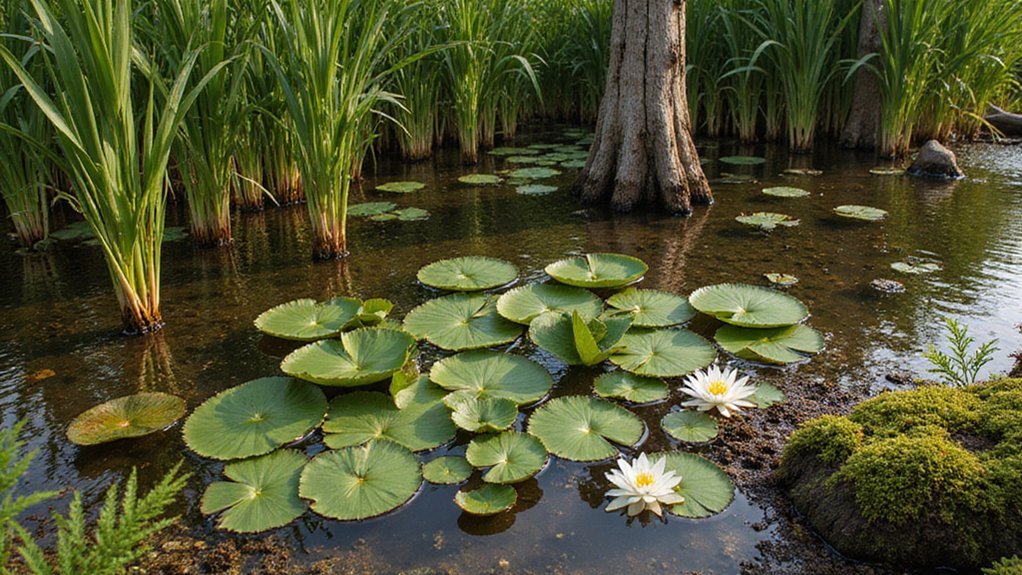
To understand how plants thrive in wetland environments, you’ll need to recognize that wetlands aren’t uniformly wet throughout—they’re organized into distinct zones based on water depth and plant adaptations, with each zone supporting different species that’ve evolved specialized features to survive in their particular conditions. Emergent plants, like cattails and reeds, stand above the water with roots submerged, allowing them to access both aquatic and atmospheric resources. Submerged plants, such as pondweeds, remain entirely underwater, absorbing nutrients directly through their leaves and stems. Floating plants, including water lilies and duckweed, drift on the water’s surface, obtaining oxygen from the air while drawing nutrients from below. Each zone’s unique environmental pressures create distinct ecological niches that support specialized plant communities perfectly adapted to their specific wetland positions.
What Wetland Plants Do for the Planet
Wetland plants aren’t just living organisms that happen to inhabit these environments—they’re essential workers that perform pivotal jobs for both their ecosystems and the entire planet. You’ll find that these plants filter water by trapping sediment and absorbing excess nutrients, which prevents pollution from reaching rivers and oceans. They also stabilize shorelines and reduce erosion through their root systems, protecting land from water damage. Additionally, wetland plants produce oxygen and capture carbon dioxide, helping regulate atmospheric composition and combat climate change. These plants provide indispensable habitat and food sources for countless animals, from insects to birds to fish. When you understand wetland plants’ contributions, you recognize their paramount importance to environmental health and human survival globally.
Wetland Plants: A Species Guide
Now that you’ve learned how wetland plants benefit our planet, it’s time to explore the specific types of plants that make these ecosystems work. You’ll discover that wetlands host diverse plant species, each adapted to survive in waterlogged conditions. Cattails, with their distinctive brown seed heads, thrive in freshwater marshes and provide shelter for wildlife. Mangroves, found in tropical coastal areas, feature specialized root systems that prevent saltwater damage while stabilizing shorelines. Water lilies float on surfaces, their broad leaves capturing sunlight for photosynthesis. Sedges and rushes grow densely along wetland edges, anchoring soil and filtering water. Pitcher plants and sundews represent carnivorous species that’ve adapted to nutrient-poor wetland soils, trapping insects for sustenance and demonstrating nature’s remarkable survival strategies.
Wetland Plants in Decline: Why They Need Protection
Despite their incredible importance to ecosystems and wildlife, many wetland plant species are disappearing at alarming rates due to habitat destruction, pollution, and climate change. You’ll find that wetlands are being drained for development, which removes the saturated soil conditions these plants need to survive. Additionally, you’re witnessing pollution from agricultural runoff and industrial waste contaminating water sources, making it harder for sensitive wetland species to thrive. Climate change intensifies these problems by altering water levels and temperature patterns that wetland plants depend on. You can help protect these essential species by supporting wetland conservation efforts, reducing pollution in your community, and advocating for policies that preserve remaining wetland habitats. Your involvement in restoration projects and environmental education strengthens protection for these irreplaceable plant communities.
Conclusion
You’ve discovered that wetland plants aren’t fragile survivors—they’re architectural marvels adapted for soggy terrain. From cypress knees that pierce murky water to carnivorous leaves that snap shut, these plants’ve engineered solutions to thrive where others’d perish. By protecting these ecosystems, you’re safeguarding the filters and nurseries that sustain entire wildlife communities, ensuring wetlands continue their essential work for generations to come.