You can drastically reduce water waste while supporting your garden by reusing cleaning water, a practice known as greywater recycling. Before you start collecting water from your home, you’ll need to understand which sources are safe, how to store them properly, and which plants can actually benefit from recycled water. The process requires careful planning, but the environmental payoff—combined with the challenge of identifying exactly which plants will thrive—makes it worth exploring.
Choose Safe Cleaning Water Sources
When you’re planning to reuse cleaning water in your garden, you’ll need to carefully evaluate which water sources are actually safe for your plants, because not all cleaning water is created equal and some can harm your soil or vegetables. Water from rinsing vegetables, fruits, or pasta contains minimal chemicals and works well for gardens. However, you’ll want to avoid water containing soap, bleach, or strong detergents, as these substances can damage plant roots and soil organisms. Water from washing dishes with mild soap in small amounts may be acceptable, but heavily soaped water isn’t suitable. Additionally, steer clear of water used for cleaning chemicals, pesticides, or industrial materials. Always verify that your chosen water source contains no harmful additives before applying it to your plants.
Collect and Store Greywater Properly
Once you’ve identified your safe water sources, you’ll need to establish a system for collecting and storing this greywater so it’s ready to use in your garden whenever you need it. You can use clean buckets, large containers, or dedicated tanks positioned near your water sources, such as under downspouts or beside washing machines. Make sure all containers have tight-fitting lids to prevent mosquito breeding and contamination from debris or insects. Label your greywater containers clearly to distinguish them from drinking water supplies. Store containers in cool, shaded areas when possible, since sunlight can promote algae growth and bacterial development. Check your stored water regularly for signs of odor or discoloration, which indicates spoilage. Most greywater stays usable for several days when stored properly in sealed containers.
Select Plants That Thrive on Recycled Water
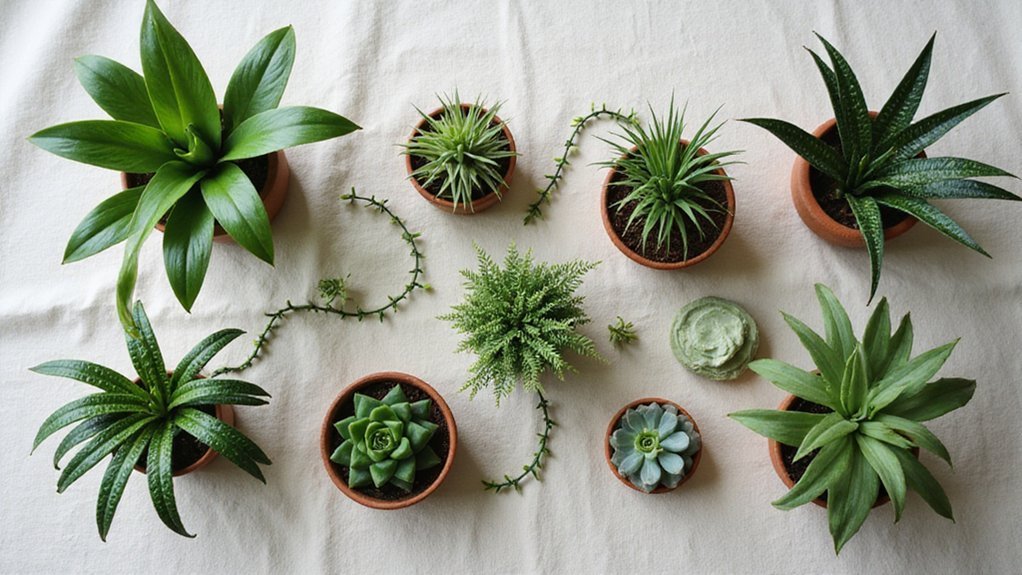
Because greywater contains residual soap, detergents, and other chemicals from household cleaning, you’ll need to choose plants that can tolerate these substances without suffering damage or declining in health. Ornamental plants like lavender, roses, and ornamental grasses show strong tolerance for recycled water, making them excellent choices for your garden. Vegetable plants such as tomatoes, beans, and squash also adapt well to greywater irrigation when you apply it at the soil level rather than on foliage. Avoid sensitive plants like ferns and delicate seedlings that can’t withstand chemical exposure. Drought-resistant plants naturally handle greywater better because they’ve evolved to survive in challenging conditions. Test your greywater on a small plant section first, observing growth patterns over several weeks before expanding your application throughout your garden.
Identify Plants That Need Fresh Water
While greywater works well for many garden plants, certain species won’t tolerate the chemicals and residues that come with recycled water, so you’ll need to identify which plants in your garden require fresh water instead. Seedlings and young plants are particularly sensitive to contaminants found in cleaning water, so you should always water them with fresh water until they’re established. Vegetables you’ll eat raw, like lettuce and tomatoes, shouldn’t receive greywater because harmful chemicals could accumulate on edible parts. Delicate herbs such as basil and cilantro also need fresh water for ideal growth. Additionally, acid-loving plants like blueberries and azaleas can’t tolerate the pH changes that greywater introduces. By recognizing these plants’ needs, you’ll protect your garden’s health while still conserving water elsewhere.
Build Your First Greywater System
Setting up a basic greywater system doesn’t require expensive equipment or advanced plumbing knowledge, so you can start conserving water with just a few simple components and some careful planning. You’ll need a clean collection container, such as a large bucket or basin, to catch water from your sink, shower, or washing machine. Install a simple filter using fine mesh or cheesecloth to remove debris and particles that could harm your plants. Position your collection container near water sources for convenient access, then connect flexible tubing or pipes to direct greywater toward your garden beds. Add a valve or spigot to your container so you can easily control water flow when irrigating. This straightforward setup transforms household wastewater into a valuable resource for your plants.
Monitor Your Plants’ Response to Recycled Water
Once you’ve established your greywater system and begun irrigating your garden, you’ll want to observe how your plants respond to this recycled water over the coming weeks and months. Check your plants regularly for signs of healthy growth, including vibrant leaf color, sturdy stems, and steady development. Watch for any yellowing leaves, wilting, or stunted growth, which may indicate problems with your water quality or soil composition. Test your soil periodically to monitor salt buildup, which can accumulate from certain cleaning products and harm plant roots. Keep detailed notes about which plants thrive and which struggle, adjusting your greywater sources accordingly. By tracking these observations systematically, you’ll refine your system and guarantee your garden flourishes while conserving water responsibly.
Avoid Common Mistakes When Reusing Cleaning Water
As you implement your greywater system, you’ll want to steer clear of several pitfalls that can undermine your gardening efforts or damage your plants. Don’t reuse water containing bleach, harsh chemicals, or heavy-duty detergents, as these substances can accumulate in soil and harm plant roots over time. Avoid using water from dishwashers or washing machines that’ve processed heavily soiled items, since bacteria and pathogens may survive and contaminate your garden. Never store greywater longer than 24 hours, because stagnant water develops harmful microorganisms rapidly. Don’t apply recycled water to edible plants unless you’re absolutely certain it’s safe, prioritizing caution with vegetables and herbs. Finally, refrain from oversaturating soil with greywater, as excess moisture creates root rot and fungal problems that’ll damage your plants irreparably.
Conclusion
You’ve now got the tools to turn your cleaning water into liquid gold for your garden, so put these strategies into action by starting small with hardy plants, monitoring their progress carefully, and adjusting your system as you learn what works best. Remember that success depends on choosing safe water sources, storing greywater properly, and avoiding contaminated water, which’ll help you conserve resources while keeping your plants healthy and thriving sustainably.