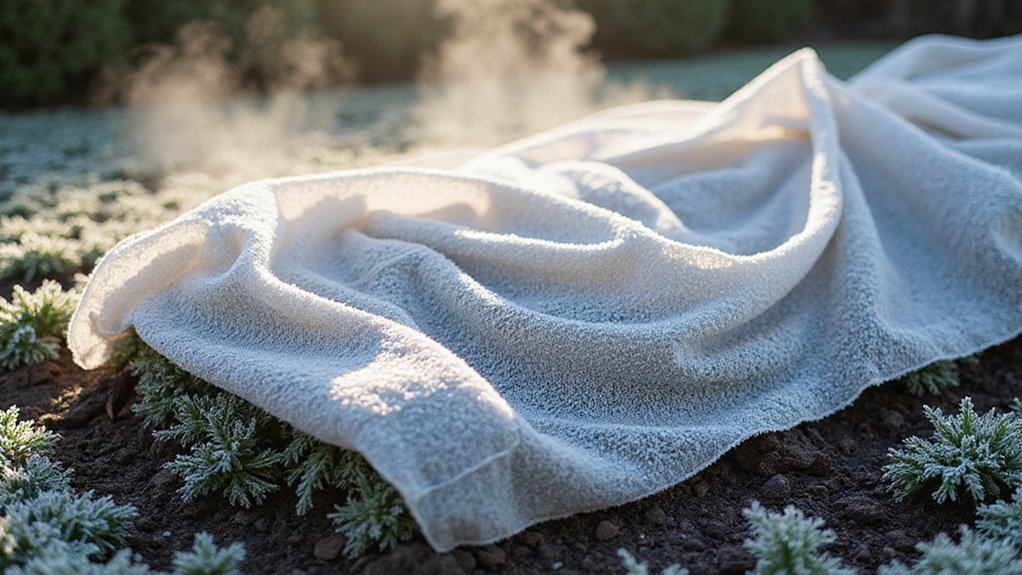
When winter arrives, your garden faces a critical decision that’ll determine whether your plants survive or struggle come spring. You might wonder if covering your beds with mulch is actually necessary, or if it’s just another gardening task you can skip. The answer depends on where you live and what you’re growing, and understanding these factors will help you protect your investment effectively.
Does Your Climate Actually Need Winter Coverage?
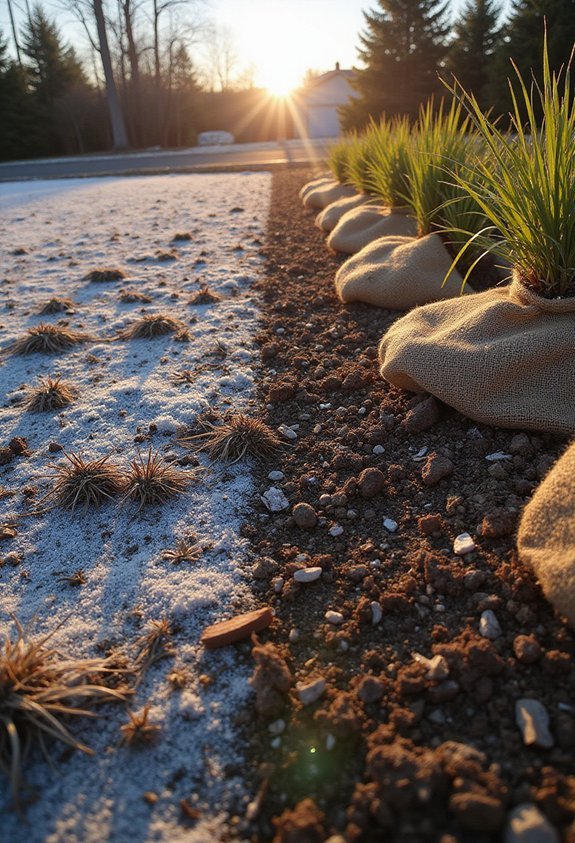
Whether you’ll benefit from covering your garden beds depends entirely on where you live and what your winters are actually like, since different regions experience vastly different temperature drops, precipitation patterns, and freeze-thaw cycles that either protect or damage your soil and plants. If you’re in a warm climate with mild winters, you’ll likely skip coverage altogether. However, if you’re in areas experiencing harsh, prolonged freezing, you’ll need protection to prevent soil damage and plant death. Cold regions with consistent snow cover naturally insulate your beds, while areas with fluctuating temperatures—where freeze-thaw cycles occur repeatedly—present the greatest challenge. You should evaluate your specific USDA hardiness zone and local weather patterns to determine whether coverage is necessary for your garden’s survival.
Also read: Should You Leave Snow Piles Up on Your Lawn If They Build?
What Plants Need Winter Protection
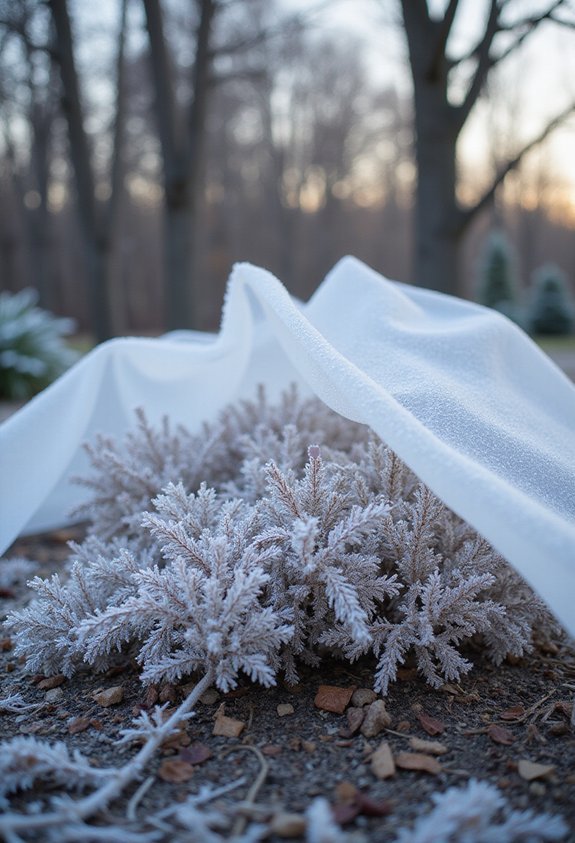
Since not all plants require the same level of winter protection, you’ll need to identify which ones in your garden are vulnerable to cold damage so you can prioritize your coverage efforts. Tender perennials, young shrubs, and newly planted trees need protection because their root systems aren’t established enough to survive harsh freezes. Tropical plants and tender annuals can’t tolerate cold temperatures, so you must cover them before the first frost arrives. Evergreens, particularly broadleaf varieties like rhododendrons and boxwoods, suffer damage from harsh winds and heavy snow, requiring protective wrapping. Roses, hydrangeas, and ornamental grasses also benefit from winter coverage. In contrast, native plants adapted to your region and established hardy perennials typically survive without protection, allowing you to focus your efforts on genuinely vulnerable specimens.
How Winter Mulch Protects Roots and Soil
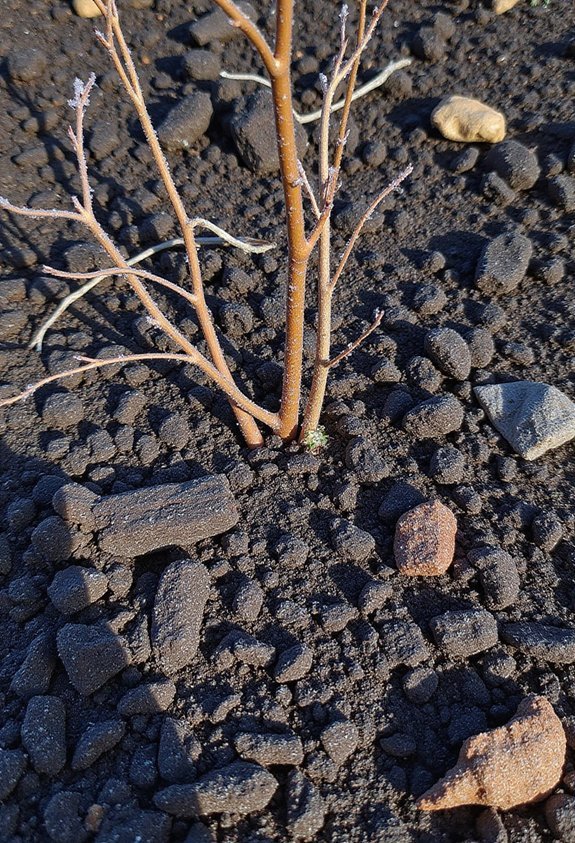
A layer of winter mulch acts as an insulating blanket that shields your plant roots from the damaging effects of freezing and thawing cycles, which can heave soil and expose or kill delicate root systems. When temperatures fluctuate throughout winter, mulch stabilizes soil temperature by keeping it consistently cold, preventing the harmful freeze-thaw pattern. Additionally, mulch reduces moisture loss from soil during winter’s dry conditions, protecting roots from desiccation. The organic material also improves soil structure as it gradually decomposes, increasing water retention and nutrient availability for spring growth. You’ll want to apply mulch after the ground freezes, using two to four inches of material like shredded bark or leaves around your plants’ base.
Choose the Right Mulch and Apply It Correctly
To get the most benefit from winter mulch, you’ll need to select the right material and apply it properly around your garden beds. Choose organic materials like shredded leaves, straw, or wood chips, which break down over time and improve soil quality. Avoid using fresh manure or diseased plant material that could harm your plants. Apply mulch in a layer two to four inches thick, spreading it evenly across the bed while keeping it several inches away from plant stems and tree trunks. This spacing prevents moisture buildup that encourages rot and pest damage. Apply mulch in late fall after the first frost, when soil has begun to freeze, ensuring maximum protection throughout winter.
Avoid These Common Winter Coverage Mistakes
Even when you’re applying mulch with good intentions, there’s still a considerable risk you’ll inadvertently make mistakes that could undermine your garden beds’ winter protection and ultimately harm your plants. One critical error is piling mulch directly against plant stems or tree trunks, which traps moisture and encourages rot and pest damage. You should maintain a two- to three-inch gap between mulch and plant bases. Another mistake is applying mulch too thickly, which suffocates soil and prevents proper water drainage during freeze-thaw cycles. Aim for three to four inches maximum. Additionally, you shouldn’t use fresh, uncomposted materials that’ll decompose unevenly, creating temperature fluctuations. Finally, avoid covering perennials completely, as they need air circulation for winter survival.
Conclusion
You’d think leaving your garden beds exposed would protect them, but ironically, winter coverage actually does the protecting. By applying 2-4 inches of organic mulch, you’re insulating soil, stabilizing temperatures, and retaining moisture that your plants desperately need. The key’s avoiding contact with plant stems to prevent rot. You’ve now learned that winter mulch isn’t optional in harsh climates—it’s essential, transforming what seems counterintuitive into practical garden survival.