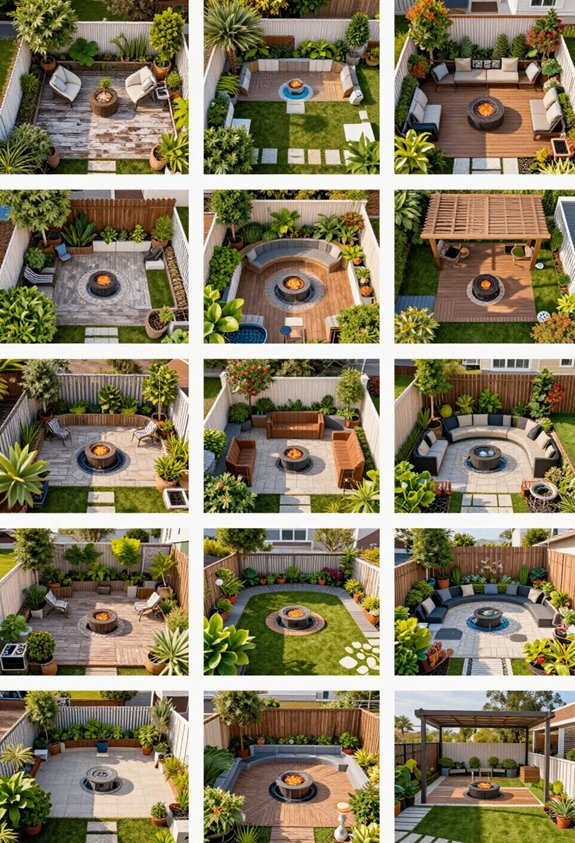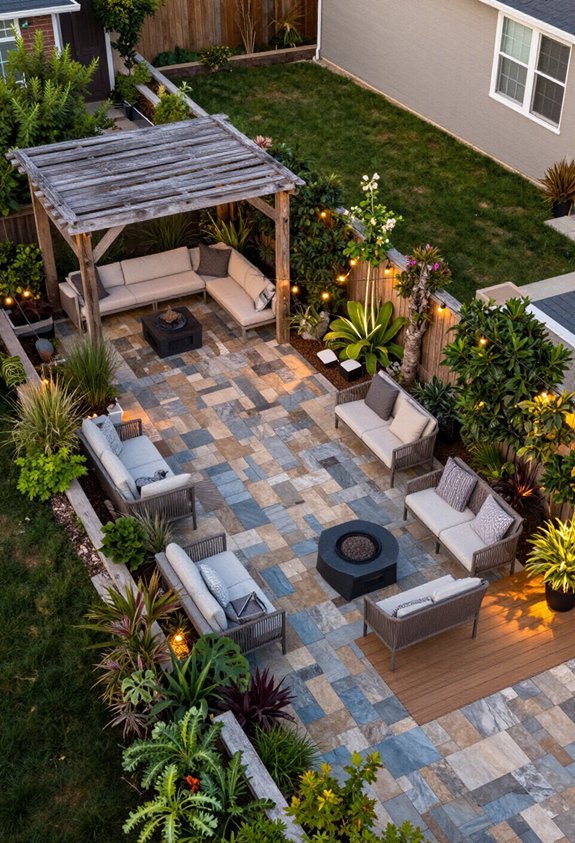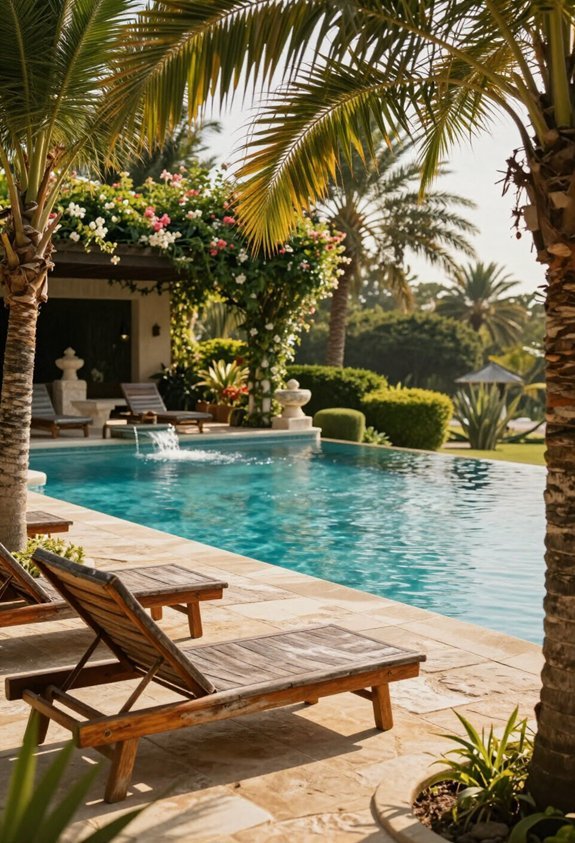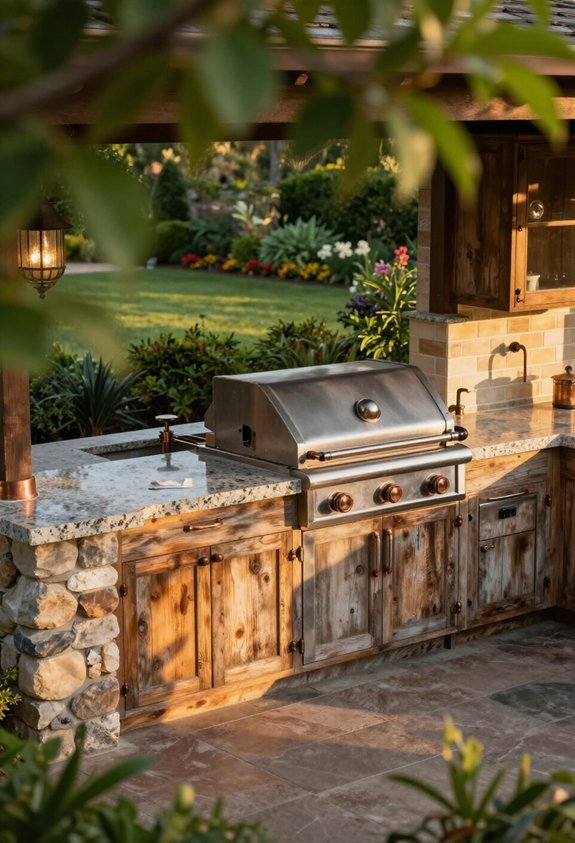
A small backyard doesn’t have to feel cramped or limited. The best outdoor spaces prove that constraint often leads to creativity, forcing intentional design choices that larger properties rarely achieve. When you have limited square footage, every plant placement, every seating arrangement, and every hardscape decision matters. The result is often a yard that feels more curated, more purposeful, and ultimately more livable than yards twice its size. These 30 ideas show how strategic thinking transforms compact spaces into outdoor retreats that feel open, inviting, and genuinely spacious.
Light Colors Make Spaces Feel Bigger
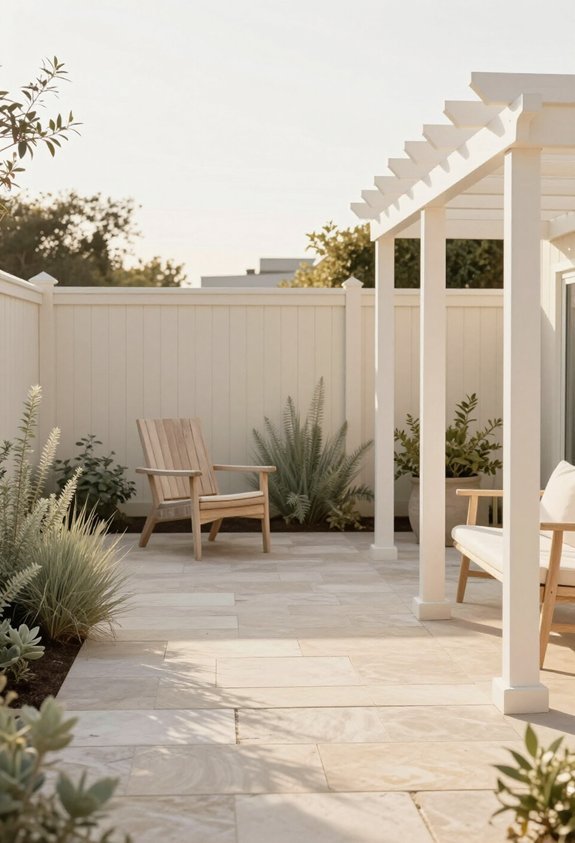
Light colors serve as a fundamental design principle for making small backyards appear more expansive and open. When walls, fences, and surfaces are painted in whites, creams, or soft pastels, they reflect sunlight rather than absorb it, creating an illusion of increased space and airiness. This reflection distributes light throughout the yard, eliminating dark corners that can make an area feel cramped and confined. Light-colored furniture, pavers, and garden structures reinforce this effect by maintaining visual continuity across the space. Additionally, lighter hues reduce visual weight, allowing the eye to travel freely without obstruction. Incorporating light colors strategically throughout a small backyard—from ground surfaces to vertical elements—creates a cohesive environment that feels considerably larger and more welcoming than its actual dimensions.
Also read: 40+ BACKYARD IDEAS You’ll Want To Copy!
Mirrors Reflect Light and Create Depth
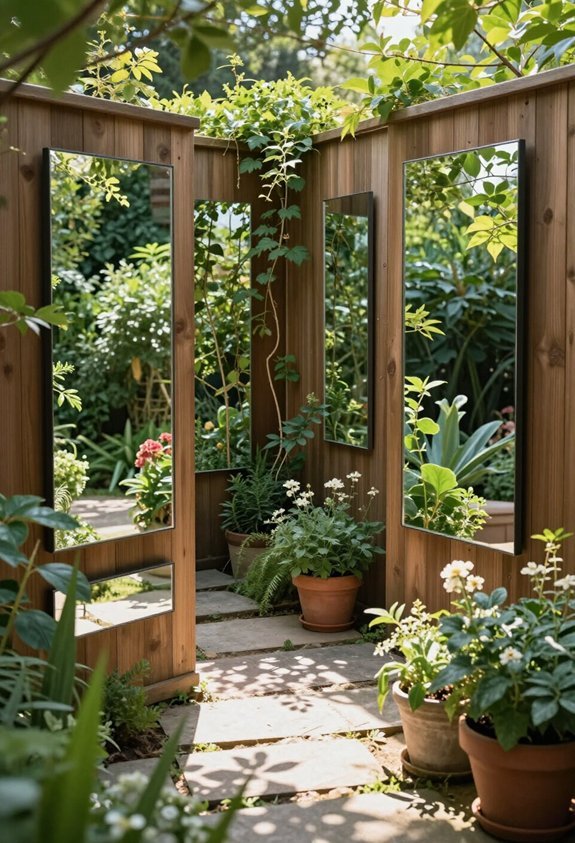
While light colors provide an excellent foundation for expanding a small backyard‘s perceived size, mirrors offer an equally powerful tool for amplifying this effect by bouncing light around the space and creating the illusion of depth where none physically exists. Strategically placed mirrors reflect sunlight and artificial lighting, making compact areas appear larger and more open than they actually are. Gardeners should position mirrors against fence lines or walls to maximize their reflective properties, ensuring they face toward light sources for ideal impact. Waterproof mirrors designed specifically for outdoor use withstand weather conditions effectively. This technique works particularly well when combined with light-colored surfaces, as the reflected light bounces multiple times throughout the space, producing a brighter, more expansive atmosphere.
Transparent Furniture Keeps Sightlines Clear
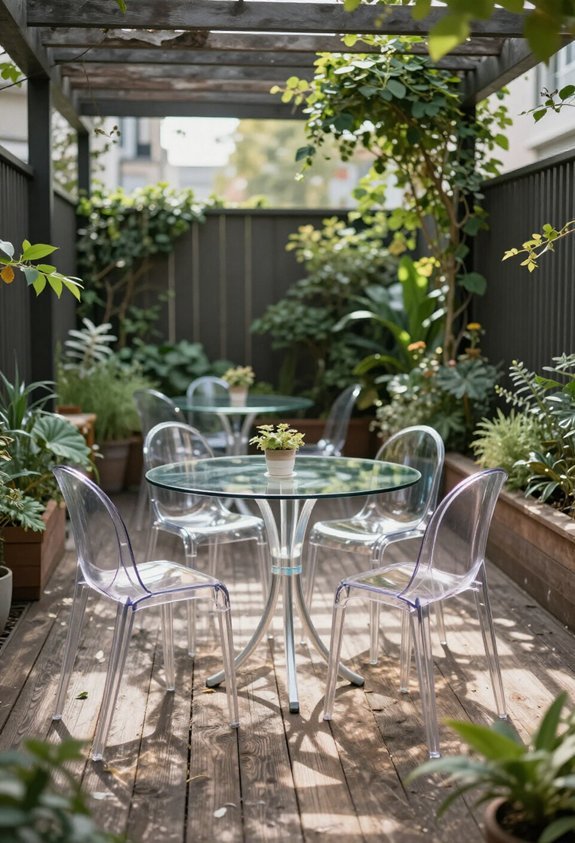
Transparent furniture represents another effective strategy for maximizing the visual spaciousness of compact outdoor areas, as pieces made from clear acrylic, glass, or polycarbonate allow the eye to travel unobstructed through the backyard without encountering solid visual barriers. Unlike traditional wooden or metal furniture, transparent options create minimal visual weight, which means they occupy physical space while appearing nearly invisible. This quality proves particularly valuable in small backyards where every sightline matters. Clear dining tables, acrylic chairs, and glass side tables function as practical furnishings while maintaining open views of the surrounding landscape. Additionally, transparent furniture enables homeowners to position pieces strategically throughout the yard without making the area feel cluttered or compartmentalized, thereby preserving the illusion of continuous, expansive outdoor space.
Low-Profile Furniture Opens Up Your Space
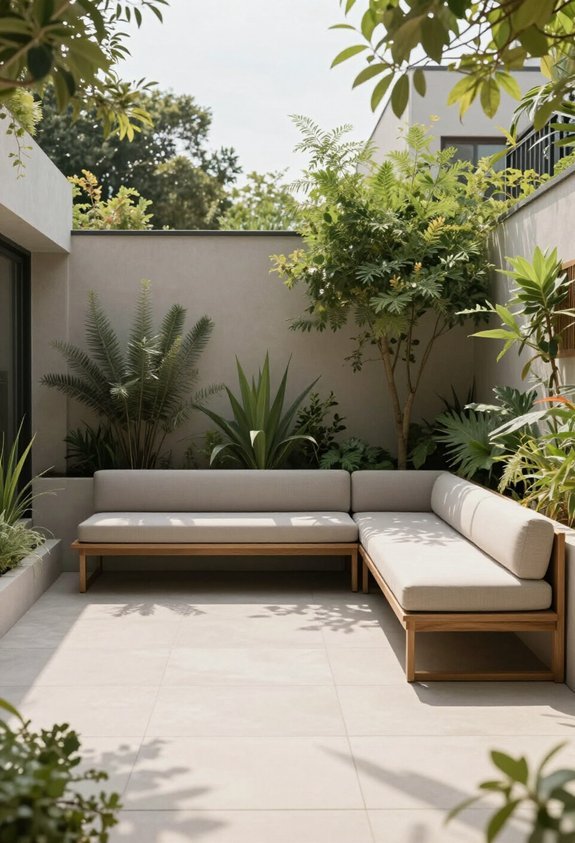
Height serves as a critical factor in determining how spacious a small backyard feels, since furniture that sits close to the ground creates visual openness by leaving more sky and landscape visible above eye level, whereas tall pieces tend to block sightlines and make compact yards appear cramped and confined. Low-profile seating options, such as benches, ottomans, and ground-level loungers, maintain clear views across the entire yard, which psychologically expands the perceived space. Additionally, low furniture allows air circulation and natural light to flow more freely throughout the area. When selecting pieces, homeowners should prioritize items measuring under three feet in height whenever possible, ensuring that the majority of the yard remains visually unobstructed and maintains an airy, open atmosphere.
Cohesive Color Palettes Unify Cramped Areas
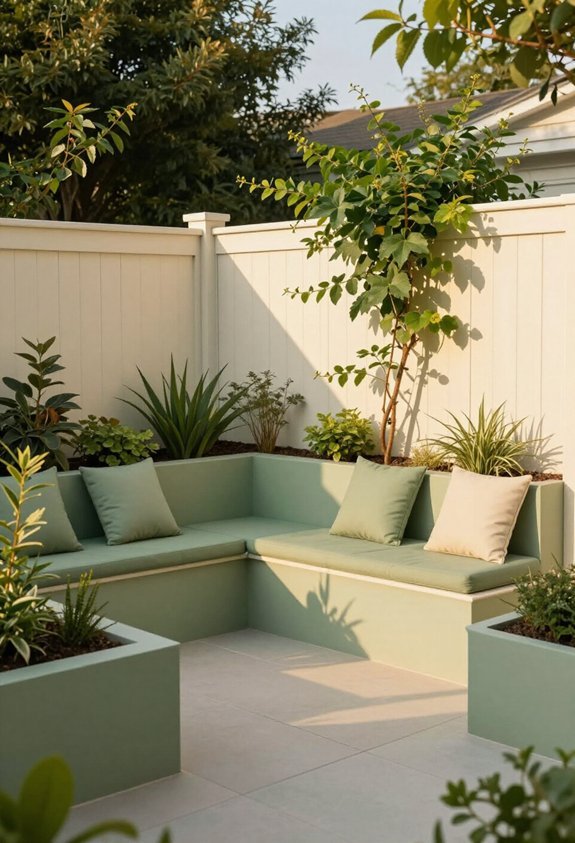
Color coordination functions as a powerful design tool for making small backyards feel more unified and intentionally organized, since a consistent palette throughout the space creates visual continuity that prevents the eye from feeling fragmented or overwhelmed by too many competing hues. By selecting two or three primary colors and repeating them across furniture, plants, and decorative elements, designers establish harmony that makes confined areas appear larger and more cohesive. Neutral backgrounds like beige, gray, or soft green provide calming foundations, while accent colors in cushions or planters add visual interest without creating chaos. This strategic approach to color selection eliminates visual clutter, allowing the space to breathe psychologically and making even modest backyards feel intentionally designed and expansive.
Diagonal Pathways Stretch Your Yard Visually
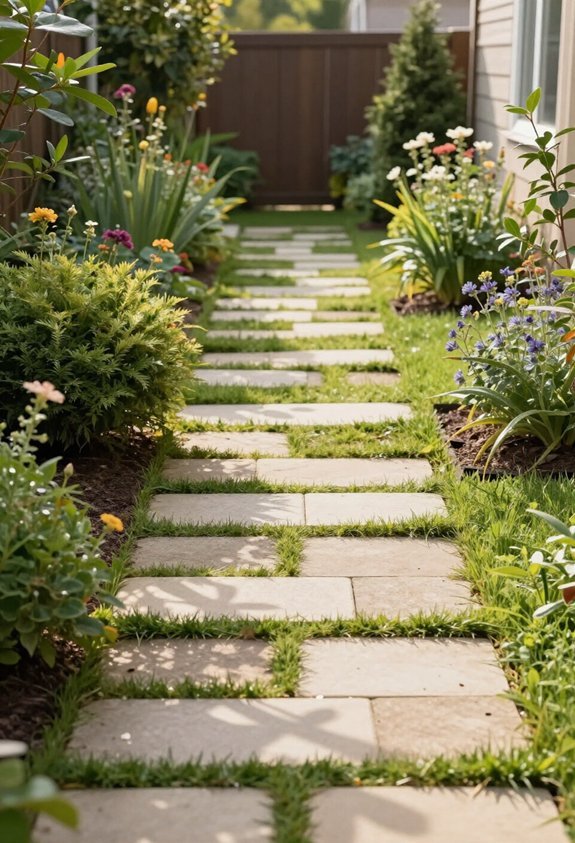
While a unified color palette creates visual harmony within a compact outdoor space, the arrangement of physical pathways can further amplify the perception of depth and dimension in small backyards. Diagonal pathways, unlike straight horizontal or vertical routes, naturally guide the eye across greater distances, making yards appear larger than their actual measurements. By angling walkways from one corner toward the opposite side, homeowners create visual lines that extend through the space, effectively stretching the perceived boundaries. This design technique works because diagonal movement requires longer travel distances than direct paths, and the eye follows these extended routes. Curved diagonal pathways prove even more effective, as they add mystery and encourage exploration, further enhancing the sense of expanded outdoor area while maintaining practical accessibility throughout the landscape.
Pergolas and Shade Structures Frame Without Closing
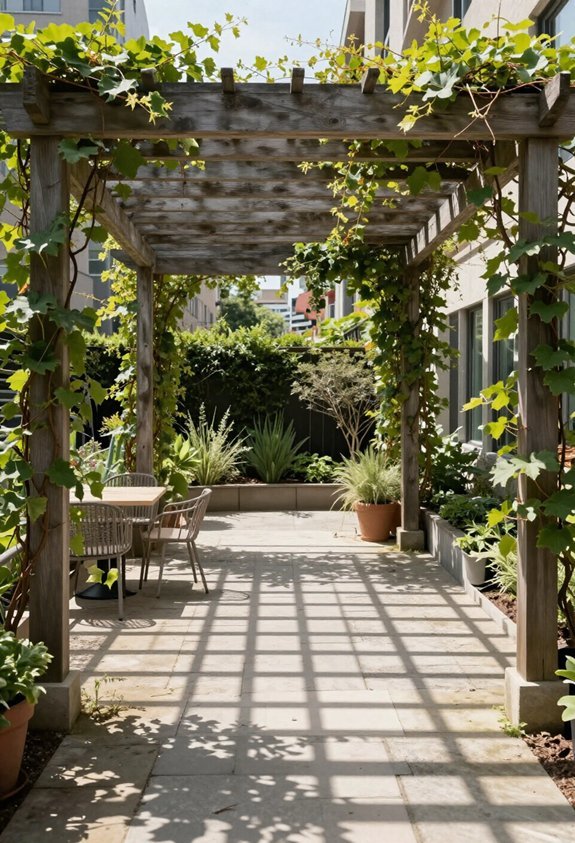
Pergolas and shade structures offer homeowners a practical solution for adding definition and visual interest to compact outdoor spaces without creating the enclosed, cramped feeling that full walls or solid roofs can produce, as these framework designs feature open lattice tops and skeletal frameworks that allow light and air to flow freely while still establishing clear boundaries within the yard. By strategically placing a pergola over a seating area or dining zone, homeowners create designated spaces that feel intentional and purposeful. The overhead structure provides partial shade and protection from elements without blocking sightlines, making small yards appear larger and more open. These frameworks also support climbing plants like vines or ivy, adding natural texture and depth that enhance visual appeal while maintaining the airy, spacious atmosphere essential to small backyard design.
Raised Beds Organize Garden Space Efficiently
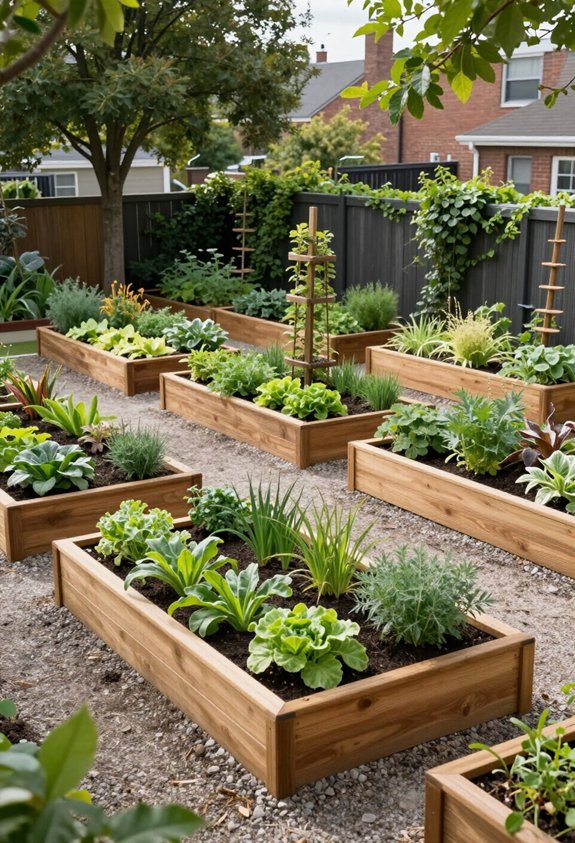
Raised garden beds provide an organized and efficient method for growing plants in small backyards, offering homeowners a structured approach to gardening that maximizes limited ground space while maintaining the visual openness that pergolas and shade structures establish above. These elevated planters create defined planting zones that prevent soil compaction and improve drainage, resulting in healthier plant growth within confined areas. By stacking beds vertically or arranging them in geometric patterns, gardeners can cultivate vegetables, herbs, and flowers without consuming excessive square footage. The structured layout also facilitates easier access for maintenance, watering, and harvesting, reducing strain on the gardener’s back and knees. Additionally, raised beds allow homeowners to control soil quality and composition precisely, ensuring ideal growing conditions regardless of existing yard conditions.
Floating Decks Create the Illusion of Space
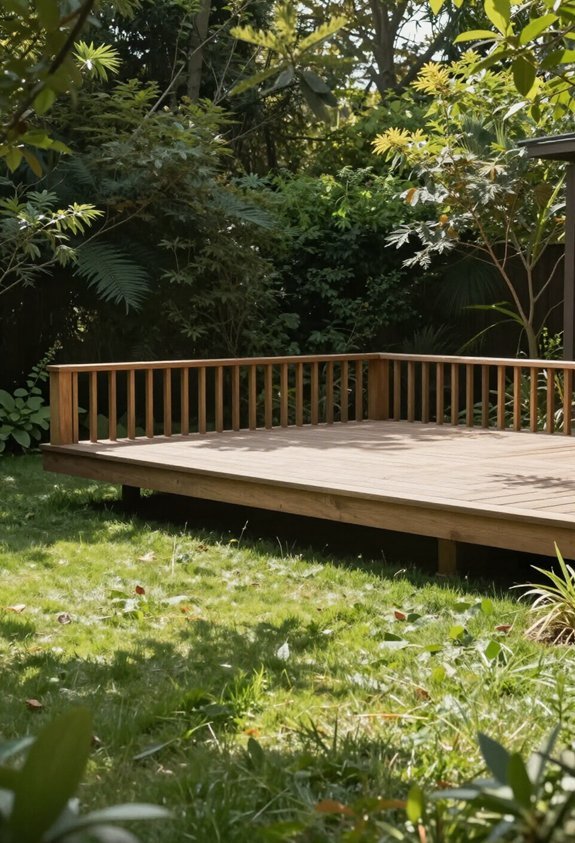
Floating decks represent an effective design solution for small backyards because they appear to hover above the ground, creating a visual separation between the deck surface and the yard below that makes the entire outdoor space feel larger and more open than it actually is. These elevated structures are typically built on stilts or posts that are set back from the deck’s edges, allowing sight lines to pass underneath and through the space. This design technique eliminates the heavy, grounded appearance of traditional decks, which can make compact yards feel cramped and enclosed. By incorporating floating decks, homeowners can maximize their outdoor living area while maintaining an airy, spacious aesthetic that encourages relaxation and entertainment.
Tiered Levels Add Dimension Without Sprawl
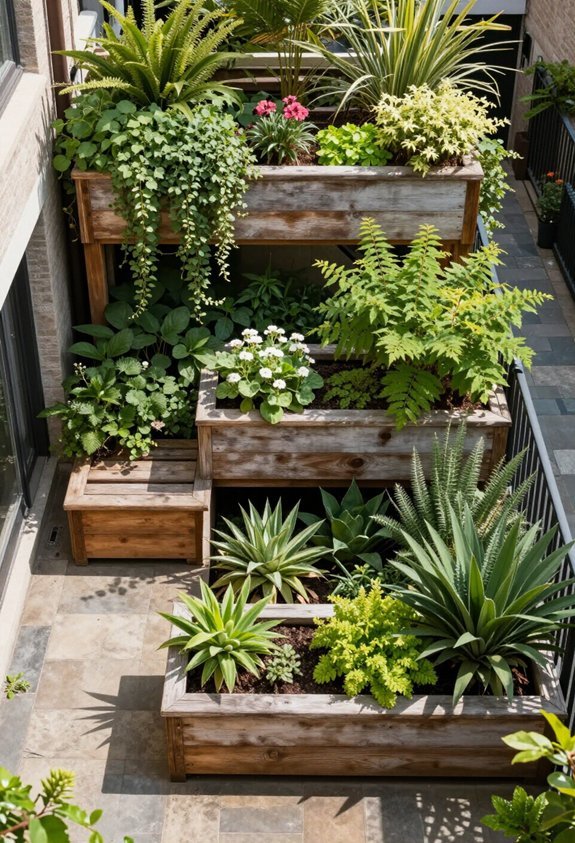
When a small backyard is divided into multiple levels at different heights, the space gains visual depth and functional variety without requiring the expansive horizontal footprint that a single-level yard would need. By incorporating raised planting beds, sunken seating areas, or terraced sections, homeowners can create distinct zones that serve different purposes while maximizing usable square footage. Each tier becomes a separate visual element, making the yard appear larger and more complex than its actual dimensions suggest. Tiered designs also improve water drainage and allow for varied plantings suited to different sun exposures on each level. The vertical dimension transforms a flat, monotonous space into an engaging landscape with multiple focal points and practical areas for entertaining, gardening, or relaxation.
Light Fence Colors Reduce Visual Weight
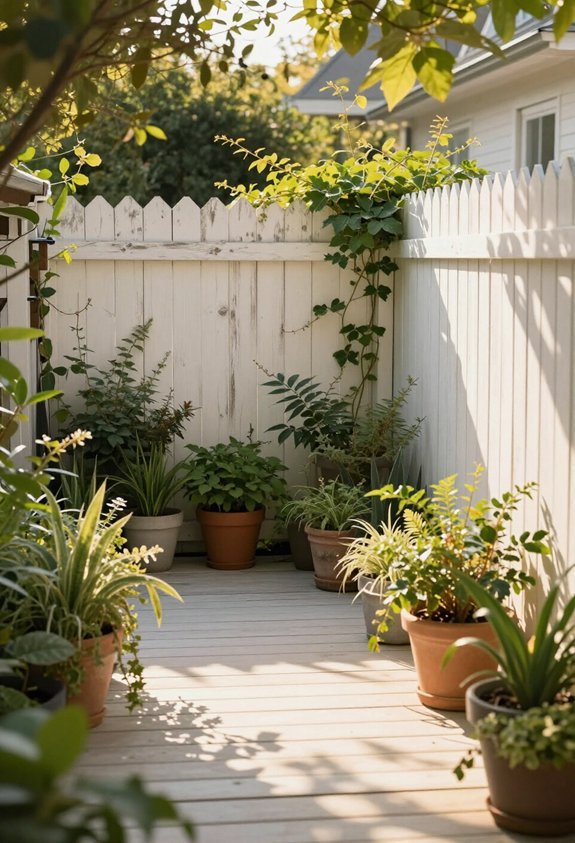
A fence’s color dramatically influences how a small backyard feels, with lighter shades serving as a strategic tool to visually expand the space by reducing the sense of enclosure that darker materials create. White, cream, and soft gray fences recede into the background, making boundaries appear farther away than they actually are, which psychologically enlarges the perceived area. Light colors reflect sunlight rather than absorb it, reducing visual heaviness and creating an airier atmosphere throughout the yard. Painting or staining existing fences with lighter hues costs less than replacement and delivers immediate results. Choosing fence colors that complement surrounding vegetation and structures guarantees cohesive design while maintaining the illusion of spaciousness that small yards desperately need.
Sliding Doors Blur Indoor-Outdoor Boundaries
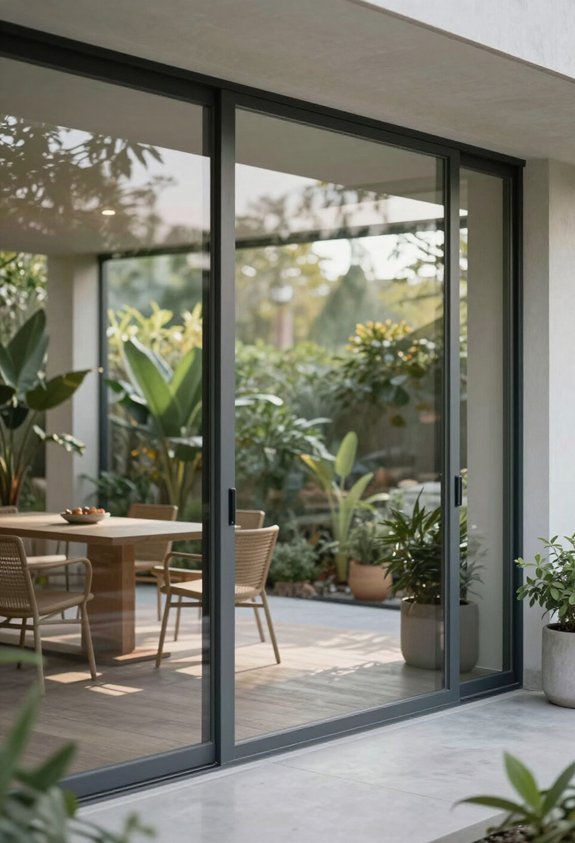
Sliding glass doors function as a powerful design element that merges the interior living space with the outdoor environment, creating the visual and functional illusion of a larger overall area by eliminating the hard barrier that traditional solid doors establish between inside and outside. When fully opened, these doors create one continuous zone that expands the perceived square footage considerably. The transparent glass panels allow natural light to flood interior rooms, brightening spaces and making them feel more expansive. Additionally, sliding doors require minimal clearance space, unlike swing-out doors that demand floor area for operation. Homeowners can position furniture strategically to take advantage of this seamless flow. By maintaining sightlines from indoors to outdoors, sliding doors psychologically enlarge compact backyards and strengthen the connection between living areas.
Layered Plant Heights Create Visual Interest
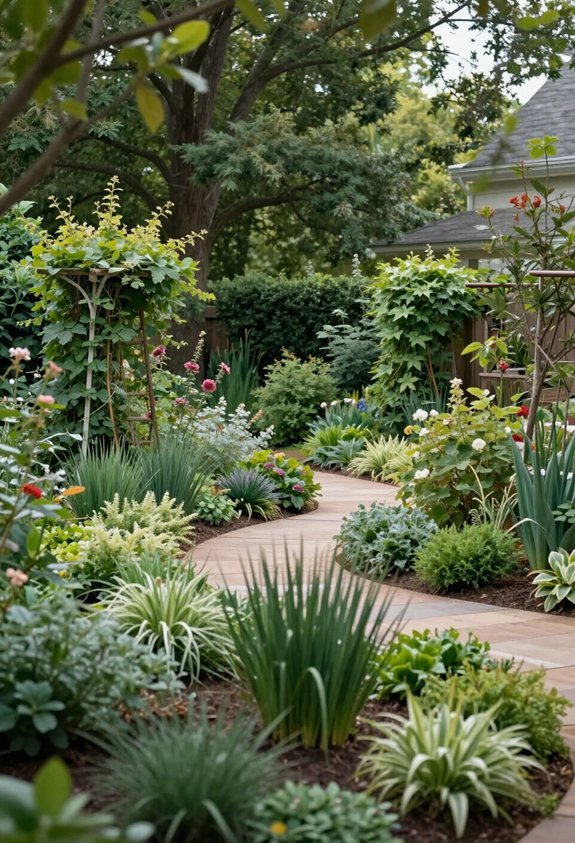
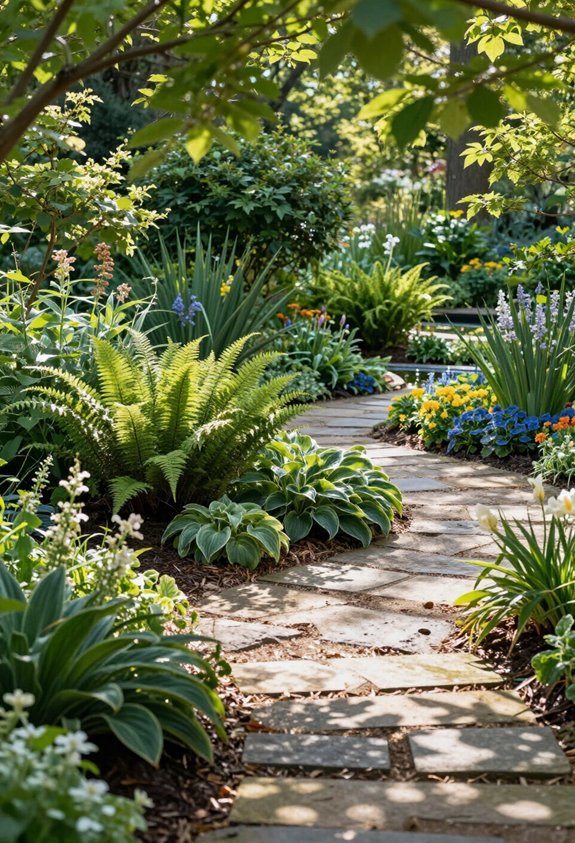
Strategic plant placement at varying heights transforms small backyards by adding visual depth and preventing the space from appearing flat or monotonous. Gardeners should arrange plants in three distinct layers: ground cover at the base, mid-height shrubs in the middle, and tall trees or climbing vines in the background. This tiered approach creates dimension and draws the eye upward, making the yard feel larger than it actually is. Ground covers like creeping thyme fill empty spaces, while flowering shrubs provide color and texture. Tall specimens anchor the design and frame views effectively. By carefully selecting plants with different mature heights and growth habits, homeowners maximize visual interest without consuming additional square footage, ensuring every inch of their small backyard serves a strategic purpose.
Choose Fewer, Larger Plants Over Many Small Ones
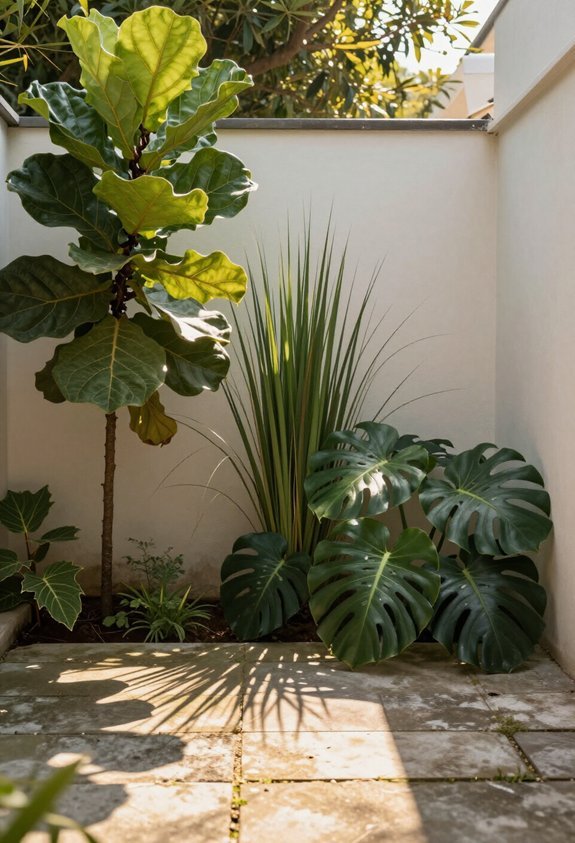
While layering plants at different heights creates visual depth, the quantity of plants matters just as much as their placement, and homeowners can achieve more dramatic results by selecting fewer specimens and allowing them to grow to their full, mature size rather than cramming the space with numerous smaller plants. When designers choose three or four substantial plants instead of ten or fifteen small ones, each plant receives adequate space, sunlight, and nutrients to flourish. Mature specimens create stronger focal points and generate more visual impact within limited areas. Additionally, fewer plants require less maintenance, reduce overcrowding that invites disease, and allow pathways and seating areas to remain functional. This strategic approach transforms small backyards into purposeful, elegant outdoor spaces.
Compact Trees Won’t Overwhelm Your Lot
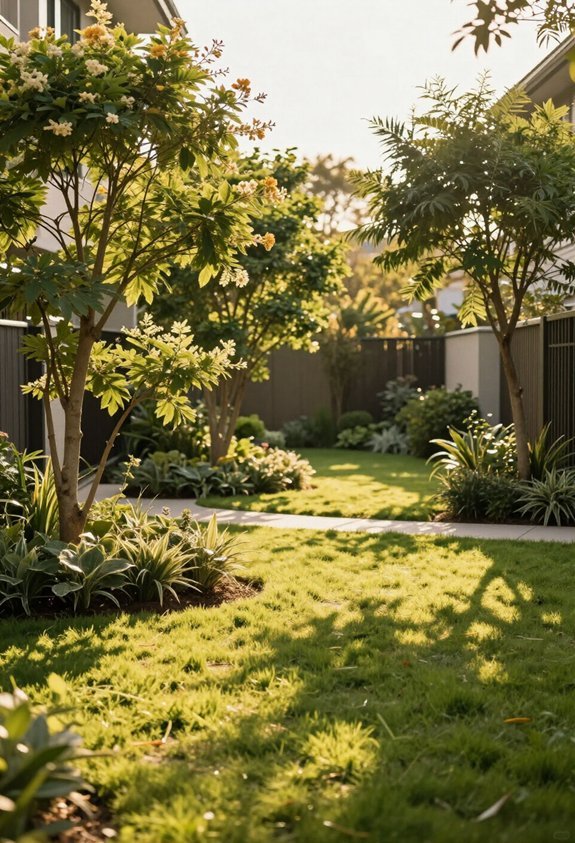
Trees serve as essential elements in small backyard design, but their size can quickly dominate limited outdoor spaces, making the area feel cramped and reducing the usable room for patios, gardens, and recreation. Selecting compact tree varieties prevents this problem by providing shade and visual interest without consuming excessive space. Dwarf fruit trees, Japanese maples, and crabapples offer attractive foliage and seasonal color while maintaining manageable heights, typically reaching between eight and fifteen feet. These smaller options allow homeowners to maintain functional yard areas while still enjoying the benefits trees provide. Additionally, compact trees require less pruning and maintenance compared to their full-sized counterparts, making them practical choices for busy property owners seeking to maximize their small outdoor environments efficiently.
Vertical Gardens Maximize Growing Space Upward
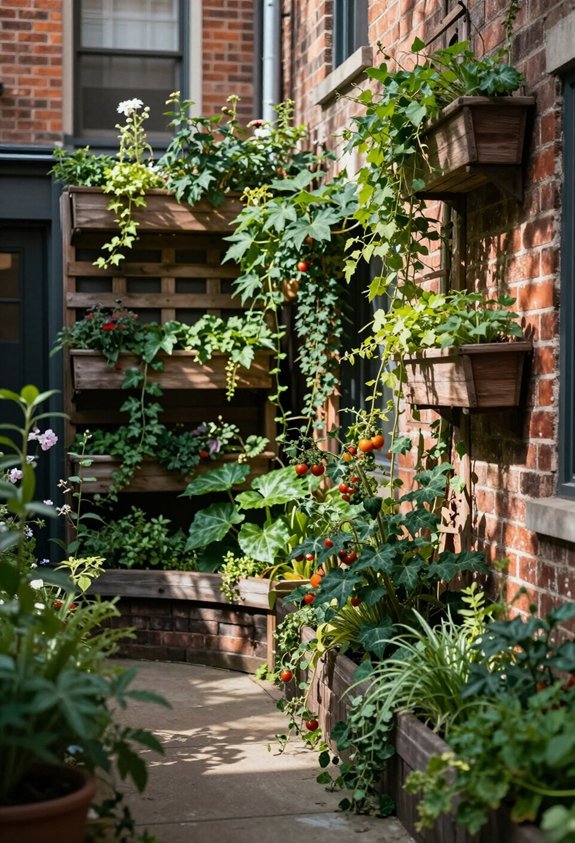
Growing plants in small backyards requires creative solutions beyond traditional ground-level planting methods, and vertical gardens offer an effective answer by utilizing wall space, fences, and specially designed structures to cultivate vegetables, herbs, and flowers upward rather than outward. These garden systems use trellises, wall-mounted planters, hanging baskets, and tiered shelving to maximize limited space efficiently. By directing plant growth vertically, homeowners can grow considerably more produce and decorative plants without expanding their footprint. Vertical gardens also improve air circulation around plants, reduce pest problems, and make harvesting easier since produce hangs at convenient heights. This gardening approach works well for tomatoes, beans, cucumbers, lettuce, and various herbs, transforming bare walls and fences into productive growing areas.
Strategic Container Gardens Let You Rearrange Anytime
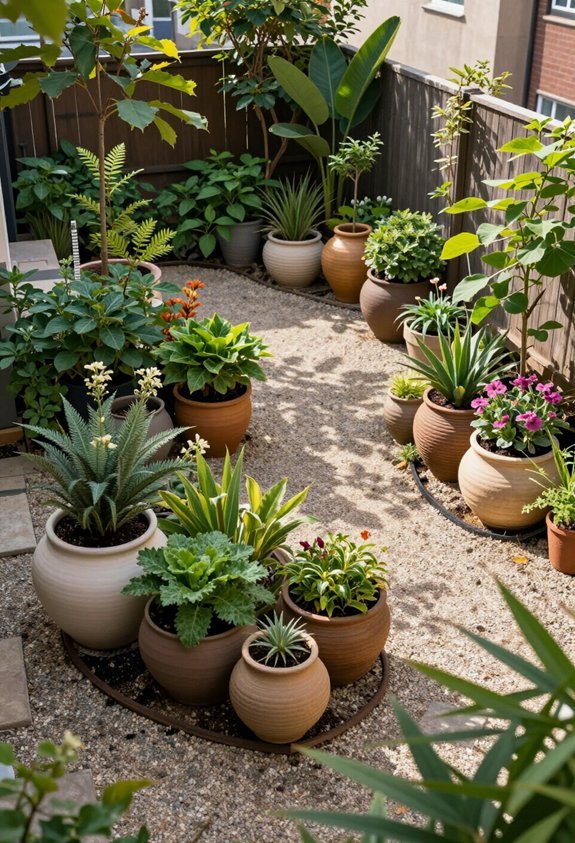
Container gardens offer homeowners a flexible and practical approach to small backyard gardening, allowing plants to be grown in pots, raised beds, and movable planters that can be repositioned throughout the seasons as sunlight patterns change, as aesthetic preferences evolve, or as space requirements shift for other activities. This adaptability proves particularly valuable in compact spaces where fixed garden beds would limit functionality. Gardeners can strategically place containers in sunny spots during spring and relocate them to shaded areas during intense summer heat, optimizing growing conditions for various plants. Additionally, containers can be temporarily moved aside to accommodate outdoor furniture, entertaining guests, or children’s play areas, transforming the backyard into a multifunctional space that balances horticultural and recreational needs without permanent structural commitments.
Trellises Draw Eyes Up, Not Out
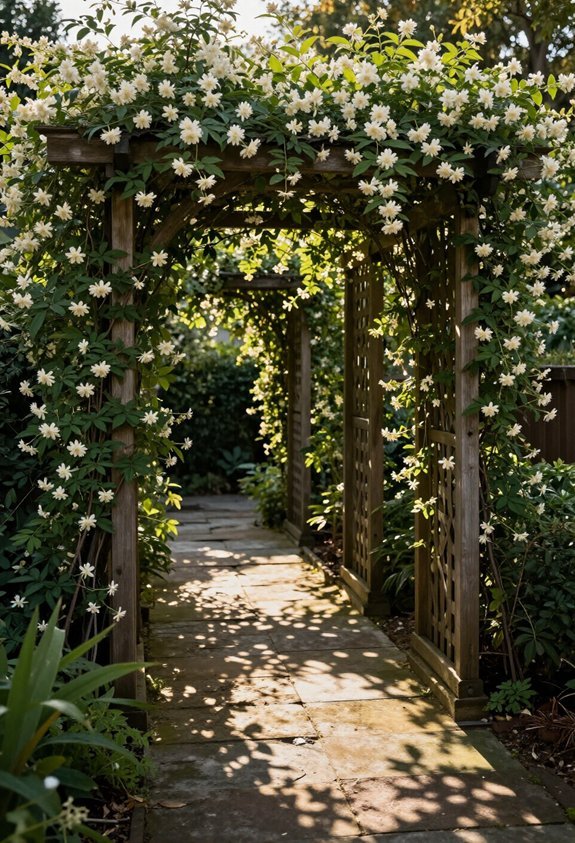
While container gardens provide flexibility through horizontal repositioning, vertical structures offer an equally powerful solution for maximizing limited backyard space by redirecting the viewer’s attention upward rather than outward. Trellises serve as functional frameworks that support climbing plants, creating visual height without consuming ground area. By training vines, flowers, or vegetables upward along these structures, homeowners establish layered landscapes that appear more expansive than their actual dimensions suggest. Trellises also provide practical benefits, including improved air circulation around plants and easier harvesting. Strategic placement against fences, walls, or as standalone features creates defined zones within compact yards. This vertical gardening approach transforms underutilized space into productive growing areas while establishing the illusion of greater depth and dimension throughout the backyard environment.
Multi-Functional Furniture Does Double Duty
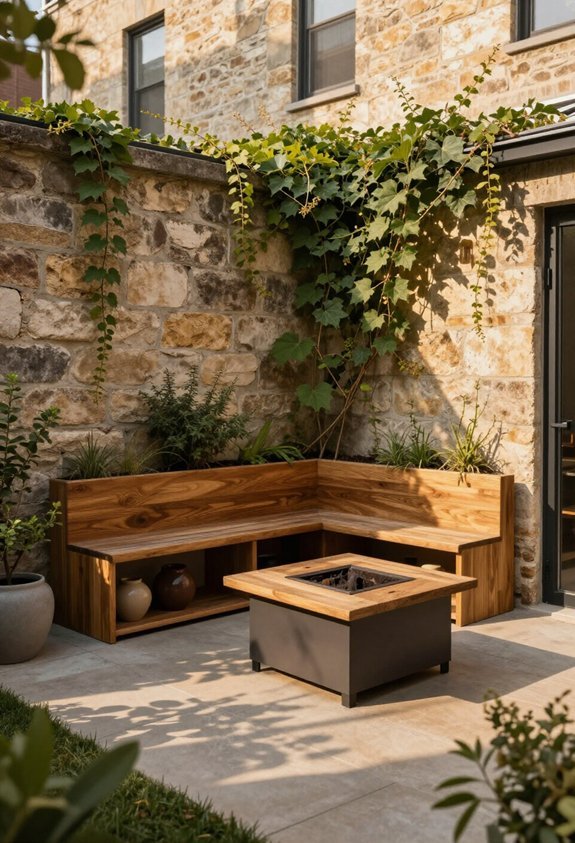
Maximizing small backyard spaces requires strategic choices about every element, including the furniture that occupies those precious square feet, which is why selecting pieces that serve multiple purposes becomes essential for homeowners working with limited outdoor areas. Storage benches provide seating while concealing gardening tools and cushions, eliminating the need for separate storage structures. Ottomans with hidden compartments offer footrests and additional seating that doubles as storage. Tables with built-in shelving accommodate dining while organizing decorative items and supplies. Planters designed with bench seating combine landscaping with functional furniture. Daybeds function as lounging areas during the day and transform into sleeping spaces for guests. By choosing furniture that performs multiple roles, homeowners efficiently utilize every inch, creating organized, comfortable outdoor environments without sacrificing functionality or aesthetics.
Built-in Seating Saves Critical Floor Space
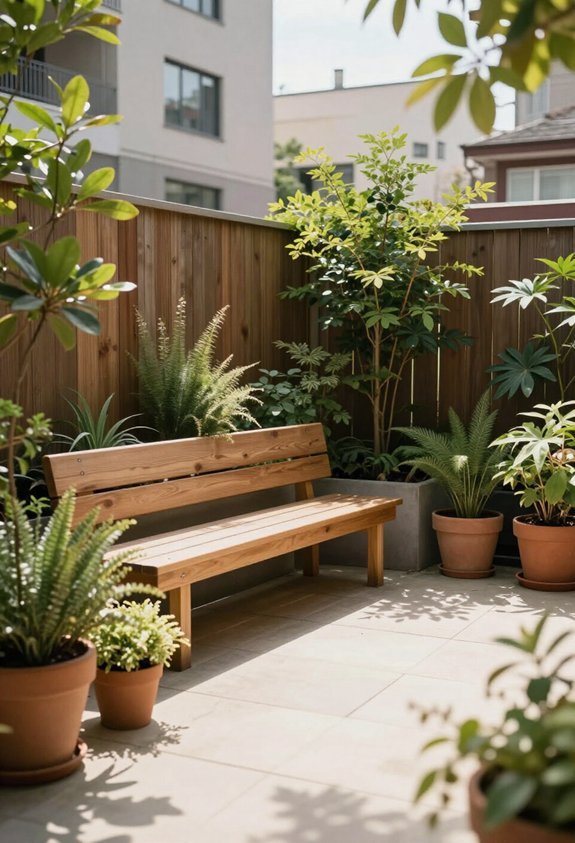
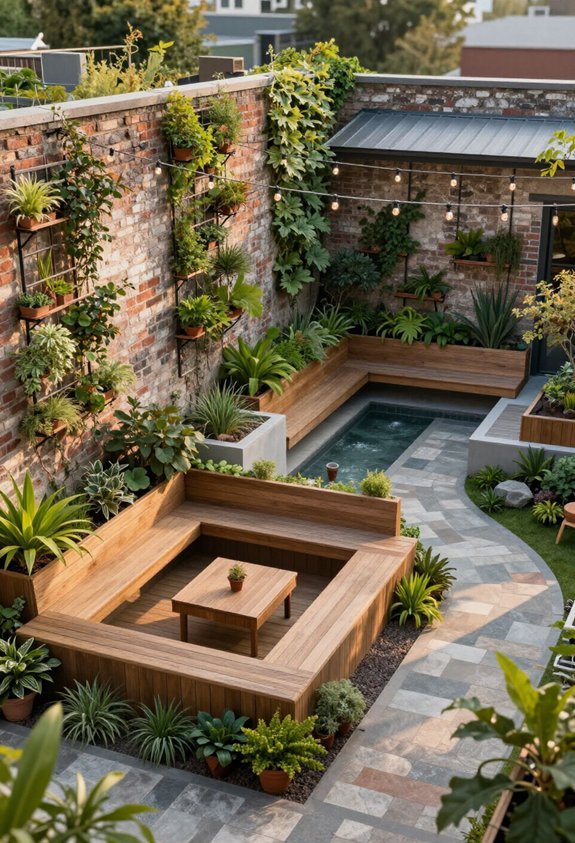
Built-in seating constructed along deck edges, fence lines, or garden perimeters eliminates the need for freestanding chairs and benches that consume valuable floor space in small backyards. These permanent structures integrate seamlessly with existing landscape features, creating functional seating while maintaining an open, uncluttered appearance. Built-in benches can incorporate storage compartments beneath the seat surface, providing hidden space for garden tools, cushions, or entertaining supplies. Homeowners can customize these installations with weather-resistant materials such as composite lumber or treated wood, ensuring durability and longevity. Additionally, built-in seating establishes defined gathering areas that organize the backyard layout effectively. This approach transforms underutilized perimeter spaces into purposeful zones, maximizing the usable area and enhancing the overall functionality of compact outdoor environments.
Smart Zones Organize Without Breaking Flow
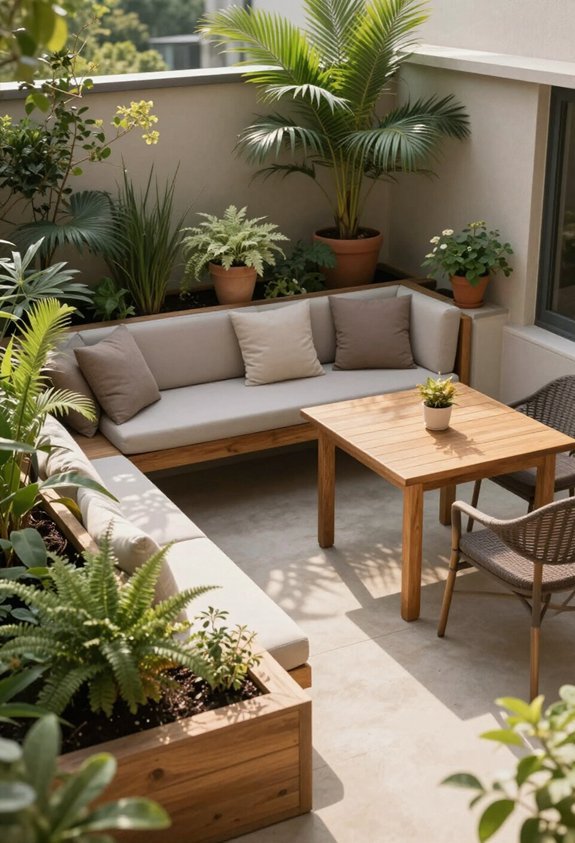
Organizing a small backyard into distinct functional areas requires strategic planning that separates different activities while maintaining visual continuity throughout the space. Designers accomplish this by using subtle shifts rather than rigid barriers, such as varying ground materials, strategic plant placement, or subtle elevation changes that guide movement between zones. A dining area might flow seamlessly into a relaxation zone through a shift garden, while a play space remains accessible without dominating the entire yard. This approach prevents the backyard from feeling compartmentalized or cramped, instead creating a sense of purposeful organization. Thoughtful zoning maximizes usability by designating specific purposes for each area, ensuring that multiple functions coexist harmoniously within limited square footage.
Negative Space Amplifies Everything Around It
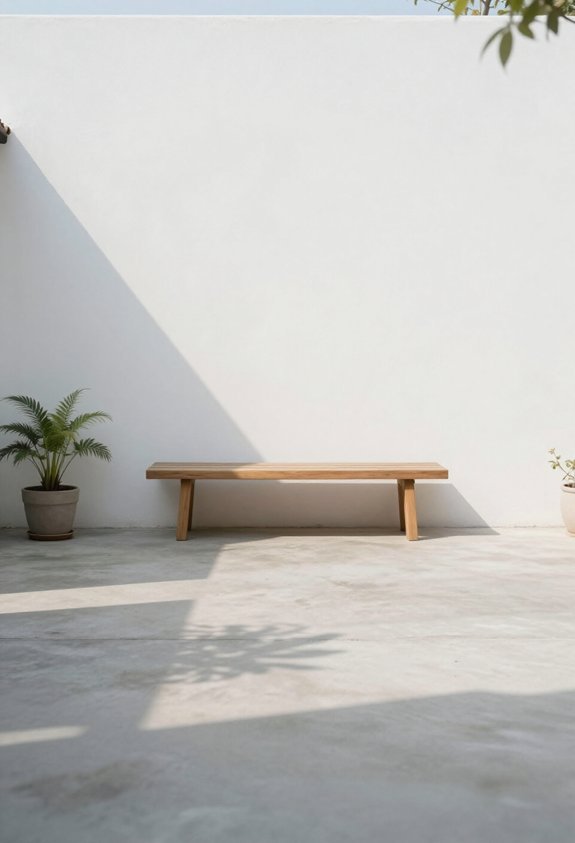
Every square inch of empty space in a small backyard serves a critical visual and functional purpose, as uncluttered areas make the entire yard feel larger and more inviting than it actually is. Negative space, or deliberately leaving areas open and bare, creates visual breathing room that prevents the yard from appearing cramped or overwhelming. By strategically positioning furniture, plants, and hardscape features around the perimeter rather than filling the center, designers create the illusion of expanded square footage. Open pathways and clear sightlines allow the eye to travel uninterrupted across the entire space, psychologically expanding perceived dimensions. Minimizing clutter and thoughtfully arranging elements enables small backyards to function efficiently while maintaining an airy, spacious atmosphere that enhances both aesthetics and usability.
String Lights Add Depth When Dusk Falls
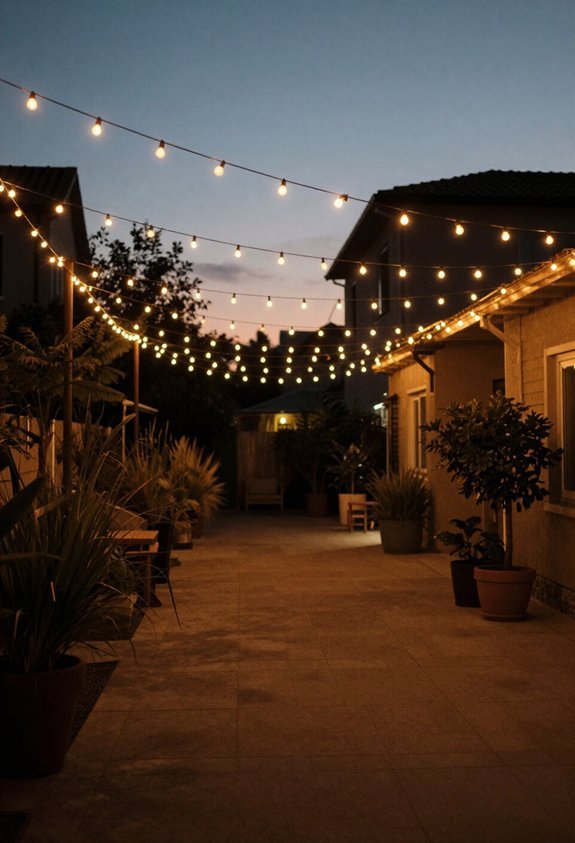
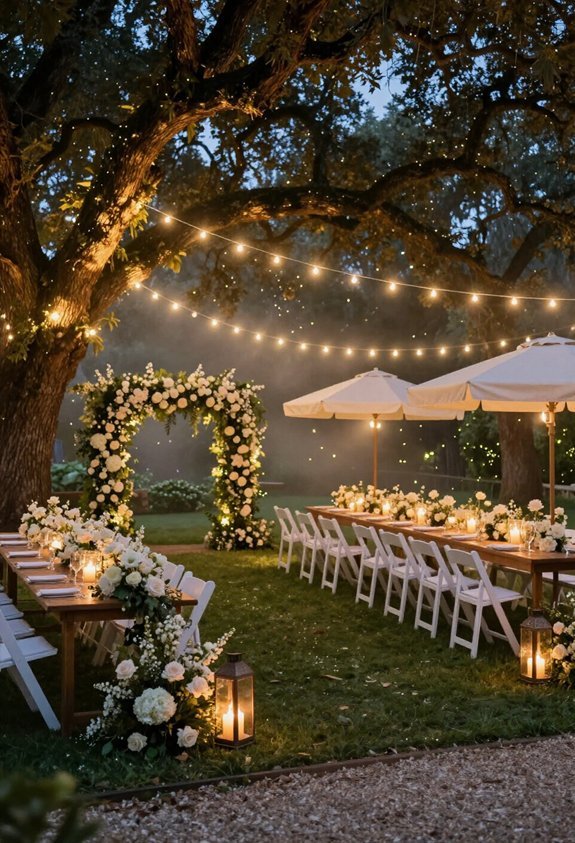
As daylight fades and shadows lengthen across a small backyard, string lights become essential design elements that transform the space into a layered environment with visual depth and extended usability. Stringing lights overhead creates multiple focal points that draw the eye upward and outward, making boundaries feel less confining. Positioning lights at varying heights, from low fence lines to elevated pergolas or trees, establishes dimensional planes that enhance perceived spaciousness. The warm glow defines distinct zones for dining, seating, or pathways, allowing the backyard to function purposefully after sunset. Strategic placement along edges and corners illuminates previously dark areas, effectively expanding the usable territory. String lights also create visual separation between spaces, organizing small yards into intentional sections that feel more intentional and sophisticated than undivided expanses.
Strategic Lighting Defines Different Areas
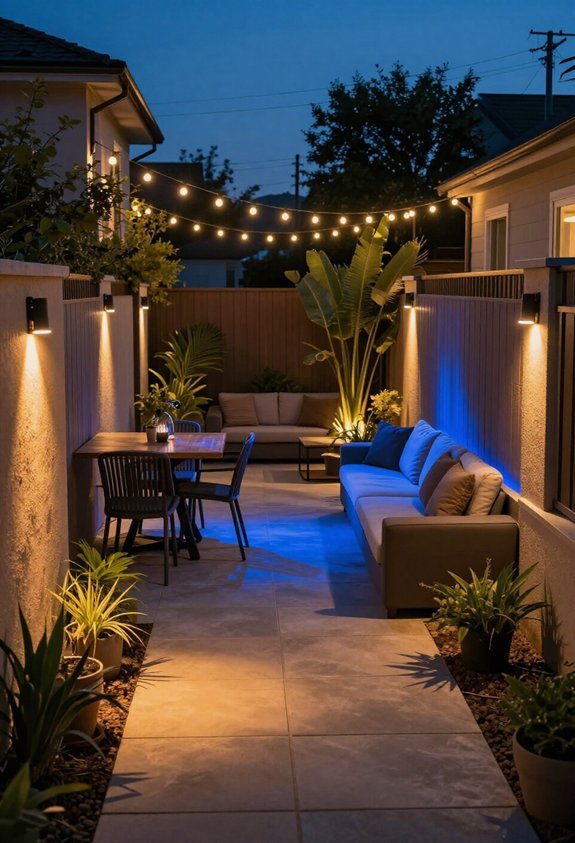
By directing light intentionally throughout a small backyard, homeowners can establish distinct functional zones that serve different purposes and activities. A dining area requires bright, focused lighting to illuminate tables and food clearly, while a lounge zone benefits from softer, ambient illumination that encourages relaxation. Pathway lighting guides movement between spaces safely and visually separates different sections. Task lighting near a grill or workspace guarantees functionality, whereas accent lighting highlights plants or architectural features to create visual interest. By strategically positioning lights at varying heights and intensities, homeowners define boundaries without using physical barriers, making the backyard feel organized and purposeful. This layered approach to illumination maximizes the perceived space while guaranteeing each zone remains practical and distinct.
One Strong Focal Point Draws Eyes Forward
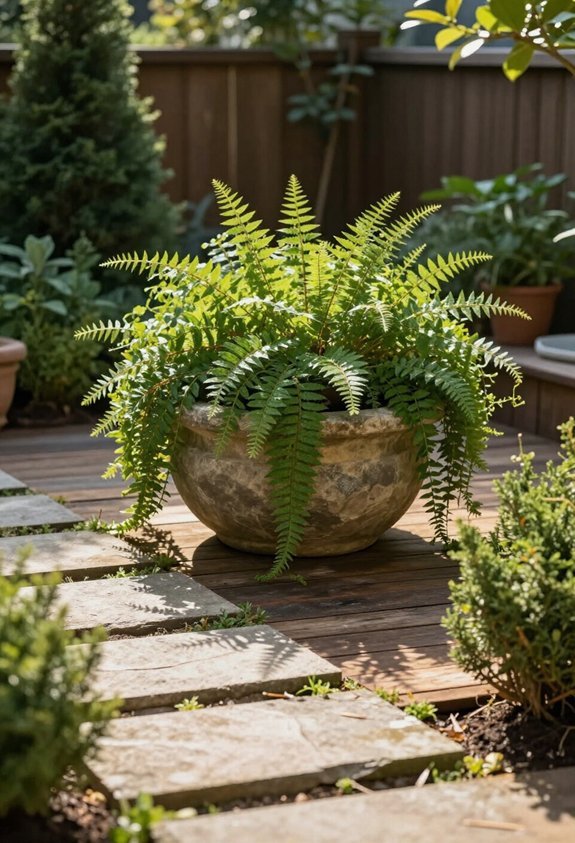
A focal point serves as the visual anchor that immediately captures attention when someone enters or looks out into a small backyard, and choosing one strong centerpiece prevents the space from feeling scattered or overwhelming. A well-selected focal point might include a water feature like a fountain, a seating area with distinctive furniture, a garden sculpture, or a planted tree with striking visual appeal. By directing the viewer’s eye toward this single element, the backyard gains instant definition and purpose, making the entire space feel more intentional and organized. This strategic placement eliminates the need for multiple competing attractions, which would fragment attention and diminish the perception of size. The focal point fundamentally becomes the heart of the outdoor space.
Water Features Add Movement and Interest
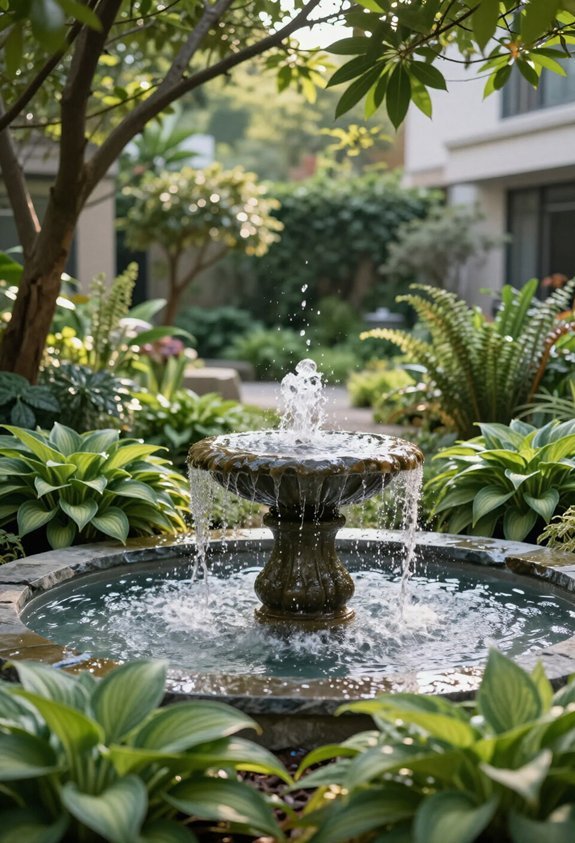
Water features bring dynamic visual and auditory elements to small backyards, transforming static outdoor spaces into engaging environments that hold attention and create a sense of movement even when the yard itself remains physically still. Fountains, birdbaths, and small ponds serve multiple purposes by attracting wildlife, producing soothing sounds, and drawing the eye toward specific design areas. Water features effectively break up monotonous landscapes, making compact spaces feel larger through strategic placement and careful proportion. A modest fountain positioned near seating areas creates an intimate focal point, while cascading water adds dimension and depth. The reflective qualities of water surfaces amplify available light, brightening shadowed corners. These features require minimal space yet deliver maximum visual impact, making them essential elements for enhancing small backyard designs.
Choose Between Fountains and Ponds Based on Space
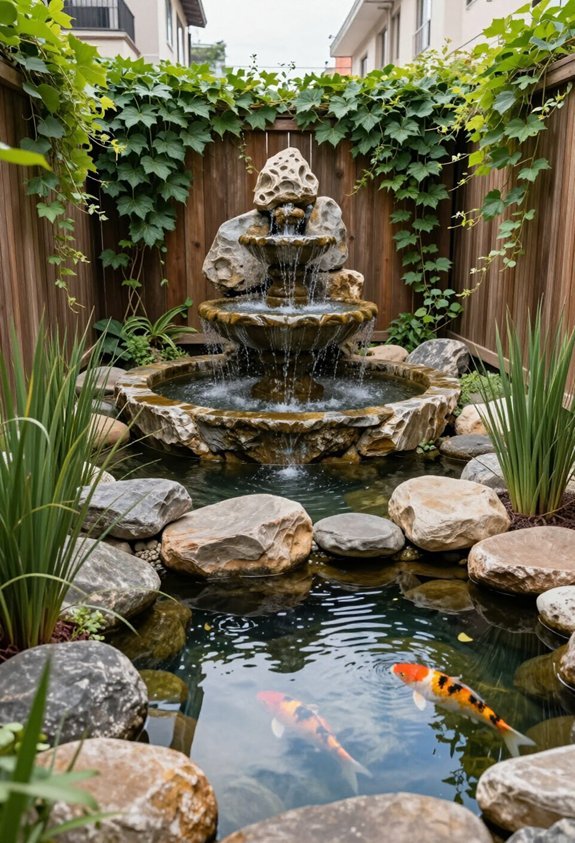
Selecting the right water feature depends on understanding how much space is actually available in a backyard, since fountains and ponds serve different purposes and require different amounts of room to function effectively. Fountains work well in compact spaces because they occupy minimal ground area while creating visual interest through vertical height and water movement. They require only a small basin and electrical connection to operate successfully. Ponds, conversely, demand considerably more square footage and deeper excavation, making them suitable only for larger backyards with adequate room for proper installation and maintenance. Homeowners should measure their available space carefully before deciding, considering walkway access and existing landscape features that might limit placement options and functionality.
Hidden Storage Keeps Clutter Out of View
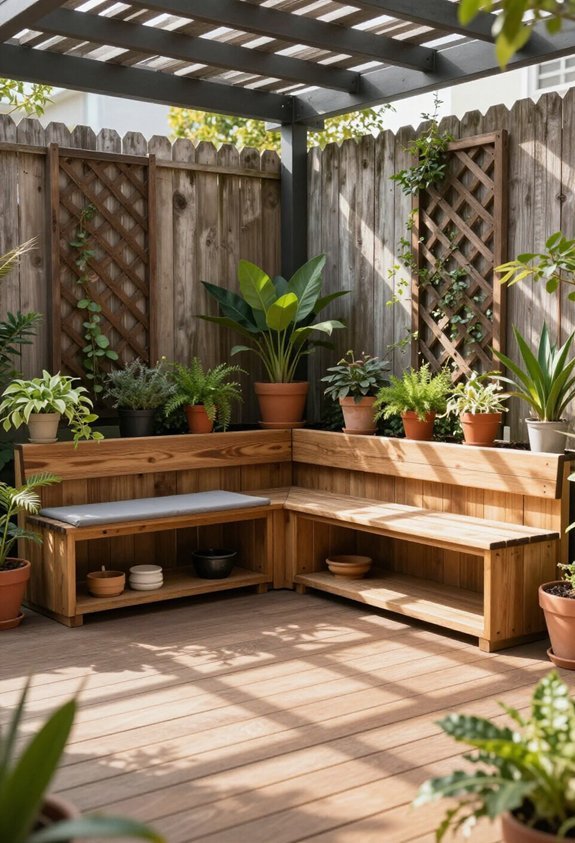
Small backyards’ clutter problems can be solved effectively through strategic hidden storage solutions that keep outdoor spaces looking neat and organized while maximizing usable area. Built-in benches with lift-top compartments provide seating while concealing cushions, gardening tools, and seasonal decorations. Deck storage boxes blend seamlessly into outdoor designs, offering accessible organization for equipment and supplies. Wall-mounted cabinets and shelving units utilize vertical space efficiently, preventing ground-level clutter accumulation. Underground storage containers buried beneath patios or garden beds protect items from weather while remaining invisible. Sheds with organized interior systems keep larger equipment and materials contained separately from living areas. These storage methods eliminate visual chaos, create functional spaces, and maintain the illusion of spaciousness in compact yards by removing distracting items from sight while preserving accessibility.
Minimal Hardscaping Preserves Open Ground
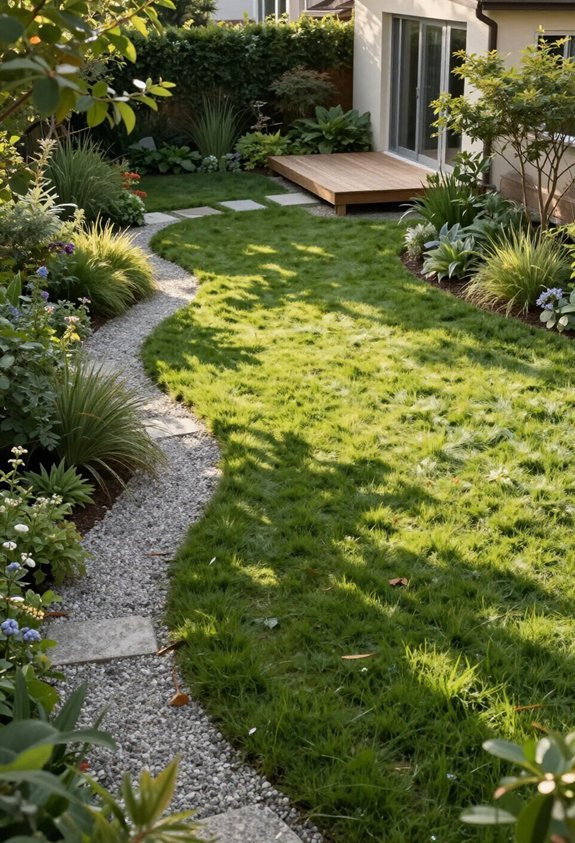
While hidden storage solutions address the clutter issue by removing items from sight, the overall layout of a backyard requires careful planning to maintain open, usable ground space. Minimal hardscaping, which involves using limited amounts of concrete, pavers, or stone, preserves the natural ground area and prevents the yard from feeling cramped. By strategically placing only essential pathways and small patio areas, homeowners can maximize the available space for activities, gardening, or relaxation. Excessive hardscaping materials consume valuable ground and create a rigid, enclosed feeling that contradicts the goal of making a small backyard feel larger. Thoughtful decisions about where to place hard surfaces allow grass, plants, and open areas to dominate the visual landscape, creating an airy atmosphere that enhances the perception of space.
Minimalist Design Amplifies the Feeling of Space
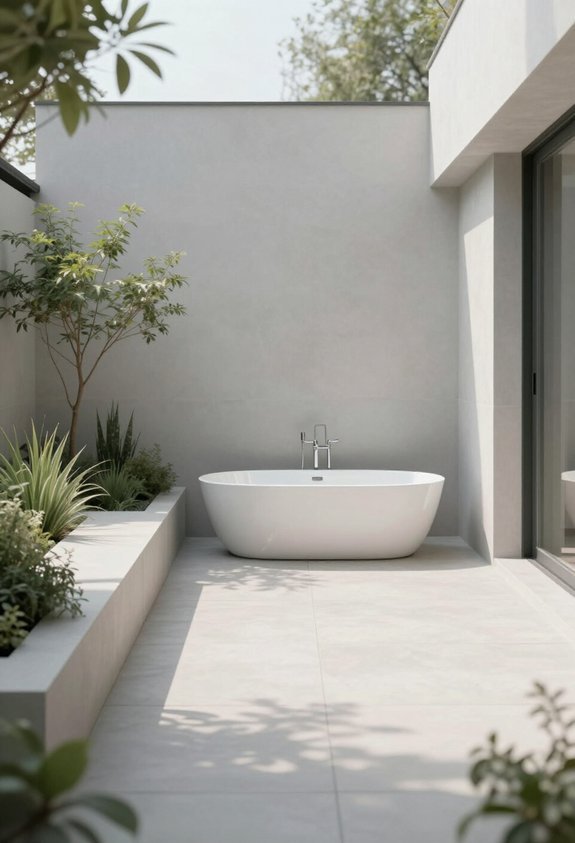
Because clutter and excessive decoration can make even moderately sized spaces feel cramped and overwhelming, embracing a minimalist design approach offers homeowners an effective strategy for amplifying the perception of space in small backyards. By limiting the number of furniture pieces, decorative elements, and plantings, homeowners can create visual breathing room that makes their yards appear larger than they actually are. A minimalist approach emphasizes clean lines, open pathways, and intentional spacing between objects, which naturally guides the eye across the entire area without obstruction. Selecting a unified color palette and avoiding busy patterns further contributes to this expansive feeling. This design philosophy prioritizes function over decoration, ensuring that every element serves a specific purpose while maintaining the visual clarity necessary for small spaces to feel genuinely spacious.
Frequently Asked Questions
How Much Budget Do I Need to Redesign My Small Backyard?
Backyard redesign budgets vary widely depending on scope and materials. Small projects start around $500-$2,000, while extensive redesigns range from $5,000-$15,000 or more. Homeowners should prioritize needs and adjust spending accordingly.
What’s the Best Timeline for Completing a Small Backyard Renovation Project?
A small backyard renovation typically takes 2-4 weeks for basic projects or 4-8 weeks for complex designs involving hardscaping and landscaping. Timeline depends on scope, weather conditions, and contractor availability.
Can I Implement These Ideas if I Rent My Home?
Renters can implement many small backyard ideas through temporary solutions. Portable planters, removable outdoor rugs, and container gardens work well. Renters should avoid permanent structures and obtain landlord approval beforehand.
Which Ideas Work Best for Shaded Small Backyards Versus Sunny Ones?
Shaded backyards benefit from light-colored surfaces, shade-tolerant plants, and mirrors reflecting available light. Sunny spaces suit vibrant plantings, pergolas for filtered shade, and water features that sparkle, maximizing their natural advantages.
How Do I Maintain These Space-Expanding Features Over Time?
One maintains space-expanding features through regular pruning of vertical gardens, consistent mirror cleaning to preserve reflective surfaces, strategic plant replacement to sustain layering effects, and periodic furniture repositioning to prevent visual monotony.
Conclusion
By implementing these strategic design techniques, homeowners can transform cramped backyards into spacious, functional retreats. Light colors, mirrors, and transparent furniture work together to expand perceived space, while vertical gardens and hidden storage maximize usable areas without creating visual clutter. Minimal hardscaping and cohesive color schemes further enhance openness, allowing even the smallest backyard to feel welcoming and expansive through thoughtful planning and deliberate design choices.