You’ve likely heard about mushroom compost, but you might not realize how transformative it can be for your garden. This nutrient-dense byproduct from commercial mushroom farming consists of straw, manure, and gypsum, creating a dark, crumbly material that dramatically improves soil structure and water retention. Before you apply it to your plants, however, you need to understand its specific characteristics and limitations.
What Exactly Is Mushroom Compost?
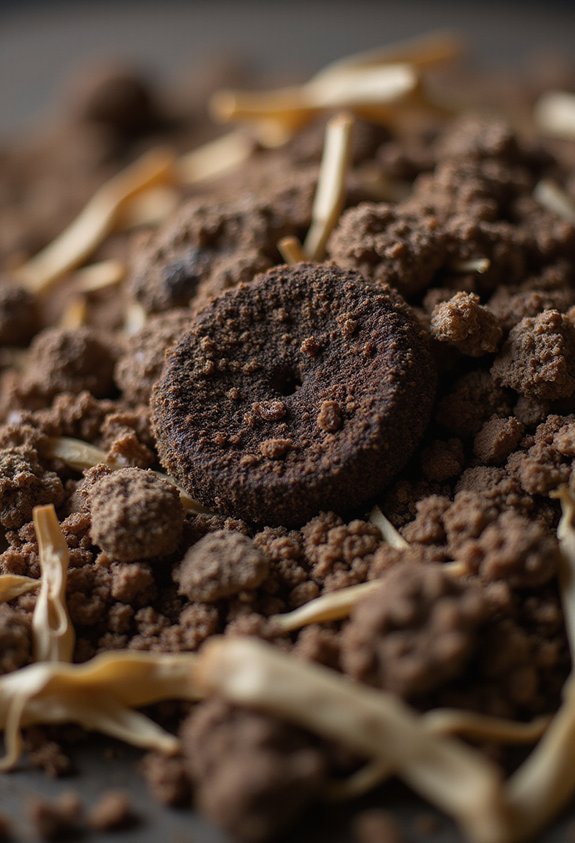
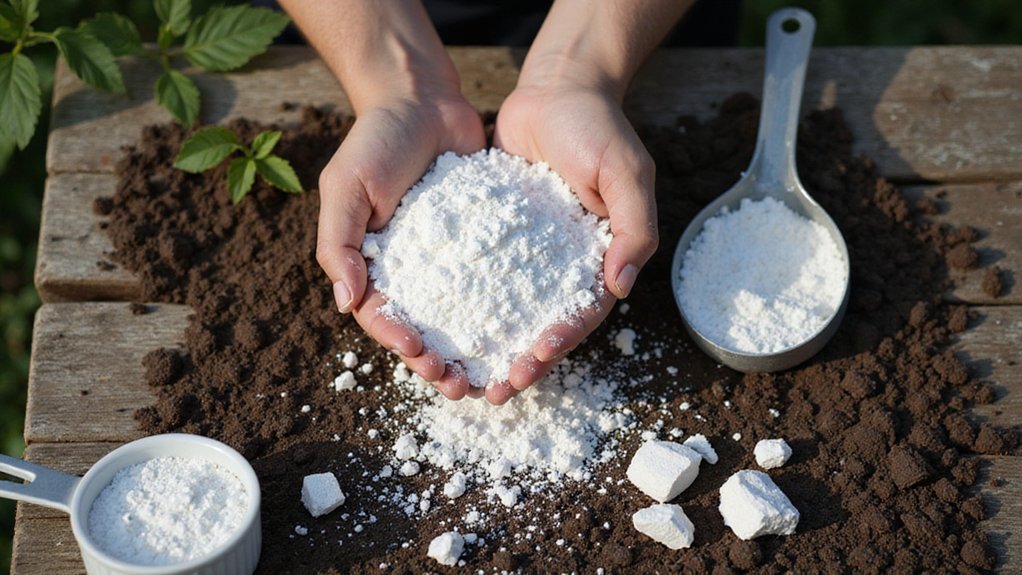
Because mushrooms require specific growing conditions and materials, mushroom compost is a byproduct that develops when farmers cultivate these fungi commercially. When mushroom farmers prepare beds for growing, they’ll combine straw, manure, gypsum, and other organic materials into a nutrient-rich mixture. After the mushrooms are harvested, you’re left with spent compost that still contains valuable nutrients and organic matter. This material isn’t waste—it’s actually an excellent soil amendment that you can use in your garden. The composting process that occurs during mushroom cultivation breaks down the original materials substantially, creating a dark, crumbly substance that improves soil structure. You’ll find that this byproduct contains beneficial microorganisms and organic compounds that support plant growth, making it particularly useful for enhancing garden beds and containers.
Also read: 5 Winter Things Killing Your Houseplants
How Mushroom Compost Transforms Your Soil
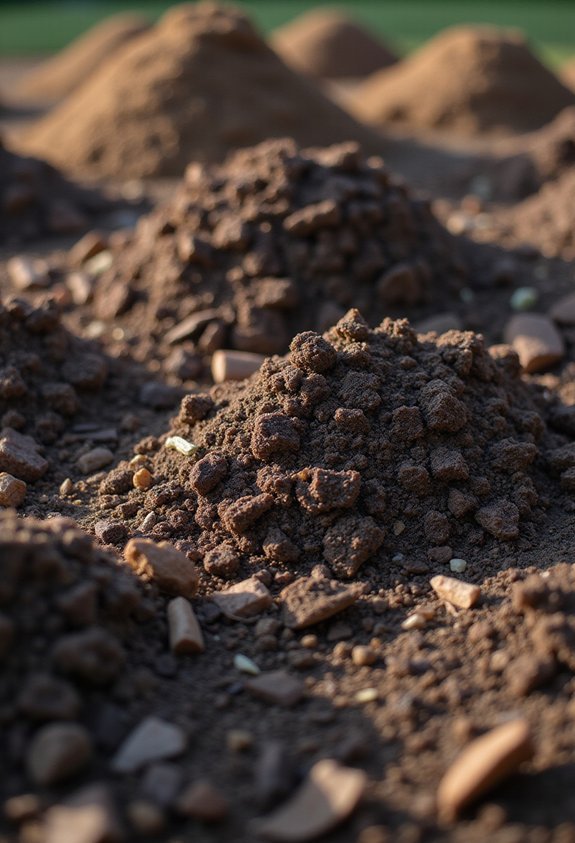
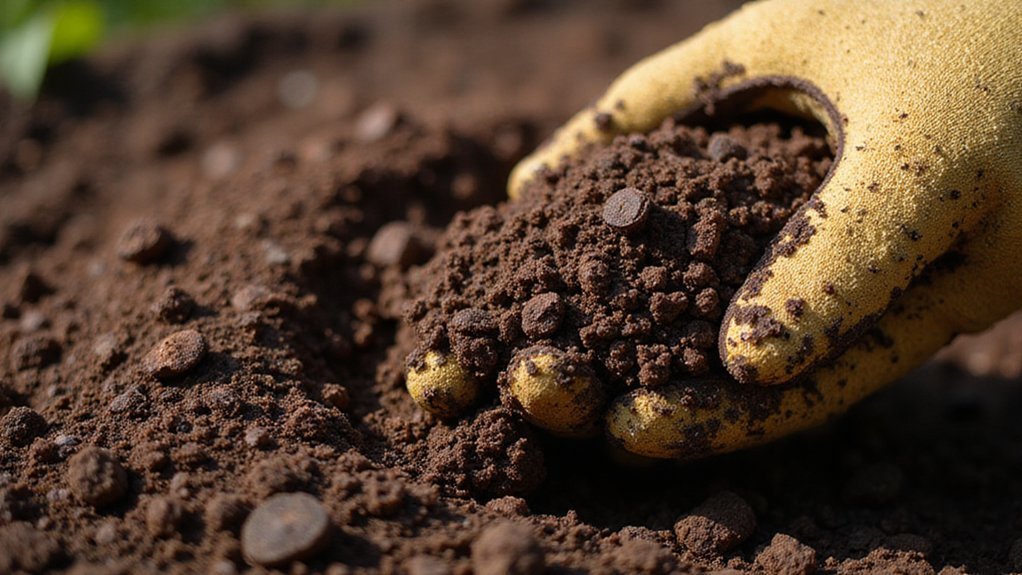
When you work mushroom compost into your garden soil, you’re introducing a material that’ll transform the physical and chemical properties of your garden beds in several meaningful ways. The organic matter improves soil structure, increasing its ability to hold water while simultaneously enhancing drainage, which prevents waterlogging and root rot. You’ll notice your soil becomes darker and crumblier, making it easier to dig and plant. Mushroom compost also enriches your soil with essential nutrients like nitrogen, phosphorus, and potassium that plants need for growth. Additionally, the material boosts beneficial microbial activity in your soil, creating a healthier ecosystem for roots. Over time, these improvements lead to stronger plants with deeper root systems and better nutrient absorption, resulting in more vigorous growth and higher yields.
How Mushroom Compost Benefits Different Garden Types
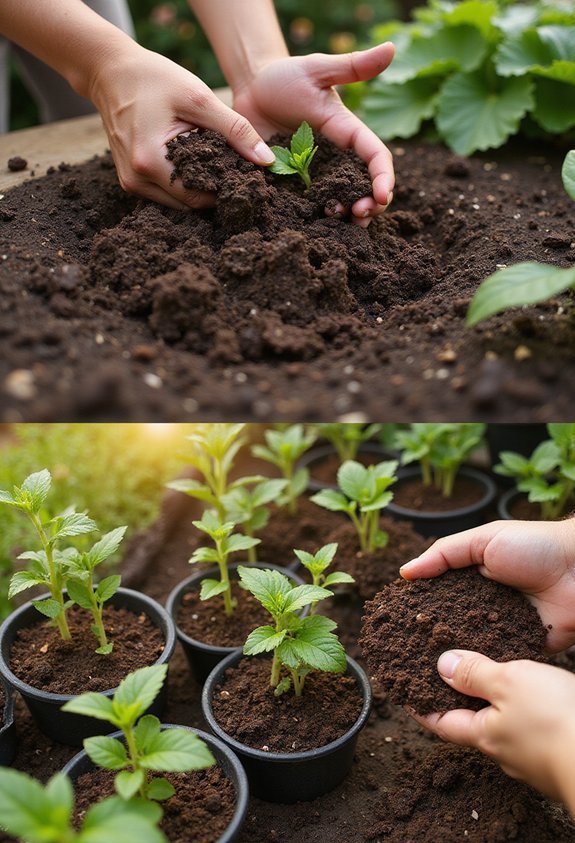
Different garden types respond remarkably well to mushroom compost, though each benefits in its own specific ways depending on the garden’s purpose and existing soil conditions. For vegetable gardens, you’ll find that mushroom compost improves drainage while retaining moisture, creating ideal conditions for root development and nutrient uptake. In flower beds, it enhances soil structure and provides slow-release nutrients that promote vibrant blooms throughout the season. Container gardens benefit considerably since mushroom compost’s light texture allows better air circulation around plant roots. For herb gardens, the balanced pH and nutrient content support healthy growth without overwhelming sensitive plants. Lawn areas gain improved soil health, leading to stronger grass coverage and reduced compaction. Understanding your garden’s specific needs helps you maximize mushroom compost’s effectiveness across all planting situations.
How Does It Compare to Regular Compost?
While both mushroom compost and regular compost improve your soil’s health, they’re fundamentally different products with distinct advantages and limitations. Regular compost, made from decomposed kitchen scraps and yard waste, takes longer to break down and contains more varied organic materials. Mushroom compost, however, is a byproduct from commercial mushroom farming, meaning it’s already partially decomposed and contains spent mushroom substrate mixed with straw and manure. This makes mushroom compost richer in nutrients and faster-acting in your garden beds. Regular compost offers more customizable ingredients, while mushroom compost delivers quicker results with higher nutrient density. Your choice depends on your timeline and soil needs, as each type serves different gardening purposes effectively.
How to Use Mushroom Compost in Your Garden
To get the most benefit from mushroom compost, you’ll want to understand the specific techniques for applying it to different areas of your garden. Mix mushroom compost into garden beds at a depth of two to three inches, working it into the existing soil to improve structure and nutrient content. For potted plants, blend mushroom compost with regular potting soil in a one-to-one ratio, ensuring proper drainage and nutrient availability. When establishing new garden beds, spread a four-to-six-inch layer across the area before tilling it into the soil thoroughly. Apply mushroom compost around established plants as mulch, maintaining a two-inch layer while keeping it slightly away from plant stems to prevent rot. Reapply annually each spring for consistent soil improvement and sustained plant growth.
When Mushroom Compost Isn’t the Right Choice
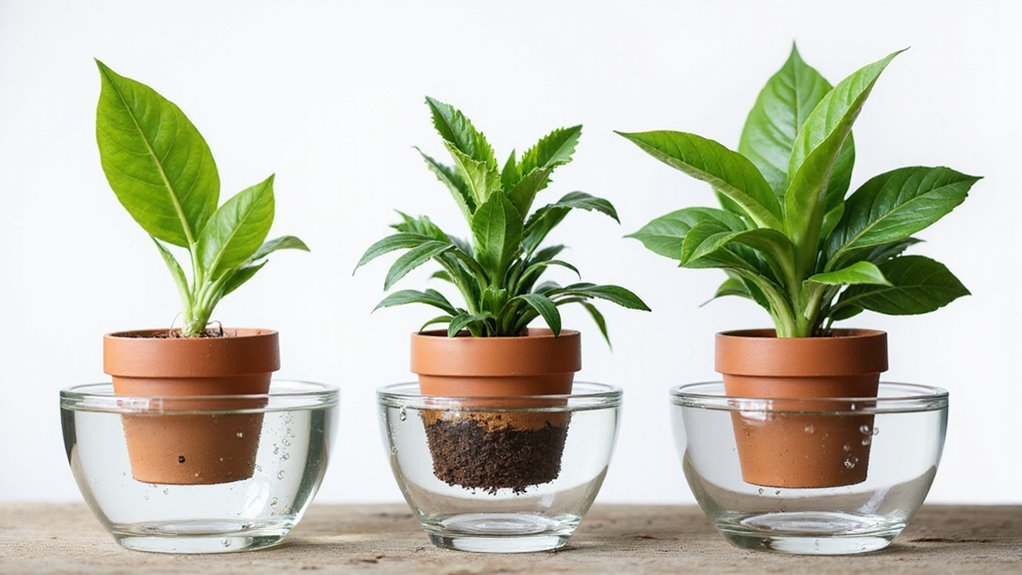
Although mushroom compost offers significant benefits for many gardening situations, it’s not universally suitable for every plant or garden condition you’ll encounter. You shouldn’t use mushroom compost for acid-loving plants like blueberries, azaleas, and rhododendrons because its alkaline pH creates an inhospitable environment for their growth. Additionally, you’ll want to avoid applying it to seedlings and young transplants, as the compost’s high salt content can damage delicate roots and stunt development. If you’re growing plants in containers where drainage is already limited, mushroom compost’s dense structure can retain excessive moisture, promoting root rot. You should also reconsider using it in areas prone to waterlogging, where its moisture-holding properties become problematic rather than beneficial.
Conclusion
You’ve now unblocked the potential mushroom compost brings to your garden beds, and you’re ready to use this gold mine of nutrients wisely. Remember that you’ll need to check your soil’s pH and your plants’ specific needs before applying it, ensuring you’re making the right choice for your particular gardening situation. You’ll find that when you use mushroom compost correctly, you’re investing in stronger, healthier plants.