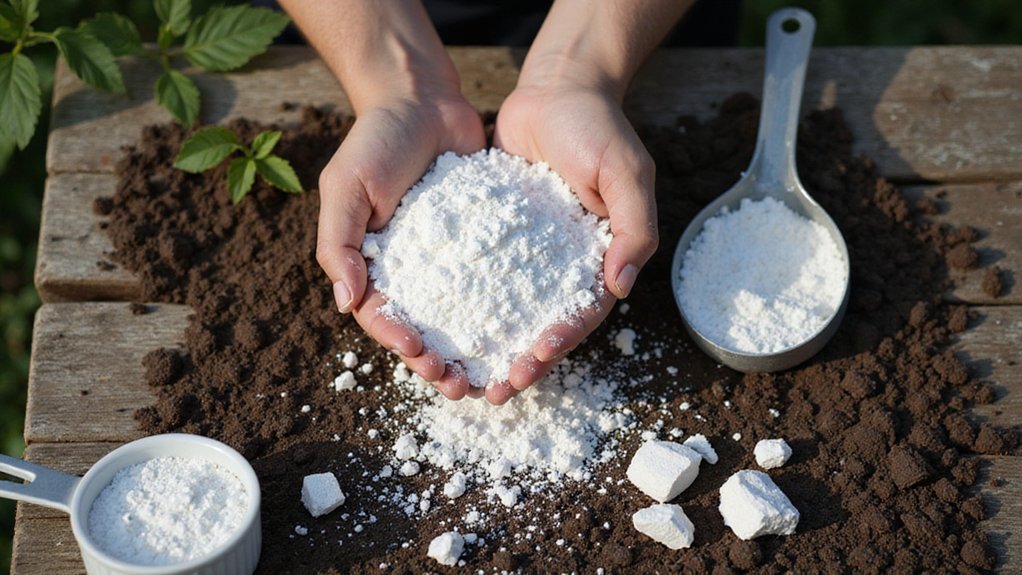
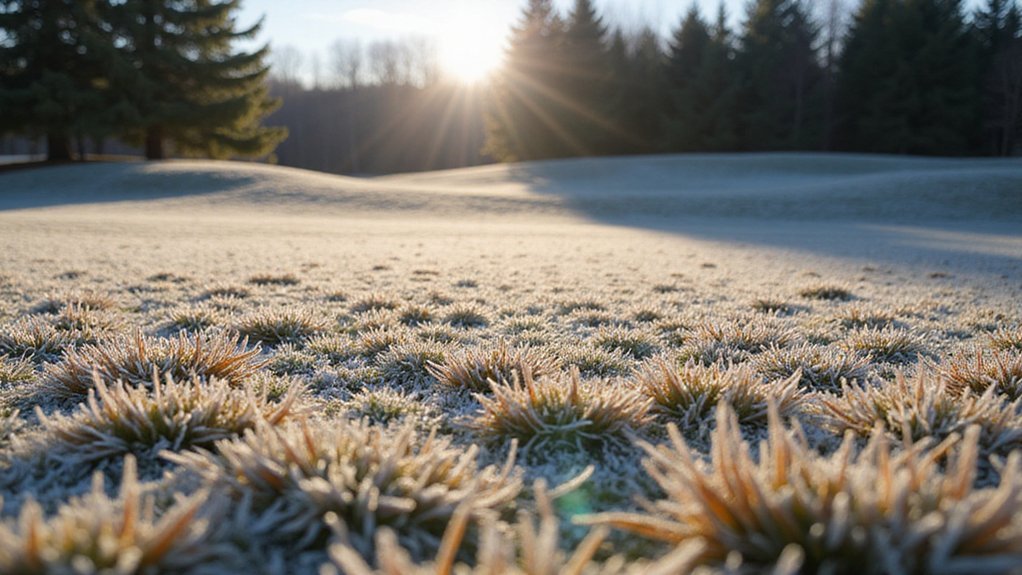
Your lawn faces serious challenges when winter arrives, from snow mold to root damage and compaction. You’ll need to take specific steps now to protect your grass and guarantee it survives the cold months ahead. By following a strategic approach—starting with proper mowing and extending through spring cleanup—you can transform your winter lawn care routine and set the stage for what comes next.
Mow Your Long Grass Lower Before Winter Hits
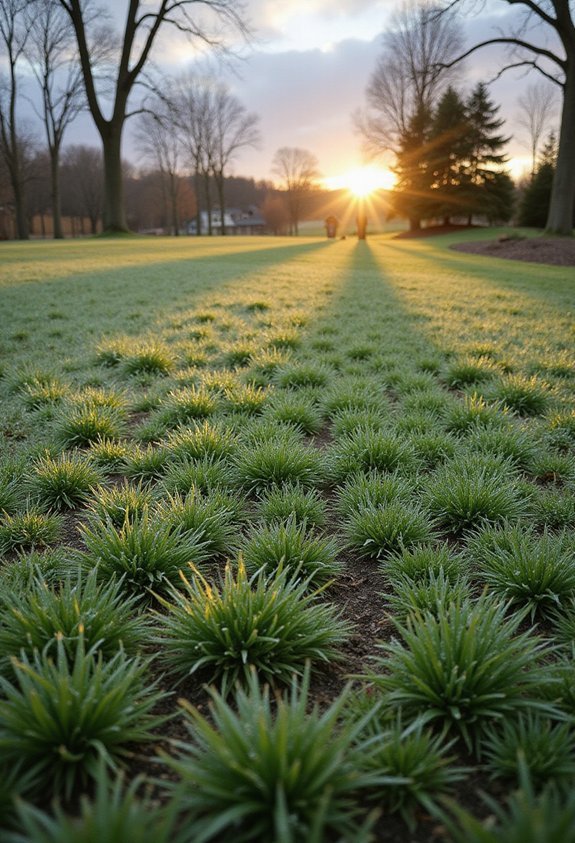
Before winter arrives and temperatures decline markedly, you’ll want to mow your long grass shorter than you’d normally cut it during the growing season, since this preparation step plays a crucial role in safeguarding your lawn from winter harm and illness. Aim to cut your grass to approximately 2 to 2.5 inches in height, which reduces the risk of snow mold and fungal diseases that thrive under longer, matted vegetation. Shorter grass also allows better air circulation and light penetration to reach the soil surface. You should complete this final mowing before the first frost occurs, ensuring your lawn isn’t stressed by cold temperatures immediately after cutting. This strategic reduction promotes healthy dormancy and prepares your turf for successful winter survival.
Also read: Should You Leave Snow Piles Up on Your Lawn If They Build?
Aerate in Early Fall to Prepare Your Grass for Winter
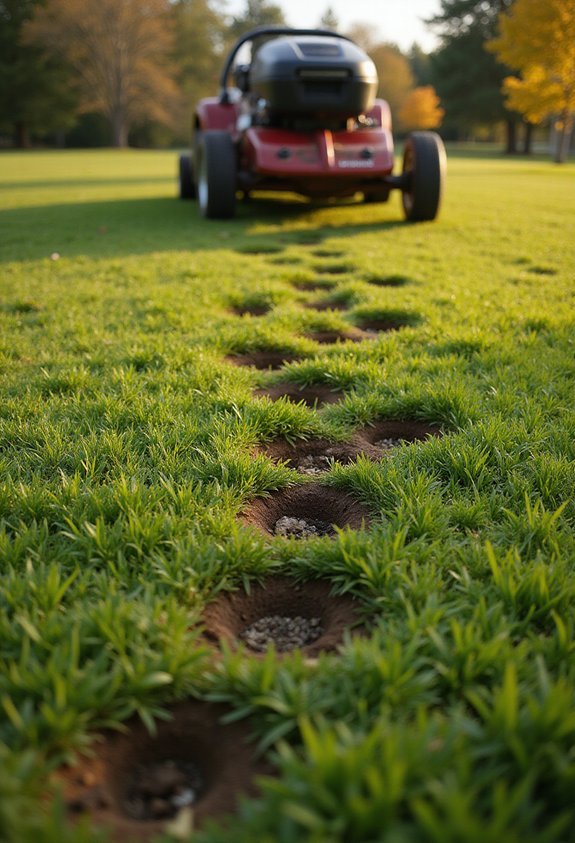
As your lawn shifts from the active growing season toward dormancy, aerating your grass in early fall—ideally in September or early October—creates essential conditions for winter survival and spring recovery. Aeration punctures small holes throughout your soil, reducing compaction that restricts root growth and water absorption. You’ll want to use a core aerator, which removes soil plugs rather than merely poking holes, allowing nutrients, water, and oxygen to penetrate deeper into the root zone. This process strengthens grass roots before cold temperatures arrive, enabling them to develop more resilience against frost damage and winter stress. Additionally, aeration improves drainage, preventing waterlogging that can cause root rot during winter months, and it loosens soil that’s been compacted by foot traffic throughout the growing season.
Clear Debris and Thatch to Prevent Snow Mold
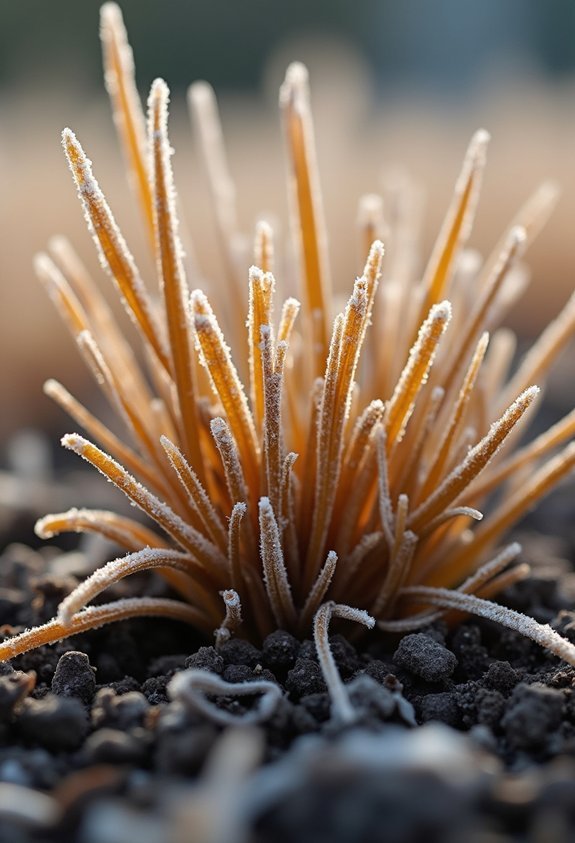
Once you’ve aerated your lawn and improved its soil structure, you’ll need to clear away debris and thatch that can trap moisture and create ideal conditions for snow mold—a fungal disease that thrives under snow cover and damages grass blades during winter months. Use a rake or dethatcher to remove fallen leaves, dead grass, and accumulated organic material from your lawn’s surface. This clearing process allows air circulation and reduces moisture buildup, which are essential for preventing fungal growth. Pay special attention to shaded areas where moisture lingers longer. After removing debris, mow your grass to about two to three inches, which helps minimize snow mold development while maintaining adequate grass length for winter protection and spring recovery.
Water During Dry Spells to Prevent Desiccation
Even though winter brings cooler temperatures and reduced evaporation compared to summer months, your lawn still needs water during dry spells to prevent desiccation—the process where grass loses moisture faster than it can absorb it from the frozen or dormant soil. You’ll want to water your lawn during winter thaws or mild periods when the ground isn’t frozen solid, as this allows water to penetrate the soil and reach grass roots. Check your local weather forecast and water when temperatures remain above freezing for several hours afterward, ensuring the water doesn’t immediately freeze on the surface. Apply water deeply but less frequently than summer watering schedules, allowing moisture to reach deeper root zones where your grass draws sustenance during winter dormancy.
Protect High-Traffic Areas From Compaction Damage
While proper watering keeps your grass hydrated through winter’s dormant months, you’ll also need to address the physical stress that foot traffic places on your lawn during this vulnerable season. Compaction damage occurs when repeated footsteps compress soil, reducing air circulation and water penetration to grass roots. To protect high-traffic areas, consider creating designated pathways using stepping stones, mulch, or temporary barriers that redirect foot traffic away from weakened grass. If your lawn experiences heavy use, you might also apply a protective layer of straw or wood chips over stressed zones. These preventative measures minimize soil compaction, preserve root health, and guarantee your grass recovers properly when spring arrives.
Feed Long Grass in Late Fall for Spring Strength
As your lawn enters its dormant winter phase, applying a slow-release fertilizer in late fall provides the nutritional foundation your grass’ll need to emerge strong and vibrant when spring arrives. Choose a fertilizer with higher phosphorus and potassium content, which strengthens root systems and improves cold tolerance. Apply the fertilizer between mid-October and November, before the ground freezes, allowing nutrients to reach the root zone during winter months. Follow the package instructions carefully, distributing the product evenly across your lawn to guarantee over-concentration in certain areas does not occur. Water lightly after application to help activate the slow-release mechanism. This fall feeding strategy guarantees your long grass develops robust roots and stored energy reserves, enabling rapid growth and resilience when warmer temperatures return in spring.
Remove Heavy Snow Before It Damages Your Lawn
Substantial accumulations of snow can compress your long grass underneath its weight, creating matted patches that become vulnerable to fungal diseases and winter kill when temperatures fluctuate. You’ll want to gently remove heavy snow using a plastic shovel, which won’t damage the grass blades like metal tools might. Work carefully across your lawn in a sweeping motion rather than scraping forcefully, as this prevents breaking dormant grass stems. Focus on areas where snow’s been piling up, particularly near structures and tree lines where drifting occurs. Don’t wait for warm spells to melt thick snow naturally, since prolonged compression weakens your grass’s ability to recover in spring. Remove snow promptly after major storms, ideally within twenty-four hours, to minimize damage risk and promote healthier green-up when warmer weather arrives.
Catch Snow Mold and Winter Disease Before They Spread
Even with careful snow removal, you’ll still need to watch for snow mold and other winter diseases that thrive in the cold, moist conditions beneath snow cover and in matted grass areas. Inspect your lawn regularly for circular patches of pink, gray, or white fungal growth, which indicate active disease. You’ll want to improve air circulation by gently raking affected areas once the ground thaws, being careful not to damage healthy grass. Apply fungicide treatments if disease persists after spring arrives. Prevent future problems by maintaining proper lawn drainage, avoiding excessive nitrogen fertilizer in fall, and keeping grass at appropriate heights before winter arrives. These preventative measures drastically reduce your risk of costly disease damage throughout the cold months.
Dethatch and Rake in Early Spring to Uncover New Growth
Once the ground thaws and new grass begins to emerge in early spring, you’ll want to dethatch your lawn by removing the layer of dead grass and organic matter that’s accumulated on the soil surface. Use a dethatcher or stiff rake to vigorously comb through your lawn, working in one direction to pull up the matted debris. This process allows sunlight, water, and nutrients to reach the soil more effectively, promoting stronger growth. After dethatching, rake away all the loosened material and dispose of it properly. Follow up by raking lightly in perpendicular directions to further clear any remaining dead grass. This thorough spring cleanup establishes ideal conditions for healthy, vigorous lawn development throughout the growing season.
Conclusion
You’ll protect your lawn through winter by following these strategic steps: mowing lower, aerating early, clearing debris, watering during thaws, and preventing compaction. Studies show that lawns receiving proper winter care recover 40% faster in spring than neglected ones, making your preparation efforts worthwhile. By implementing these techniques now, you’re investing in a healthier, more resilient lawn that’ll emerge vibrant when warmer weather returns.