
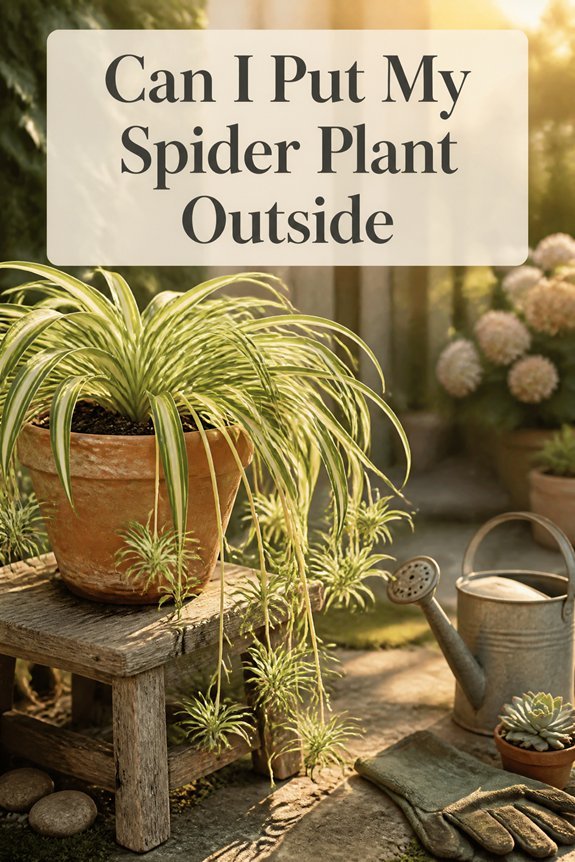
Spider plants can indeed thrive outside when conditions align with their natural preferences. These adaptable houseplants originate from tropical and subtropical regions, which means they favor moderate temperatures and consistent humidity. Before relocating your plant, assess whether your local climate mirrors these conditions during the growing season.
The transition requires careful planning to avoid shocking the system. Gradual acclimation over one to two weeks allows the foliage to adjust to increased light intensity and variable weather patterns. Begin with shaded areas for a few hours daily, slowly extending exposure to filtered morning sun while protecting from harsh afternoon rays.
Timing matters significantly when making this move. Spring and early summer offer ideal windows for establishing outdoor specimens before extreme heat arrives.
Gardeners in zones 9 through 11 generally enjoy the greatest success with permanent outdoor placement, while those in cooler regions should treat this as a seasonal experiment with container plants that return indoors before frost.
Observation becomes your most valuable tool throughout this process. Monitor leaf color and texture for stress indicators like browning tips or bleached patches.
Healthy outdoor spider plants will produce abundant offshoots and display more vigorous growth than their indoor counterparts, rewarding attentive caretakers with cascading fountains of striped foliage.
Can Spider Plants Live Outside? (Yes, But Check Your Climate)
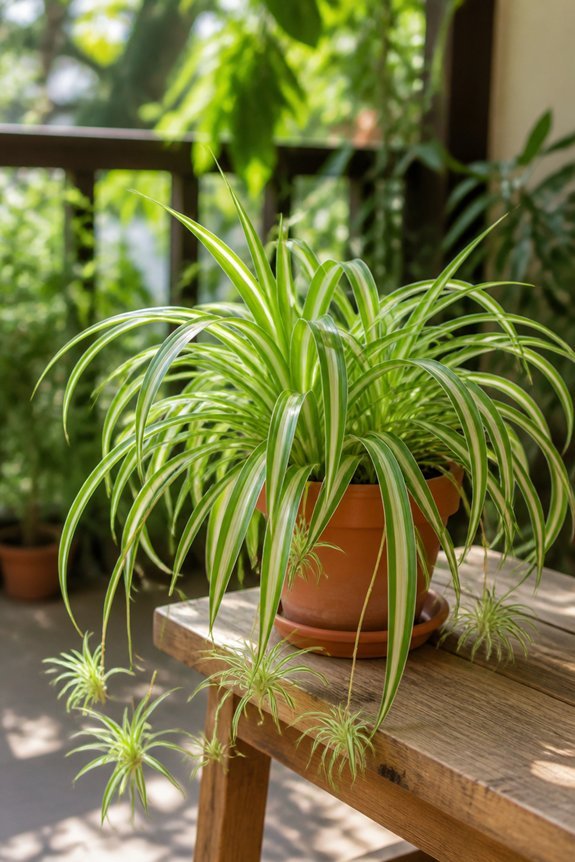
Spider plants can absolutely thrive outside, but your local climate makes all the difference. These hardy plants favor temperatures between 50 and 80 degrees Fahrenheit. That sweet spot means mild regions can host them year-round with little fuss.
Colder zones demand more attention from you. Once thermometers dip below 50 degrees, it’s time to move your plants indoors or provide some cozy protection. No one wants frost-damaged leaves.
Humidity plays a bigger role than many gardeners expect. Coastal areas and rainy regions suit spider plants beautifully. Dry climates? You’ll need to stay more vigilant about moisture levels.
Bright but indirect light works best for outdoor placement. Think dappled shade beneath trees or covered patios. Full blazing sun will burn those delicate leaves faster than you’d think.
Tropical and subtropical growers have it easiest here. Temperate region gardeners simply need a seasonal rhythm—outdoors for the warm months, indoors when chill arrives.
Also read: Can Philodendron Grow in Water?
Climate Zones and Hardiness: Where Spider Plants Survive
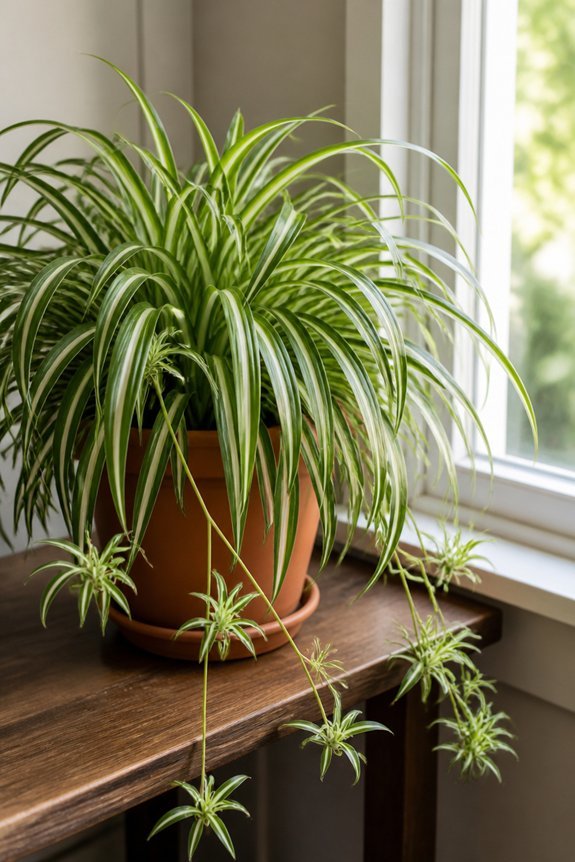
Nature limits where spider plants grow outside. Check your USDA hardiness zone first. These plants handle zones 9 through 11 best.
Zone 9 brings occasional cold snaps. You’ll need winter protection there. Zones 10 and 11 hit the sweet spot. Warmth stays steady year-round, and frost rarely visits.
Living in zones 1 through 8? Treat spider plants as temporary outdoor guests. Move them inside before frost arrives. Temperatures below 50°F slow growth and brown the leaves. Your plants will thank you for the rescue.
USDA maps tell part of the story. Your exact spot matters too. A south-facing wall holds extra heat. Northern exposures stay chilly longer. Scout your yard for microclimate advantages.
Light, Temperature, and Humidity: What Your Outdoor Plant Needs
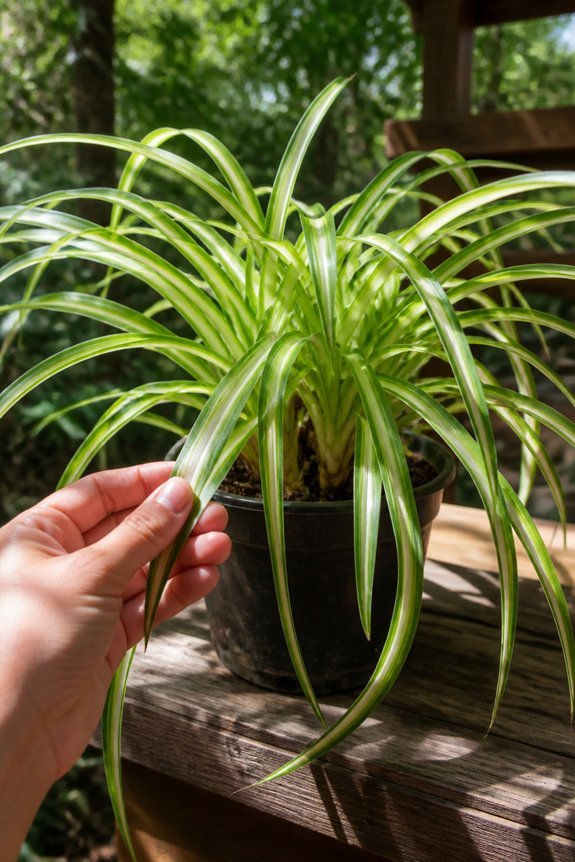
Outdoor conditions ask you to watch three things closely: light, temperature, and humidity.
Spider plants love bright, indirect light outside. Think of the soft glow beneath tree canopies. Keep them away from harsh afternoon sun. Those rays will scorch their leaves and brown their tips. Morning light works best. It is gentle and warm without the burn.
These plants stay happy between 50 and 80 degrees Fahrenheit. Below 50, growth slows to a crawl. Above 90 for too long, and the plant stresses out. Nighttime cooling should happen slowly. Sudden drops shock the roots.
Outdoor humidity shifts with your region and season. Spider plants handle moderate levels fine. Dry climates make them thirstier. You will need to water more when heat and aridity strike. Evaporation speeds up then, so check your soil often.
Hardening Off Your Spider Plant: The Transition Process
Moving your spider plant outside takes patience. Think of it as training for a gentle marathon. Start slow. Place your plant in a cozy, shaded spot for just two or three hours. Then bring it back inside.
Bump up the time by an hour or two each day. Move it a little closer to brighter light as you go. Your plant needs about a week to ten days to fully adjust.
Indoor plants are creatures of habit. Wind, direct sun, and shifting temperatures feel harsh to them. Sudden changes can shock their systems. But gradual exposure toughens them up. Leaves grow stronger. Roots dig deeper.
Keep an eye on the watering. Outdoor air steals moisture faster than your living room. The soil dries out quicker than you might expect. Check it every day. Once your spider plant stands tall without wilting or scorched leaves, it is ready to stay outside for good.
Watering and Seasonal Care for Outdoor Spider Plants
Your outdoor spider plant will tell you when it’s thirsty. Soil dries much faster outside than indoors, so check the top inch every two to three days during warm weather. If it feels dry, it’s time to water.
Seasons change everything. Hot summer days might call for daily watering, especially in scorching climates. Spring and fall ease up on demand. Winter is trickier. Below 50 degrees Fahrenheit, your plant barely needs a drink.
Let nature help when it can. A good rainstorm means you can skip your turn with the hose. Dry spells are the opposite story. Just keep an eye on drainage. Soggy soil suffocates roots and invites trouble you don’t want.
Common Pests, Diseases, and How to Treat Them
Outdoor spider plants stay pretty tough. They handle the transition better than most houseplants. Still, a few troublemakers can show up.
Spider mites, aphids, and mealybugs love to snack on the sap. You’ll spot yellowing leaves if they’ve moved in. Wet soil brings root rot, especially after heavy rains or when drainage is lacking. Bacterial and fungal leaf spot shows up as brown or black patches on leaves.
Fixing problems starts with simple steps. Pull off damaged leaves and give your plant some breathing room. Ease up on watering if the soil stays soggy. For bugs, spray insecticidal soap or neem oil directly where you see them.
Keeping your plant happy prevents most headaches. Bright but indirect light, well-draining soil, and water when needed. Your spider plant will thank you with lush, healthy growth.
Bringing Your Spider Plant Back Indoors for Winter
As temperatures drop in fall, outdoor spider plants need to move back inside before the first frost arrives. Most regions should bring plants indoors when nighttime temperatures consistently fall below 50 degrees Fahrenheit.
Before moving the plant, inspect it thoroughly for pests, diseases, or damage sustained outdoors. Rinse the leaves gently with water to remove dirt and potential insects.
Place the spider plant in a location with bright, indirect light indoors. An east or west-facing window works perfectly.
Reduce watering frequency. Indoor plants require less moisture during winter months.
Maintain indoor temperatures between 60 and 75 degrees Fahrenheit for ideal growth. Monitor the plant regularly for signs of stress or pest problems during the adjustment period.
Frequently Asked Questions
How Long Does It Take a Spider Plant to Acclimate to Outdoor Conditions?
Spider plants typically require one to two weeks to acclimate to outdoor conditions. Gradual exposure to sunlight and outdoor temperatures helps them adjust safely. Starting in shade and progressively increasing light exposure minimizes leaf burn and stress.
Can Spider Plants Survive in Containers Outdoors, or Do They Need Garden Soil?
Studies show spider plants produce up to 200 babies annually. They thrive in containers outdoors, requiring well-draining potting soil rather than garden soil. Container cultivation offers superior drainage control, preventing root rot in outdoor humidity conditions.
Will Outdoor Spider Plants Produce More Babies Than Indoor Ones?
Outdoor spider plants typically produce more babies than indoor ones due to increased sunlight exposure and natural light intensity. The enhanced growing conditions promote greater runner and plantlet development, resulting in more abundant offspring compared to their indoor counterparts.
What’s the Best Time of Year to Move Spider Plants Outside?
What gardener hasn’t wondered when to shift their houseplants to fresh air? Spring and early summer offer ideal conditions, when temperatures consistently exceed 50°F. This timing allows spider plants to acclimate gradually before cooler autumn months arrive, maximizing their outdoor growth period.
Do Outdoor Spider Plants Need Fertilizer, and How Often Should I Apply It?
Outdoor spider plants benefit from monthly fertilization during the growing season, typically spring through summer. A balanced, water-soluble fertilizer works best. During fall and winter, feeding should cease as growth naturally slows. Regular feeding promotes healthier foliage and vigor.
Conclusion
Moving spider plants outdoors requires careful consideration of climate, hardiness zones, and seasonal timing. Success depends on matching local conditions to the plant’s needs: zones 9-11, temperatures between 50-80°F, proper light exposure, and gradual acclimation. Winter presents the critical challenge, forcing gardeners to decide whether indoor relocation becomes necessary. With planning and monitoring, outdoor cultivation remains possible, though commitment to seasonal adjustments determines long-term survival and growth.