
Snake plants come from arid African regions where they developed thick, waxy leaves built to hold onto moisture and shed excess water. This natural design makes them poor candidates for misting.
When water lands on these leaves, it tends to pool in crevices rather than absorb, creating the perfect environment for fungal issues.
Many plant owners reach for the spray bottle out of habit, assuming all tropical plants appreciate humidity. Yet snake plants break this rule entirely. Their leaf structure actively repels water, so misting offers no real benefit and introduces unnecessary risk.
Puddled moisture between leaves or in the plant’s base becomes a breeding ground for rot and disease.
Before reaching for that mister, consider what the plant actually needs rather than what seems intuitively helpful.
Where Snake Plants Come From (and Why It Matters)
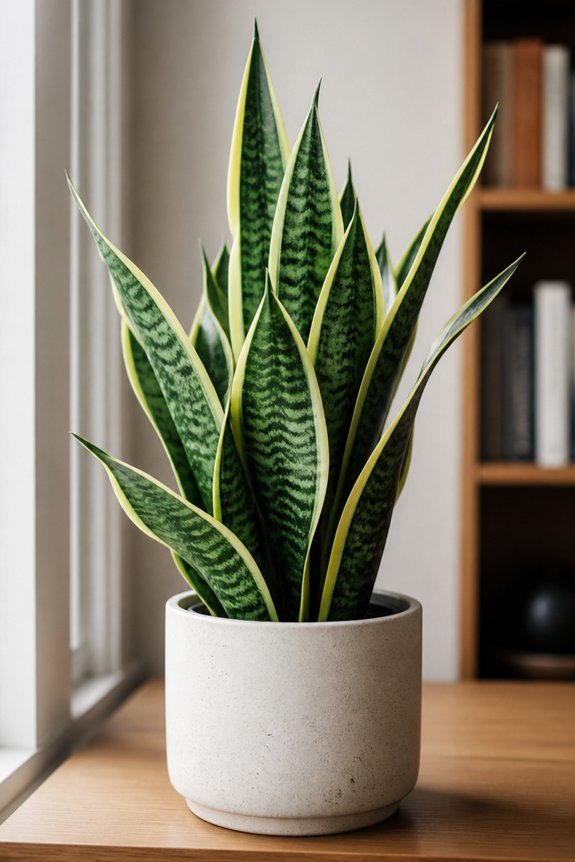
Snake plants come from dry, rocky parts of West Africa. Think Nigeria and Mali. These places get intense sun and very little rain.
The plant evolved to handle neglect. It stores water in thick leaves and underground rhizomes. This is why it survives drought so well.
Your care routine should match this background. Use well-draining soil. Water sparingly. Give it bright light.
Skip the misting. Skip the tropical rainforest treatment. That approach causes root rot and damaged leaves. Stick to dry conditions instead.
Also read: How to Care for Philodendron
How Misting Causes Root Rot and Fungal Issues
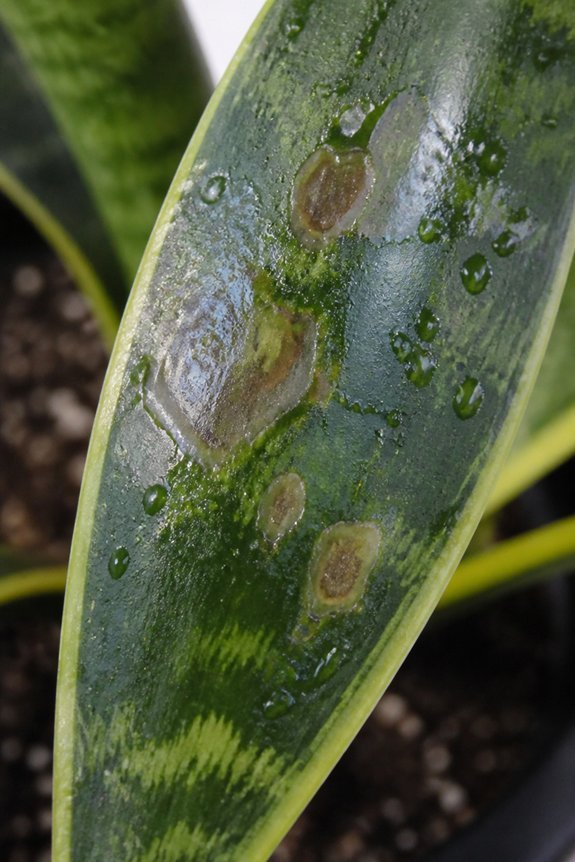
Misting seems harmless, but it works against your snake plant. The leaves have a waxy coating that repels water, not absorbs it. Moisture collects in tiny crevices instead. That trapped water becomes a breeding ground for fungi and bacteria.
Your plant comes from dry, harsh environments. Its roots expect soil that drains fast and dries completely. Frequent misting keeps the soil damp for too long. Roots can’t breathe in wet conditions. They suffocate, and the helpful microbes around them die off.
Harmful fungi like Pythium and Phytophthora love soggy soil. They attack roots from the inside and destroy the tissue. You’ll notice yellow leaves, soft stems, or a musty smell coming from the pot. By then, the damage is severe and hard to fix.
Let the soil dry out fully between waterings. Usually that means waiting two to three weeks. Your snake plant will thank you with strong, upright growth.
The Right Way to Water Snake Plants Without Overwatering
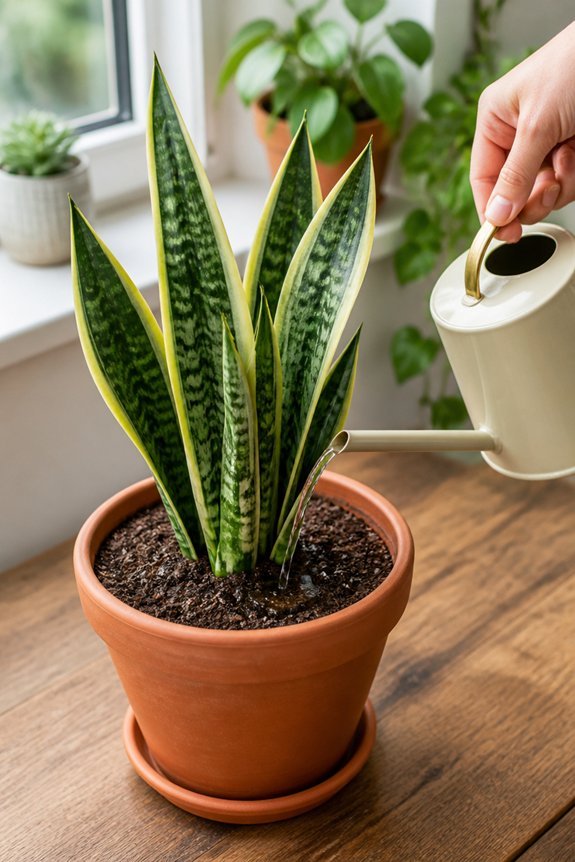
Forget the calendar when it comes to watering your snake plant. Your finger is your best tool here. Push it one to two inches into the soil. Feel dryness? Then it’s time to water.
Snake plants love dry conditions. Letting the soil dry completely between waterings keeps root rot away. These tough plants thrive on neglect, not constant attention.
Water every two to three weeks during spring and summer. Winter? Stretch that to once a month or even six weeks. Pour water straight onto the soil, not the leaves. This ensures roots drink their fill.
Pick a pot with drainage holes. Pair it with well-draining soil. This combo stops water from pooling at the bottom. Your snake plant stays healthy and happy.
When and How to Mist (The Exception, Not the Rule)
So why mist a snake plant at all? It actually hates wet feet and loves dry air. But there are two moments when a quick spritz makes sense.
Dust builds up on those stiff leaves over time. A thin layer blocks sunlight and slows photosynthesis. A light misting with distilled water wipes the slate clean. Just do it once in a while.
Winter heating dries indoor air to a crisp. You might notice brown tips creeping in. Monthly misting helps, but keep it off the soil entirely. Wet roots spell trouble fast.
Truth is, your snake plant handles dry air better than almost any houseplant you own. Skip the spray bottle routine. Focus on proper watering and good drainage instead. That solves far more problems than misting ever will.
Humidity Problems: What to Look For
Your snake plant will tell you when humidity goes wrong. You just need to know what to look for.
Low humidity shows up first at the leaf tips. They turn brown and crispy, then that dryness creeps inward. The leaves feel brittle when you touch them. Sometimes you’ll spot random brown patches across the foliage. Snake plants handle dry air better than most, so this is usually the problem you’ll see.
Too much moisture creates a different set of troubles. Leaves yellow or develop soft, squishy spots. Dark patches on stems and leaves often mean fungus or bacteria. A musty smell from the soil? That’s a warning sign for root rot.
Check your plant regularly. Look at both sides of the leaves. Catching these signs early keeps small issues from becoming big headaches.
3 Humidity Solutions That Don’t Require Misting
Misting isn’t your only option for keeping humidity levels up. You’ve got choices that work just as well without the hassle of constant spraying.
Try a pebble tray. Fill a shallow dish with stones and water, then set your plant on top. The water evaporates slowly. Your plant gets the moisture it needs. No wet leaves, no fuss.
Grouping plants together helps too. Snake plants play well with others. When you cluster them with fellow houseplants, they create their own little humid zone. Everyone breathes better.
A humidifier does the heavy lifting for you. Plug one in near your snake plants during winter or if you live somewhere dry. Set it and forget it. No leaf spots. No fungal headaches. Just steady, comfortable humidity with barely any effort on your part.
Should You Mist? Use This Quick Checklist
Start by checking your indoor humidity. Does the air feel dry? Are moisture levels below 30 percent? These are your first clues.
Snake plants in dry climates or heated winter homes usually appreciate occasional misting. Plants in naturally humid spots can skip it entirely.
Look at placement carefully. Windows, vents, and humidifiers all change how much moisture stays around your plant. Low light plus misting creates trouble. That combo invites fungus to take hold.
Feel the soil before reaching for the spray bottle. Consistently damp soil means misting will only cause harm.
Watch your plant’s leaves. Brown tips, curling, or crispy edges signal dry air where misting could actually help.
Frequently Asked Questions
Can I Mist My Snake Plant During Winter Months or Growing Seasons?
Snake plants require minimal moisture year-round. During winter, misting should be avoided entirely as the plant enters dormancy. In growing seasons, occasional misting is acceptable but unnecessary since snake plants prefer drier conditions consistently.
What’s the Difference Between Misting and Humidity for Snake Plants?
Misting applies water directly to leaves, creating temporary surface moisture. Humidity refers to ambient air moisture levels. Snake plants prefer low humidity and benefit more from controlled environmental moisture than frequent misting, which risks root rot.
Will Misting Help Remove Dust From Snake Plant Leaves Safely?
Misting can safely remove dust from snake plant leaves when done gently with distilled water. Light misting followed by soft wiping prevents water accumulation in leaf joints, which could cause rot or fungal issues.
How Often Should I Check Soil Moisture Between Watering Sessions?
One should check soil moisture every 7-10 days by inserting a finger one inch into the soil. Snake plants prefer drying out between waterings, so checking regularly prevents overwatering and root rot.
Are There Specific Snake Plant Varieties That Tolerate Misting Better?
One wonders which varieties truly thrive under moisture. Sansevieria trifasciata ‘Laurentii’ and ‘Golden Hahnii’ demonstrate superior misting tolerance compared to other cultivars, though all prefer drier conditions fundamentally.
Conclusion
Misting snake plants is like pouring water on a raincoat—the waxy leaves simply reject it. Instead, gardeners should prioritize proper drainage, check soil moisture regularly, and use humidity alternatives such as pebble trays or grouping plants together. These methods protect snake plants from fungal growth and root rot while maintaining healthy conditions. Misting remains unnecessary for this hardy houseplant’s survival and growth.