
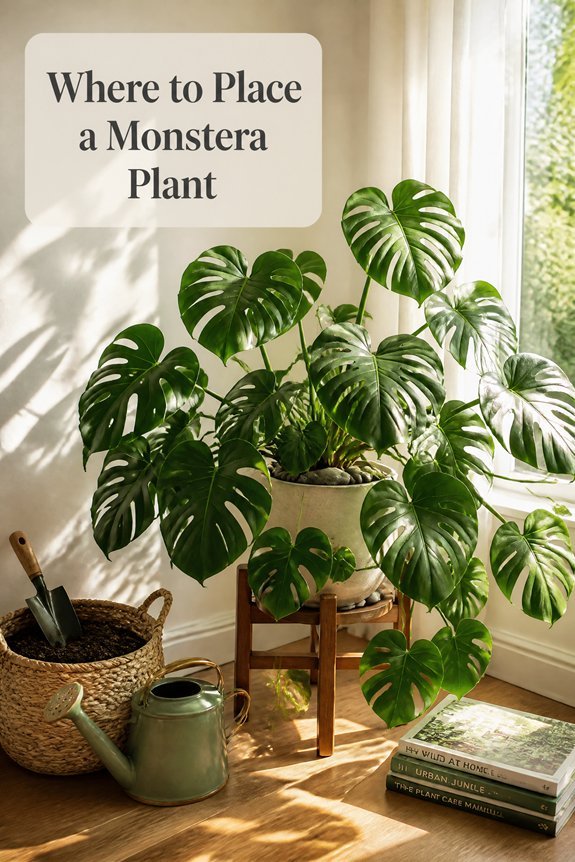
Finding the perfect home for a Monstera isn’t always straightforward. These tropical beauties have particular needs that many plant owners overlook at first. Light quality, temperature consistency, and seasonal changes all play a role in keeping those iconic split leaves healthy and vibrant.
Start by observing your windows carefully. East-facing spots offer gentle morning rays, while south or west exposures need some filtering to prevent scorching. Too little light leads to leggy stems and smaller leaves without the characteristic fenestrations. A few feet back from a bright window often hits the sweet spot.
Temperature matters more than people realize. Monsteras dislike cold drafts from air conditioners or winter windowsills. They also suffer in dry, heated rooms during colder months. Aim for stable warmth between 65-85°F with moderate humidity for best results.
Placement isn’t a one-time decision, either. As seasons change, so does light intensity. What works in December might bleach leaves by June.
Moving your plant a few feet, or rotating it regularly, keeps growth balanced and prevents one-sided stretching toward the light source.
Signs Your Monstera Needs a Better Location
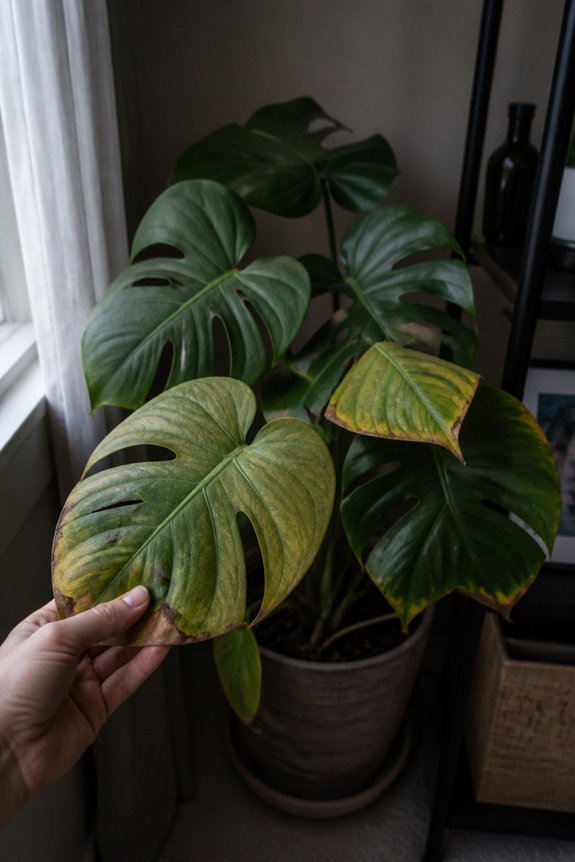
Your monstera will let you know when something isn’t right. Watch for these common warning signs.
Yellowing leaves on the lower part often means the spot is too dark or the air isn’t moving enough. Growth slows down when light is inadequate, and new leaves come out smaller than they should.
Brown edges on leaves usually signal dry air or chilly drafts sneaking in from nearby windows. Stems getting stretched out with big gaps? Your plant is reaching for more light. Leaves all turning one way point to uneven lighting from a single window.
Root rot sets in when soil stays wet too long from poor airflow. Pests love stagnant spots with no breeze. Wilting can happen when temperatures swing too much. Spot any of these issues and it’s time to find a better spot for your plant.
Also read: How to Care for Philodendron
Bright Indirect Light: The Monstera’s Ideal Spot
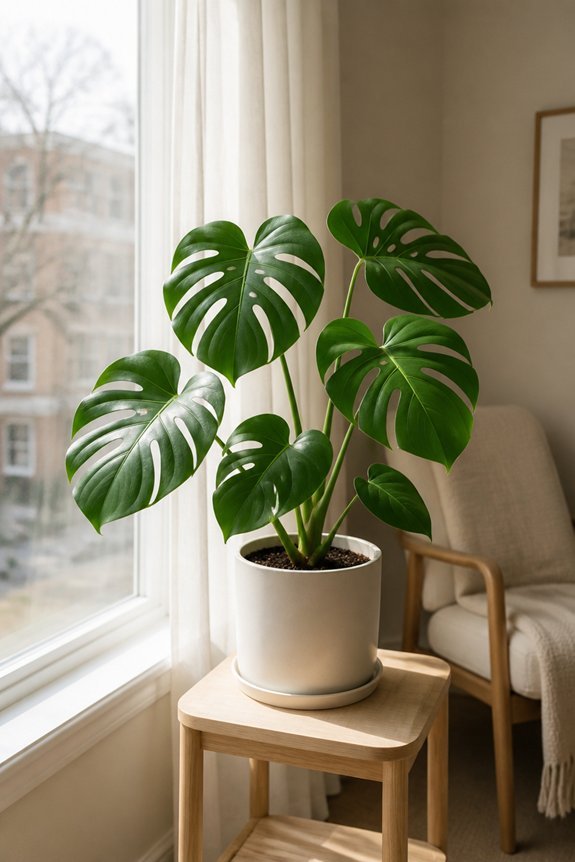
Your Monstera will tell you when something’s off. Most problems trace back to light. These plants love bright, indirect light. Think sunlight softened by a sheer curtain. Or a spot several feet from the window.
Direct sun is trouble. It scorches leaves and leaves brown patches. North-facing windows work beautifully. They offer gentle, steady light all day. East-facing ones give softer morning sun. West-facing windows can work too. Just filter that strong afternoon light. South-facing spots need sheers to protect your plant.
Low light causes its own issues. Leaves stay small. Growth slows down. Colors turn pale. But get the light right? You’ll see big, fenestrated leaves. Your Monstera will look lush and happy. Find a window with no direct rays hitting the leaves. That’s your sweet spot for long-term health.
Why Window Placement Matters for Your Monstera
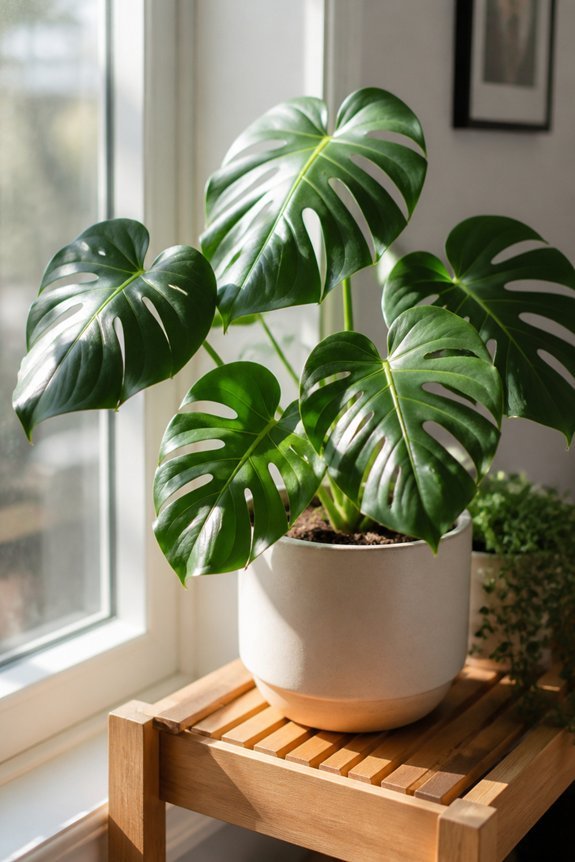
Window placement can make or break your Monstera’s happiness. Get it right, and you’ll watch those iconic leaves unfurl with confidence. Get it wrong, and your plant might struggle quietly in the corner.
Each direction tells a different story. East-facing windows greet your Monstera with soft, golden morning light. It’s gentle enough to skip the worry about scorched leaves. West windows hit differently. That fierce afternoon sun packs a punch, so you’ll want to filter it or pull your plant back a few feet. North windows stay dim and steady, which sounds nice but rarely gives Monsteras the energy they crave. South windows bring the heat. Bright, direct, and intense. Sheer curtains become your best friend here, or simply give your plant some breathing room from the glass.
Distance matters too. Pressed against a winter window, your Monstera shivers through cold nights and drafts. Too far away, and it stretches and sulks, producing smaller leaves and sluggish growth. Think about how light moves through your space across the seasons. A spot that works in June might leave your plant hungry by December. Small adjustments keep your Monstera looking its best year-round.
Best Rooms in Your Home for Monstera Success
Living rooms make an ideal home base. They usually offer that sweet spot of bright, indirect light streaming through windows.
Bedrooms work too. Just nestle your Monstera near an east or north-facing window for gentle morning or soft all-day light.
Kitchens bring bonus humidity from all that bubbling and steaming. Keep it away from the stove though. Heat damage sneaks up fast.
Bathrooms can be surprisingly good. The moisture helps, but only if light actually reaches in there. No window? Skip it.
Home offices fit the bill when natural light sits nearby. Your leafy coworker will thank you.
Skip dark entryways and hallways unless they catch real sunlight. Corners are fine if they stay within a few feet of a window.
The perfect spot blends steady temperatures, filtered light, and decent humidity. Steer clear of drafts and blasting vents.
Monstera Placement Mistakes That Slow Growth
Even with perfect watering and fertilizer, the wrong spot can stall your Monstera. Direct sun is a common culprit. Those harsh rays scorch the leaves and drain their vibrant green.
Too little light causes its own problems. You’ll notice sparse foliage and stems that struggle to stand tall. It’s a balancing act your plant needs you to get right.
Temperature matters more than people think. Cold drafts from windows or AC vents shock the leaves and slow everything down. Heating vents are just as bad. They parch the air and leave your Monstera thirsty and stressed.
Poor airflow creates trouble too. Crowded corners attract pests and fungal problems you’d rather avoid. And practicality counts. Wobbly surfaces risk toppling the pot and damaging roots below.
Foot traffic hurts more than expected. Bumping leaves causes breaks that can’t heal. Even bathrooms can disappoint. That shower humidity rarely makes up for dim, indirect light.
The good news? Fixing placement issues often revives growth quickly. Your Monstera will thank you with fresh, vigorous leaves.
Adjusting Your Monstera’s Placement by Season
Your Monstera’s needs change with the seasons. Winter days get shorter and darker. Move your plant closer to windows now. South-facing ones work best this time of year.
Summer sun hits harder. Those same windows become risky spots. Pull your Monstera back. Sheer curtains help filter the light.
Temperature swings matter too. Keep your plant between 65-85°F. Drafty windowsills in winter cause cold damage. Heat vents in summer dry leaves out fast.
Spring and fall are simpler. Find bright, indirect light. Avoid spots near radiators or AC units. Check on your plant every few weeks as seasons shift. Small moves keep it thriving year-round.
Create a Plant Cluster to Help Your Monstera Thrive
Plant clustering works like a natural support system for your Monstera. When plants sit close together, they share moisture through transpiration. This boosts humidity for everyone involved, which is great news if your home tends toward the dry side.
Group your Monstera with pothos, philodendron, or ferns. These all like the same warm, humid conditions. Keep some breathing room between them though. Crowded plants trap stale air and invite fungal problems nobody wants.
A spot near a window works perfectly. Your Monstera gets bright, indirect light without harsh sun hitting its leaves. Plant stands or shelves help you fit everyone in while keeping good spacing. Check on each plant regularly since they’ll still have their own water and light needs.
Frequently Asked Questions
Can I Place My Monstera on a Shelf Away From Windows?
Monstera plants require bright, indirect light to thrive, making a shelf away from windows unsuitable long-term. They may survive temporarily in low light but will experience stunted growth and pale leaves without adequate illumination.
How Far From a Window Should I Position My Monstera Plant?
One might assume monsteras thrive in dark corners like forgotten relics. Realistically, position the plant within 3-6 feet of a window receiving bright, indirect light. This distance prevents leaf burn while ensuring adequate photosynthesis for healthy growth.
Is It Safe to Place Monstera Near Heating Vents or Air Conditioning?
Placing a Monstera near heating vents or air conditioning is inadvisable. These appliances create temperature fluctuations and dry air that stress the plant, potentially causing leaf damage, browning, and stunted growth. A stable, moderate environment suits Monsteras best.
What Type of Pot or Planter Works Best for Monstera Placement?
A pot with drainage holes prevents root rot, a container with adequate size allows growth, and a vessel made of terracotta or ceramic provides proper air circulation for thriving monsteras.
Can I Move My Monstera Frequently, or Does It Prefer Staying Put?
Monsteras tolerate occasional relocation but prefer stability. Frequent moving stresses the plant, disrupting root establishment and growth. Once positioned in appropriate light conditions, the plant thrives best when left undisturbed for extended periods.
Conclusion
Placing a Monstera near north or east-facing windows, away from direct sunlight and drafts, supports healthy growth. The theory that seasonal adjustments improve plant performance holds true; moving it closer to south-facing windows during winter months maximizes available light. Living rooms and home offices provide reliable conditions. Success depends on matching light availability to the plant’s needs, then monitoring and adjusting placement accordingly throughout the year.