

Earth Hour has grown into one of the most recognized environmental campaigns worldwide, encouraging people to switch off non-essential lights for just sixty minutes. This small gesture cuts household energy use and keeps a few extra dollars off the electricity bill. More importantly, it sparks conversations about climate change in homes and communities that might otherwise ignore the topic.
Getting the most out of this annual event means going slightly further than flipping a light switch. Unplug idle chargers, connect devices to power strips you can easily turn off, and consider replacing old bulbs with LEDs before the hour begins. These steps multiply the impact of your participation without much added effort.
The real power of Earth Hour lies in what happens after those sixty minutes end. Something shifts when families gather by candlelight or take a quiet evening walk instead of staring at screens. Many find themselves adopting new habits—shorter showers, cooler wash cycles, less mindless consumption—that last far longer than a single evening.
Understanding which choices actually matter makes all the difference. Not every green action carries equal weight, and focusing on high-impact behaviors prevents well-meaning effort from going to waste.
Informed participants become genuine ambassadors for change, carrying the spirit of Earth Hour into everyday decisions that collectively reshape our relationship with the planet.
What’s Earth Hour and Why Should You Care?
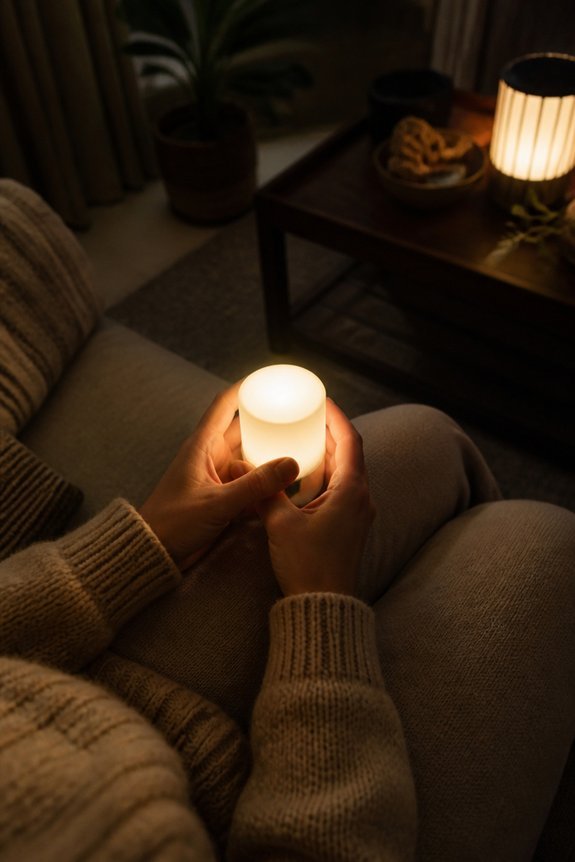
Earth Hour is a global event held on the last Saturday of March, where individuals and organizations turn off non-essential lights for 60 minutes at 8:30 p.m. local time. This annual observance began in 2007 in Australia and now involves millions of participants across approximately 190 countries.
The primary purpose of Earth Hour is raising awareness about climate change and environmental conservation. Participants demonstrate commitment to reducing energy consumption and carbon emissions through this symbolic action. Businesses, governments, and households alike participate by dimming or switching off lights in offices, homes, and public spaces.
The event matters because it encourages people to reflect on their energy usage habits year-round. Beyond the single hour, Earth Hour promotes conversations about sustainability and inspires participants to adopt longer-term conservation practices that benefit environmental protection efforts.
How to Participate in Earth Hour This Year
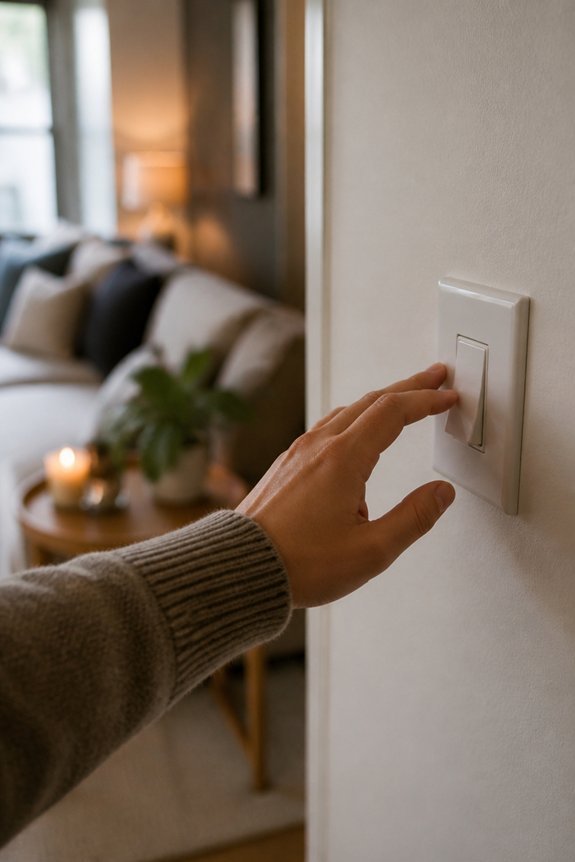
Participating in Earth Hour requires minimal preparation and can be done individually or as part of an organized group effort. Participants turn off non-essential lights and electrical devices for one hour, typically on the last Saturday of March.
Households can prepare by identifying which lights and appliances to switch off beforehand. Common items include desk lamps, televisions, computer monitors, and decorative lighting. Some people gather with neighbors or family during the hour, using candles or flashlights for visibility.
Businesses and public buildings also participate by dimming or extinguishing exterior and interior lighting. Communities often organize events, creating awareness about energy conservation. Tracking personal electricity usage before and after participation demonstrates the impact of reduced consumption.
Registration on the Earth Hour website allows individuals to join a global community committed to environmental action.
Switch Off: Simple Home Energy Savings
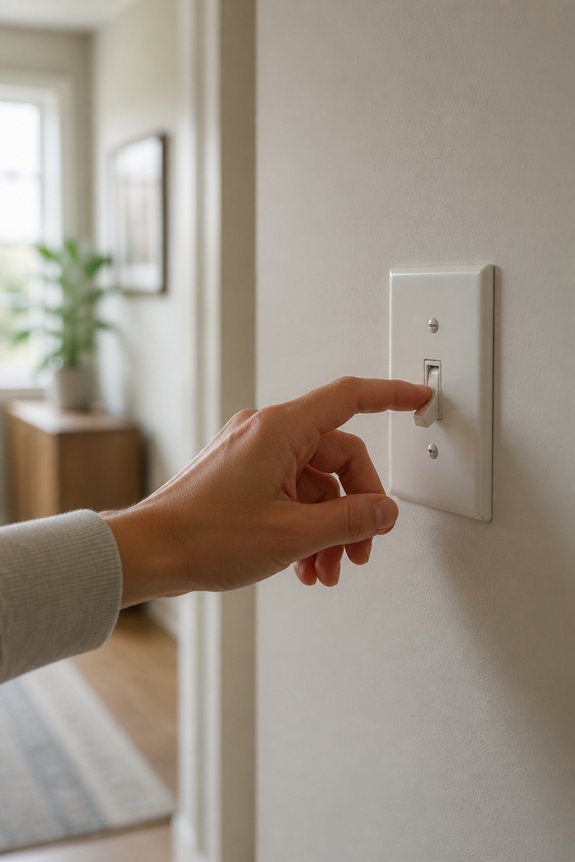
Reducing household electricity consumption involves turning off devices and lights that are not actively in use, a practice that lowers energy bills and decreases environmental impact.
Common areas for energy savings include bedrooms, kitchens, and living rooms where multiple electronics remain plugged in unnecessarily. Specific actions include switching off bedroom lights when leaving, unplugging phone chargers after use, and turning off kitchen appliances like coffee makers and microwave displays.
Television sets, computer monitors, and gaming consoles consume power even in standby mode. Bathroom exhaust fans should be turned off after use rather than left running indefinitely.
Installing power strips allows multiple devices to be switched off simultaneously, simplifying the process. These straightforward adjustments require minimal effort while producing measurable reductions in household energy consumption and associated carbon emissions.
Choose LED Lighting and Cut Energy Waste
While switching off devices reduces immediate energy waste, replacing traditional bulbs with LED lighting offers long-term savings that compound over months and years. LED bulbs consume approximately 75 percent less energy than incandescent bulbs, producing equivalent brightness at a fraction of the cost.
A typical household using 45 incandescent bulbs can reduce energy consumption by switching to LEDs. These bulbs last up to 25,000 hours, compared to 1,000 hours for traditional options, reducing replacement frequency and expenses. LEDs generate minimal heat, lowering cooling costs during warmer months.
Common spaces for LED installation include kitchens, bathrooms, living rooms, and outdoor fixtures. While initial purchase prices exceed traditional bulbs, the long-term financial and environmental benefits justify the investment.
Reduce Water Usage With Daily Habits
Daily water consumption in households accounts for considerable waste, yet simple behavioral changes can substantially decrease usage without sacrificing comfort or cleanliness.
Installing low-flow showerheads reduces water flow from 5 gallons per minute to 2 gallons per minute, directly lowering monthly consumption. Fixing leaky faucets prevents thousands of gallons from being wasted annually, since even small drips accumulate over time. Running full loads in washing machines and dishwashers maximizes water efficiency per cycle.
Turning off the tap while brushing teeth or soaping dishes eliminates unnecessary runoff. Taking shorter showers, typically five minutes or less, considerably reduces overall usage. These practical adjustments require minimal effort, cost little to implement, and generate measurable environmental benefits through reduced water demand on local municipal systems.
Connect With Others at Earth Hour Events Near You
Since individual efforts gain momentum through community participation, Earth Hour events provide opportunities for people to engage with local environmental initiatives. Many cities host organized gatherings, workshops, and educational sessions during Earth Hour, bringing together residents, organizations, and businesses with shared environmental goals.
People can locate nearby events through the official Earth Hour website, local environmental groups, or municipal websites. These gatherings typically include activities such as candlelit discussions about climate action, tree-planting projects, and sustainability demonstrations.
Participating in community events allows individuals to learn about regional environmental challenges, discover volunteer opportunities, and build networks with others committed to conservation. Local events often feature speakers discussing renewable energy, waste reduction, and ecosystem protection. Attendees gain practical knowledge applicable to their daily lives while contributing to broader environmental awareness and action within their communities.
Extend Your Impact: Year-Round Environmental Action
Earth Hour events create awareness and community connection, but the momentum from these gatherings reaches its full potential when individuals commit to sustained environmental practices throughout the year. Participants can reduce energy consumption by upgrading to LED bulbs, improving home insulation, and adjusting thermostat settings seasonally.
Water conservation efforts include installing low-flow showerheads, fixing leaks promptly, and collecting rainwater for plants. Transportation choices matter considerably: carpooling, using public transit, and biking reduce carbon emissions substantially.
Dietary modifications, such as incorporating meatless days and purchasing locally sourced foods, decrease environmental impact. Waste reduction through composting, recycling programs, and minimizing single-use plastics addresses landfill concerns.
Supporting environmental organizations through donations or volunteering extends individual efforts into broader systemic change, creating lasting ecological benefits beyond a single annual event.
Frequently Asked Questions
Does Earth Hour Actually Make a Measurable Difference to Global Carbon Emissions?
Earth Hour’s direct impact on global carbon emissions is minimal, as one hour of reduced electricity use contributes negligibly to annual totals. However, proponents argue its value lies in raising environmental awareness and inspiring longer-term behavioral changes rather than immediate measurable reductions.
What Organizations Officially Coordinate Earth Hour Events Worldwide?
Over 190 countries participate annually in Earth Hour. The World Wildlife Fund (WWF) officially coordinates these worldwide events, partnering with numerous environmental organizations to mobilize millions of participants who collectively switch off lights for one hour.
Can Renters Participate in Earth Hour if Landlords Control Utilities?
Yes, renters can participate in Earth Hour despite landlord utility control. They can reduce personal energy consumption by switching off lights, unplugging devices, and minimizing appliance use during the designated hour, contributing meaningfully to environmental conservation efforts.
How Much Money Can Households Save by Reducing Energy Year-Round?
Households can save between $10-$20 monthly by reducing energy consumption through efficient practices. Annual savings typically range from $120-$240, though amounts vary based on local utility rates, climate, and specific conservation methods implemented.
What Are the Best Environmental Organizations to Donate to After Earth Hour?
While countless nonprofits compete for donations, several stand out: The Nature Conservancy protects ecosystems globally, Greenpeace champions climate action, and the World Wildlife Fund preserves endangered species. Organizations like the Sierra Club focus on policy reform, making meaningful environmental impact through strategic giving.
Conclusion
Earth Hour represents a straightforward approach to environmental responsibility. Participants turn off lights, unplug chargers, and use power strips, simultaneously reducing energy costs and carbon emissions. Community participation during this designated hour creates momentum for sustained behavioral change. The coincidence of individual actions multiplying into collective impact demonstrates how simple, coordinated choices address climate concerns year-round. Local events connect neighbors, reinforcing commitment to conservation practices beyond the single hour of participation.