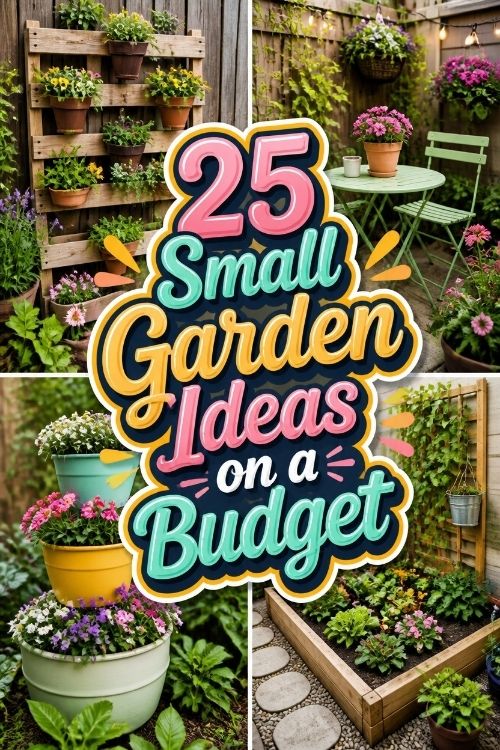
Limited space doesn’t mean limited possibilities when it comes to gardening on a budget. Even the tiniest outdoor areas can become inviting retreats with a bit of creativity and minimal spending. Simple adjustments often yield the most striking results, turning overlooked corners into favorite spots.
Repurposing everyday items lies at the heart of affordable garden design. Wooden pallets become vertical planters, old baskets find new life as herb containers, and tin cans transform into charming flower pots. These approaches cost next to nothing yet add genuine character that store-bought items rarely match.
Water features need not break the bank either. A shallow ceramic bowl can attract birds and create soothing sounds without complex installation. Small solar-powered fountains now sell for under twenty dollars, bringing movement and tranquility to cramped patios or balconies.
The ideas ahead rely on common household items and basic DIY skills. No professional help or expensive materials required.
Each suggestion builds on what most people already have available, making beautiful small gardens accessible to anyone willing to experiment.
Work With the Space You Actually Have
A balcony, a narrow side yard, and a small back garden each rule out different ideas here. Renters and apartment dwellers get the most from window herbs, hanging baskets, and container groupings that move when you do. Anyone with even a strip of soil can add gravel paths, raised beds, or a rock corner. The list below spans both situations, so read for what your square footage allows rather than what looks best in photos.
Repurpose Old Containers as Planters
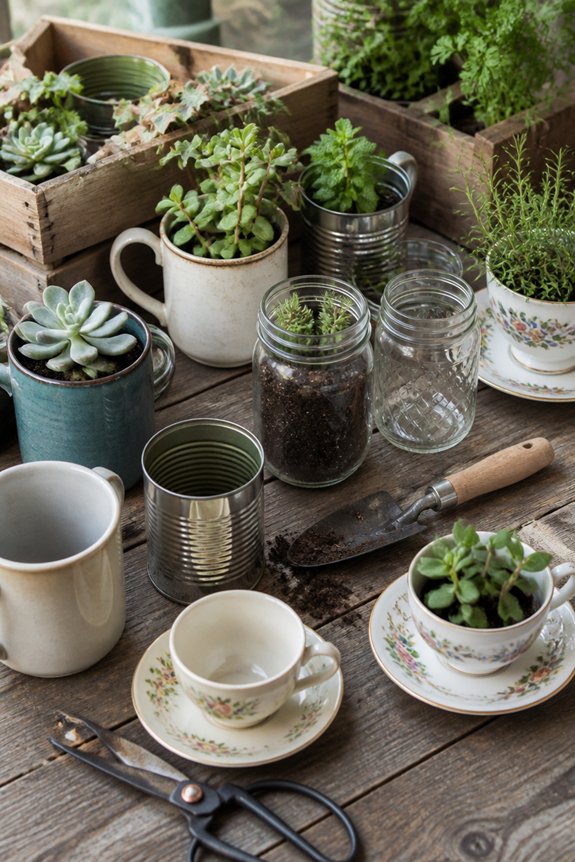
Before buying new planters, gardeners can look around the house for items that can be reused instead. Old buckets, tin cans, wooden crates, and even worn-out boots can be transformed into functional planters with minimal effort. Kitchen items, such as teapots, colanders, and mason jars, also work well for small plants or herbs.
Drilling drainage holes in the bottom of these containers helps prevent water from pooling and damaging roots. Adding a layer of gravel or broken pottery at the base can further improve drainage. Painting or decorating the containers allows gardeners to match their outdoor space without spending extra money.
This approach reduces waste, saves money, and gives everyday objects a new purpose in the garden.
Also read: 17 Flower Garden Color Combinations That Always Work
Turn Wooden Pallets Into Planter Boxes
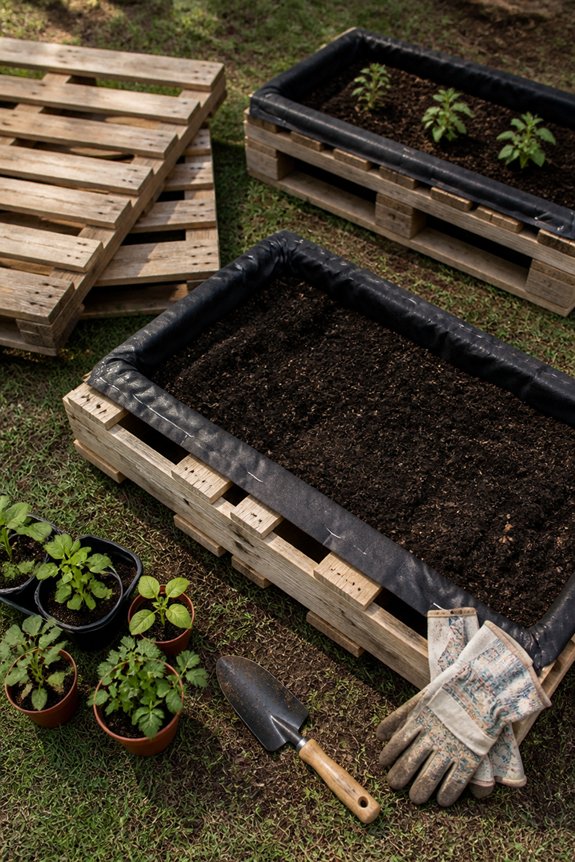
Wooden pallets offer another low-cost option for gardeners who want sturdy, larger-scale planting solutions beyond repurposed household containers. Many hardware stores, warehouses, and shipping companies give away used pallets for free, making them an accessible material for budget-conscious gardeners.
Pallets can be disassembled and reconstructed into raised planter boxes, vertical gardens, or tiered plant stands, depending on available space and desired design. Builders should check pallets for chemical treatment markings, since untreated wood, often labeled “HT” for heat-treated, is safer for growing edible plants. Lining the interior with landscape fabric helps retain soil while protecting the wood from moisture damage.
Pallet planters work well for herbs, strawberries, succulents, and shallow-rooted vegetables, offering flexible arrangements for patios, balconies, or narrow yard spaces.
Try Container Gardening on a Tiny Patio
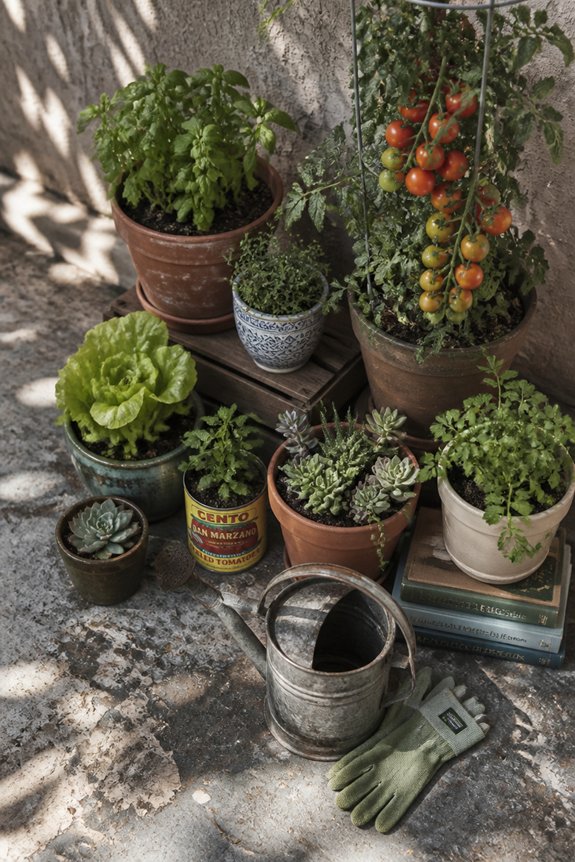
Even a few square feet of patio space can support a productive container garden, provided gardeners choose pots wisely and arrange them efficiently. Terracotta pots, plastic buckets, and repurposed containers such as old tins or crates all work well, as long as drainage holes are added. Vertical arrangements, including tiered plant stands or hanging baskets, help maximize limited floor space.
Grouping containers by watering needs simplifies maintenance and reduces waste. Herbs like basil and mint, along with compact vegetables such as cherry tomatoes and peppers, adapt easily to container life.
Lightweight potting mix, rather than garden soil, improves drainage and reduces weight, which matters on elevated patios. Rotating containers occasionally guarantees even sunlight exposure for plants placed near walls or railings that create partial shade.
Build a Vertical Garden to Save Space
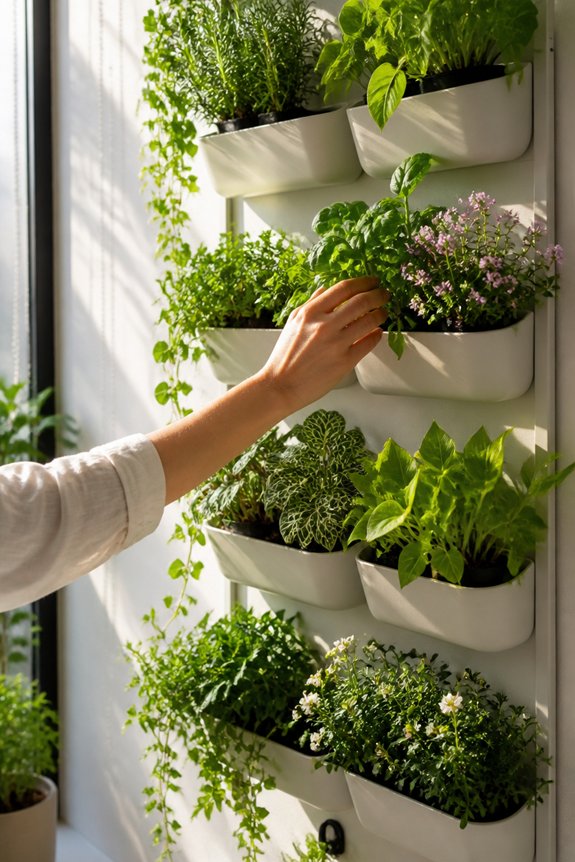
A single wall or fence can hold dozens of plants once vertical structures come into play, turning unused vertical space into productive growing area. Pallet planters, hanging shoe organizers, and stacked crates offer inexpensive frames for herbs, lettuce, and strawberries. Trellises support climbing vegetables like peas, beans, and cucumbers, freeing ground space for other uses.
Mounted gutters or PVC pipes, arranged in tiers, create shallow planting rows suited for shallow-rooted greens. Repurposed ladders, ranged against a wall, provide multiple shelf levels for potted plants of varying sizes. Choosing lightweight containers reduces strain on mounting hardware and keeps installation simple. Watering systems, such as drip lines, help maintain consistent moisture across multiple tiers without excessive daily effort or expense.
Create a Hanging Garden With Recycled Baskets
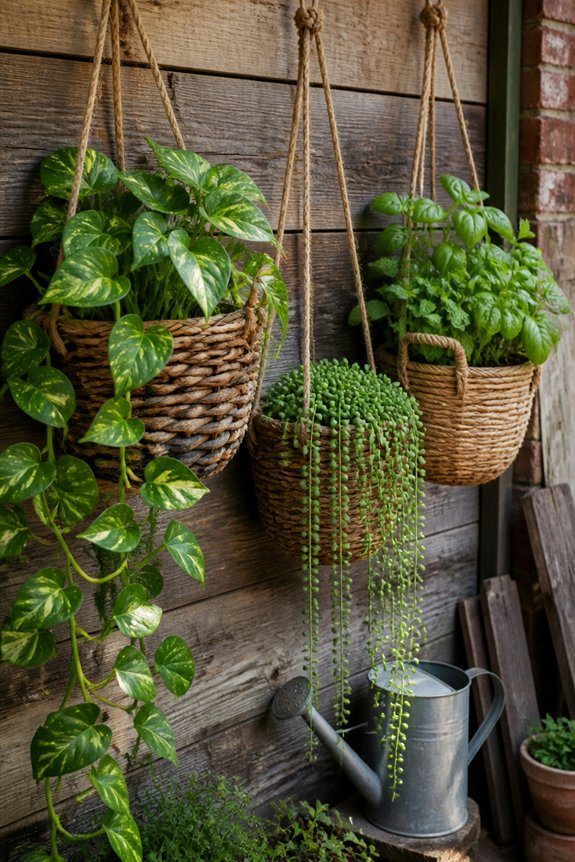
Old baskets, salvaged from thrift stores or garage sales, can be lined with coconut coir or plastic sheeting and turned into hanging planters for flowers, herbs, or trailing vines. Metal wire baskets, wicker containers, and even old berry baskets work well for this purpose, provided drainage holes are added or already present.
Hanging them from sturdy hooks, tree branches, or porch beams creates layers of greenery without taking up ground space. Herbs like thyme, oregano, and trailing plants such as ivy or petunias adapt easily to basket living. Choosing lightweight soil mixes reduces strain on hanging hardware.
Rotating baskets seasonally keeps the display fresh, while repurposing damaged baskets reduces waste and lowers overall gardening costs, making this method practical for small spaces and modest budgets alike.
Grow Herbs in a Kitchen Window Garden
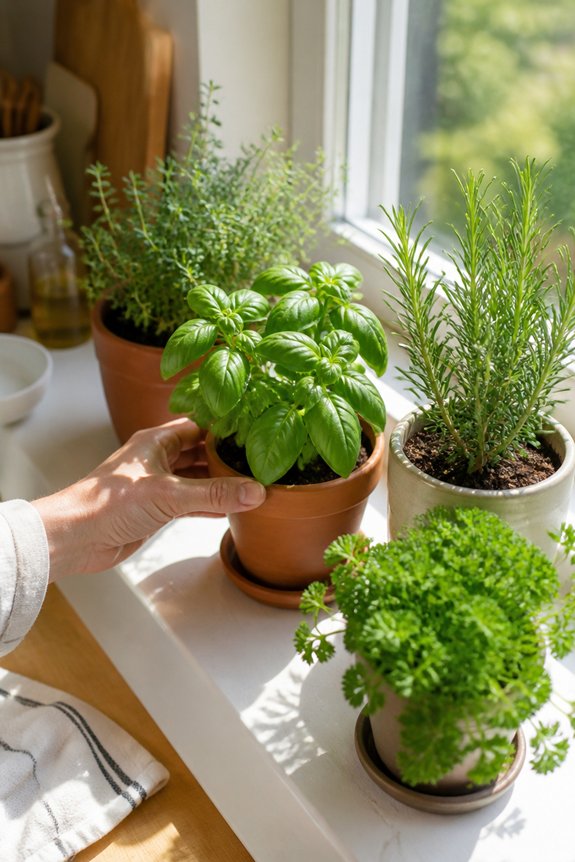
Many households find that a sunny kitchen windowsill offers enough space to grow a small, functional herb garden without any additional cost for outdoor plots. Basil, parsley, chives, thyme, and mint grow well in small containers, requiring only a few hours of direct sunlight each day. Recycled jars, tin cans, or small ceramic pots can serve as planters, reducing expenses while keeping the setup simple.
Placing plants near south- or west-facing windows typically provides adequate light for steady growth. Herbs grown indoors can be trimmed regularly for cooking, offering a continuous supply without the need for frequent replanting. Drainage holes and saucers help prevent water damage to windowsills.
This approach suits renters, apartment dwellers, or anyone with limited outdoor garden space, providing fresh ingredients at minimal cost.
Install a DIY Trellis for Climbing Plants
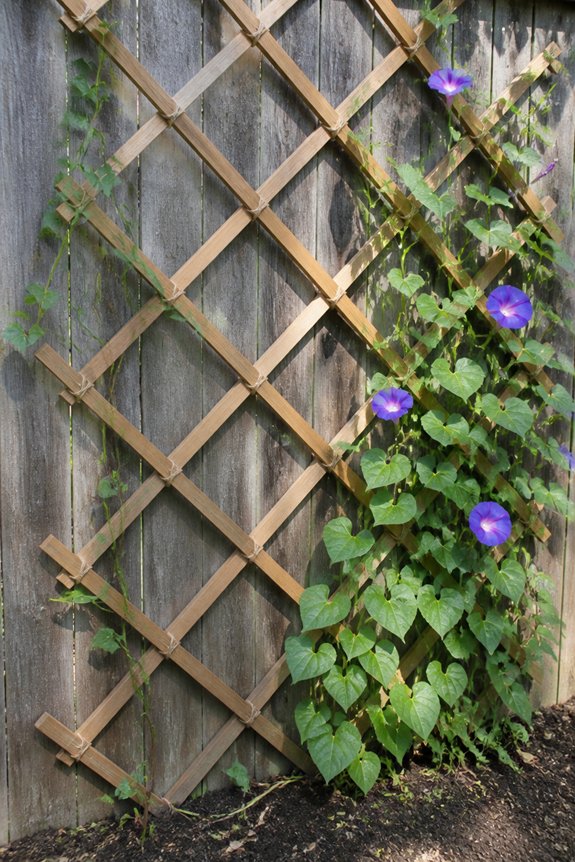
Because vertical space often goes unused in small gardens, building a simple trellis allows climbing plants like peas, beans, cucumbers, and morning glories to grow upward instead of spreading across limited ground. A basic trellis can be made from inexpensive materials, including wooden stakes, bamboo poles, twine, or leftover fencing wire, reducing the need for costly garden structures.
Placement matters, as trellises should be positioned along walls, fences, or garden edges where sunlight reaches most of the day. Anchoring the structure firmly into the soil prevents it from tipping once plants grow heavier.
Reusing old ladders, pallets, or metal grids offers additional low-cost options. Vertical growing also improves air circulation, which can reduce disease among crowded plants while keeping garden beds organized and productive.
Hide Ugly Fences With Budget Climbing Vines
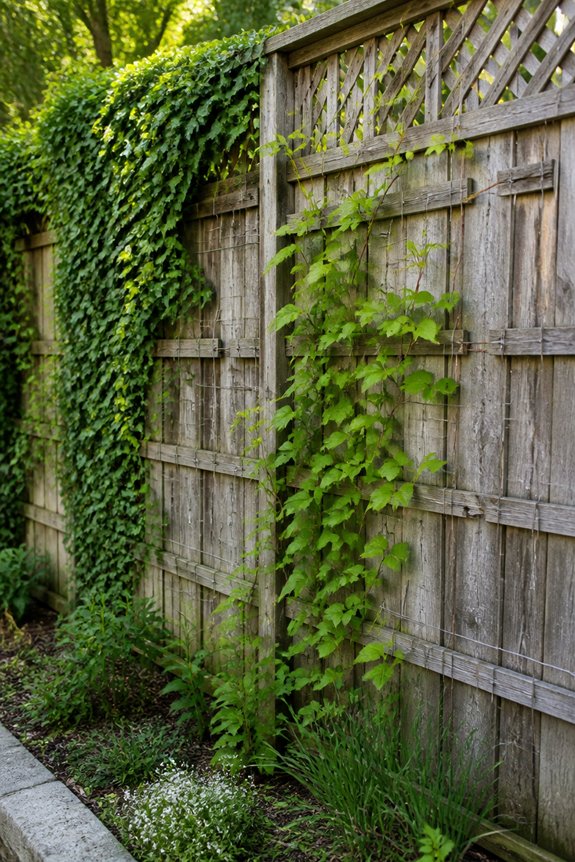
A weathered chain-link or wooden fence, however unattractive, can be transformed into a natural backdrop with fast-growing climbing vines that cost little to plant. Options such as morning glory, black-eyed Susan vine, and clematis grow quickly from seed, filling gaps within a single season while requiring minimal maintenance once established.
Perennial choices, including honeysuckle and Virginia creeper, offer long-term coverage and return each year, reducing the need for replanting. Seeds and small starter plants are widely available at low cost, making this an affordable solution for gardeners with limited budgets.
Vines can be trained along the fence using simple twine or wire guides, encouraging even coverage. Choosing varieties suited to the local climate guarantees steady growth, turning a plain or damaged fence into a green, private screen without significant expense.
Line Garden Paths With Cheap Gravel
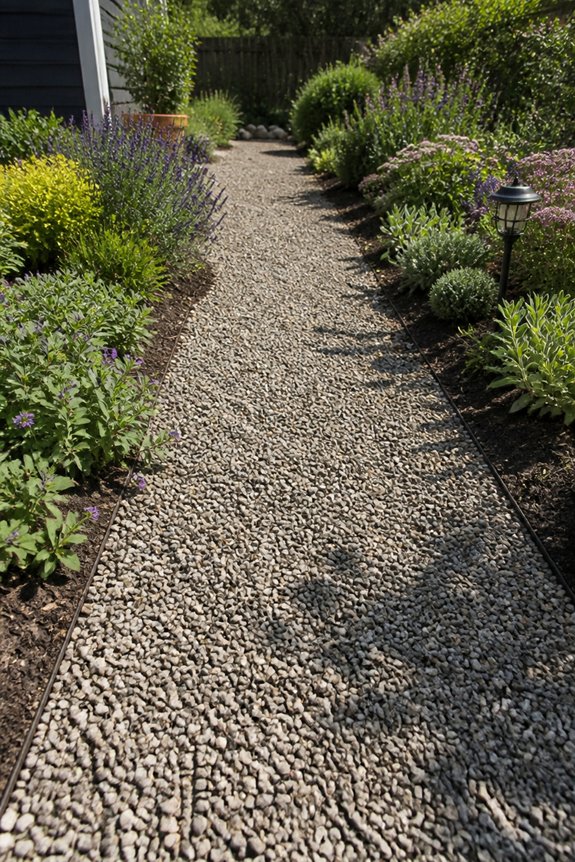
Transforming a muddy or overgrown walkway into a clean, defined path can be done affordably using gravel, one of the least expensive landscaping materials available. Pea gravel, crushed granite, or recycled concrete aggregate can outline garden beds, connect seating areas, or replace grass in high-traffic zones.
Installation typically involves removing existing vegetation, laying a weed barrier, and edging the path with brick, wood, or plastic borders to keep gravel contained. Homeowners can source gravel in bulk from local quarries or landscaping supply yards, reducing costs compared to bagged products sold at retail stores.
Gravel paths require minimal upkeep, drain well after rainfall, and resist erosion better than dirt trails. Adding curves or varying widths can make small gardens appear larger while keeping material costs low throughout the project.
Make a Mini Rock Garden With Free Stones
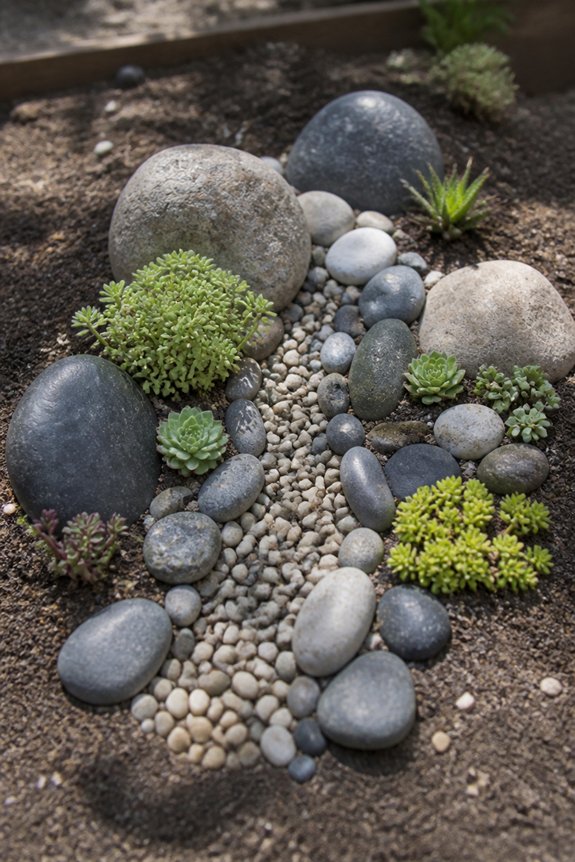
Since stones often appear naturally in yards, construction sites, and roadside areas, gathering them for free can form the foundation of a small rock garden without spending money. Homeowners can collect stones of varying sizes, shapes, and colors to add texture and contrast to a garden bed. Larger stones can serve as focal points, while smaller pebbles fill gaps between them, creating a layered appearance.
Placing stones in clusters, rather than scattering them evenly, often produces a more natural look. Adding low-maintenance plants, such as sedum or thyme, between the stones can enhance the design without requiring extra water or care. Choosing a sunny, well-drained spot helps prevent moisture buildup around the stones.
This approach allows gardeners to create a visually interesting feature using materials that cost nothing to obtain.
Add Mulch Instead of Pricey Ground Cover
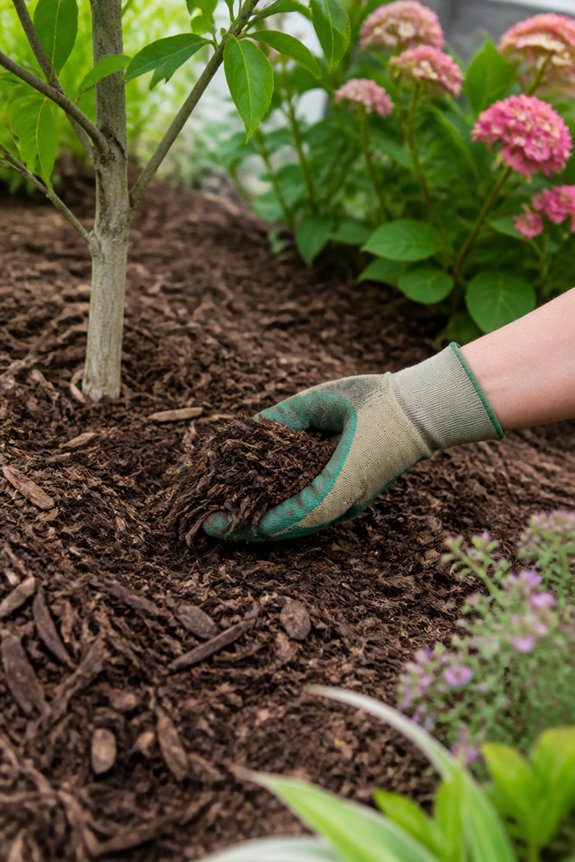
Because bagged ground cover plants and decorative fabric can quickly add up in cost, mulch offers a cheaper alternative for covering bare soil in small garden beds. Wood chips, shredded bark, straw, and even fallen leaves can suppress weeds while retaining moisture in the soil.
Many municipalities offer free mulch made from recycled yard waste, which reduces costs further for budget-conscious gardeners. Pine straw and grass clippings work well for smaller areas, while shredded hardwood mulch suits larger beds needing longer-lasting coverage.
Layering mulch two to three inches deep helps prevent weed growth without smothering plant roots. Compared to store-bought ground covers, mulch requires less maintenance and replacement over time, making it a practical, low-cost solution for small garden spaces.
Design a Budget Succulent Rock Garden
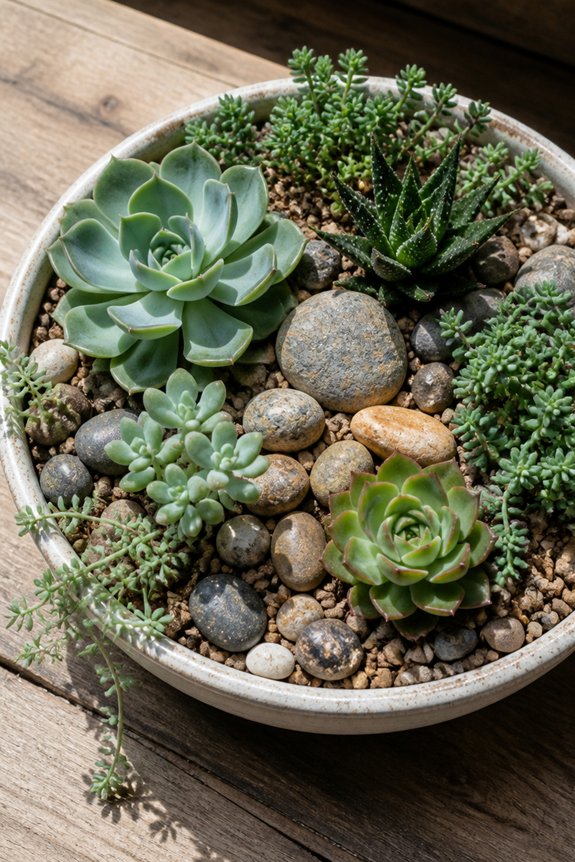
A few succulents, some gravel, and a handful of stones can turn a small corner into a low-maintenance rock garden without straining a budget. Hens-and-chicks, sedum, and echeveria survive with minimal water, making them practical choices for dry, sunny spots. Gravel or crushed stone can replace soil-heavy beds, cutting down on future weeding and watering costs.
Larger stones, collected from a yard or bought cheaply from a landscaping supplier, add structure and help define the garden’s edges. Grouping succulents by size and color creates visual interest without requiring many plants.
Thrift store containers or broken pots can serve as small planters within the rock bed. This design works well in areas with poor soil, since succulents need little nutrition to thrive.
Grow Vegetables in Raised Garden Beds
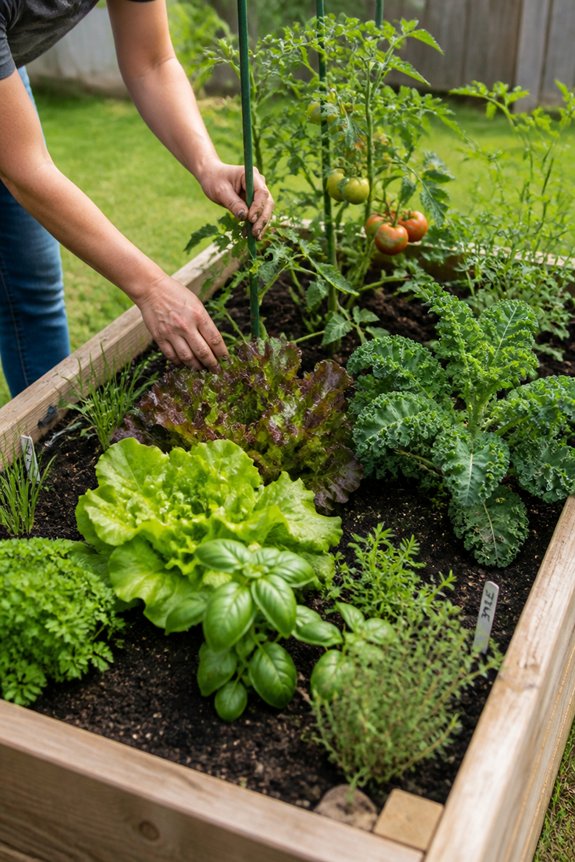
Raised garden beds offer an efficient way to grow vegetables in limited outdoor space, using materials like reclaimed wood, cinder blocks, or inexpensive lumber for the frame. These beds allow gardeners to control soil quality, drainage, and spacing, which often results in higher yields than traditional ground plots.
A bed measuring four feet by eight feet suits most small yards or patios, and can accommodate crops such as tomatoes, peppers, lettuce, and beans. Filling the bed with a mix of topsoil, compost, and organic matter reduces the need for fertilizers later. Placement near a water source cuts down on maintenance effort.
Elevating the soil also reduces bending and kneeling, making the process more accessible for gardeners with limited mobility or space constraints.
Choose Perennials That Come Back Every Year
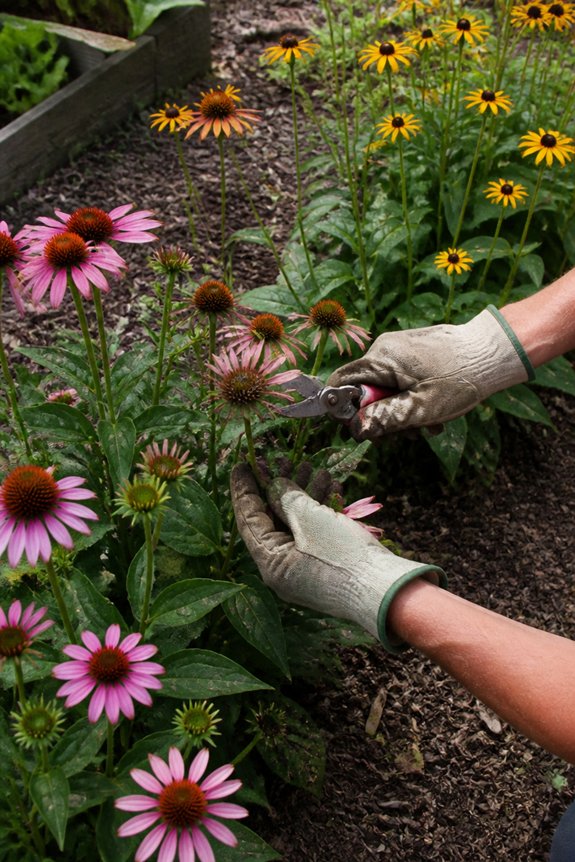
Since perennials return each season without replanting, they offer a cost-effective option for gardeners working with small spaces and limited budgets. Popular choices include daylilies, hostas, coneflowers, and black-eyed Susans, all of which tolerate a range of soil conditions and require minimal maintenance once established.
Gardeners can group perennials by bloom time to guarantee color throughout spring, summer, and fall, reducing the need for constant replacement. Dividing mature plants every few years produces new starts, allowing gardeners to fill additional beds without extra spending.
Choosing native perennials, such as coreopsis or asters, often lowers water and fertilizer needs, since these plants adapt well to local climate and soil. This approach reduces annual costs while maintaining a consistent, low-effort garden display.
Propagate Plants From Cuttings for Free
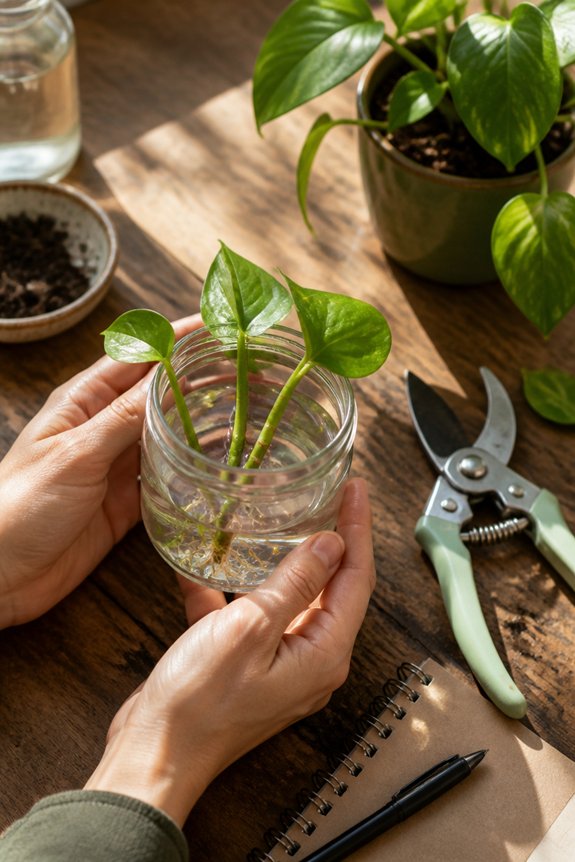
Snipping a few stems from existing plants allows gardeners to create new growth without spending money on nursery stock. Pothos, succulents, mint, and coleus root easily in water or moist soil, making them practical starting points for beginners. Cuttings taken from a neighbor’s shrub or a friend’s houseplant can fill empty garden beds without any cost.
Softwood cuttings, taken in spring or early summer, tend to root faster than older, woody stems. Placing cuttings in a jar of water near a bright window lets roots develop before transplanting into soil.
Rooting hormone can speed up the process, though many plants root without it. Sharing cuttings with neighbors also builds a community exchange, reducing costs for everyone involved in small-scale gardening.
Swap Plants With Neighbors and Friends
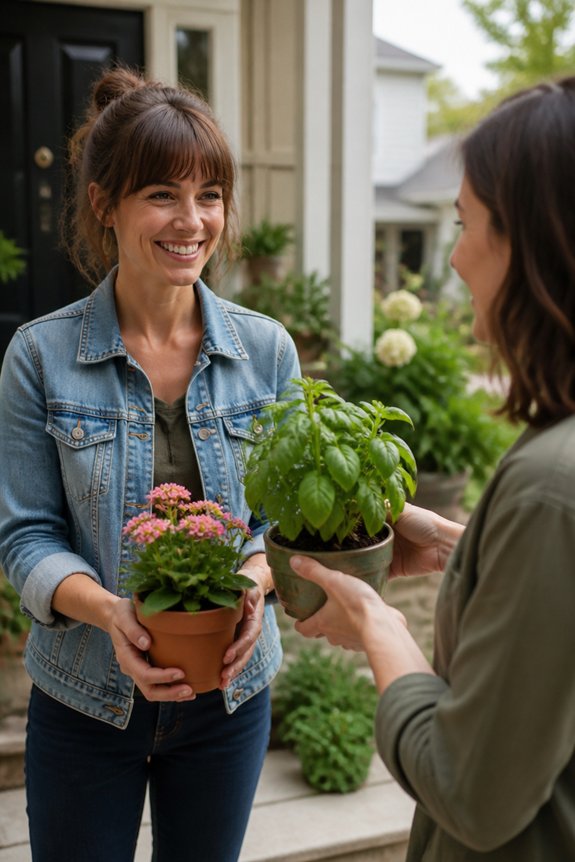
Many gardeners find that dividing perennials, such as hostas, daylilies, or irises, produces extra plants that can be traded rather than discarded. Neighbors and friends often maintain gardens with different species, making swaps a practical way to diversify a small garden without spending money. Local gardening clubs, community bulletin boards, or online neighborhood groups can help connect people interested in trading cuttings, seeds, or seedlings.
Common items exchanged include tomato seedlings, herb starts, succulents, and bulbs left over from fall planting. Some communities organize seasonal plant swap events, where gardeners bring surplus plants to share or trade.
This approach reduces waste, builds relationships with neighbors, and introduces new plant varieties that might otherwise be too costly to buy. Over time, regular trading can greatly expand the range of plants growing in a budget-conscious garden.
Add Color With Budget Annuals Each Season
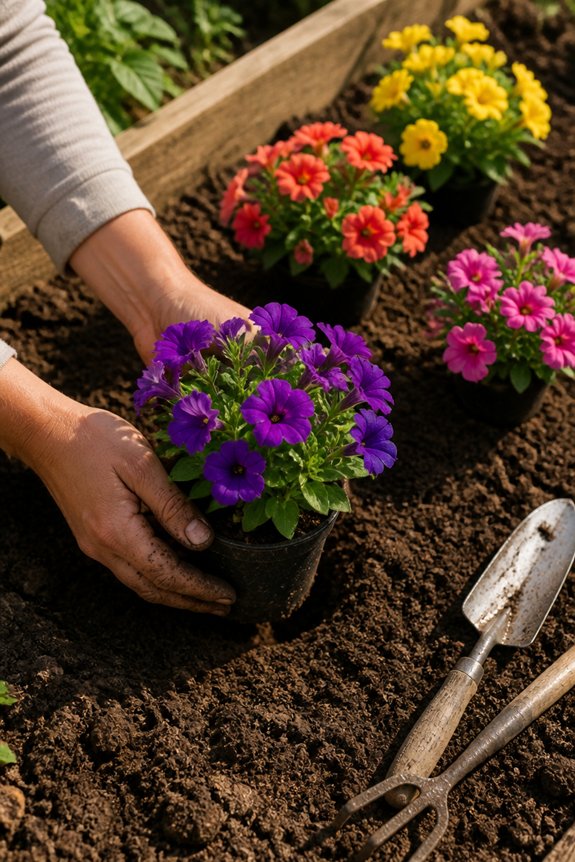
While plant swaps address perennials and permanent additions to a garden, seasonal color often requires a different approach, since annuals must be replaced regularly and cannot be divided or shared in the same way. Marigolds, zinnias, and petunias offer inexpensive options for adding color without a large investment, and many can be grown from seed rather than purchased as established plants.
Buying seeds in bulk packs reduces cost further, since a single packet often produces far more flowers than a few potted seedlings would provide. Shopping end-of-season clearance sales at garden centers can also lower expenses considerably.
Rotating annuals by season, such as pansies in cooler months and sunflowers in summer, keeps a small garden visually interesting throughout the year without requiring major spending on landscaping changes.
Grow a Butterfly Garden With Native Flowers
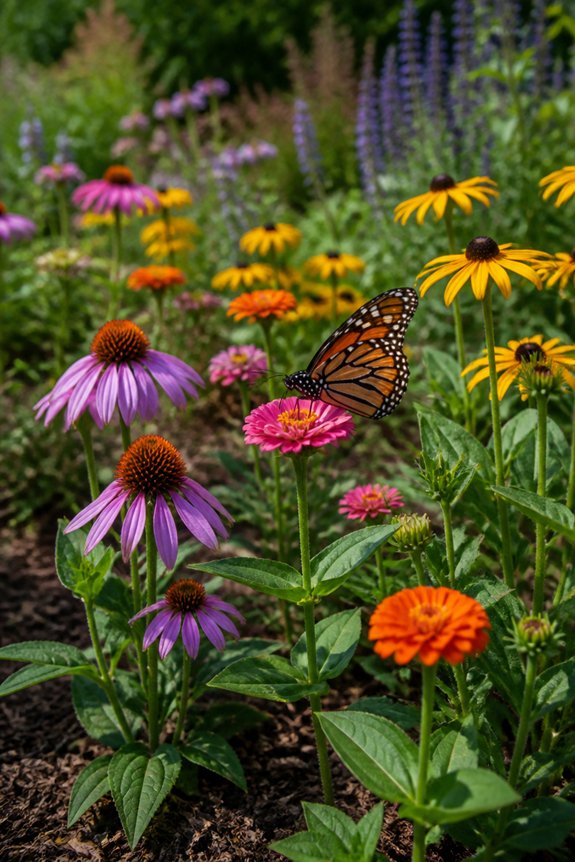
A number of native flowers attract butterflies while costing little to establish in a small garden. Milkweed, coneflower, and black-eyed Susan grow well in most regions and support butterfly life cycles, including monarch caterpillars that depend on milkweed leaves. Seeds cost less than potted plants and can be started indoors before the growing season begins.
Gardeners can group these flowers in clusters to create landing areas that attract more butterflies than scattered plantings. Native species require less water and fertilizer than exotic varieties, reducing ongoing maintenance costs.
Choosing plants that bloom at different times, such as spring phlox and fall asters, keeps food sources available across seasons. A small patch of native flowers, even a few square feet, can support local butterfly populations without a large financial investment.
Make Your Own Compost to Cut Soil Costs
Beyond attracting pollinators, gardeners can further reduce expenses by producing their own compost instead of purchasing bagged soil and fertilizer. Kitchen scraps, including vegetable peels, coffee grounds, and eggshells, can be combined with yard waste such as leaves, grass clippings, and small branches to create nutrient-rich compost.
A simple bin or designated corner of the yard works well for small spaces, requiring minimal investment beyond a container and occasional turning. Over time, this mixture breaks down into a natural soil amendment that improves texture and fertility without added cost.
Composting also reduces household waste sent to landfills, offering an environmental benefit alongside financial savings. For small gardens, even a modest compost pile can supply enough material to support raised beds, containers, or in-ground plots throughout the growing season.
Use Mirrors to Make Small Gardens Feel Bigger
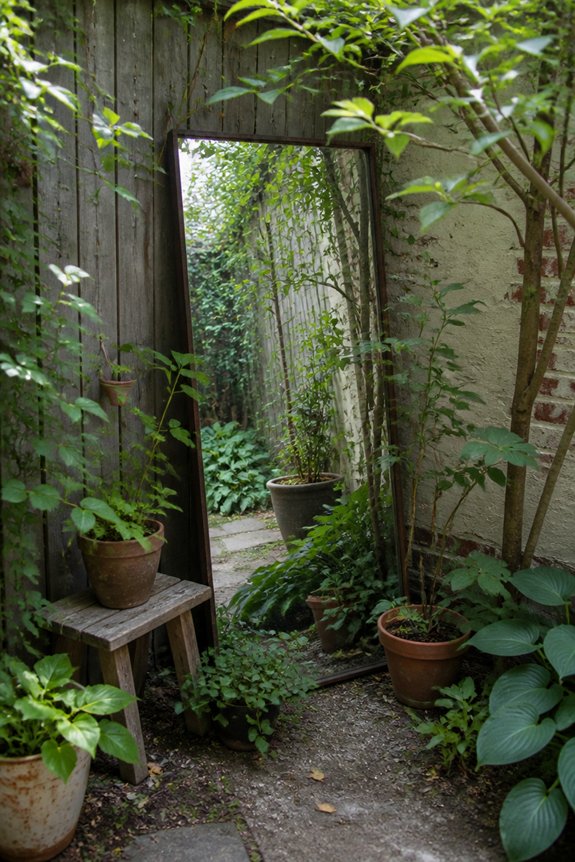
A well-placed mirror can trick the eye into perceiving extra depth within a compact garden, making the space appear larger than its actual dimensions. Positioning a mirror behind climbing plants or garden beds reflects greenery, doubling the visual density of foliage without added cost.
Old window frames, salvaged from renovation sites, can be repurposed as decorative mirror borders, adding structure while staying budget-friendly. Placing mirrors at the end of a narrow path creates an illusion of continued space, drawing the eye further than the garden actually extends.
Outdoor-rated mirrors resist moisture damage, making them a practical choice for exposed areas. Angling mirrors to catch sunlight can also brighten shaded corners, reducing the need for additional lighting fixtures. Careful placement near fences or walls maximizes the reflective effect while minimizing exposure to breakage.
Create a Cozy Nook With Thrifted Furniture
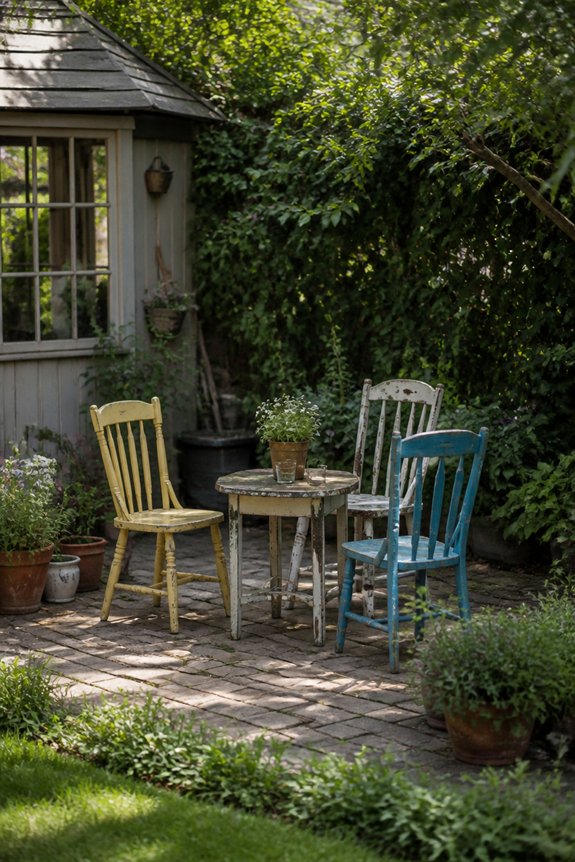
Since secondhand furniture often costs a fraction of new pieces, thrift stores and salvage yards offer practical options for building a small seating area. A single chair, a small bench, or a weathered side table can anchor a corner without requiring much space.
Mismatched pieces, when unified with similar paint colors or cushion fabrics, create a coordinated look rather than a cluttered one. Outdoor-safe finishes, such as exterior paint or sealant, help protect thrifted wood or metal from moisture damage.
Adding a small rug or a few potted plants nearby can define the nook further. Placing the seating area near a fence, wall, or hedge gives it a sense of enclosure, making the space feel more intentional and functional.
Build a Budget Fire Pit Corner
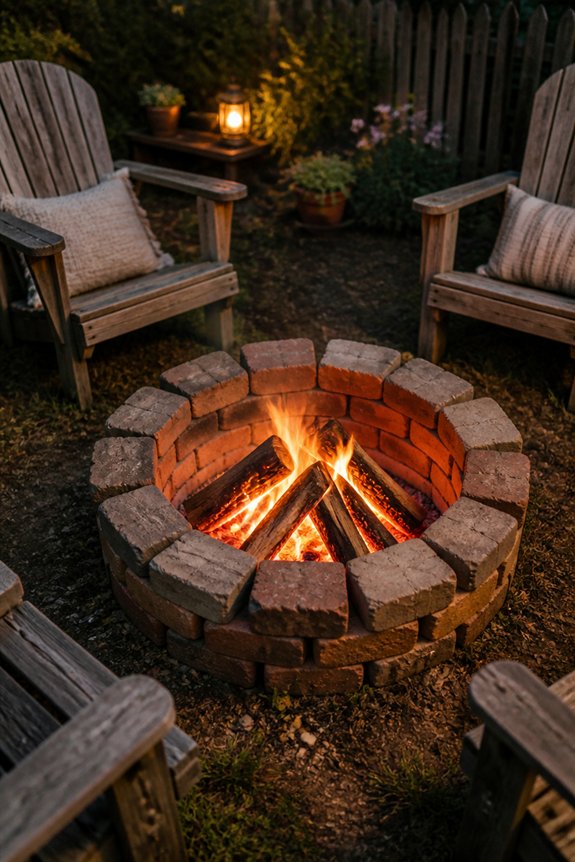
Stacked pavers or reclaimed bricks can form a simple ring for a fire pit, offering an inexpensive alternative to prefabricated kits. A small gravel base helps with drainage and prevents scorching the surrounding lawn. Seating can come from tree stumps, cinder blocks topped with cushions, or garden benches already on hand, avoiding the cost of new patio sets.
Placement matters, since a fire pit corner should sit away from fences, overhanging branches, or wooden structures to reduce fire risk. Adding a layer of sand or lava rocks inside the pit can extend its lifespan and manage heat distribution. Solar lanterns or string lights nearby extend usability into the evening without raising electricity costs.
Light Your Garden With Solar-Powered Lamps
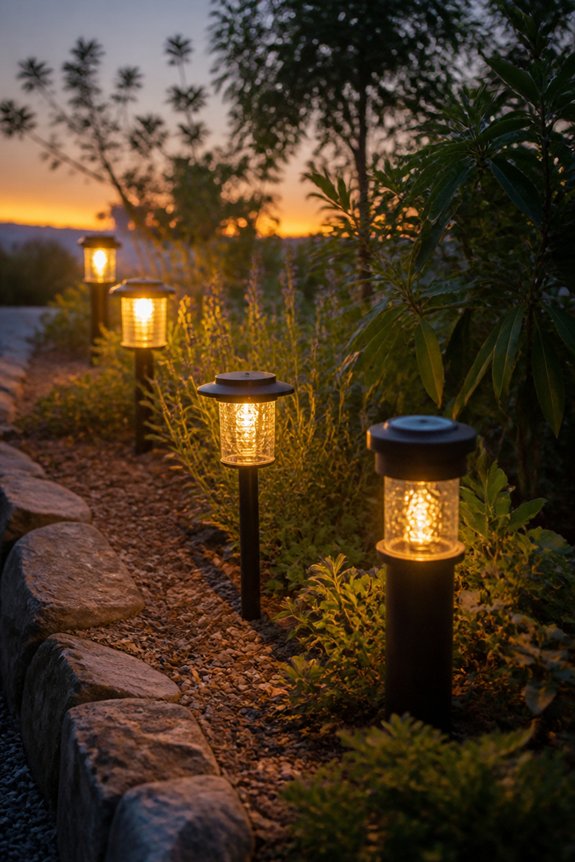
Several solar-powered lamps can transform a garden’s evening appearance without adding to monthly electricity bills. These fixtures rely on small photovoltaic panels that charge batteries during daylight hours, then release light automatically at dusk. Homeowners can choose from stake lights lining a pathway, string lights draped across a fence, or lantern-style lamps placed on a patio table.
Placement matters, since solar panels need direct sunlight to charge fully, so shaded corners often produce dimmer results. Budget-conscious gardeners frequently combine multiple styles, using stake lights near flower beds and hanging options above seating areas.
Prices vary widely, with basic stake lights costing only a few dollars, while decorative lanterns and string sets carry higher costs depending on brand and brightness output.
Build a Small Water Feature From Recycled Materials
A handful of old containers, such as ceramic pots, wooden barrels, or discarded metal buckets, can serve as the base for a small water feature, offering a low-cost alternative to store-bought fountains. A small submersible pump, often found at hardware stores for a modest price, circulates water and creates movement or sound. Adding stones, gravel, or broken tiles around the container’s edge can help conceal equipment and give the feature a finished appearance.
Some gardeners repurpose old sinks, teapots, or wine barrels to add character without added expense. Placing the feature near seating areas allows the sound of moving water to be enjoyed up close. Regular maintenance, including cleaning debris and checking water levels, helps keep the feature functional and reduces the risk of mosquito breeding.
Decorate With DIY Garden Art From Junk Materials
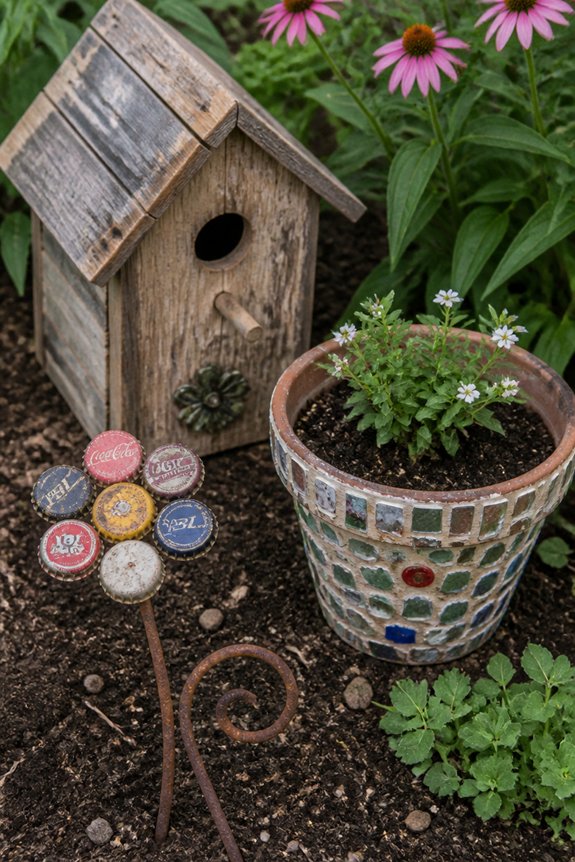
Turning discarded items into garden art offers a practical way to add visual interest without spending much money. Old tires can be painted and stacked to form planters, while broken ceramic pieces can be arranged into mosaic stepping stones. Rusty tools, such as rakes or shovels, can be mounted on fences or walls as decorative focal points.
Wine bottles, pushed neck-down into soil, create colorful borders along pathways. Wooden pallets, cut and reassembled, can serve as vertical plant displays or backdrops for hanging art. Metal cans, once cleaned, can be painted and used as small planters or wind chimes.
Combining several of these elements throughout a garden creates a cohesive, personalized look while reducing waste and material costs.
Frequently Asked Questions
How Much Does It Typically Cost to Create a Small Budget Garden?
Costs typically range from $50 to $300, depending on materials chosen. Using recycled containers, seeds instead of seedlings, and DIY compost can greatly lower expenses, while purchased soil, pots, and decorative elements increase overall spending considerably.
What Are the Cheapest Materials for Building Garden Features Overall?
Studies show reclaimed materials cut garden costs by up to 60%. Cheapest options include reclaimed wood, broken concrete pavers, recycled bricks, and gravel. Gardeners often source these free from local demolition sites, neighbors, or online marketplaces.
How Long Do Budget Garden Projects Usually Take to Complete?
Most budget garden projects take a weekend or two to complete, roughly four to twelve hours of actual work. Simple tasks like container arrangements finish in an afternoon, while raised beds or pathways may span two to three days.
Can Beginners With No Experience Tackle These Small Garden Ideas?
Yes—like planting a seed and watching it root, beginners can flourish here. No green thumb required, just patience. Simple tools, clear steps, and forgiving plants make these projects approachable for anyone starting fresh in their garden journey.
What Tools Are Essential for Most Budget-Friendly Garden Projects?
A hand trowel, pruning shears, gloves, a watering can, and a basic rake typically suffice. Most beginners find these affordable tools handle planting, weeding, and maintenance tasks without requiring expensive or specialized equipment purchases.
Conclusion
The theory that a beautiful garden requires significant investment does not hold up under examination. Repurposed containers, pallet planters, and recycled baskets prove that resourcefulness outweighs spending. Vertical gardens, solar lamps, and DIY water features demonstrate how small spaces can function as thoughtful retreats without major costs. Community swaps and reused materials further reduce expenses while adding variety. Together, these approaches show that budget constraints do not limit garden design, but instead encourage creativity, practicality, and efficient use of available resources.