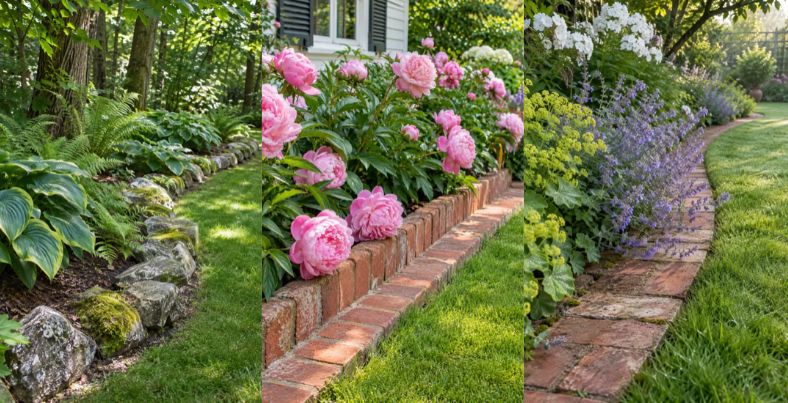
Muddy garden pathways create maintenance problems and plant damage. Raised bed gardeners can address this issue through various surface materials and designs.
Gravel and wood chips offer affordable, quick solutions that blend naturally into most garden settings. Permeable pavers and brick provide more durable alternatives with excellent drainage and polished aesthetics.
Each option brings its own strengths regarding weed suppression, longevity, and visual appeal.
Climate, budget, and personal style all play a role in finding the right fit. Understanding these trade-offs helps gardeners choose a practical approach that keeps feet dry and plants thriving.
Gravel Pathways: The Affordable Classic
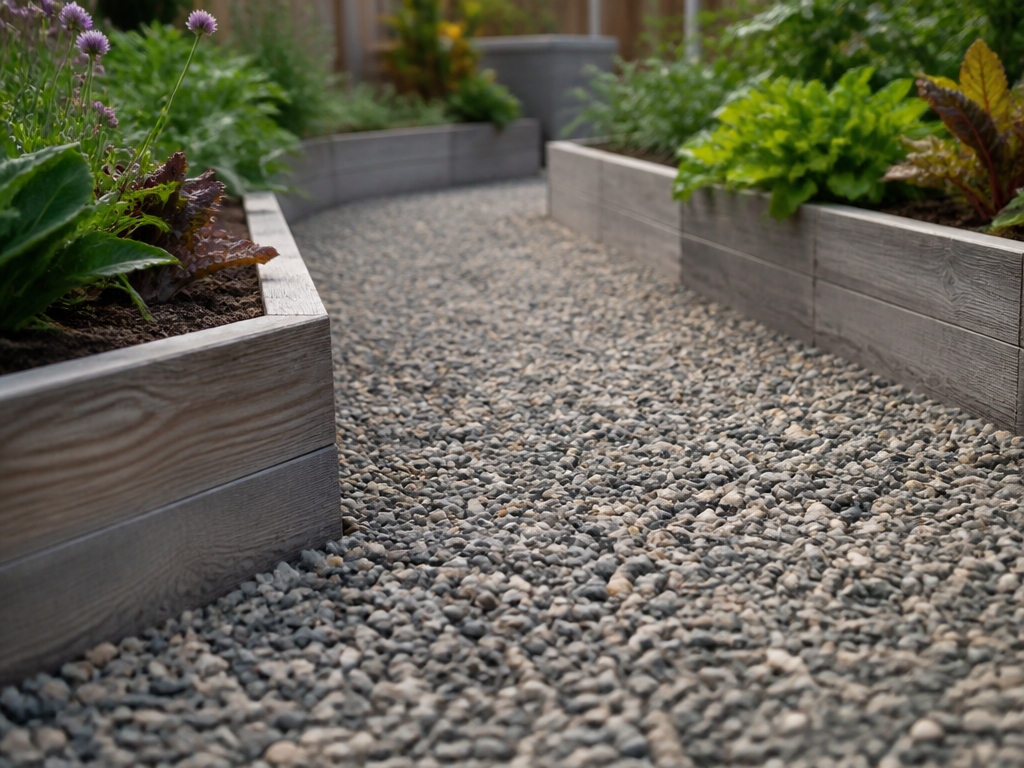
Numerous gardeners choose gravel pathways for raised beds because they offer a practical, budget-friendly solution. Gravel drains quickly, preventing water accumulation and mud formation.
Crushed granite, pea gravel, and marble chips work well. These materials compact under foot traffic, creating stable walking surfaces. Gardeners appreciate gravel’s low maintenance requirements and easy installation between raised bed sections. Decorative gravel can also help suppress weeds and reduce upkeep in low-maintenance garden designs.
Mulch Pathways: Organic and Easy to Install
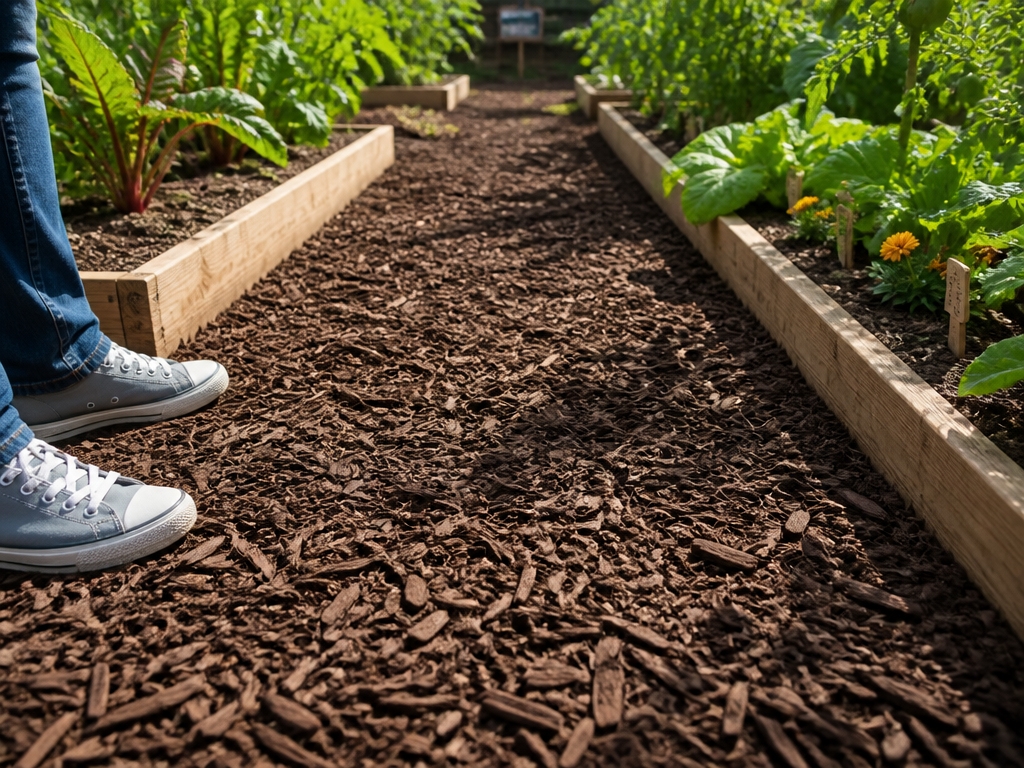
Many gardeners select mulch pathways for raised beds because they decompose over time, enriching surrounding soil while providing functional walkways. Wood chips, shredded bark, and straw serve as common mulch options.
Installation requires spreading material two to three inches deep between beds. Mulch pathways require periodic replenishment as organic matter breaks down, typically annually or biannually depending on material type and climate conditions.
Wood Chip Pathways: Natural Aesthetics on a Budget
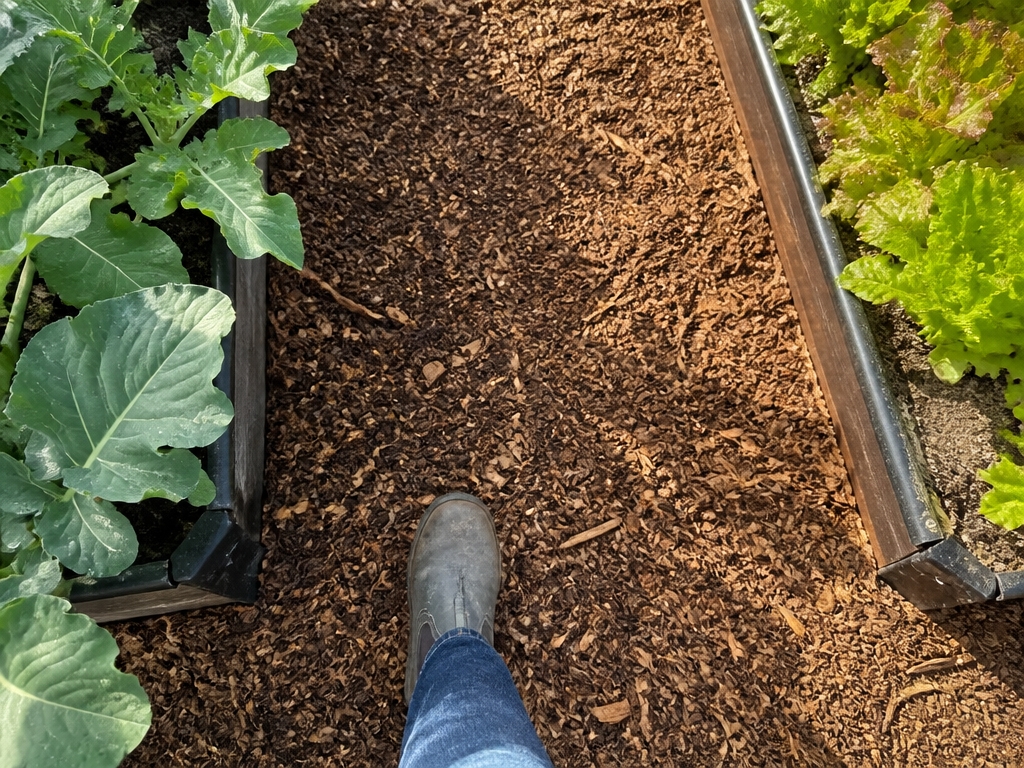
Because wood chips break down slowly compared to other mulch options, they offer extended durability and reduced maintenance needs for raised bed pathways. Wood chips provide a natural appearance while remaining cost-effective. They compact over time, creating firm walking surfaces.
Cedar and pine chips resist decay better than standard varieties. Regular raking maintains aesthetic appeal and prevents excessive decomposition buildup. Adding landscape fabric beneath the chips can further suppress weeds and reduce upkeep.
Pea Gravel With Landscape Fabric: Gravel Pathways That Don’t Scatter
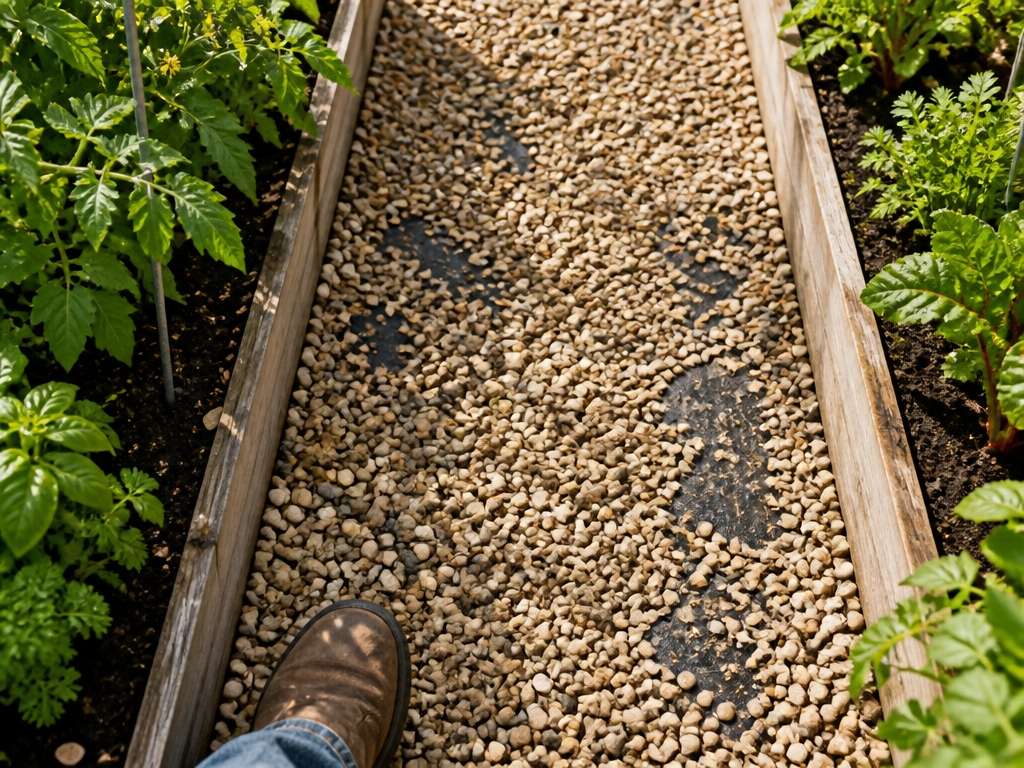
Pea gravel offers an attractive, permeable option for raised bed pathways when properly installed with landscape fabric underneath. The fabric barrier prevents gravel from mixing with soil, reducing maintenance needs.
Pea gravel provides good drainage, comfortable foot traffic, and a neat appearance. It requires occasional raking to maintain evenness and periodic top-offs as material settles or disperses.
Recycled Asphalt Pathways: Durable and Affordable
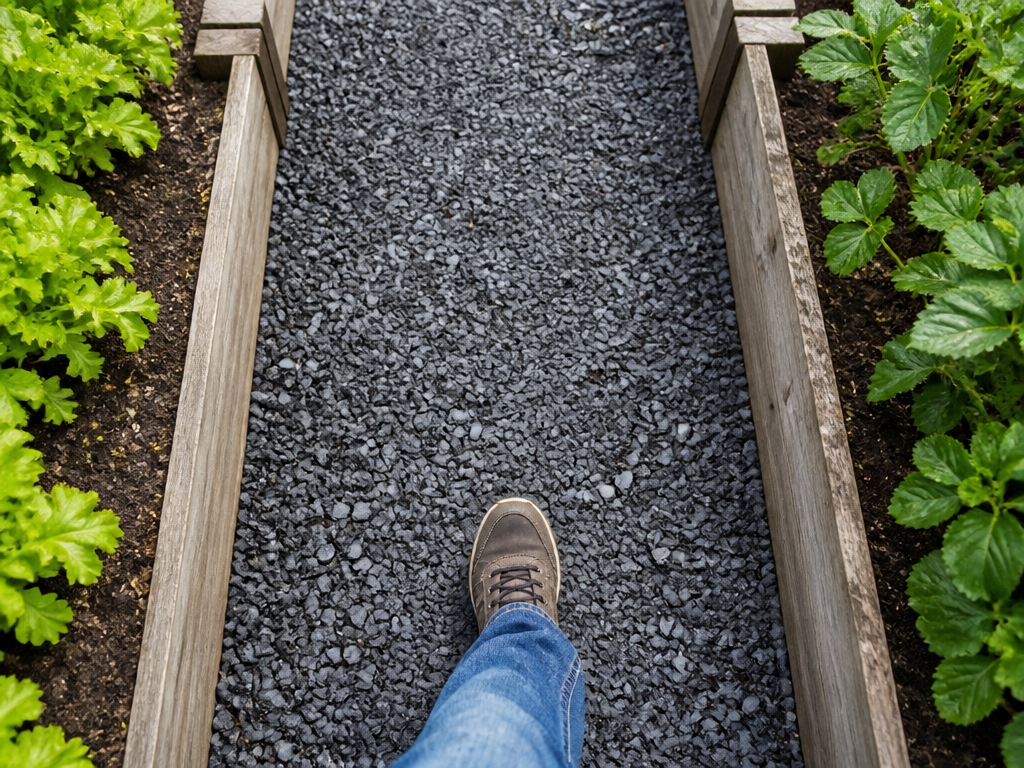
Recycled asphalt offers a practical alternative to pea gravel, delivering comparable durability with lower costs and reduced maintenance demands. This material compacts firmly over time, creating stable pathways that resist scattering. Recycled asphalt contains binding agents that help pieces adhere together.
Installation requires minimal preparation, though occasional raking maintains the surface. This option suits budget-conscious gardeners seeking long-lasting pathway solutions.
Stepping Stones: The Minimalist Approach
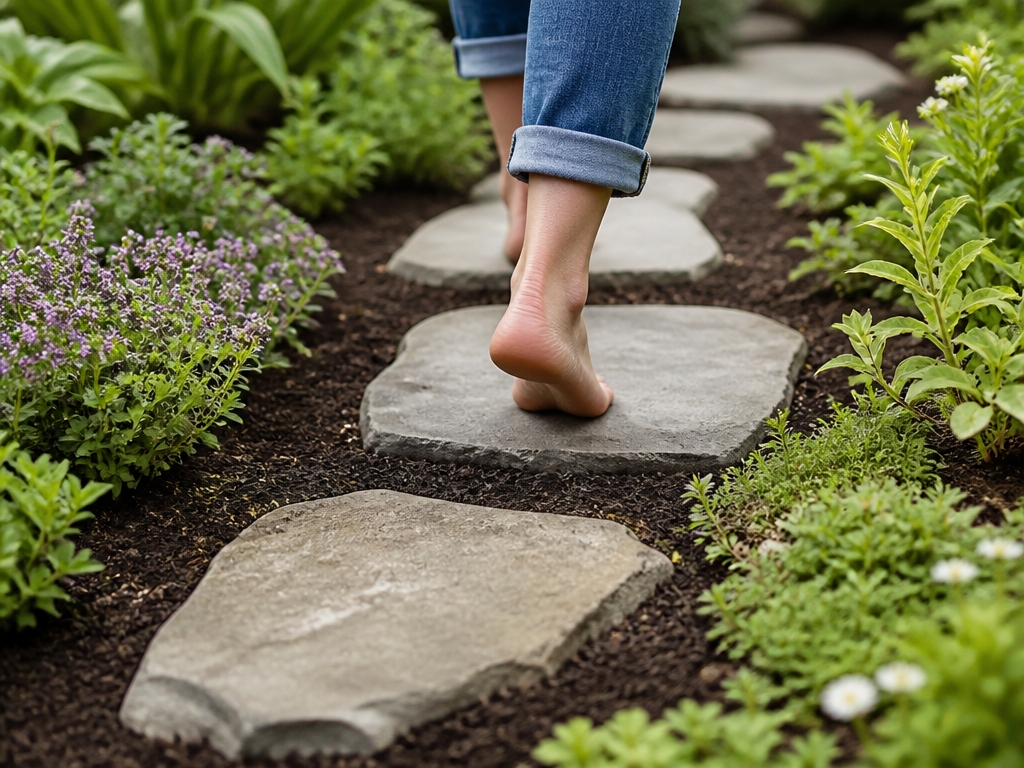
For gardeners seeking simplicity, stepping stones provide an understated pathway solution that requires minimal materials and installation effort. Flat stones, pavers, or concrete rounds space evenly between raised beds, creating functional access points.
This approach eliminates extensive groundwork, reduces costs compared to full pathways, and allows vegetation to grow between stones. It maintains a natural garden aesthetic while keeping feet dry during wet conditions.
Reclaimed Wood Pathways: Rustic Charm From Salvaged Materials
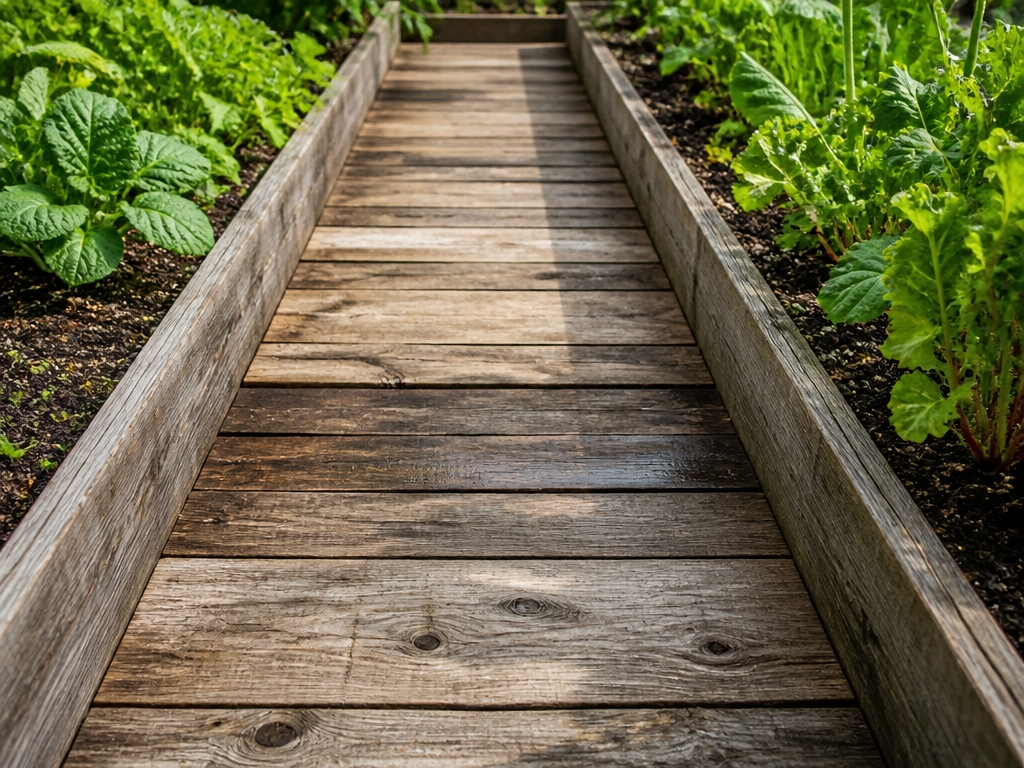
When old wood becomes unavailable through deconstruction sites, salvage yards, or reclaimed building materials suppliers, gardeners can repurpose it into functional raised bed pathways. Reclaimed barn wood, pallet boards, and old fence planks work well for this purpose. These materials offer rustic appearance while preventing mud accumulation.
Proper drainage underneath guarantees longevity. Over time, weathered wood develops character, blending naturally with garden environments.
Straw or Hay Pathways: Temporary Solutions for Seasonal Gardens
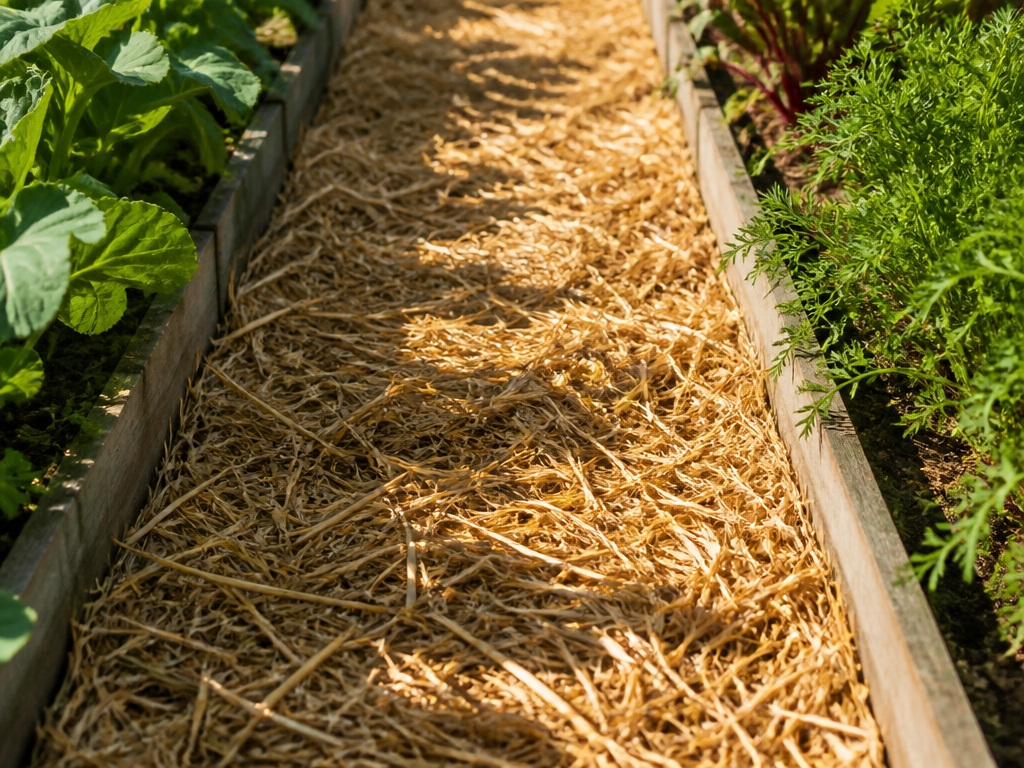
Straw and hay pathways offer gardeners a practical, affordable option for temporary walkways between raised beds. These materials decompose gradually, enriching soil when tilled in seasonally.
Straw pathways require renewal every few months as they break down. Hay may introduce weed seeds, making straw preferable. Both options work well for spring and summer gardens, though they’re unsuitable for permanently established pathways.
Brick and Stone Pathways: Timeless Elegance
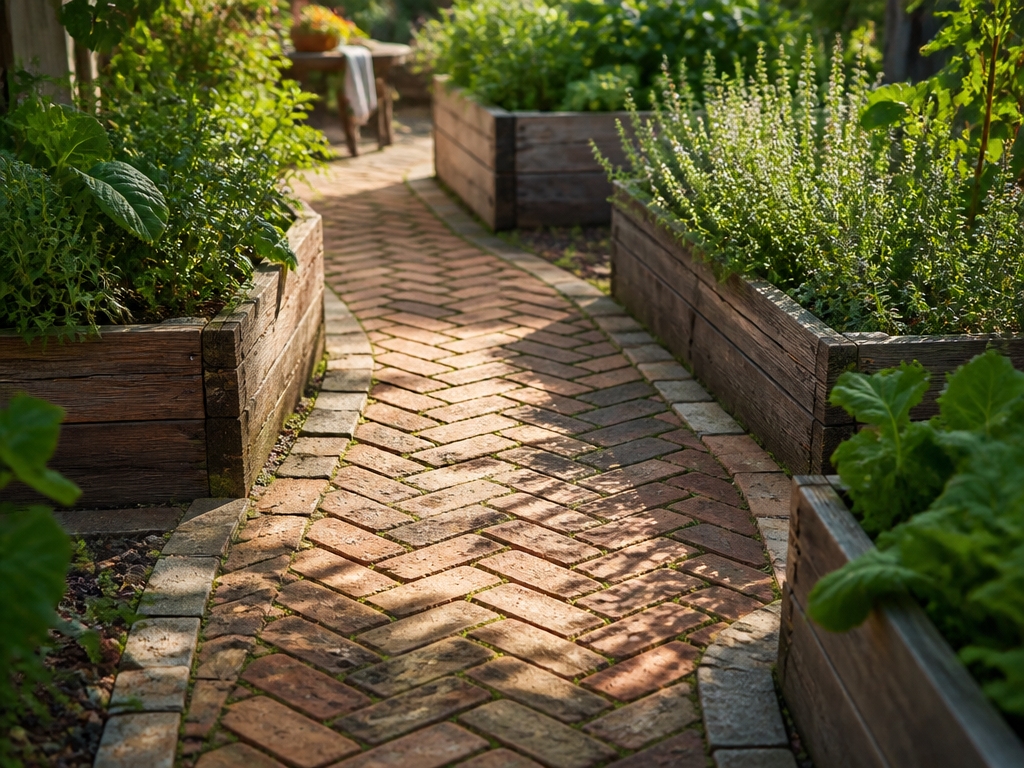
Brick and stone pathways provide permanent solutions where temporary materials fall short, offering durability that lasts years without seasonal replacement. These materials, including flagstone, granite, and clay brick, resist weathering and compaction. Installation requires proper base preparation with gravel and sand.
Brick pathways suit formal gardens, while irregular stone creates natural aesthetics. Both options prevent mud and maintain consistent elevation between raised beds. For added visual structure, clean lines can make the path feel more polished and intentional.
Crushed Limestone Pathways: Bright, Clean Walkways
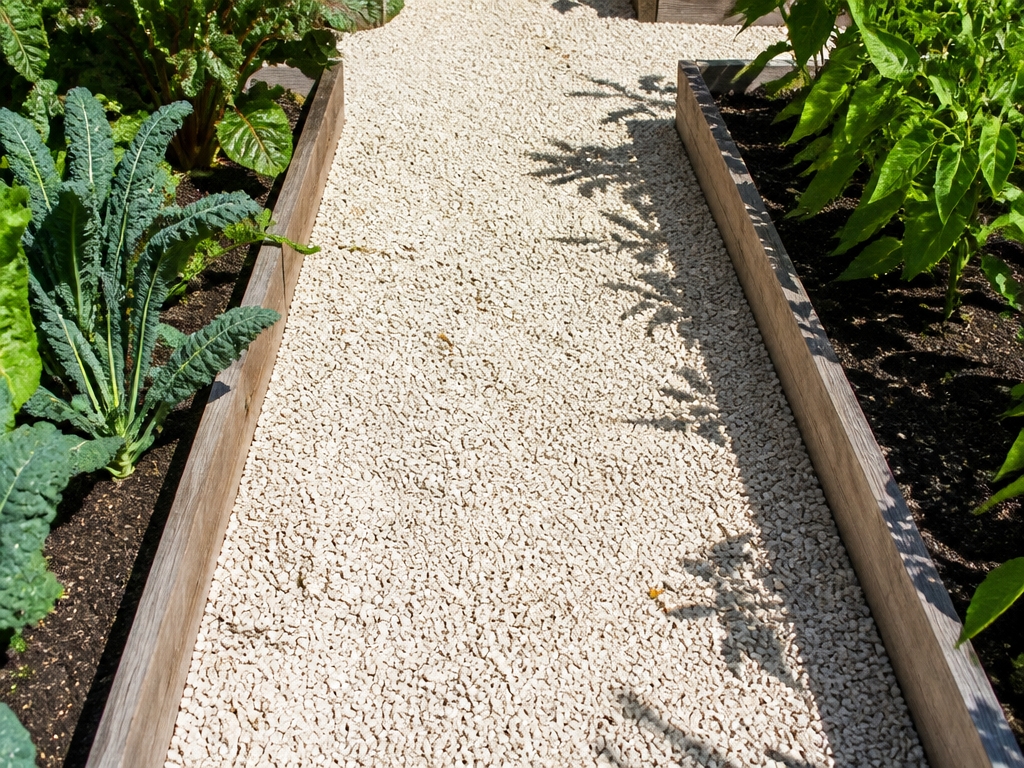
Many gardeners choose crushed limestone for raised bed pathways because it offers a clean, bright appearance while remaining affordable and easy to install. The material drains well, preventing water accumulation and mud formation.
Limestone requires periodic raking and occasional replenishment, as particles compact and scatter over time. It works best in dry climates where moisture won’t cause deterioration or discoloration of the walkway surface.
Hardscape Borders With Mulch Fill: Containing Materials and Preventing Creep
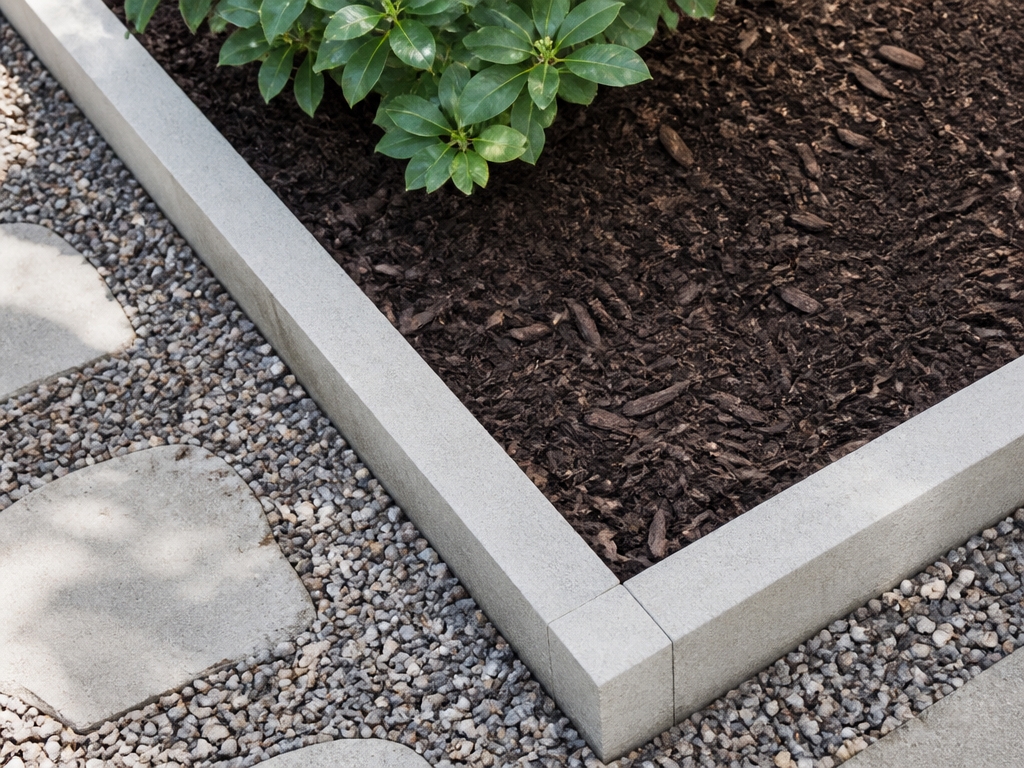
Installing hardscape borders around raised bed pathways controls mulch migration and keeps materials contained within designated areas. Metal edging, concrete curbing, and stone borders prevent mulch from spreading onto adjacent spaces.
These barriers also reduce maintenance time by eliminating frequent raking and replacement of displaced materials. Proper border installation protects lawn edges and maintains clean pathway definitions throughout growing seasons.
Permeable Pavers: Drainage Without Sacrificing Style
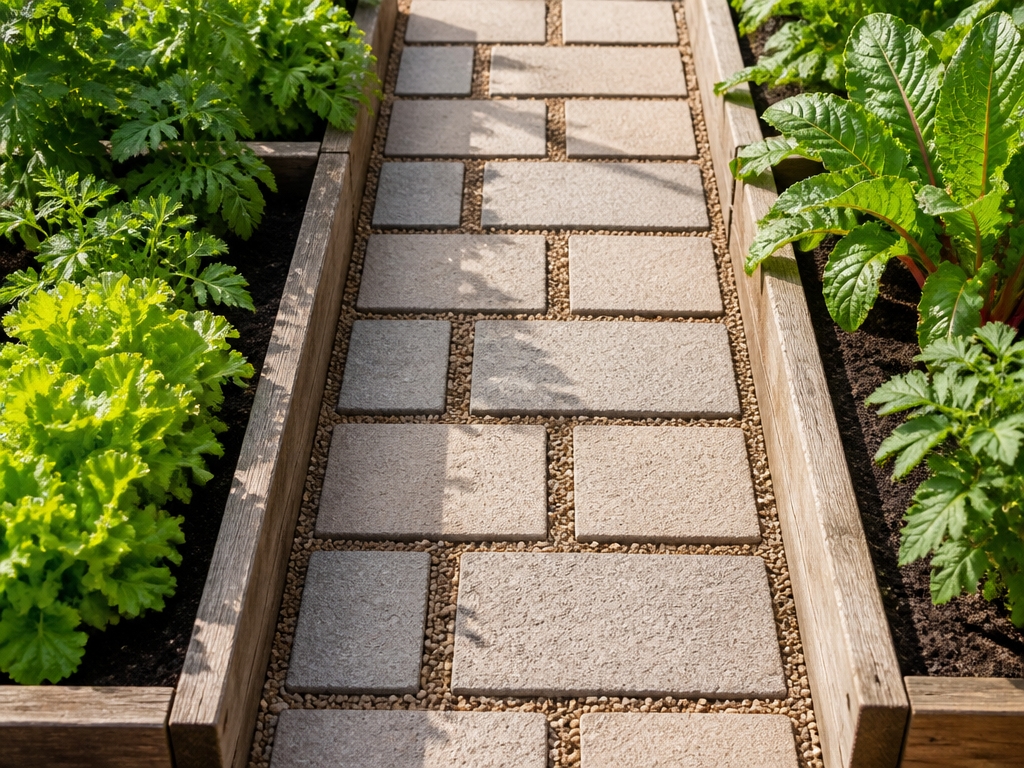
While hardscape borders manage mulch containment effectively, permeable pavers offer an alternative pathway solution that addresses both drainage and aesthetic concerns. These pavers allow water to pass through joints into soil below, preventing puddles and erosion.
Materials like permeable concrete, recycled plastic, and porous stone work well. They maintain garden aesthetics while improving water management, reducing maintenance needs considerably.
Composite Wood Pathways: Low-Maintenance Durability
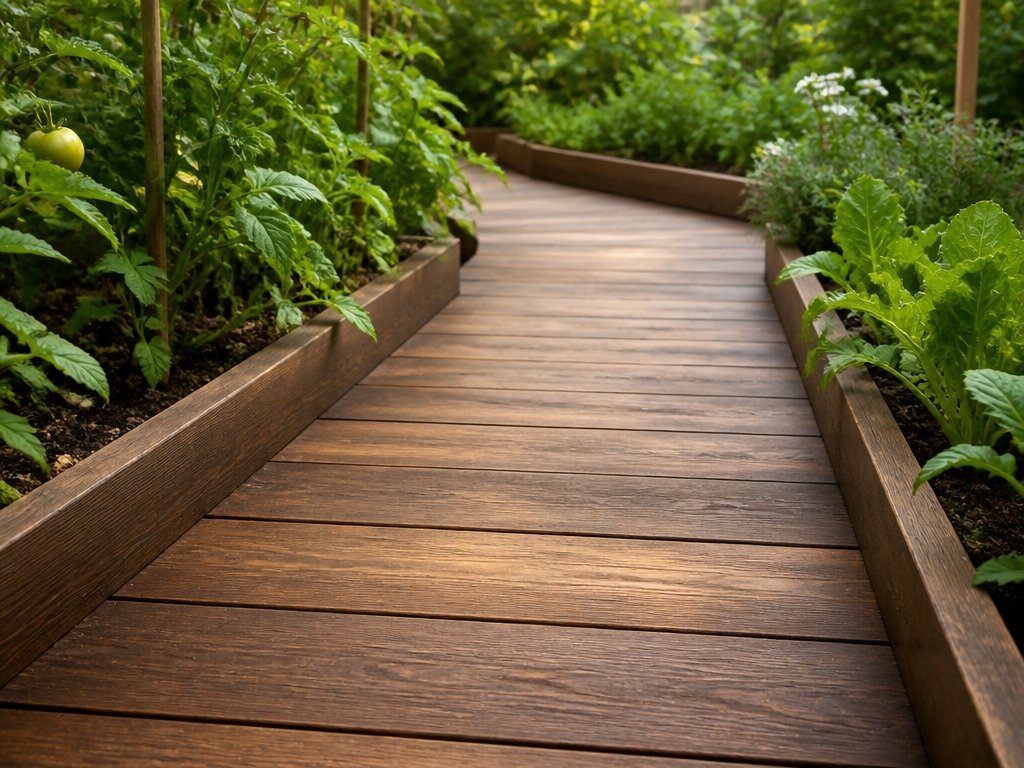
Composite wood materials, made from wood fibers and plastic polymers, provide a practical pathway solution that resists rot, splinters, and insect damage. These products require minimal maintenance, needing only occasional cleaning. Brands like Trex and Fiberon offer various colors and finishes.
Installation involves securing boards to support structures, creating durable, long-lasting pathways between raised beds without frequent repairs or replacement needs. For a polished landscape look, pair them with boxwood borders or other structured shrubs that frame the walkway neatly.
Sunken Pathways: Using Elevation to Manage Drainage
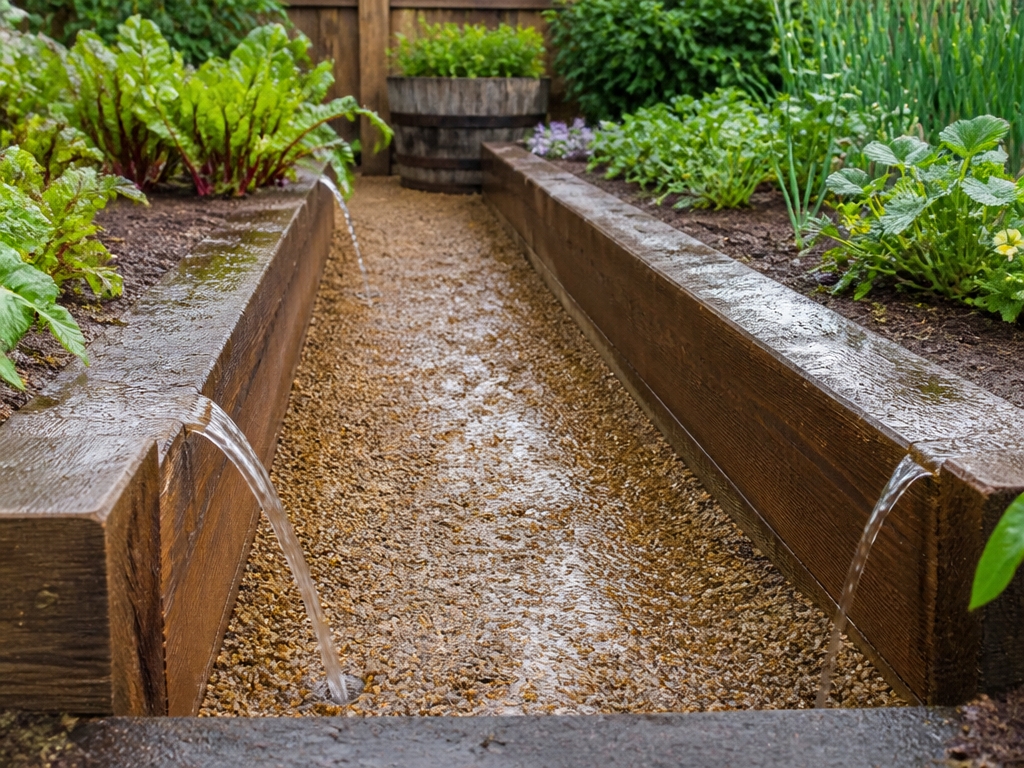
Elevation differences between raised beds and pathways serve a functional purpose beyond aesthetics. Sunken pathways, positioned lower than surrounding beds, naturally collect and direct water away from planting areas. This design prevents waterlogging and soil erosion.
Gravel, mulch, or permeable paving in depressed pathways channels excess moisture toward drainage zones. The technique proves especially effective in areas experiencing frequent rainfall or poor soil drainage conditions.
Living Pathways: Moss and Groundcover for Garden Ambiance
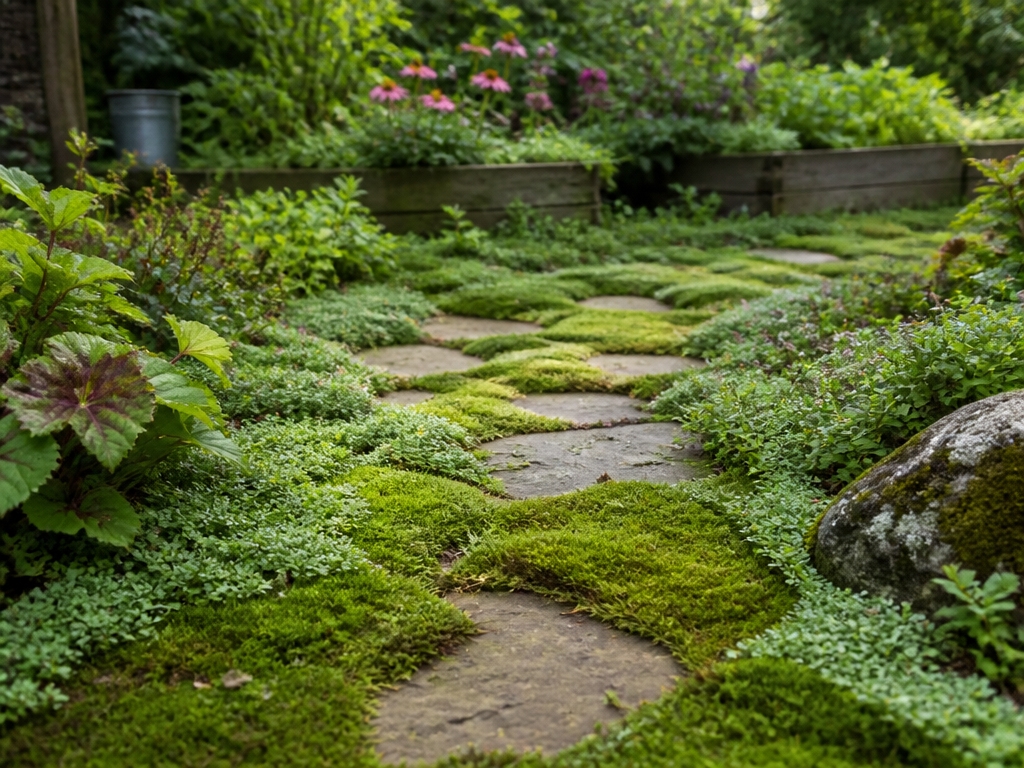
Many gardeners choose living materials to soften the appearance of raised bed pathways while creating functional growing spaces. Moss, creeping thyme, and clover establish dense ground coverage that suppresses weeds and tolerates foot traffic.
These groundcovers require minimal maintenance once established, needing occasional trimming and watering during dry periods. They offer aesthetic appeal while reducing erosion between raised beds. Insecticidal soap can help control soft-bodied pests on nearby plants without leaving toxic residue in the soil. Adding permeable pathways can also improve drainage and keep muddy areas easier to navigate.
Decomposed Granite Pathways: California-Style Durability and Permeability
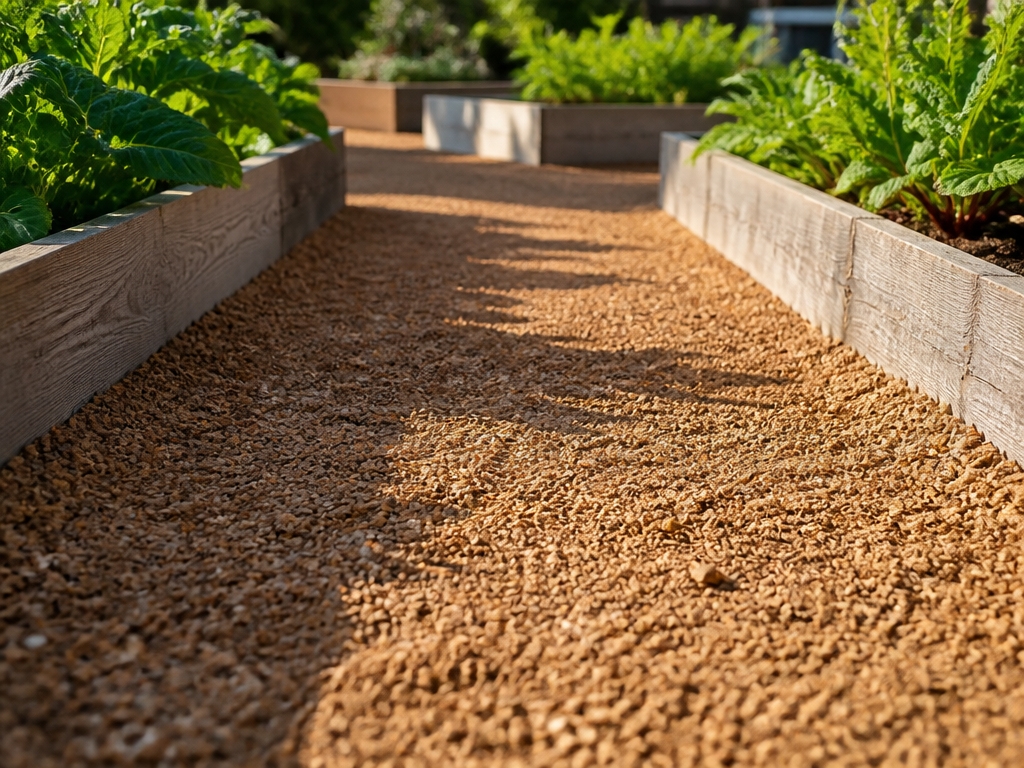
Decomposed granite, a natural byproduct of granite erosion, provides an effective pathway material for raised bed gardens. This California-style option allows water drainage while preventing mud accumulation. The material compacts firmly, creating stable walking surfaces.
Decomposed granite requires occasional raking and top-up applications. It suits arid climates particularly well, offering durability and low maintenance compared to wood chips or mulch alternatives.
Frequently Asked Questions
How Often Should I Replace or Refresh My Garden Pathway Materials to Maintain Appearance?
Garden pathway materials require renewal every two to three years, depending on climate and foot traffic. Mulch needs annual replenishment, while gravel demands topping off seasonally. Hardscape materials like pavers last longer but benefit from periodic cleaning and maintenance to preserve their appearance.
What Is the Best Way to Prevent Weeds From Growing Through My Raised Bed Pathways?
One could imagine an unstoppable army of weeds launching an endless invasion through pathways. The most effective defense involves laying landscape fabric beneath mulch or gravel, creating an impenetrable barrier that suffocates weeds before they establish themselves between raised beds.
Are There Pet-Safe Pathway Options for Gardens Where Dogs or Cats Frequently Walk?
Pet-safe alternatives include mulch made from untreated wood chips, decomposed granite, or pea gravel. These materials won’t harm dogs or cats if ingested. Avoid cocoa mulch, which contains theobromine, toxic to pets.
How Much Does It Typically Cost to Install Different Types of Raised Bed Pathways?
Studies show 60% of gardeners prioritize cost-effectiveness in pathway design. Installation expenses vary greatly: mulch pathways range from $1-3 per square foot, while gravel costs $2-5, and pavers run $8-15, depending on materials and labor involved.
Which Pathway Materials Are Most Environmentally Sustainable and Eco-Friendly Choices?
Wood chips, recycled composite materials, and permeable pavers represent the most eco-friendly options. They minimize environmental impact through renewable sourcing, waste reduction, and improved water drainage. Mulch and straw offer biodegradable alternatives requiring minimal processing.
Conclusion
Homeowners face numerous pathway options, from affordable gravel to permeable pavers, each claiming superiority over mud. Gravel scatters, mulch decomposes, and composite wood requires investment. Sunken pathways demand excavation, living groundcovers need maintenance, decomposed granite settles unevenly. Selecting a raised bed pathway involves weighing cost, durability, drainage, and upkeep requirements. No single solution eliminates all disadvantages. Success depends on matching material properties to specific site conditions and realistic maintenance expectations.