
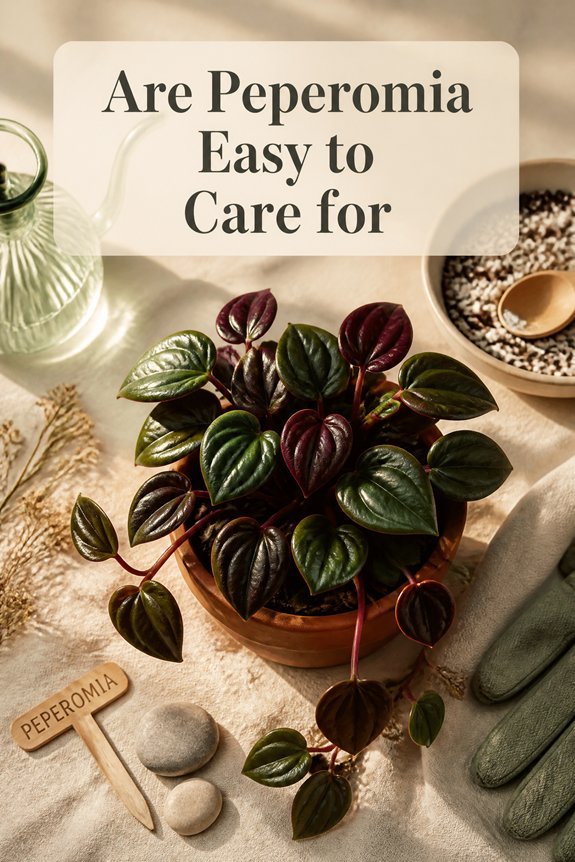
Peperomia plants have earned their reputation as forgiving houseplants. They prefer well-draining soil and bright, indirect light, but they won’t punish you for the occasional oversight. Weekly watering during spring and summer keeps them content, and their compact size fits neatly into small spaces.
For all their easygoing nature, a few details make the difference between a thriving plant and one that’s simply hanging on. Root rot remains the biggest threat, so letting the soil dry between waterings matters more than sticking to a rigid schedule. A pot with drainage holes isn’t optional; it’s essential for long-term health.
Humidity tips the scale toward lush, full foliage. Peperomia tolerate average household air, yet they noticeably perk up near kitchens or bathrooms where moisture lingers. Grouping them with other plants creates a modest humid microclimate without any extra effort.
Complete beginners find peperomia approachable, though observant caretakers reap the best rewards. These adaptable plants shrug off missed waterings and less-than-perfect light.
Give them reasonable attention, and they’ll reward you with years of steady, understated growth.
Soil, Potting, and Fertilizer Basics
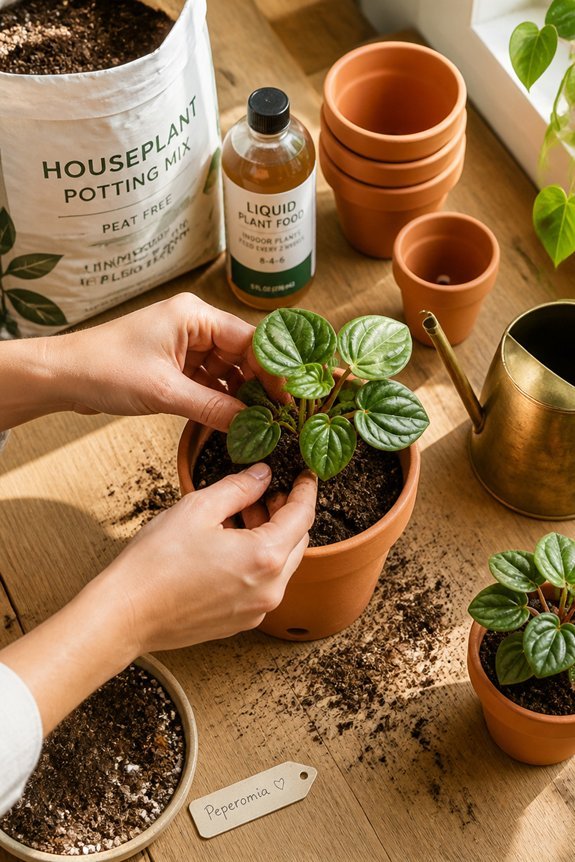
Peperomias love soil that drains well. Root rot is their biggest enemy, so mix peat moss, perlite, and orchid bark in equal parts. This blend lets water escape fast while holding just enough moisture for happy roots.
Choosing a pot matters more than you’d think. Stick to small or medium containers, around 4 to 6 inches across. Make sure they have drainage holes. Bigger pots trap too much water, and that’s trouble for these little plants.
Feed your peperomia during spring and summer when it’s actively growing. A balanced, water-soluble fertilizer once a month does the trick. Come winter, cut back heavily or stop entirely. These plants actually prefer less food rather than more. Too much fertilizer leaves salts behind in the soil, which burns roots and leaves alike.
Plan on repotting every two to three years. You’ll know it’s time when roots start circling the pot.
Also read: Can Philodendron Grow in Water?
How Much Water Do Peperomias Need?
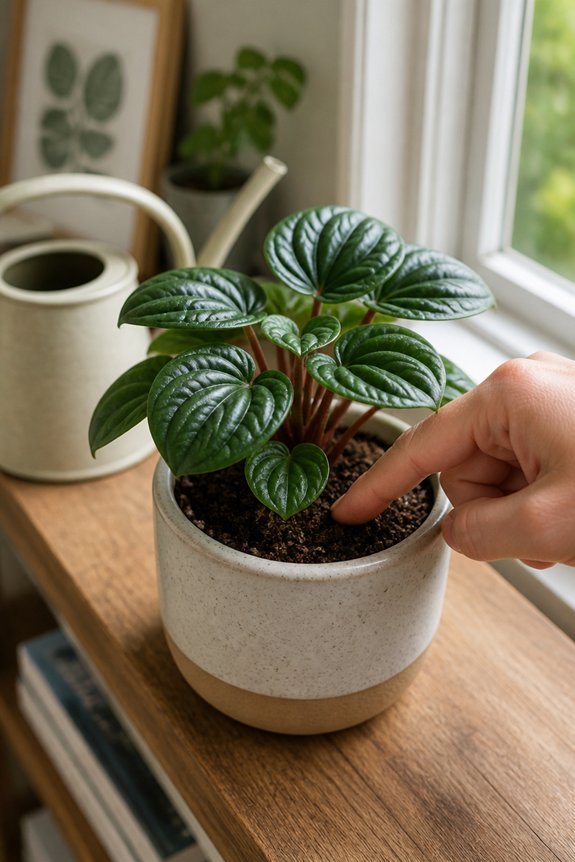
Peperomias prefer a moderate drink about once a week during growing seasons. Always let the soil dry out between waterings. These plants store water in their thick leaves, so soggy soil causes root rot.
Winter growth slows dramatically. Cut back to every two or three weeks. Check the top inch with your finger first, and adjust for pot size and humidity.
Light Conditions Peperomias Actually Prefer
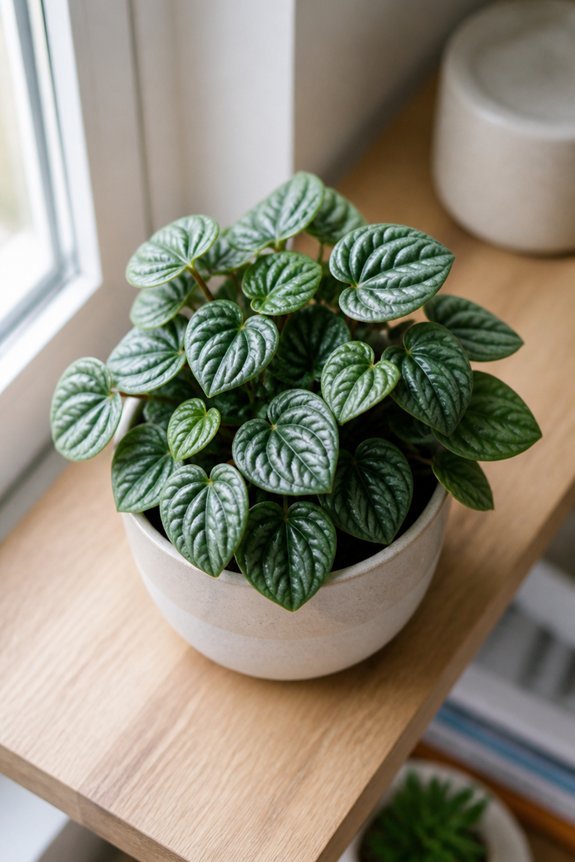
Peperomias crave bright, indirect light to truly flourish. Think of a spot near a window where sunlight streams in but never touches the leaves directly. Direct sun is their enemy. It scorches foliage and leaves ugly brown patches behind.
North-facing windows offer these plants a steady, gentle glow all day long. East or west windows work too. Just hang sheer curtains to soften those intense afternoon beams.
Your peperomia handles lower light better than most houseplants. Growth might slow down, but it stays alive. Medium light without direct sun suits it fine. Watch for warning signs though. Stems stretching awkwardly toward the light mean your plant needs a brighter home.
Rotate the pot every few weeks. This keeps growth balanced and full on all sides. No sunny windows at all? LED grow lights fill in nicely as backup.
Temperature and Humidity Ranges for Peperomias
Peperomias like steady temperatures. The sweet spot sits between 65 and 75 degrees Fahrenheit. They’ll manage anywhere from 60 to 80 without complaint.
Drop below 50 degrees and you’ll see problems. Leaves fall off. Growth slows down. Keep them away from heating vents, air conditioners, and drafty spots. Sudden shifts stress these plants out.
Humidity matters too. Aim for 40 to 60 percent in the room. Closer to 50 or 60 percent gives you the best results. Leaf edges stay green and healthy at that level.
Dry air below 40 percent invites spider mites. Leaves get crispy and sad. You can fix this easily. Group your plants together. Set out pebble trays with water. Or run a small humidifier nearby.
Spotting Stress: Yellow Leaves, Root Rot, and Wilting
Your peperomia speaks through its leaves when something’s off. Yellowing usually means you’ve been a bit too generous with water, or maybe it’s craving more nutrients or light. Check your watering habits first.
Root rot sneaks up when soil stays wet too long. The roots suffocate and turn soft and dark. That’s when you see wilting even though the pot feels moist. The damaged roots simply can’t drink anymore.
Quick tests save plants. Stick your finger an inch down to feel actual moisture. Pop the plant out gently to peek at those roots. Healthy ones look firm and pale, not mushy.
Fixing these troubles is straightforward. Ease up on watering and let the soil dry properly. Move the plant to brighter, indirect light. Repot with fresh, chunky mix if roots look questionable. Your peperomia bounces back fast with these tweaks.
Why Peperomias Are Perfect for Beginner Plant Parents
Peperomias forgive you when you forget. They handle missed waterings and inconsistent light without drama. Beginners can relax and learn at their own pace.
These plants stay small and tidy. You can tuck one onto a crowded desk or a narrow windowsill. They grow slowly too, so you won’t spend weekends pruning or repotting.
Popular types like Peperomia obtusifolia and Peperomia argyreia look stunning with minimal effort. Pests rarely bother them, and diseases stay away in the right spot.
Your wallet will thank you as well. Peperomias cost less than many decorative houseplants, so building your collection feels manageable from day one.
Fertilizing, Repotting, and Long-Term Care
Keeping your peperomia happy long-term comes down to three things: feeding, pot size, and seasonal tweaks.
Feed during spring and summer when the plant is actively growing. A diluted liquid fertilizer every two to four weeks works well. Cut back or skip feeding in fall and winter. The plant slows down and won’t need the extra nutrients.
You’ll know it’s time to repot when roots peek through drainage holes or the soil dries out faster than usual. This usually happens every twelve to eighteen months. Choose a pot just one to two inches larger. Peperomias actually like being a bit snug. Always use well-draining potting mix to keep roots healthy.
Stick to a consistent watering and lighting routine year-round. Check the plant regularly for dead leaves or any signs of pests. Small habits like these add up. Your peperomia will stay lush and reliable for years to come.
Frequently Asked Questions
Can Peperomias Be Propagated From Cuttings, and How Long Does It Take?
Yes, peperomias can be propagated from stem cuttings placed in moist soil or water. The process typically takes two to four weeks for roots to develop, after which new plants can be potted into individual containers for continued growth.
Are Peperomias Toxic to Cats, Dogs, or Other Pets?
Peperomias are non-toxic to cats, dogs, and other common household pets. They pose no poisoning risk if ingested. However, pets may experience mild digestive upset from consuming plant material. Pet owners can safely keep peperomias in homes with animals.
What Size Pot Should I Use for a New Peperomia Plant?
A small pot with drainage holes, typically 4-6 inches in diameter, works best for new peperomia plants. These compact growers prefer snug containers that prevent soil from staying excessively moist, reducing root rot risks considerably.
How Often Should I Rotate My Peperomia for Even Growth?
One should rotate peperomia plants every one to two weeks for even growth. This practice guarantees all sides receive adequate light exposure, promoting balanced foliage development and preventing the plant from leaning toward its light source.
Can Peperomias Grow Outdoors, or Are They Strictly Indoor Plants?
Ironically, these delicate-looking houseplants can thrive outdoors in warm climates. Peperomias aren’t strictly indoor plants; they flourish in USDA zones 10-12 with filtered sunlight, high humidity, and protection from harsh conditions.
Conclusion
Peperomias prove that “easy come, easy go” applies to plant care. These compact plants require well-draining soil, weekly watering, and bright indirect light, making them manageable for beginners and experienced growers alike. With minimal fertilization needs, moderate temperatures, and basic attention to signs like yellowing leaves or wilting, peperomias thrive without demanding effort. Their adaptability and low-maintenance nature establish them as reliable choices for any household.