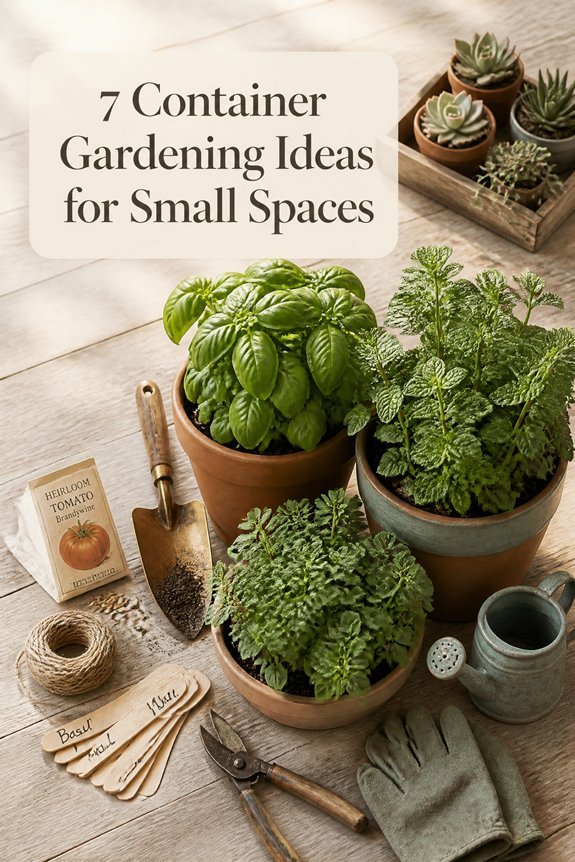
Limited square footage no longer means sacrificing a thriving garden. Container gardening transforms balconies, patios, and windowsills into productive green spaces through smart spatial solutions. Vertical trellises, stacked planters, and suspended baskets work together to capture available sunlight while preserving precious floor area.
Selecting the right vessels makes all the difference between struggling seedlings and abundant harvests. Drainage holes prevent root rot, while breathable materials like terracotta or fabric pots promote healthy soil aeration. Matching container size to mature plant dimensions avoids the common pitfall of overcrowded roots that stunt growth and reduce yields.
Water management requires particular attention in confined growing environments. Self-watering reservoirs, drip irrigation lines, or simple saucer systems maintain consistent moisture without daily hand-watering. Pairing thirsty vegetables with drought-tolerant herbs in the same container creates balanced plant communities that share resources efficiently.
Thoughtful crop rotation and succession planting extend productivity across seasons. Spring leafy greens give way to summer tomatoes, followed by fall root vegetables and winter hardy herbs.
This rhythmic approach ensures something fresh and edible remains within reach, even when outdoor garden beds lie dormant under frost.
Vertical Gardens: Growing Up Instead of Out
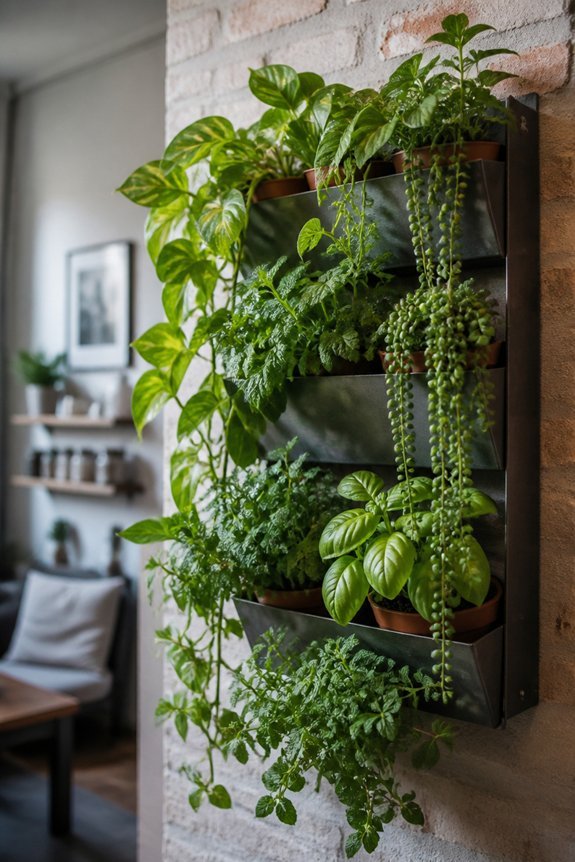
Vertical gardens flip traditional growing on its head. Instead of sprawling across your yard, plants climb upward. Walls become real estate. Trellises turn into vegetable towers.
This approach shines in tight spots. Patios, balconies, and postage-stamp yards suddenly have room to bloom. Horizontal limits disappear when you start thinking vertical.
Wall-mounted planters and hanging baskets put unused surfaces to work. Tiered shelving squeezes even more from your setup. Tomatoes and cucumbers love a good trellis. Beans wrap themselves happily around any support you offer. Herbs tuck neatly into pocket planters, turning bare walls into living spice racks.
Tower gardens stack multiple plants in one compact zone. They drain well and keep everything centralized, which means less wandering with a watering can.
One heads-up: elevated soil dries out faster. Check moisture levels regularly, especially on warm days. A quick daily touch-test keeps your vertical garden thriving.
Also read: 8 Winter Container Gardening Ideas That Stay Beautiful
Tiered Planters: Stacking for More Yield
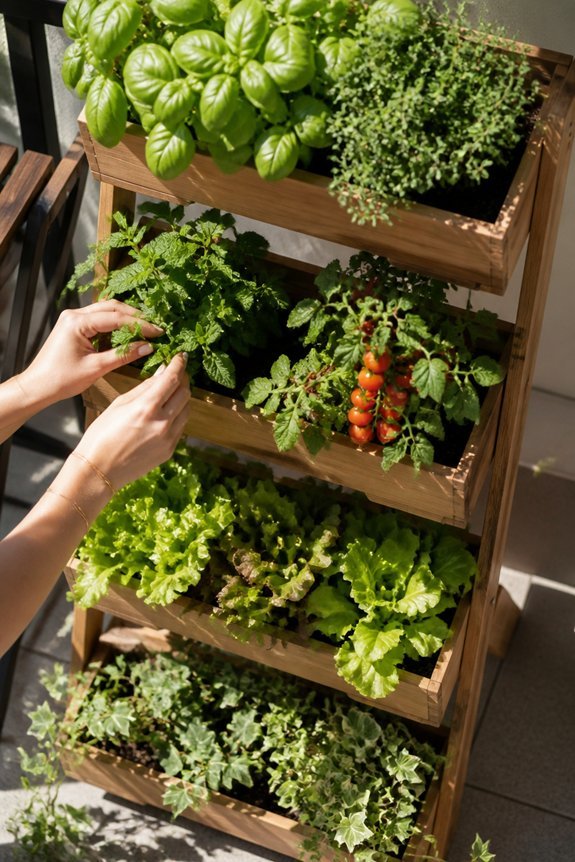
You can multiply your growing space without spreading out. Stack your planters instead. Different heights let sunlight hit every level.
Basil, oregano, and thyme love these setups. Lettuce and spinach do too. Their shallow roots fit perfectly.
Patios, balconies, and narrow strips all work great. Try terra cotta towers, wooden crate pyramids, or store-bought systems.
Drainage keeps your plants alive. Every tier needs holes. Otherwise water pools and roots rot.
Build from the bottom up with weight in mind. Pack heavier soil below. Go lighter on top. This keeps everything stable and safe.
Small urban spaces can still feed you well. A tiny footprint yields plenty of fresh greens and herbs.
Hanging Baskets and Wall Planters: Using Vertical Space
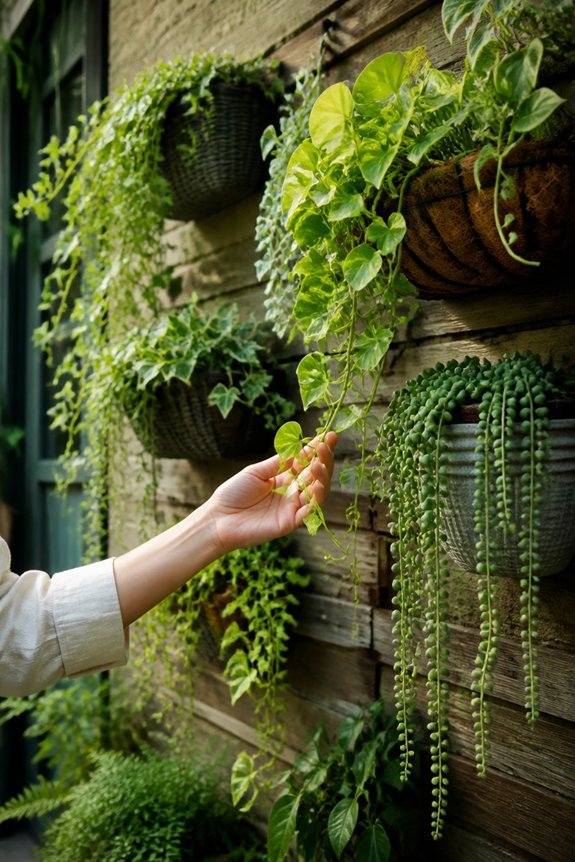
Walls and overhead areas are your best friends when ground space runs out. Hanging baskets work beautifully for trailing plants like pothos, ivy, and petunias that love to spill over the edges. Wall planters, from simple pockets to tiered units, handle herbs, succulents, and even compact veggies like lettuce.
These setups grab more sunlight and let air move freely around your plants. Just remember that hanging baskets dry out faster than pots on the ground. South-facing wall planters get the sweetest light. Sturdy hooks and brackets keep everything safe and secure. Suddenly that bare wall becomes prime real estate for your garden.
Selecting the Right Container: Size, Material, and Drainage
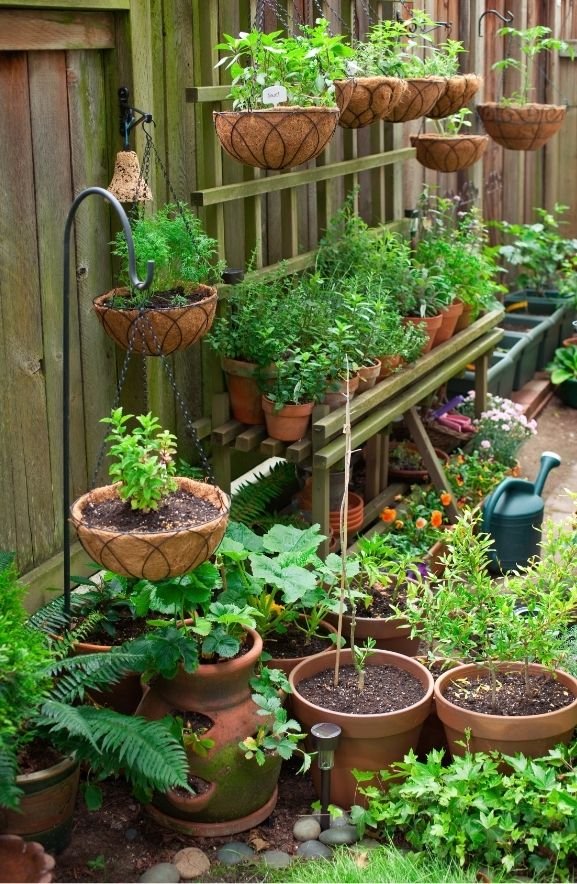
You have your spot picked out. Now comes the fun part. Choosing containers that actually work for your plants.
Size makes a huge difference. Small pots dry out fast. You’ll be watering constantly. Oversized containers hold too much moisture. That spells trouble for roots. Stick with 6-12 inches deep for most vegetables and flowers. This range gives roots room without drowning them.
Materials each bring something different. Terracotta breathes beautifully. It also cracks if you look at it wrong. Plastic stays light on your wallet and your back. Ceramic lasts forever and looks gorgeous. Wood keeps roots cozy but needs sealing to prevent rot.
Now for the dealbreaker. Drainage. No holes at the bottom means dead plants. Water sits. Roots suffocate. Fungi move in. Always check for drainage holes before buying. Add a saucer underneath to catch drips. Your floors will thank you. Your plants will too.
Best Plants for Container Gardening
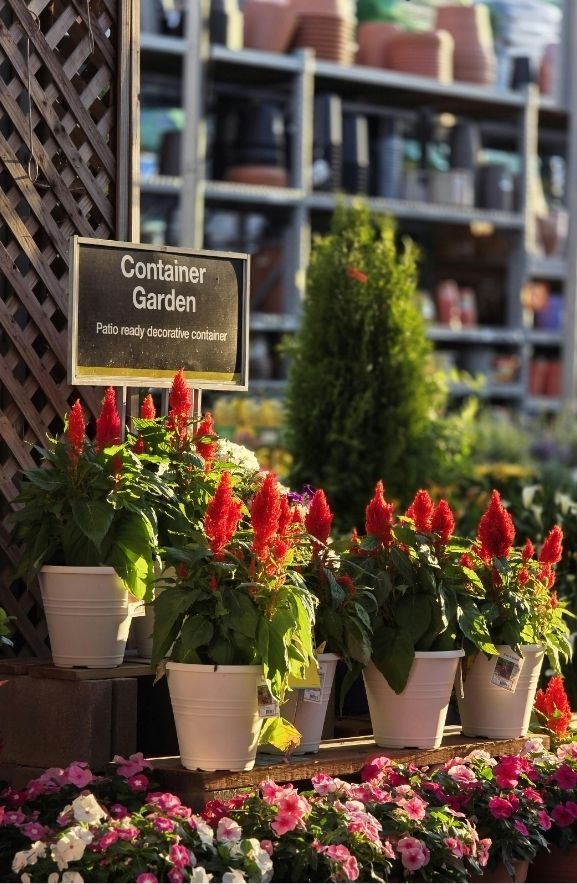
Picking the right plants makes all the difference in container gardening. Some varieties simply take to pots better than others.
Start with shallow-rooted herbs like basil, parsley, and oregano. They don’t need deep soil and grow happily in limited space. Leafy greens follow suit. Lettuce and spinach adapt quickly to container life and give you fast results.
Want vegetables with more substance? Tomatoes, peppers, and eggplants fruit beautifully in pots. Just give them plenty of sun and good drainage. For color, marigolds, petunias, and pansies brighten any small space. Trailing plants like ivy and sweet potato vine spill gracefully from hanging baskets.
Consider compact dwarf varieties when space is tight. They pack the same punch as full-size plants without the bulk. Sedums and other perennials offer lasting structure with minimal fuss. Always check disease resistance on plant labels. Fewer pests mean less headache for you.
Match your choices to your light conditions. Full sun lovers go on sunny balconies. Shade-tolerant picks work for dimmer corners. This simple step saves disappointment later.
Self-Watering Systems: How They Work and When to Use Them
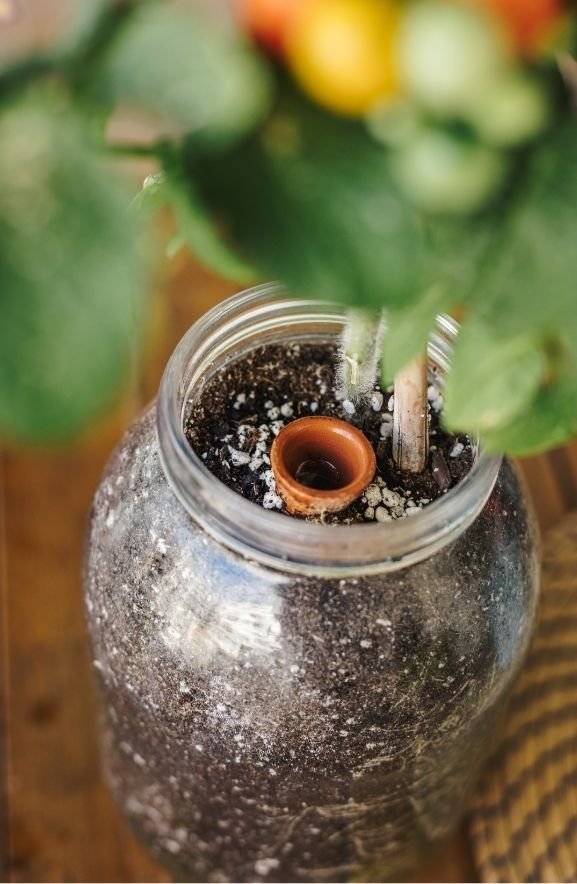
Self-watering systems solve a frustrating problem. Container plants often suffer from uneven moisture. Too dry one day, too wet the next. These setups keep things steady.
A reservoir sits below your soil. Water travels upward through wicking material or capillary action. Some systems use a soil probe. Others rely on a simple float valve. Both release water only when plants actually need it.
You will find several styles available. Drip irrigation kits connect to timers for hands-off operation. Wicking systems use humble cotton rope to draw water upward. Double-pot designs hide a water chamber between two containers.
These containers shine for specific situations. Frequent travelers can leave for days without worry. Busy schedules no longer mean neglected plants. Tomatoes and peppers especially love the steady moisture.
Expect to invest time upfront. Initial setup takes some effort. You will also need periodic cleaning to stop mineral buildup.
Skip these systems for certain plants. Succulents and drought-tolerant varieties hate constant dampness. Stick with traditional watering for those.
Year-Round Container Gardening: Seasonal Planting Cycles
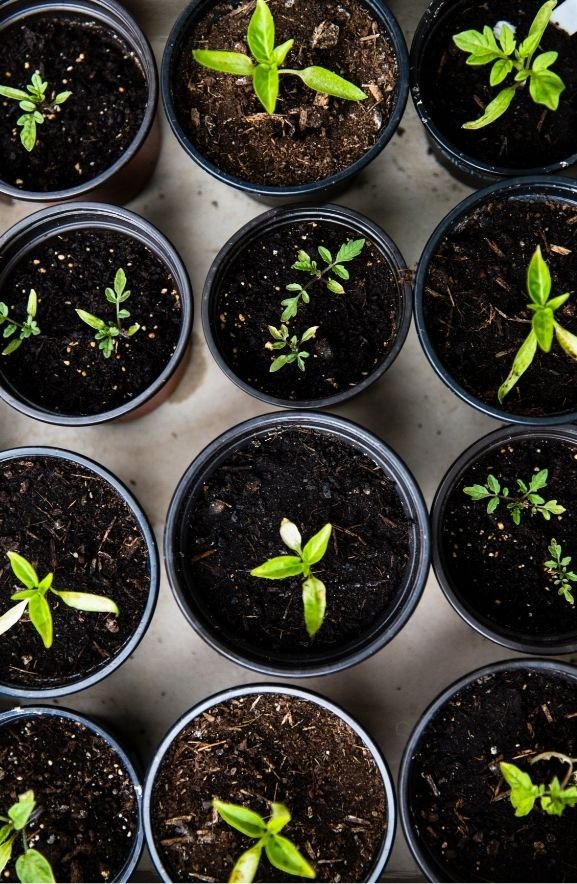
Your container garden stays busy all year long. Spring brings perfect weather for cool-season vegetables. Lettuce, spinach, and peas all love temperatures between 50 and 70 degrees.
Summer shifts the focus to heat lovers. Tomatoes, peppers, basil, and beans soak up the full sun and thrive. Fall circles back to cool-season crops again. You get another round of lettuce and greens as temperatures drop.
Winter gets tricky in cold regions. Protected containers near south-facing walls can still grow hardy herbs, kale, and winter-blooming pansies.
Seasonal rotation keeps your soil healthy and cuts down on pests. Swap out depleted soil once a year. Add fresh nutrients before each new planting cycle.
Check your local frost dates to time everything right. Smart planning and placement let you harvest continuously, even from small spaces.
Frequently Asked Questions
How Much Does It Cost to Start a Container Garden for Beginners?
Beginning a container garden costs between fifty and two hundred dollars, depending on container quality, soil type, and plant selection. Beginners can start affordably using recycled containers and basic potting soil.
Can I Reuse Soil From Previous Seasons in My Containers?
One must wonder: can yesterday’s exhausted earth nurture tomorrow’s growth? Gardeners may reuse soil, though revitalizing it with compost and nutrients proves wise. Sterilization prevents disease carryover, ensuring healthier subsequent seasons of container cultivation.
What Pests Commonly Affect Container Gardens and How Do I Prevent Them?
Common container garden pests include aphids, spider mites, whiteflies, and mealybugs. Prevention involves inspecting plants regularly, maintaining proper spacing for air circulation, removing affected leaves promptly, and using neem oil or insecticidal soap when necessary.
How Often Should I Fertilize Plants Growing in Containers?
Container plants require fertilizing every two to four weeks during the growing season. Gardeners should use half-strength liquid fertilizer or follow package instructions, adjusting frequency based on plant type and soil drainage rates.
Can I Grow Vegetables and Flowers Together in the Same Container?
Yes, vegetables and flowers thrive together in shared containers. Tomatoes coincide beautifully with marigolds, while lettuce pairs well with pansies. This companion planting maximizes space, attracts pollinators, and creates visually appealing arrangements while optimizing growth potential.
Conclusion
Container gardening transforms small spaces through vertical growth, tiered stacking, and hanging displays. Selecting appropriate containers with proper drainage, choosing suitable plants, and installing self-watering systems creates productive gardens. Implementing seasonal planting cycles extends harvests year-round. These methods—growing upward, stacking outward, and utilizing walls—allow gardeners to maximize limited areas effectively. Small-space gardening becomes both feasible and sustainable through strategic planning, appropriate materials, and consistent maintenance practices.