
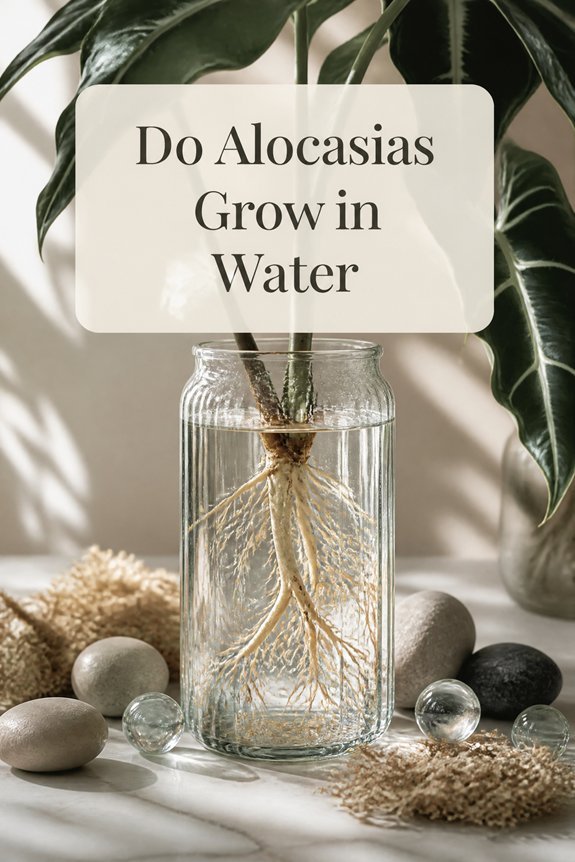
Many plant enthusiasts are surprised to learn that alocasias can actually thrive in water-based environments. This tropical favorite adapts well to hydroponic setups when given the right conditions. The transition from soil to water requires patience and attention to detail.
Temperature consistency plays a huge role in keeping these plants happy. Roots submerged in water are sensitive to sudden shifts, so maintaining a stable environment prevents stress. Bright, indirect light helps support healthy growth without overwhelming the delicate root system.
Not every variety responds equally to aquatic cultivation. Some alocasia types develop stronger water roots and show more vigorous growth than others. Researching specific cultivars before making the switch saves both time and disappointment.
Root rot remains the most common obstacle for water-grown specimens. Using clean containers, changing water regularly, and ensuring adequate oxygen circulation keeps problems at bay.
With the right approach, these stunning plants can flourish without any soil at all.
Can Alocasias Grow in Water?
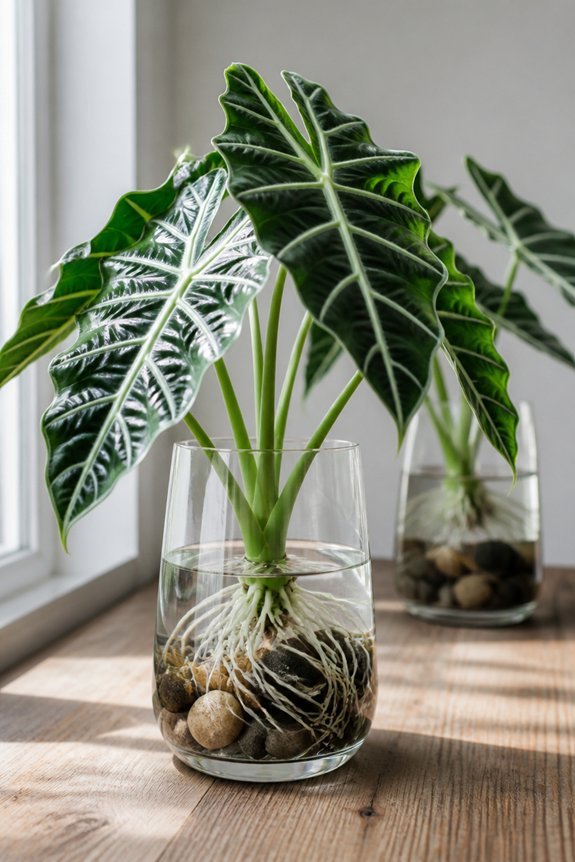
Yes, alocasias can grow in water. You just need to give them the right setup.
These tropical plants adapt well to hydroponic systems. Your job is to keep the roots submerged in nutrient-rich water and maintain the right conditions.
Oxygen matters a lot here. Without enough of it, roots rot fast. You will also need to balance nutrients carefully for healthy growth.
Change the water regularly to keep oxygen levels up. Air stones or small pumps work great for circulation. Use a balanced fertilizer with nitrogen, phosphorus, and potassium.
Light needs stay the same as soil-grown plants. Give them bright, indirect light for six to eight hours daily. Keep temperatures between 65 and 75 degrees Fahrenheit.
Be patient with water-grown alocasias. They usually grow slower than those in soil. Stick with consistent care and they will reward you.
Also read: Why Is My Spider Plant Not Producing Babies
Water vs. Soil: Which Works Better for Your Alocasia?
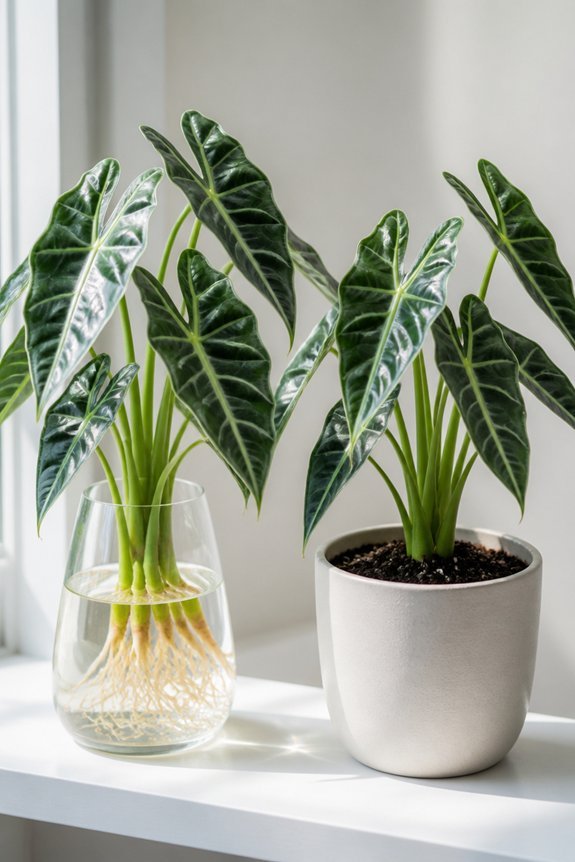
Soil wins for practicality most of the time. It holds nutrients better and helps roots grow strong. You won’t need to check it as often as water setups.
Alocasias in water need extra food constantly. Plain water lacks what potting soil naturally provides. Roots also grip soil more firmly, keeping your plant stable.
Water growing shines for propagation. Skip the soil pests entirely. Control nutrients precisely if you stay on top of it.
Beginners should stick with soil. It’s forgiving when you forget a watering. Experienced growers might enjoy water’s clean, pest-free setup.
Your choice depends on time, resources, and comfort level.
Which Alocasia Varieties Work Best in Water?
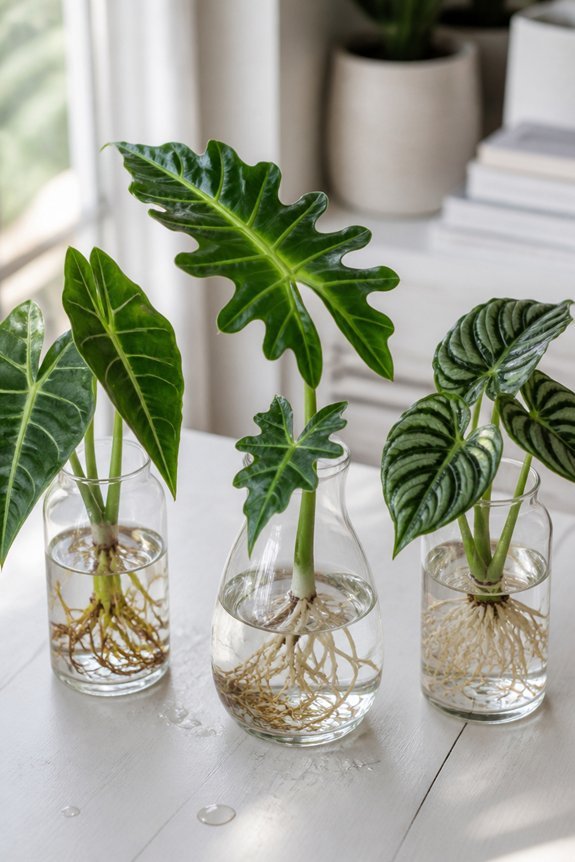
Picking the right cultivar makes all the difference with water culture. Polly settles in without much fuss and develops strong water roots quickly. Amazonica tolerates hydro setups too, though you will need to watch for rot. Micans adapts faster than most and thrives in purely aquatic conditions.
Avoid Zebrina entirely. Its sensitive rhizomes deteriorate fast in standing water, and Maharani similarly prefers soil to wet feet. Always check variety-specific needs first, since success really depends on matching the right plant to your setup.
How Alocasia Roots Adapt to Water Environments
Alocasia roots change quite a bit when you move them from soil to water. They grow thinner and develop tiny root hairs that soak up nutrients more efficiently. These hairs boost surface area so the plant gets what it needs.
Your roots will look less crowded than soil-grown ones. Water carries plenty of oxygen, so the plant does not need as much mass to breathe. The texture also changes. Roots become smoother and glide through water with less resistance.
Energy shifts happen too. The plant stops building tough, fibrous roots and focuses on keeping current roots healthy while pushing out new leaves. Give it two or three weeks. During this time, roots might look see-through or pale. That is normal. Healthy water roots eventually turn white or light tan. That color means they are absorbing nutrients well and getting enough oxygen.
How to Set Up a Hydroponic System for Alocasias
Your roots should look pale and ready by now. That means it is time to set up their permanent home. You will need an opaque container, expanded clay pellets or perlite, nutrient solution, and an air pump.
The opaque container blocks algae while clay pellets support roots without soil. Mix nitrogen, phosphorus, and potassium then run the air pump for oxygen to prevent rot. Keep water between 65 and 75 degrees and check pH regularly to maintain 5.5 to 6.5.
What Your Water-Grown Alocasia Actually Needs
Water cultivation works beautifully for alocasias once you nail the basics. It differs from soil growing in a few key ways.
Water alone won’t feed your plant. You need to add nutrients regularly since plain water lacks minerals. A balanced hydroponic fertilizer every two weeks does the trick. Look for one with nitrogen, potassium, phosphorus, and trace elements.
Your roots need to breathe. Dissolved oxygen keeps them healthy and functioning. Consider an air pump or keep water moving. Stagnant water invites root rot and fungi you definitely don’t want.
Keep things cozy. Aim for water temperatures between 65°F and 75°F. That sweet spot supports steady, healthy growth.
Light stays the same as soil growing. Bright, indirect light for six to eight hours keeps your alocasia happy.
Don’t forget pH. Keep it between 6.0 and 7.0 so nutrients actually reach your plant.
Root Rot and Other Hydroponic Failures to Prevent
Growing alocasias in water brings unique challenges that soil growers never worry about. Root rot creeps in when oxygen runs low. Roots turn soft, dark, and start to smell. Stagnant water, poor aeration, and too much fertilizer give bacteria and fungi the perfect home.
Algae blooms are another headache. They turn your clear reservoir into pea soup. This blocks light and steals nutrients your roots actually need. Meanwhile, minerals from tap water slowly build up and burn delicate root tips. Temperature swings weaken your plant and open the door to disease.
Stay ahead of trouble with fresh water every two weeks. Keep the system bubbling with proper aeration. Use filtered or distilled water when you can. Peek at those roots regularly. Catch slime, dark patches, or bad smells early, and you can fix things before they get ugly.
Frequently Asked Questions
How Often Should I Change the Water for Water-Grown Alocasias?
One should change the water for water-grown alocasias every one to two weeks. Regular water changes prevent bacterial growth and nutrient depletion. More frequent changes may be necessary in warmer climates or smaller containers.
Can I Transition My Soil Alocasia to Water Growing Successfully?
One can gracefully relocate a soil-dwelling Alocasia to an aquatic environment with proper care. Gently cleanse roots, establish hydroponic conditions, and allow gradual acclimation. Success requires patience, as the plant adapts to its newfound liquid habitat.
What Temperature Should Water Be for Optimal Alocasia Growth?
Alocasias thrive in water temperatures between 65-75°F. They prefer warm conditions, as cooler temperatures slow growth and increase disease susceptibility. Maintaining consistent warmth promotes healthy root development and vibrant foliage growth in hydroponic systems.
Do Water-Grown Alocasias Need Fertilizer Differently Than Soil Plants?
Water-grown alocasias require more frequent fertilization than soil plants since water lacks nutrients. They need diluted liquid fertilizer applied weekly or bi-weekly, whereas soil plants typically need monthly feeding due to soil’s natural nutrient content.
How Long Does It Take Alocasias to Adjust to Hydroponic Systems?
Surprisingly, one might think water-loving plants adapt instantly to hydroponic systems, yet alocasias typically require 2-4 weeks acclimating. During this adjustment period, they experience leaf drop and slower growth before successfully establishing roots in their aquatic environment.
Conclusion
Alocasias can grow in water through hydroponic systems, requiring nutrient-rich solutions, adequate oxygen, and bright indirect light. A gardener who switched their struggling Alocasia from compacted soil to a hydroponic setup observed new growth within weeks, though initial setup demands attention to detail. Water cultivation works best for experienced growers, while beginners typically achieve faster results with traditional soil methods, which require less monitoring and maintenance overall.