
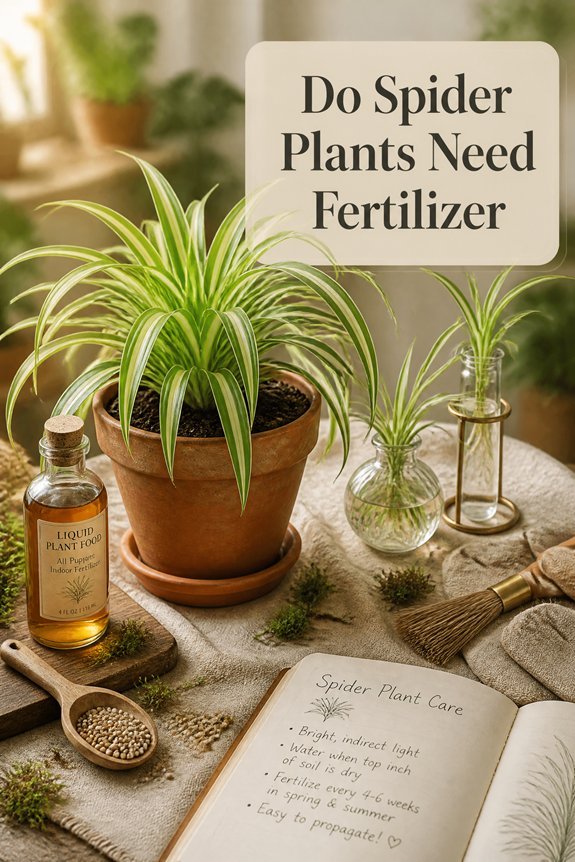
Spider plants are remarkably forgiving houseplants, often managing just fine without extra feeding when potted in nutrient-rich soil.
Still, surviving and thriving are two very different things. A monthly dose of balanced, water-soluble fertilizer during the active growing seasons of spring and summer can transform lackluster growth into something truly lush.
Skimping on nutrition tends to show. Leaves may turn pale or yellow, and new growth slows to a crawl.
These subtle warnings suggest the plant is drawing on depleted reserves rather than flourishing. Paying attention to such cues helps gardeners respond before decline sets in.
Timing matters almost as much as the nutrients themselves. Over-fertilizing in fall and winter, when growth naturally slows, does more harm than good.
The key lies in matching feeding to the plant’s rhythm, ensuring every application supports genuine vitality rather than forced, fragile growth.
Do Spider Plants Actually Need Fertilizer?
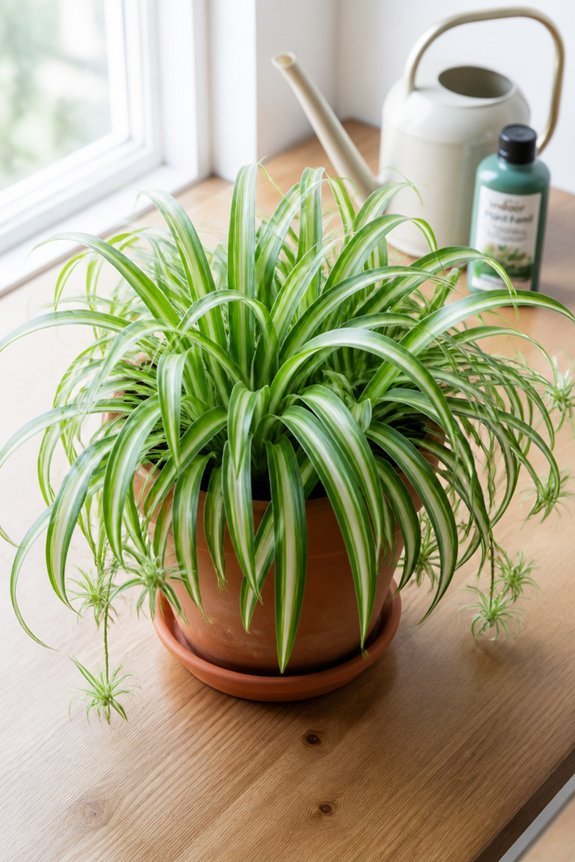
Do spider plants actually need fertilizer? The short answer is no. They can survive without it, especially if your potting soil still has plenty of nutrients.
But here’s the catch. Your spider plant will look much happier with regular feeding. You’ll see stronger growth, greener leaves, and way more of those cute baby spiderettes.
Feed them during spring and summer when they’re actively growing. A balanced, water-soluble fertilizer works great. Just dilute it to half strength and apply monthly. This keeps your plant thriving without risking salt buildup in the soil.
Watch for warning signs in depleted soil. Pale leaves and sluggish growth mean your plant is hungry. Fertilizer isn’t mandatory for survival, but it makes a real difference in how your spider plant looks and performs.
Also read: Can Philodendron Grow in Water?
What Happens When Spider Plants Don’t Get Fed?
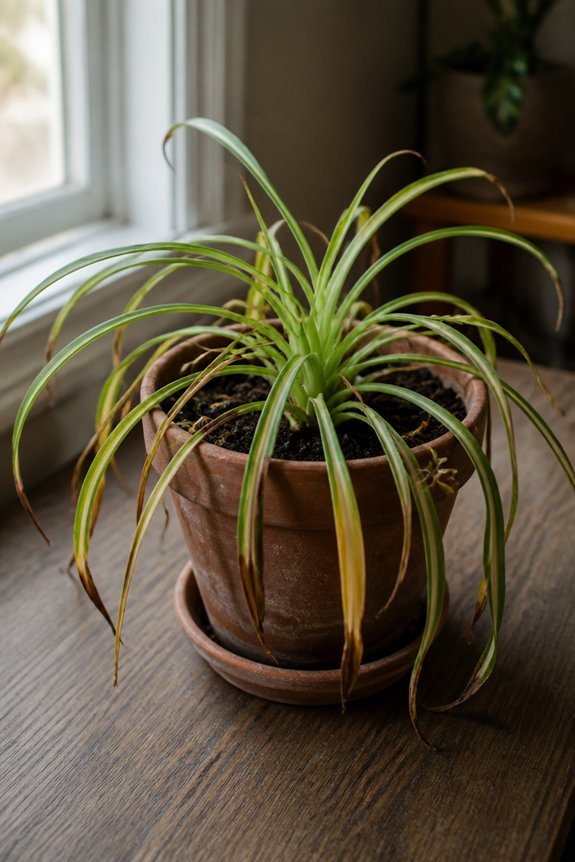
Spider plants are tough little survivors. They’ll hang on without fertilizer much longer than most houseplants. But eventually, they’ll start showing you they’re hungry.
Growth slows down first. New leaves come in smaller and fewer. The once-vibrant green fades to pale or yellowish tones. That’s usually your first sign of nitrogen running low.
Then come the crispy brown tips. The plant can’t move nutrients around like it needs to. You’ll also notice fewer runners and babies. Reproduction takes energy, and your plant is running on empty.
Without regular feeding, spider plants lose their natural resilience. Pests find them easier targets. Diseases take hold faster. They’ll live, sure. But they won’t thrive.
How to Spot When Your Spider Plant Needs Food
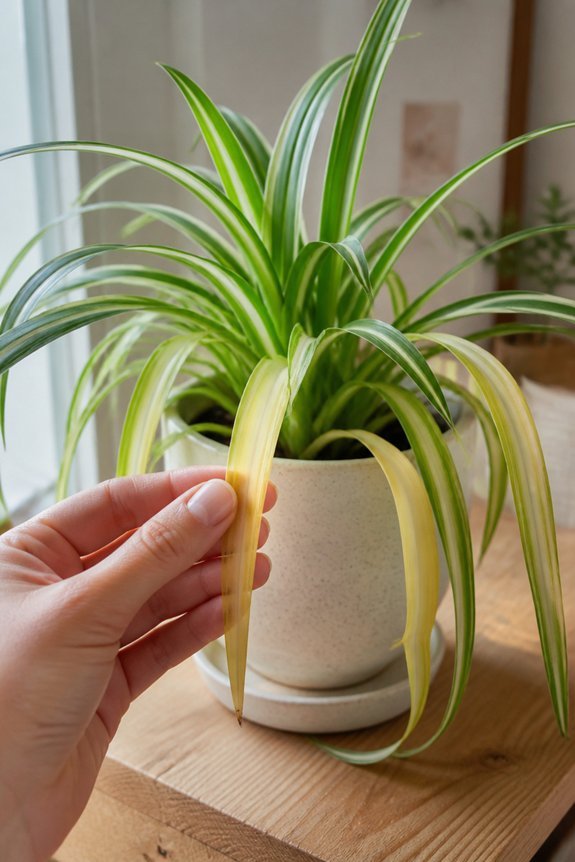
Your spider plant will tell you when it’s hungry. You just need to know what to look for.
Start with the leaves. Older outer leaves turning yellow often mean nutrients are running low. Growth slowing down or stopping entirely is another clear signal. New leaves might look pale or washed out, even beyond their natural color variations.
Check the stems too. Weak, floppy stems that can’t hold the plant upright need your attention. This is especially true during spring and summer when your plant is working hard to grow. Winter calls for less feeding since growth naturally slows.
Container plants have it tougher than garden plants. They can’t reach for fresh nutrients, so they deplete their soil faster. Young plants and busy parents covered in plantlets need extra fuel to keep producing. Watch for these signs, and you’ll know exactly when to fertilize.
Best Fertilizers for Spider Plants
Notice your spider plant looking a little off? Time to pick a fertilizer. Balanced formulas work best. Look for equal NPK ratios like 10-10-10.
Liquid options dissolve fast. They spread nutrients evenly through the soil. Miracle-Gro and Espoma Organic are solid choices. Prefer less fuss? Go with slow-release granules. These feed your plant for months.
Organic fans have great picks too. Fish emulsion and seaweed extract feed gently. They also help your soil structure over time.
Feed every two to four weeks during spring and summer. Always dilute your fertilizer. Too strong and you’ll harm the roots with salt buildup. Stick to houseplant-specific products. Container plants need gentler concentrations than garden plants.
When and How to Fertilize Spider Plants
Getting the timing right makes all the difference for healthy spider plants. Feed them monthly from spring through summer when they’re actively growing. Always dilute liquid fertilizer to half strength. This protects the roots from burning.
Water your plant first before adding any fertilizer. Dry roots absorb chemicals too quickly and get damaged. During winter, hold off completely. Your plant naturally slows down and doesn’t need the extra nutrients.
Young spider plants need more frequent feeding than mature ones. Watch for yellow or brown leaves. These are warning signs of too much fertilizer. Cut back if you spot them.
Spider plants are forgiving. They handle light feeding better than heavy doses. Look for a balanced fertilizer with equal parts nitrogen, phosphorus, and potassium. Simple and steady wins with these popular houseplants.
Do Young Spider Plants Need Different Fertilizer?
Young spider plants have bigger appetites than their mature counterparts. They need more frequent feeding to fuel all that rapid growth.
Feed seedlings and new plantlets every two to three weeks during spring and summer. Older plants can get by with monthly meals.
A balanced water-soluble fertilizer with equal parts nitrogen, phosphorus, and potassium works well. Always dilute it to half strength. Delicate roots and tender leaves burn easily with full-strength solutions.
Proper nutrition helps young plants build robust root systems. You’ll also see more offshoots developing.
After about a year, your spider plant reaches maturity. Its fertilizer needs drop significantly at that point.
Adjust your feeding schedule as your plant ages. This simple habit keeps spider plants thriving for years.
Common Spider Plant Fertilizer Mistakes
Over-fertilizing tops the list of common mistakes. It builds up salt in the soil. That salt damages roots and turns leaf tips brown.
High nitrogen fertilizers cause their own problems. They push out too much foliage. The plant looks lush but actually suffers.
Winter feeding wastes your time and product. Spider plants rest during cold months. They simply cannot process extra nutrients right now.
Some growers skip the dilution step. Concentrated formulas burn roots and scorch leaves. Always check your mixing ratios first.
Annual fertilizer routines miss the mark. Your plant needs different things in spring versus fall. Switching formulas keeps it properly nourished.
Dry soil plus fertilizer equals trouble. Chemicals pool around roots instead of spreading evenly. Water first, then feed. Your spider plant stays healthier with these small adjustments.
Frequently Asked Questions
Can I Use Homemade Compost or Kitchen Scraps to Fertilize Spider Plants?
Homemade compost works well for spider plants when fully decomposed and free of pathogens. Kitchen scraps can be incorporated into compost piles but shouldn’t be applied directly to soil, as they may attract pests or cause nutrient imbalances during decomposition.
Is It Safe to Fertilize Spider Plants During Winter Dormancy?
Fertilizing spider plants during winter dormancy is generally not recommended. The plants’ growth slows considerably in cooler months, reducing their nutrient requirements. Fertilizing during this period can cause salt buildup in soil.
How Does Hard Water Affect Spider Plant Fertilizer Effectiveness?
Hard water contains minerals that accumulate in soil, potentially blocking nutrient absorption and reducing fertilizer effectiveness. This mineral buildup can interfere with spider plants’ ability to process applied nutrients properly.
Can Over-Fertilizing Spider Plants Cause Toxicity to Pets or Children?
Research indicates 30% of pet poisonings involve household plants. Over-fertilizing spider plants can accumulate harmful salt levels, potentially causing mild gastrointestinal upset in pets and children upon ingestion, though toxicity remains relatively low compared to other houseplants.
What Organic Fertilizer Options Are Best for Spider Plants?
Organic fertilizer options for spider plants include compost, worm castings, fish emulsion, and seaweed extract. These natural alternatives provide balanced nutrients while maintaining soil health and are safer for households with children and pets.
Conclusion
Spider plants survive without fertilizer in nutrient-rich soil, yet research confirms regular feeding produces measurably stronger growth and greener foliage. Monthly balanced, water-soluble fertilizer during spring and summer prevents nutrient deficiency symptoms like yellowing leaves and stunted development. Young plants benefit from lighter feeding schedules, while established plants tolerate standard applications. Avoiding over-fertilization remains critical, as excess nutrients damage roots more severely than modest under-feeding.