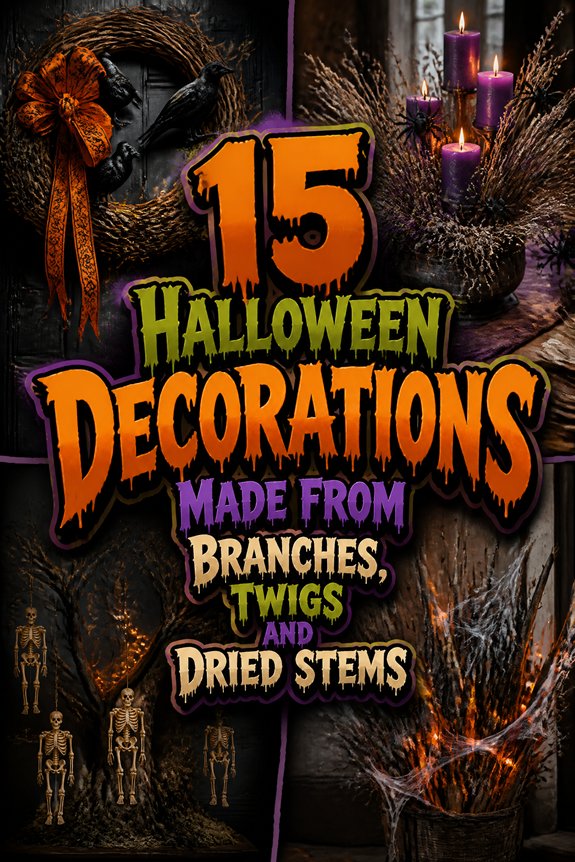
There’s something quietly unsettling about bringing the outside in during autumn. Branches, twigs, and dried stems carry an inherent spookiness that store-bought plastic simply cannot replicate. These natural elements whisper of decay, of forests at dusk, of things half-glimpsed between trees.
Cost matters little when the materials themselves are free for the gathering. A short walk through any local park or backyard yields armfuls of twisted, weathered shapes waiting to become garlands, wreaths, or looming archways.
Basic wire, twine, and a handsaw transform these finds into centerpieces that feel genuinely haunted rather than artificially staged.
Fifteen approaches unfold below, each suited to different spaces and skill levels. Some demand only patience and pruning shears; others reward those willing to build larger frameworks.
Outdoor materials shift naturally with light and shadow, creating displays that evolve from afternoon to evening in ways manufactured décor never could.
Branch Garlands for Doors and Mantels
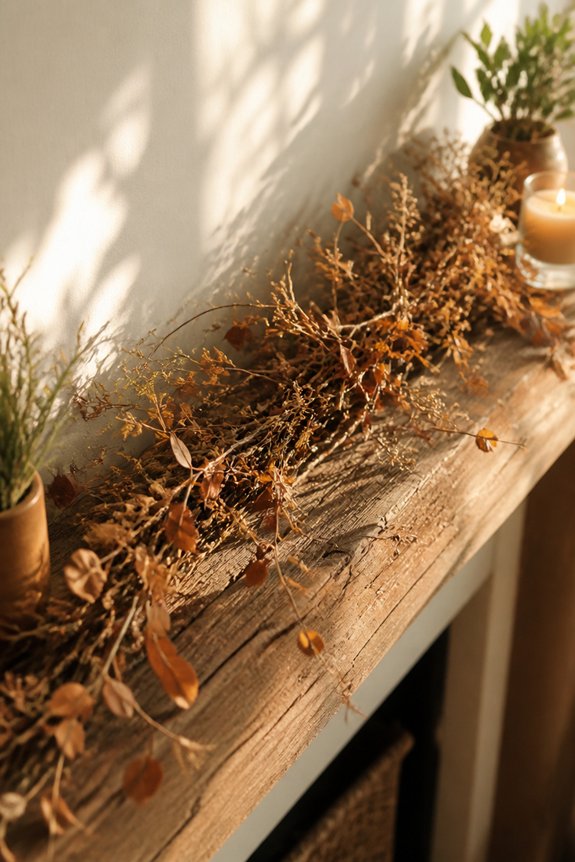
Branch garlands serve as straightforward decorative elements for doorways and mantelpieces during the Halloween season. Twisted branches, painted twigs, and dried stems create linear arrangements that frame entryways and fireplace surrounds.
Creators secure branches with twine or wire, then incorporate dried leaves, small gourds, or black ribbons between stems. This approach requires minimal materials and produces effective seasonal displays suitable for various interior spaces.
Branch Wreaths With Skeletal Appeal
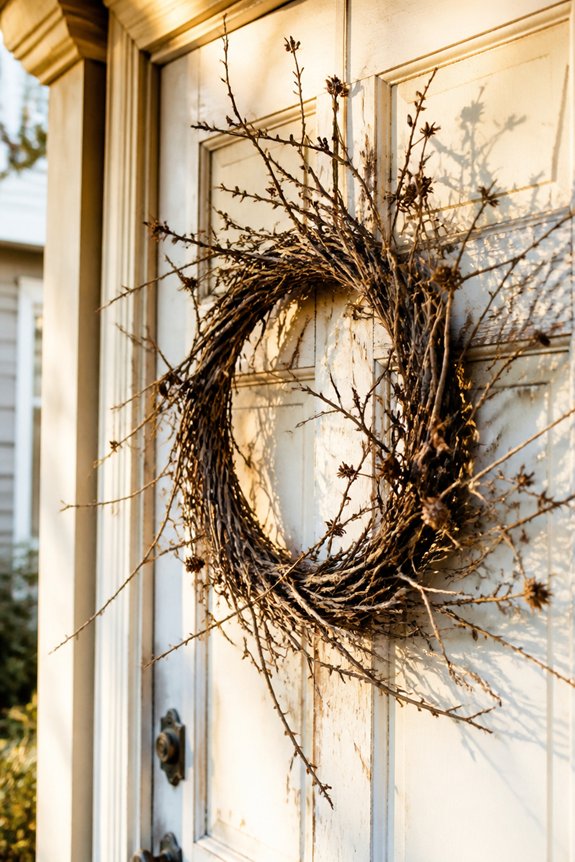
Skeletal wreaths crafted from twisted branches offer a stark, dramatic aesthetic suitable for Halloween displays. Designers arrange gnarled twigs in circular forms, creating bare, bone-like structures.
Materials include curled willow branches, bleached birch pieces, and dark-stained dowels. Adding small plastic skulls, faux ravens, or dried seed pods enhances the effect. These wreaths work effectively on front doors, garage entries, and interior walls throughout October.
Branch Archway for Front Entrances
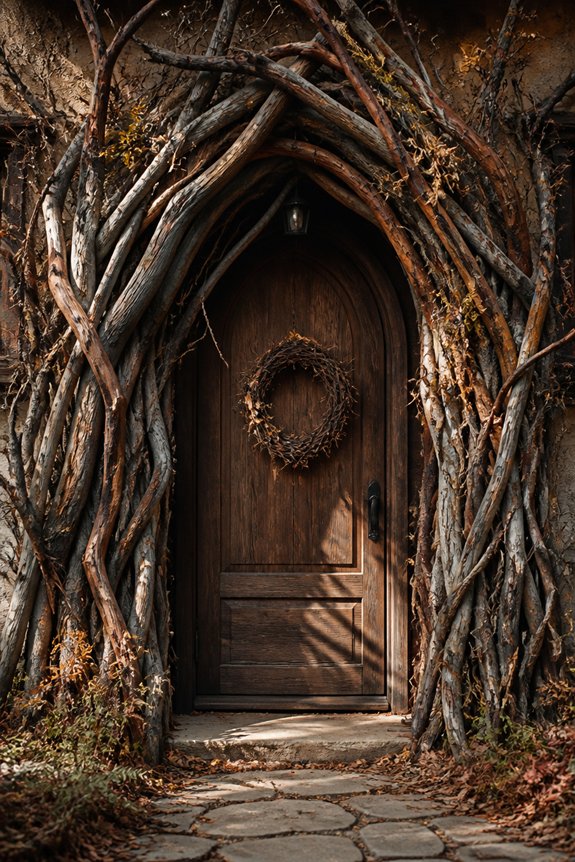
Creating an entrance frame from natural wood pieces provides a bold way to greet Halloween visitors with an organic, imposing structure. Builders can lash branches together using twine or wire, forming an arch shape over doorways. Dried vines, black fabric, and artificial crows enhance the skeletal appearance.
This archway creates a threshold between outside and inside spaces, establishing an immediate Halloween atmosphere for guests approaching the home.
Gnarled Tree Sculptures for Spooky Corners
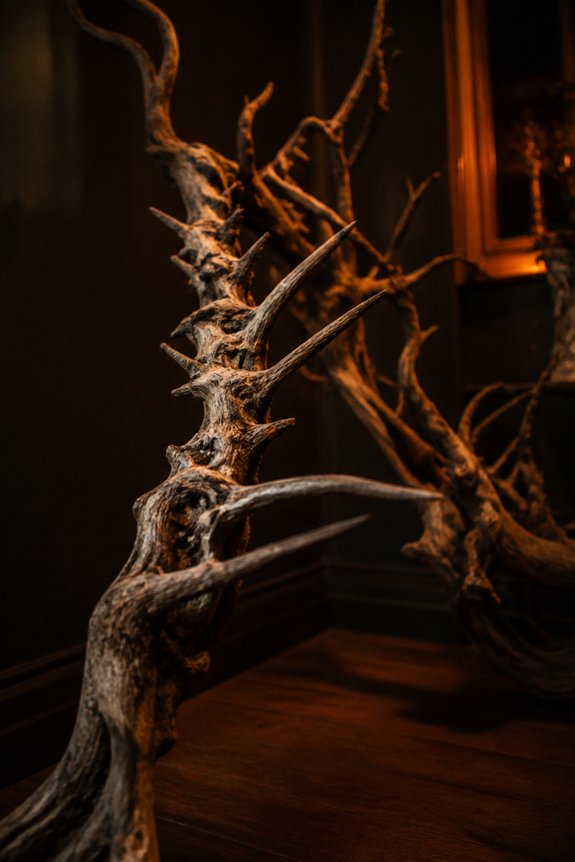
Twisted wood formations offer an effective way to populate yard corners and shadowed areas with unsettling focal points. Gnarled branches, arranged vertically or at irregular angles, create skeletal tree sculptures. Securing materials with wire or stakes prevents toppling.
Dead oak limbs, twisted hickory branches, and weathered driftwood work effectively. Positioning these sculptures near fences, garden beds, or against house foundations enhances their visual impact and spooky appearance.
Dead Tree Branch Centerpieces
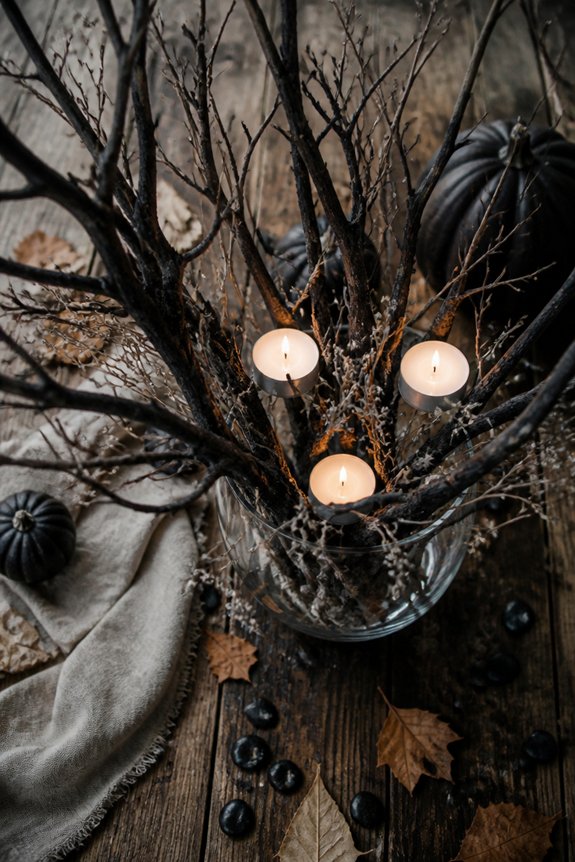
While outdoor yard sculptures establish a foundation for Halloween ambiance, indoor displays require different materials and arrangements. Dead tree branches serve as centerpiece bases for tables and mantels.
Arranging branches in vases with black fabric, artificial spiders, and dried flowers creates seasonal focal points. This approach works well for dining tables, entryways, and shelf displays, requiring minimal assembly and maintenance throughout the season.
Tall Stem Arrangements in Dark Glass
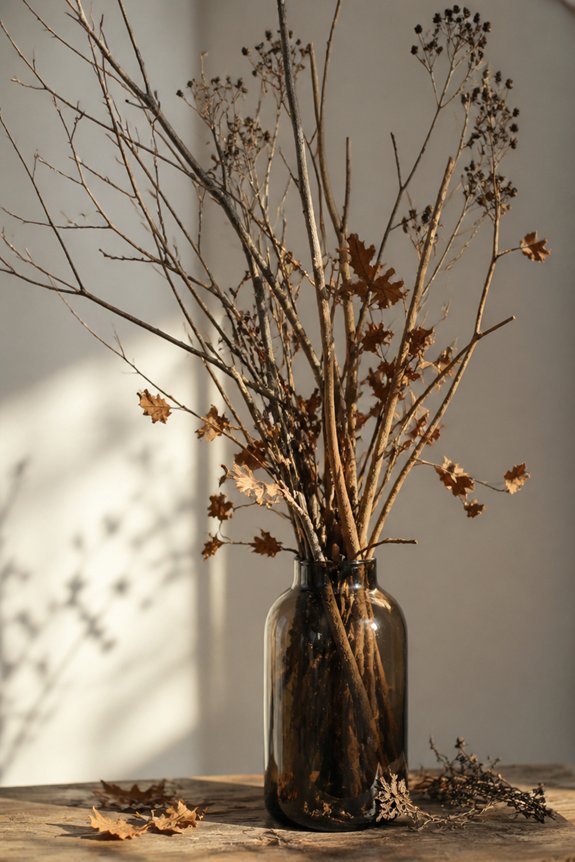
Vertical displays offer an alternative approach to branch-based Halloween décor, using tall glass containers as structural elements. Dark bottles, vases, and cylinders provide suitable vessels for arrangements.
Dried branches, twigs, and skeletal stems stand upright in these containers, creating height and visual interest. Black, amber, and deep purple glass colors enhance the seasonal aesthetic. Grouping multiple arrangements together produces stronger decorative impact than single pieces.
Twig Mobile With Hanging Elements
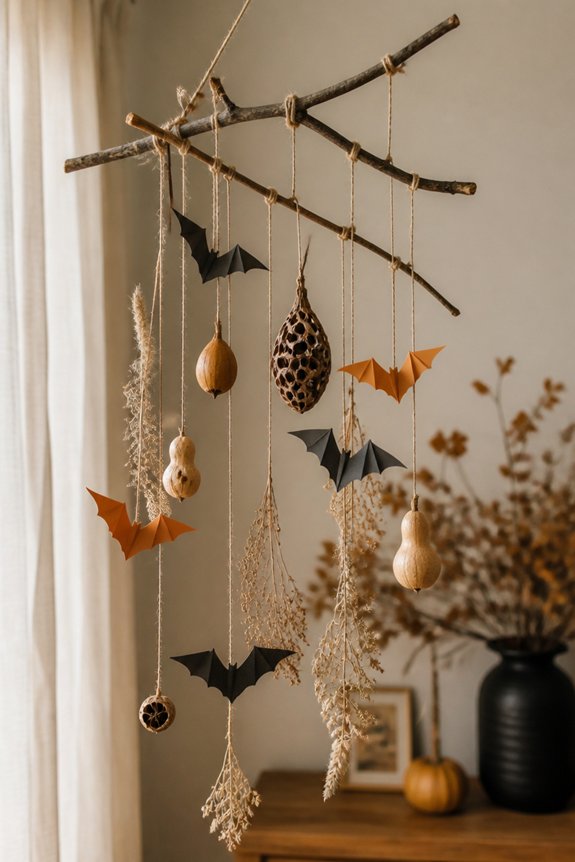
Mobile decorations provide another method for displaying branches and twigs in Halloween settings, moving beyond stationary vertical arrangements. Creators suspend branches from ceiling hooks, then attach hanging elements like plastic spiders, paper bats, or cheesecloth ghosts using fishing line. This approach generates movement and dimension throughout a room.
Lightweight materials work best for mobiles, preventing strain on support structures and ensuring smooth rotation.
Stick-Frame Shadow Box Wall Display
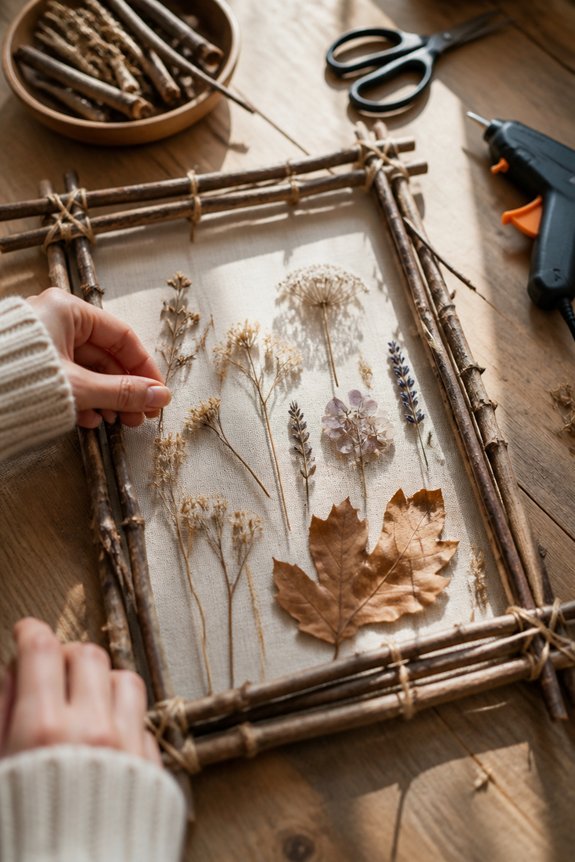
Shadow boxes offer a flat, wall-mounted alternative to hanging mobiles, creating contained Halloween scenes using branches, twigs, and complementary decorative elements. Creators arrange skeletal branches, small plastic bats, and faux spiders within deep frames, layering materials for visual depth.
Black backgrounds enhance contrast, while LED string lights add subtle illumination. This display method suits narrow wall spaces and provides dust protection for assembled decorations.
Branch Ladder Displays for Porch Corners
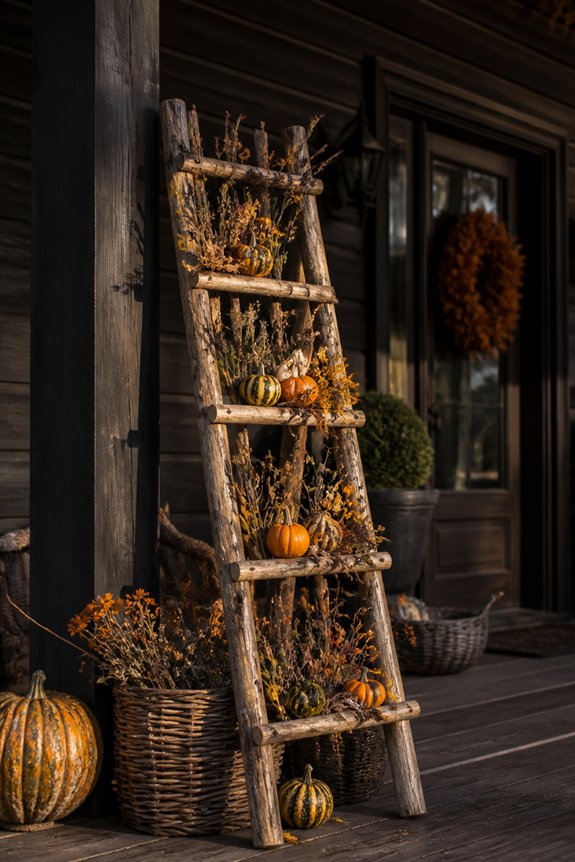
Because corner spaces often remain underutilized during seasonal decorating, branch ladders provide an efficient way to fill these areas with Halloween elements. Leaning branches against porch corners creates vertical structures for hanging small decorations, such as plastic spiders, orange paper leaves, or small burlap sacks.
This arrangement maximizes limited porch space while maintaining accessibility for movement and cleaning throughout the season.
Stick Torchiere: Candlelight Through Natural Wood
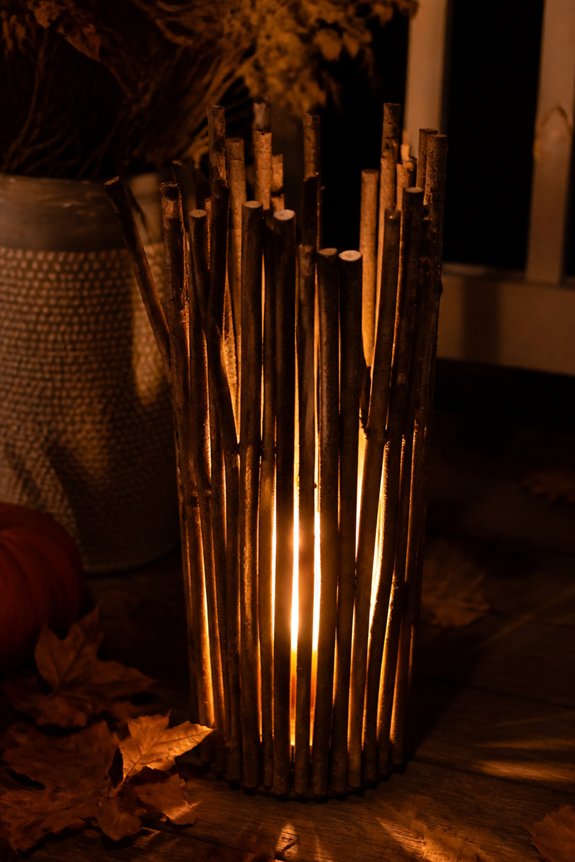
Tall branches bundled together and fitted with candle holders create an effective lighting fixture for Halloween displays. Dried twigs, arranged in a cylinder or cone shape, hold tea lights, votive candles, or flameless LED candles securely.
This torchiere design works well on porches, patios, and entryways. Natural wood tones complement autumn decorations. The fixture provides ambient lighting while maintaining a rustic, seasonal appearance throughout the evening.
Haunted Forest Wall Cluster
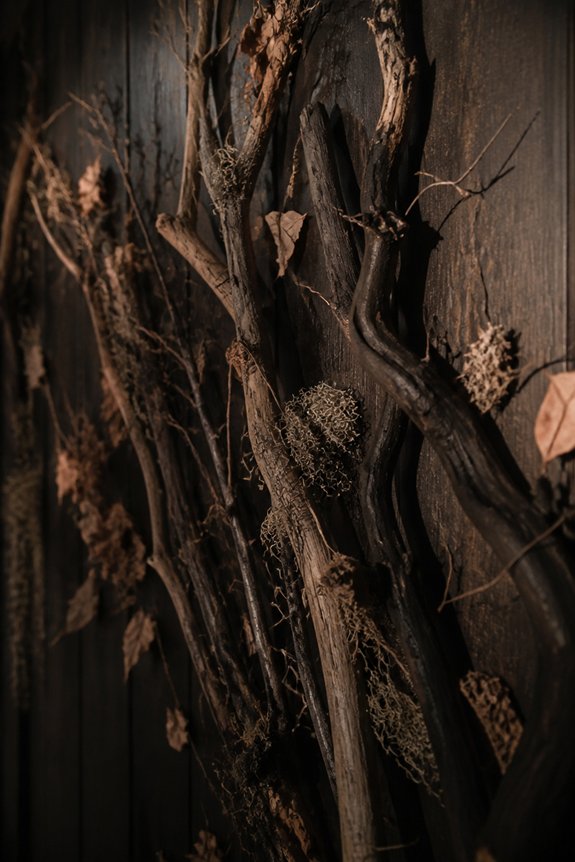
A wall arrangement of branches and twigs creates a forest-like backdrop for Halloween displays. Layered bare branches, gnarled twigs, and dried stems form depth and texture. Arranging materials in varying heights, from floor to ceiling, establishes an immersive haunted forest effect.
Adding sparse artificial crows, spider webs, or dim lighting enhances the spooky atmosphere without overwhelming the natural wood elements.
Twig Spider Web Frames
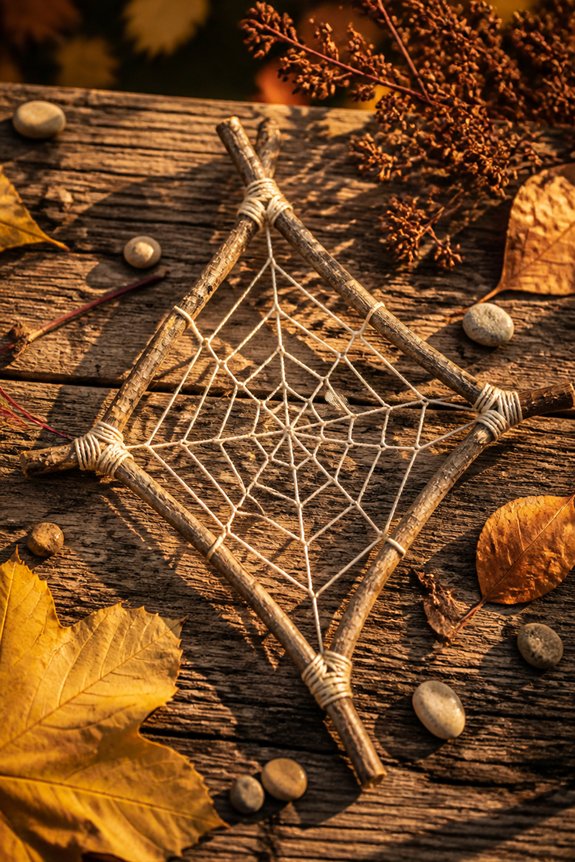
Twig frames serve as excellent bases for decorative spider webs, combining natural wood materials with classic Halloween imagery. Creators arrange branches into geometric shapes, then stretch white string or yarn across the frame to form web patterns.
Common frame designs include squares, triangles, and irregular polygons. These structures work effectively for indoor displays, outdoor installations, or wall mountings. Adding plastic spiders completes the effect.
Woven Branch Fence Sections
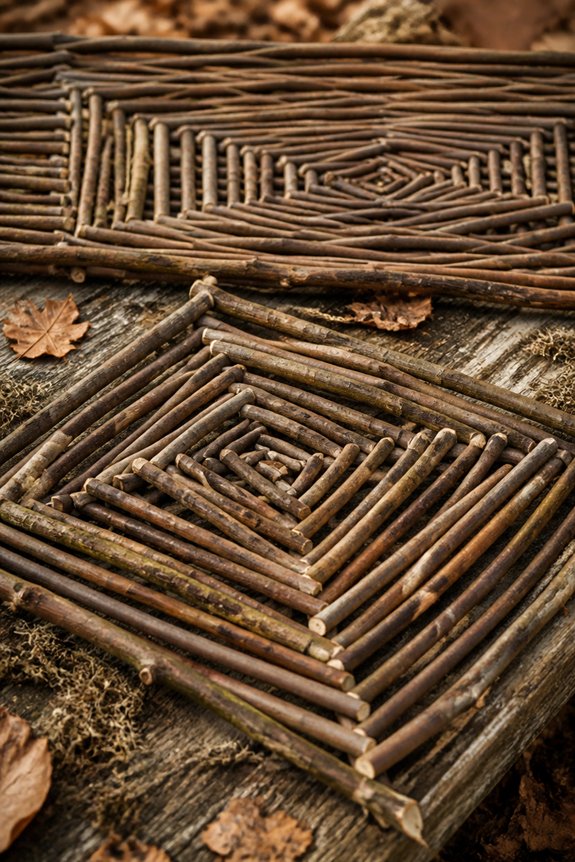
Interwoven branches create sturdy, rustic fence structures that serve as effective Halloween backdrops and property boundaries. Builders layer thin twigs horizontally through vertical saplings, securing them with twine or wire.
The resulting sections display gaps allowing visibility while establishing defined spaces. Weathered wood tones complement autumn decorations. Sections measure approximately three to four feet tall, stack easily for storage, and withstand seasonal weather conditions.
Stick Bundles as Witch Broom Props
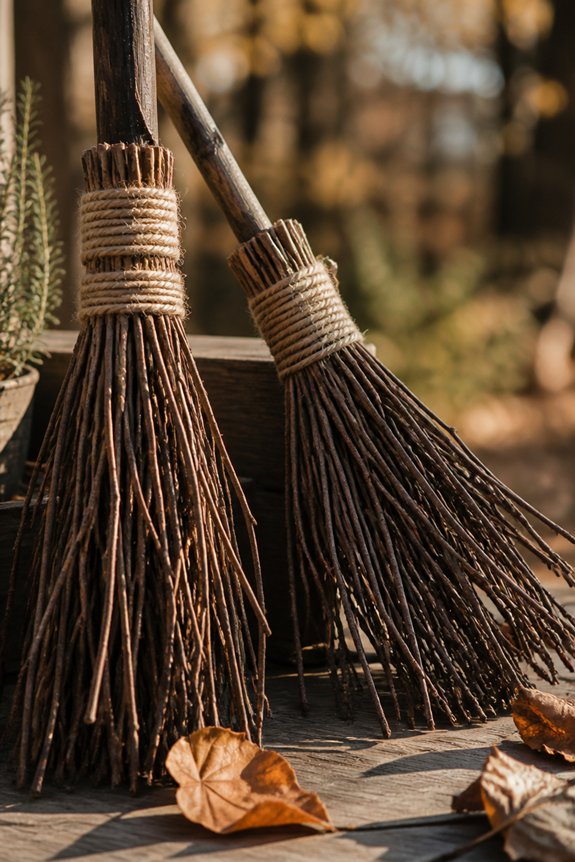
While woven branch sections provide structure and backdrop elements, bundled sticks offer a different decorative purpose, functioning as recognizable witch broom props throughout yards and porches.
Gatherers can bind dried branches, twigs, and stems together using twine or wire, creating authentic-looking brooms. Positioning these bundles upright in planters or laying them across railings produces traditional Halloween imagery suitable for seasonal displays.
Materials and Tools You’ll Need for Every Project
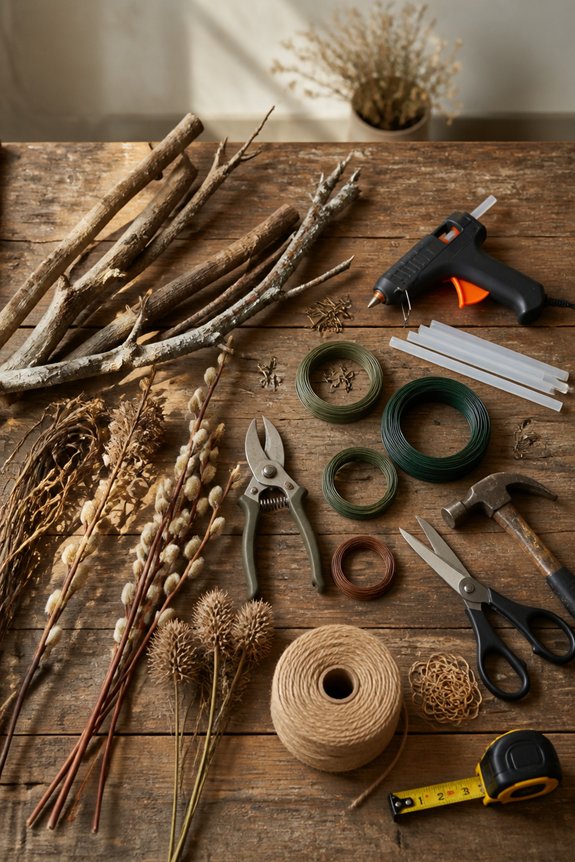
Before assembling any branch-based Halloween decoration, gatherers must collect specific materials and tools. Essential items include branches, twigs, dried stems, pruning shears, hot glue guns, and wire.
Wire serves for binding materials together securely. Hot glue provides permanent adhesion for attaching smaller pieces. Pruning shears allow safe cutting of thick branches. Paint, markers, and fabric offer finishing details for completed projects.
Frequently Asked Questions
How Do I Safely Collect and Prepare Branches and Twigs From Outdoor Sources?
One should wear protective gloves and use sharp pruning shears to cut branches cleanly from living trees. Collected materials require thorough cleaning with water and drying in a well-ventilated area for several weeks before use in decorative projects.
What’s the Best Way to Preserve Branches to Prevent Mold or Pest Infestation?
Branches benefit best from baking, boiling, or bleach treatments to eliminate existing organisms. One should store them in dry, dark, well-ventilated spaces. Silica gel or diatomaceous earth further fights fungal formation and pest problems effectively.
Can I Paint or Stain Branches, and What Products Work Best?
Yes, branches can be painted or stained effectively. Acrylic paint, spray paint, and wood stain work best. Apply products to clean, dry branches using brushes or spray applicators. Multiple thin coats provide better coverage than single heavy applications.
How Should I Store Dried Materials During Off-Season to Maintain Quality?
Dried materials should be stored in cool, dry locations away from direct sunlight and moisture. Cardboard boxes or paper bags work well, as they allow air circulation. One must keep them protected from pests and humidity to preserve their structural integrity for future use.
Are There Safety Concerns When Using Branches Near Open Flames or Candles?
One might ask: what transforms a festive decoration into a fire hazard? Dried branches pose significant risks near open flames due to their extreme flammability. Decorators should maintain substantial distance from candles, keep materials away from heat sources, and consider flame-free lighting alternatives for safety.
Conclusion
Natural branch decorations transform Halloween spaces with minimal effort. These projects, from garlands to archways to centerpieces, require basic materials: branches, twigs, dried stems, wire, and tools like pruners and hot glue guns. The techniques presented offer millions of design possibilities for creating skeletal, eerie atmospheres. Homeowners can implement these ideas selectively, combining several projects to achieve cohesive, spooky outdoor and indoor displays throughout the season.