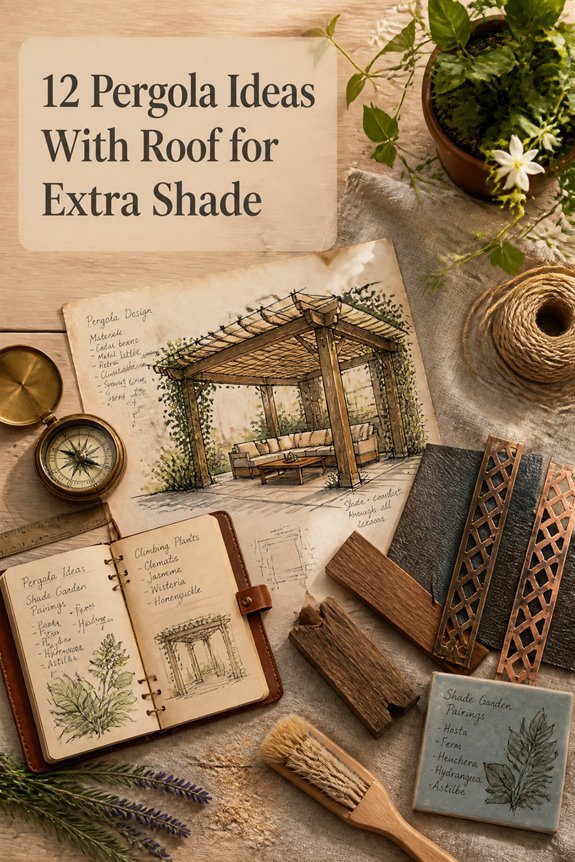
Adding a roof to your pergola transforms how you use outdoor spaces throughout the year. Beyond simply looking beautiful, these covered structures create genuine shelter from harsh sun and unexpected rain. The right roofing choice lets you enjoy your patio or garden regardless of what the weather brings.
Materials and designs span a wide spectrum of possibilities. Polycarbonate panels mounted on sturdy metal frames deliver lasting durability without breaking the budget. For those wanting adaptability, wooden pergolas fitted with retractable fabric covers allow you to welcome sunlight or block it at will.
Louvered roof systems represent the premium end, with adjustable slats that respond instantly to changing conditions. Your ideal solution depends on several practical factors worth weighing carefully. Local climate patterns should guide whether you prioritize water resistance, UV blocking, or ventilation.
Budget naturally shapes whether you tackle installation yourself or invest in professional solar-integrated systems. Taking time to match your specific needs with the right approach pays dividends in years of comfortable outdoor living.
Budget-Friendly Pergolas With DIY Roof Installation
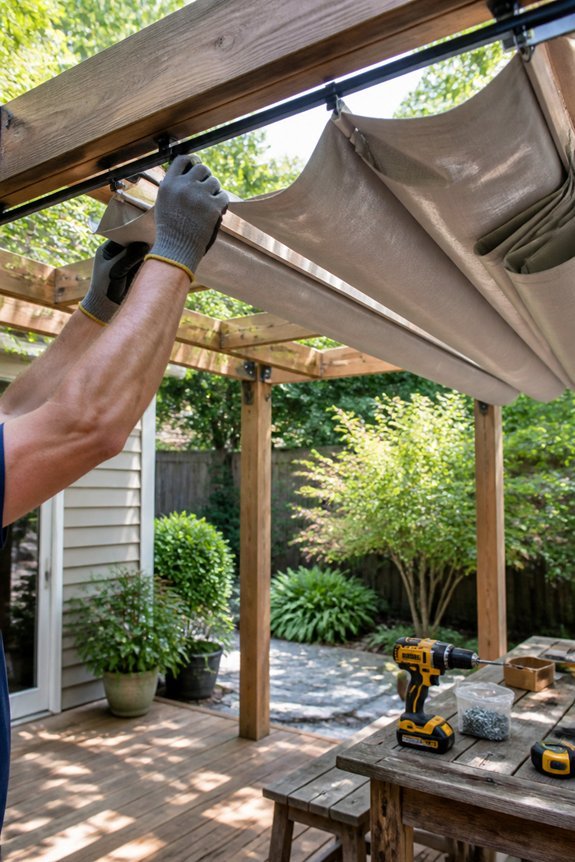
Install the roof yourself and keep more money in your pocket. Contractors charge premiums that DIYers easily avoid. Most homeowners save 40 to 60 percent by tackling this project solo.
Your toolkit likely has most of what you need already. A drill, saw, level, measuring tape, and basic fasteners get the job done. Pick up materials at any hardware store and work at your own pace.
Three solid options exist for roofing. Polycarbonate panels run $15 to $25 per sheet and handle weather beautifully. Shade cloth lands between $20 and $50 and filters sunlight nicely. Wooden slats cost just $10 to $30 per bundle for the budget-minded.
Expect to spend two to four days on installation. Smaller pergolas finish faster. Complex designs take longer. Either way, you don’t need pro-level skills. Average homeowners handle this just fine.
Start simple. Follow your measurements twice. The savings make the effort worthwhile.
Also read: 9 Backyard Pergola Ideas for a Cozy Outdoor Spacea
Modern Metal Frame Pergolas With Polycarbonate Roofs
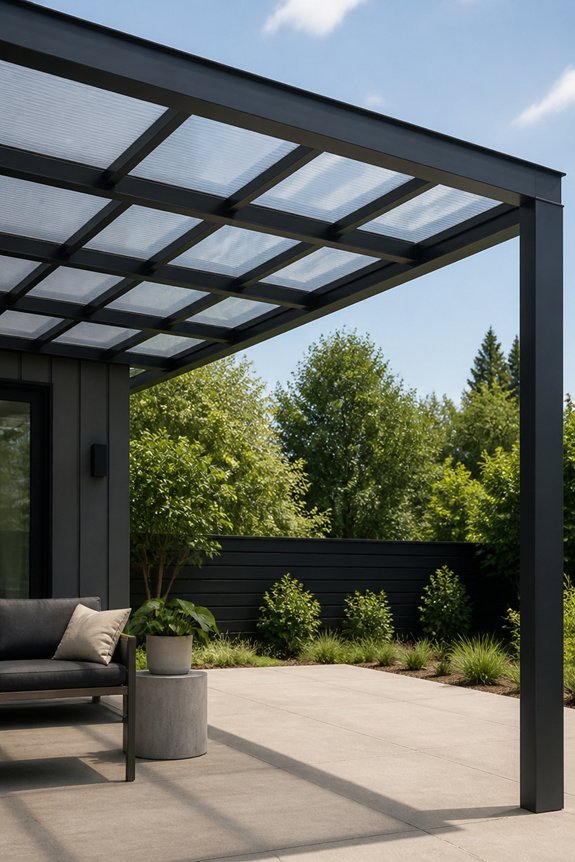
Modern metal frame pergolas bring sleek style to your outdoor space. They last for years and need very little upkeep.
Aluminum and steel frames stand up to rust and heavy weather. Polycarbonate roof panels filter harsh UV rays while still letting soft light through. You get shade without that cave-like feeling. Pick from clear, tinted, or frosted panels to match your look. Each option gives you different levels of brightness and privacy.
Rain and wind? No problem. Polycarbonate handles both far better than fabric covers ever could. Installation starts with anchoring metal posts in concrete. From there, you simply fasten the panels with weather-sealed hardware.
Prices vary based on size, metal quality, and panel thickness. Most homeowners find them worth the investment for patios, decks, and garden retreats that need lasting protection.
Wooden Pergolas With Retractable Shade Covers
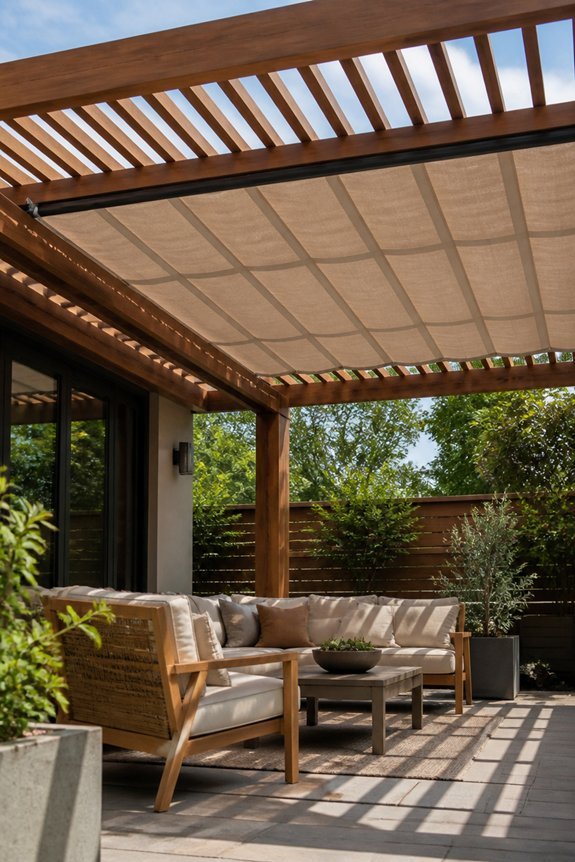
Wooden pergolas with retractable shade covers give you control over your outdoor space. You get the classic look of natural wood plus the ability to adapt to whatever the weather throws at you.
These setups blend timeless style with practical function. Cedar and pressure-treated lumber hold up beautifully against sun and moisture. The retractable covers themselves come in weather-resistant polyester or vinyl. They block harmful UV rays and handle light rain without issue.
You can choose manual or motorized systems to extend the fabric or louvers. Brands like Sunesta and ShadeFX offer plenty of sizes and automation choices. Most homeowners install these over patios, decks, or lounge areas where flexibility matters.
Motorized versions need solid structural support and electrical hookups. Plan for that during installation. Upkeep is simple: clean the wood surfaces and shade fabric periodically. A little attention goes a long way toward keeping everything looking fresh for years.
Rustic Cedar Pergolas With Metal Roofing
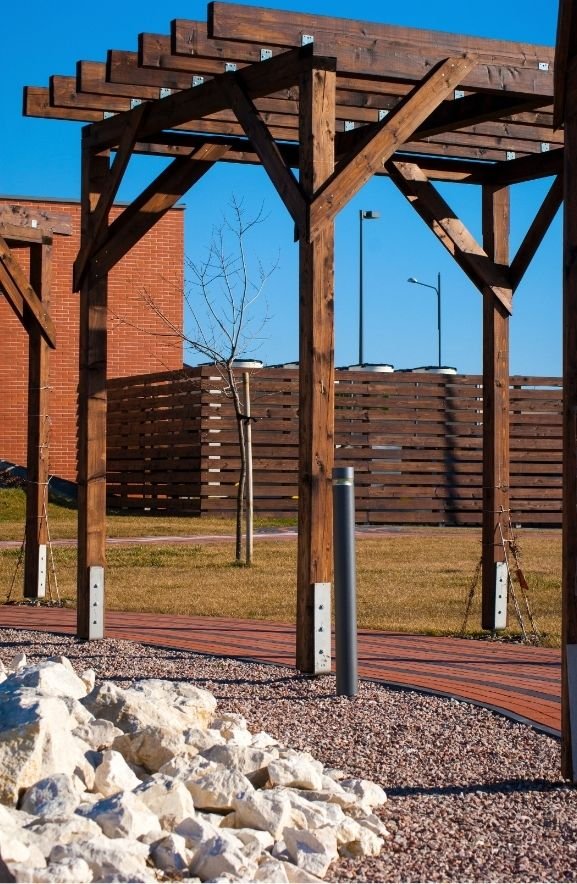
Rustic cedar meets metal roofing in a pairing that feels both timeless and practical. You get weather protection that lasts without sacrificing natural beauty.
Cedar brings its own strengths to the build. It resists rot naturally and ages into that silvery-gray look many homeowners love. No paint required if you prefer the weathered aesthetic.
Metal roofing handles what cedar cannot. Aluminum or corrugated steel sheds rain and snow far better than shade cloth ever could. UV rays bounce right off.
The visual contrast works in your favor. Warm honeyed wood against cool industrial metal adds unexpected depth to garden backdrops. It is a conversation starter without trying too hard.
Maintenance stays manageable. Seal the cedar every few years if you want to preserve its original color. Check metal fasteners seasonally for corrosion or loosening. Stick with stainless or coated hardware during install to avoid galvanic reactions between materials.
The assembly is straightforward. Frame your structure in cedar, then attach panels with corrosion-resistant screws. Pre-drill holes to prevent wood splitting. Done well, this hybrid handles decades of seasons while keeping its rustic appeal intact.
Adjustable Louvered Pergolas: Control Sun and Rain in Real Time
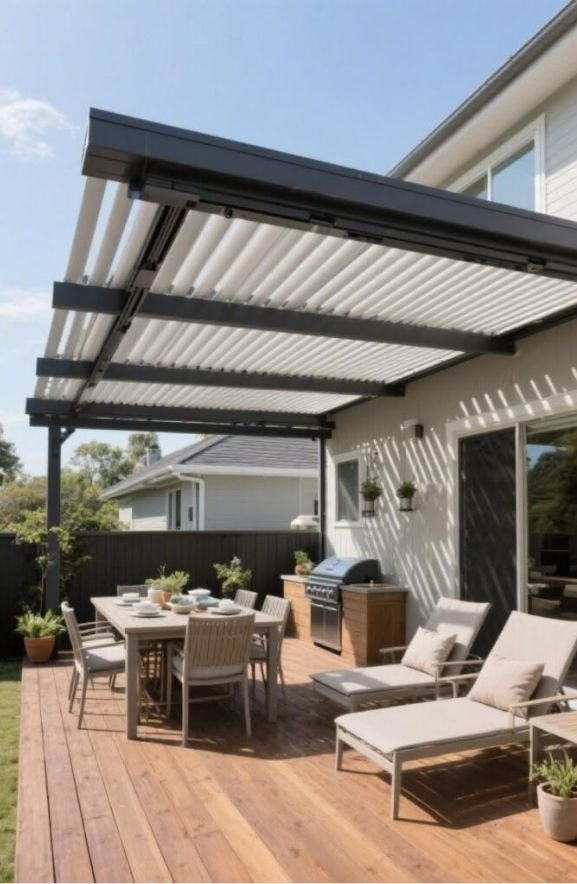
Fixed roofs have their place. Cedar and metal last for years. But they stay the same no matter what the weather does.
Adjustable louvered pergolas change the game. You control the slats in real time. Open them for morning light. Close them when the sun gets harsh. Rain coming? Shut them completely and stay dry underneath.
You can go motorized with brands like Solara or ShadePro. Push a button and you’re set. Prefer to save some money? Manual versions work just as well.
These pergolas fit patios, decks, and outdoor dining spots perfectly. You adapt to the season, the hour, your mood. No construction changes needed. Just turn the handle or press the remote.
Lattice-Top Pergolas Combined With Solid Roof Panels
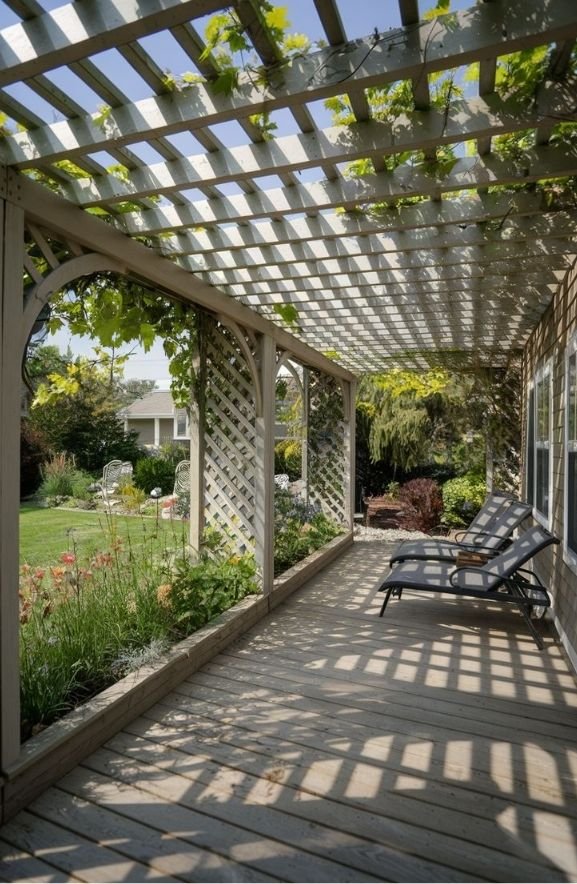
A hybrid approach blends the best of both worlds. You get open lattice work plus solid roof panels working together. This combo lets you control shade exactly how you need it, season to season.
Pick lattice sections for spots where dappled light feels right. Save solid panels for areas that need full block from sun or rain. Polycarbonate, metal, or wood panels all do the job well.
This setup shines near kitchens, dining spots, and lounge zones. The lattice adds visual texture above. The panels deliver real weather protection below. Both parts mount to one frame using standard brackets and fasteners.
Upkeep stays simple. Just clean both surfaces now and then.
Attached Pergolas: Extend Your Patio’s Shade
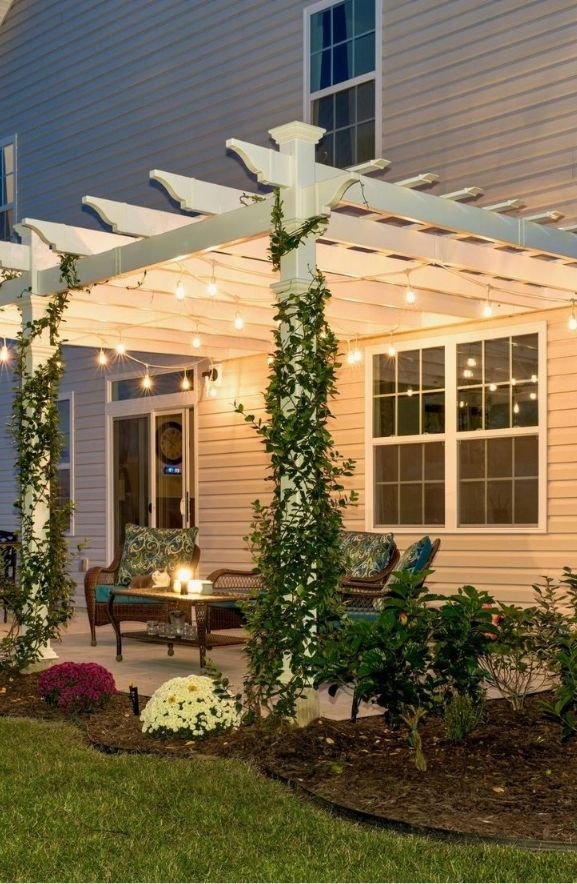
Attached pergolas mount right to your home’s exterior. They skip the need for yard posts.
You extend shade without sacrificing precious outdoor space.
These structures connect to exterior walls or rooflines. Your home provides the main support.
Installation requires securing beams to fascia or ledger boards. Proper fastening into structural framing is essential. It keeps everything stable and safe.
Material choices range from aluminum and vinyl to pressure-treated wood. Each brings different durability and upkeep needs. Pick what fits your lifestyle and budget.
Roof options include lattice panels, retractable shade cloths, or polycarbonate sheets. Position them over decks, patios, or walkways. You control how much shade you get.
Small outdoor areas benefit most from this design. You keep visual flow with your existing architecture. It looks intentional, not tacked on.
One key detail: plan for drainage. Water needs somewhere to go where the pergola meets your house. Skip this step and you risk damage down the line.
Freestanding Pergolas With Durable Membrane Roof Protection
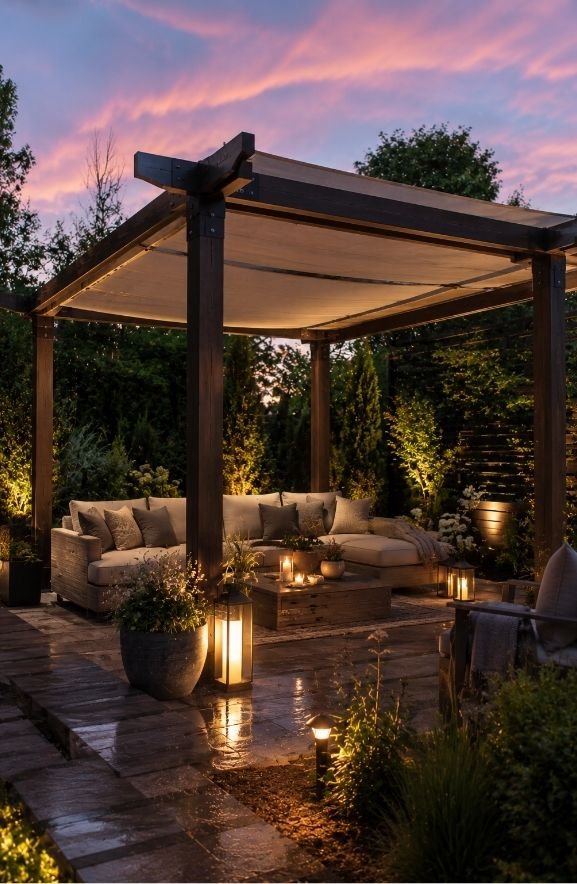
Freestanding pergolas give you freedom. You can place them anywhere in your yard since they don’t need to attach to your house.
These structures stand on their own four posts. That means no drilling into existing patios or walls. You get shade exactly where you want it.
A membrane roof turns your pergola into a true shelter. Polycarbonate panels block harsh sun. Shade cloth cuts glare while letting breezes through. Waterproof options keep you dry during sudden showers.
You can choose a fixed roof or go retractable. Fixed costs less and stays simple. Retractable gives you control over sun and sky views.
Installation means securing your chosen material to the frame with proper fasteners. Always build in a slight slope so rain runs off instead of pooling.
Keep it clean and it lasts. Brush off leaves and dirt a few times per year. Check that fasteners stay tight after windy days.
These setups shine in open yards, gardens, and poolside spots. You get coverage without altering your landscape permanently.
Curved Pergolas With Wave-Shaped Canopies
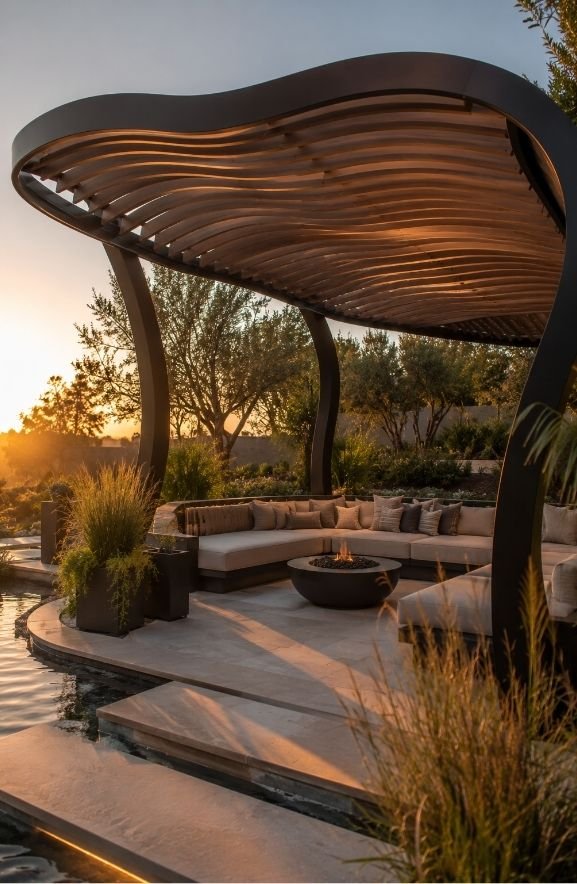
Wave-shaped canopies bring something fresh to your outdoor space. They break away from the rigid lines you see everywhere else. The undulating patterns cast interesting shadows that change as the sun moves. It’s like having living art overhead.
These designs rely on flexible materials that bend and flow. Think curved metal frames paired with fabric panels that hold their shape. The result feels organic and modern at the same time.
The curves aren’t just for looks. Rainwater runs off more easily than with flat surfaces. You won’t get those annoying puddles that collect on standard canopies. Shade stays even and comfortable throughout the day. Most setups use powder-coated aluminum with tough polyester or acrylic fabrics. They handle weather well without demanding constant attention.
Getting one installed takes some planning. You’ll want a pro to check your structure and local codes first. These pergolas cost more than basic models because of the custom work involved. Measure your space carefully. Consider your existing plants and how much shade you actually need. A little prep now prevents headaches later.
Solar Panel Pergolas: Generate Shade and Energy
Solar pergolas pull double duty. You get a shady retreat for your backyard, plus clean electricity for your home. The solar panels sit right on the roof, catching rays while you stay cool underneath.
Angle matters here. Tilt the panels to grab maximum sunlight. You’ll still enjoy plenty of shade below. This setup actually cuts your cooling bills. Less direct heat hitting your patio means less work for your AC.
Your system connects to the home grid through an inverter. Extra power flows back where it belongs. Professional installers check your structure first. They handle permits and electrical codes too. A quick cleaning now and then keeps everything running smooth. Sunny climates with enough roof space see the best results.
Industrial-Style Pergolas With Corrugated Metal Covers
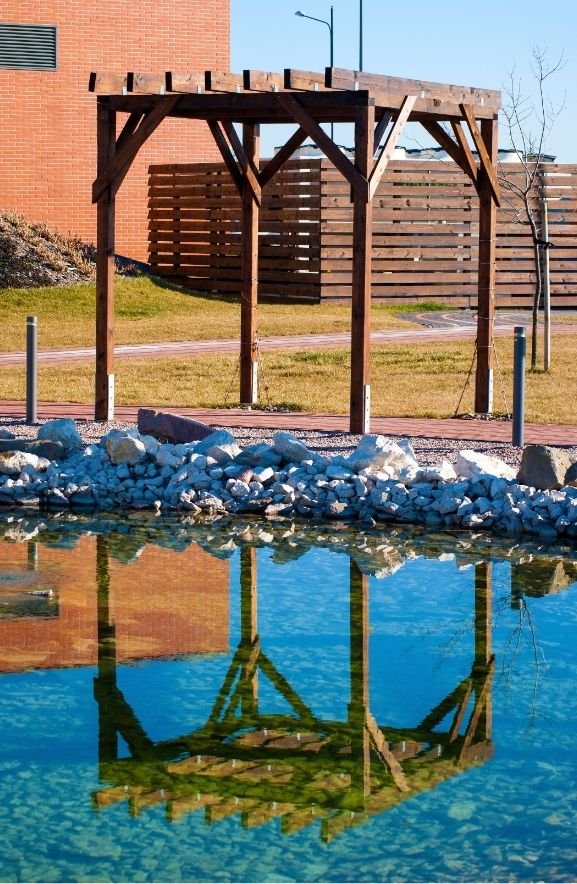
Industrial-style pergolas with corrugated metal covers take a simpler path to shade. No solar panels here. Just sturdy materials that last.
You’ll find galvanized steel or aluminum roofing panels stretched across overhead frames. The corrugated ridges do double duty. They channel rainwater away while blocking most sunlight.
These structures fit right into modern and minimalist outdoor spaces. Clean lines meet real function.
Installation means securing panels to beams with fasteners and brackets. It’s straightforward work that pays off long-term.
Steel needs occasional cleaning plus rust checks. Aluminum costs more upfront but shrugs off corrosion entirely.
Expect 85-95% shade coverage. That translates to solid protection all year without wiring, batteries, or any electrical fuss.
Fabric Shade Sail Pergolas: Flexible Style With Strong Support
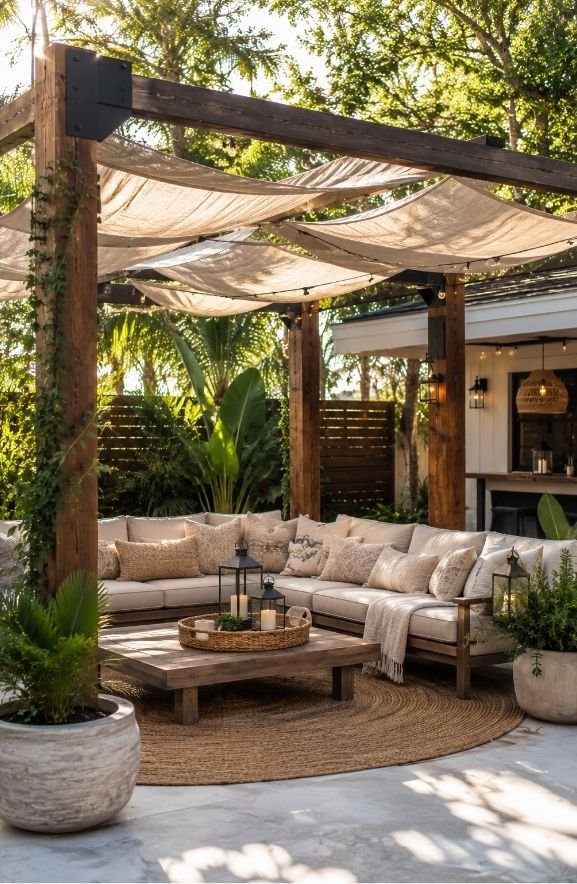
Fabric shade sails give your pergola a fresh, adaptable look. They stretch across the frame to block harsh UV rays while letting breezes flow through. You get protection without that stuffy, enclosed feeling.
These sails come in shapes that fit your space. Try a single triangle for a corner nook. Layer multiple rectangles for broader coverage. You can take them down when seasons change or leave them up year-round. Most use high-density polyethylene that stands up to sun and rain.
Colors range from soft grays and warm beiges to rich terracotta or deep navy. Pick something that blends with your home or makes a statement.
Installation needs solid anchor points at corners and posts. Once secured, the fabric stays taut and tidy. A quick wash with mild soap keeps it looking sharp. The payoff? Cooler ground temperatures and a more inviting outdoor spot when summer heats up.
Frequently Asked Questions
How Long Do Pergola Roofing Materials Typically Last Before Requiring Replacement?
Pergola roofing materials typically last between 10 to 25 years, depending on the material type. Polycarbonate panels endure 10-15 years, while metal roofing lasts 20-25 years. Wood requires more frequent maintenance and replacement every 5-10 years.
What Permits or Homeowner Association Approvals Are Needed for Pergola Installation?
Permits and provisions prove paramount before pergola placement. Most municipalities mandate building permits for permanent structures. Homeowner associations require architectural approval and adherence to community guidelines. One should survey local ordinances and submit detailed plans beforehand.
How Much Weight Can a Pergola Roof Safely Support in Snow?
A pergola roof typically supports 20-40 pounds per square foot of snow load, depending on structural design, materials used, and local climate conditions. Proper engineering and local building codes determine exact weight capacity.
Which Pergola Roof Materials Are Most Energy-Efficient for Cooling Outdoor Spaces?
Light-colored metal, polycarbonate panels, and breathable shade cloth prove most energy-efficient for cooling. These materials reflect solar radiation, minimize heat absorption, and allow air circulation while providing substantial shade coverage for outdoor spaces.
What Maintenance Schedule Is Recommended for Different Pergola Roofing Types?
A homeowner in Arizona maintains polycarbonate panels quarterly, cleaning debris and inspecting seals. Metal roofs require annual inspection and rust treatment. Fabric shade cloths need monthly cleaning. Wood pergolas demand semi-annual staining.
Conclusion
Pergola roof options range from budget-friendly DIY installations to advanced solar panel systems, each casting distinct shadows across outdoor spaces. Metal frames with polycarbonate panels, retractable wooden covers, louvered designs, and corrugated industrial styles provide practical shade solutions. Curved canopies and fabric sails add visual dimension. Homeowners can select based on climate needs, budget constraints, and aesthetic preferences, transforming patios into functional, sheltered retreats throughout seasons.