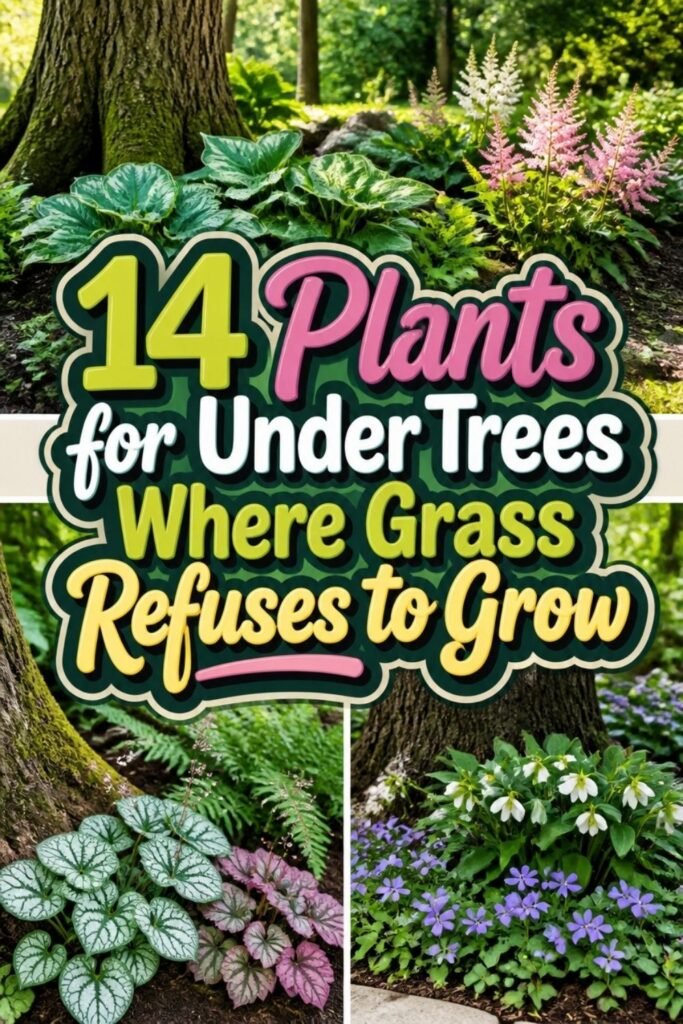
Growing grass under trees often feels like an impossible task. Shade, aggressive roots, and depleted soil work together to create bare, dusty patches that frustrate even dedicated gardeners. Rather than fighting a losing battle against nature, many homeowners are discovering the value of embracing what these challenging spaces actually need.
Shade-loving perennials offer a practical path forward. Hostas spread their broad, sculptural leaves across the ground, thriving in the dim light where turf grass would wither. Ferns bring delicate, feathery texture that softens the base of trunks and fills awkward corners with living green. Ajuga carpets the soil with small, glossy leaves and unexpected spikes of blue-purple flowers, creating living mulch that suppresses weeds.
Selecting the right plant depends on reading your specific conditions carefully. Some tree canopies cast deep, dry shade while others allow dappled light to filter through. Root density varies too—maples and oaks create tougher environments than birches or dogwoods.
Matching each plant’s preferences to these realities determines whether your under-tree garden flourishes or falters.
The payoff extends beyond solving an eyesore. These ground covers reduce erosion, build healthier soil, and establish a layered, woodland-inspired aesthetic that bare lawns simply cannot achieve.
With thoughtful choices, the most problematic spots in your yard become subtle highlights instead of persistent disappointments.
Why Shade and Tree Roots Kill Grass (And Why Plants Are the Answer)
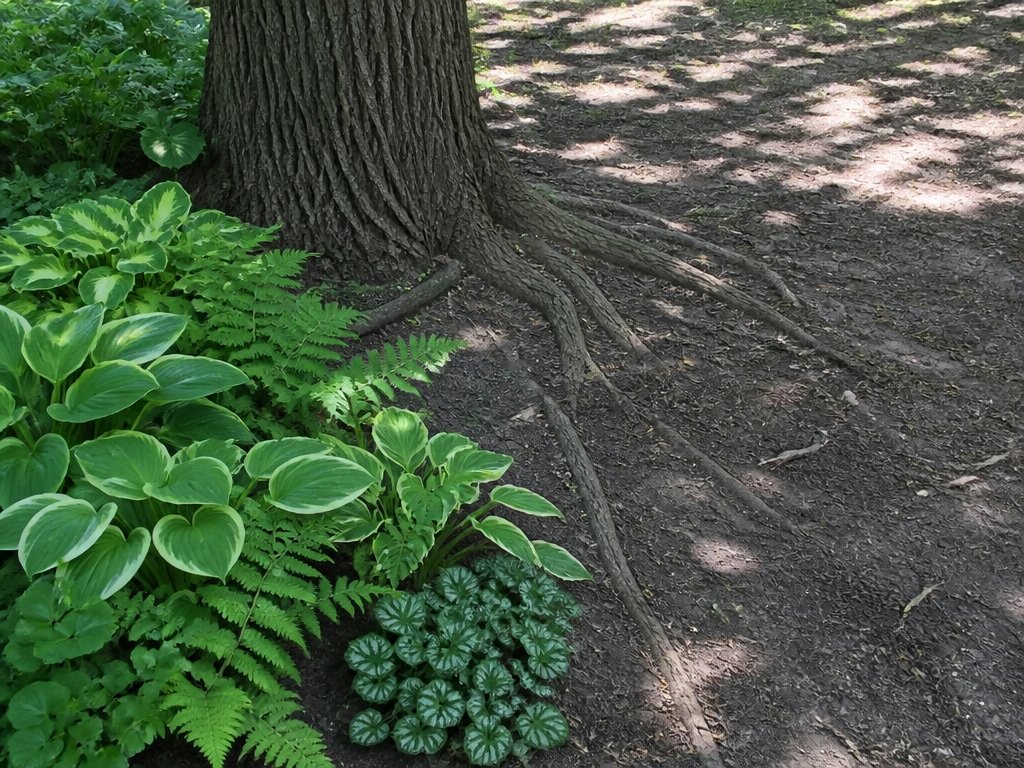
Grass frequently fails to grow beneath trees due to two primary obstacles: insufficient sunlight and competition from tree roots. Tree canopies block light that grass requires for photosynthesis. Simultaneously, tree roots absorb moisture and nutrients from soil, depriving grass of essential resources.
Shade-tolerant plants like hostas, ferns, and ajuga thrive in these conditions, offering practical alternatives to struggling grass in shaded areas. Regular pruning helps keep these plants healthy, with sharp pruning shears making clean cuts that encourage fuller growth. Raised beds can also help improve drainage and give understory plants a better стартing environment in tight, root-filled spaces.
Assessing Your Under-Tree Conditions: Shade, Soil, and Moisture
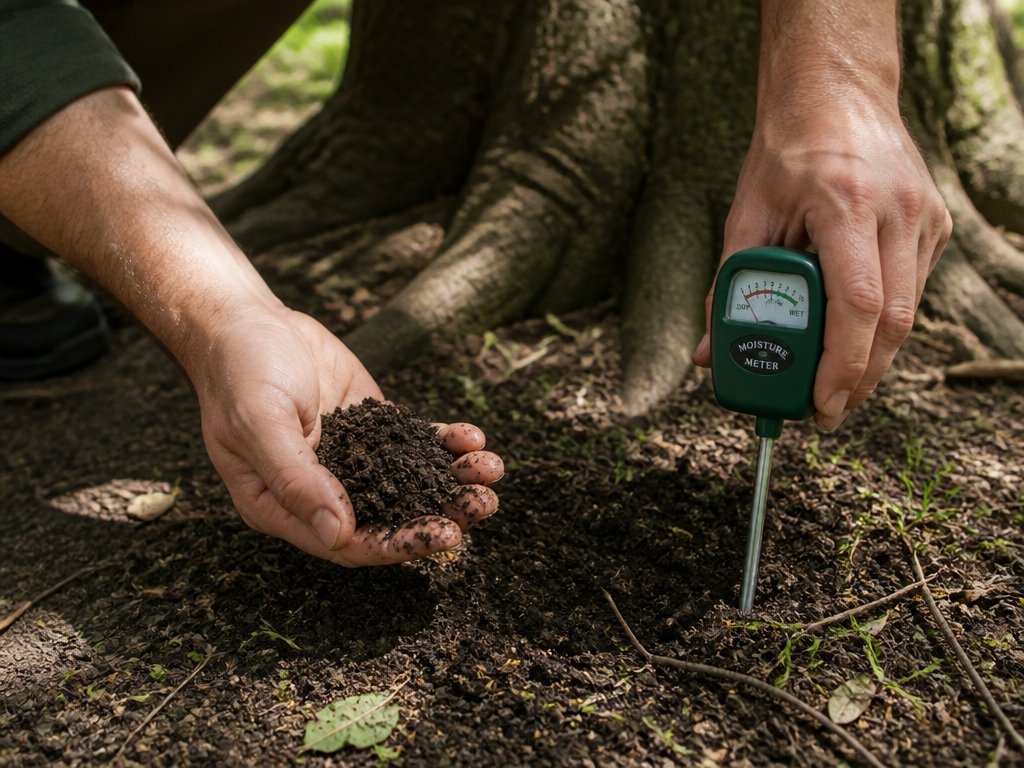
Before selecting plants for under-tree areas, several environmental factors require careful evaluation. Assess light levels, noting whether the area receives dappled, partial, or deep shade. Examine soil composition and drainage patterns, as tree roots often deplete nutrients and moisture. Test pH levels and organic matter content.
Evaluate existing moisture conditions, considering both seasonal rainfall and irrigation availability, to match plant requirements appropriately.
Shade-Tolerant Ground Cover: Fast-Growing Options
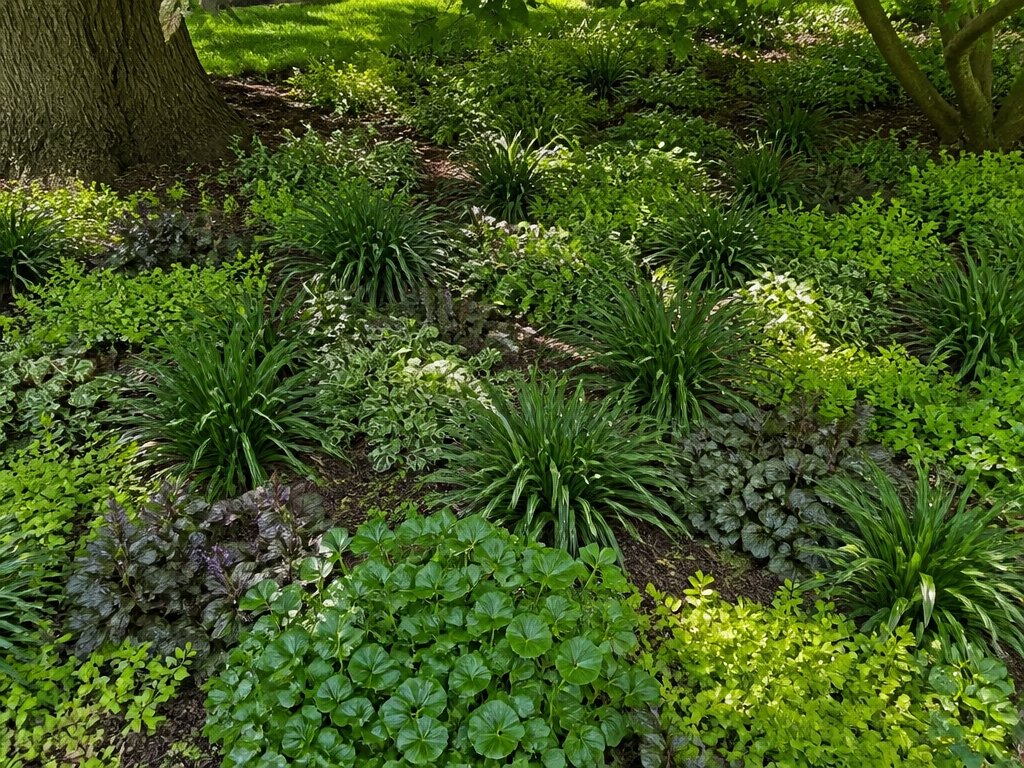
Once the under-tree conditions have been assessed, selecting fast-growing shade-tolerant ground covers becomes the practical next step. Ajuga, pachysandra, and vinca spread quickly, covering bare soil within one to two seasons. These options tolerate deep shade, require minimal maintenance, and suppress weeds effectively.
Lamium and creeping thyme offer additional alternatives, each establishing at different rates depending on soil quality and moisture levels.
Hostas: Bold Foliage That Thrives in Deep Shade
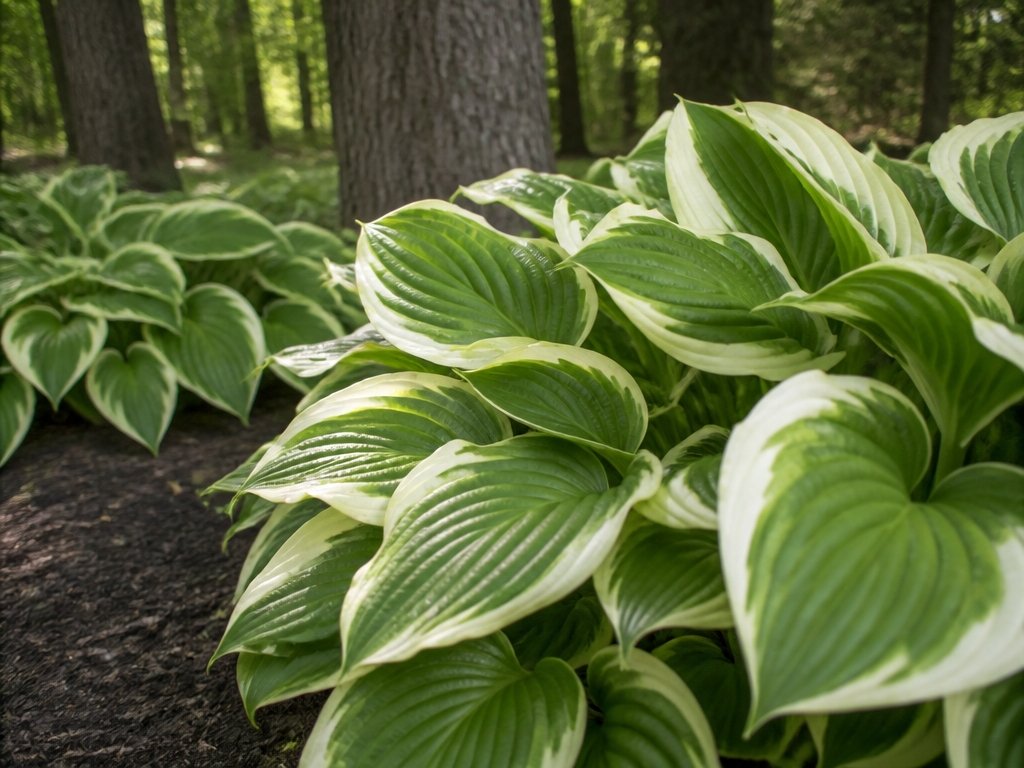
Unlike the spreading ground covers discussed previously, hostas function as architectural plants, providing substantial visual presence through their distinctive leaf shapes and colors. Popular varieties include Blue Angel with large blue-green leaves and Sum and Substance featuring chartreuse foliage. Hostas tolerate deep shade, require minimal maintenance, and prefer moist, well-draining soil rich in organic matter.
Ferns: Delicate Texture for Dense, Moist Shade
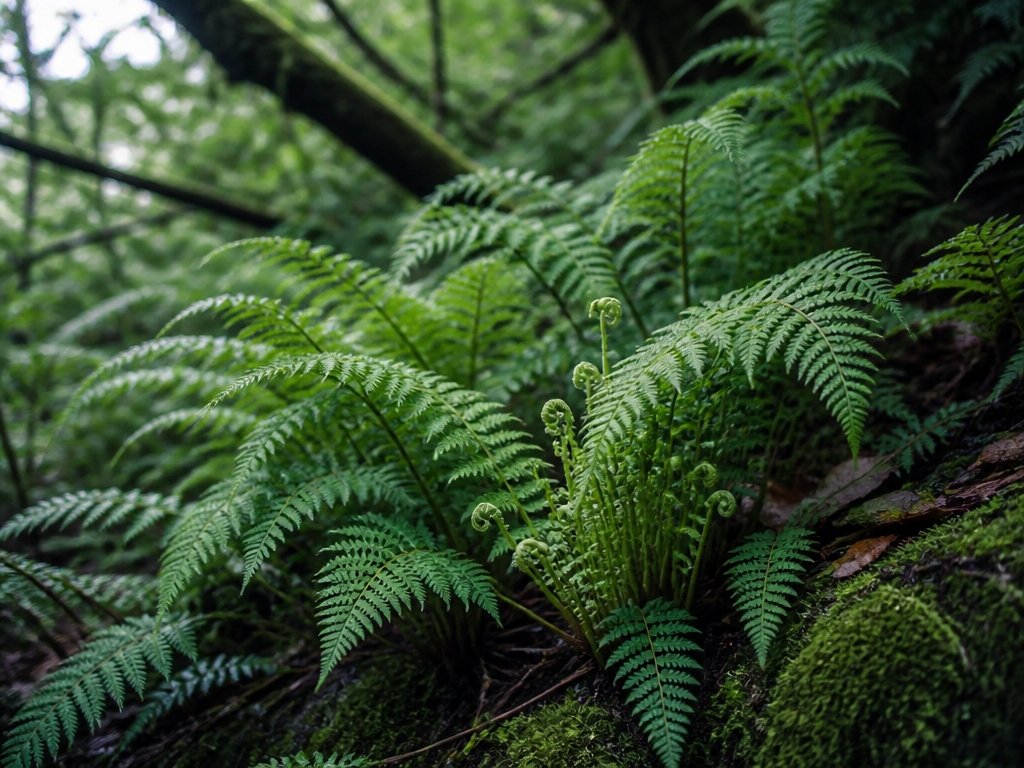
Delicate fronds and fine textures distinguish ferns from other shade plants, making them valuable for filling spaces beneath tree canopies. Ferns require consistent moisture and dense shade, thriving in acidic, well-draining soil rich in organic matter.
Lady ferns, Christmas ferns, and ostrich ferns perform reliably in these conditions. Their shallow root systems compete minimally with established trees, making them practical companions for difficult understory locations.
Ajuga: Low-Spreading Shade Ground Cover With Spring Color
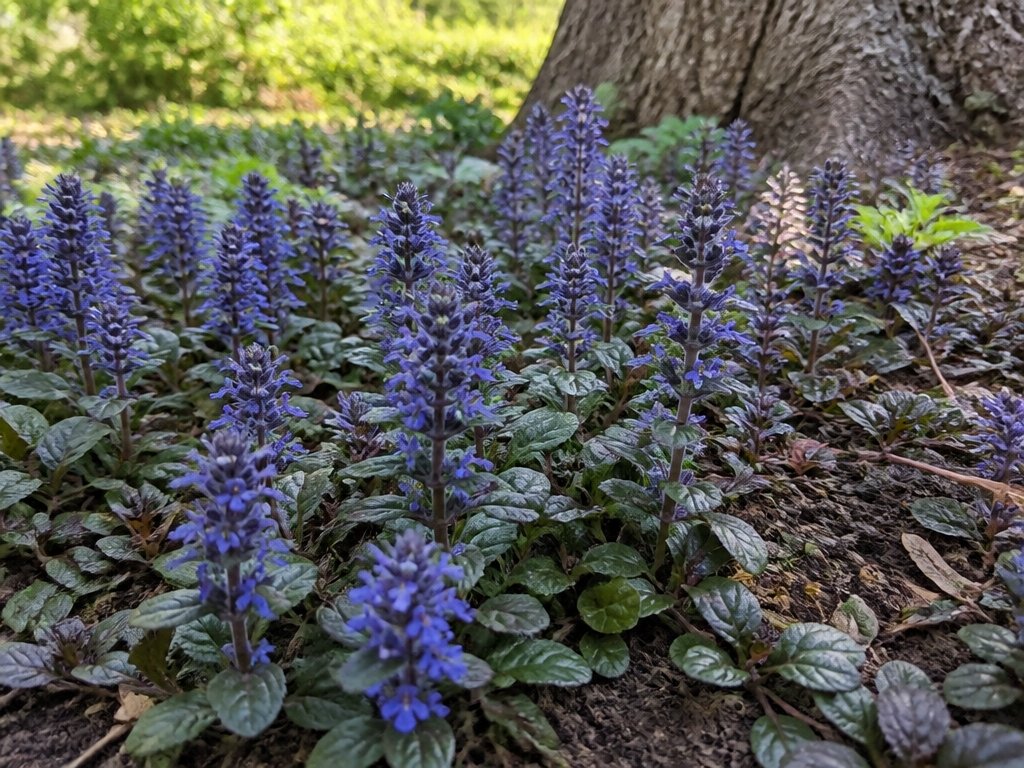
Ajuga offers gardeners a different approach to understory planting, providing dense ground coverage rather than vertical interest like ferns. This low-spreading perennial thrives in shade and produces purple, blue, or pink flower spikes during spring.
Ajuga reptans varieties include Atropurpurea with bronze foliage and Variegata with cream-edged leaves, spreading steadily across bare soil beneath trees where grass fails to establish successfully.
Liriope: Shade-Loving Grass Look-Alike
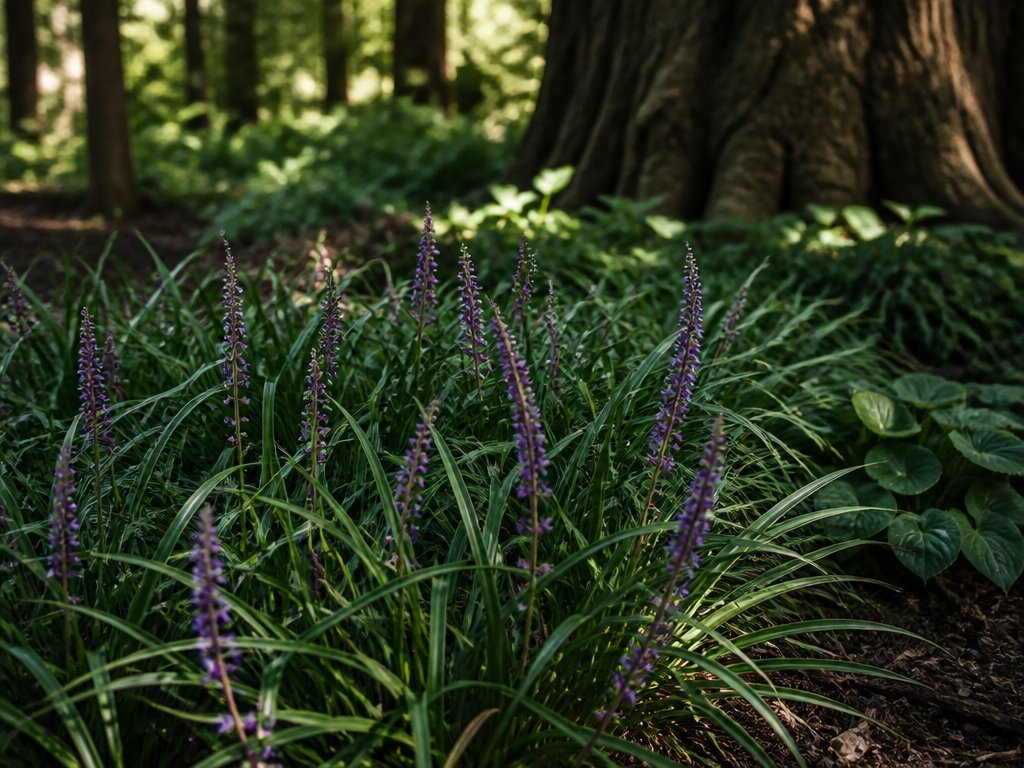
Liriope serves as a practical alternative for gardeners seeking grass-like appearance in shaded areas beneath trees. This evergreen perennial produces thin, arching leaves and purple flower spikes in late summer.
Liriope tolerates dense shade, compacted soil, and drought conditions effectively. It requires minimal maintenance once established.
Common varieties include ‘Big Blue’ and ‘Silvery Sunproof,’ which adapt well to challenging understory environments.
Coral Bells: Year-Round Foliage Color in Shade
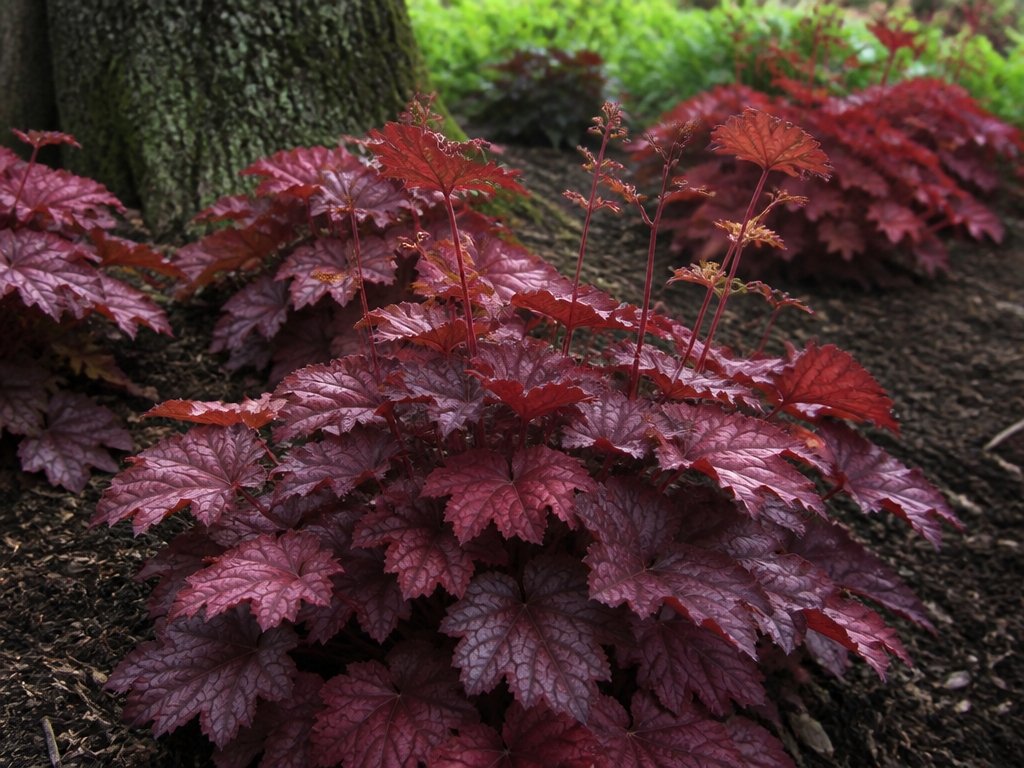
Colorful foliage makes coral bells a valuable choice for shaded understory plantings where many perennials struggle to thrive. These plants display leaves in purple, bronze, burgundy, and chartreuse, persisting through seasons. Varieties like Palace Purple and Obsidian offer deep coloring. Coral bells tolerate dry shade once established, require minimal maintenance, and reach 12 to 18 inches tall, making them effective ground cover alternatives.
Hellebores: Shade Plants That Bloom in Winter
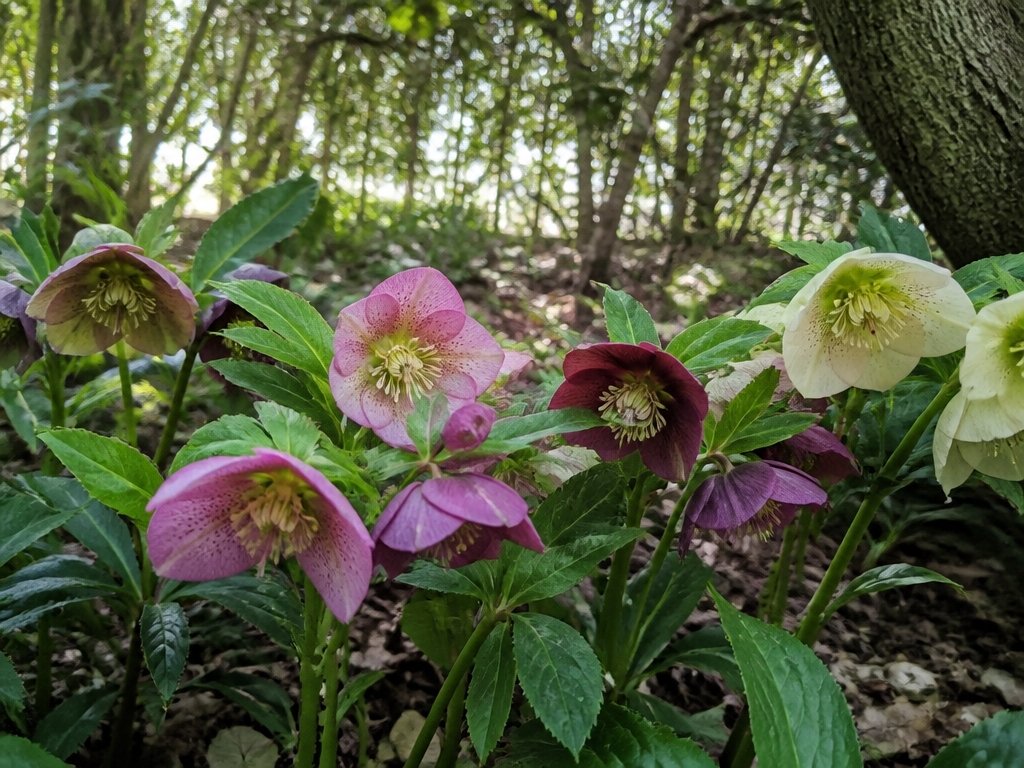
Most shade gardeners face a challenge: finding plants that flower during winter months when few perennials produce blooms. Hellebores, also called Christmas roses, solve this problem effectively.
These hardy perennials bloom from December through March in shades of pink, purple, white, and green. They tolerate dense shade, poor soil, and dry conditions. Hellebores reach two feet tall and spread slowly, making them reliable, low-maintenance choices for difficult under-tree spaces.
Epimedium: Delicate Blooms That Deer Won’t Eat
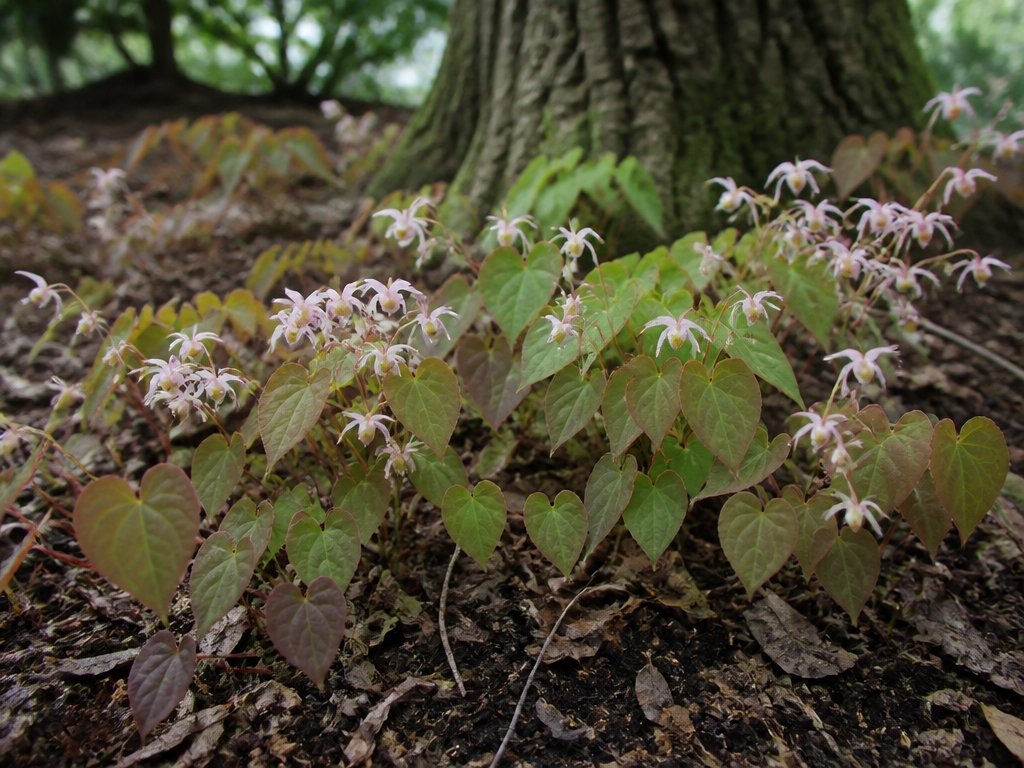
A solution exists for gardeners seeking shade plants that deer avoid: epimedium, commonly called fairy wings. These plants produce delicate, spurred flowers in shades of red, yellow, and white. Epimedium thrives in dappled shade under trees, tolerates dry conditions, and spreads gradually via underground rhizomes.
The semi-evergreen foliage provides year-round interest. Plants establish quickly and require minimal maintenance once settled.
Lamium: Silver-Leafed Shade Ground Cover
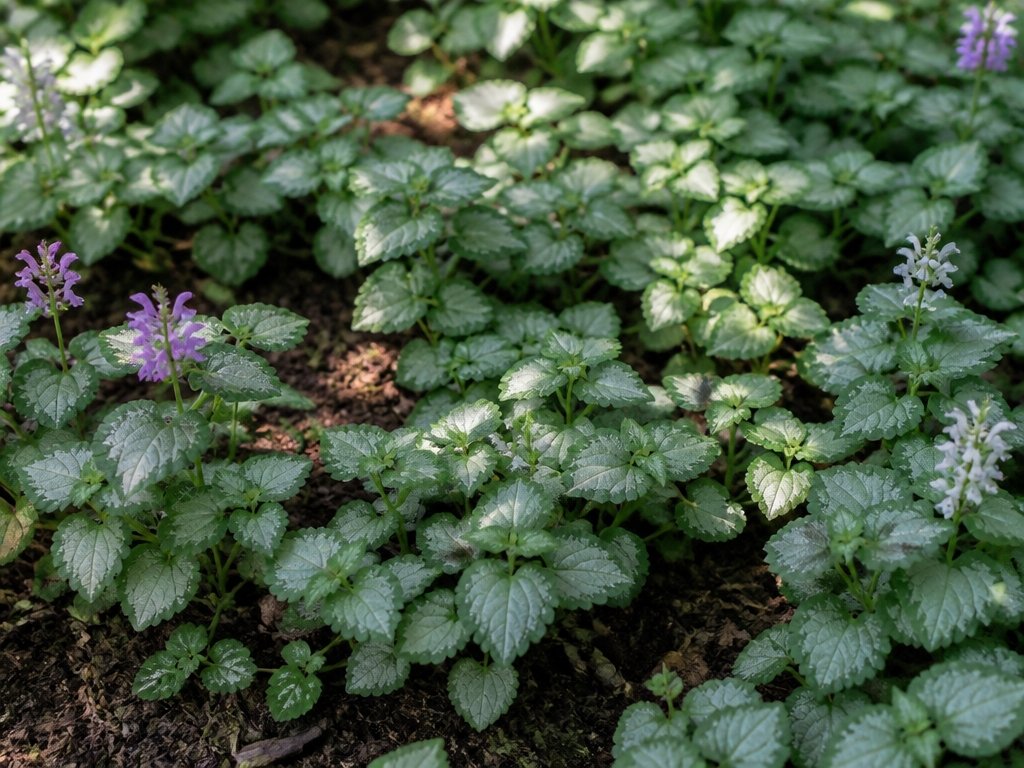
Lamium offers gardeners another excellent option for shaded areas beneath trees, particularly when ground cover with distinctive foliage is desired. Silver-leafed varieties like Lamium maculatum spread efficiently across bare patches, tolerating dry shade conditions.
The plant produces small flowers in spring, though foliage remains the primary attraction. Lamium requires minimal maintenance once established and handles competition from tree roots effectively.
Sweet Woodruff: Fragrant Shade Plant for Moist Soil
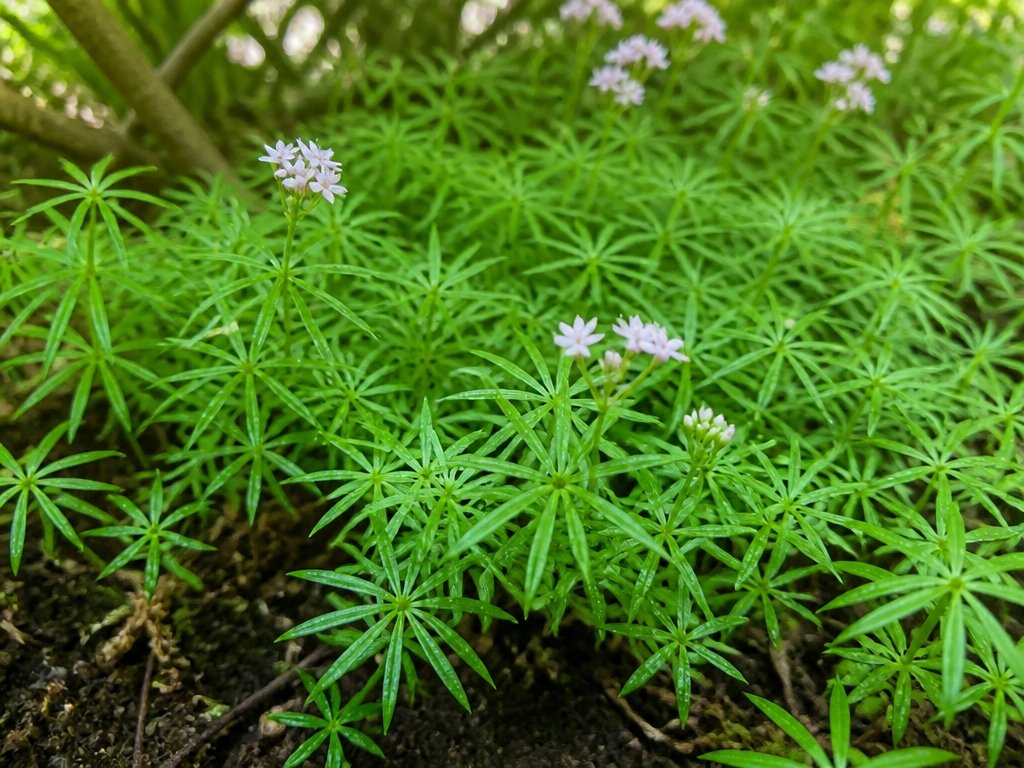
Sweet woodruff presents another shade-tolerant option for areas beneath trees, particularly where soil remains consistently moist. This low-growing ground cover produces small, fragrant white flowers and delicate foliage. It spreads gradually through underground runners, creating dense coverage over time.
Sweet woodruff thrives in woodland conditions and requires minimal maintenance once established, making it suitable for difficult shaded areas.
Vinca Minor: Evergreen Shade Ground Cover for Tough Spots
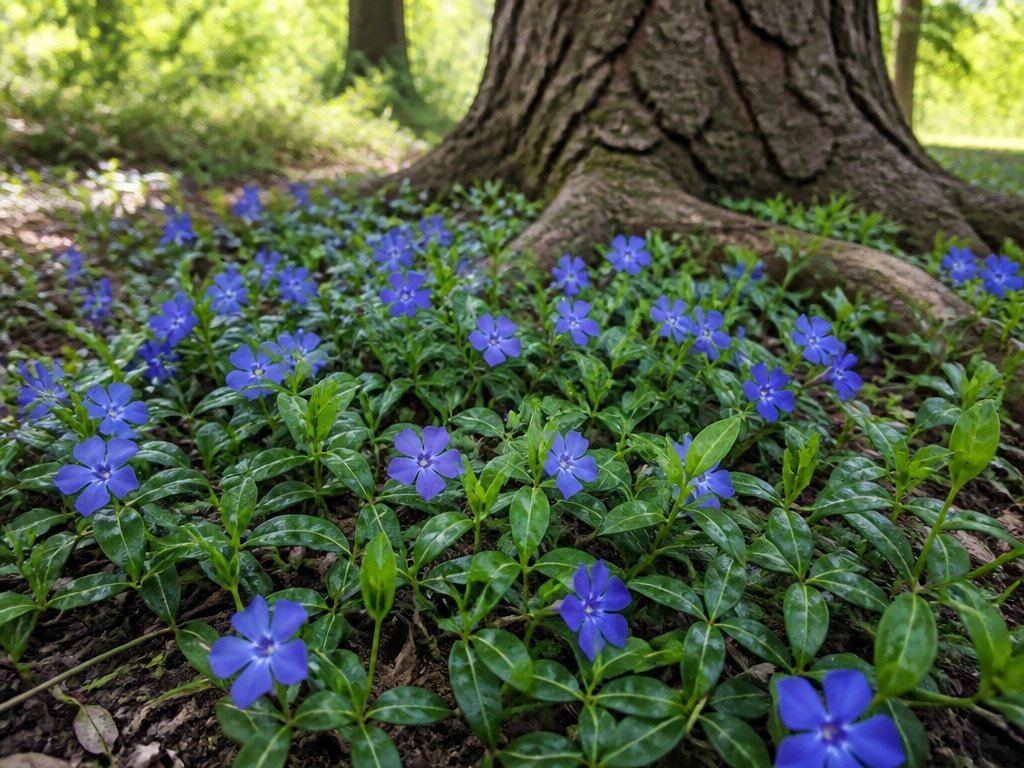
Vinca minor, commonly called periwinkle, serves as a reliable ground cover for shaded areas beneath trees where other plants struggle to survive. This evergreen plant tolerates poor soil, dry conditions, and dense shade effectively.
Its small purple flowers bloom in spring, and its trailing stems spread across ground quickly. Vinca minor requires minimal maintenance once established, making it practical for difficult under-tree locations.
Carex Sedge: Fine-Textured Shade Alternative to Grass
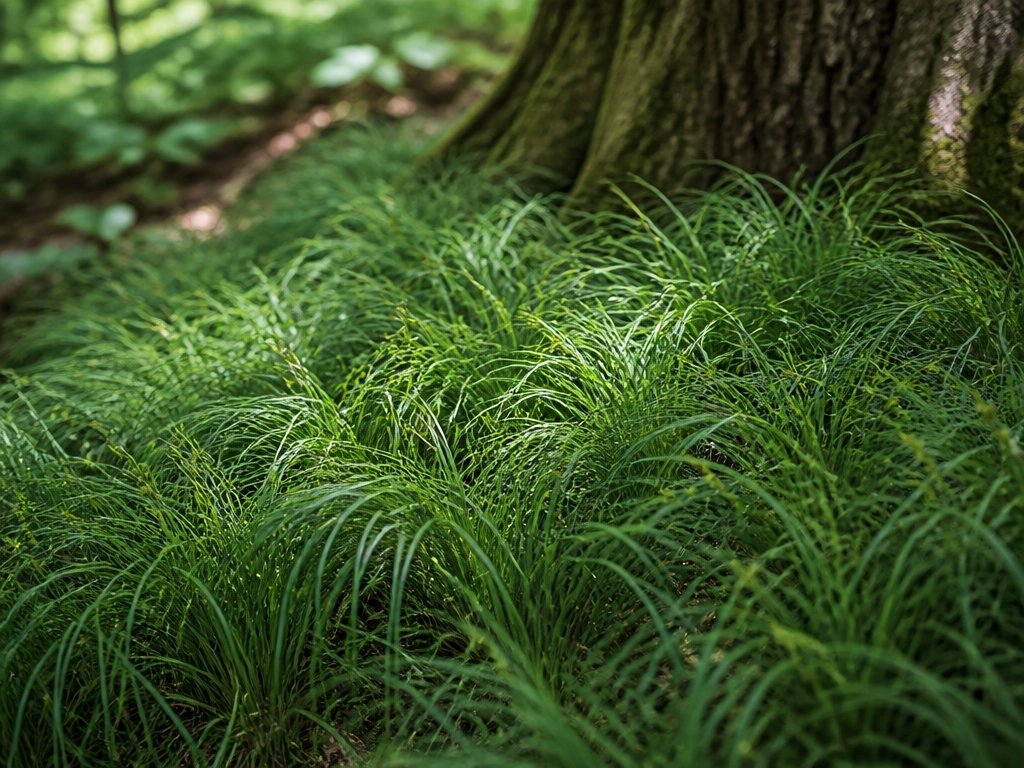
For gardeners seeking ground cover options beyond trailing vines, Carex sedge presents a practical alternative that mimics lawn grass in appearance while thriving in shade. Varieties like Carex oshimensis and Carex pennsylvanica establish dense mats, tolerating dry conditions under tree canopies.
These sedges require minimal maintenance, grow slowly, and need occasional trimming to maintain neat appearance in woodland settings.
Frequently Asked Questions
How Long Does It Typically Take for Shade Plants to Establish and Fill in Bare Spots?
Shade plants typically require one to two growing seasons to become fully established and fill in bare spots beneath trees. The exact timeframe depends on plant species, soil conditions, moisture levels, and initial plant size when installed.
Can I Use These Shade Plants in Areas With Compacted Soil From Tree Roots?
Like a medieval knight traversing rocky terrain, shade plants can indeed flourish in compacted soil. However, amending the area with organic matter first greatly improves establishment rates. Breaking up soil and adding compost creates better conditions for root penetration and growth.
What’s the Best Time of Year to Plant Shade-Tolerant Ground Covers Under Trees?
Spring and fall offer ideal conditions for establishing shade-tolerant ground covers beneath trees. These seasons provide moderate temperatures and increased moisture, reducing transplant shock and promoting root development before summer heat or winter frost arrives.
How Often Should I Water Newly Planted Shade Plants During Their First Season?
Is consistency the secret to thriving shade plants? Gardeners should water newly planted shade-tolerant ground covers deeply twice weekly during their first season, adjusting frequency based on rainfall and soil moisture levels to establish strong root systems.
Will These Shade Plants Eventually Outcompete Tree Roots for Water and Nutrients?
Shade plants typically won’t outcompete established tree roots. Trees have deeper, more extensive root systems. Instead, shade plants occupy different soil layers and ecological niches, coexisting harmoniously beneath mature trees without dramatically competing for resources.
Conclusion
Beneath tree canopies, struggling grass surrenders to shade, exposing bare patches of compacted soil. Shade-tolerant plants—Hostas, Ferns, Lamium, Sweet Woodruff, and Vinca Minor—transform these barren spaces into textured landscapes of green and silver foliage. These alternatives thrive where grass fails, establishing dense coverage through shallow roots and moisture retention. Selecting plants suited to specific conditions, including shade depth and soil moisture, creates functional, resilient understory gardens replacing failed turf.