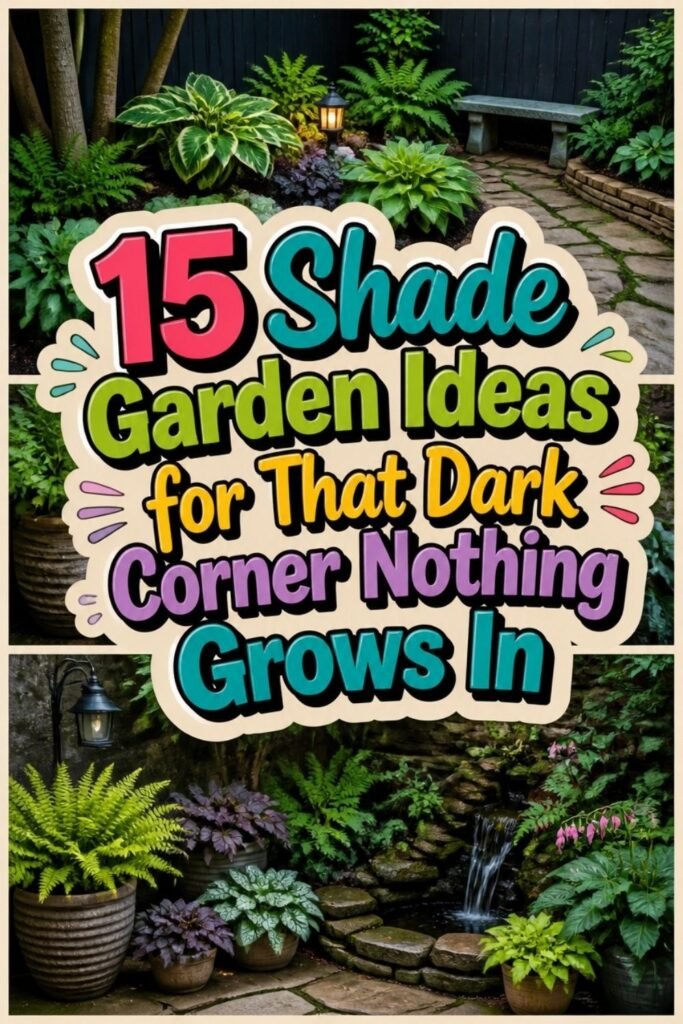
Shady spots can feel like the most frustrating parts of any garden. Yet with the right approach, these dim corners often become the most peaceful retreats.
Not all shade is created equal. Morning shade differs sharply from afternoon darkness, and dappled light beneath trees plays by its own rules. Hostas, ferns, and bleeding hearts have earned their reputation as dependable performers across these varied conditions. Ajuga and other groundcovers step in nicely where bare soil persists.
Before planting anything, take time to read the site carefully. Soil that stays soggy demands different plants than dry, root-filled ground beneath mature trees.
Light shifts with the seasons too, so observe how patterns change across several weeks.
Success in shade gardening comes down to matching the right plant to the actual conditions rather than the imagined ones. Get that pairing right, and those once-neglected corners quickly become favorites.
Figure Out What Kind of Shade You’re Dealing With
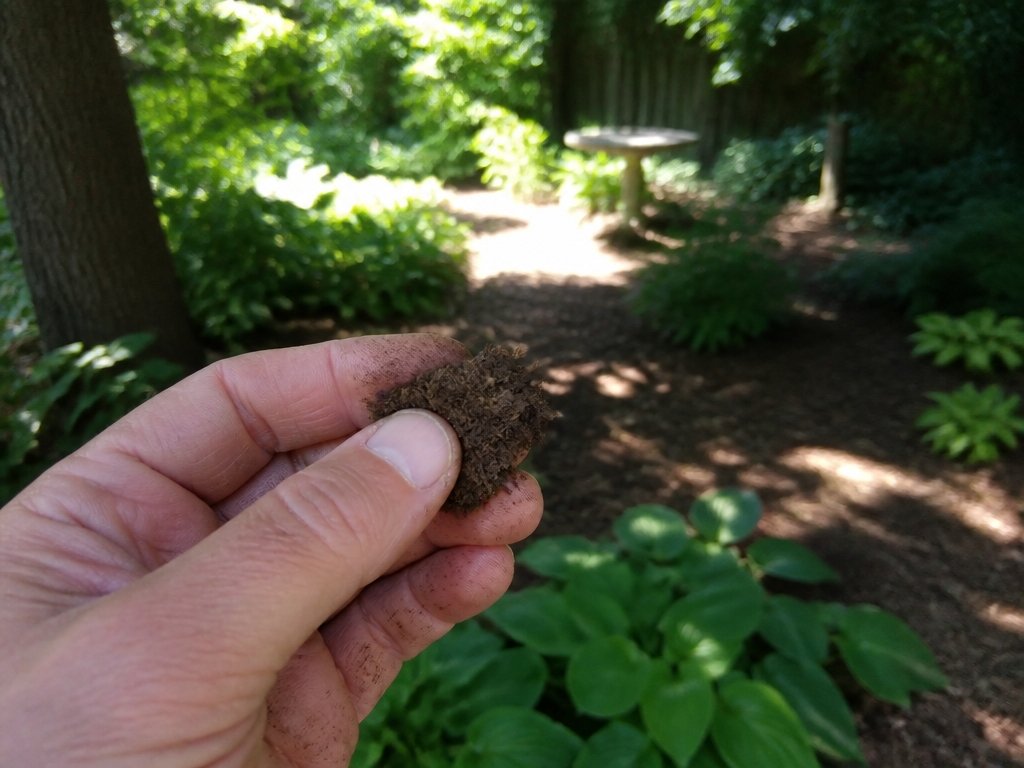
Why does one shaded garden thrive while another struggles? The answer lies in shade type. Dappled shade, filtered through tree leaves, differs from deep shade beneath dense canopies. Morning sun shade varies from afternoon shade.
Some areas receive four to six hours of indirect light, while others get minimal illumination. Observing how sunlight moves across the garden reveals these distinctions, determining which plants will survive in specific locations.
Hostas: The Backbone of Shade Gardens
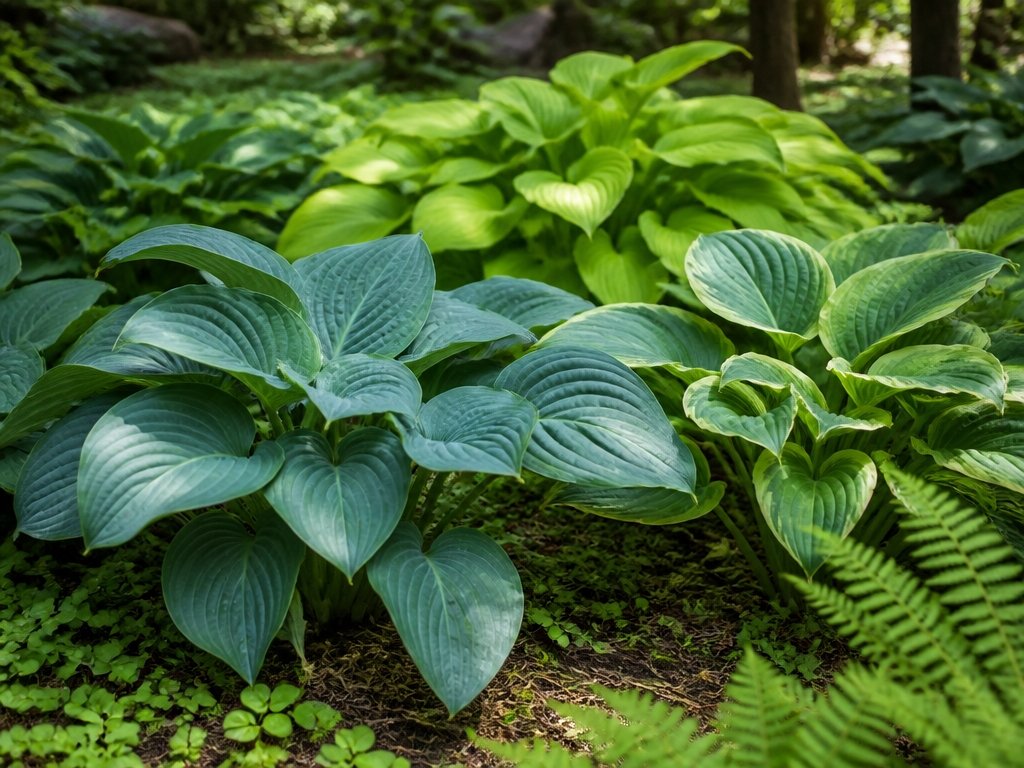
Once a gardener understands their shade conditions, hostas emerge as the most reliable plant choice for these challenging spaces. Varieties like Sum and Substance and Blue Mouse Ears tolerate deep shade effectively. Hostas offer diverse foliage colors, sizes, and textures. They require minimal maintenance, needing only consistent moisture and occasional fertilizer.
Their adaptability makes them foundational for any shade garden design. Native plants can also be a smart addition for low-maintenance shade gardens. Planting hostas in dappled sunlight helps them avoid leaf scorch and thrive in shaded areas.
Ferns for Texture and Movement in Deep Shade
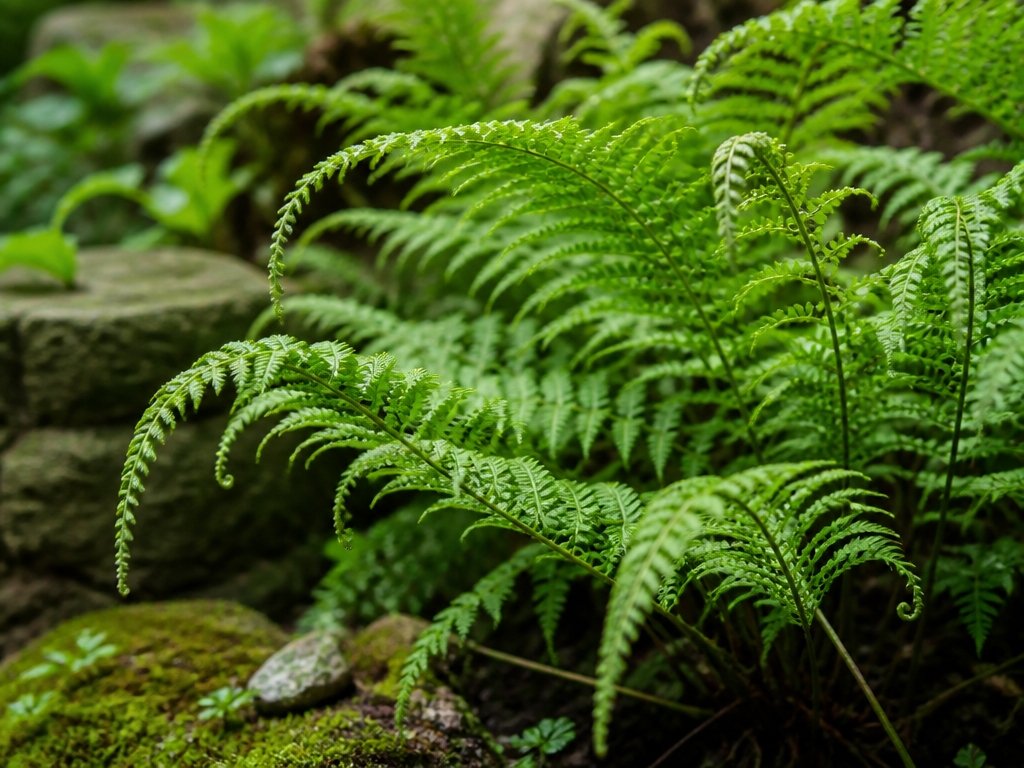
Delicate fronds and layered growth patterns distinguish ferns as essential companions to hostas in deep shade environments. Lady ferns, Christmas ferns, and ostrich ferns thrive in moist, shaded areas where other plants struggle. Their fine-textured foliage adds movement and visual interest, softening garden edges.
Ferns require consistent moisture and well-draining soil rich in organic matter.
Shade-Tolerant Groundcovers to Fill Empty Spaces
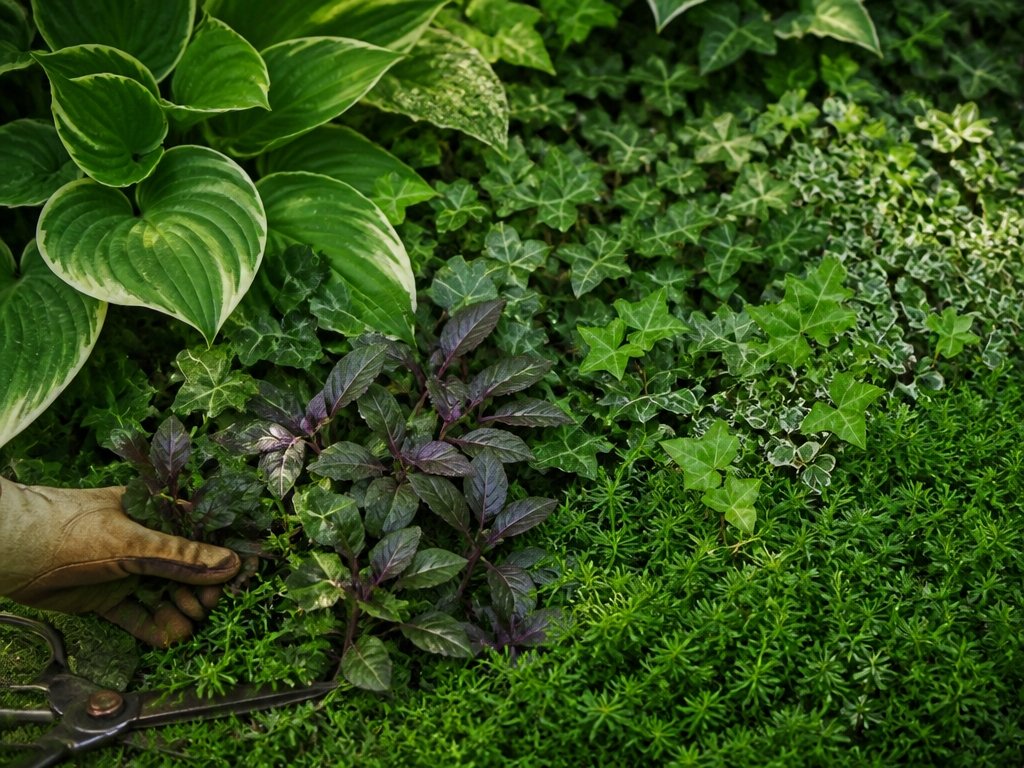
While ferns provide vertical texture and movement, groundcovers serve a different purpose by spreading horizontally across bare soil and filling gaps between larger shade plants. Ajuga, pachysandra, and vinca tolerate deep shade effectively.
These low-growing plants suppress weeds, reduce maintenance demands, and create unified visual continuity. They establish quickly in moist, well-draining soil enriched with organic matter, requiring minimal fertilizer or pruning. For especially cozy evenings outdoors, a portable tabletop fire pit can add warmth without taking up much space.
Shade-Tolerant Flowers That Actually Bloom
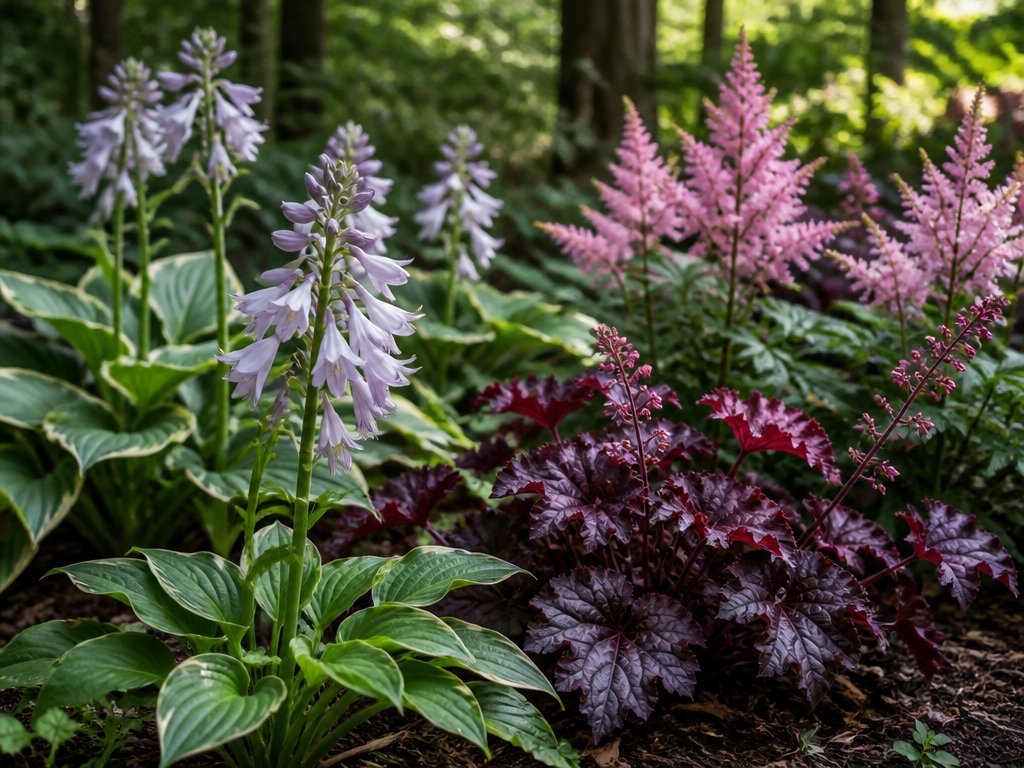
Although shade gardens challenge flower production, several species bloom reliably in low-light conditions. Hostas produce purple or white flowers above foliage. Astilbe generates feathery plumes in pink, red, or white.
Hellebores bloom in winter months. Bleeding heart creates heart-shaped flowers in pink or white. These plants tolerate partial to full shade effectively.
Pick Gold, Silver, and Chartreuse Foliage to Add Light
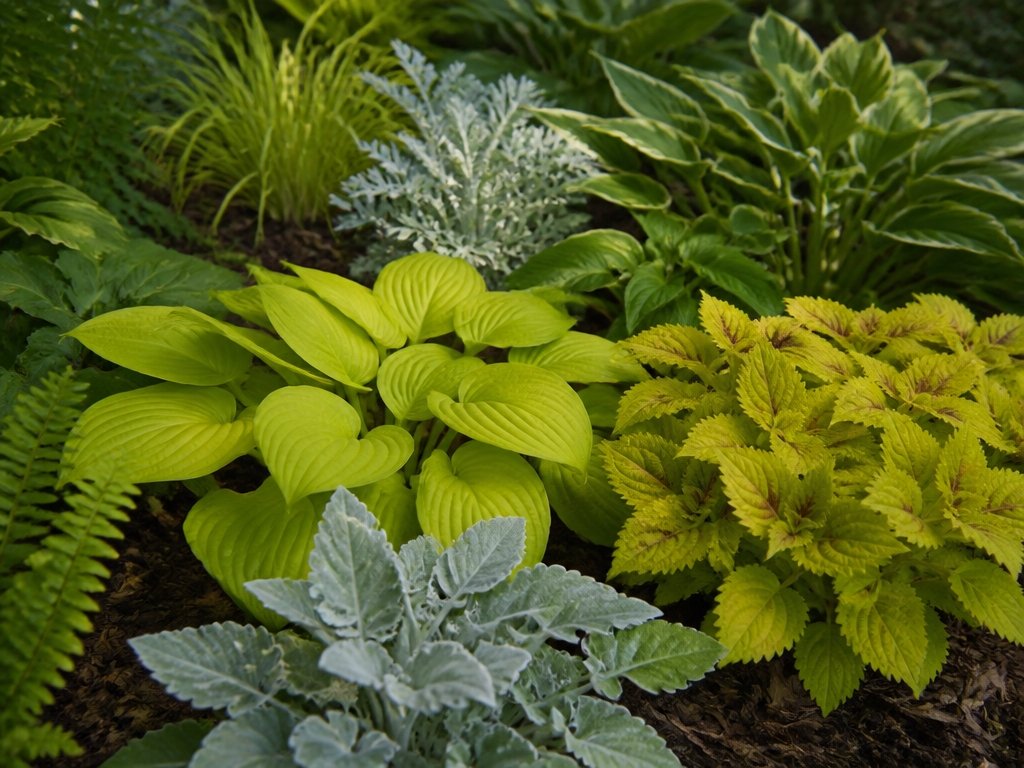
Shade gardens often lack the brightness that sun-filled spaces naturally provide, but foliage with light colors can compensate for this limitation. Hostas with gold or silver leaves, coleus varieties in chartreuse, and Japanese forest grass in yellow tones brighten dark areas effectively. Aglaonema Pink is another low-light option that can bring a soft rosy accent to dim corners.
These plants reflect available light, creating visual depth and contrast throughout shaded regions without requiring direct sunlight.
Hardscape Smart: Paths, Edging, and Decking for Shade
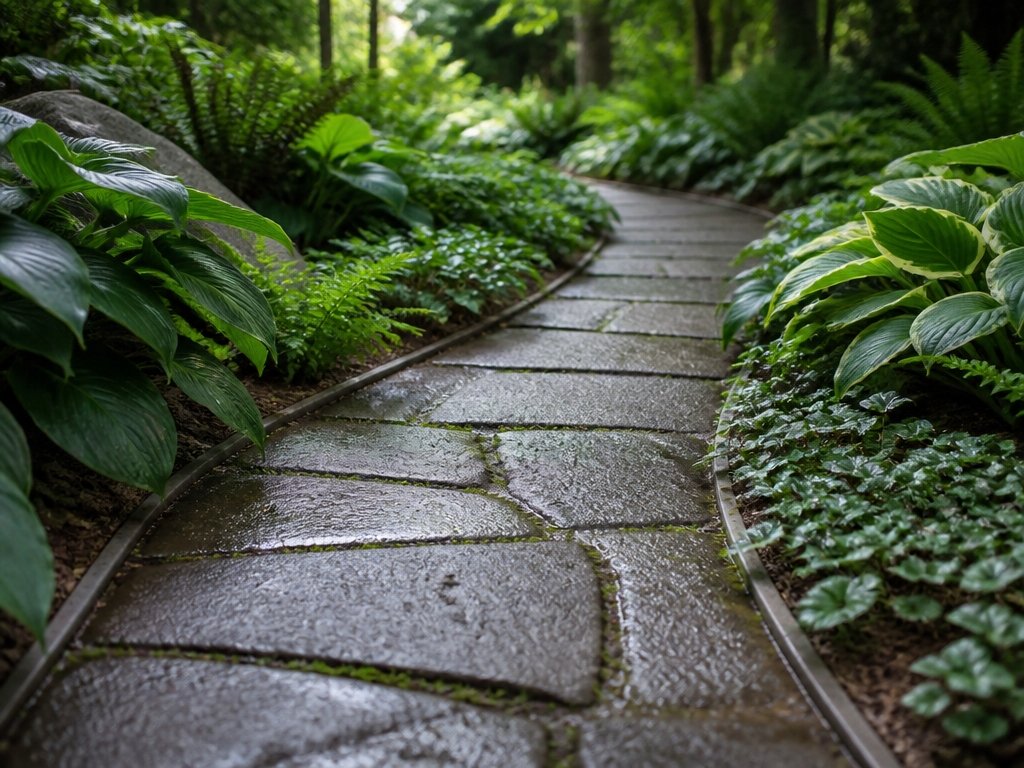
Beyond plant selection, the structural elements of a shade garden shape its overall function and appearance. Light-colored hardscape materials, including pale gravel, concrete pavers, and silver-toned decking, reflect available light and brighten dark areas.
Raised beds with metal edging define planting zones, while stepping stones create accessible pathways through densely planted sections, improving both usability and visual organization.
Add Shade-Friendly Shrubs for Structure and Height
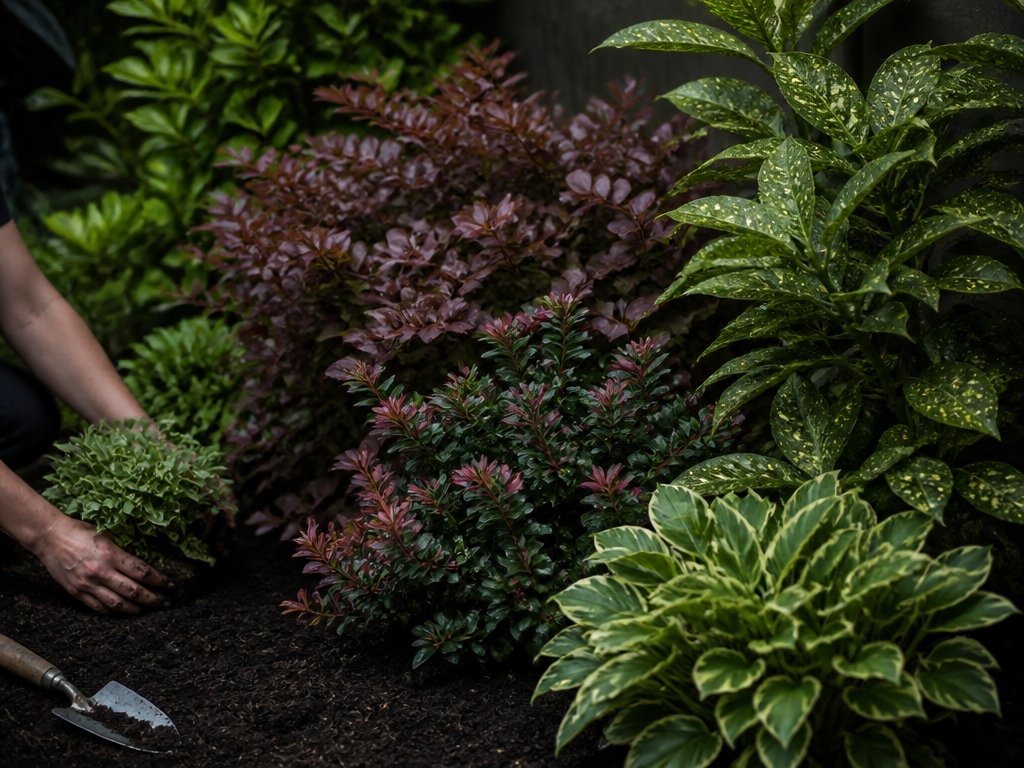
Many gardeners overlook shrubs when planning shade gardens, yet these woody plants provide essential vertical elements that anchor the landscape and create visual depth. Boxwood, holly, and viburnum thrive in shade conditions, offering year-round structure and foliage.
These shrubs tolerate low light and poor soil, requiring minimal maintenance. Strategic placement at garden edges or corners establishes framework, while varied heights create layered, dimensional spaces.
Incorporate Shade Plants With Variegated Leaves
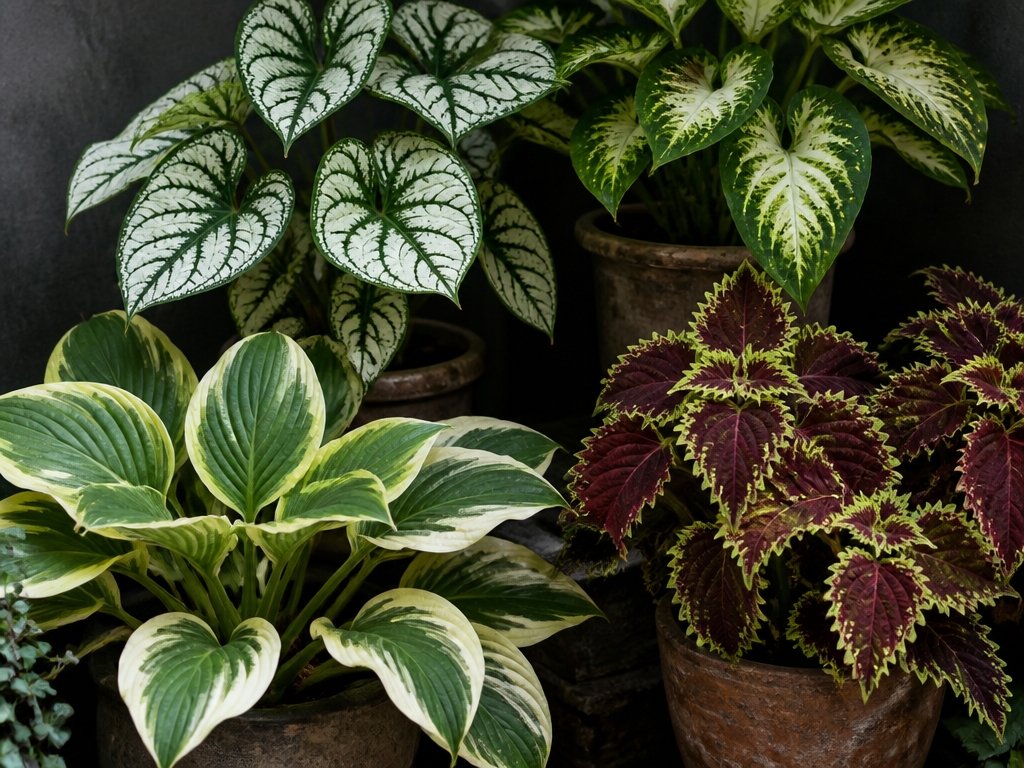
While variegated foliage brightens dim garden spaces, plants with white, cream, or yellow-edged leaves serve a practical function beyond aesthetics. These plants reflect available light, making shaded areas appear more open.
Hostas with white margins, Heuchera with silver patterns, and Euonymus with cream edges improve visibility in dark corners. Their lighter coloring guides the eye through dim garden sections effectively.
Layer Your Shade Garden: Canopy, Understory, and Ground Cover
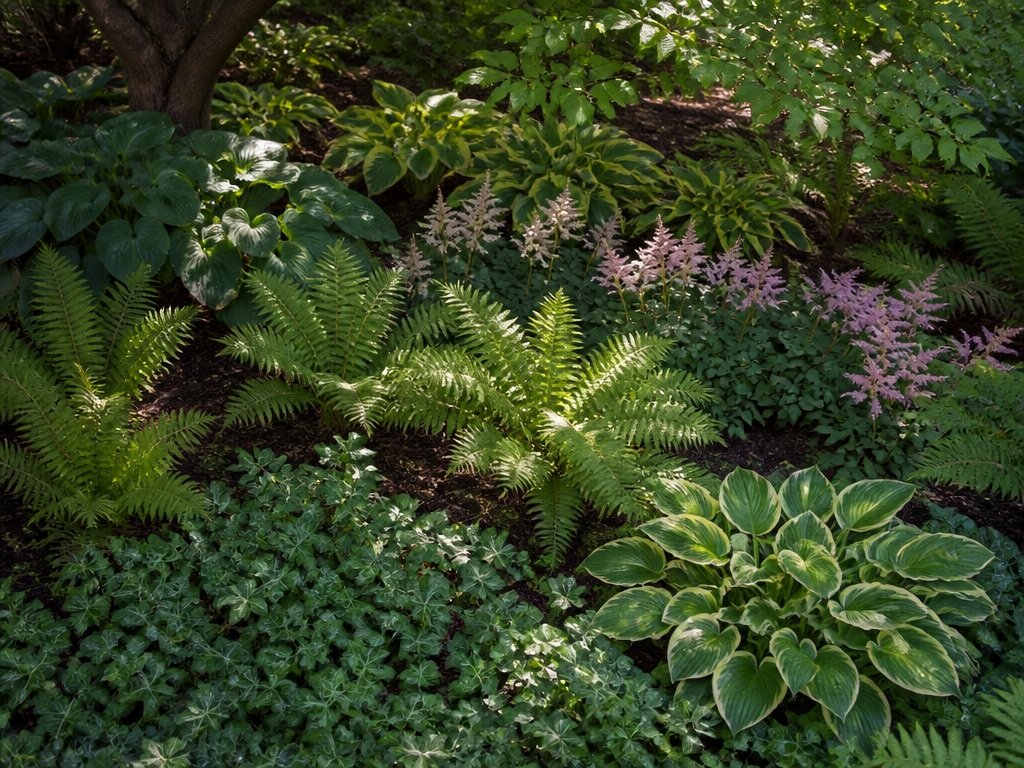
Creating visual depth in a shade garden requires organizing plants by height and light exposure, which maximizes the available space and improves overall design.
Tall trees form the canopy layer, providing filtered light. Shrubs like boxwood and hydrangea create the understory. Ground covers such as hostas and ivy fill lower spaces.
This layering system prevents bare soil, reduces weeds, and creates structured, cohesive gardens in shaded areas.
Install Low-Voltage Lighting to Enhance Shade Gardens
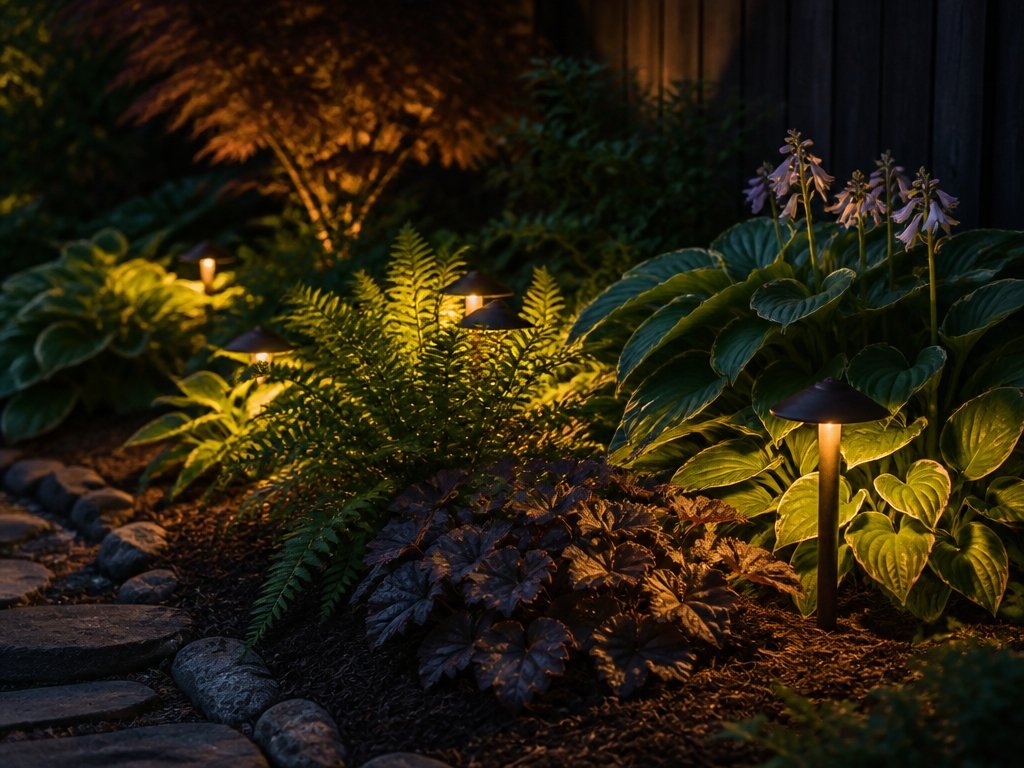
How can lighting transform a shade garden’s appearance after dark? Low-voltage lighting systems highlight foliage textures, create depth, and extend garden enjoyment into evening hours. Uplighting beneath trees emphasizes canopy layers, while path lights guide movement safely. Spotlights direct attention to specimen plants, and string lights add subtle ambiance.
Installation requires minimal electricity and poses few safety risks compared to standard systems.
Build Better Soil (Shade Plants Are Picky)
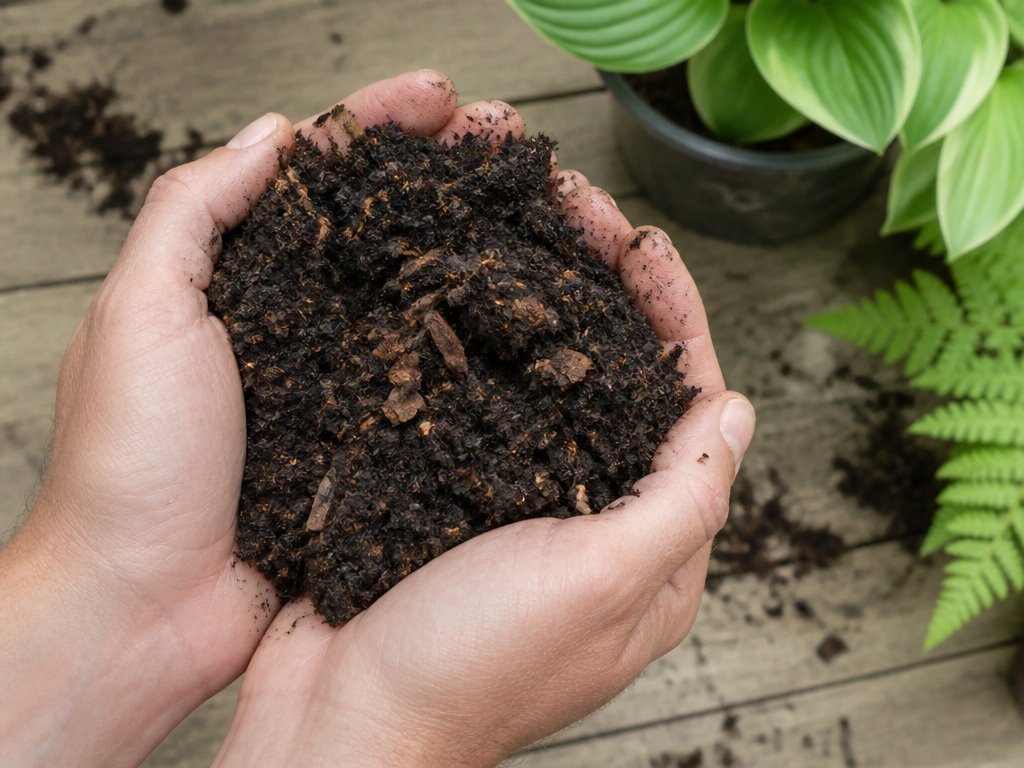
Most shade plants demand soil that drains well, contains organic matter, and maintains consistent moisture without becoming waterlogged. Amending beds with compost, leaf mold, or aged bark improves structure and nutrient content. Hostas, ferns, and hellebores thrive in enriched soil.
Test pH levels, as many shade plants prefer slightly acidic conditions. Regular amendments sustain soil quality over time.
Dry Shade, Wet Shade, or In-Between: Pick Plants That Match
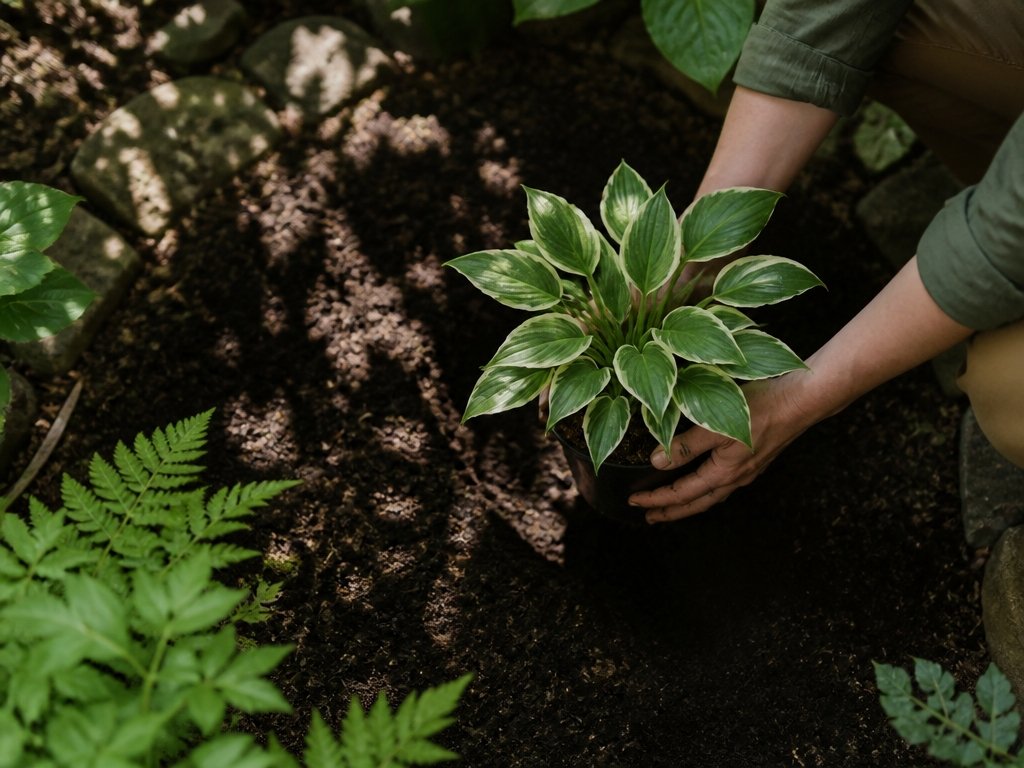
What conditions exist beneath the trees and structures creating shade on the property?
Dry shade requires drought-tolerant plants like hellebores, epimedium, and sedge. Wet shade demands moisture-loving species such as hostas, astilbe, and ferns. Most shaded areas fall between these extremes.
Matching plants to actual soil moisture conditions prevents failure and reduces maintenance requirements notably.
Design a Japanese-Inspired Shade Garden
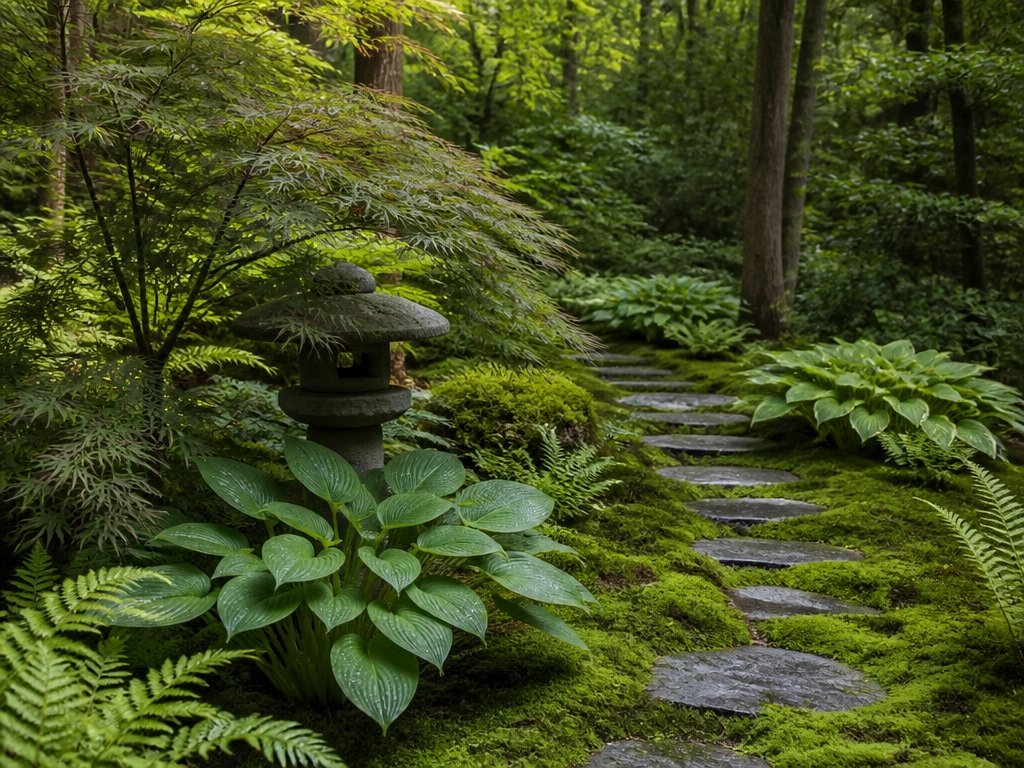
Three key principles guide Japanese garden design in shaded spaces: simplicity, balance, and naturalistic arrangement. Incorporate moss, ferns, and hostas as foundation plants. Add stone lanterns, stepping stones, and water features like small basins.
Use gravel or mulch pathways between plantings. Bamboo screening creates privacy and visual interest. Keep the color palette muted with greens and grays throughout.
Connect Sun to Shade With Transition Plants
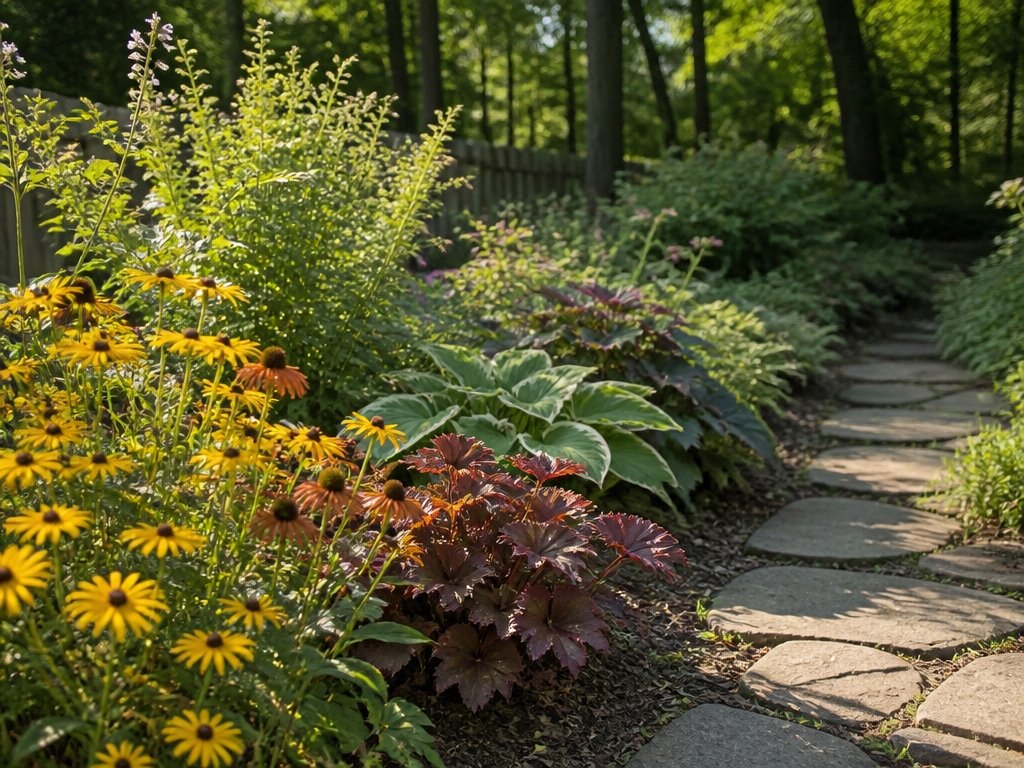
Many gardens contain both sunny and shaded areas, requiring plants that tolerate varying light conditions. Intermediate plants bridge these zones effectively.
Hostas, coral bells, and Japanese forest grass thrive in partial shade, accepting some direct sunlight. Astilbe and bleeding heart also adapt well to dappled light. These species create gradual shifts between bright and dark garden sections, improving visual continuity. Adding drought-resistant plants can also reduce watering needs in mixed-light spaces. Snake plants are especially useful in very dim corners because they tolerate low light and need only occasional watering.
Frequently Asked Questions
How Long Does It Typically Take for Shade Plants to Become Established and Mature?
Shade plants typically require one to three years to become fully established and mature. The timeline depends on species selection, soil quality, moisture levels, and light conditions. Slower-growing varieties may take longer to reach their ideal size and density.
What’s the Best Time of Year to Plant Shade-Tolerant Plants in My Garden?
Spring and fall are ideal for planting shade-tolerant species. These cooler seasons reduce transplant shock and allow roots to establish before extreme temperatures arrive. Spring planting provides a full growing season ahead, while fall planting enables root development during dormancy.
How Often Should I Water Shade Plants Compared to Sun-Loving Plants?
Like shadows that preserve moisture’s essence, shade plants require less frequent watering than sun-loving varieties. The reduced evaporation in shaded areas means gardeners should water deeply but less often, checking soil moisture before each watering session to prevent overwatering.
Can I Successfully Grow Shade Plants in Containers on a Shaded Patio?
Yes, shade plants thrive in containers on shaded patios. Container gardening offers excellent drainage control and flexibility for repositioning plants. Success requires selecting appropriate shade-tolerant varieties and monitoring soil moisture regularly, as containers dry faster than ground beds.
What Pest and Disease Problems Are Most Common in Shade Gardens?
Powdery mildew creeps, slugs slither, and snails slide through shaded spaces where moisture lingers and air circulation stagnates. These persistent pests and fungal diseases thrive in dim, damp conditions, requiring gardeners to improve drainage, enhance airflow, and monitor plants vigilantly.
Conclusion
Transforming a shaded area requires understanding specific conditions, selecting appropriate plants, and improving soil quality. Research indicates that 60% of gardeners struggle with shade gardening due to poor plant selection. Hostas, ferns, and groundcovers like ajuga thrive in low-light conditions. Adding variegated foliage, stepping stones, and lighting enhances visual interest. Water features and changeover plants complete the design, creating a functional, attractive shade garden that supports growth where nothing previously flourished.