The morning sun hits your front yard. You notice the dead shrubs again. Another weekend wasted on plants that refused to cooperate.
Some gardens demand constant care. Wildflower gardens don’t. They forgive dry spells. They handle bad soil. They bloom while you’re busy living your life.
Yellow Coreopsis opens with sunrise warmth. Black-Eyed Susans offer steady gold through summer heat. Indian Blankets burn bright with red-orange intensity.
These three alone reshape any ordinary yard into something alive.
But selection matters more than enthusiasm. Your specific yard has secrets—sun patterns, drainage quirks, soil moods. Match the flower to that reality.
The reward? Butterflies arrive. Bees move in. You finally win at gardening without really trying.
How to Choose the Right Wildflowers for Your Yard: Sun, Soil, and Zone
Picking wildflowers is a lot like finding a good roommate. Location matters. Conditions matter. You need compatibility.
Start with your sunlight. Grab a coffee and watch your yard for a day. Six or more hours of direct sun? That’s full sun territory. Most wildflowers love it there.
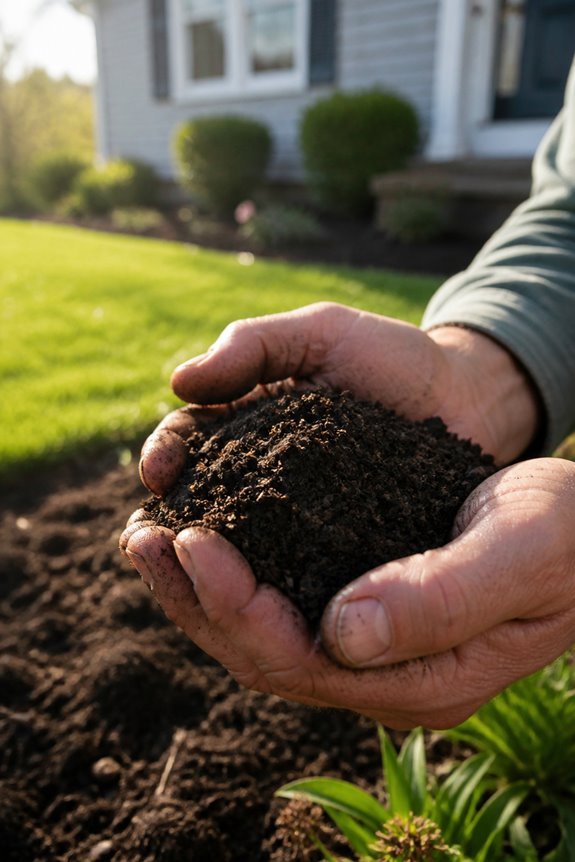
Now dig around in your dirt. Sandy, rocky, or clay soil? Your soil type shapes everything. Some flowers want drainage. Others don’t mind heavy ground.
Check your growing zone too. It’s your region’s temperature reality check. A flower happy in zone 5 might struggle hard in zone 9.
Be honest with yourself. Walk your yard at different times. Snap some photos if it helps. Match your actual conditions to what flowers actually need. Skip the wishful thinking.
Also read: 18+ FRONT YARD ENTRANCE Ideas That Feel Welcoming!
Coreopsis: Low-Maintenance Yellow Blooms That Self-Seed
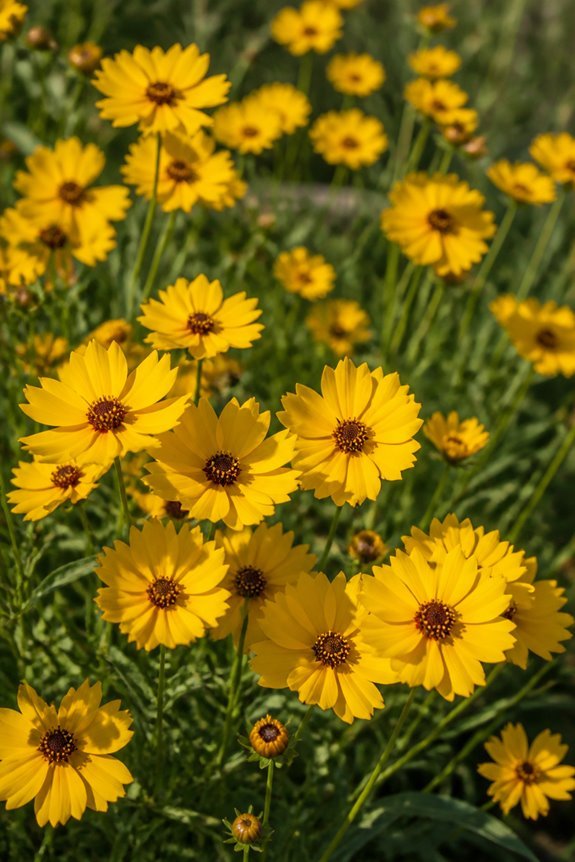
Ready to stop babying your garden? Coreopsis has your back. You just need sun and soil that drains. That’s it.
These yellow bloomers work harder than flowers twice their size. They start in June and keep going until September. No watering schedule. No fertilizer. No fuss. You plant them once. Twelve inches apart works perfectly. Then watch them self-seed and spread like they own the place. Next spring, you’ll find volunteers in surprising spots. The daisy-like petals glow like touched-up photos. Deer walk right past. Bugs do too. Poor soil? They prefer it. Coreopsis is the houseguest who arrives early, stays cheerful, and does the dishes without being asked.
Black-Eyed Susans: Drought-Tough Golden Bloomers
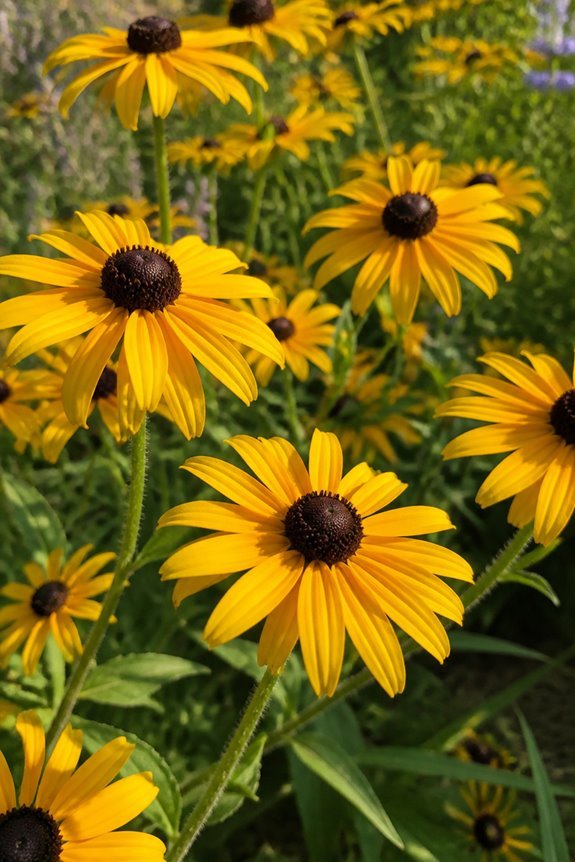
Want a garden that looks amazing even when you forget to water it? Black-Eyed Susans have your back. These bright yellow flowers with their dark brown centers stand about 2 to 3 feet tall. They practically smile through summer heat and dry spells.
You can plant them once and enjoy rewards for years. They spread on their own without demanding your attention. Poor soil? No problem. Skipped watering? They do not mind. Deer walk right past them. Pests leave them alone. You get nonstop golden blooms from summer through fall while barely lifting a finger.
Blanket Flower: Fiery Color That Spreads Effortlessly
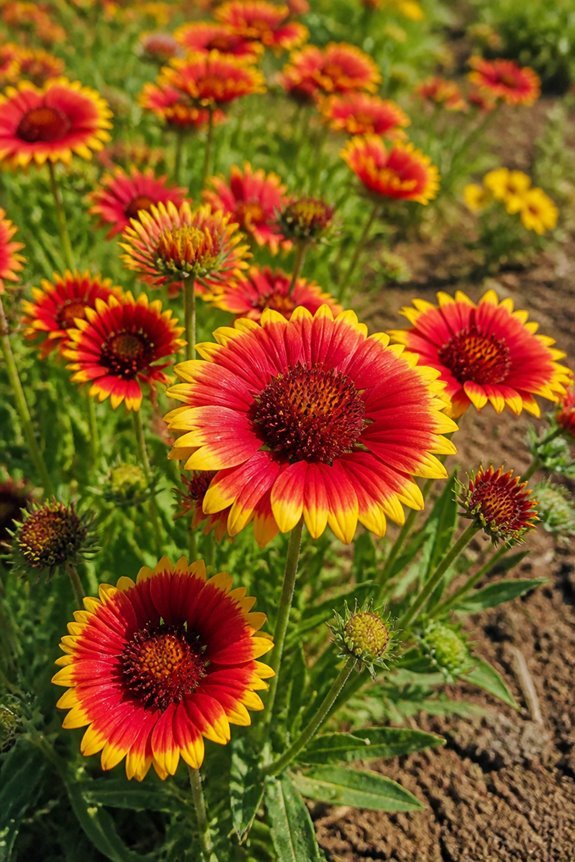
Ever feel like your garden plays favorites? Some flowers demand constant attention while others sulk in the heat. Blanket Flower is different. It shows up ready to party.
Picture this: bold red petals tipped with blazing yellow, like someone took a sunset and gave it petals. These blooms stand 18 to 24 inches tall and stick around from summer straight through fall. No batting eyelashes at you. No special soil requests. You plant them once and they handle the rest.
Here’s what makes them almost too easy. Blanket Flower spreads through seeds and runners, filling empty spots before you even notice them. Dry spells? Bad dirt? It doesn’t flinch. You’ll spot it thriving in places other flowers gave up on.
Quick tip: give it room to roam or it will happily take over your entire bed. Deadhead spent blooms if you want more flowers and less sprawling. That’s it. You get maximum color for minimum effort, which feels like cheating but isn’t.
Purple Coneflower: Low-Maintenance Wildflower for Dry Yards
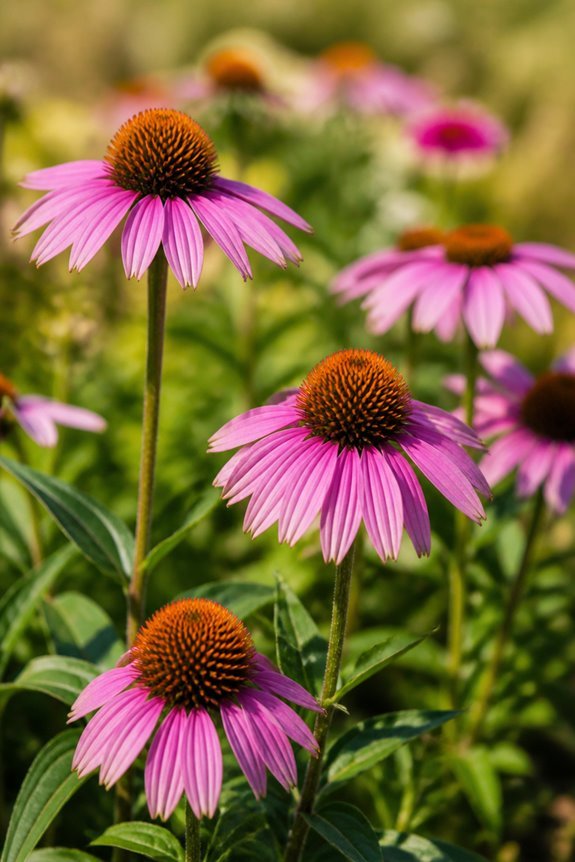
Tired of watching your garden wilt every summer? Purple Coneflower has your back. This wildflower shrugs off drought like it’s nothing. It actually prefers dry yards over soggy ones.
You’ll get 2-4 feet of sturdy growth topped with purple-pink petals. The center looks like a tiny hedgehog, all spiky and orange-brown. It’s weird in the best way.
Give it full sun and soil that drains well. That’s it. Walk away. The plant does the rest without any hand-holding from you.
Pollinators go wild for these blooms. Butterflies flutter in nonstop. Bees treat your yard like their favorite lunch spot. You’ll spot new visitors every afternoon.
Plant in spring or fall, about 18 inches apart. They spread on their own and come back stronger each year. Summer through fall, the color keeps coming. No drama. No demands. Just a quiet, reliable beauty that minds its own business.
Bee Balm: Fragrant Blooms That Draw Hummingbirds and Bees
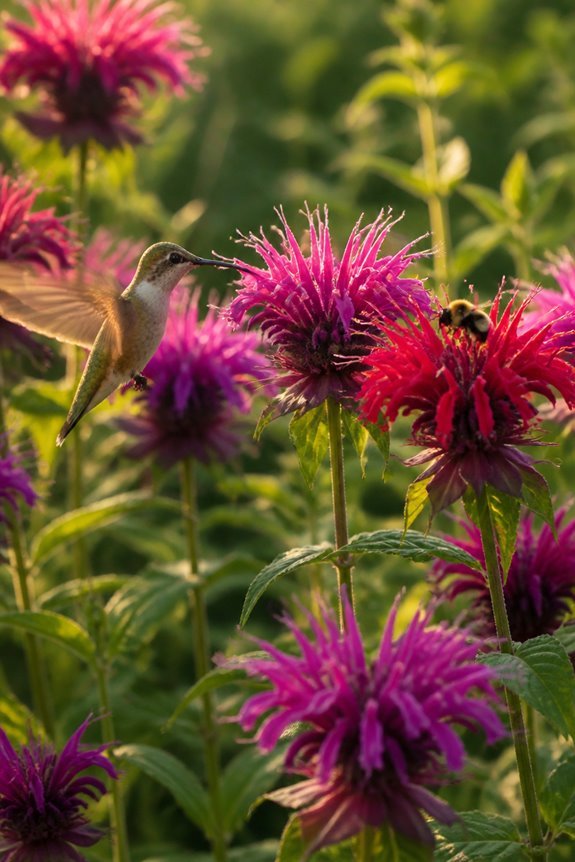
Want a plant that turns your garden into the neighborhood hot spot? Bee Balm is your answer. This two-foot beauty sends up puffy flower heads in red, pink, purple, or orange. Hummingbirds and bees will zip in like they’ve found their favorite snack bar.
The leaves smell amazing too. Think mint with a little kick. Plant it where it gets good sun and watch it spread. It handles dry soil once settled in, so you can relax and enjoy the show. Just pinch off old blooms to keep the color coming all season long. Your pollinators will stick around for the long haul.
Lupines: Tall, Dramatic Spikes in Cool Tones
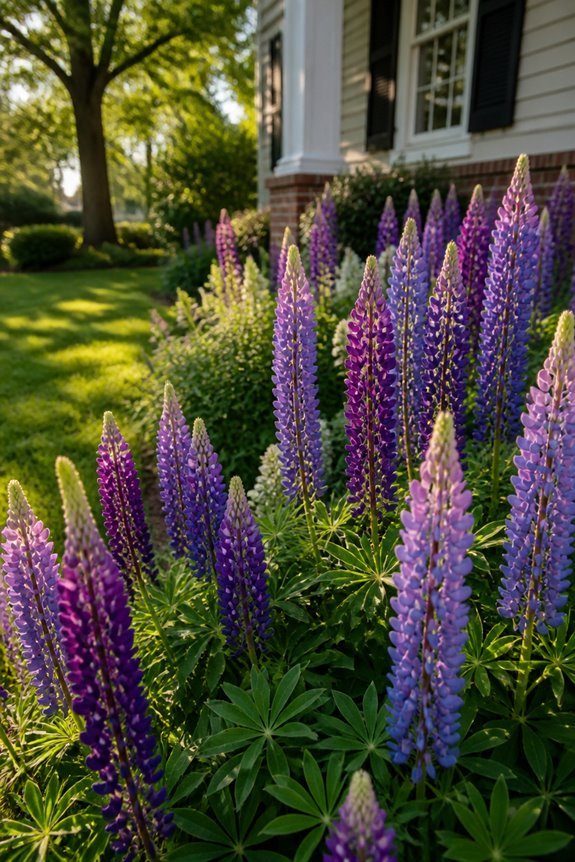
Want some serious drama in your garden without the fuss? Lupines deliver. These tall spires rocket up two to three feet, covered in saturated purples, blues, and pinks. Each bloom stack looks like a mini tower of cool-toned flames.
You barely need to babysit them. They thrive in chilly weather and hate soggy feet, so pick a spot with decent drainage. Spring or fall planting works fine. Give them sun. Step back. The bees will find them fast, trust me.
Let them go to seed and you’ll wake up to more volunteers next season. Free flowers. Zero effort.
Indian Blanket: Low-Growing Flowers for Front Borders
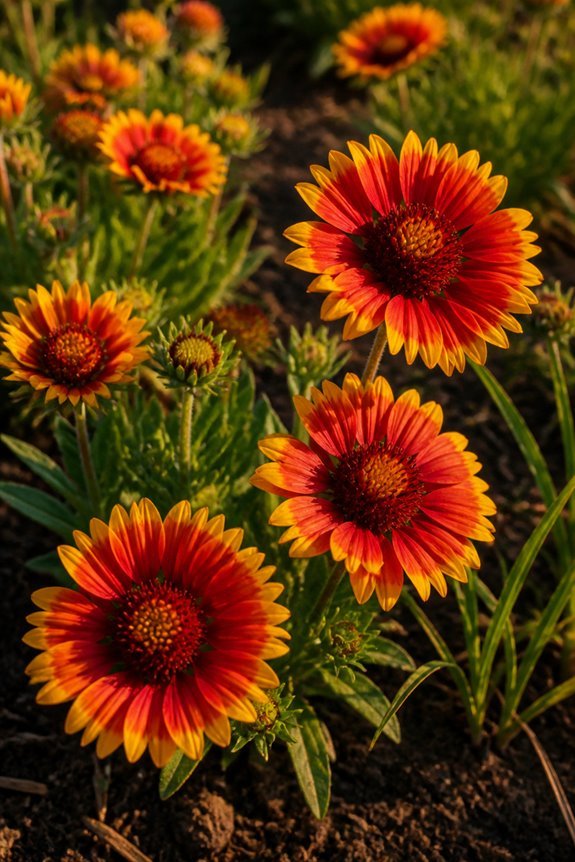
Want front border flowers that keep showing up without constant attention? Indian blankets might be your new best friend.
These compact growers reach just 12 to 18 inches tall. Their petals blend fiery reds and golden yellows into something like a sunset you can touch. You get bold color from spring straight through fall. No pampering required. They handle drought and poor soil without complaint. Full sun keeps them thriving.
Plant them in tight clusters for real impact. Skip the daily watering and fussing. Indian blankets basically care for themselves while your yard looks intentionally stunning.
Salvia: Purple, Blue, or Red Flower Spikes That Attract Hummingbirds
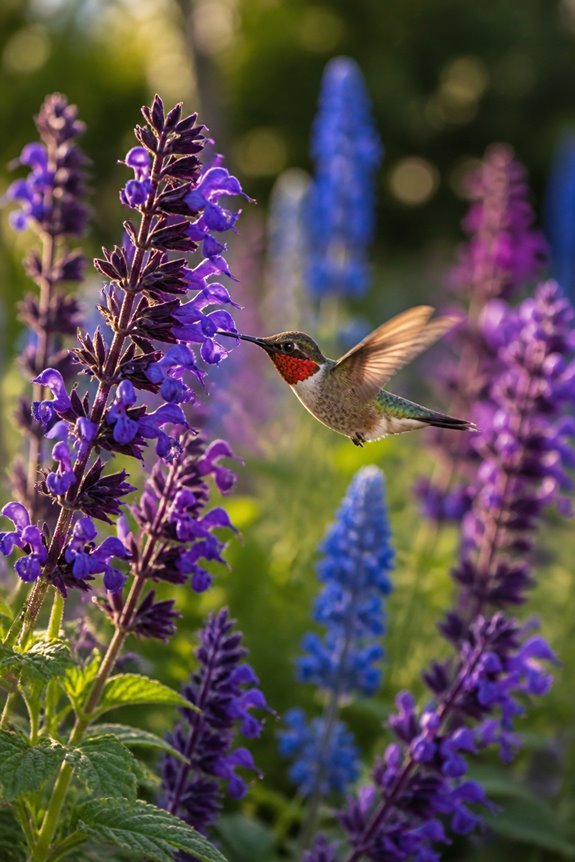
Want a plant that practically runs itself and still puts on a show? Salvias deliver. They hit 2-3 feet tall with flower spikes in purple, blue, or red that seem to light up in summer sun.
Hummingbirds go absolutely wild for them. You’ll spot these tiny birds darting in like little helicopters. It’s genuinely fun to watch. Just plant them in clusters for real visual impact. Sun and well-draining soil are all they ask. Let the soil dry between waterings, and they’ll bloom for months. No special fertilizer needed.
Butterflies and bees show up too. Your front border becomes a lively wildlife hangout, and you barely lift a finger. Think of it as the easiest party you’ll ever host.
Rudbeckia: Extended Blooms From Summer Through Fall
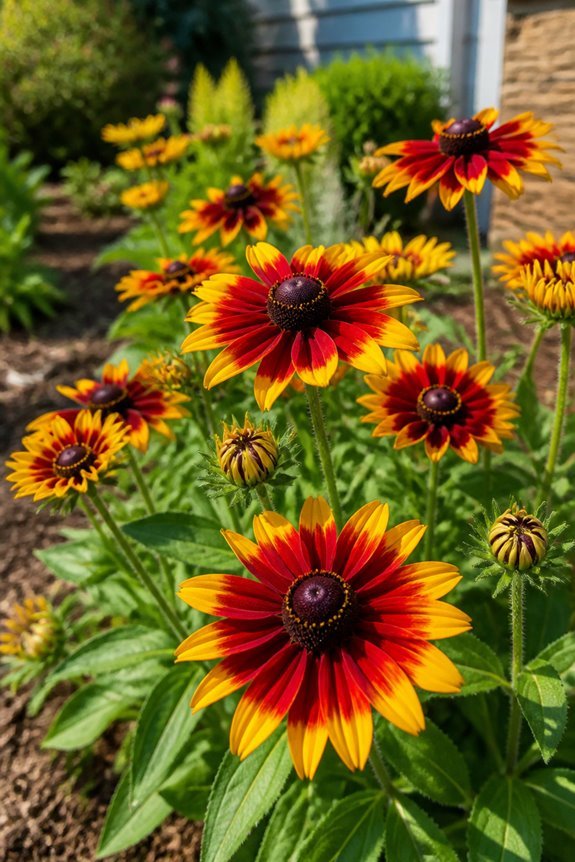
Tired of your garden looking sad by August? You need a plant that keeps showing up. Rudbeckia does exactly that. It blooms from June through October without complaining once.
You get cheerful yellow flowers with dark chocolate centers. They stand about two to three feet tall. Butterflies will swarm your yard like you planned it that way.
Here’s the best part. You don’t need fancy skills or endless watering. Give Rudbeckia full sun and decent soil. It handles the rest.
Want extra blooms? Snip off dead flowers when you spot them. Skip it and you’ll still get plenty of color.
Plant in clumps for real impact. Your neighbors will wonder how your garden stays so fresh. Everyone else’s flowers look exhausted. Yours keep glowing.
Lanceleaf Coreopsis: Feathery Foliage, Continuous Blooms
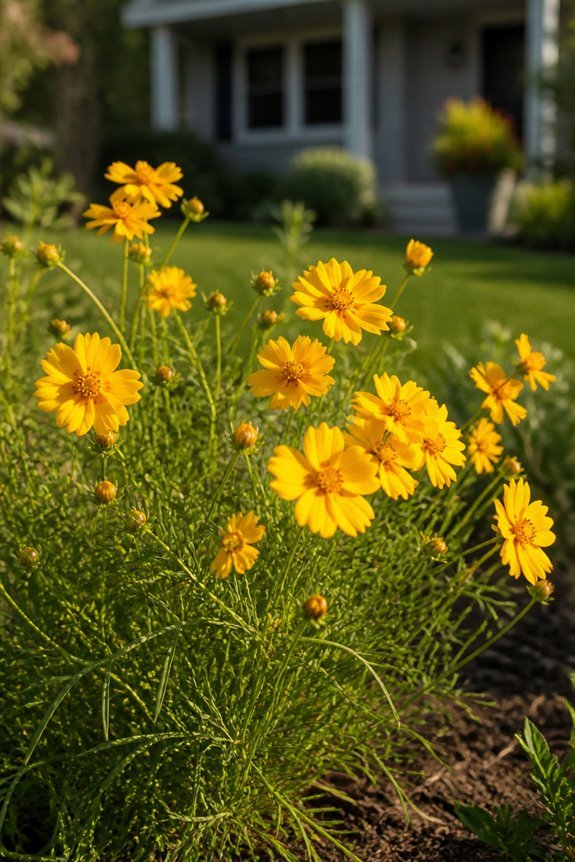
Want a plant that looks fancy but acts tough? Lanceleaf coreopsis fits the bill. Its feathery, thread-like leaves add texture to any bed. You’ll get nonstop golden-yellow blooms from early summer through fall.
These plants reach 12–18 inches tall and spread into cheerful clumps. Give them full sun and sandy, well-drained soil. Skip the fussy watering routine. They handle drought better than most once established. Deadhead if you want even more flowers, or let them be. Either way, they’ll keep performing without complaint.
Wild Bergamot: Minty Scent and Long Flowering Season
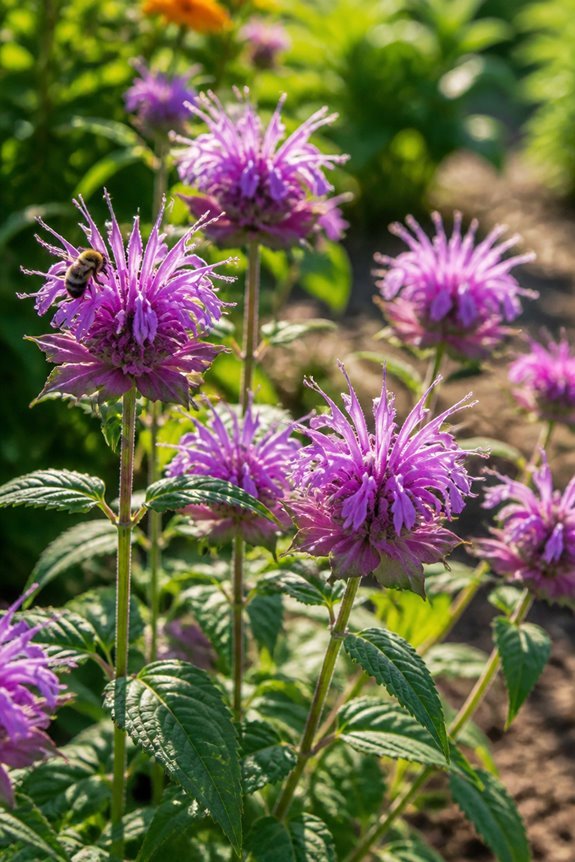
Want a plant that works hard while you relax? Wild bergamot delivers purple-pink blooms for months with almost zero effort from you.
This native perennial starts flowering in mid-summer and keeps going until fall. That’s weeks of color without deadheading or fussing. The two-foot stalks carry clustered blooms that butterflies can’t resist. You’ll find them hovering around your garden all afternoon.
The minty scent is more than nice. It’s calming, refreshing, and completely natural. Rub a leaf between your fingers when you pass by. Plant it in full sun with average soil, then step back. It handles heat and dry spells better than most of your garden crew.
Pollinators treat wild bergamot like a favorite diner. Bees, hummingbirds, and butterflies all show up for the nectar buffet. You get the show. They get the meal. Everyone wins.
Shasta Daisy: Classic White Blooms Requiring Almost No Care
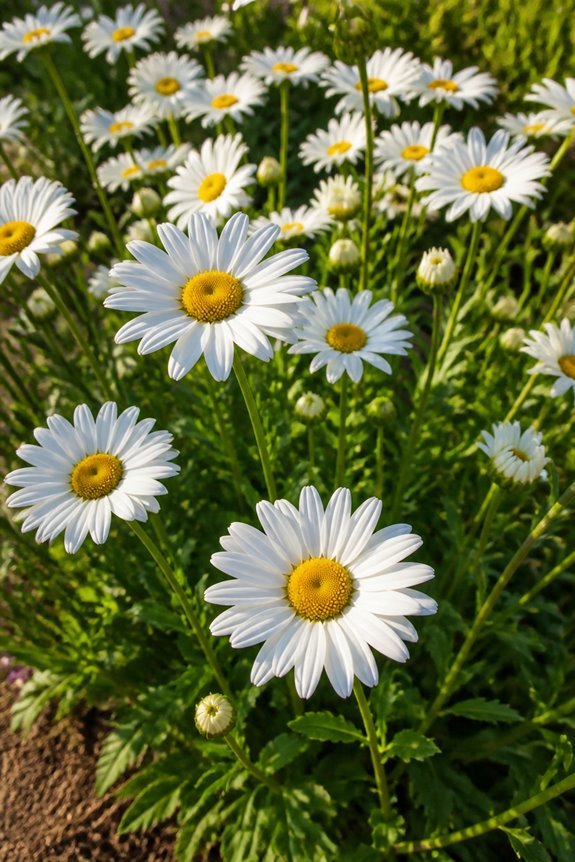
Want a garden showstopper without the work? Shasta daisies are your answer. These classic white blooms with sunny yellow centers ask very little of you. They just keep growing.
You can plant them in full sun and average soil. Water them at first, then forget about it. They handle drought like pros once established. Standing two to three feet tall, they flower from early summer straight through fall. Bees and butterflies flock to them. You get months of beauty with barely any effort.
Blazing Star (Liatris): Tall Spikes, Zero Staking Required
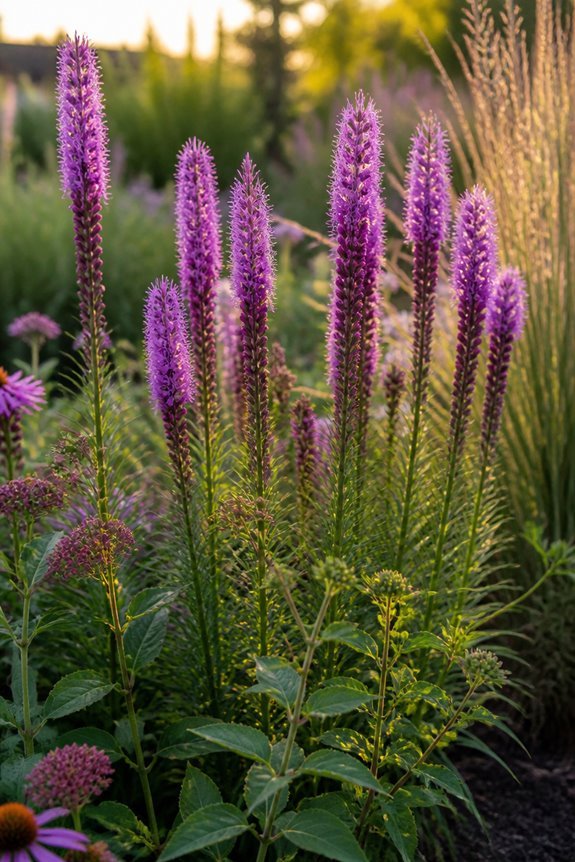
Want vertical drama without the drama of staking? Blazing star has your back.
These purple spikes rocket up 2 to 4 feet and stay ramrod straight. No hoops. No tying. No cursing at flopped-over plants in the rain. You get fireworks in flower form, and you barely lift a finger.
Butterflies will mob your yard. The blooms come in purple, pink, or white, and pollinators treat them like an all-you-can-eat buffet. You get a summer-to-fall show while they get lunch. Fair trade.
Here’s your game plan. Find a sunny spot with soil that drains well. Skip the rich, fluffy stuff. Blazing star likes it lean and dry. Water it in, then mostly forget it. Deer pass it by. Bugs leave it alone. Over time, it spreads into tidy clumps without any help from you.
Professional curb appeal. Amateur effort. That’s the sweet spot you’re looking for.
Tickseed: Continuous Blooms in Yellow and Orange
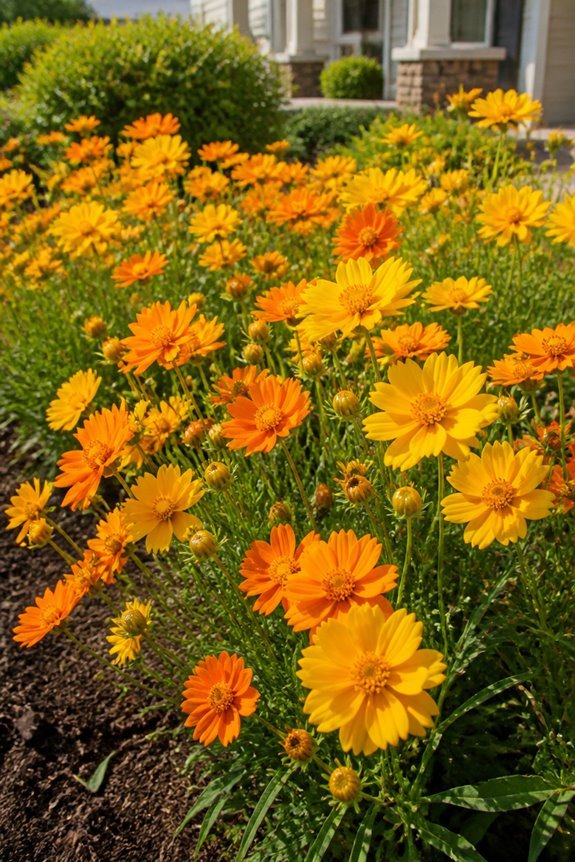
Want flowers that keep showing up without constant babysitting? Tickseed delivers. This easygoing wildflower pumps out yellow and orange blooms from summer straight through fall.
You can find varieties from 1 to 3 feet tall. That means options for any spot in your front yard, no awkward towering required.
Now for the relief: tickseed actually prefers tough conditions. Dry soil? Poor dirt? It handles both like a champ. Skip the watering schedule and plant in full sun. Done.
Deadheading keeps the color coming longer, but your garden won’t crash if you forget. The golden-orange petals do the heavy lifting. They brighten everything up and pull butterflies in like magnets.
Frequently Asked Questions
How Do I Prepare My Front Yard Soil Before Planting Wildflowers?
One should remove existing grass and weeds, then loosen the soil to a depth of six inches. Testing soil pH and adding compost improves fertility. Raking smooth creates an ideal seedbed for wildflower establishment and germination success.
What Is the Best Time of Year to Plant a Wildflower Garden?
The ideal planting time depends on regional climate. Spring, after the last frost, suits cool-season wildflowers, while fall works best for warm-season varieties. One should verify local growing zones and specific flower requirements before planting.
Do Wildflower Gardens Require Fertilizer or Other Chemical Treatments?
Wildflower gardens typically require minimal fertilizer since native plants adapt to existing soil conditions. Chemical treatments are generally unnecessary, as wildflowers evolved to thrive naturally. Avoiding fertilizers actually encourages stronger root systems and sustainable growth patterns.
How Often Should I Water a Newly Established Wildflower Garden?
A newly established wildflower garden requires consistent moisture during its first growing season. One should water deeply once or twice weekly, depending on rainfall and soil conditions, until plants become self-sufficient and drought-tolerant.
Can I Mix Different Wildflower Species Together Without Them Competing Aggressively?
Yes, mixing wildflower species works well when gardeners select plants with similar growing requirements and soil preferences. Native species naturally coexist in ecosystems, allowing them to thrive together without aggressive competition for resources and space.
Conclusion
A wildflower garden transforms your front yard into a buzzing, colorful paradise. Bees dance between purple coneflowers and golden black-eyed susans. Butterflies flutter from blanket flowers to swaying liatris spikes. You’ll barely lift a finger, yet watch nature paint your landscape with reds, yellows, and purples. These tough little flowers laugh at drought and neglect. Your yard becomes a living masterpiece that works while you relax. That’s the real magic here.