Most gardeners chase dramatic transformations, yet gardens reveal their secrets in subtler ways. The real magic hides in quiet rituals performed faithfully day after day. Small observations stack together until they reshape everything growing in your care.
Noticing a single yellow leaf signals distress before it spreads. Catching soil dryness early prevents the spiral into wilted, damaged roots. Pulling one weed before it seeds saves hours of future labor. These moments feel insignificant alone, but together they form the backbone of thriving beds.
There is something almost meditative about deadheading fading blooms by hand. Watering precisely where roots actually grow, rather than spraying indiscriminately, builds stronger plants with less waste. The garden responds not to grand gestures but to this steady, attentive presence.
Which small practices deserve your focus? That depends on what you grow, your climate, your soil.
Yet the principle remains: gardens reward consistency more than intensity. The compounding effect of minor care, sustained over seasons, outperforms sporadic heroic efforts every time.
Small Daily Observations Compound Into Blooming Success
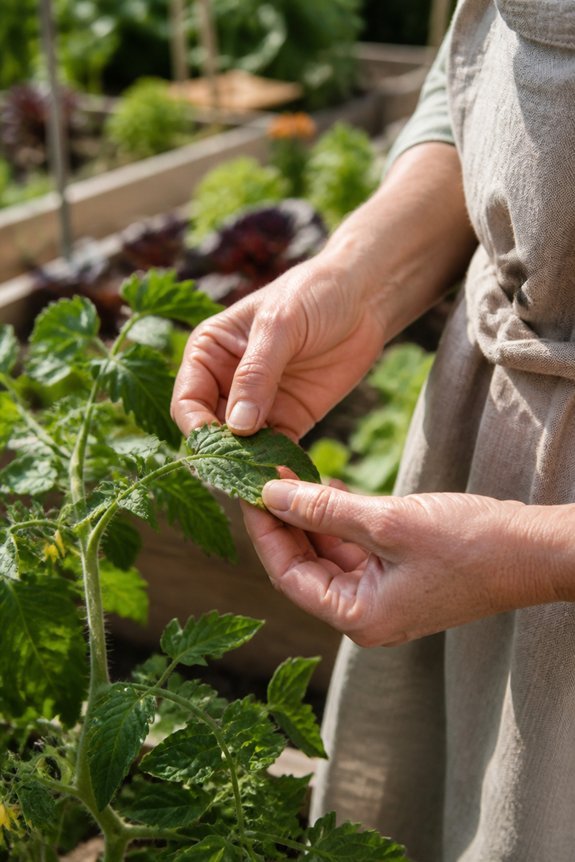
Consistency in garden monitoring reveals patterns that guide better plant care decisions. Gardeners who observe their plants daily notice early signs of problems, such as yellowing leaves, pest damage, or wilting stems. These observations allow for prompt intervention before issues become severe.
Small details accumulate into valuable knowledge. Noting when plants flower, how quickly they grow, and which specimens thrive in specific locations creates a personalized gardening reference. A gardener tracking soil moisture levels, sunlight exposure, and watering frequency develops understanding specific to their garden’s conditions.
Daily observations also reveal seasonal timing. Monitoring weather patterns, frost dates, and plant responses to temperature changes improves planting schedules. Gardeners who record these details year after year build expertise that transforms gardens from struggling spaces into productive, healthy environments.
Deadheading and Pruning Multiply Your Blooms
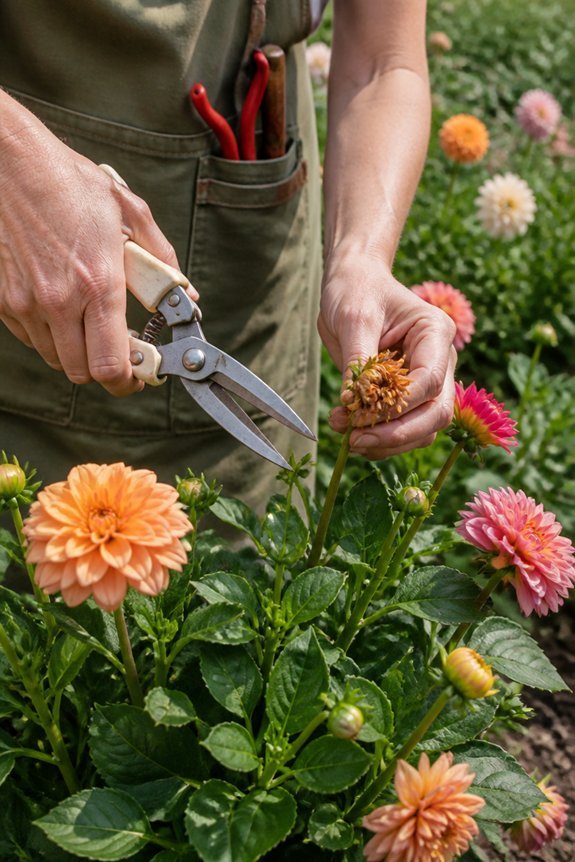
While daily observation builds gardening knowledge, deliberate plant maintenance actions produce immediate results. Deadheading, the removal of spent flowers, redirects plant energy toward new blooms rather than seed production. This practice works effectively on roses, marigolds, zinnias, and dahlias, extending their flowering periods considerably.
Pruning shapes plants, removes diseased branches, and encourages fuller growth. Light pruning during the growing season promotes branching, which increases flower production. Heavy pruning, performed in late winter or early spring, rejuvenates older plants.
Both techniques require basic tools: sharp pruners, hedge shears, and loppers. Deadheading demands frequent attention, sometimes multiple times weekly during peak bloom. Pruning typically occurs less often, following seasonal timing specific to each plant species.
These small maintenance actions consistently multiply blooms throughout the growing season.
Why Soil Moisture Matters Most
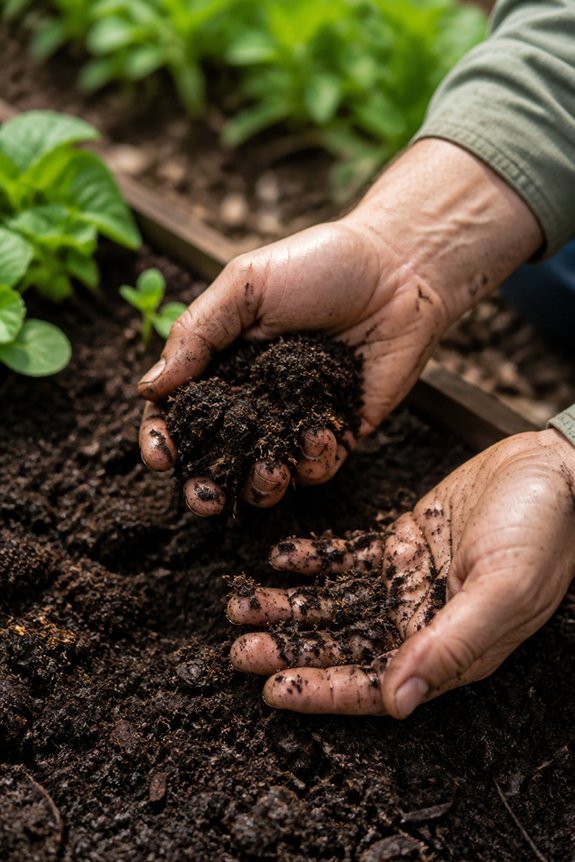
Water availability directly affects plant health, growth rate, and flower production. Soil moisture maintains nutrient transport, allowing roots to absorb essential minerals like nitrogen, phosphorus, and potassium. Without adequate water, plants cannot process these nutrients effectively, leading to stunted growth and poor blooms.
Overwatering presents equal problems, however. Saturated soil restricts oxygen flow to roots, causing rot and fungal diseases. Most garden plants require soil that feels moist but not waterlogged, similar to a wrung-out sponge.
Checking soil moisture regularly proves essential. Gardeners should insert a finger two inches into the soil: if it feels dry, watering is needed. Clay soil retains moisture longer than sandy soil, requiring less frequent watering. Mulching around plants helps regulate moisture levels, reducing evaporation and maintaining consistent soil conditions throughout growing seasons.
Pest Prevention Beats Waiting for Pest Control
Catching pest problems early requires preventative measures rather than reactive treatments. Gardeners who inspect plants regularly, checking leaf undersides and stems for insects, can identify infestations before significant damage occurs.
Common pests like aphids, spider mites, and caterpillars reproduce quickly, making early intervention essential.
Preventative strategies include removing infected leaves and debris promptly, spacing plants properly for air circulation, using row covers on vulnerable seedlings, and introducing beneficial insects like ladybugs.
Waiting until pests become visible often means populations have already established themselves, requiring stronger interventions. Regular monitoring takes minimal time but saves plants from substantial harm. Prevention reduces reliance on pesticides and maintains garden health more effectively than addressing severe infestations later.
Pull Weeds Early Before Seeds Spread
Removing weeds before they flower and produce seeds prevents exponential growth in future seasons. A single dandelion or crabgrass plant can generate thousands of seeds, which spread through wind, water, and soil movement. Early removal stops this cycle at its source.
Gardeners should inspect beds weekly, particularly during spring and summer months. Pulling weeds by hand works best when soil is moist, as roots come out more completely. Tools like hoes and cultivators remove multiple weeds efficiently in larger areas.
Timing matters greatly. Weeds pulled before flowering require minimal effort. Established plants with deep taproots, such as thistles and pigweed, demand more force and patience. Regular weeding prevents future infestations and reduces reliance on herbicides. This small, consistent effort yields substantial long-term garden improvements.
Hand-Watering Reaches What Sprinklers Miss
Most sprinkler systems deliver water evenly across large garden areas, yet they frequently miss smaller spaces and delicate plants. Hand-watering addresses these gaps effectively.
Gardeners benefit from using hand-watering for container plants, seedlings, and narrow garden sections. A watering can or hose allows precise control over water distribution. Plants near walls, under eaves, or between larger vegetation often receive insufficient water from sprinklers alone.
Hand-watering also prevents overwatering in certain areas, reducing water waste. Tomatoes, lettuce, and newly transplanted flowers respond well to targeted watering. The method accommodates different soil moisture needs within the same garden.
Combining hand-watering with sprinkler systems creates extensive coverage. Morning watering sessions work best, allowing foliage to dry before evening. This approach maximizes plant health while maintaining efficient water use.
Your 10-Minute Daily Garden Routine
A brief daily garden routine keeps plants healthy without requiring significant time investment. Gardeners should spend ten minutes each morning inspecting plants for wilting, yellowing leaves, or pest damage. Checking soil moisture around tomatoes, peppers, and herbs prevents both underwatering and overwatering problems.
Deadheading spent flowers on roses, marigolds, and zinnias encourages new blooms. Removing visible weeds from garden beds prevents competition for nutrients and water. Evening watering, applied directly to soil rather than foliage, reduces disease risk.
This consistent routine catches problems early, maintains plant vigor, and takes minimal time. The daily observations build gardening knowledge, helping growers understand their specific growing conditions and plant needs better.
Frequently Asked Questions
What’s the Best Time of Year to Start a Beginner Garden?
Spring offers the ideal starting point for beginner gardeners. Warming soil temperatures and lengthening daylight hours create favorable conditions for seed germination and plant establishment. However, one should research their specific climate zone, as fall planting works well in warmer regions.
How Often Should I Fertilize My Plants Throughout the Growing Season?
One might assume plants thrive on constant chemical cocktails, yet gardeners typically fertilize every two to four weeks during active growth. Monthly applications work for slow-release formulas. Always follow package instructions, as over-fertilizing burns roots and wastes resources—proving restraint truly matters.
Can I Grow Vegetables and Flowers Together in the Same Bed?
Yes, vegetables and flowers can thrive together in the same bed. This practice, called companion planting, offers mutual benefits. Flowers attract pollinators and beneficial insects, while some repel pests. The combination creates a balanced, productive garden ecosystem.
What Tools Do I Absolutely Need to Maintain a Small Garden?
Studies show gardeners using proper tools increase yield by 30%. A small garden requires only a hand trowel, pruning shears, cultivator, and watering can. These four implements enable one to plant, maintain, and harvest efficiently without unnecessary expense or complexity.
How Do I Know if My Garden Soil pH Is Balanced Correctly?
One can determine soil pH balance by using a home testing kit from a garden center or sending samples to a local extension office. Most plants thrive in slightly acidic soil, around 6.0 to 7.0 pH. Regular testing guarantees ideal growing conditions.
Conclusion
Gardeners who invest time in daily observation, deadheading, and precise watering witness compounding results over seasons. Small actions—checking soil moisture, removing weeds before flowering, monitoring for pests—prevent larger problems later. This methodical approach, much like maintaining a vintage pocket watch, requires consistent attention to detail. Regular ten-minute routines transform garden health considerably, demonstrating that accumulated minor efforts produce the most vibrant landscapes.