

Container gardening opens up a world of possibilities for beginners working with tight spaces. Many Plants That Repel Bugs also grow well in containers. Basil, peppermint, lavender, and geraniums adapt beautifully to pots on windowsills, balconies, or small patios.
These compact plants can help discourage mosquitoes, flies, and ants while doubling as fresh ingredients or cheerful decor.
The key is matching the right plant to the right pest. Basil’s strong aroma may help deter mosquitoes, while peppermint is commonly used around areas where ants appear.
Lavender adds a pleasant fragrance and may discourage some flies. Scented geraniums bring color while adding another aromatic option to your container garden.
Strategic placement also matters. Positioning Plants That Repel Bugs near entry points and seating areas keeps their scents closer to places where insects are most bothersome.
A few well-chosen containers placed thoughtfully can create a practical and attractive addition to your outdoor space.

Put Protection Where It Matters
Start by identifying where pests usually enter or gather. Pots placed near doors, windows, balconies, and outdoor seating areas are more useful than plants scattered randomly around the space.
Match each plant to the pest you actually want to discourage. Basil is useful around mosquito-prone areas, while peppermint is better suited to spots where flies and ants regularly appear.
Give the plants conditions that keep them healthy enough to produce strong foliage and fragrance. Good drainage, adequate sunlight, and regular pruning or harvesting will make a small container garden easier to maintain.
Why Natural Plants Beat Chemical Sprays
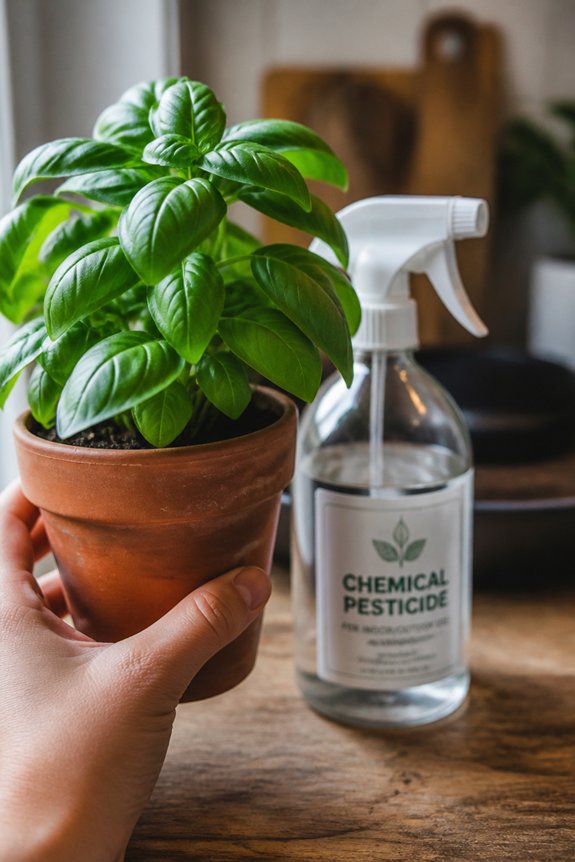
Chemical sprays kill bugs quickly, but they come with drawbacks that natural plants avoid. Sprays contain toxic chemicals that harm beneficial insects, pets, and soil quality.
Plants like basil, marigold, and lavender repel pests naturally through their scents and oils. This method costs less money, requires no reapplication, and poses no health risks to residents or the surrounding environment.
Set Up Your Space First: Pots, Soil, and Placement
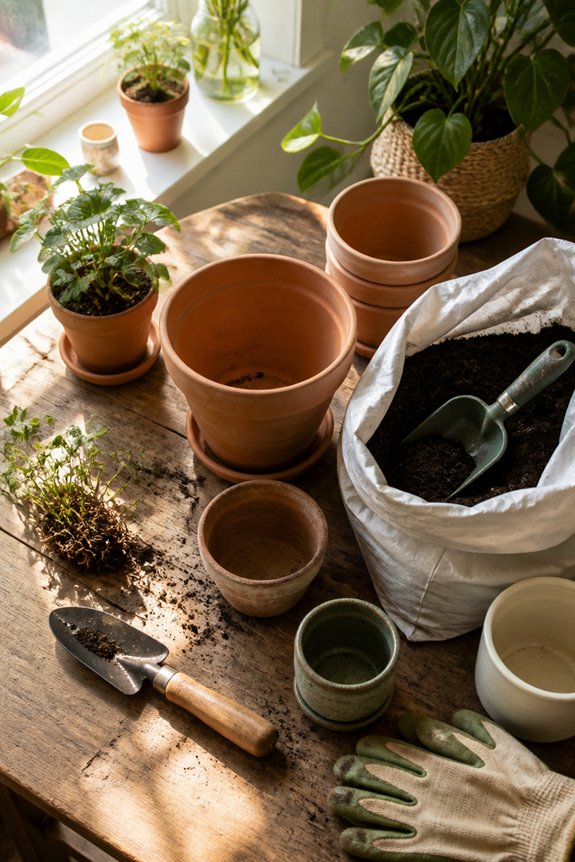
Before planting bug-repelling herbs and flowers, a gardener must prepare the growing environment with proper containers, soil, and location. Select pots with drainage holes, use well-draining potting soil, and position plants in areas receiving six to eight hours of sunlight daily.
Indoor gardeners should place containers near south-facing windows. Outdoor placement should avoid dense shade where pest-repelling plants lose effectiveness.
Basil: Your Windowsill Mosquito Fighter
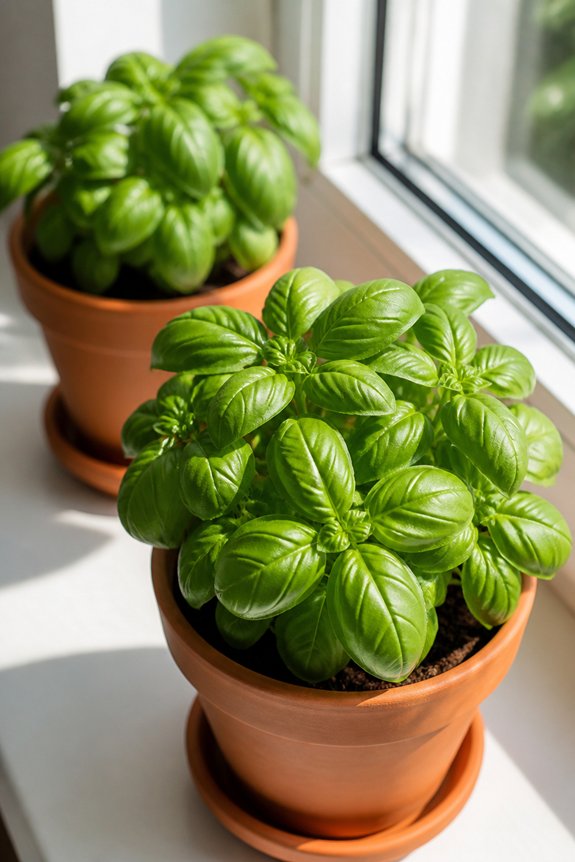
When grown indoors on a sunny windowsill, basil releases natural oils that deter mosquitoes and other flying insects from nearby areas. A small pot placed near a kitchen window works well for this purpose.
Basil requires regular watering, good drainage, and six to eight hours of direct sunlight daily. Pinching off leaves encourages bushier growth and provides fresh herbs for cooking simultaneously.
Peppermint: Flies and Ants, Meet Your Match
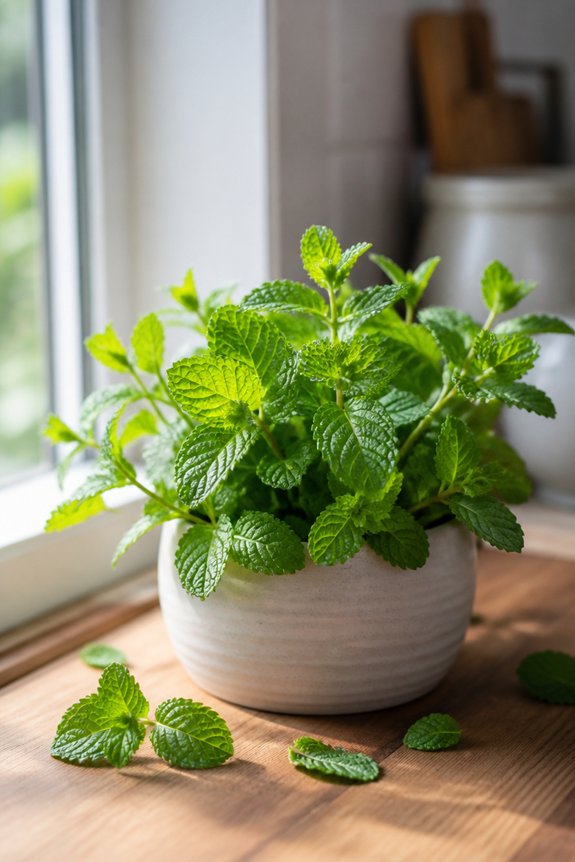
While basil works well for mosquitoes, peppermint offers a different pest-control benefit by targeting flies and ants. The plant’s strong menthol scent repels these insects effectively.
Peppermint grows quickly indoors on sunny windowsills, requiring minimal care. Place potted peppermint near kitchen areas or entryways where flies and ants commonly appear. Crush leaves occasionally to release additional scent and increase effectiveness.
Lavender: Fragrant Multi-Pest Defense
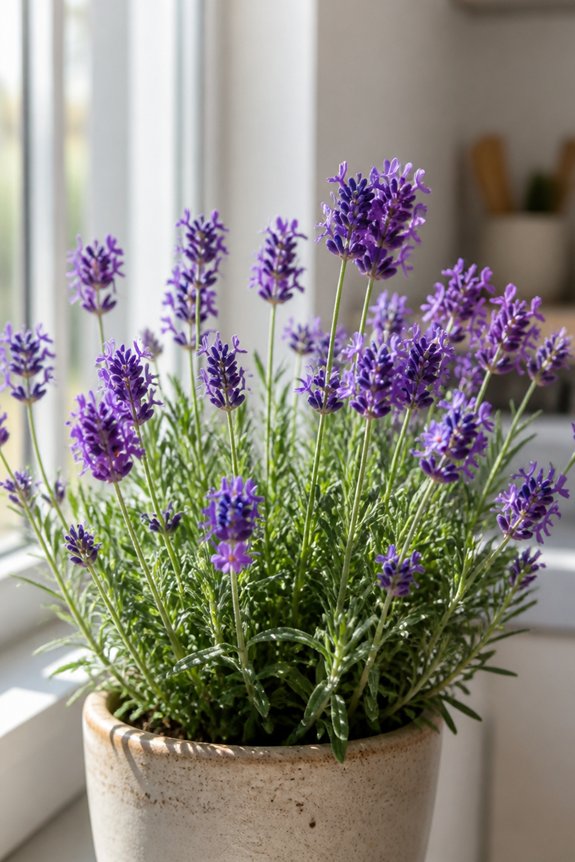
Lavender serves as a broad-spectrum pest repellent, defending against mosquitoes, flies, moths, and other common household insects. The plant’s essential oils create an unfavorable environment for these pests.
Lavender thrives in sunny locations with well-drained soil, making it suitable for small spaces, containers, and windowsills. Dried lavender bundles placed indoors provide continued pest control benefits.
Marigolds: Bright Blooms That Deter Pests
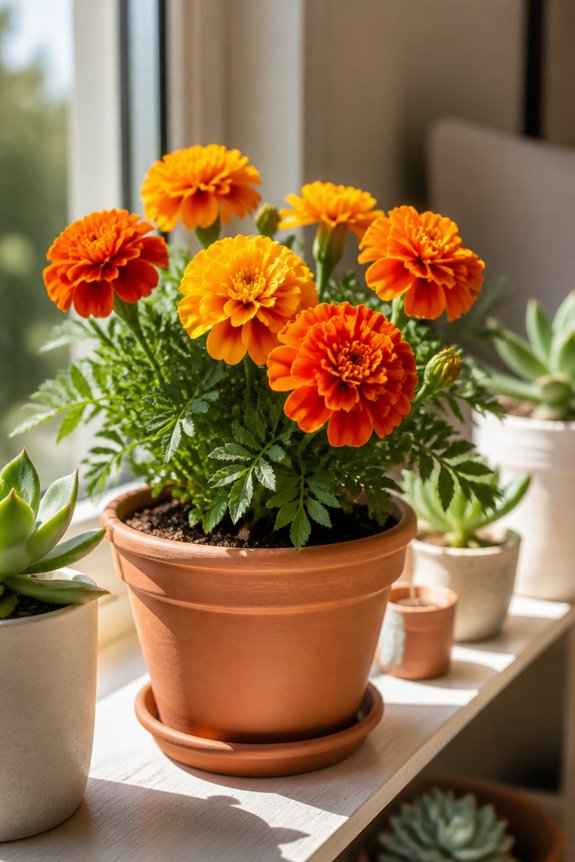
Marigolds are flowering plants that repel various garden and household pests through their natural chemical compounds. These flowers deter aphids, mosquitoes, and beetles effectively.
Marigolds thrive in containers, making them ideal for limited spaces. They require full sunlight, well-draining soil, and minimal maintenance. Gardeners can position marigold pots near doorways or window sills to maximize pest control benefits indoors and outdoors.
Nasturtiums: Edible Trap Crops for Your Balcony
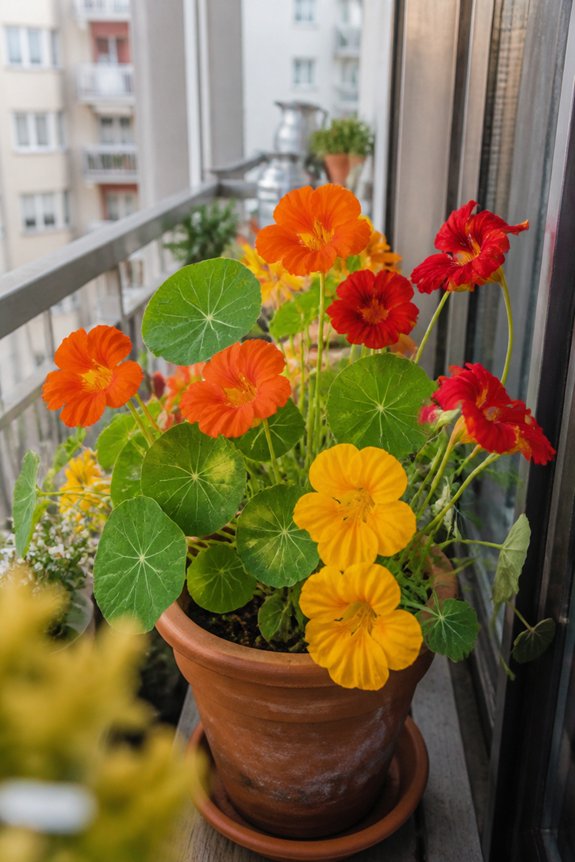
Unlike marigolds that repel pests through chemical deterrents, nasturtiums function as trap crops, attracting insects away from more valuable plants. These edible flowers draw aphids, whiteflies, and caterpillars preferentially. Gardeners plant nasturtiums nearby, sacrificing them to protect vegetables and herbs.
The blooms, leaves, and seeds are edible, offering dual benefits. Container cultivation on balconies accommodates space constraints effectively.
Rosemary: Tough Herb for Tight Corners
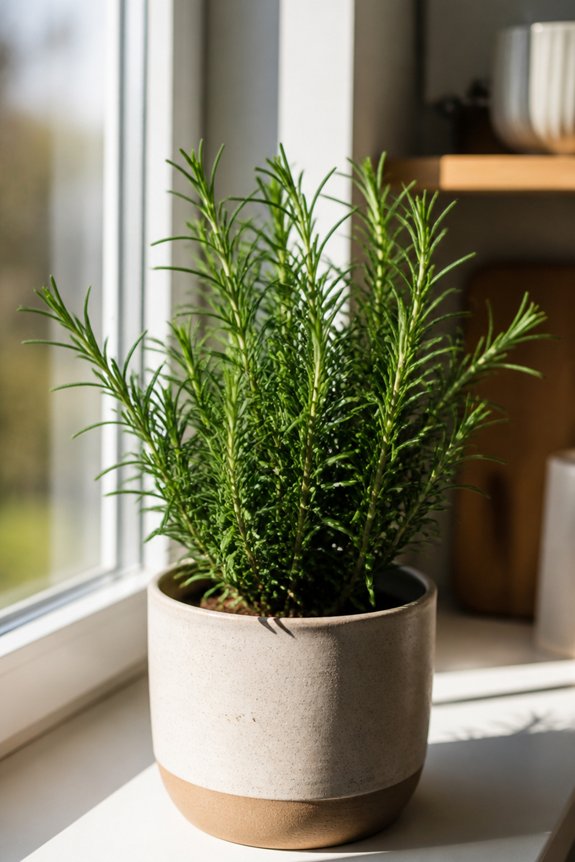
Rosemary serves as a practical herb for gardeners managing limited space, thriving in containers on balconies, patios, and windowsills. Its strong fragrance repels flies, mosquitoes, and certain beetles effectively.
The plant tolerates drought and poor soil conditions, requiring minimal maintenance. Rosemary grows slowly but steadily, eventually reaching two to three feet tall. Gardeners can harvest leaves regularly for cooking while supporting pest control simultaneously.
Lemongrass: Tropical Mosquito Shield
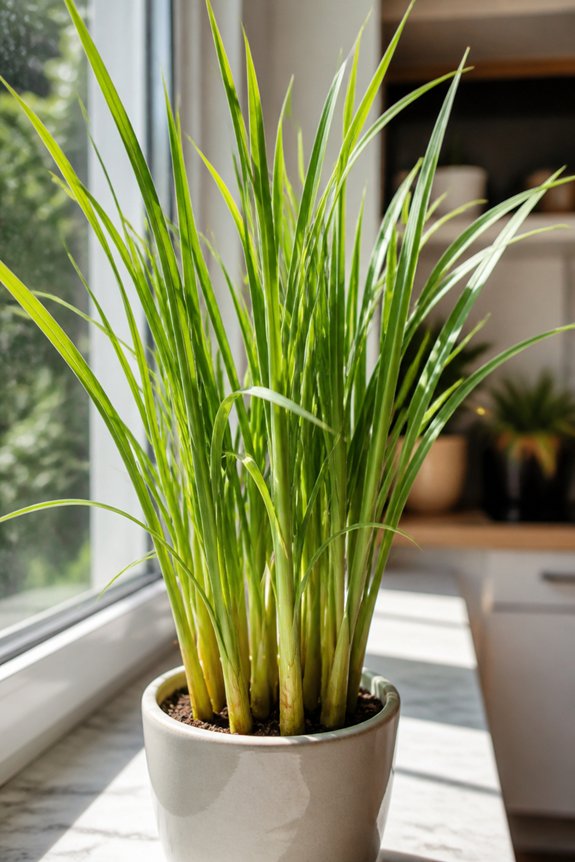
A fragrant tropical plant, lemongrass produces a strong citrusy scent that repels mosquitoes and other flying insects effectively. The plant thrives in warm, sunny locations with well-draining soil.
Lemongrass grows tall, reaching three to six feet, making it suitable for containers or garden corners. Gardeners can trim leaves regularly for culinary use while maintaining the plant’s pest-repelling properties.
Thyme: Low-Maintenance Patio Protector
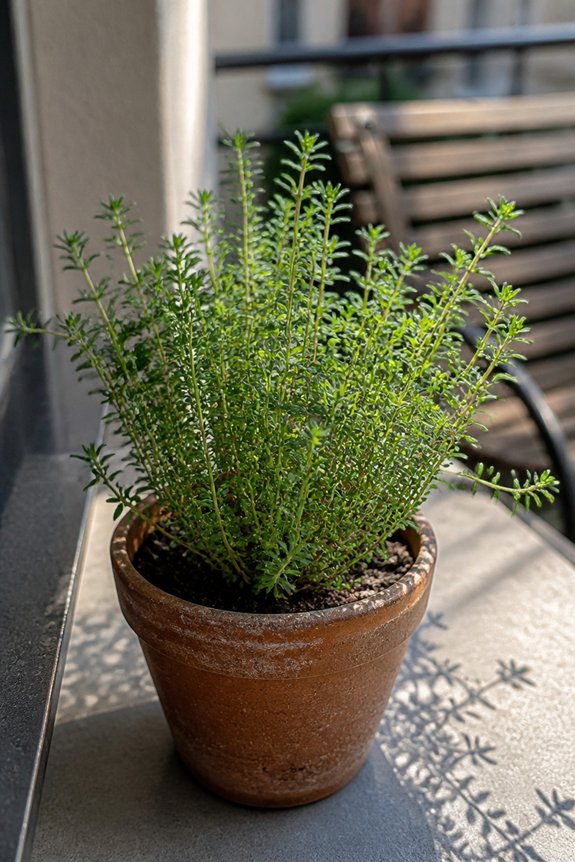
Thyme repels flies, mosquitoes, and other common garden pests through its strong aromatic oils. This herb thrives in containers, requiring minimal water and full sunlight.
Thyme tolerates poor soil conditions, making it ideal for beginners with limited gardening experience. The plant produces small flowers that attract beneficial insects while deterring harmful ones. Harvest leaves regularly to encourage growth and maximize pest-repelling properties.
Citronella: The Mosquito Classic, Simplified
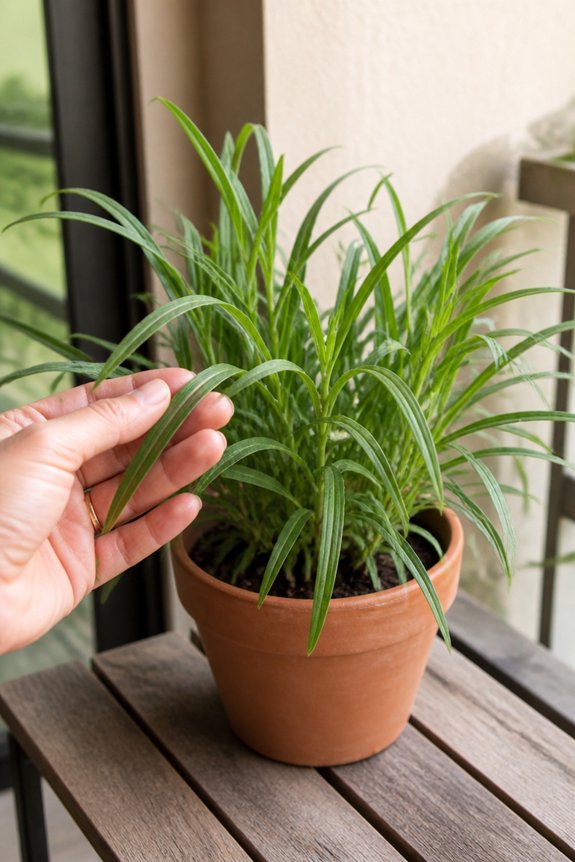
Because citronella plants produce a distinctive lemony scent, they effectively repel mosquitoes and other flying insects from outdoor spaces. These plants thrive in containers on patios, balconies, and small gardens.
Citronella requires full sunlight, regular watering, and well-draining soil. Gardeners can place multiple pots strategically around seating areas for maximum protection. The plant grows quickly, making it practical for beginners seeking immediate results.
Sage: The Forgetful Gardener’s Pest Barrier
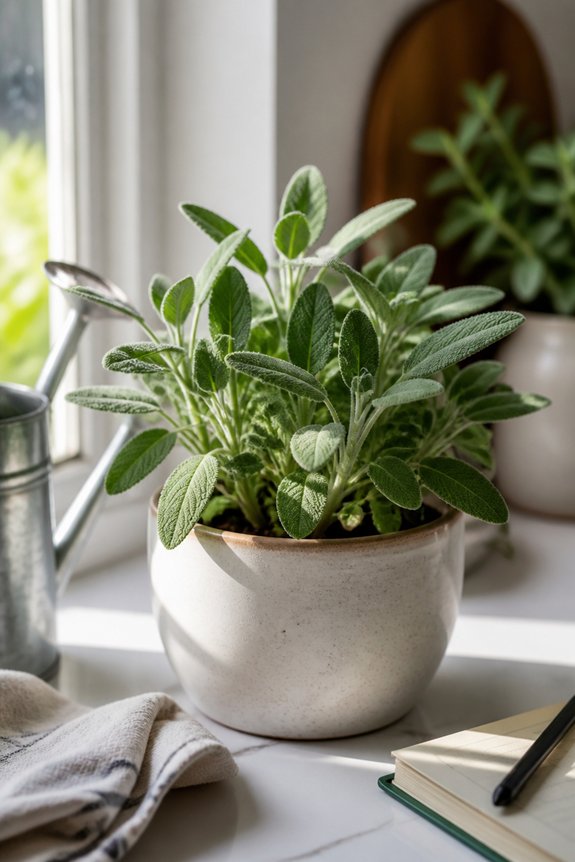
Sage plants offer reliable pest control for gardeners who prefer low-maintenance options, repelling insects like mosquitoes, flies, and beetles through their strong aromatic oils. The plant thrives in dry conditions, requires minimal watering, and tolerates neglect well.
Gardeners can plant sage in containers or garden beds, harvest leaves regularly for cooking, and benefit from its dual purpose as both a culinary herb and natural pest barrier.
Chrysanthemums: Natural Insecticide Blooms
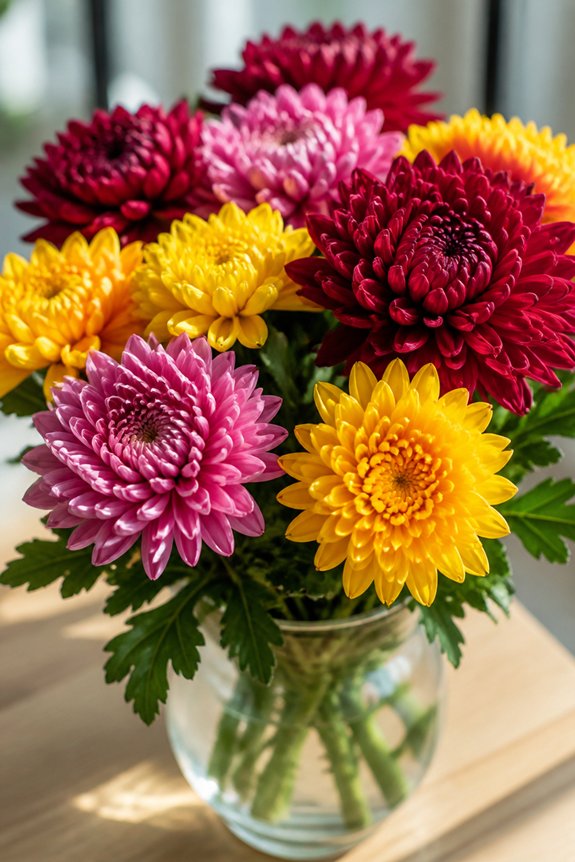
While sage serves gardeners seeking low-maintenance herbs, chrysanthemums provide a different approach to pest control through their flowering blooms. These flowers contain natural compounds called pyrethrins, which repel aphids, beetles, and spider mites effectively.
Chrysanthemums grow well in containers and small spaces, requiring moderate sunlight and regular watering. Their pest-control properties strengthen as flowers mature and bloom fully throughout the season.
Catnip: Free Pest Control (Feline Bonus Included)
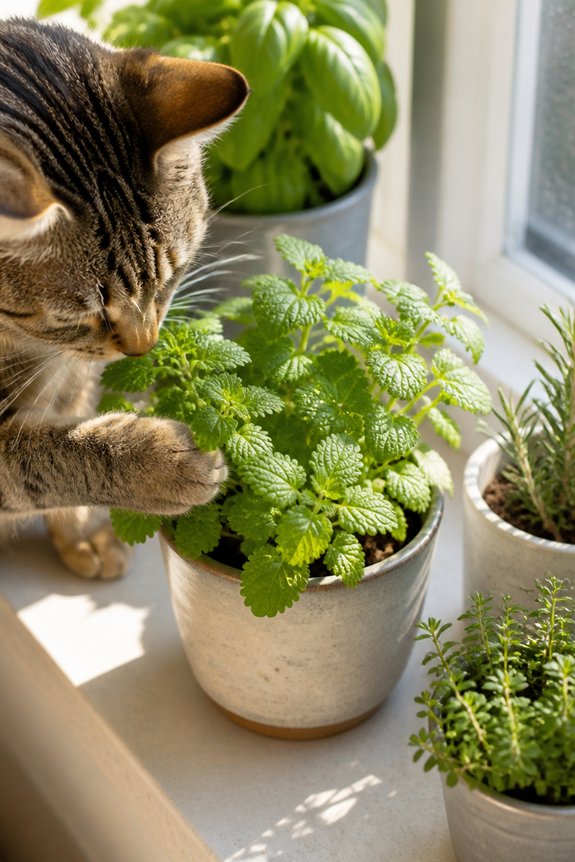
Catnip plants repel insects like mosquitoes, flies, and cockroaches through oils released from their leaves and stems. The plant grows easily indoors or outdoors, requiring minimal care and sunlight.
Cats are attracted to catnip, providing dual benefits of pest control and feline enrichment. Dried catnip can be placed near windows or doors to deter insects effectively.
Geraniums: Colorful Scent Walls Against Flying Pests
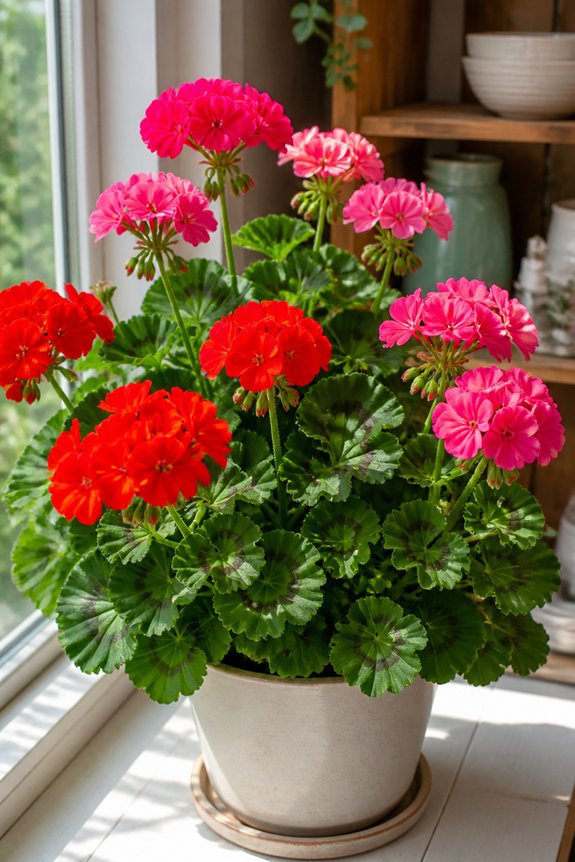
Geraniums offer another plant-based approach to insect control, functioning as colorful barriers against flying pests like mosquitoes, flies, and moths. The plants emit a distinctive scent that deters these insects from nearby areas.
Geraniums thrive in sunny locations with well-draining soil, requiring minimal maintenance. Their bright red, pink, and white flowers provide visual appeal while performing pest-repelling duties simultaneously.
Frequently Asked Questions
How Long Does It Take for Pest-Repelling Plants to Show Noticeable Results?
Pest-repelling plants typically demonstrate noticeable results within two to four weeks of consistent growth. However, maximum effectiveness usually requires six to eight weeks as the plants mature and produce stronger concentrations of natural repellent oils and compounds.
Can I Combine Multiple Repellent Plants Together Without Reducing Their Effectiveness?
One might wonder if mixing pest-repelling plants diminishes their power. The answer proves surprisingly favorable: combining multiple repellents typically enhances overall effectiveness, creating a more potent defense against various insects while maximizing limited gardening space.
What’s the Best Season to Start Growing Bug-Repelling Plants Indoors?
One should begin growing bug-repelling plants indoors during spring or early summer. This timing allows seedlings to establish strong root systems before winter. Starting indoors 6-8 weeks before outdoor temperatures warm guarantees vigorous growth and peak pest-deterrent properties.
Do These Plants Require Special Fertilizers or Nutrients to Maximize Pest Protection?
Like a knight requiring proper armor rather than magical enchantments, pest-repelling plants need balanced, standard fertilizers to thrive effectively. They don’t demand specialized nutrients; regular balanced fertilizer supports healthy growth, which naturally enhances their pest-deterrent compounds and protective properties.
How Often Should I Replace or Prune Plants to Maintain Pest-Repelling Potency?
Most pest-repelling plants maintain their potency when pruned monthly to encourage new growth. Replacement becomes necessary every 2-3 years as plants age. Regular deadheading and harvesting of leaves enhance their natural defensive compounds.
Conclusion
Container gardening with bug-repelling plants offers beginners a practical solution for pest control. Basil repels mosquitoes, peppermint deters flies, lavender blocks multiple insects, and geraniums create colorful barriers. These plants require minimal space, thrive in pots, and demand basic care. By selecting appropriate species for your environment, arranging containers strategically, and maintaining consistent watering schedules, gardeners establish effective natural pest management. Chemical sprays become unnecessary when these botanical defenses occupy windowsills and balconies.