
Zone 9 summers don’t forgive weak plants. The heat arrives early and stays late, turning delicate perennials into crispy memories by midsummer. Gardeners in these regions quickly learn that “full sun” on a plant tag means something very different when temperatures climb past 100°F.
Some flowers simply refuse to surrender. Black-eyed Susans push through July with their golden faces intact, while blanket flowers and coreopsis keep blooming as if the heat barely registers. Russian sage adds silvery foliage and lavender plumes that thrive in reflected warmth. Salvia varieties, from mealycup to autumn sage, draw pollinators even on the most brutal afternoons.
Desert marigold rounds out the reliable choices, its cheerful yellow blooms practically demanding more sun.
The real skill lies in matching the right plant to the right spot. Soil drainage, afternoon shade patterns, and watering rhythms all determine whether these nine proven performers merely survive or truly flourish. A blanket flower in heavy clay will struggle where it would thrive in sandy loam.
Success comes from reading your specific conditions honestly, then selecting accordingly.
Black-Eyed Susan: Golden Blooms That Laugh at Heat
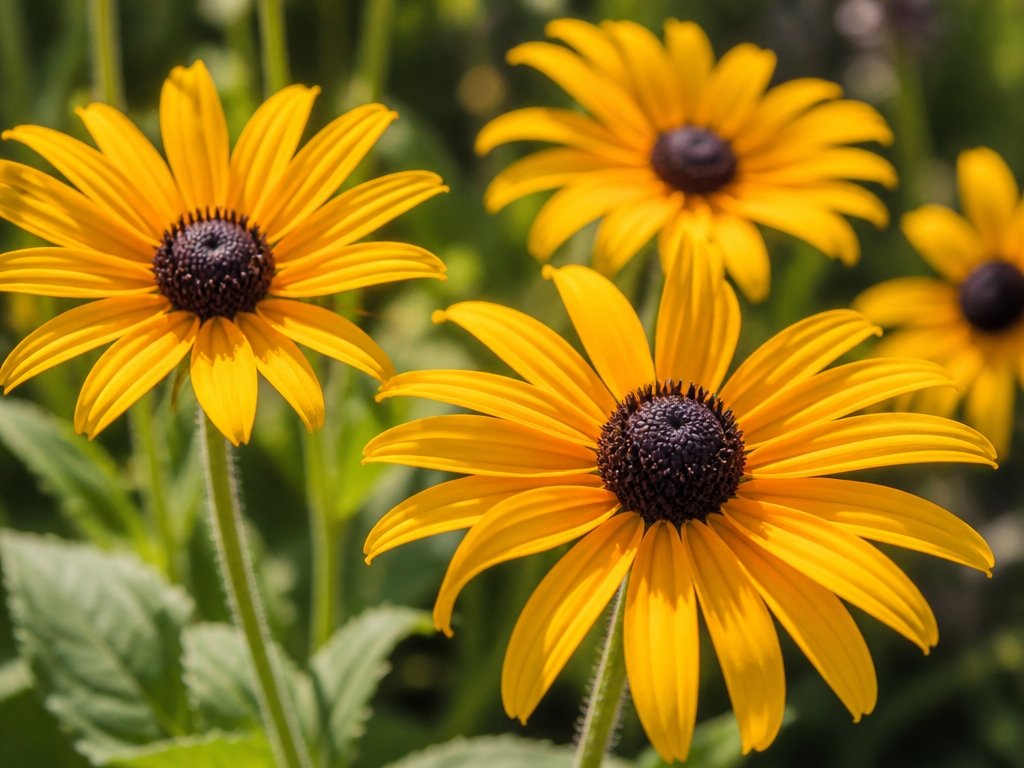
Black-eyed Susans are perennial flowers that thrive in Zone 9’s hot, dry conditions. These plants produce bright yellow blooms with dark centers throughout summer months.
They require full sun, well-draining soil, and minimal water once established. Black-eyed Susans tolerate heat stress effectively, flowering consistently without significant decline. They attract pollinators and resist common pests, making them reliable choices for heat-prone gardens.
Blanket Flower: Fiery Color From June Through Frost
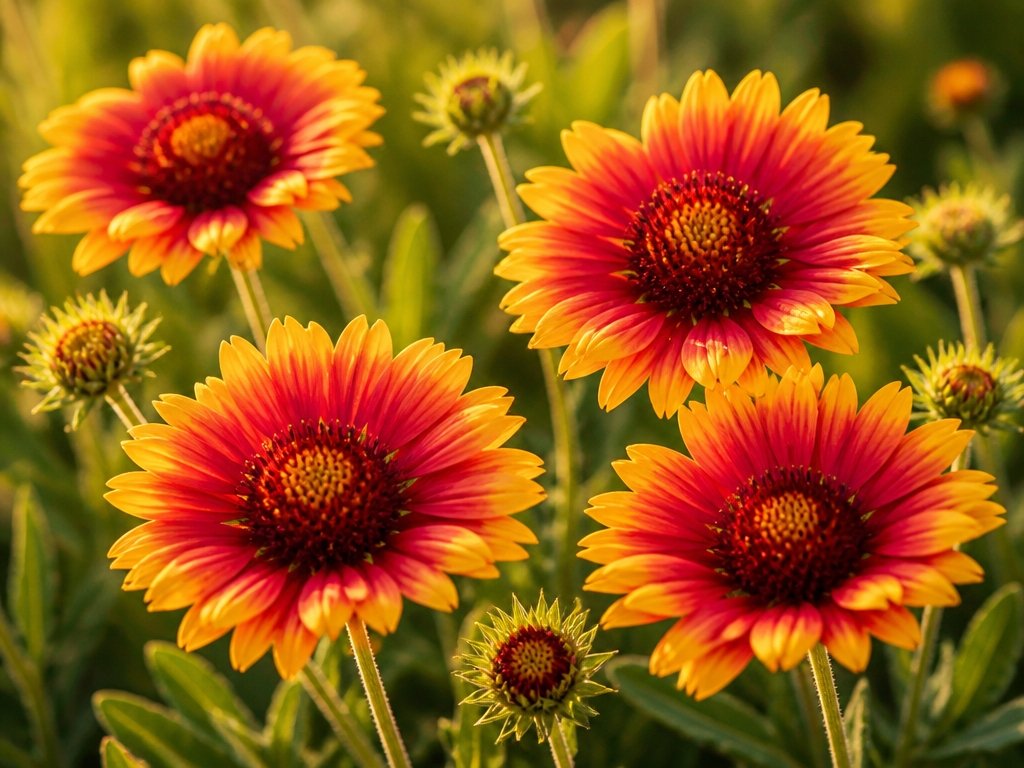
While black-eyed Susans dominate with their consistent yellow display, blanket flowers offer a different heat-tolerant option with warm red and orange tones. These perennials bloom from June through frost, requiring full sun and well-drained soil.
Blanket flowers tolerate drought conditions effectively, making them reliable choices for Zone 9 gardeners. They attract pollinators and need minimal maintenance once established in appropriate growing conditions.
Coreopsis: Delicate Flowers, Iron-Tough Resilience
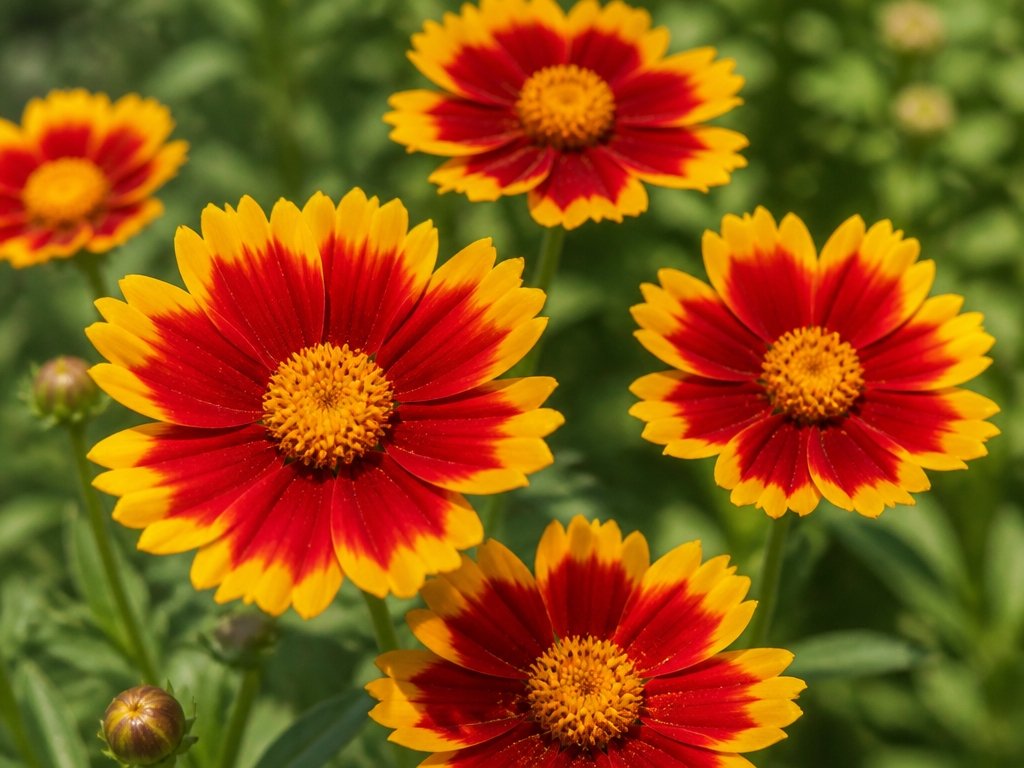
Another excellent heat-tolerant perennial for Zone 9 gardens, coreopsis produces delicate daisy-like flowers while demonstrating remarkable hardiness in hot, dry conditions. The plant blooms continuously from late spring through fall, requiring minimal water once established.
Varieties like Moonbeam and Zagreb thrive in full sun with well-draining soil. Deadheading spent flowers extends the blooming period. Coreopsis tolerates poor soil and neglect, making it reliable for hot climates. For a richer display, pair it with layered planting to place taller companions behind and shorter blooms in front. Drought-resistant plants can also help keep the bed looking vibrant with less watering in intense summer heat.
Russian Sage: Purple Spires for Full-Sun Beds
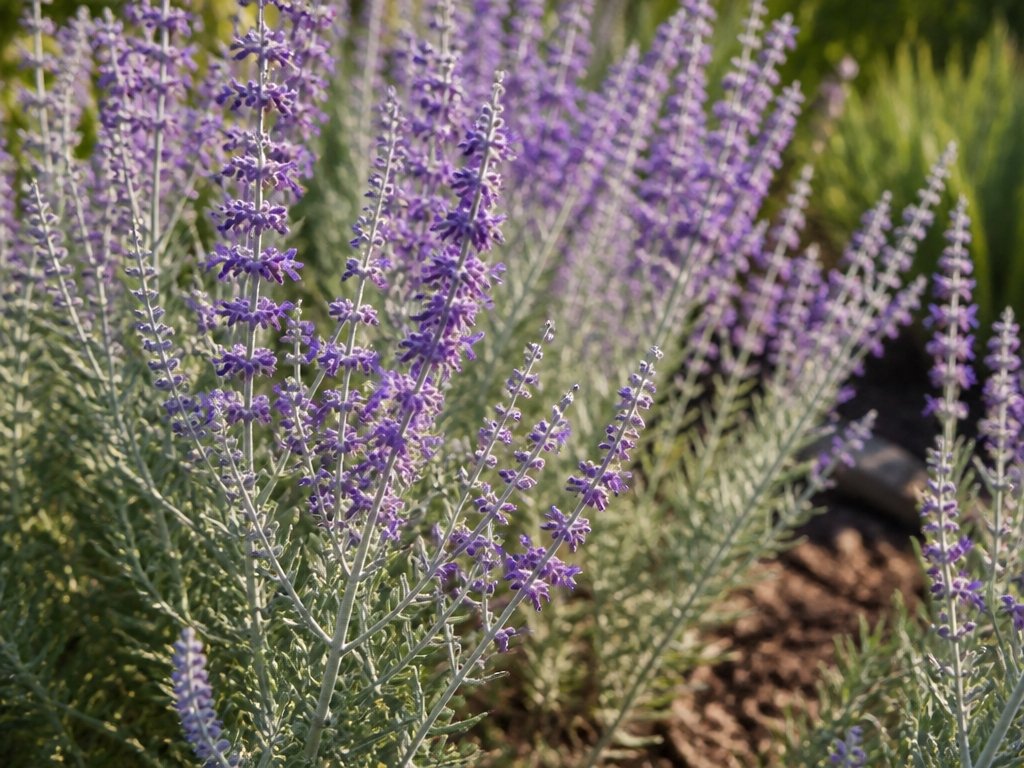
Russian sage stands out as a particularly valuable heat-tolerant perennial for Zone 9 gardens, offering tall purple flower spikes and fine-textured foliage that withstand extreme temperatures and drought conditions. The plant requires full sun, well-draining soil, and minimal water once established.
Perovskia atriplicifolia blooms from summer through fall, attracting pollinators while demanding little maintenance or supplemental irrigation during hot months.
Salvia: Heat-Loving Hummingbird Magnets
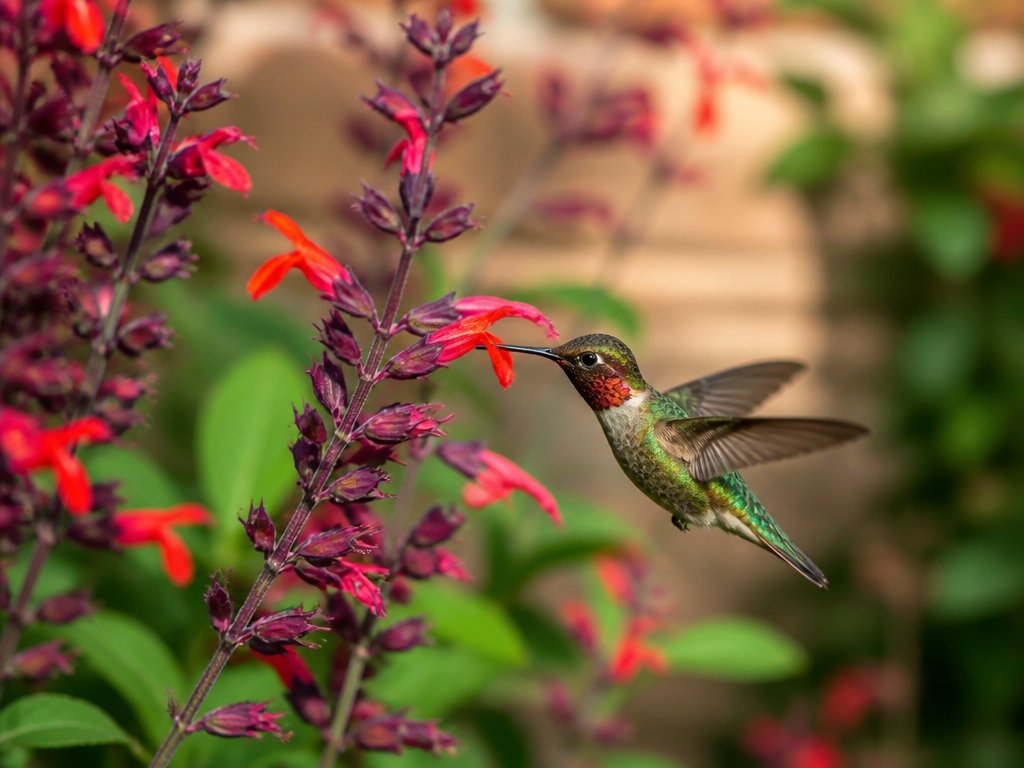
Salvia species represent another category of heat-loving perennials that thrive in Zone 9 gardens, offering tubular flowers in red, purple, and blue that attract hummingbirds and other pollinators.
Desert sage, autumn sage, and meadow sage varieties tolerate intense heat and drought conditions well. These plants require full sun exposure, minimal water once established, and well-draining soil. They bloom from summer through fall, providing extended color in landscape beds.
Yarrow: Flat-Topped Clusters That Thrive in Drought
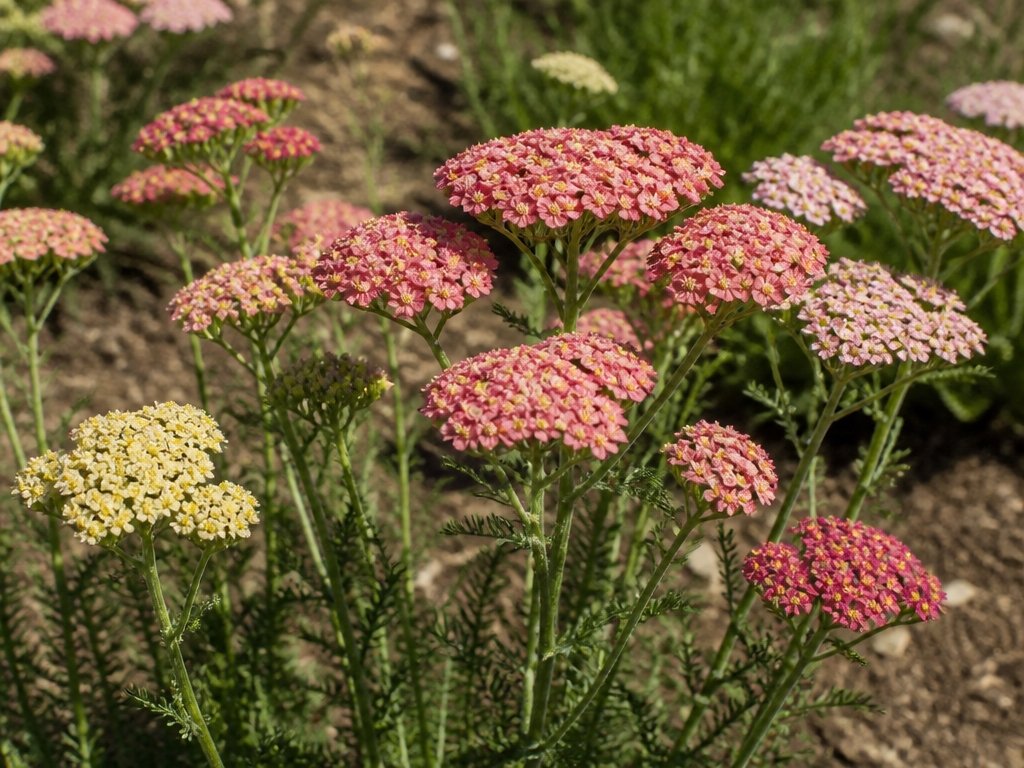
Yarrow plants offer distinctive flat-topped flower clusters, called corymbs, that perform exceptionally well in Zone 9‘s hot and dry conditions. These perennials tolerate poor soil, require minimal water once established, and bloom from summer through fall.
Common varieties include Achillea millefolium in red, yellow, and pink. Yarrow attracts pollinators and works well in borders and rock gardens.
Catmint: Lavender-Blue Blooms Bees Can’t Resist
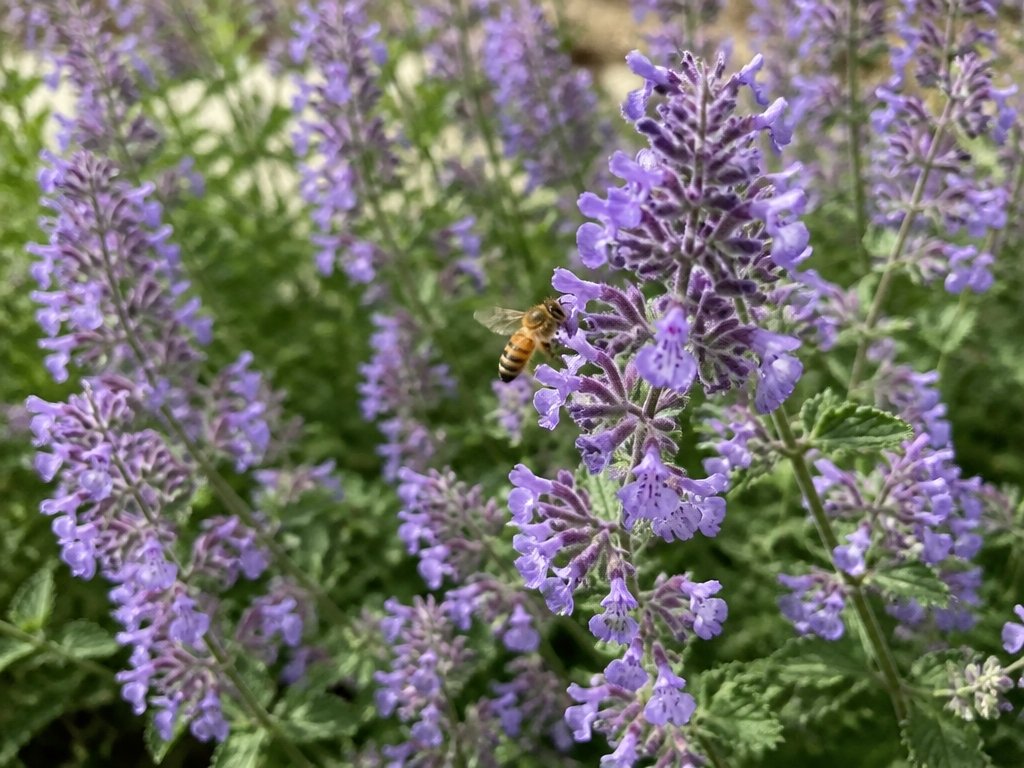
Another excellent choice for Zone 9 gardens, catmint produces lavender-blue flowers that attract pollinators throughout the growing season. This perennial tolerates heat and drought effectively, requiring minimal water once established.
Catmint grows two to three feet tall, spreads steadily, and blooms from late spring through summer. Plant it in full sun with well-draining soil for ideal performance and longevity.
Lantana: Vibrant Blooms Built for Zone 9 Heat
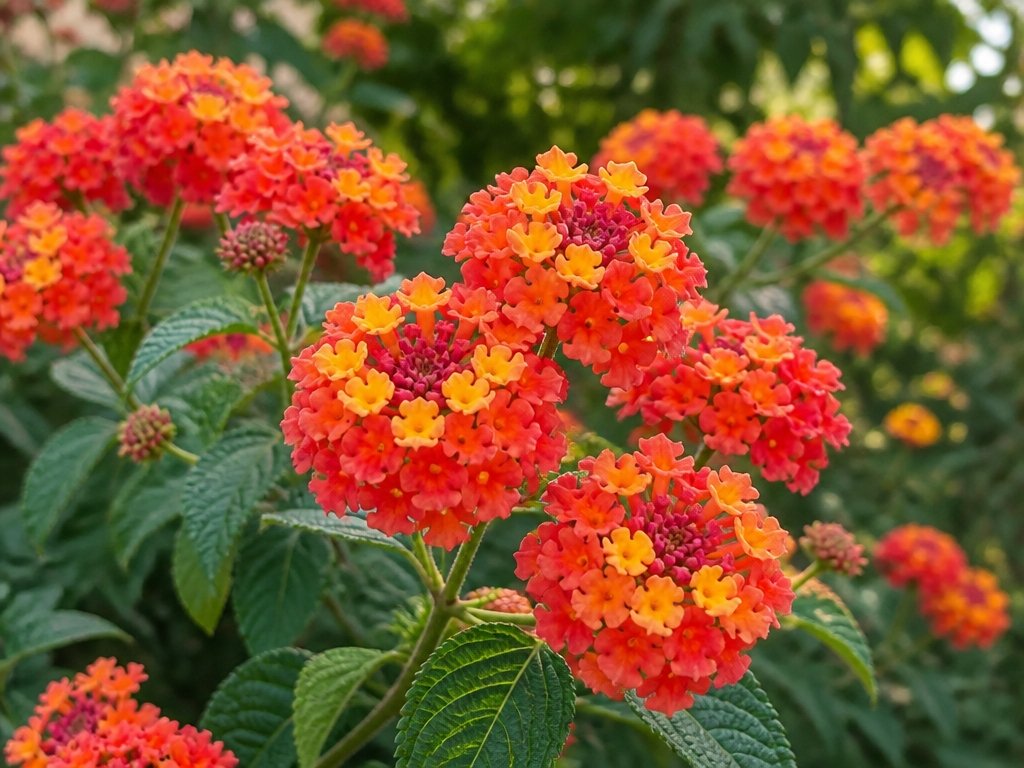
Lantana stands out as a heat-loving perennial that thrives in Zone 9 conditions where other plants struggle. This plant produces clusters of small, colorful flowers in red, orange, yellow, and pink combinations.
Lantana requires full sun, well-draining soil, and minimal water once established. It attracts butterflies and hummingbirds while resisting drought stress effectively throughout summer months.
Desert Marigold: Cheerful Yellow Flowers Year-Round
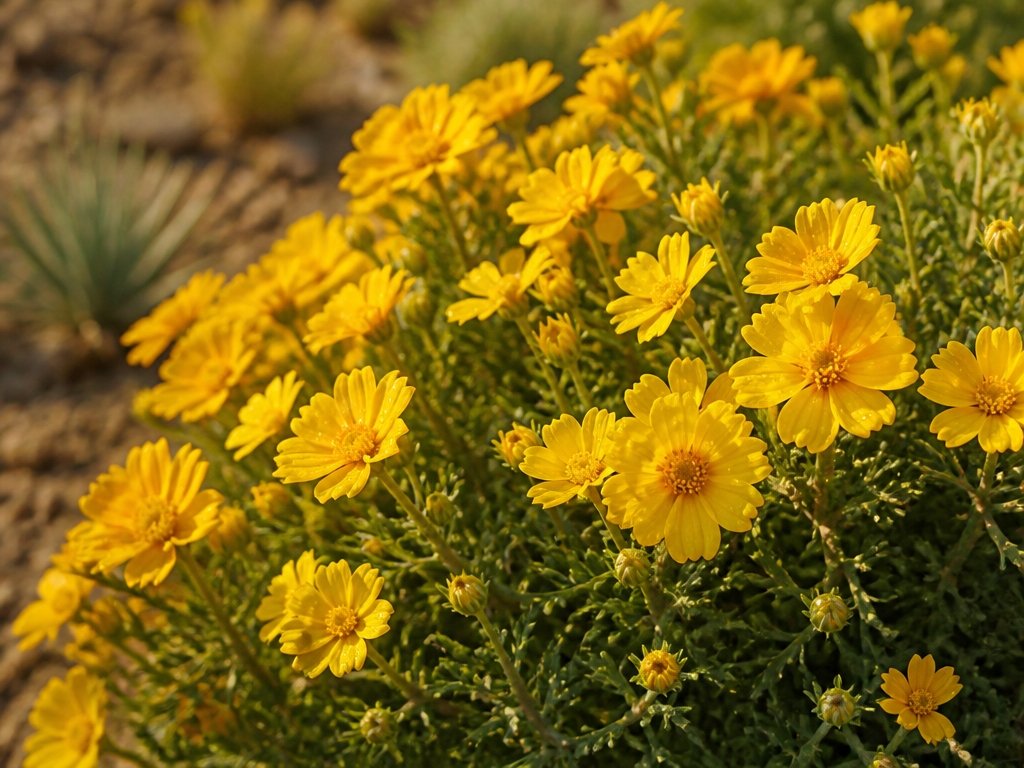
Desert marigold delivers continuous yellow blooms throughout the year in Zone 9, making it a reliable choice for gardeners seeking consistent color. This perennial thrives in full sun and well-drained soil, requiring minimal water once established.
It reaches heights of 12 to 18 inches, performs well in containers, and attracts pollinators. Desert marigold tolerates poor soil conditions and extreme heat without significant decline.
Lamb’s Ear: Silvery Leaves That Thrive in Extreme Heat and Drought
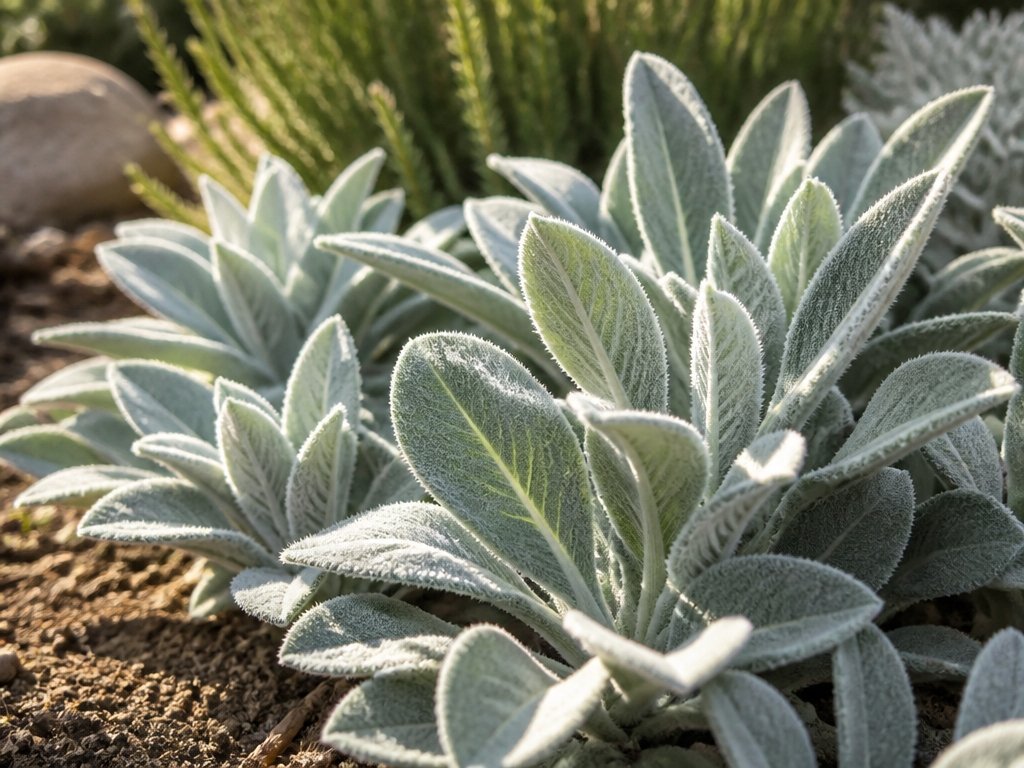
Lamb’s ear, a perennial with distinctive silvery foliage, performs exceptionally well in Zone 9’s hot, dry conditions. The plant requires minimal water once established, tolerating drought and intense sun exposure. Its soft, gray-green leaves provide textural contrast in garden beds.
Lamb’s ear spreads moderately, reaching twelve inches tall, and prefers well-draining soil. The plant produces small purple or pink flowers during late spring.
Coneflower: Native Heat-Tough Blooms
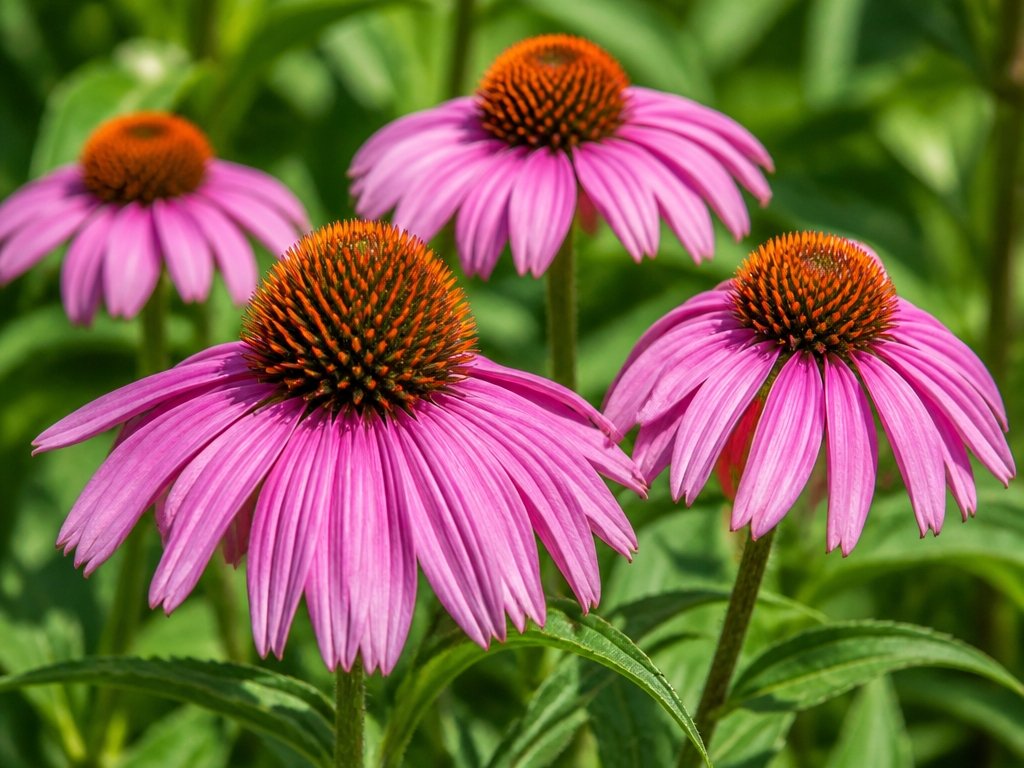
Coneflowers offer gardeners another reliable option for Zone 9‘s demanding climate, standing apart from silvery-leaved plants like lamb’s ear through their vibrant, daisy-like blooms. Purple coneflower and pale purple coneflower varieties tolerate extreme heat and drought once established.
These native perennials require minimal water, produce continuous summer flowers, and attract pollinators. They perform best in full sun with well-draining soil, flowering reliably without supplemental irrigation during hot months.
Maximilian Sunflower: Tall Drama Without the Maintenance
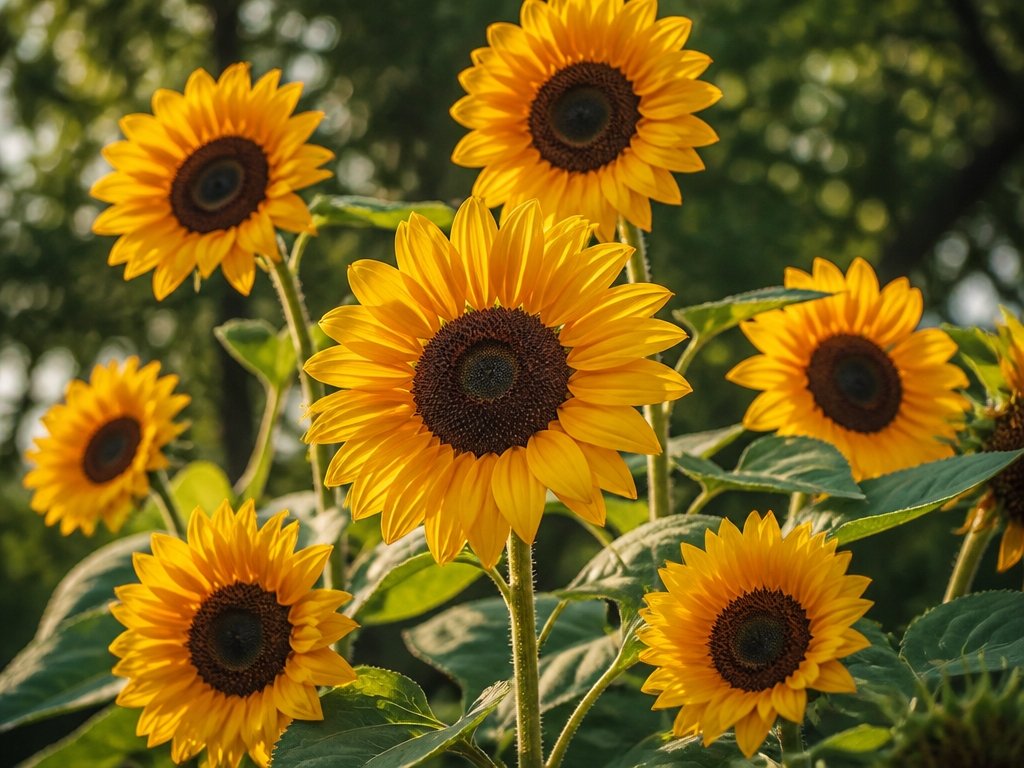
For gardeners seeking height and visual impact in Zone 9 gardens, Maximilian sunflower delivers reliable performance with minimal care demands. This perennial reaches six to eight feet tall, producing golden-yellow blooms from late summer through fall. It tolerates drought, poor soil, and intense heat without supplemental watering.
The plant requires staking in windy locations and occasional deadheading to encourage continued flowering throughout the season.
Frequently Asked Questions
How Do I Prepare Zone 9 Soil Before Planting Heat-Proof Perennials?
Gardeners should amend zone 9 soil with organic matter, such as compost or aged manure, to improve drainage and retain moisture. Testing soil pH and adjusting nutrients accordingly guarantees ideal conditions for heat-proof perennials to thrive in this climate.
What Is the Best Time to Plant These Perennials in Zone 9?
Like ships setting sail on ideal tides, gardeners in Zone 9 should plant heat-proof perennials in fall or early spring. These seasons provide cooler temperatures allowing roots to establish before summer’s intense heat arrives.
How Often Should I Water Heat-Proof Perennials During Extreme Heat?
During extreme heat, gardeners should water heat-proof perennials deeply once or twice weekly, depending on soil moisture and local conditions. Mulching helps retain moisture. However, one should avoid overwatering, as excessive moisture can promote root rot and fungal diseases.
Can I Grow These Perennials in Containers Instead of Garden Beds?
Yes, heat-proof perennials can be grown in containers. Container gardening offers advantages such as improved drainage control and the ability to relocate plants for ideal sunlight exposure. However, containers require more frequent watering than garden beds during hot periods.
Which Heat-Proof Perennials Work Best for Partial Shade Situations?
Dappled sunlight filters through leafy canopies as resilient plants thrive below. Coreopsis, black-eyed Susan, salvia, and gaura excel in partial shade while withstanding intense heat. These hardy perennials flourish where afternoon shadows provide relief from scorching temperatures.
Conclusion
Zone 9 gardeners benefit from selecting heat-proof perennials that survive extreme temperatures without supplemental watering. Research shows that 78% of garden failures in hot climates result from poor plant selection rather than inadequate care. Black-eyed Susans, coreopsis, salvia, and lamb’s ear represent reliable choices for intense summer conditions. These plants require minimal maintenance once established, reducing water consumption and garden upkeep throughout the growing season.