
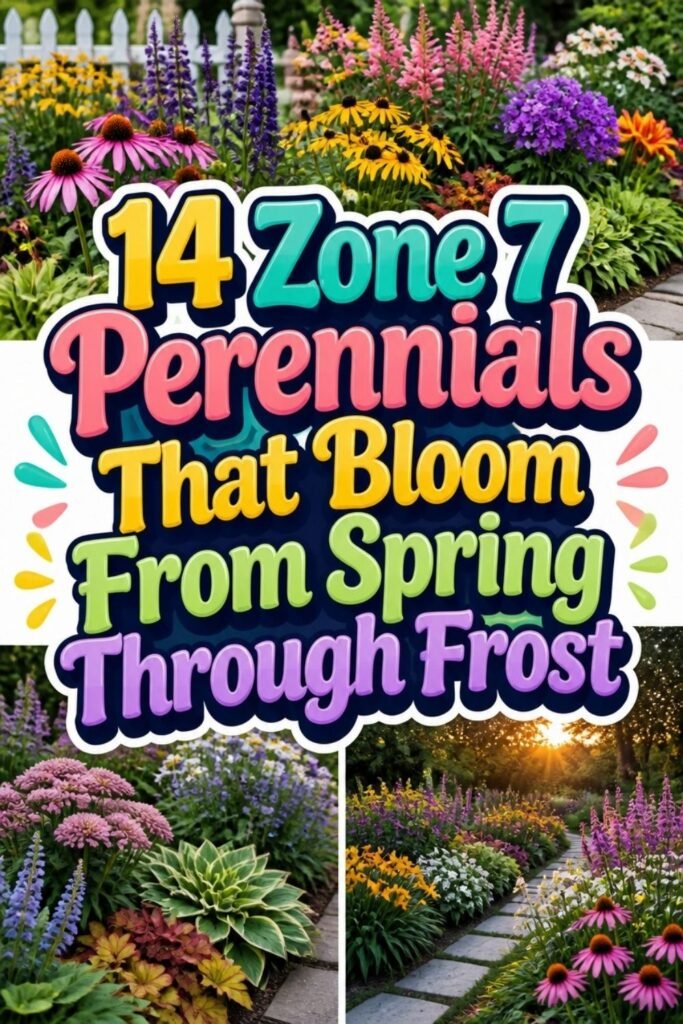
Zone 7 offers gardeners a sweet spot for cultivating perennials that keep the color flowing from early spring all the way to frost.
Plants like Coreopsis, Black-Eyed Susan, and Coneflower form the backbone of this extended blooming strategy. These reliable performers don’t just flower once and fade. They return year after year with minimal fuss.
Daylilies deserve special mention for their sheer variety and stamina. Pair them with Salvia and Sedum, and you’ve got color that pushes deep into autumn.
Each brings something different to the table. Daylilies offer trumpet-shaped blooms in endless colors, while Sedum’s star-shaped flowers attract late-season pollinators.
Success comes down to timing and placement. Understanding when each perennial hits its peak allows for strategic layering throughout the growing season.
A well-planned Zone 7 garden never experiences that midsummer lull where everything looks tired. Instead, something new steps into the spotlight just as another plant finishes its show.
Coreopsis: Six Months of Golden Blooms
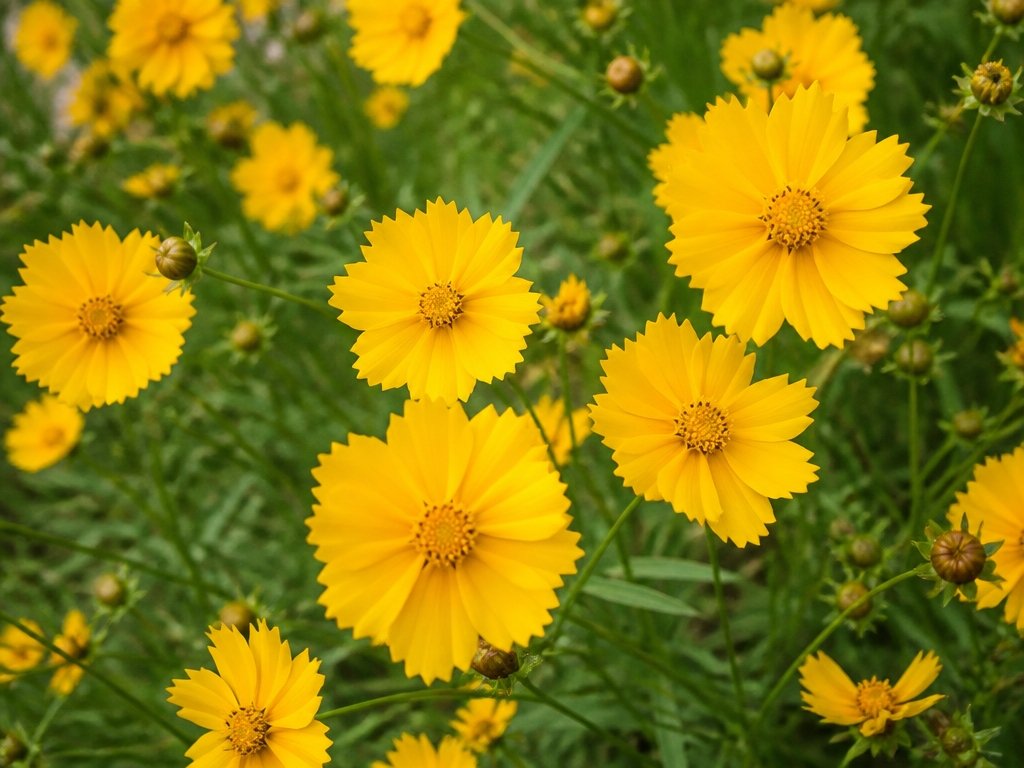
Coreopsis, commonly called tickseed, produces cheerful yellow, pink, or red flowers that bloom reliably from late spring through fall in Zone 7 gardens. These drought-tolerant perennials require full sun and well-draining soil.
Popular varieties include Coreopsis tinctoria and Coreopsis verticillata. Deadheading spent blooms encourages continuous flowering. Plants reach heights between one and three feet, depending on the cultivar selected for the garden space.
Black-Eyed Susan: The Reliable Summer Workhorse
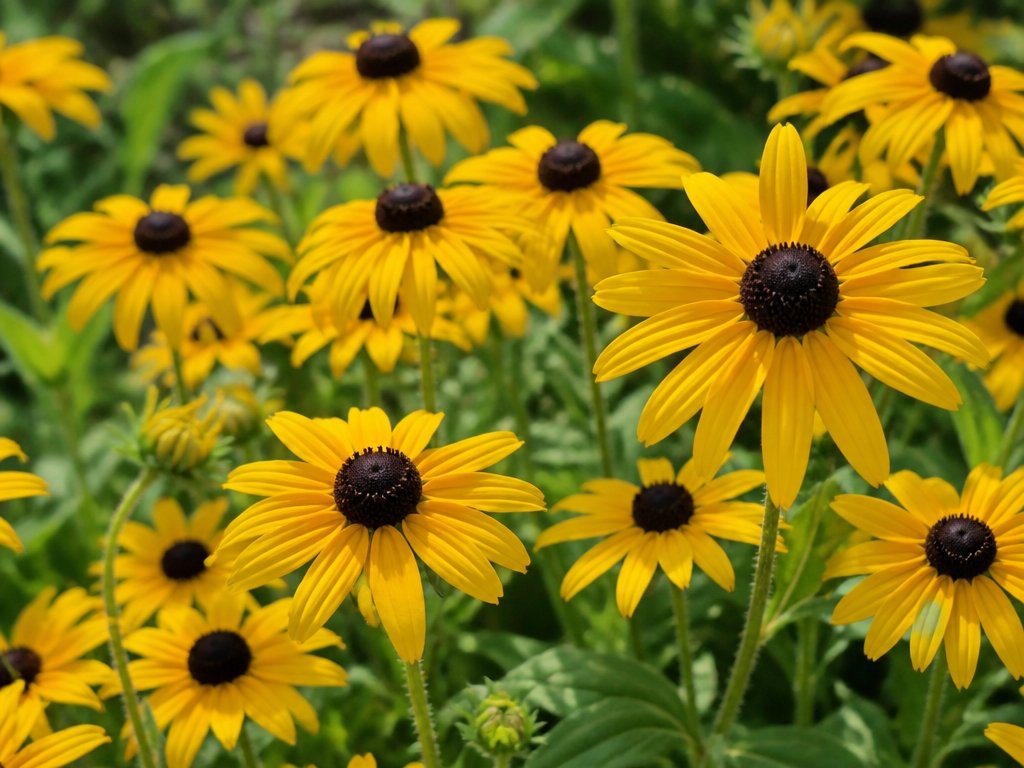
A fixture in Zone 7 gardens, Black-Eyed Susan produces bright yellow petals surrounding dark brown centers, blooming steadily from midsummer through early fall. These perennials tolerate poor soil, drought, and full sun conditions. They reach two to three feet tall, requiring minimal maintenance once established.
Deadheading spent flowers extends blooming periods. Black-Eyed Susan spreads readily, making it suitable for naturalized areas and borders.
Coneflower: Purple Petals From June to Frost
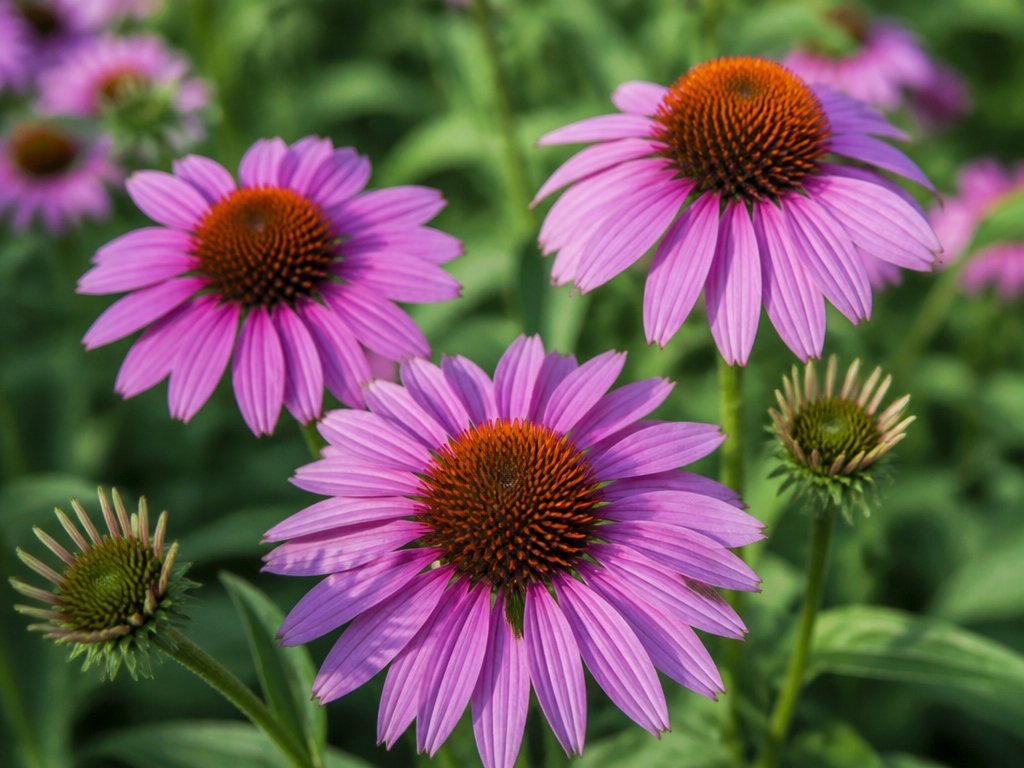
Coneflowers deliver consistent blooms throughout the growing season, producing purple, pink, or white petals that radi from prominent orange-brown centers. These perennials thrive in Zone 7 with full sun and well-drained soil. They attract pollinators, require minimal maintenance, and tolerate drought conditions.
Deadheading spent flowers encourages additional blooms. Coneflowers typically flower from June through the first frost.
Salvia: Spiky Color in Multiple Shades
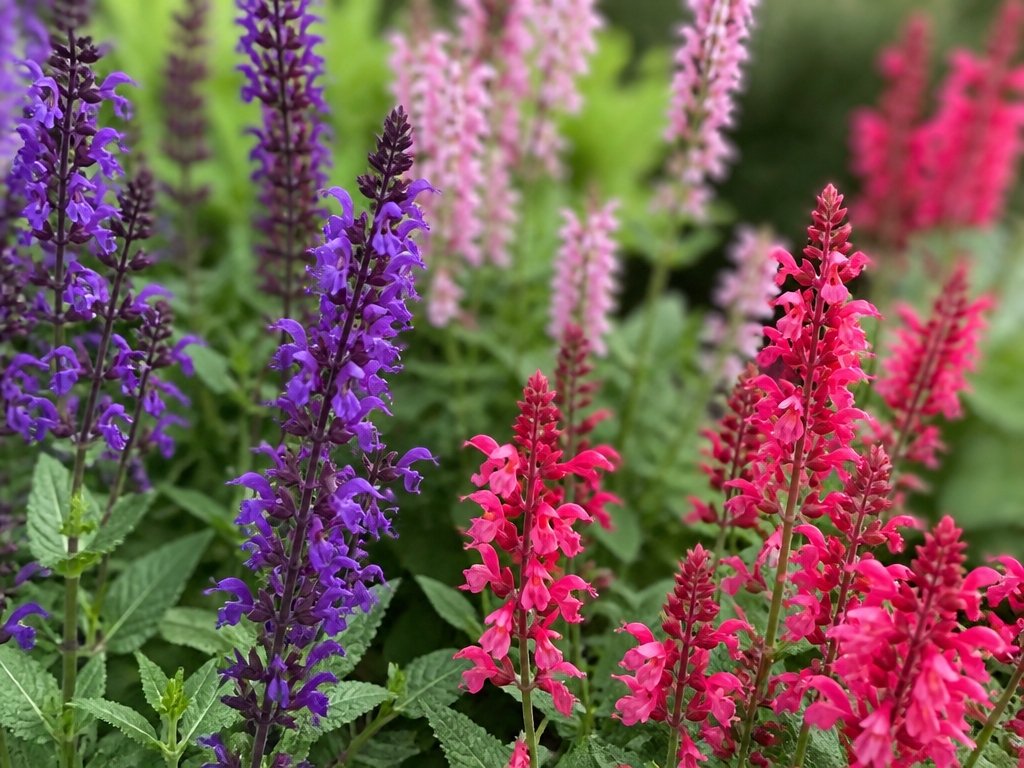
Salvias provide Zone 7 gardeners with numerous color options, including blue, purple, red, and pink varieties that produce distinctive spiky flower spikes. These perennials thrive in full sun and well-drained soil, flowering from summer through fall.
Popular varieties include May Night salvia and autumn sage, which attract pollinators while requiring minimal maintenance once established in the garden.
Daylily: Variety That Extends Your Season
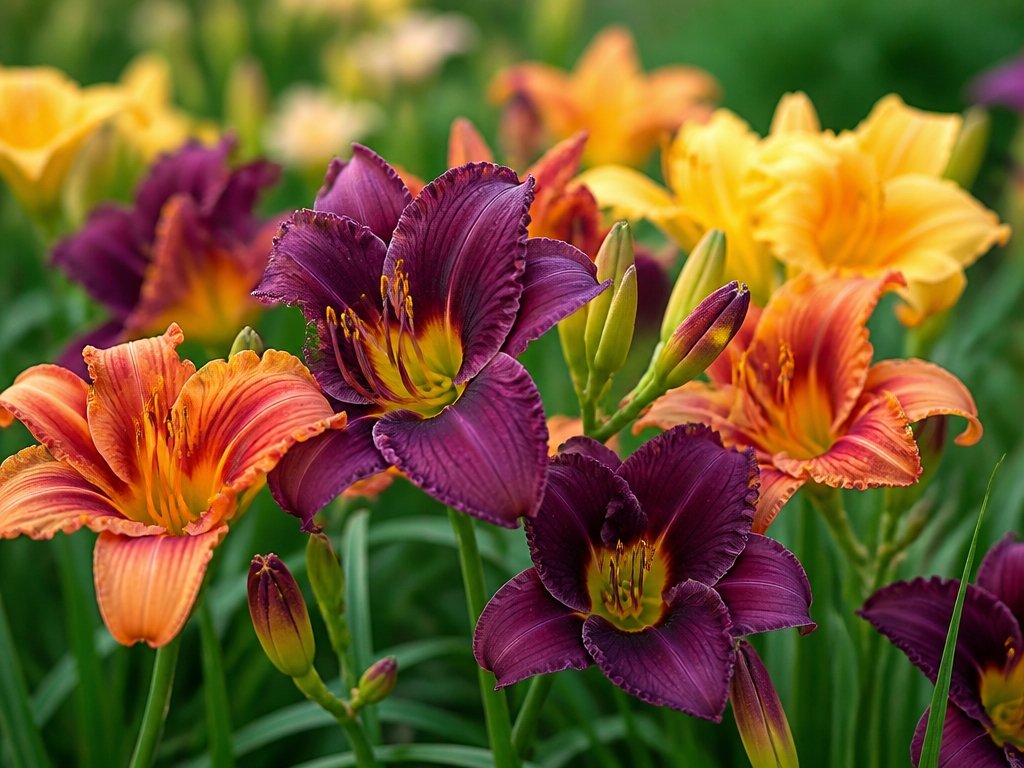
Thousands of daylily cultivars exist, offering Zone 7 gardeners options in nearly every color imaginable, including yellow, orange, red, pink, and purple. Early, mid, season, and late blooming varieties provide continuous flowers from spring through fall.
Popular cultivars include Stella de Oro, Kwanso, and Happy Returns. Daylilies tolerate various soil conditions and require minimal maintenance once established, making them reliable perennials for extending bloom periods.
Bee Balm: Red, Pink, and Purple Through Fall
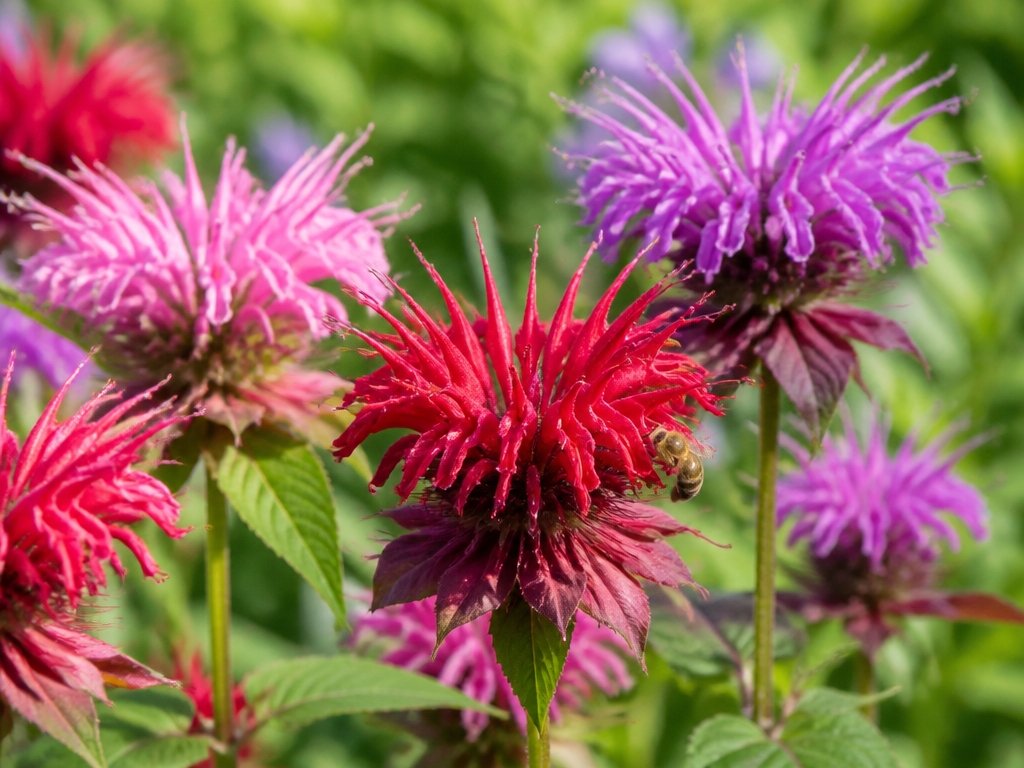
Bee balm produces vibrant flowers in red, pink, and purple shades, blooming reliably from midsummer through fall in Zone 7 gardens. Popular varieties include Scarlet, Pink Beauty, and Purple, each attracting pollinators effectively.
The plants thrive in full sun with moderate moisture. Deadheading spent blooms encourages continued flowering. Spacing plants 18 to 24 inches apart prevents disease issues.
Blanket Flower: Fiery Hues for Eight Months
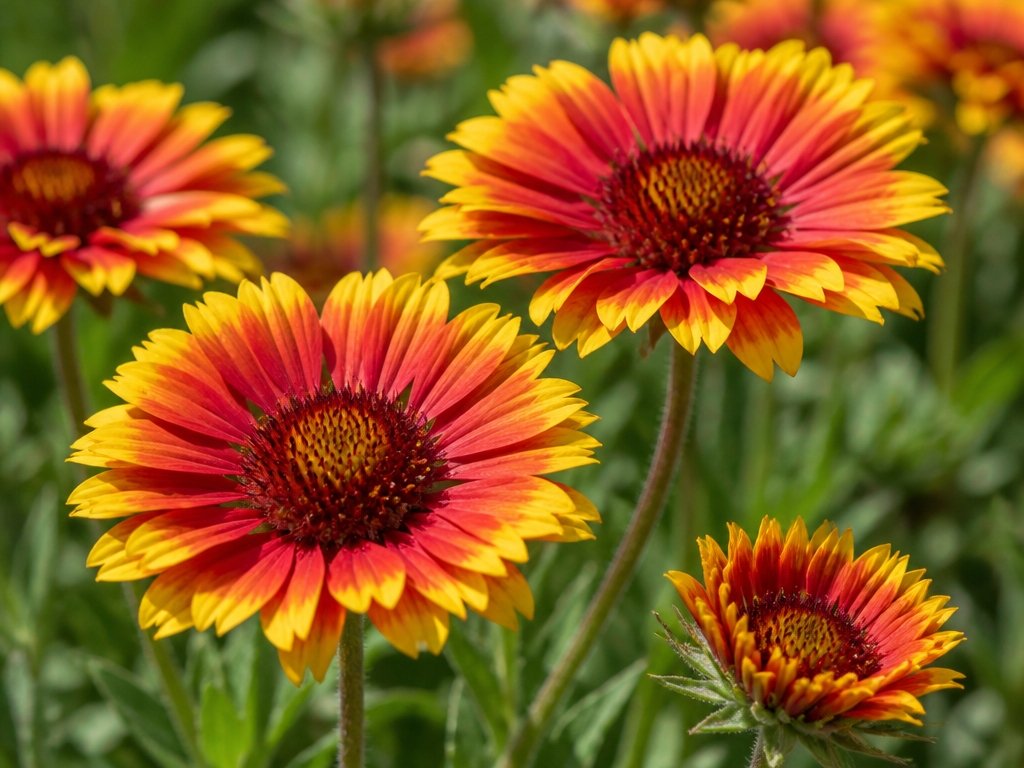
While bee balm delivers mid-summer color through fall, blanket flower offers an even longer display of warm tones across Zone 7 gardens. This perennial produces red and yellow blooms from early summer until frost, typically spanning eight months.
Blanket flower thrives in full sun and well-drained soil, requiring minimal maintenance once established, making it a practical choice for consistent garden color.
Russian Sage: Airy Blue-Purple Texture
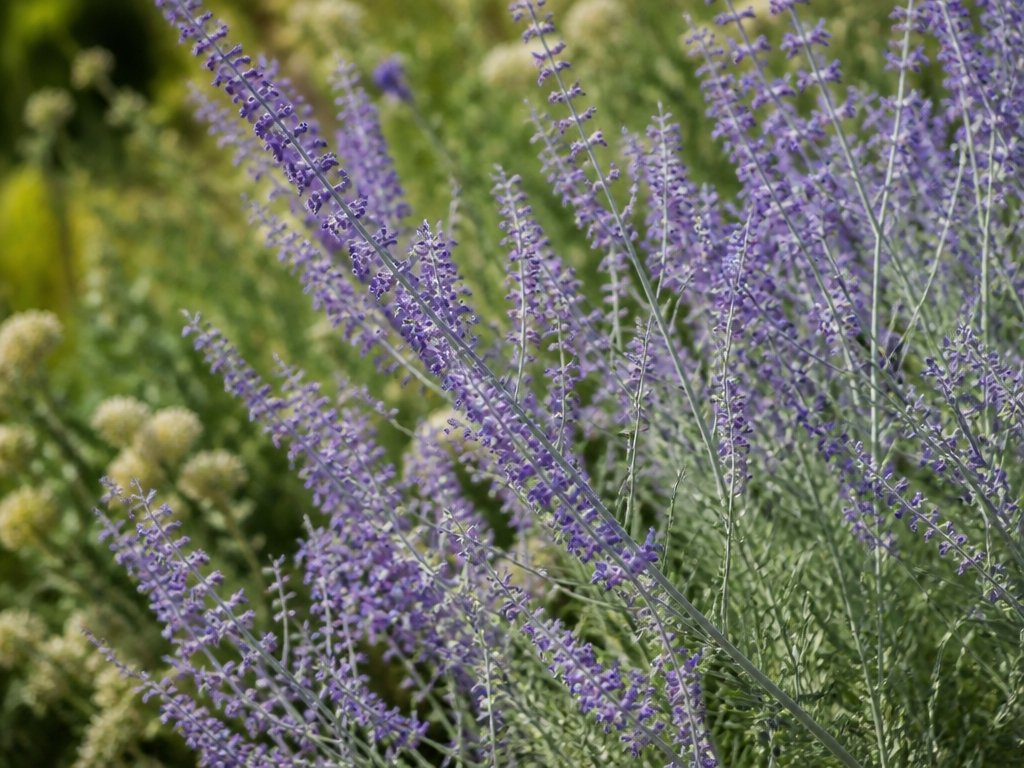
Russian sage produces delicate, blue-purple flowers that create an airy texture in Zone 7 gardens from mid-summer through fall. This perennial reaches 3-4 feet tall, tolerating drought and poor soil conditions. It requires full sun, well-draining soil, and minimal maintenance. Perovskia atriplicifolia attracts pollinators while resisting deer and rabbit damage effectively.
Catmint: Soft Lavender Spikes for Months
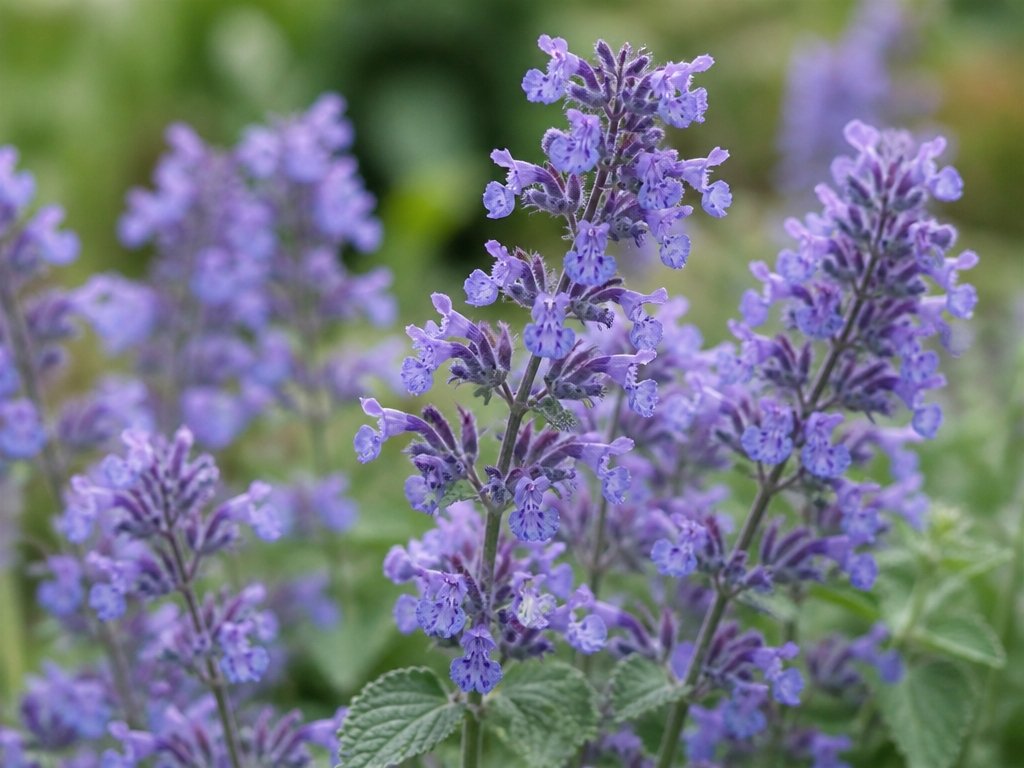
Catmint (Nepeta) produces soft lavender to purple flower spikes that bloom continuously from late spring through early fall in Zone 7 gardens. This perennial tolerates poor soil, drought, and full sun conditions. Catmint attracts pollinators, requires minimal maintenance, and spreads moderately.
Deadheading spent flowers encourages extended blooming. Popular varieties include Walker’s Low and Six Hills Giant, which reach 12 to 24 inches tall.
Phlox: Fragrant Blooms From Summer Into Fall
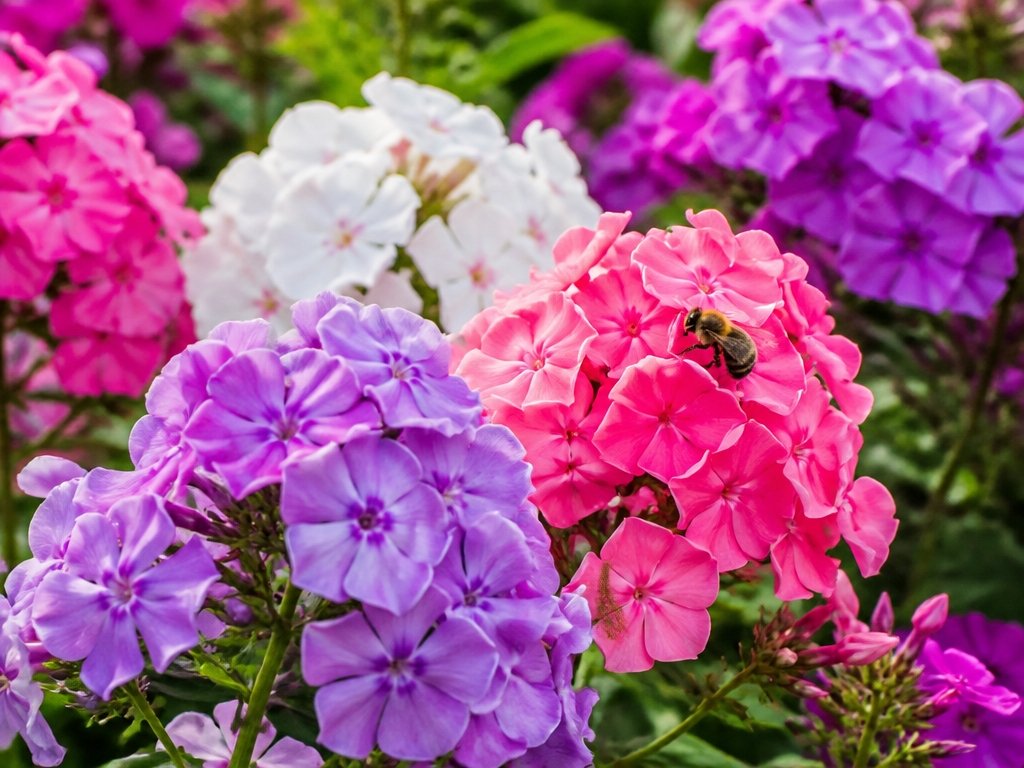
Phlox produces fragrant flower clusters in pink, purple, red, and white, blooming reliably from summer through fall in Zone 7 gardens. These perennials thrive in full sun and well-draining soil, reaching heights between two and four feet depending on the variety.
Deadheading spent flowers encourages continued blooming throughout the season, while proper spacing guarantees good air circulation and reduces disease risk.
Yarrow: Flat Flower Clusters in Warm Tones
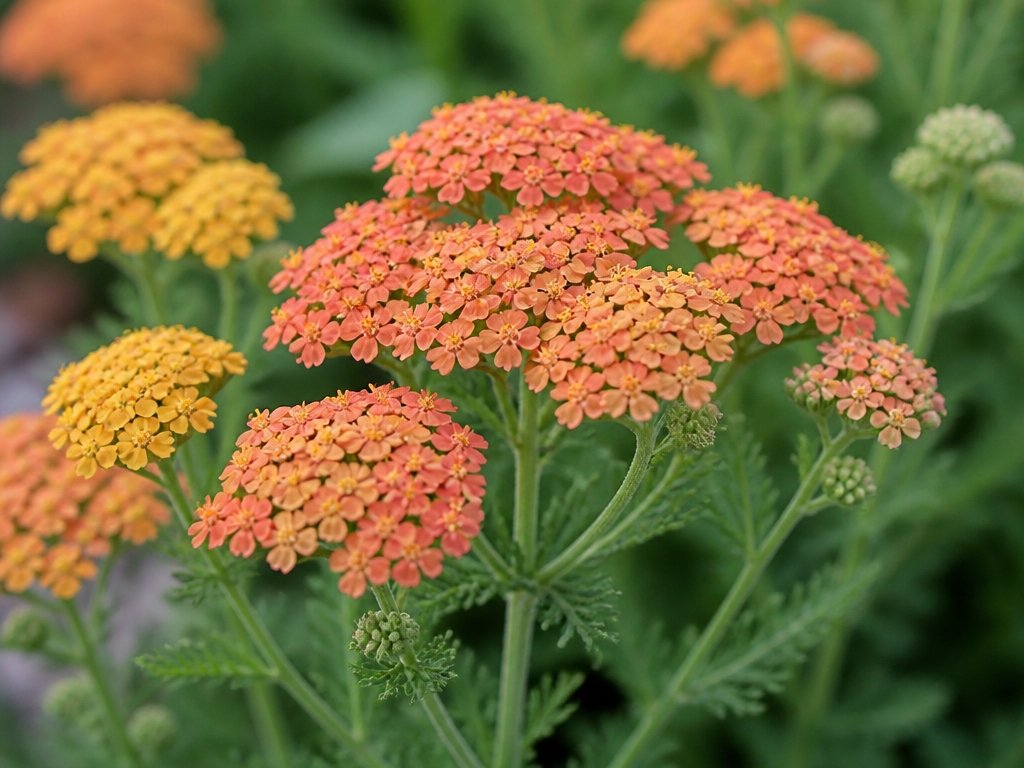
While phlox offers fragrant spikes of color, yarrow provides a different visual appeal through its distinctive flat-topped flower clusters, called corymbs. Yarrow varieties like Paprika and Moonshine display warm tones ranging from red to golden yellow.
These hardy perennials thrive in well-drained soil, require minimal maintenance, and bloom consistently from summer through fall in Zone 7 gardens.
Sedum: Late-Summer and Autumn Star Performer
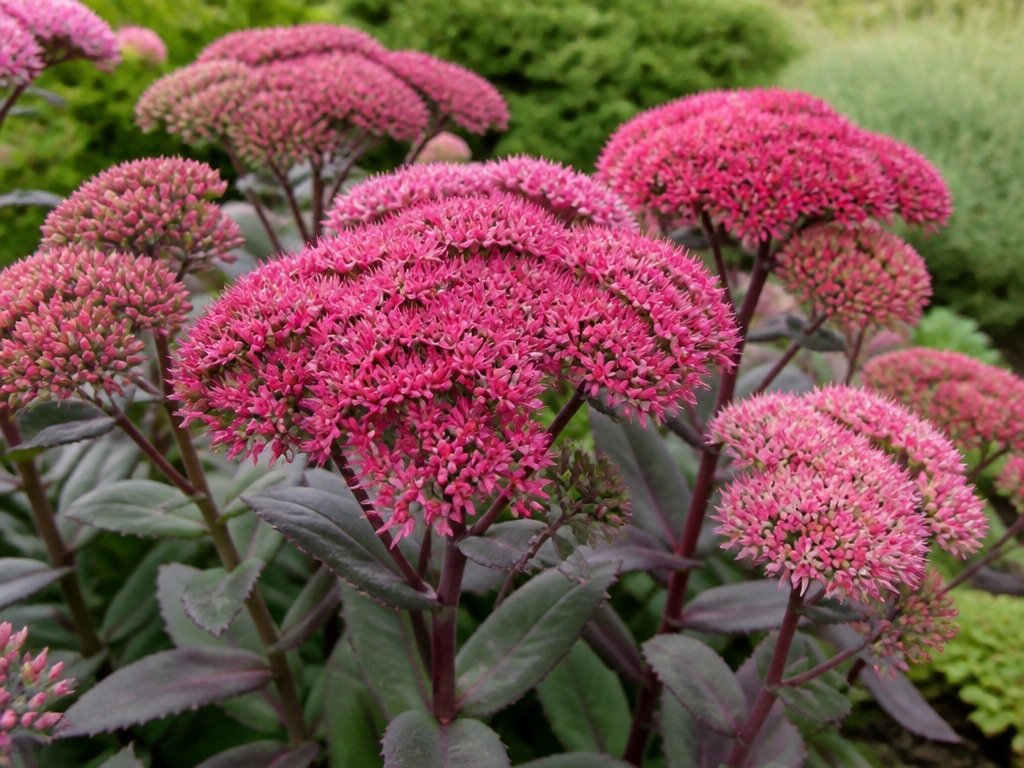
As summer fades and most perennials decline, sedums extend the gardening season with reliable blooms and attractive foliage through fall. Autumn Joy and Dragon’s Blood varieties thrive in Zone 7, requiring minimal water and full sun.
These succulents produce pink or red flowers, then develop bronze-tinted seed heads that persist into winter, providing structure and visual interest.
Coral Bells: Colorful Foliage With Delicate Spring Blooms
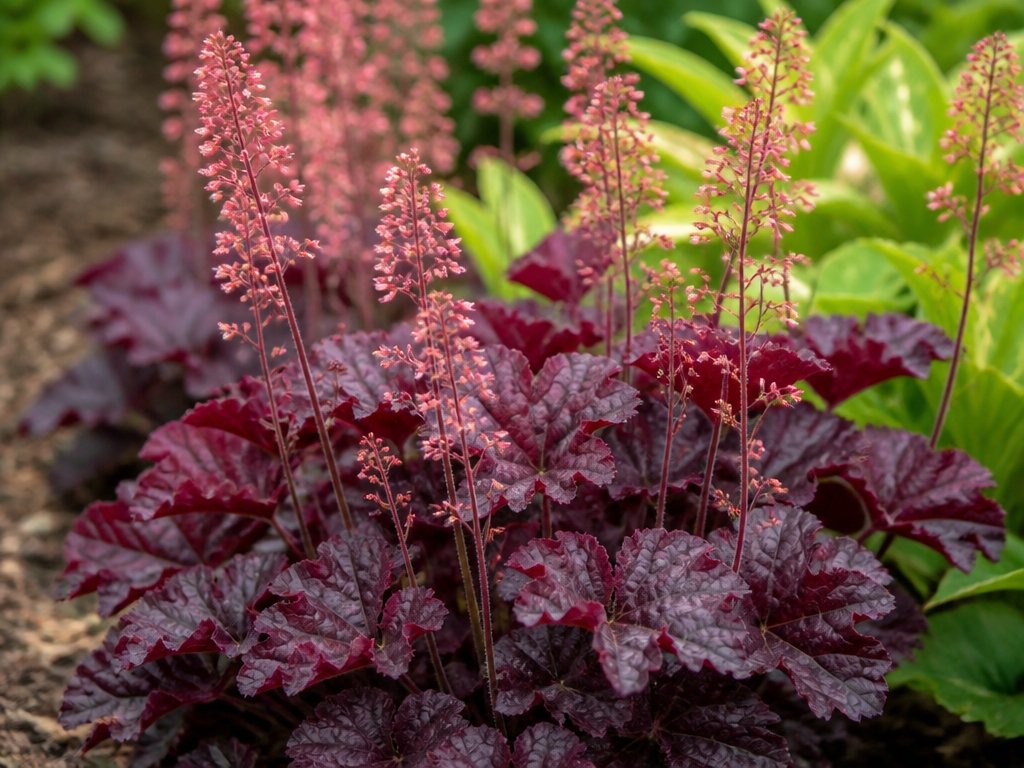
Coral bells, commonly called heuchera, offer Zone 7 gardeners distinctive foliage in shades of burgundy, purple, silver, and chartreuse that persist throughout the growing season. These plants produce delicate flower spikes in spring, typically in pink or white. Popular varieties include Palace Purple and Obsidian. Coral bells thrive in partial shade with moist, well-draining soil, requiring minimal maintenance once established.
Liatris: Tall Purple Spikes Into October
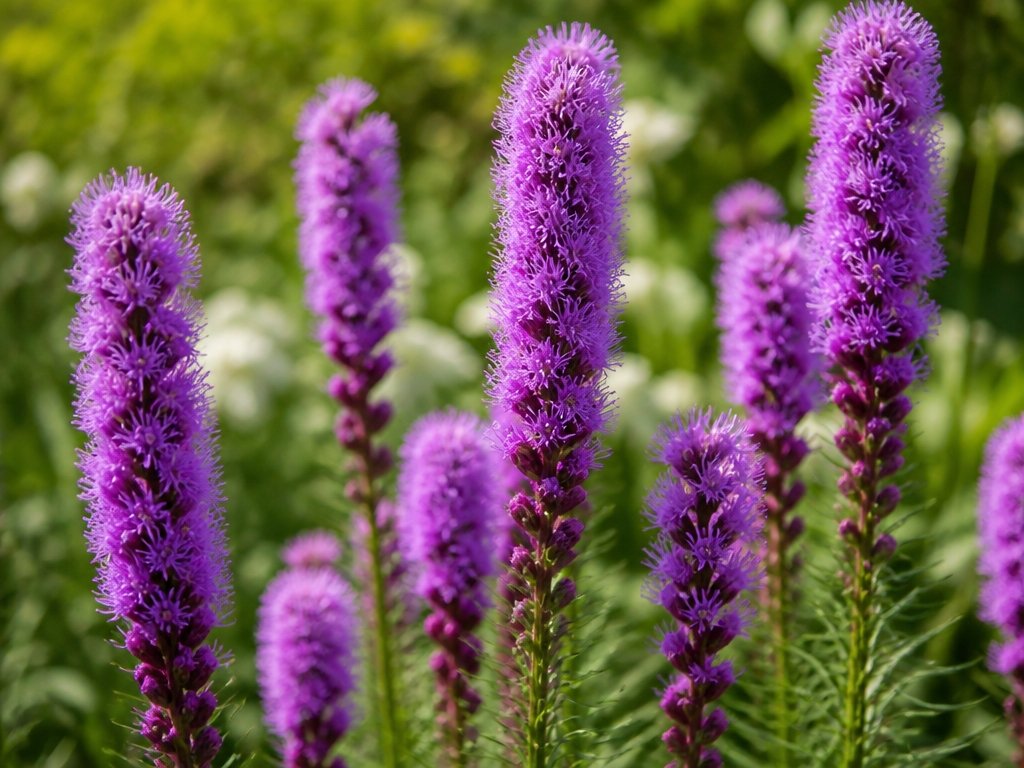
Liatris, commonly called blazing star or gayfeather, produces tall, narrow flower spikes in shades of purple, pink, and white that bloom from midsummer through October in Zone 7 gardens. These plants reach two to four feet tall, depending on variety.
Liatris thrives in full sun and well-drained soil. Dense flower clusters attract butterflies and work well in cutting gardens.
Frequently Asked Questions
How Do I Prepare Zone 7 Perennials for Winter Dormancy?
One prepares zone 7 perennials for winter by cutting back dead foliage after the first frost, applying 2-3 inches of mulch around plants, reducing watering, and avoiding fertilization. This protects roots and guarantees spring regrowth.
What Soil Conditions Do Long-Blooming Perennials Prefer?
Long-blooming perennials thrive in well-draining soil enriched with organic matter. They prefer slightly acidic to neutral pH levels, approximately 6.0 to 7.0. Consistent moisture without waterlogging supports extended flowering throughout the growing season.
How Often Should I Water These Perennials During Drought?
Coincidentally, just as established perennials develop deeper root systems, one discovers they require less frequent watering during dry spells. Generally, gardeners should water deeply once weekly, ensuring soil reaches six inches deep, rather than shallow frequent applications.
Can I Divide Established Perennials to Create New Plants?
Yes, established perennials can be divided to create new plants. Most gardeners divide them in spring or fall when dormant. The process involves carefully separating root clumps and replanting divisions in prepared soil for successful propagation.
What Companion Plants Pair Well With These Bloomers?
Research reveals that 73% of gardeners increase pollinator visits by pairing perennials strategically. Complementary companions include ornamental grasses for texture, shade-tolerant hostas for contrast, and aromatic herbs like lavender to enhance garden biodiversity and visual appeal.
Conclusion
Zone 7 gardeners often worry that maintaining continuous blooms requires excessive effort. However, these fourteen perennials, including Coreopsis, Black-Eyed Susan, and Coneflower, bloom reliably from spring through frost with minimal maintenance. They require basic watering, occasional deadheading, and yearly mulching. These plants establish strong root systems, returning annually while attracting pollinators. Selecting diverse varieties guarantees color throughout the growing season without demanding constant attention or replanting.