
Companion planting is a time-tested approach that brings together specific crops to boost growth and keep pests at bay. Some combinations have stood the test of time: tomatoes thrive alongside basil, beans partner well with squash, and carrots do better when onions are nearby.
These pairings tap into natural mechanisms like repelling unwanted insects, fixing nitrogen in the soil, and luring pests away from valuable crops.
Not every combination works the same way in every garden. Soil quality, sunlight, and local pest populations all shape how effective these partnerships turn out to be. What succeeds in one raised bed might fall flat in another, so observation and patience matter as much as the initial planting choices.
Success often comes from starting small and building on what proves reliable in your own space.
Finding the right matches requires looking closely at what each pairing actually offers. Some plants excel at masking the scent of their neighbors from hungry insects. Others pull double duty by improving soil structure while deterring root pests.
The key is matching these benefits to the specific challenges your garden faces rather than following generic recommendations blindly.
Tomatoes and Basil: Stop Pests Without Spraying
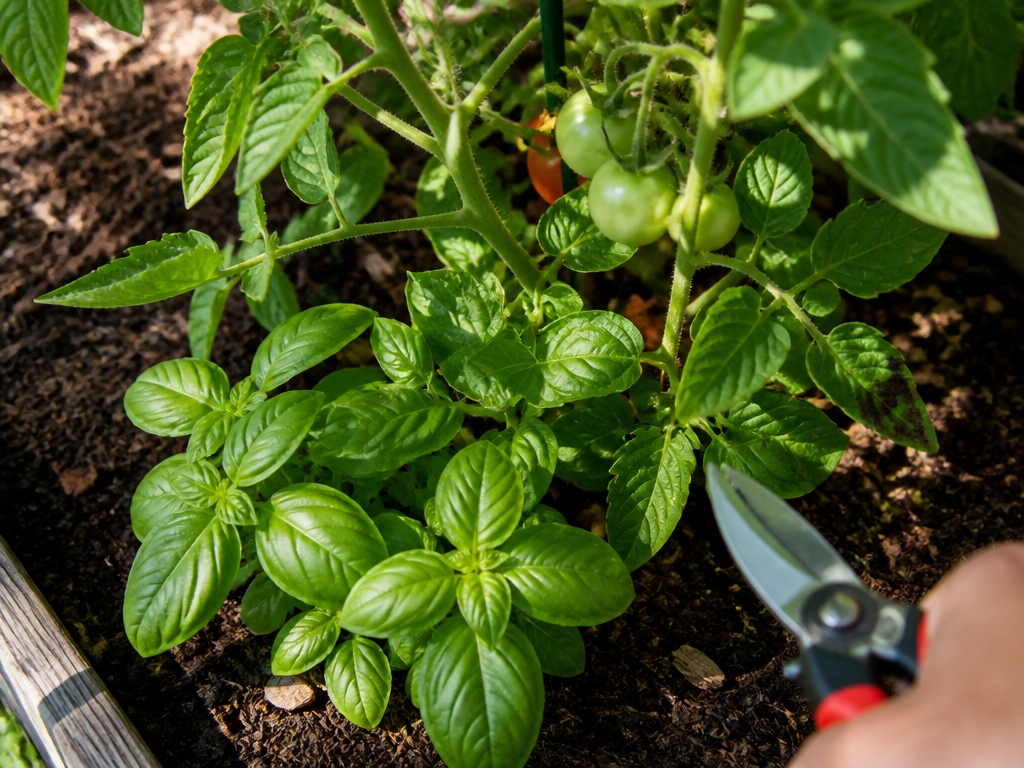
Many gardeners plant tomatoes and basil together to reduce pest problems naturally. Basil repels aphids, spider mites, and whiteflies that commonly damage tomato plants. The aromatic oils in basil leaves deter these insects effectively.
Gardeners position basil near tomato rows, spacing plants appropriately for air circulation. This combination eliminates the need for chemical pesticides while supporting healthy growth.
Beans and Squash: Boost Yields Through Nitrogen Fixation
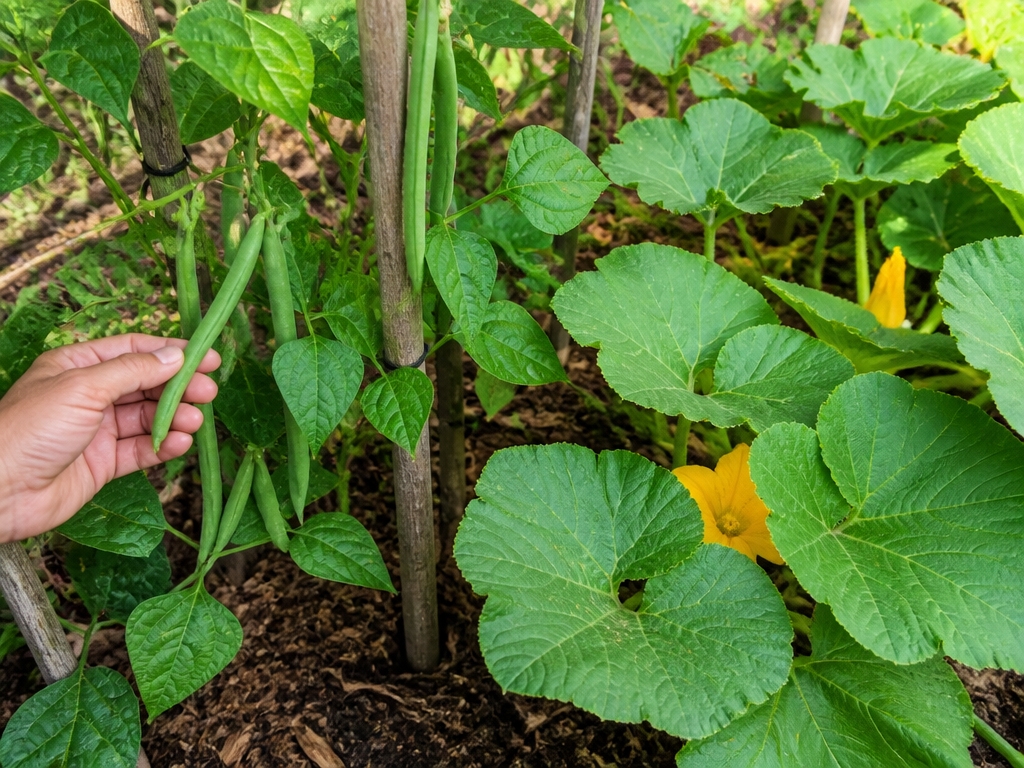
Gardeners frequently plant beans and squash together to increase soil nutrients and crop productivity. Beans fix nitrogen from the air into soil, enriching it naturally. Squash benefits from this added nitrogen, producing larger yields.
The squash’s broad leaves shade soil, reducing weeds and retaining moisture. This combination reduces fertilizer needs while maximizing garden output efficiently.
Carrots and Onions: Confuse Root-Eating Insects

Because carrots and onions emit different chemical odors, planting them together masks each crop from root-eating insects. The onion’s pungent smell confuses pests seeking carrots, while carrot scent deters insects targeting onions. This mutual protection reduces pest damage to both vegetables.
Gardeners plant them in alternating rows or mixed patches. The combination works because insects rely on smell to locate their preferred host plants.
Lettuce and Radishes: Double Your Harvest in One Bed
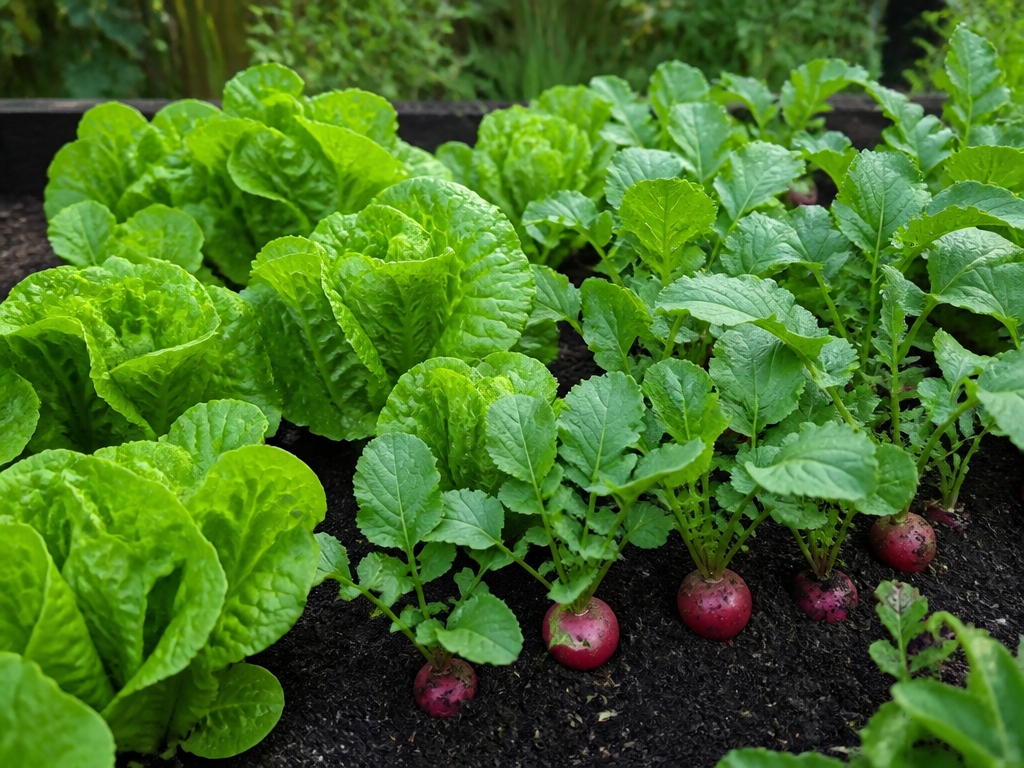
Space efficiency improves dramatically when lettuce and radishes share the same garden bed. Radishes mature quickly, typically in three to four weeks, while lettuce develops more slowly. Gardeners can harvest radishes first, creating space for lettuce to expand.
This succession planting maximizes yield per square foot, reducing wasted garden area and increasing overall productivity from a single bed location.
Cucumbers and Nasturtiums: Trap Pests on Decoy Plants
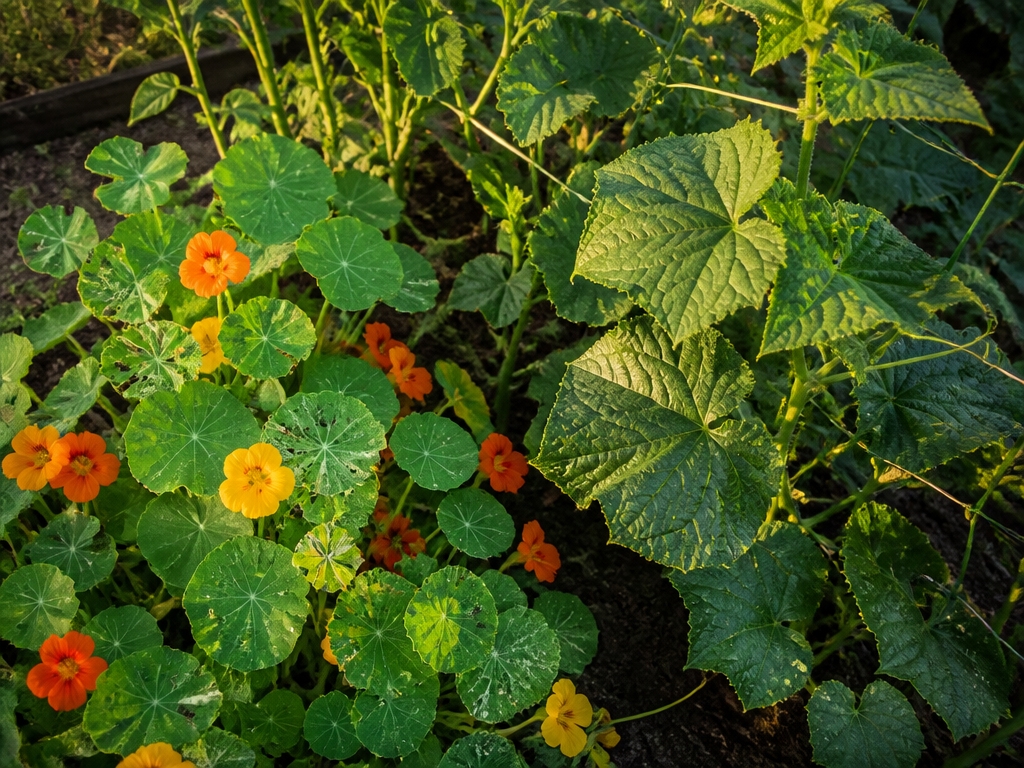
Strategic pest management becomes possible when nasturtiums grow alongside cucumbers in the garden bed. Nasturtiums attract aphids, spider mites, and whiteflies away from cucumber plants. These flowering plants act as trap crops, drawing pests to their leaves instead.
Gardeners benefit from reduced pest damage on cucumbers while nasturtiums absorb the insect population, requiring minimal additional intervention.
Marigolds and Peppers: Natural Insect and Disease Defense

Marigolds planted near peppers create a natural defense system against common garden pests and diseases. Marigolds repel spider mites, aphids, and whiteflies through their strong scent. The flowers also deter nematodes in soil, protecting pepper roots. Additionally, marigolds attract beneficial insects like ladybugs, which consume harmful pests. This combination reduces the need for chemical pesticides while promoting healthier pepper growth.
Peas and Garlic: Enhance Flavor While Repelling Pests

Planting peas alongside garlic produces multiple benefits for both crops and the surrounding garden. Garlic repels aphids, spider mites, and Japanese beetles that commonly damage pea plants. The nitrogen-fixing peas improve soil quality for garlic’s growth.
Additionally, garlic enhances pea flavor while peas provide structural support for garlic’s shallow root system, creating an efficient, mutually beneficial planting arrangement.
Brassicas and Dill: Strengthen Cabbage and Broccoli
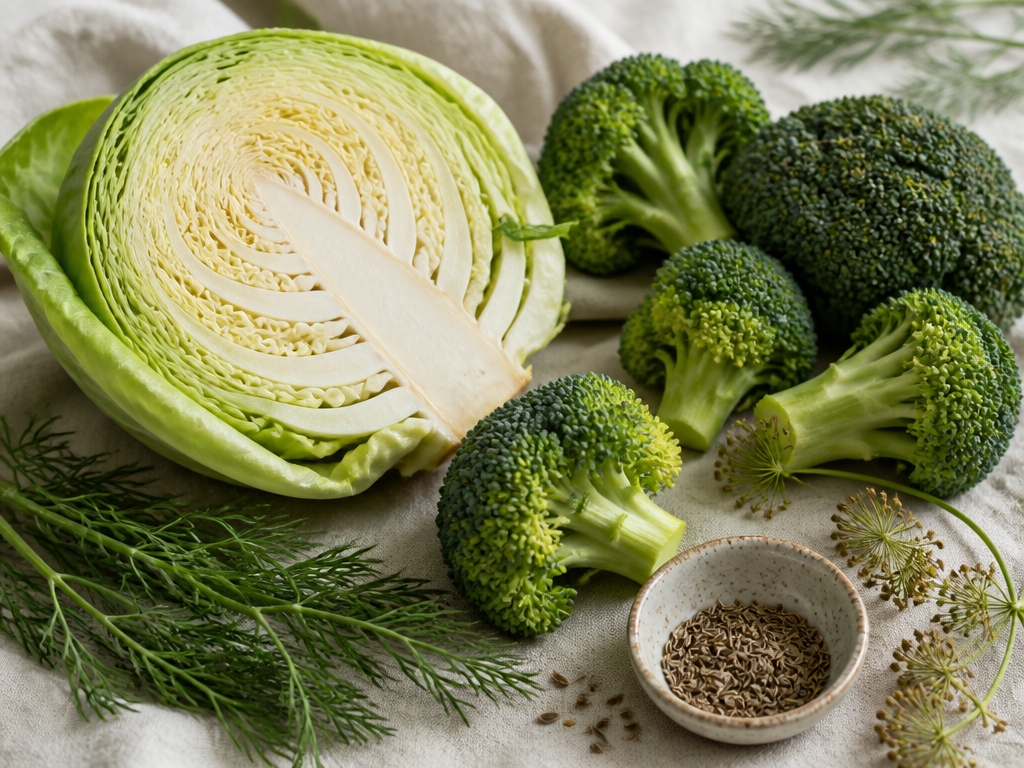
Dill serves as an effective companion plant for brassicas like cabbage and broccoli, offering pest management and growth benefits to these crops. The herb attracts beneficial insects, including parasitic wasps that control cabbage worms and aphids.
Dill’s presence strengthens brassica vigor while improving flavor profiles. Gardeners plant dill nearby, allowing it to mature alongside cabbage and broccoli for ideal results.
Spinach and Strawberries: Use Shade to Improve Soil
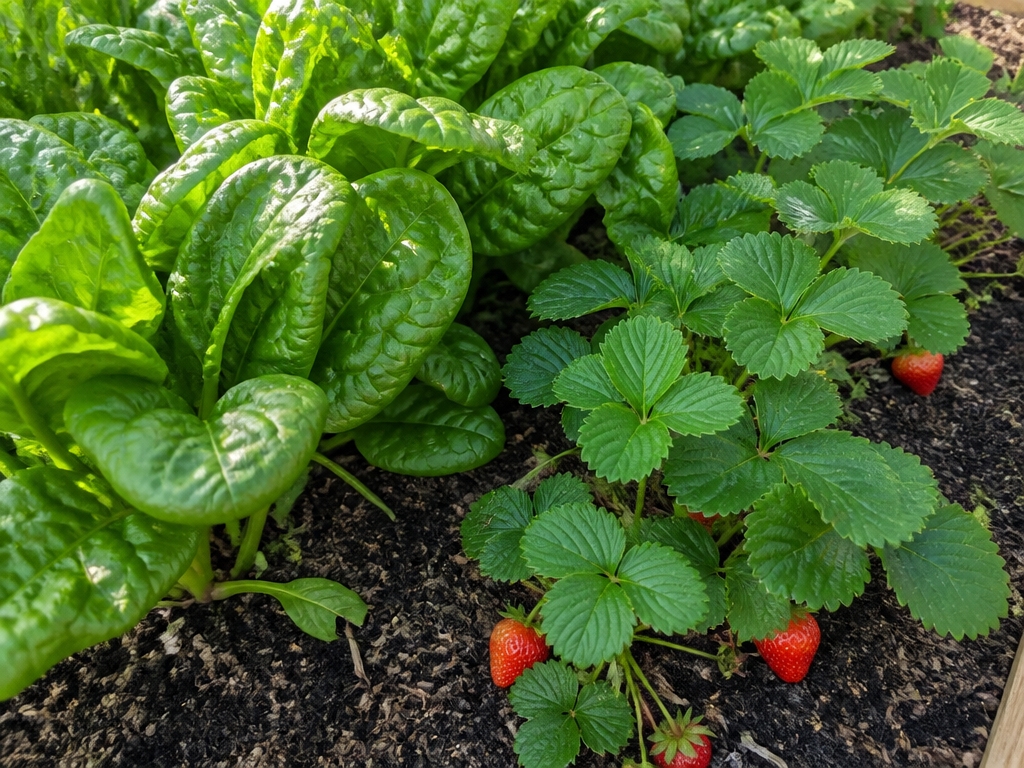
Spinach and strawberries form a practical pairing that benefits both crops through strategic shade management and soil improvement. Spinach foliage shades strawberry plants, reducing heat stress and retaining soil moisture. The spinach’s shallow roots, combined with strawberry growth, loosens compacted earth.
Spinach harvesting occurs before strawberries peak, minimizing competition for nutrients and space during critical fruiting periods.
Melons and Corn: Build Natural Trellises, Fix Nitrogen
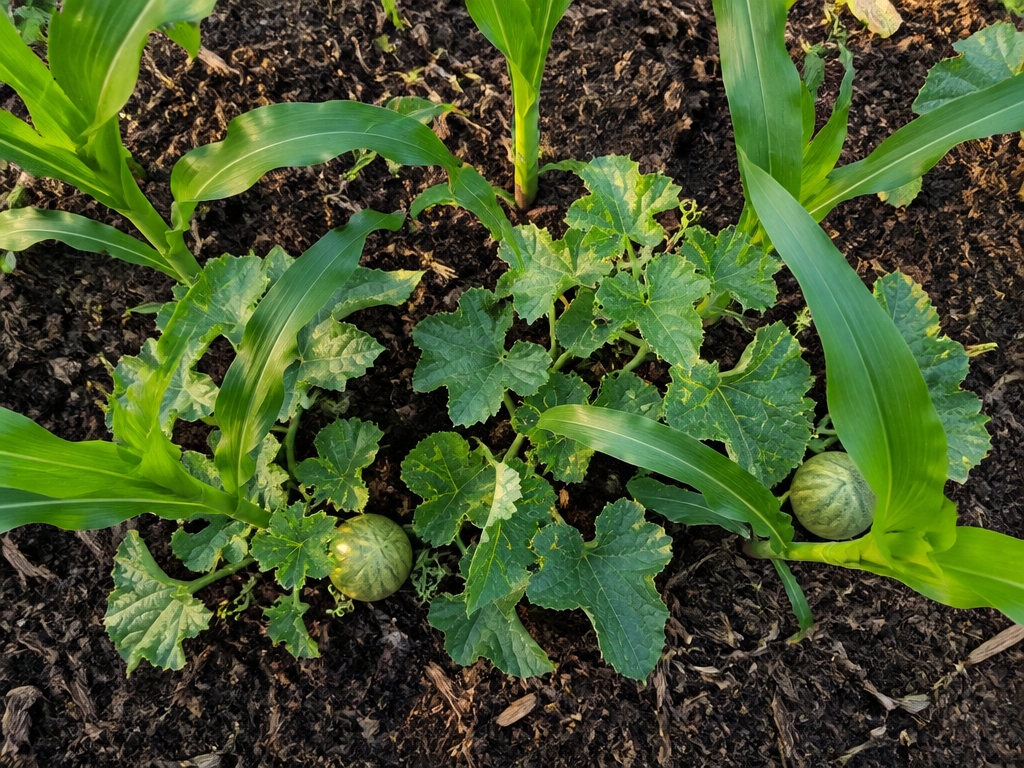
Corn and melons work together in ways that address different gardening challenges, moving beyond simple shade management to structural support and soil nutrition. Corn stalks provide natural trellises for climbing melon vines, reducing ground space needs. Meanwhile, nitrogen-fixing bacteria in legume companions, when planted nearby, enrich soil.
This combination maximizes garden efficiency through complementary growth patterns and mutual resource sharing.
Thyme and Leafy Greens: Attract Beneficial Insects
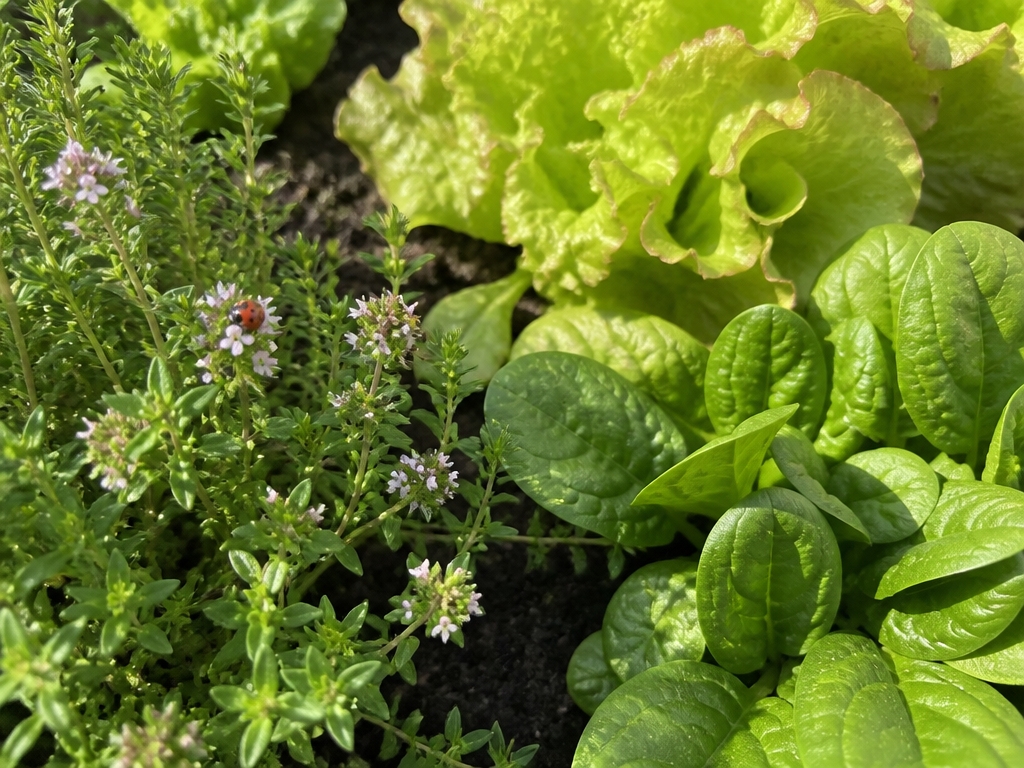
Many gardeners discover that thyme planted alongside leafy greens like lettuce, spinach, and kale attracts beneficial insects that protect these crops from pests. Thyme’s small flowers draw hoverflies, parasitic wasps, and ladybugs, which feed on aphids and other harmful insects.
The herb’s low-growing nature prevents competition with greens’ vertical space. This combination creates a functional pest-management system without requiring additional interventions.
The Three Sisters: Grow Corn, Beans, and Squash Together
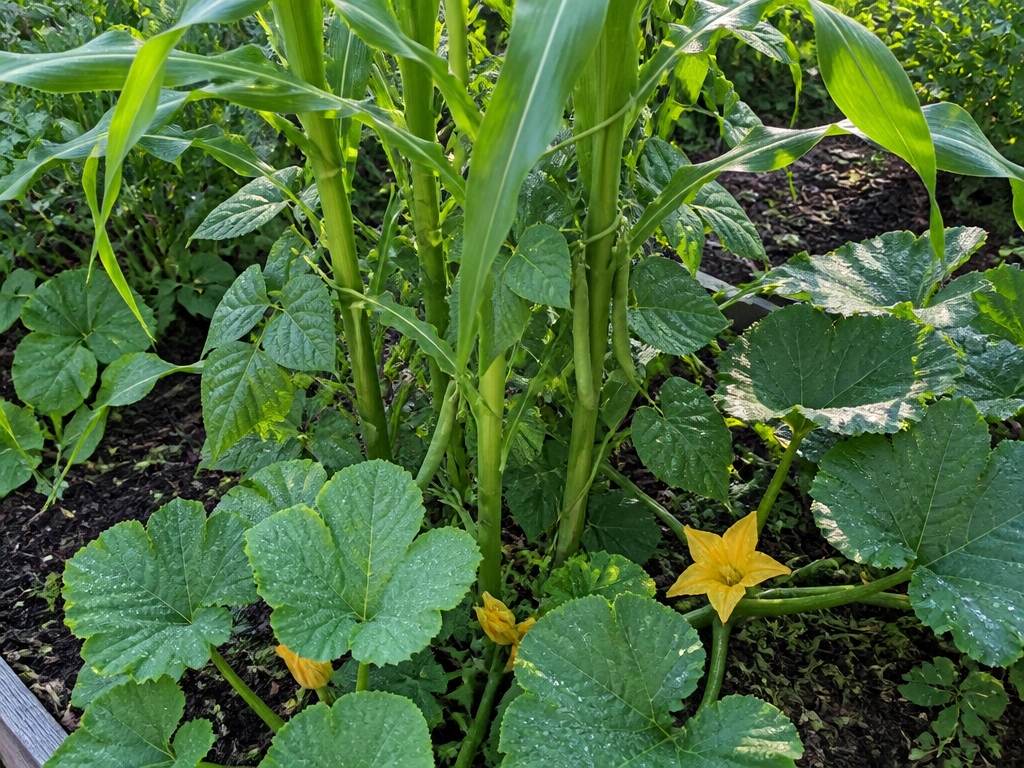
This ancient agricultural method pairs three crops: corn, beans, and squash, in a single planting area, where each plant supports the others’ growth. Corn stalks provide structure for climbing beans, beans fix nitrogen in soil for corn and squash, and squash leaves shade ground, reducing weeds and retaining moisture. This combination maximizes garden space and reduces fertilizer needs.
Frequently Asked Questions
How Long Should I Wait Before Planting Companion Plants Next to Each Other?
Most companion plants can be planted simultaneously or within the same growing season. Gardeners should plant them together at the same time or stagger plantings by 1-2 weeks, depending on each plant’s growth rate and maturity timeline.
Can I Use Companion Planting Methods in Containers or Raised Beds?
Studies show container gardens yield 3-5 times more per square foot than traditional plots. Companion planting works excellently in containers and raised beds, where controlled soil conditions and proximity between plants actually enhance pest deterrence and nutrient sharing benefits considerably.
What’s the Ideal Spacing Between Companion Plants for Maximum Benefit?
Companion plants typically require 6-12 inches apart, depending on mature plant size. Larger plants need more distance; smaller herbs need less. Adequate spacing guarantees proper air circulation, prevents disease, and allows each plant sufficient nutrients and sunlight for ideal growth benefits.
Do Companion Planting Benefits Work in All Climate Zones and Seasons?
Research confirms companion planting effectiveness varies considerably by region. Benefits work best in moderate climates with consistent growing seasons. Tropical, arid, and extreme cold zones require adapted plant combinations for ideal results.
How Do I Know if My Companion Plants Aren’t Working Together?
One observes signs of unsuccessful companion planting through stunted growth, increased pest infestations, disease spread between plants, poor yields, or wilting despite adequate water and sunlight. Regular monitoring reveals incompatible pairings requiring adjustment or replacement.
Conclusion
Companion planting combines crops strategically, creating mutually beneficial garden systems. Tomatoes with basil, beans with squash, carrots with onions—these pairings reduce pest pressure, improve soil nitrogen, and maximize space efficiency. The Three Sisters technique exemplifies this ancient wisdom, merging three crops into one synergistic unit. Gardeners who implement these combinations observe healthier plants, increased yields, and decreased pesticide dependence, making companion planting a practical, evidence-based approach to sustainable cultivation.