Gardeners with four beds can systematically manage soil health and prevent disease through crop rotation.
The classic four-year legume rotation alternates legumes, brassicas, root vegetables, and alliums across beds. This traditional approach builds nitrogen naturally while breaking pest and disease cycles.
Specialized approaches exist too. Brassica rotations target soil-borne diseases like clubroot, while allium strategies use garlic and onions to deter pests naturally.
Nightshade rotations accommodate tomatoes, peppers, and eggplants with their specific nutrient needs and spacing requirements.
Each plan addresses particular garden challenges. Selecting the right strategy depends on your soil conditions, climate, and what you most enjoy growing.
Start simple with the basic rotation, then adapt as you learn what thrives in your space.
Plan 1: The Classic Four-Year Legume Rotation
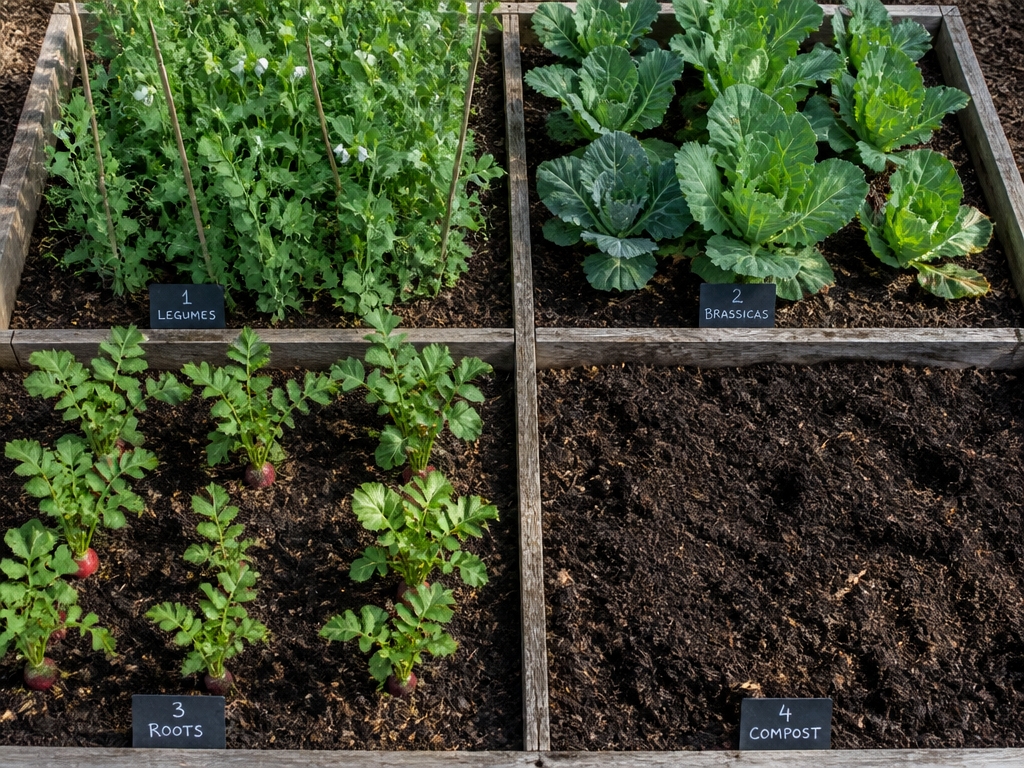
The classic four-year legume rotation divides garden beds into four sections, rotating crops through specific plant families each year. Bed one grows legumes like beans and peas, fixing nitrogen in soil. Bed two contains brassicas such as cabbage and broccoli. Bed three holds root vegetables including carrots and potatoes. Bed four features alliums like onions and garlic. Each bed shifts crops annually.
Plan 2: The Three-Year Brassica Rotation for Disease Prevention
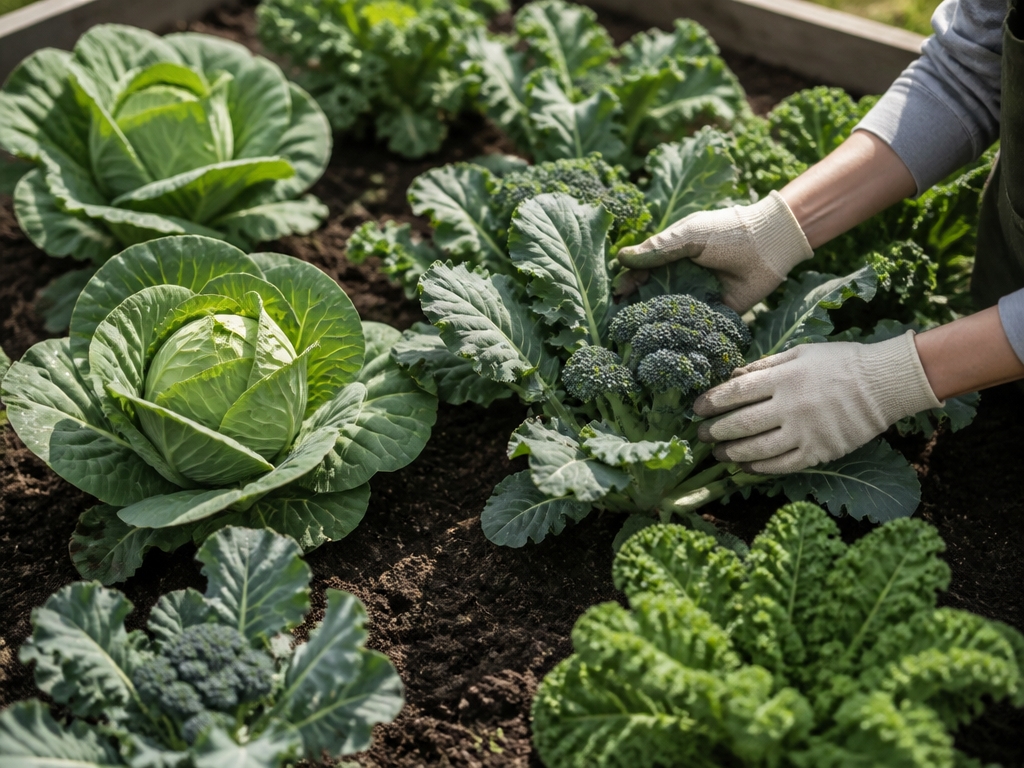
While brassica diseases accumulate in soil over time, a three-year rotation plan offers an effective prevention strategy.
Gardeners plant brassicas like cabbage, broccoli, and kale in bed one during year one. They move these crops to bed two in year two, then bed three in year three. Non-brassica vegetables occupy the remaining beds, breaking disease cycles effectively.
Plan 3: The Allium Strategy: Your Natural Pest Defense
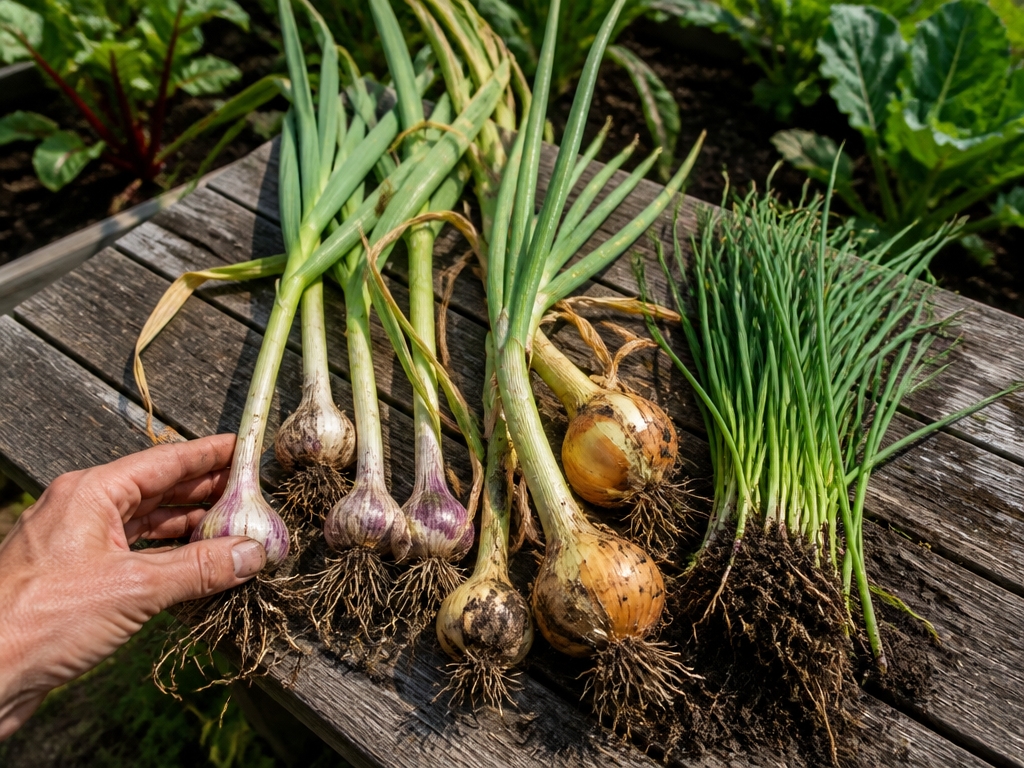
Because alliums like onions, garlic, and leeks naturally repel common garden pests, they serve as a practical rotation component in four-bed systems. Rotating alliums through different beds annually reduces pest populations effectively.
Garlic planted in fall establishes strong root systems, while spring onions mature quickly. Leeks occupy beds longer, providing extended pest protection. This strategy minimizes pest damage without additional interventions.
Plan 4: Growing Herbs and Vegetables Together (Mixed Rotation)
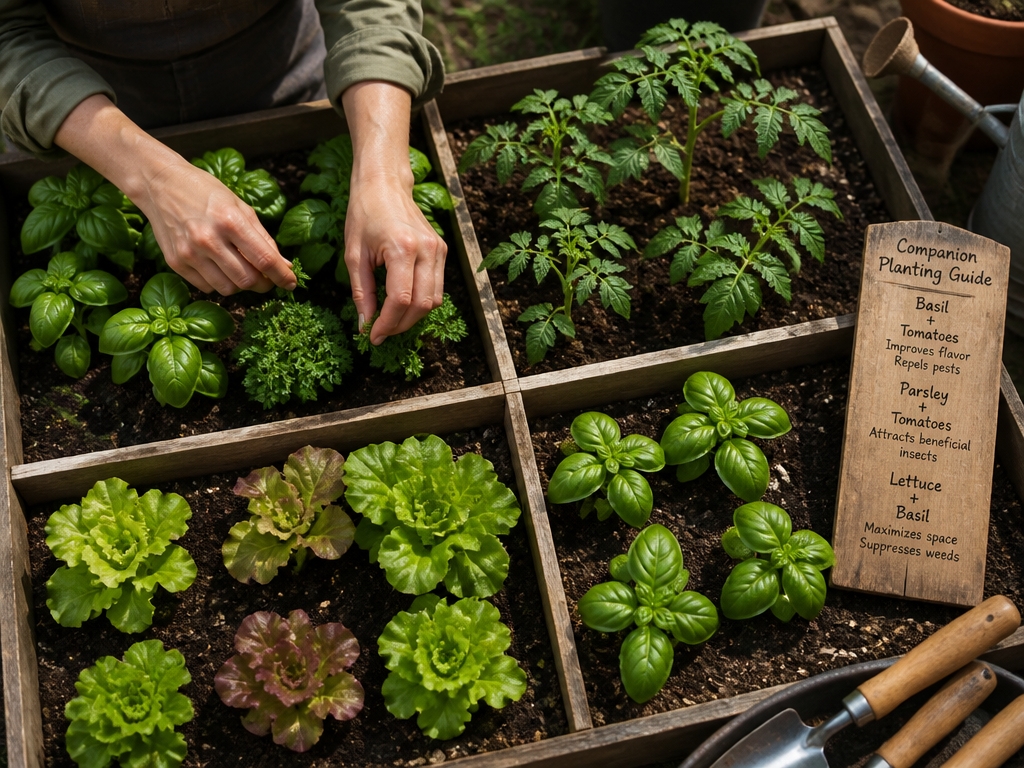
Combining herbs with vegetables in a four-bed rotation system offers practical benefits beyond single-crop planning. Basil repels pests from tomatoes, while cilantro attracts beneficial insects. Parsley and lettuce grow well together, maximizing bed space.
Rotating herb-vegetable combinations annually prevents soil depletion and disease buildup, improving yields over time.
Plan 5: The Tomato and Pepper Rotation (Nightshade Focus)
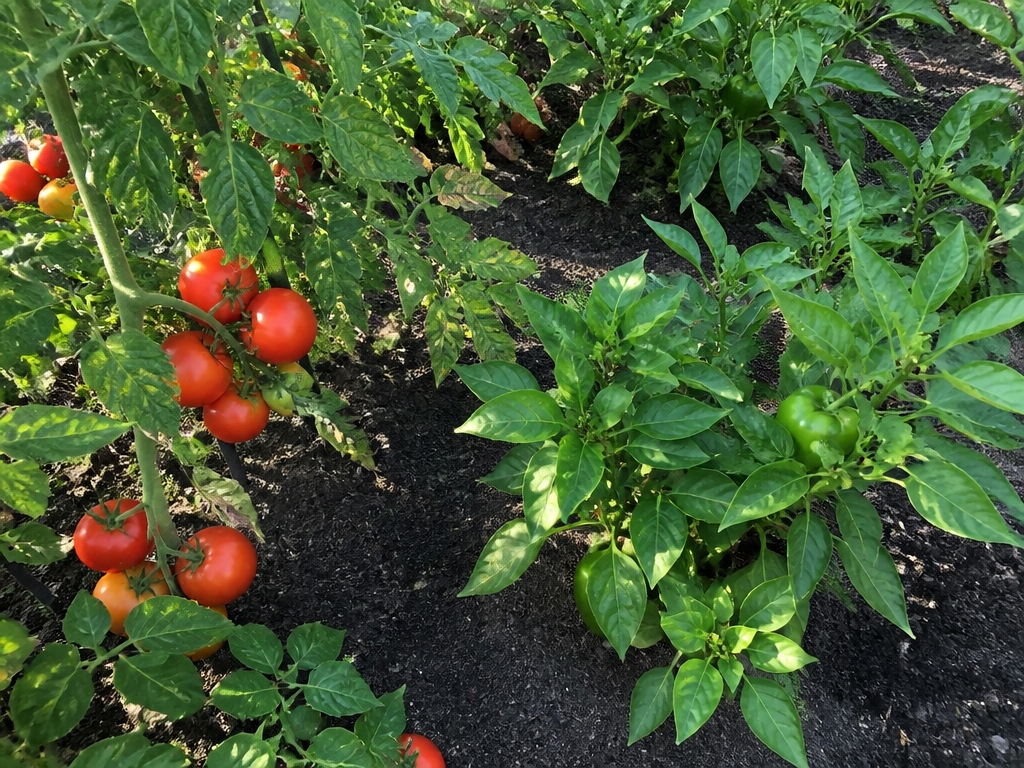
Nightshade vegetables, particularly tomatoes and peppers, require specialized rotation strategies that differ from the mixed herb-vegetable approach. Gardeners should avoid planting these crops in the same bed for three consecutive years, as soil-borne diseases accumulate.
Rotating nightshades through different beds annually prevents pest buildup and nutrient depletion. Alternating with legumes or brassicas between plantings restores soil health effectively.
Plan 6: Quick-Turnover Crop Rotation for Spring and Fall
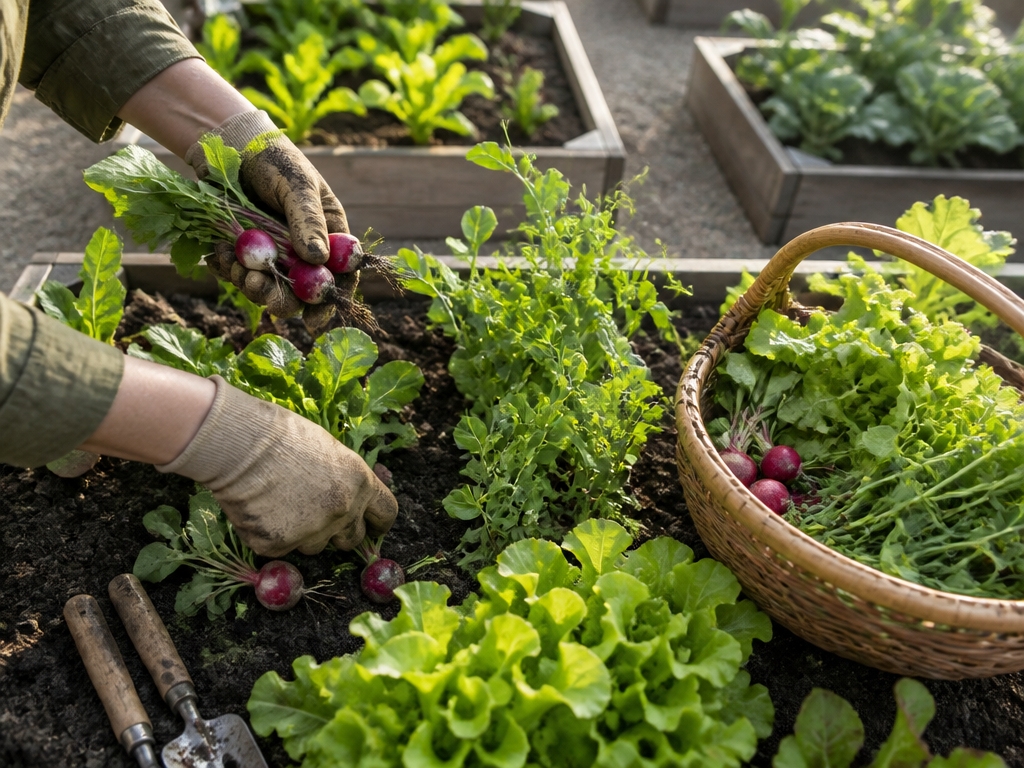
While traditional rotation plans span entire growing seasons, gardeners with shorter spring and fall windows can implement quick-turnover strategies that maximize bed productivity. Spring beds might grow lettuce, then beans. Fall beds could start with spinach, followed by garlic.
These fast-cycling crops fit multiple harvests within compressed timeframes, reducing soil depletion and pest buildup between plantings.
Plan 7: Crop Rotation With Perennials: a Nitrogen-Building System
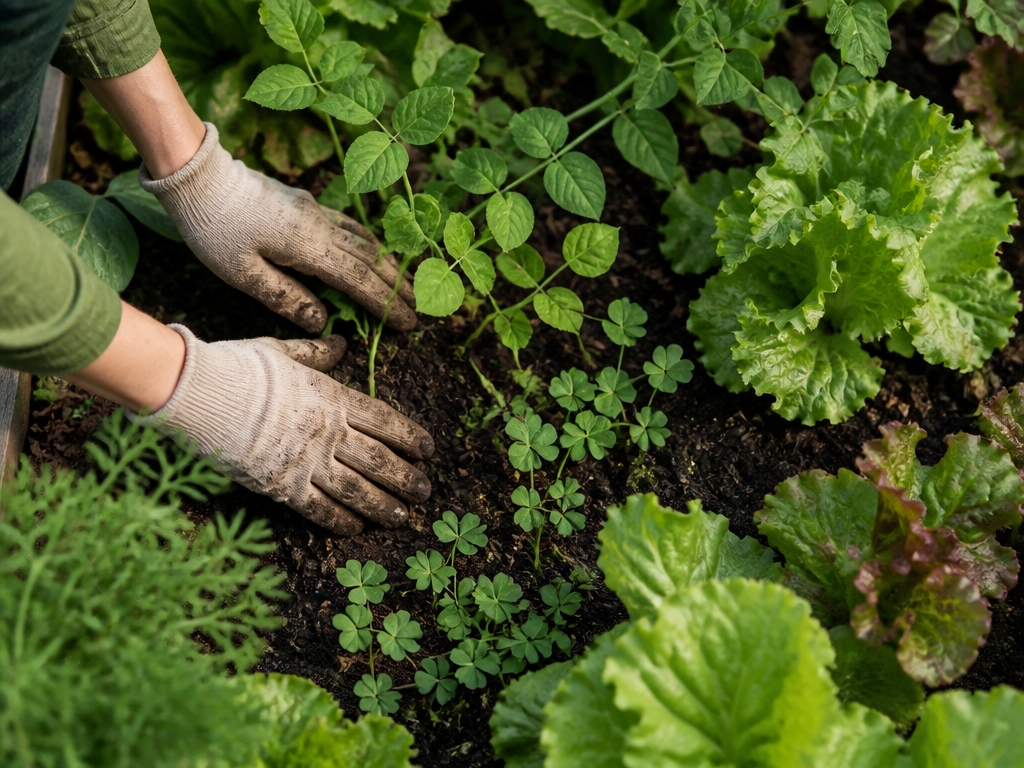
Integrating perennial plants into a four-bed rotation system offers a sustainable approach to soil fertility management. Perennials like asparagus and rhubarb remain in place while legumes rotate through adjacent beds, fixing nitrogen into the soil.
This method reduces tilling, minimizes erosion, and decreases labor requirements. The permanent beds establish deeper root systems, improving soil structure and water retention over time.
Tracking Your Plan and When to Make Adjustments
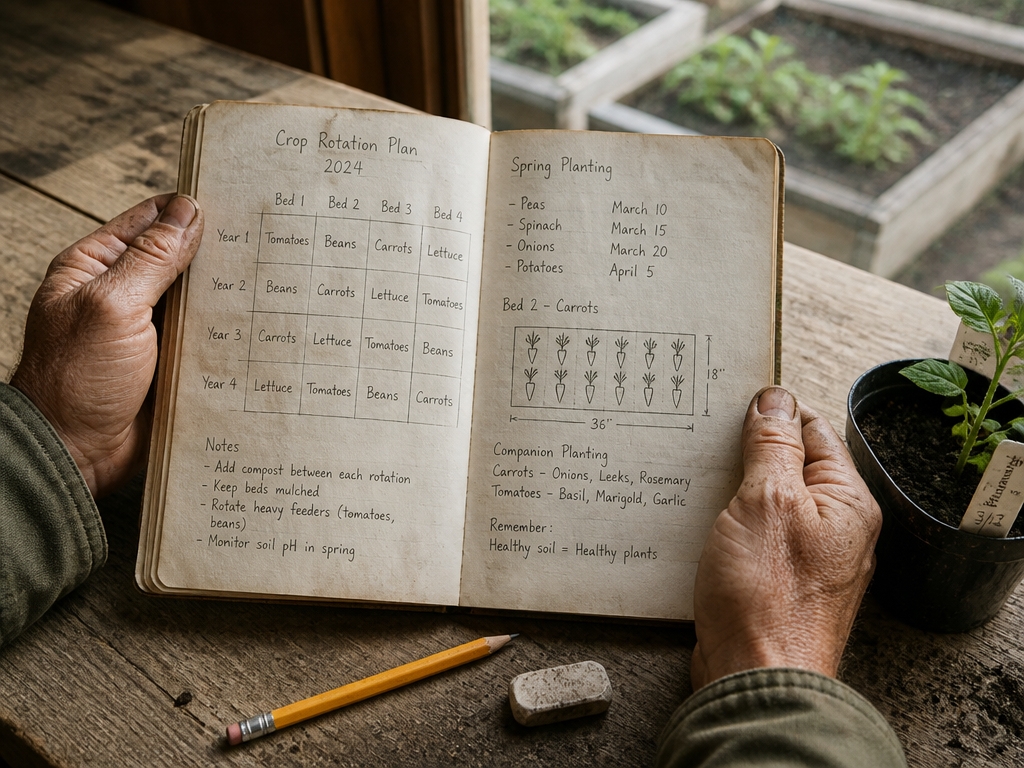
Documenting crop placement, yields, and soil conditions across seasons enables gardeners to identify patterns and refine their rotation system. Gardeners should note which crops thrived in specific beds, track pest or disease problems, and record soil test results.
Adjustments become necessary when yields decline, particular pests persist, or nutrient deficiencies appear. Annual reviews of these records guide future planting decisions.
Frequently Asked Questions
How Do I Prepare Soil Between Crop Rotations to Maximize Nutrient Availability?
Gardeners should incorporate compost, aged manure, or organic matter into beds to replenish nitrogen and minerals. Testing soil pH and nutrient levels guides amendments. Adding cover crops during fallow periods further enriches soil structure and fertility naturally.
What’s the Best Way to Compost Crop Residue From Diseased Plants Safely?
One might assume diseased plants belong in compost, yet ironically, they should never enter standard bins. Instead, gardeners must dispose of infected material in trash or burn it. Only healthy residue composts safely, ensuring disease prevention throughout the garden.
Can I Use Cover Crops During Off-Seasons to Improve Soil Health?
Yes, cover crops greatly improve soil health during off-seasons. Gardeners plant legumes, grasses, or other vegetation to prevent erosion, suppress weeds, add nitrogen, and enhance organic matter. These crops are typically tilled back into the soil before spring planting.
How Do I Handle Unexpected Pest Outbreaks That Disrupt My Rotation Plan?
One should immediately isolate affected beds and implement targeted pest management strategies such as beneficial insects, neem oil, or organic pesticides. Then adjust the rotation schedule accordingly, potentially skipping that crop in the affected bed for an additional season.
What’s the Minimum Garden Size Needed to Effectively Implement Crop Rotation?
Gardeners can effectively implement crop rotation in beds as small as four raised plots, each measuring approximately 4×8 feet. This modest size allows adequate space for rotating plant families and maintaining soil health across seasons.
Conclusion
Implementing a thoughtful crop rotation strategy across four garden beds encourages soil health and reduces pest pressures. Gardeners who periodically relocate plant families—legumes, brassicas, alliums, and nightshades—foster balanced nutrient cycles. Regular monitoring and flexible adjustments accommodate local conditions, seasonal variations, and individual preferences. This methodical approach transforms garden management into a sustainable practice that yields consistent, healthy harvests while maintaining soil integrity.