Cracked concrete and faded oil stains. That’s the view from most kitchen windows. It doesn’t have to stay that way.
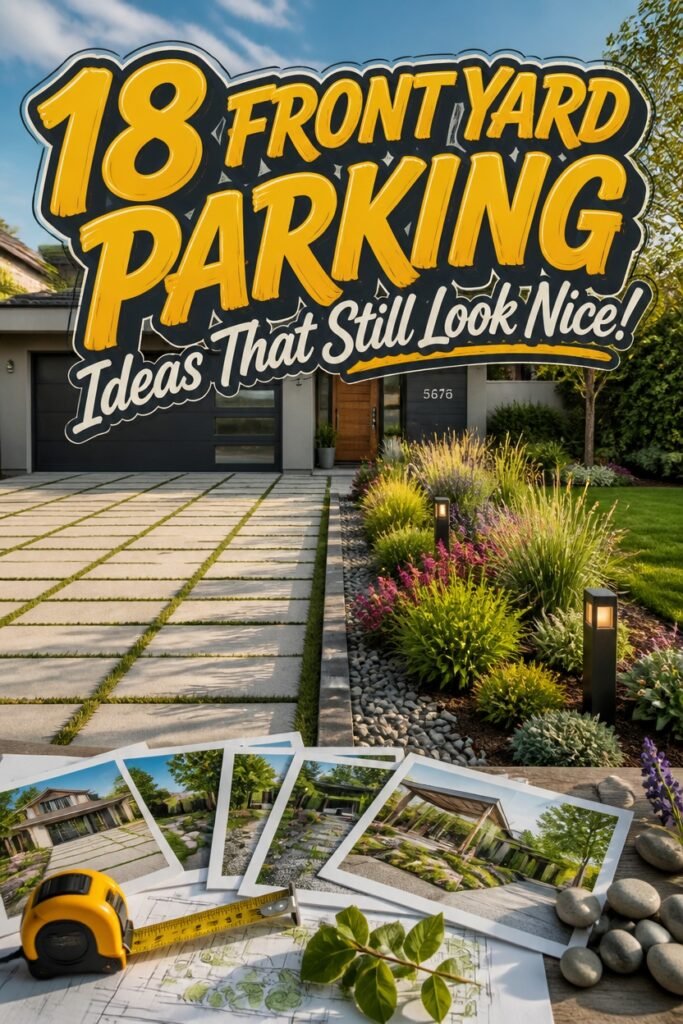
Front yard parking can actually look intentional. Some homeowners are swapping asphalt for permeable pavers now.
Rainwater drains through them naturally. No more puddles collecting by the garage.
Gravel is having a moment too. The right kind locks together and stays put. Your tires won’t scatter it across the lawn every morning.
Plus it crunches pleasantly underfoot.
Neighbors slow down when they pass the good ones. They notice. Options exist for tight budgets and generous ones alike.
A decent parking spot doesn’t require sacrificing your home’s curb appeal.
Permeable Pavers
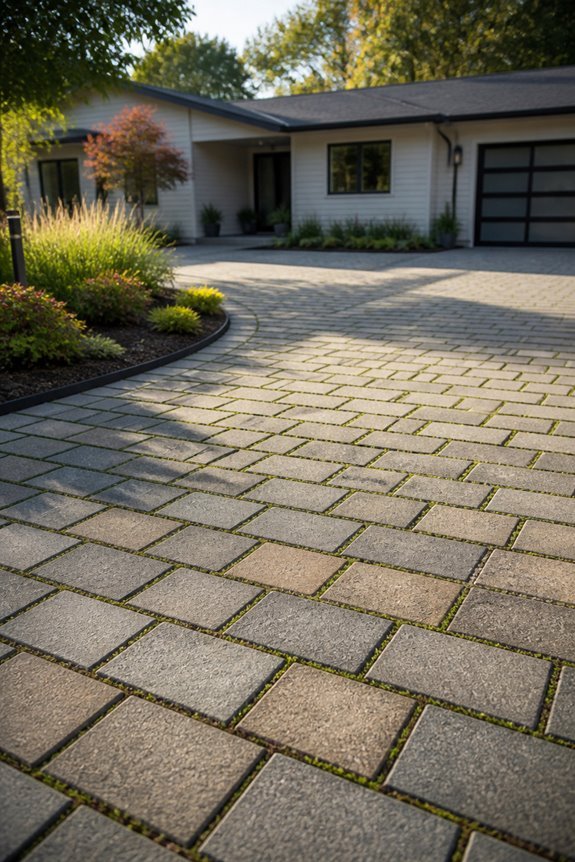
Tired of your front yard turning into a miniature lake every time it rains? Permeable pavers solve that headache fast.
Water drains straight through these porous blocks. No puddles. No soggy grass. Just a driveway that actually works with nature instead of fighting it.
You’ll find them in warm grays, earthy browns, and sleek blacks. They’re spaced slightly apart so rain water whooshes through the gaps. Underneath, a gravel base acts like a giant sponge.
Installation starts with that gravel layer. Then you set the pavers on top. Your yard looks intentional and sophisticated without losing any function.
Yes, they cost more upfront than asphalt. But your grass stays healthier. Your drainage handles itself. And your curb appeal jumps to magazine-worthy levels.
Also read: 18+ FRONT YARD ENTRANCE Ideas That Feel Welcoming!
Decorative Gravel With Defined Borders
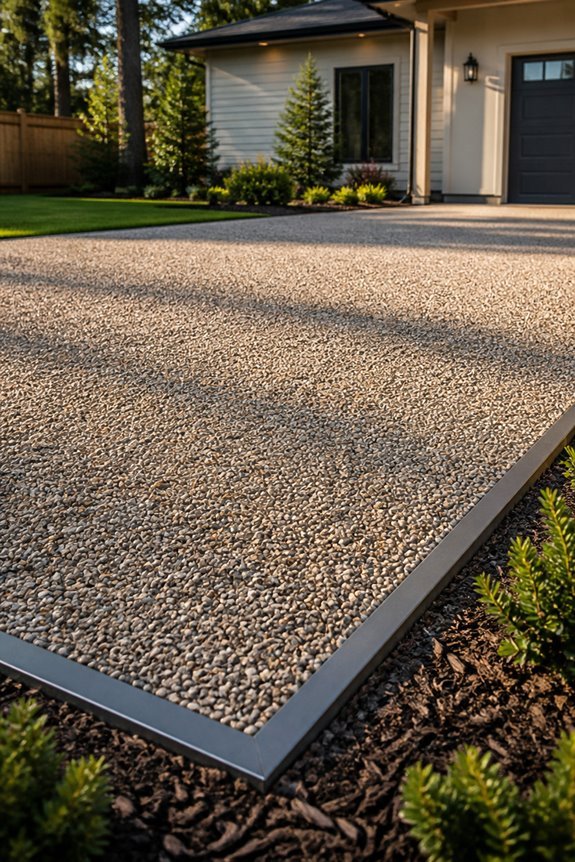
Tired of watching your yard turn into a mud pit every time it rains? You need a parking spot that actually works. Decorative gravel with defined borders gives you exactly that. It sits right in the sweet spot. Not as pricey as pavers. Much better than bare dirt.
Start with landscape fabric underneath. This stops weeds from crashing the party later. Then spread your gravel two to three inches deep. Crushed stone works great. So does pea gravel. Pick a color that fits your style. Warm browns blend with nature. Black looks sharp and modern. White keeps things bright and clean.
Now for the borders. Metal or plastic edging around the edges keeps everything locked in place. No more gravel sneaking into your lawn. No more raking it back every weekend. The borders also make the whole thing look finished. Intentional. Like you planned it, not like you gave up halfway.
Your neighbors will notice. Your wallet will stay happy. And you’ll actually enjoy pulling into your driveway.
Reinforced Turf for Grass Parking
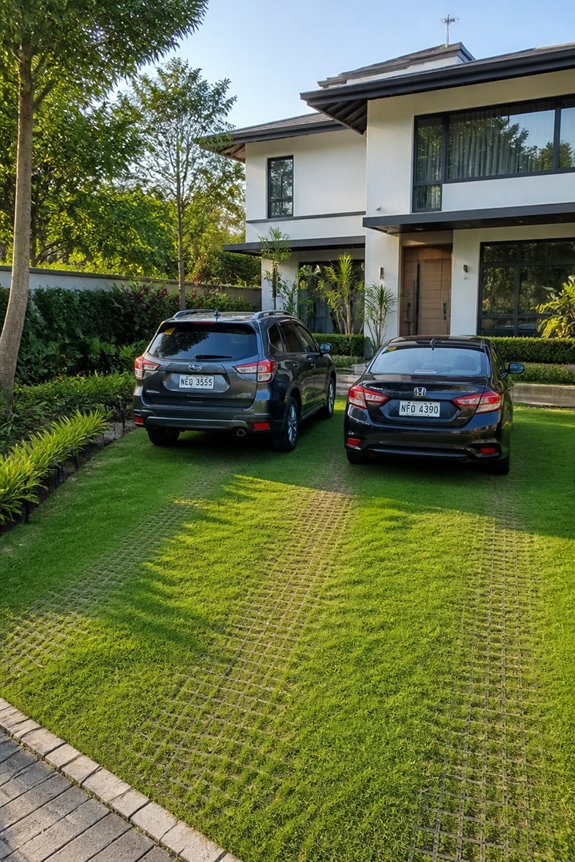
Ever parked on grass and immediately regretted it? Your tires sink in. The ground tears up. You end up with ruts that last for months.
Reinforced turf solves this problem. It gives your grass a hidden support system. Plastic or concrete grids sit just below the surface. Grass grows through the openings, so everything looks natural from above. The grid underneath spreads out the weight of your vehicle. No more sinking. No more mud.
Installation usually takes a weekend. Costs run between $800 and $2,000 depending on your space. After a rainstorm, you will not find a disaster zone. Your yard stays green and solid. Your guests will not know you have a secret structure hiding under the lawn.
Concrete With Integrated Planter Beds
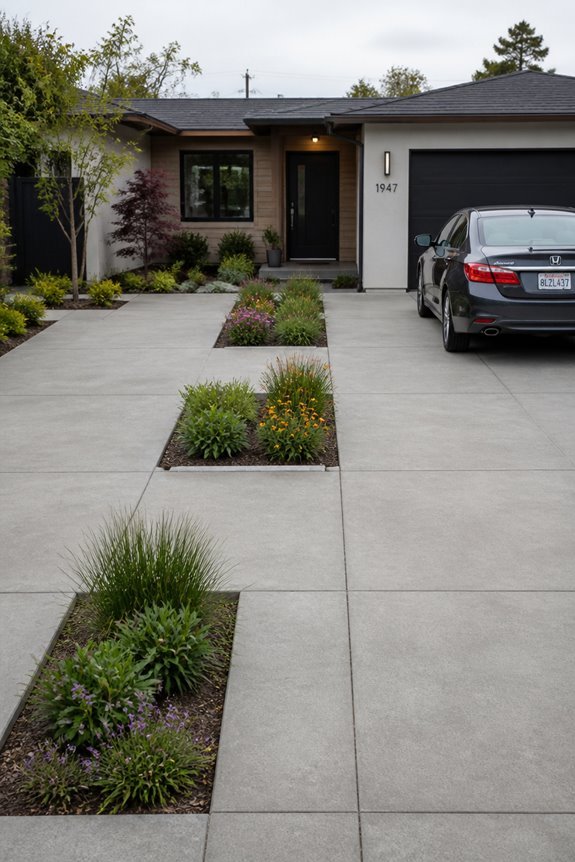
Your concrete parking area doesn’t need to look like a gray slab of regret. You can fix this. Add planter beds right into the design. Picture 2-3 foot wide strips running along the edges. Fill them with flowers and shrubs. Watch how they soften those harsh lines. The concrete stays neutral. Your plants bring the color. Reds, yellows, and purples bloom against that gray backdrop.
You don’t need to tear everything out. Planter beds break up the monotony on their own. They give your driveway personality. Water them now and then. Deadhead the spent blooms. That’s it. Your front yard stops being “just another parking spot.” It becomes something you actually want to look at. Even concrete can charm you when greenery hugs its edges.
Asphalt With Contrasting Edging
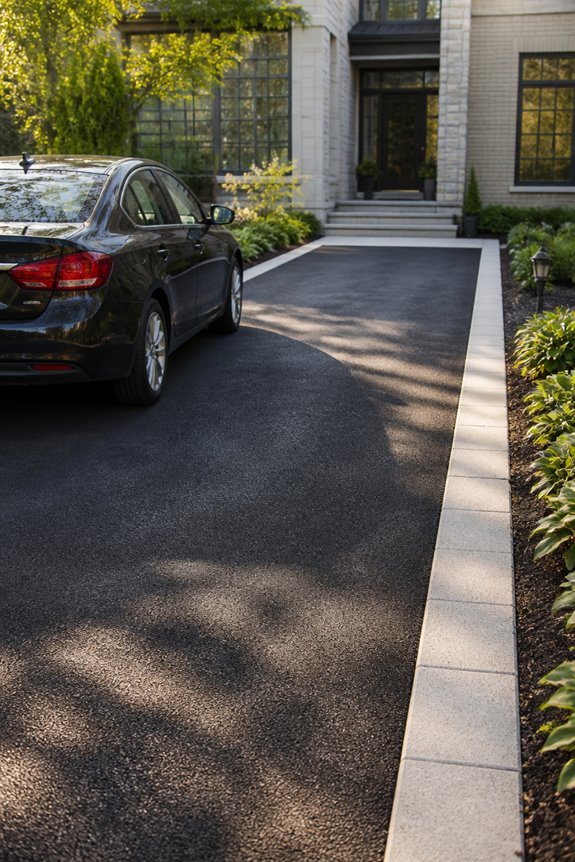
You probably don’t think much about your driveway. Most people don’t. It’s just that dark slab you park on every day.
But here’s a quick fix that changes everything. Add a contrasting border to your asphalt. Paint a crisp white or golden-yellow line around the edges. Make it four to six inches wide. Suddenly your parking area looks intentional. It looks finished.
The contrast does more than look good. It guides your eyes. You park straighter without even trying. No more crooked wheels or awkward angles.
Maintenance is simple. Touch up those painted edges every couple years. That’s it. You get maximum visual impact for minimal effort and cost.
Brick and Permeable Paving Patterns
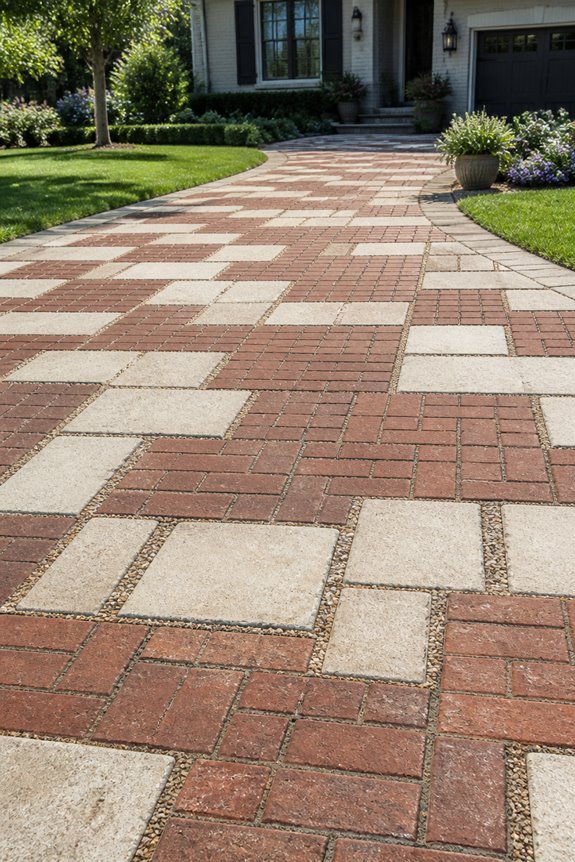
Why settle for a driveway that turns into a pond every time it rains? You can have parking that actually drains water instead. Brick and permeable paving patterns pull double duty. They look great and let rainwater pass right through. No more puddles. No more mosquito breeding grounds.
Try mixing red, tan, and gray bricks in herringbone or checkerboard layouts. It feels like solving a puzzle, but you end up with something you use every day. Permeable pavers rest on a gravel base that soaks up rainfall like a natural sponge.
Your driveway ends up looking intentional, not accidental. Guests won’t have to tiptoe around standing water anymore. You get style, function, and a small win for the environment.
Crushed Stone With Planted Separators
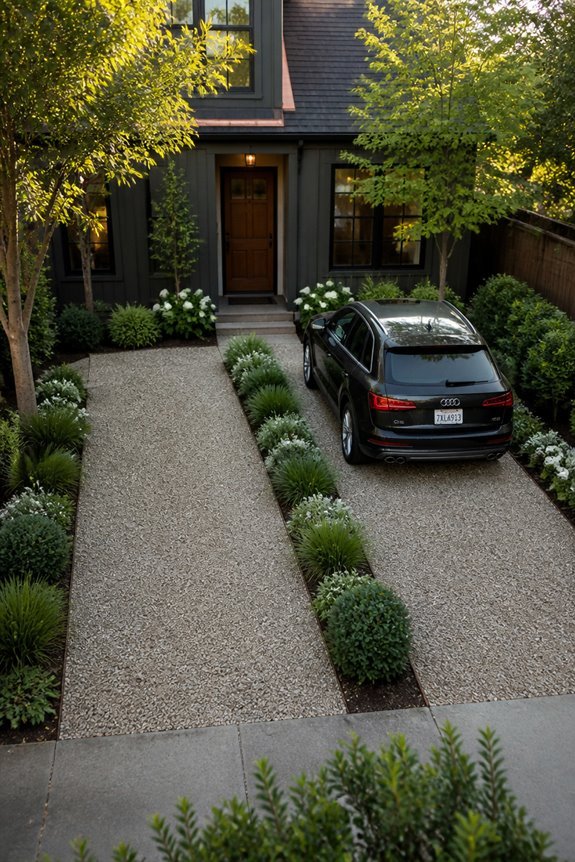
Crushed stone parking sounds cartoonish, but it works. You scatter tan or gray pea gravel over a 4-6 inch base. Your visitors hear that crunch and feel like they’ve arrived somewhere special.
The planted separators make this design sing. You add neat rows of grass, shrubs, or low plants between your parking strips. These green dividers stop gravel from wandering everywhere. They soften the hardscape too, so your driveway never looks like a sad parking lot. Water drains naturally, so you skip the awkward puddles. Yes, you’ll rake sometimes. You might even lose a few stones to enthusiastic shoes. But the look beats boring asphalt every time.
Recycled Rubber Mulch Surfaces
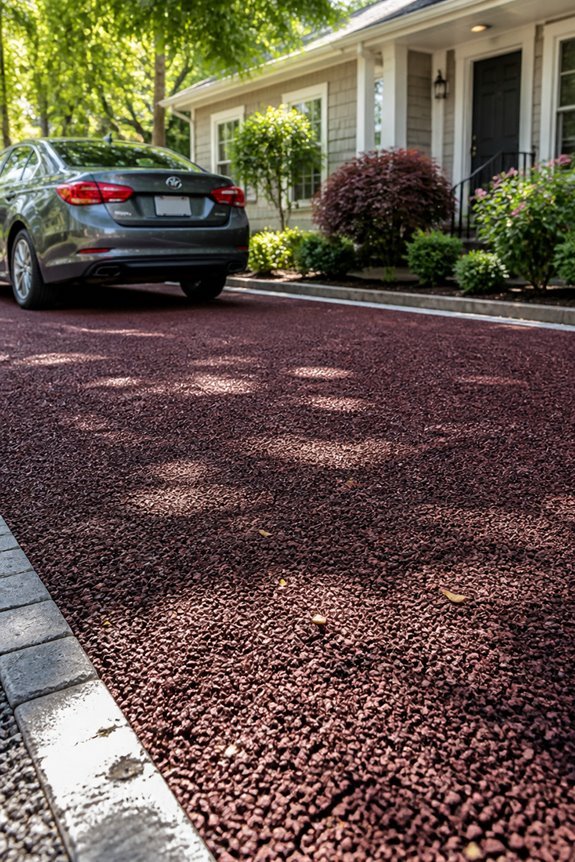
Your old tires could be holding up your car instead of clogging landfills. Recycled rubber mulch gives them that second chance. You get a colorful, bouncy surface that actually works for parking.
You can choose from vibrant reds, deep blacks, or natural browns. Your driveway ends up looking intentional, not accidental. The rubber feels softer under tires than gravel. No more sinking wheels or stones scattering across your lawn.
Installation is simple. You spread a 2-3 inch layer over your parking area. That’s it. The rubber won’t decompose, so you can forget about yearly replacements. It also drains water fast. No puddles waiting to rust your undercarriage.
Yes, it smells like a gym locker at first. That fades within days. Budget about $3-5 per square foot for materials. For a standard single parking space, you’re looking at roughly $300-500 total.
Living Roof Carports
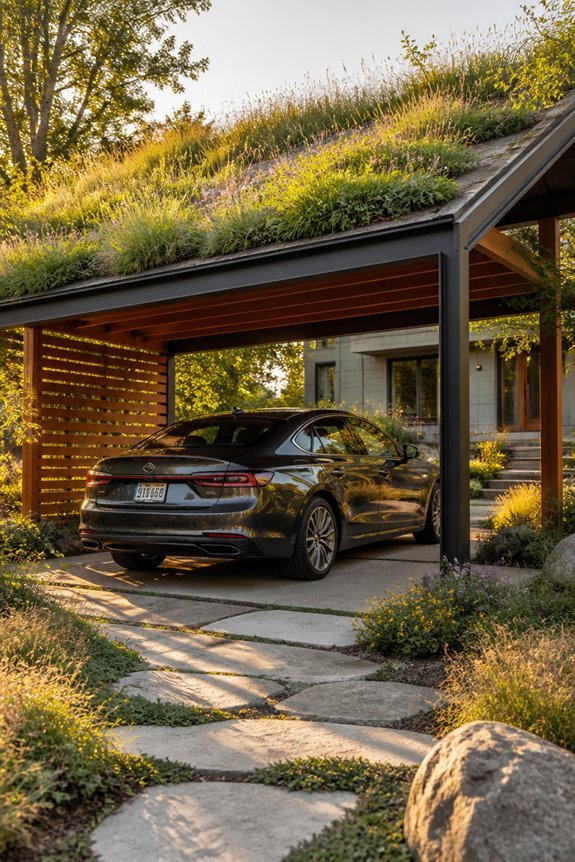
Your carport probably just sits there. Gray metal. Boring concrete. Doing nothing special while you ignore it completely.
What if it did something actually cool instead?
Living roof carports turn that wasted space into something alive. Picture thick moss and tiny succulents spreading across your roof beams. You get shade that actually works. Rain soaks into plants instead of flooding your driveway. Your car stays cooler on hot afternoons. Even butterflies might show up.
Yes, it costs more upfront. You’ll need to water occasionally and pull some weeds. But watching birds stop by your parking spot beats staring at cracked shingles every single day.
Modern Metal Carport Designs
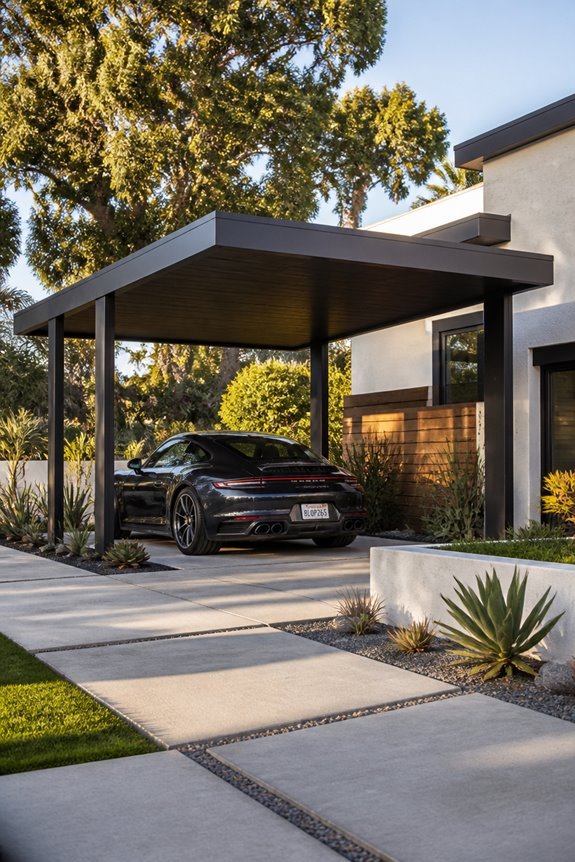
Tired of fussing with roof maintenance? You need to see what modern metal carports offer instead.
Picture clean lines and steel beams working as minimalist parking art. You get straight angles, flat roofs, and that industrial shine everyone’s craving lately. Most models span 12 by 20 feet. They hold two cars without any struggle. Pick gray, charcoal, or black frames. These colors hide dust better than white ever could.
You skip the watering entirely. Steel needs zero plant-level care. Just wipe it down sometimes. Contractors finish installation in days, not growing seasons. Your yard looks polished. You keep your weekends free. No commitment headaches attached.
Wooden Pergola Carports for Shade
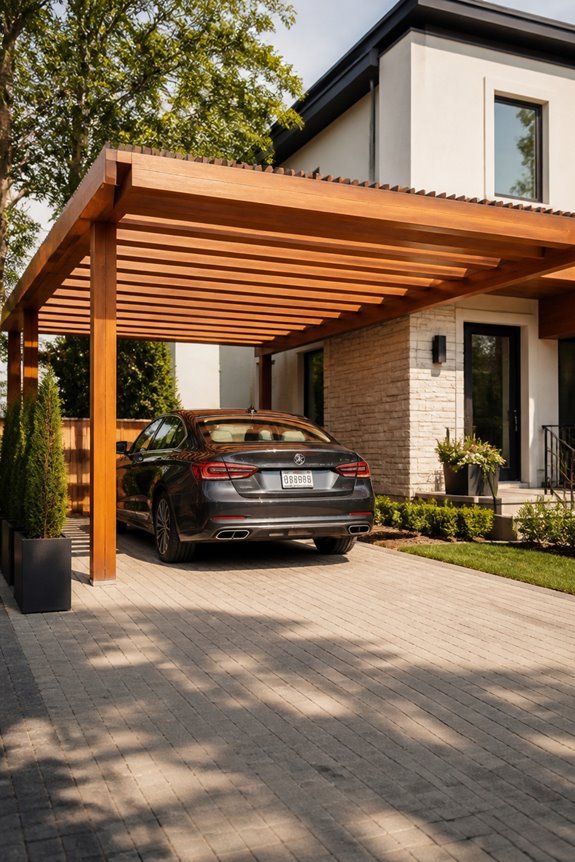
You know that feeling when you open your car door in July and the heat hits you like a wall? Metal carports block the rain, sure. But they cook everything underneath.
Wooden pergola carports work differently. The horizontal slats sit about a foot apart. Sunlight filters through in soft patches. Your car stays cooler. You stay happier.
Most builders use cedar or treated pine. Both handle weather well and look good doing it. The lattice pattern also cuts UV damage to your paint job. Small win, but it adds up.
Fair warning: these take real work to install. Grab a friend. Stock some cold drinks. The job goes faster with two people and some complaining about the heat.
The payoff matters though. You get actual shade. Your driveway looks finished. Neighbors notice.
Hedge Screening and Privacy Fencing
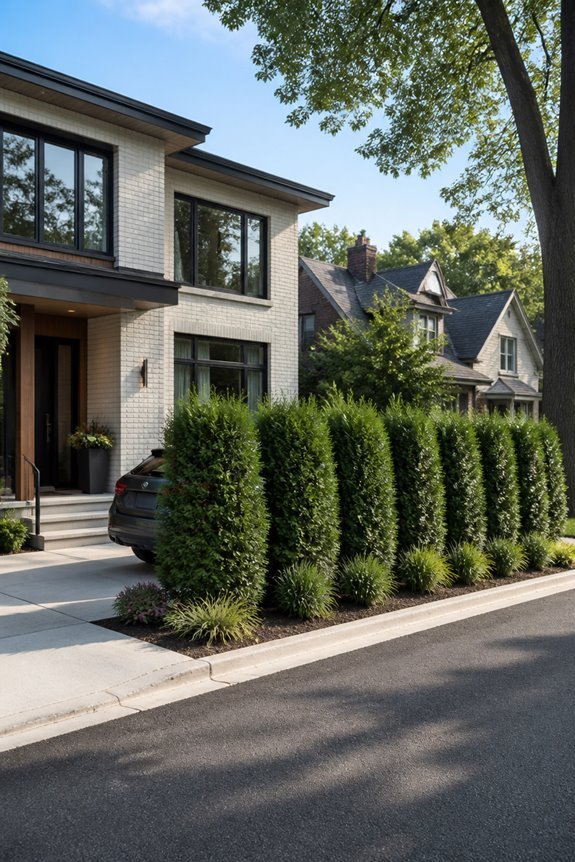
Tired of feeling like you’re on stage every time you pull into your driveway? You deserve privacy. Not judgment from neighbors while you wrestle with groceries or botch a parallel park.
A solid six-foot fence fixes this fast. It goes up, and suddenly your car disappears from view. But maybe you want something greener. Hedges work too. Holly bushes fill out thick. Privet shapes up nicely. Just know they take time and some trimming.
Here’s a smart move. Put a fence on one side and a hedge on the other. You get full coverage without paying for fence boards all around. Dark paint hides vehicles better than white or bright colors. Add lattice panels up top if you want light and a bit of style.
Your parking spot becomes yours again. No audience required at any hour.
Tall Plants and Strategic Plantings
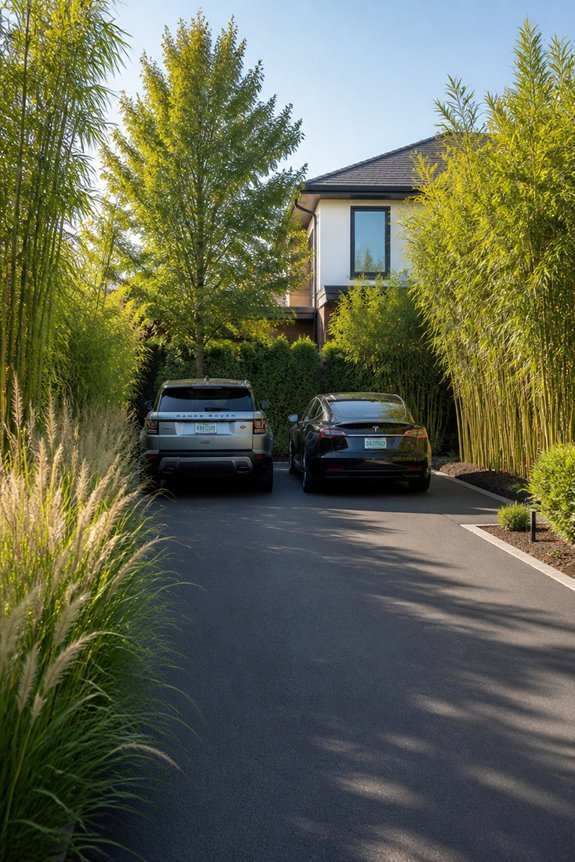
Tired of waiting years for hedges to fill in? Tall plants might be your answer.
Bamboo shoots up fast. We’re talking 3 to 6 feet each year. That’s a living wall in no time. Plant it along your driveway edges and watch the magic happen. Or try ornamental grasses. They move beautifully in the breeze and break up the view of parked cars without looking obvious.
Photinia brings something extra with its burgundy leaves. It looks polished while doing the job. Skip the straight rows. Offset your plantings slightly so everything feels relaxed and intentional. Your neighbors notice the curb appeal, not the camouflage.
Decorative Gates and Entrance Markers
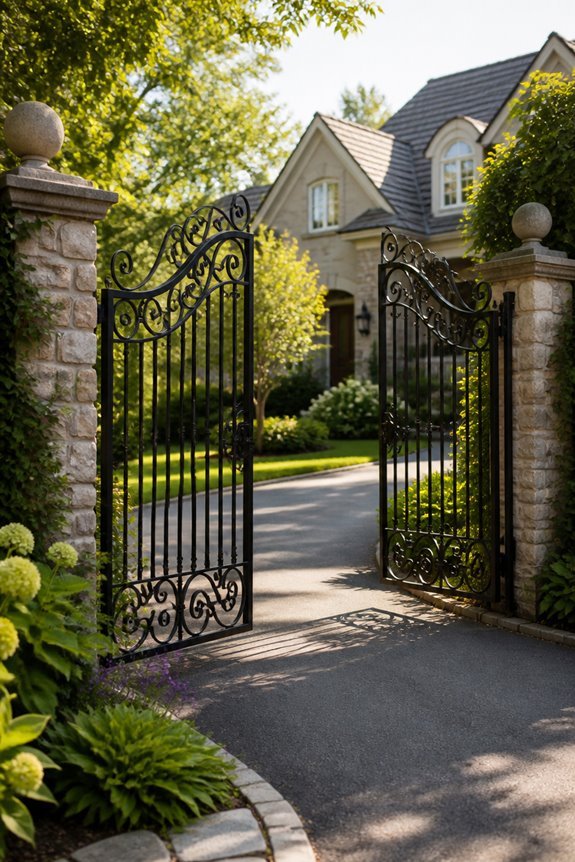
Ever pulled into a driveway and felt completely lost? Your guests feel that too. A good gate solves this quietly. It whispers “turn here” without shouting.
Think of decorative gates as friendly bouncers for your parking area. They welcome visitors in. They show exactly where to park. No confusion, no stress.
Entrance markers work the same magic. A simple wooden sign reading “Parking” in elegant lettering does wonders. Paint it forest green or deep blue for instant class. Position it at eye level, about five feet high.
Stone pillars on either side create real authority. They tell visitors, “This parking spot means business.” Add solar lights on top for nighttime sparkle.
Arches frame everything beautifully. A sturdy 8-foot-wide metal arch makes a statement. Let vines climb the sides for extra charm.
These small touches transform your space. Parking becomes intentional design. Your guests know exactly where to go. Your driveway stops looking like a random car graveyard.
Uplighting and Path Lighting
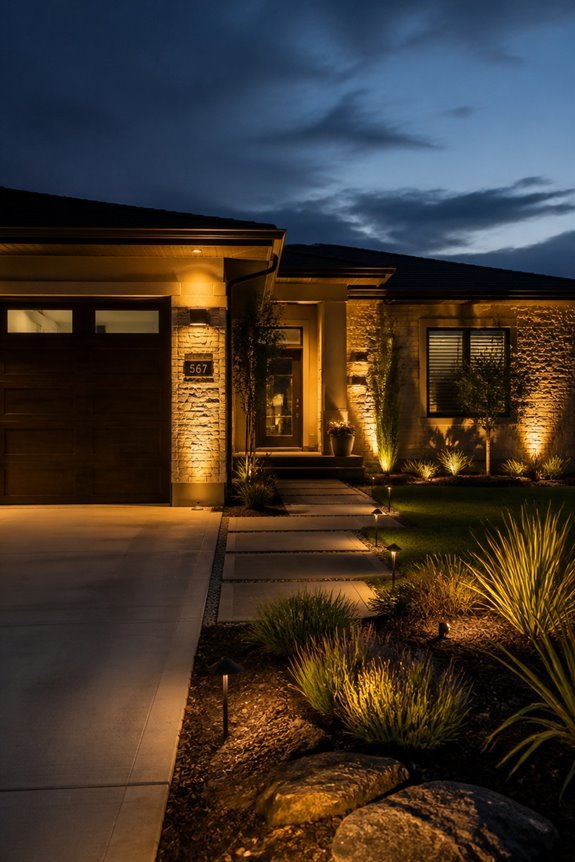
You know that awkward shuffle guests do when they arrive after dark? They’re trying not to trip over curbs or wander onto your lawn. Path lighting fixes this completely.
Solar path lights stake into the ground every few feet along your driveway edge. They charge during the day and switch on automatically at dusk. You get a soft golden trail that guides tires and footsteps without any harsh glare.
Uplighting adds the wow factor. Position small fixtures 2 to 3 feet from trees or your home’s columns. Angle them upward. Suddenly ordinary features look sculpted and intentional. It’s subtle drama that makes your entrance feel designed, not accidental.
Together these layers transform your parking area from forgotten darkness to somewhere guests actually want to arrive.
Tiered Landscaping to Frame Parking Edges
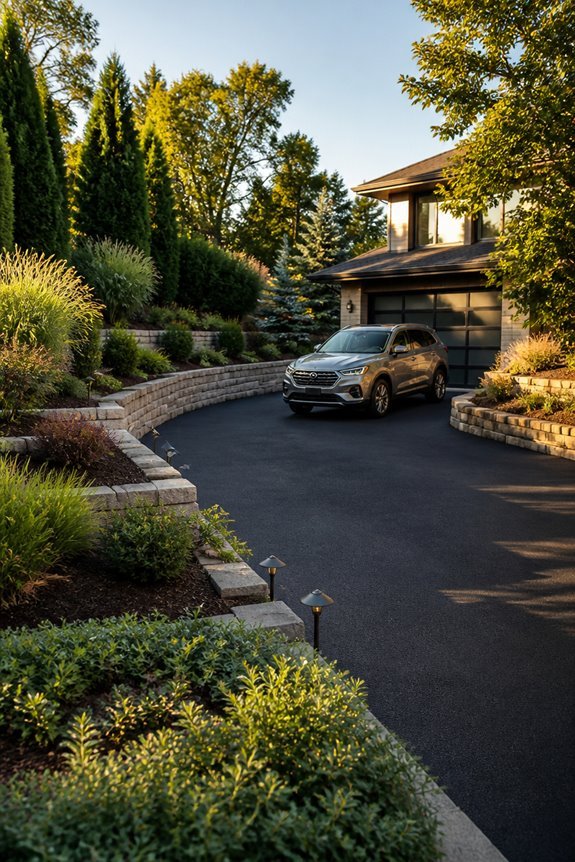
Your car deserves better than a muddy edge and some scraggly bushes. Tiered landscaping solves this without making your parking area feel like a commercial lot.
Start with tall evergreens at the back. Add medium shrubs in the middle. Finish with groundcover up front. This layering tricks the eye. It looks planned, not accidental. Pick mulch in warm brown or deep black. It frames the plants and keeps weeds down.
Now for the fun part. Choose flowers that bloom in different seasons. Your parking edge becomes a small garden. It changes all year. Guests notice. You notice too. That strip of asphalt stops feeling like an afterthought. It starts feeling like part of your home.
Hardscape Borders and Edging Details
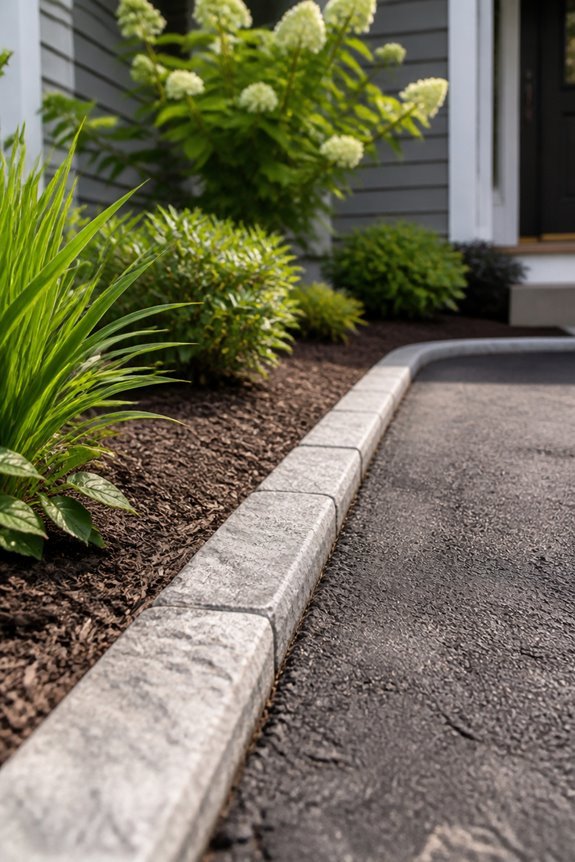
You’ve probably watched mulch escape onto your driveway after every rainstorm. It makes the whole yard look messy, even when your flowers are perfect. Hardscape edging fixes that. It gives your parking strip actual structure.
Steel or concrete edging runs about 4 to 6 inches tall. That’s just enough height to stop your tires from wandering into your plants. Steel strips look crisp and modern. Brick pavers feel warm and traditional. Rounded stones work beautifully with cottages. Clean lines suit contemporary homes. The goal is simple: keep gravel where it belongs, hold mulch in place, and make your edge look like you planned it that way.
Choosing the Right Solution for Your Budget
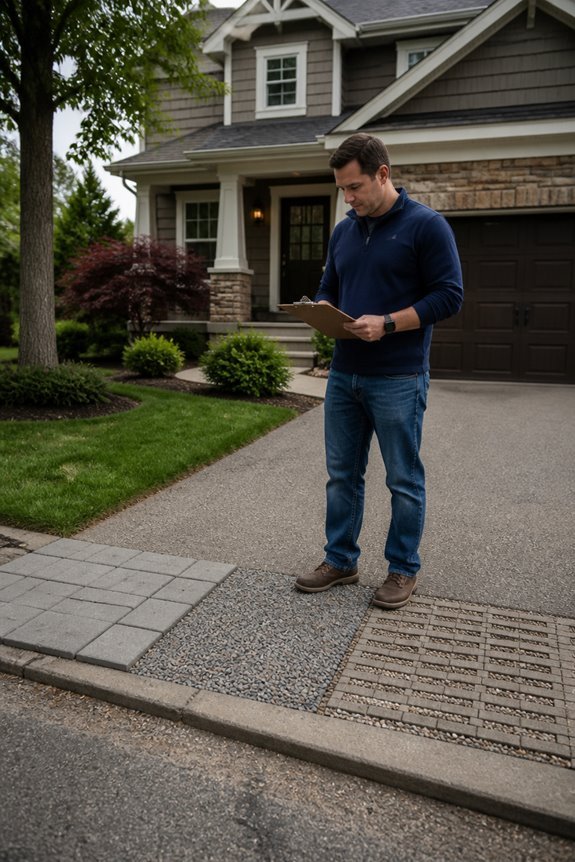
Your budget will dictate a lot here. But more money doesn’t always mean more happiness.
Gravel is your friend if you’re counting dollars. It costs pennies, installs fast, and gives that casual farmhouse vibe. Asphalt hits the sweet spot for many people: affordable, smooth, and quick to lay down. Concrete costs more upfront, but it pays you back with decades of quiet reliability.
Here’s a tip most contractors won’t tell you: start simple, then improve. A gravel base now can become a paver driveway later. You don’t need to do everything this year. Your future self will thank you for not draining the savings account on a single home project.
Frequently Asked Questions
How Much Does Front Yard Parking Installation Typically Cost Compared to Traditional Driveways?
Front yard parking installations typically cost between $3,000 and $10,000, making them generally more affordable than traditional driveways, which range from $4,000 to $15,000 depending on materials, size, and regional labor rates.
What Permits or Homeowner Association Approvals Are Required Before Installing Front Yard Parking?
Studies show approximately 60% of municipalities require permits for driveway modifications. Homeowners must check local zoning laws and submit applications to their city. Most HOAs demand written approval before installation begins, ensuring compliance with community aesthetic standards.
How Do Extreme Weather Conditions Affect Different Front Yard Parking Surface Materials Long-Term?
Asphalt cracks and softens in extreme heat while becoming brittle in freezing temperatures. Concrete develops surface spalling from freeze-thaw cycles. Permeable pavers shift with ground movement. Gravel disperses easily. Sealed surfaces perform best long-term.
Can Front Yard Parking Solutions Increase Home Resale Value and Curb Appeal Simultaneously?
“First impressions last.” Yes, well-designed front yard parking solutions simultaneously enhance curb appeal and increase resale value. Professional pavement, permeable materials, and integrated landscaping create an attractive, functional entrance that prospective buyers find appealing.
What Maintenance Schedule Is Necessary to Keep Front Yard Parking Looking Attractive Year-Round?
One should sweep debris weekly, pressure wash monthly, seal asphalt annually, and inspect for cracks quarterly. Vegetation trimming every six weeks and edge maintenance prevent overgrowth. Regular upkeep preserves appearance and extends surface longevity considerably.
Conclusion
Transforming a drab parking spot into a stunner isn’t rocket science—it’s actually a breeze! Whether someone picks permeable pavers, decorative gravel, or reinforced turf, the magic happens when creativity meets function. Budget tight? Gravel works. Want fancy? Go permeable. The real winner? Any solution beats staring at boring concrete. Now that’s a parking glow-up worth celebrating!